

 en
en  русский
 Español
IH Type Horizontal Chemical Centrifugal Pump
Cat:Chemical Process Pump
The IH type chemical centrifugal pump is a single-stage single-suction (axial suction) cantilever centrifugal pump, which is used to transport liquids...
See DetailsContent
Fluorine lined axial flow pumps are a category of centrifugal pump designed to move fluid parallel to the pump shaft, using an impeller that pushes liquid in an axial direction rather than the radial pattern typical of standard centrifugal pumps. What distinguishes these pumps from conventional axial flow designs is the fluoropolymer lining, typically made from materials such as PTFE (polytetrafluoroethylene) or PFA (perfluoroalkoxy alkane), applied to the wetted internal surfaces including the pump casing, impeller, and shaft sleeve.
This lining creates a chemically inert barrier between the corrosive fluid being pumped and the underlying metal structure, which is usually cast iron, carbon steel, or stainless steel. The result is a pump capable of handling highly corrosive, high-volume, low-head fluid transfer applications that would otherwise rapidly degrade unlined metal components. Axial flow pumps in general are known for moving large volumes of fluid at relatively low pressure, making the fluorine lined variant particularly suited to bulk chemical transfer, wastewater treatment, and process industries dealing with aggressive media.
Understanding the axial flow mechanism helps clarify why this pump type is chosen for specific applications. In an axial flow pump, the impeller resembles a ship's propeller, and fluid moves in a straight line along the axis of the shaft as it passes through the impeller blades. This is different from radial flow pumps, where fluid enters near the shaft and exits perpendicular to it, and from mixed flow pumps, which combine both radial and axial movement.
The practical implication of axial flow design is that these pumps excel at moving very large volumes of liquid but generate comparatively low head, or pressure. This makes them well suited to applications like flood control, large-scale drainage, cooling water circulation, and bulk chemical transfer between tanks, where high flow rates matter more than high pressure output.
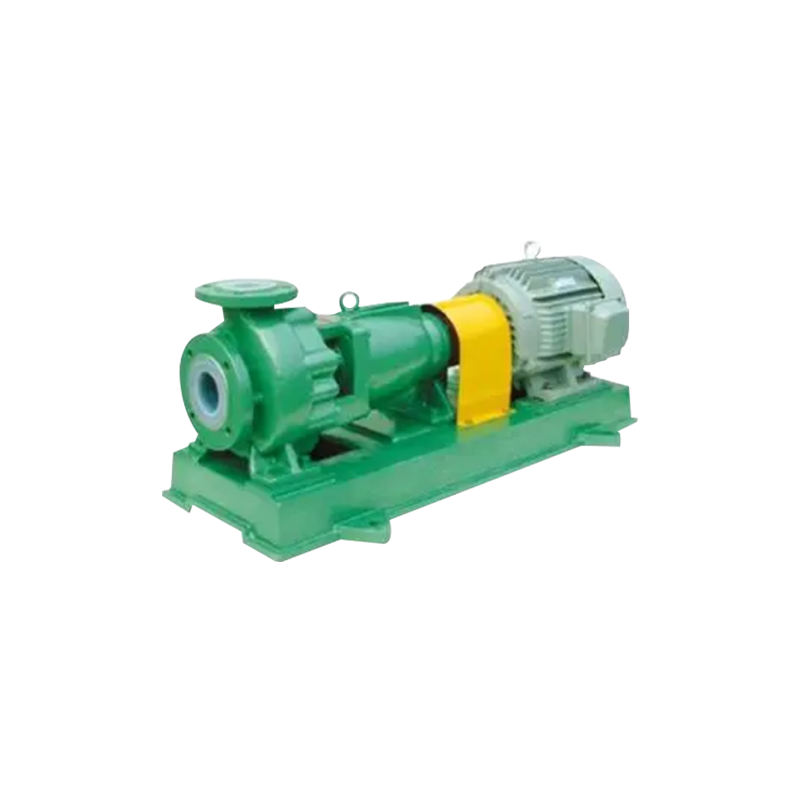
Fluoropolymer linings are selected for their exceptional chemical resistance across a broad range of acids, alkalis, and solvents. Materials like PTFE and PFA remain stable when exposed to substances such as concentrated sulfuric acid, hydrochloric acid, and many organic solvents that would corrode unprotected metal surfaces within a short period of use.
| Lining Material | Key Property | Typical Application |
| PTFE | Broad chemical resistance, low friction | Strong acids, alkalis, general corrosive fluids |
| PFA | Higher purity, better mechanical strength than PTFE | High-purity chemical processing, semiconductor fluids |
| FEP | Good clarity, moderate temperature resistance | Lower-temperature corrosive fluid transfer |
Beyond chemical resistance, fluoropolymer linings also offer low surface friction, which can help reduce buildup of scale or sediment on internal surfaces, and they maintain performance across a fairly wide temperature range, though maximum operating temperatures vary by specific lining material and should always be checked against manufacturer specifications.
A fluorine lined axial flow pump combines standard axial flow pump mechanics with specialized lining and sealing techniques to ensure the fluoropolymer barrier remains intact under operational stress.
The impeller is typically cast from metal and then coated or molded with a fluoropolymer layer. Because the impeller experiences the highest mechanical stress in the pump, manufacturers pay close attention to lining thickness and adhesion at this component to prevent delamination during operation.
The pump casing houses the impeller and directs fluid flow. The interior surface is lined with the chosen fluoropolymer, and the lining must be applied uniformly to avoid weak points where corrosive fluid could eventually penetrate to the underlying metal.
Sealing is one of the most critical design considerations in lined pumps, since the point where the rotating shaft exits the pump housing is a common failure point for corrosive fluid leakage. Many fluorine lined axial flow pumps use mechanical seals with fluoropolymer or ceramic faces, or magnetic drive designs that eliminate the shaft seal entirely by using a sealed containment shell.
Fluorine lined axial flow pumps are used across industries that require both high-volume fluid movement and strong chemical resistance.
Choosing an appropriate fluorine lined axial flow pump requires evaluating several factors specific to the fluid being handled and the operational environment.
Even among fluoropolymer linings, resistance varies slightly depending on concentration, temperature, and the specific chemical involved. Consulting a chemical compatibility chart for the exact lining material and fluid combination helps avoid premature lining failure.
Since axial flow pumps are optimized for high flow at low head, it is important to confirm that the application's pressure requirements fall within the pump's operating range. Applications requiring higher pressure alongside chemical resistance may be better served by a different pump configuration, such as a lined centrifugal pump with a different impeller design.
Fluoropolymer linings have defined maximum operating temperatures, beyond which mechanical properties can degrade. Applications involving hot corrosive fluids should confirm the lining material's temperature rating against expected process conditions.
Routine inspection of the fluoropolymer lining is important for identifying early signs of wear, such as thinning, discoloration, or small cracks that could eventually allow corrosive fluid to reach the underlying metal. Seal integrity should also be checked regularly, since seal failure is one of the more common causes of unplanned downtime in lined pump systems. Where magnetic drive designs are used, monitoring for coupling wear and ensuring adequate cooling flow around the containment shell helps extend service life and maintain reliable performance over time.
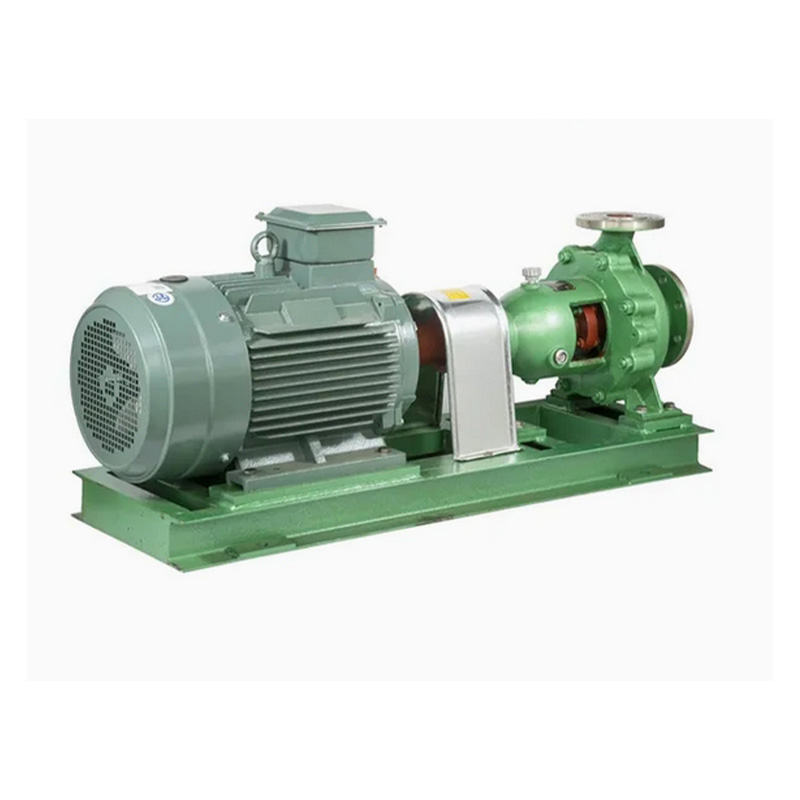
The IH type chemical centrifugal pump is a single-stage single-suction (axial suction) cantilever centrifugal pump, which is used to transport liquids...
See Details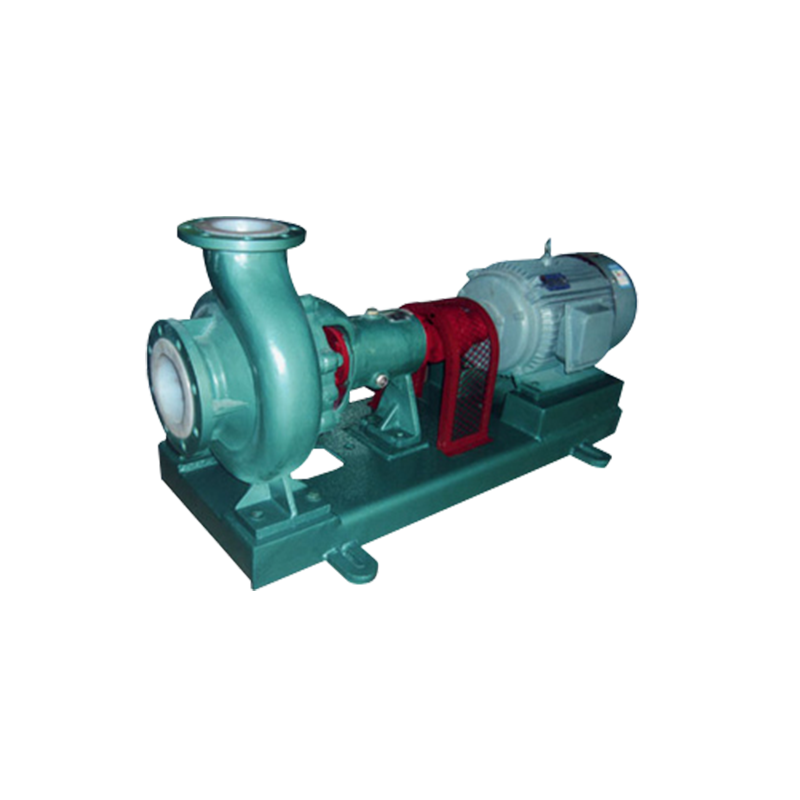
IHF fluorine-lined chemical pump is characterized by a reasonable and advanced structure, strong corrosion resistance, tight and reliable mechanical s...
See Details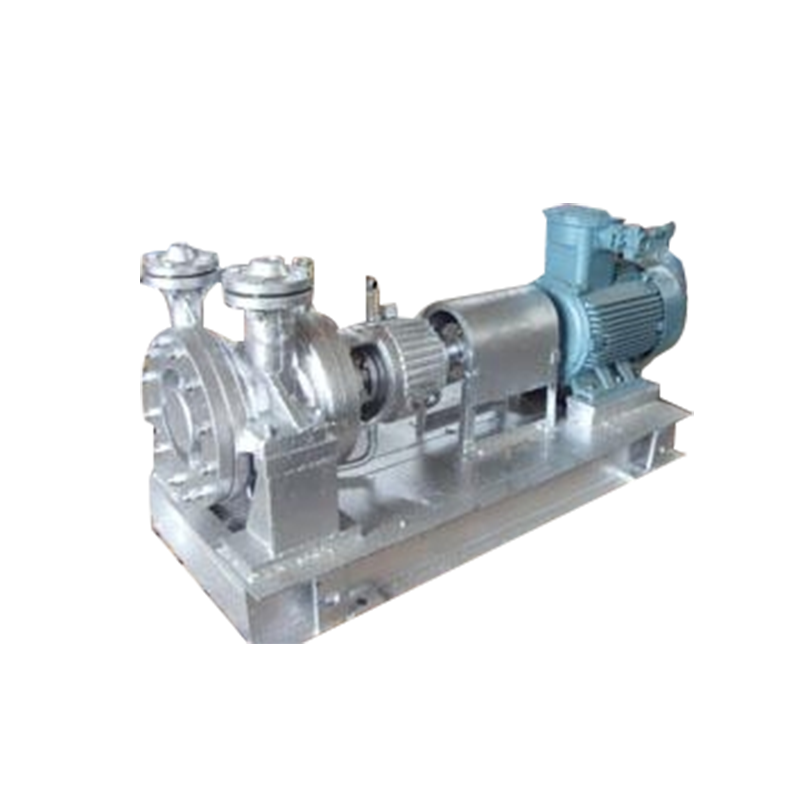
AY type oil pump is divided into two structural forms: single-stage single-suction cantilever type, two-stage single-suction cantilever type, single-s...
See Details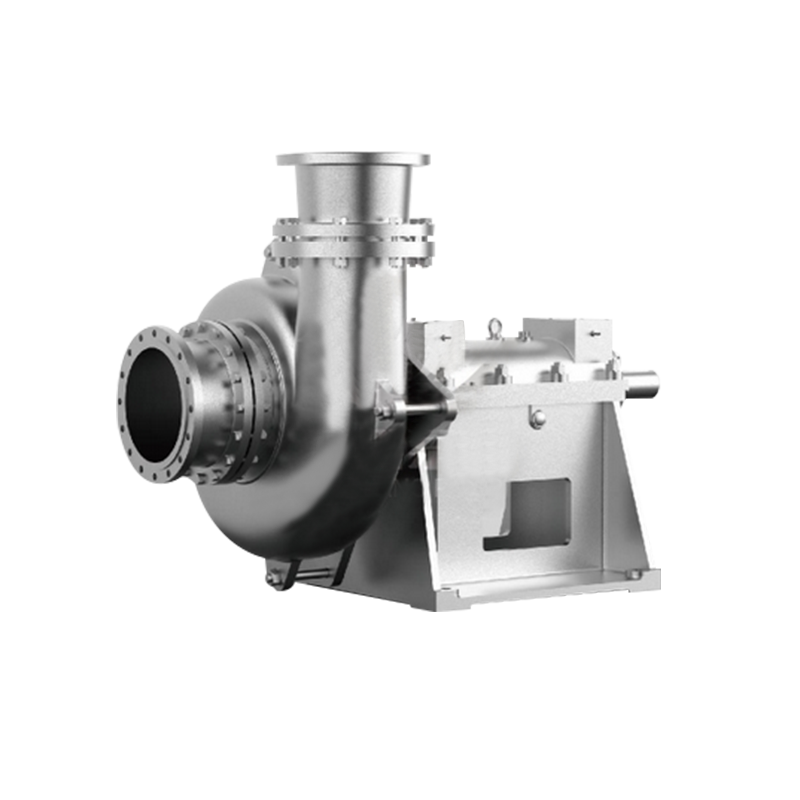
The Double Casing Slurry Pump, a series of solid-liquid two-phase flow slurry pumps, is engineered with an innovative two-phase flow design theory and...
See Details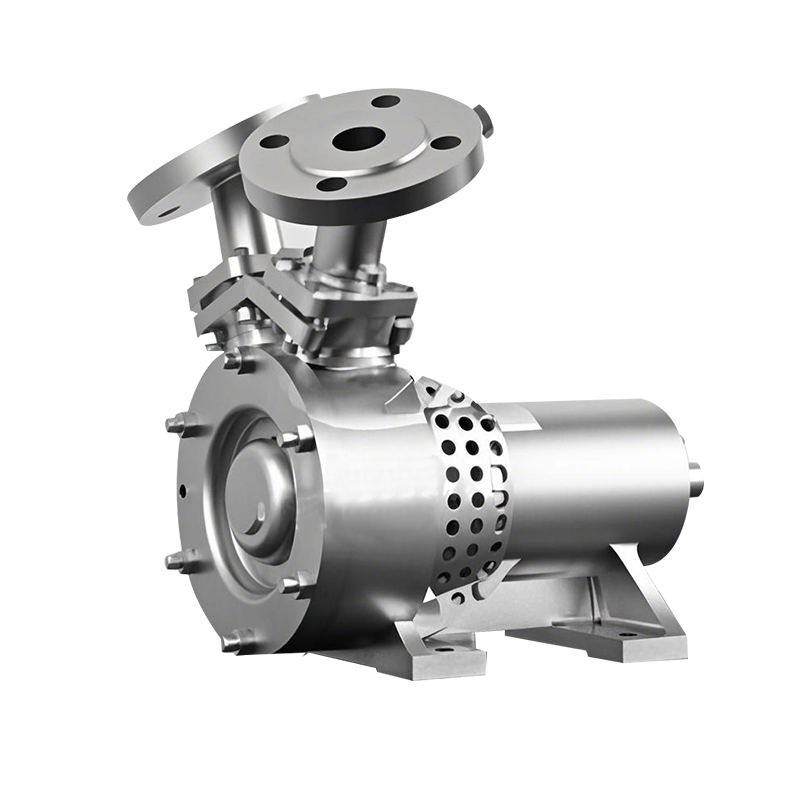
The vortex pump is compact in size yet capable of generating high pressure, making it an ideal choice for achieving miniaturization of equipment. It e...
See Details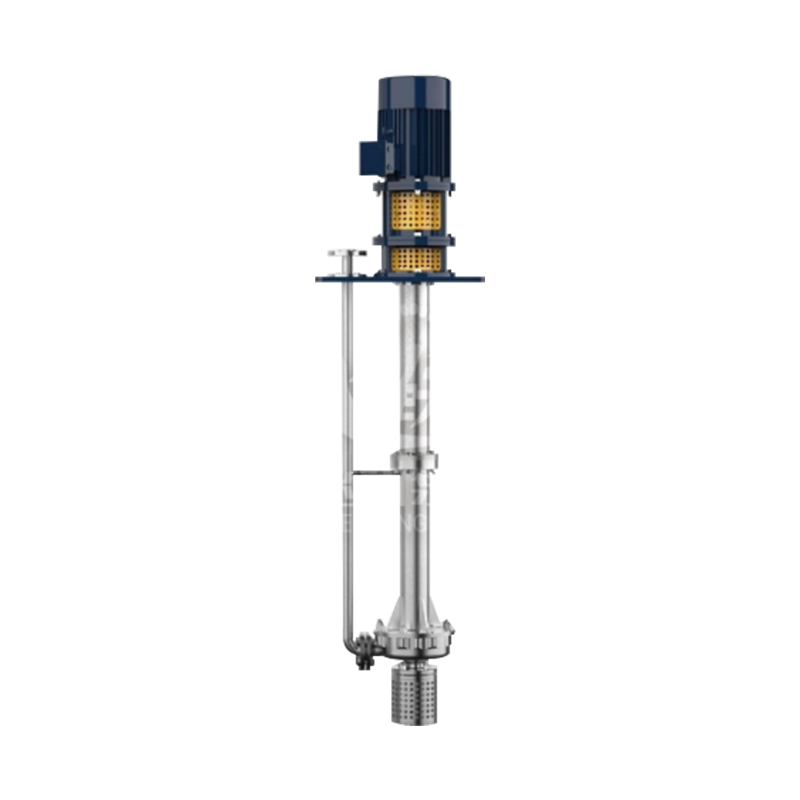
The Diversion-Type Long Shaft Submersible Desulfurization Pump is specifically engineered for underground sump applications in power plant flue gas de...
See Details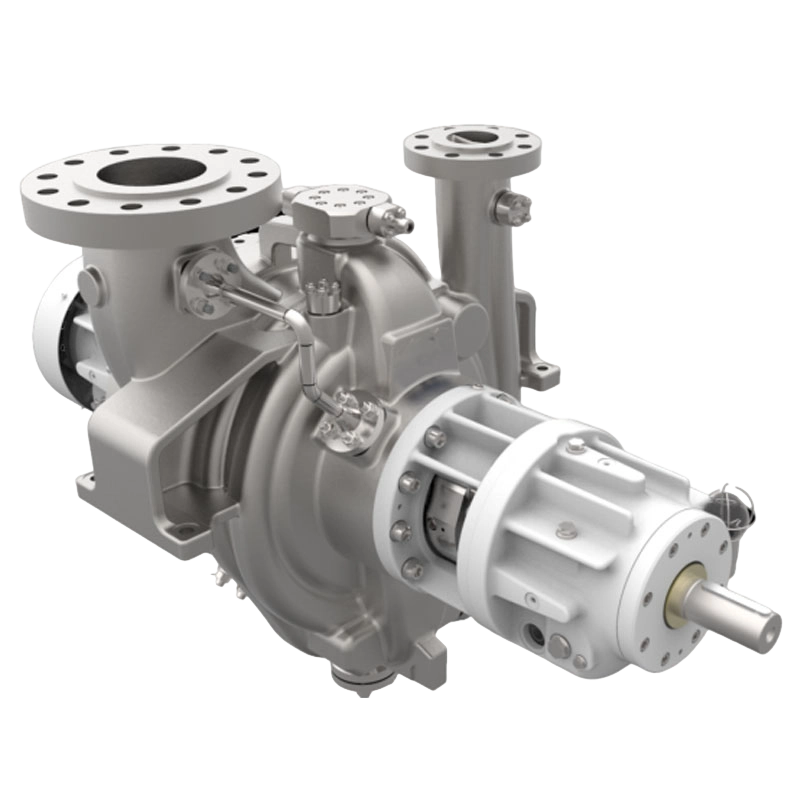
Our standard API 610 BB2 pumps feature a centerline-mounted, radially split casing with double suction and between-bearing construction. The pump and ...
See Details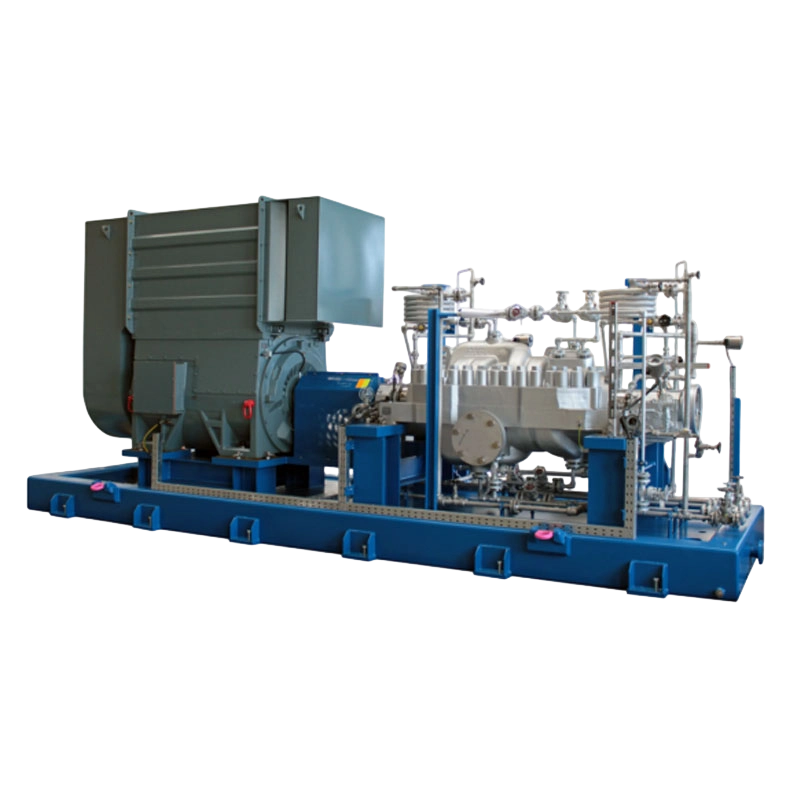
Our API 610 BB3 pumps are centerline-mounted, multistage units featuring an axially split casing with single suction and between-bearing construction....
See Details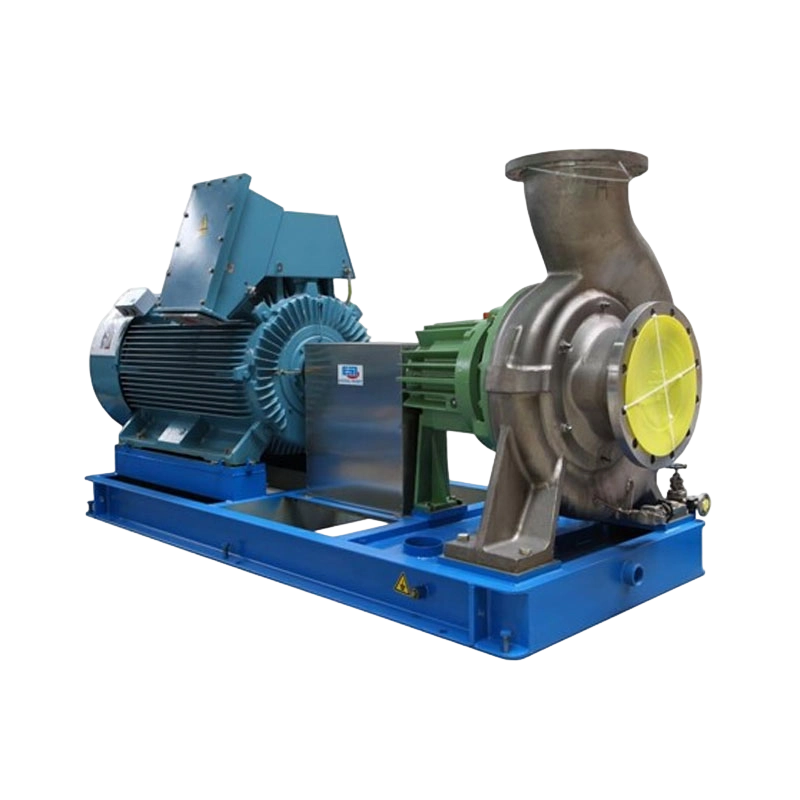
Our standard API 610 OH1 pumps are engineered as foot-mounted, single-stage, overhung units with a dedicated bearing housing. The pump and motor are f...
See Details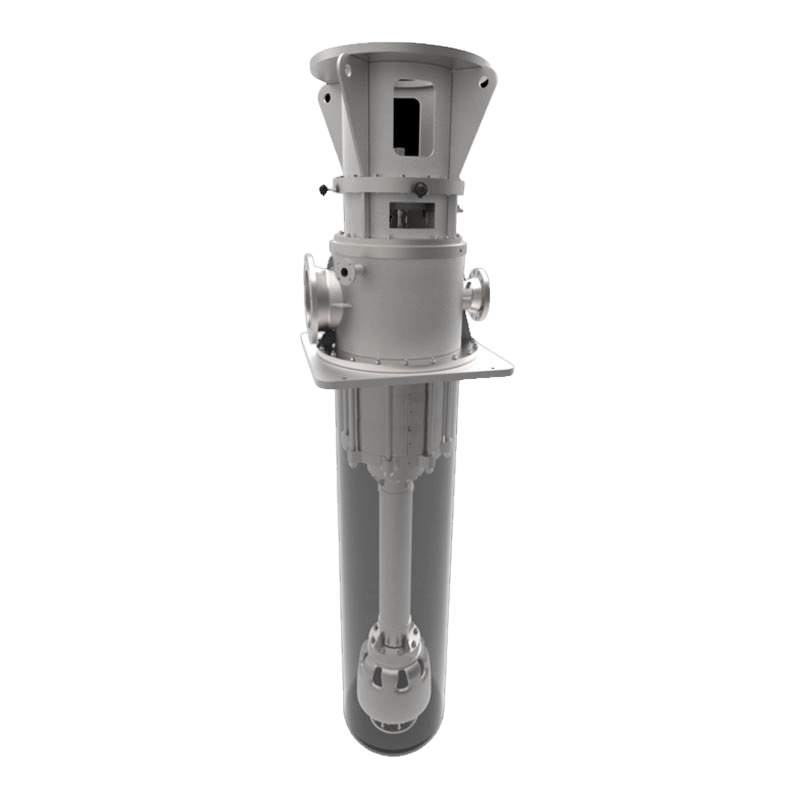
Our API 610 VS6 sump pumps feature a vertically suspended configuration with radially split single casing, designed as single or multi-stage diffuser ...
See DetailsCopyright © Welcome to Chemical Pump Factory - Jiangsu Feixiang Pump Manufacturing All rights reserved. Chemical Pumps Manufacturers

 +86-18052670932
 +86-0523-84326888
 No. 35, Xinqiao Middle Road, Xinqiao Town, Jingjiang City, Jiangsu Province, China