What Defines a Chemical Pump?
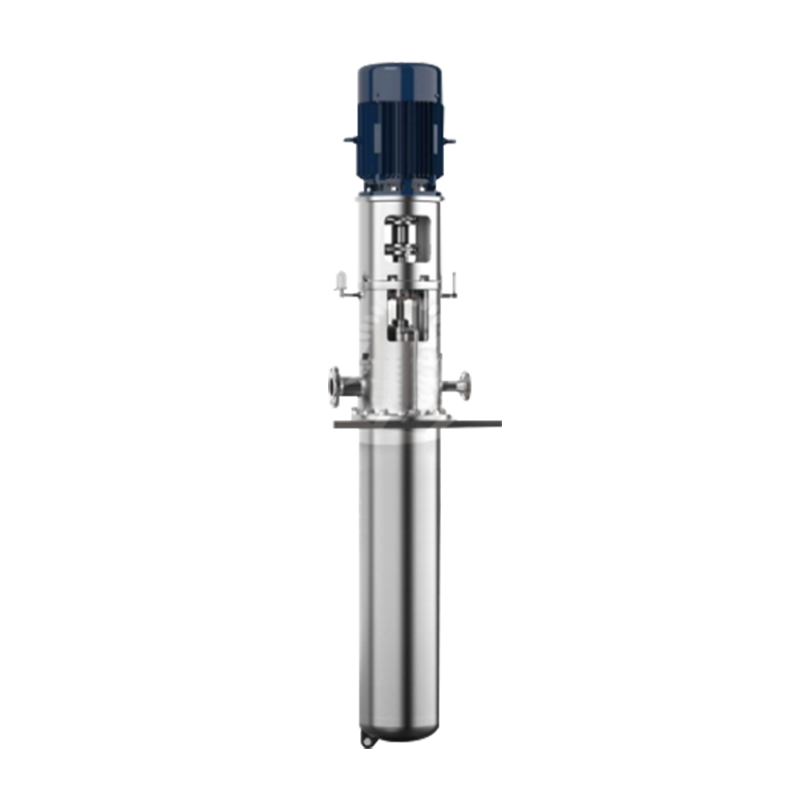
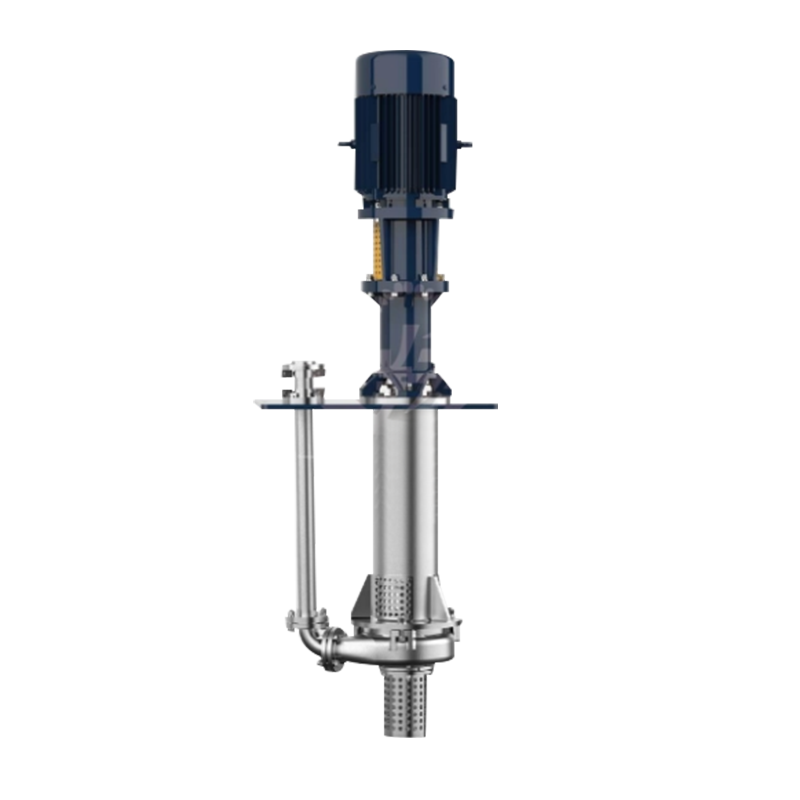
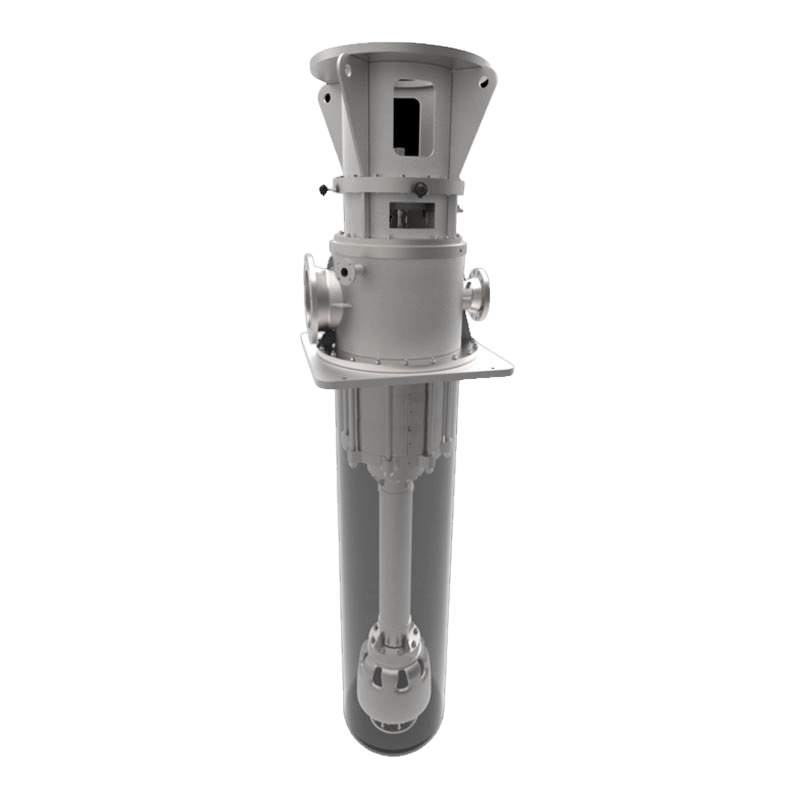
A chemical pump is a specialized fluid-handling device engineered to transfer corrosive, abrasive, or otherwise aggressive liquids without suffering rapid material degradation. Unlike standard water pumps, chemical pumps are constructed from materials specifically chosen to resist chemical attack, including thermoplastics, high-nickel alloys, and specialty elastomers. These pumps are essential across industries such as chemical processing, wastewater treatment, pulp and paper manufacturing, mining, and pharmaceutical production, where the fluids being moved would quickly destroy conventional pump components.
The defining characteristic of a chemical pump is not its mechanical operating principle, since many chemical pumps use the same centrifugal or positive displacement mechanisms found in general industrial pumps, but rather the careful selection of wetted materials that come into direct contact with the process fluid. Choosing the correct combination of pump type, material, and seal configuration is critical to achieving safe, reliable, and cost-effective operation.
Common Types of Chemical Pumps
Chemical pumps are available in several configurations, each suited to different flow rates, pressure requirements, and fluid characteristics. Understanding the distinctions between these types helps narrow down the right choice for a specific application.
Centrifugal Chemical Pumps
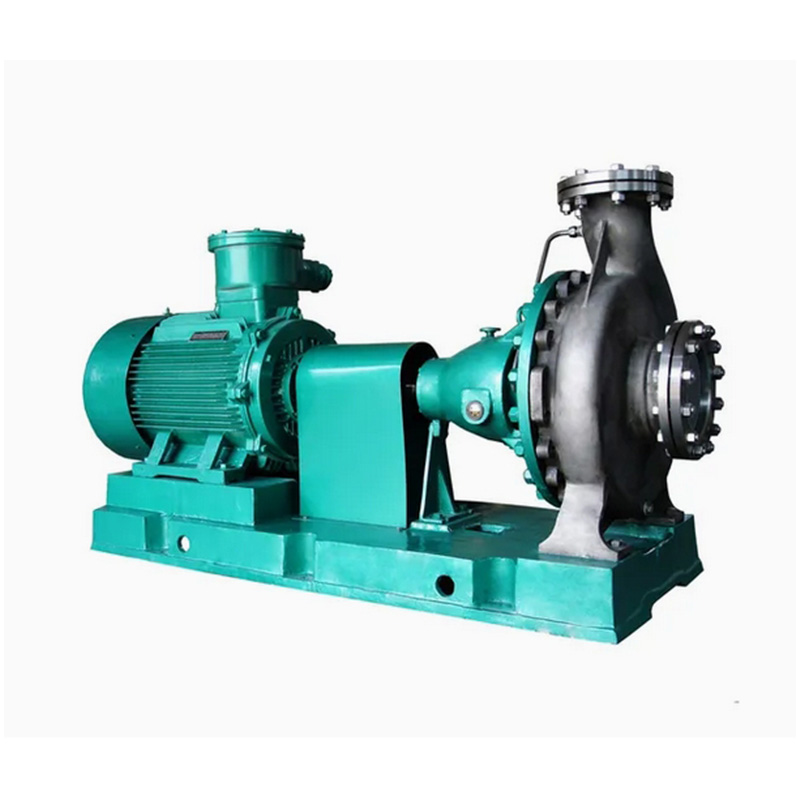
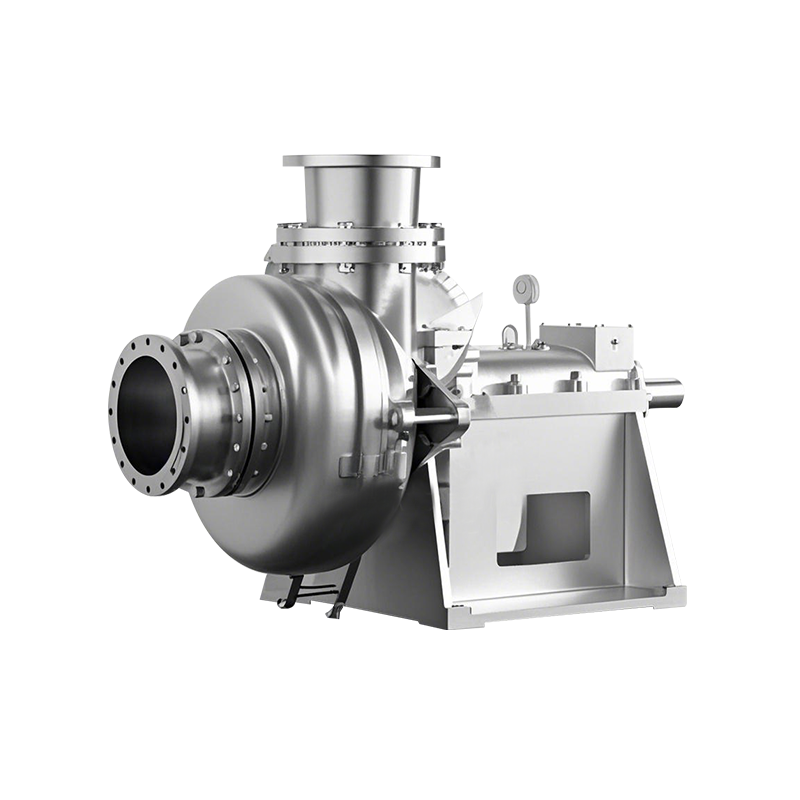
Centrifugal chemical pumps use a rotating impeller to convert mechanical energy into fluid velocity and pressure. They are widely used for high-flow, low-to-moderate viscosity applications such as transferring acids, caustics, and process water. Their relatively simple design makes them cost-effective and easy to maintain, though they are less suited to handling highly viscous fluids or applications requiring precise metering.
Diaphragm Pumps
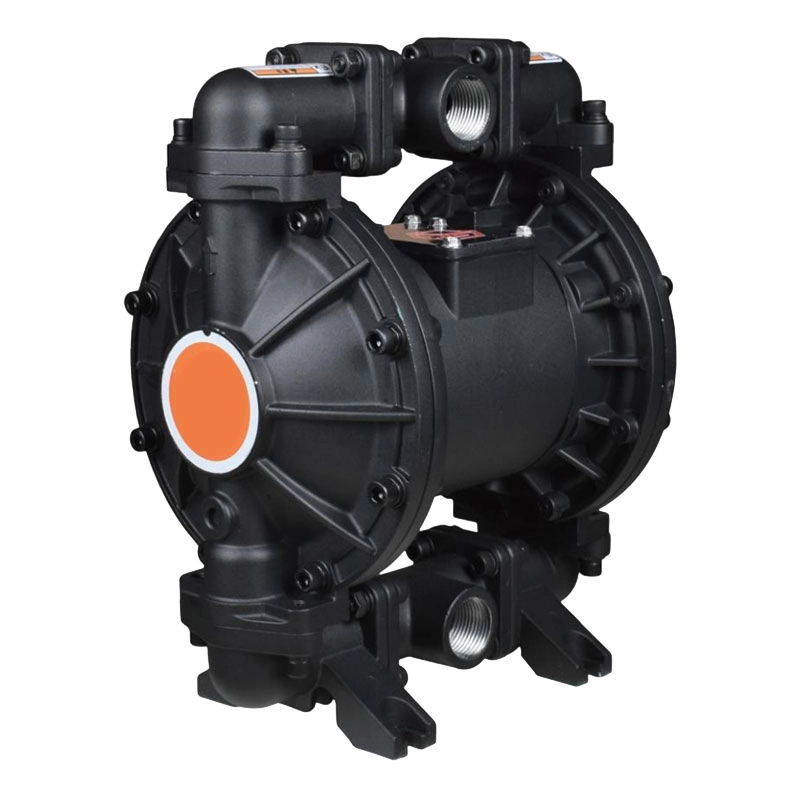
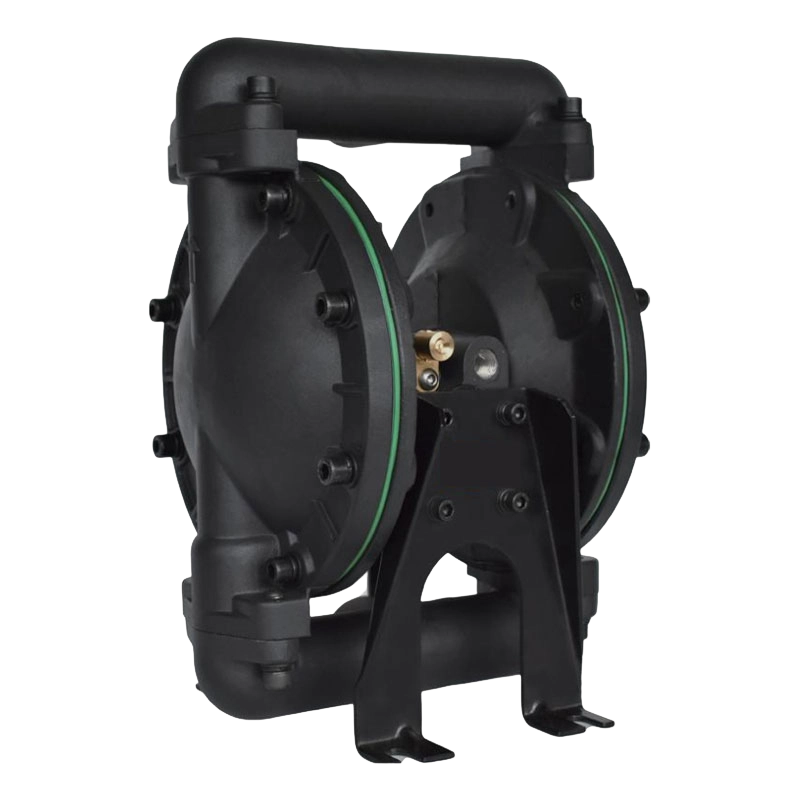
Diaphragm pumps use a flexible membrane to displace fluid, isolating the process liquid from the pump's mechanical components. This design is particularly valuable for handling hazardous or highly corrosive chemicals, since the diaphragm prevents leakage even under fluctuating pressure conditions. Diaphragm pumps are commonly used in metering applications where precise dosing is required, such as water treatment chemical injection.
Magnetic Drive Pumps
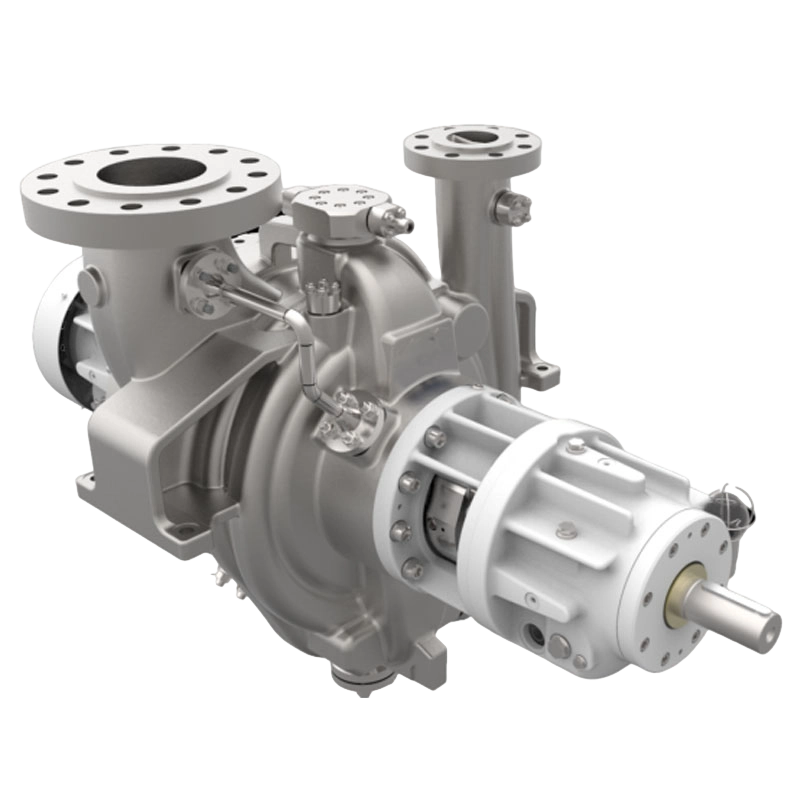
Magnetic drive pumps eliminate the need for a shaft seal by using a magnetic coupling to transfer rotational energy from the motor to the impeller through a sealed containment shell. This sealless design significantly reduces the risk of leakage, making magnetic drive pumps a preferred choice for handling toxic, flammable, or environmentally hazardous chemicals where seal failure would pose a serious safety risk.
Peristaltic Pumps
Peristaltic pumps move fluid by compressing a flexible tube with rotating rollers, pushing the liquid through without the fluid ever contacting internal pump components beyond the tubing itself. This makes them ideal for extremely corrosive or abrasive fluids, as well as applications requiring easy cleaning or sterilization, such as in pharmaceutical or food-grade chemical processing.
Material Selection for Wetted Components
The materials used in a chemical pump's wetted parts, meaning any component that contacts the process fluid, determine how well the pump will resist corrosion, erosion, and chemical degradation over time. Selecting the wrong material can lead to premature failure, contamination of the process fluid, or dangerous leaks.
| Material |
Chemical Resistance |
Typical Applications |
| PVDF |
Excellent against acids and solvents |
Acid transfer, solvent handling |
| PTFE |
Near-universal chemical resistance |
Highly aggressive or reactive fluids |
| Hastelloy C |
Strong resistance to oxidizers |
Bleach, ferric chloride, hot acids |
| 316 Stainless Steel |
Moderate corrosion resistance |
Mild acids, general chemical transfer |
| Polypropylene |
Good against dilute acids and bases |
Wastewater treatment, dilute chemicals |
When evaluating material options, it is important to consider not only the chemical being pumped but also its concentration, temperature, and any trace contaminants that might be present, since these factors can significantly influence corrosion rates even for materials generally considered resistant to a given chemical family.
Sealing Options and Leak Prevention
Seal selection is one of the most critical decisions in chemical pump design, since seal failure is among the most common causes of chemical leaks and associated safety incidents. There are several sealing approaches available, each with distinct trade-offs.
Mechanical Seals
Mechanical seals use two flat faces, one rotating and one stationary, pressed together to prevent fluid from escaping along the pump shaft. While effective, mechanical seals are subject to wear and can fail if exposed to dry running conditions or incompatible fluids, making regular inspection important for pumps handling hazardous chemicals.
Sealless Designs
Magnetic drive and canned motor pumps eliminate the shaft seal entirely, removing the most common leak point in a chemical pump system. While these designs carry a higher upfront cost, they significantly reduce the risk of fugitive emissions and are often required by environmental regulations for handling volatile or toxic substances.
Key Selection Criteria for Chemical Pumps
Choosing the right chemical pump requires evaluating a combination of fluid properties, operating conditions, and regulatory requirements. The following factors should be assessed before finalizing a pump selection.
- Chemical compatibility of all wetted materials with the process fluid
- Fluid temperature range and its effect on material performance
- Presence of solids, slurries, or abrasive particles in the fluid
- Required flow rate and discharge pressure
- Viscosity of the fluid being pumped
- Regulatory requirements regarding emissions and leak prevention
Overlooking any of these factors can lead to accelerated wear, unexpected downtime, or safety incidents, particularly when pumps are operated outside their intended design parameters.
Common Applications Across Industries
Chemical pumps serve a wide range of industrial sectors, each with distinct fluid handling challenges that influence pump selection.
Water and Wastewater Treatment
Treatment facilities rely on chemical pumps to dose coagulants, disinfectants, and pH adjustment chemicals with precise accuracy. Diaphragm and peristaltic pumps are particularly common in this sector due to their reliable metering capabilities.
Chemical Processing Plants
Manufacturing facilities that produce or process industrial chemicals require pumps capable of transferring large volumes of aggressive fluids continuously. Centrifugal pumps constructed from PVDF or high-nickel alloys are frequently used for bulk transfer operations in this setting.
Mining and Mineral Processing
Mining operations often involve pumping abrasive slurries containing acids or caustic solutions used in ore processing. Pumps in this sector require both chemical resistance and abrasion-resistant construction to withstand the combined effects of corrosive chemistry and particulate wear.
Maintenance Practices for Extending Pump Life
Regular maintenance significantly extends the operational lifespan of a chemical pump and reduces the risk of unplanned failures. Operators should establish a routine inspection schedule that includes checking seal condition, monitoring for signs of material degradation such as swelling or cracking, and verifying that the pump is operating within its rated flow and pressure limits.
Flushing the pump with a compatible cleaning solution after handling particularly aggressive chemicals can help prevent residue buildup that might otherwise accelerate corrosion during idle periods. Additionally, maintaining accurate records of fluid exposure history allows maintenance teams to anticipate when wetted components may need replacement before a failure occurs in service.
Final Thoughts on Chemical Pump Selection
Selecting the right chemical pump requires a careful balance of pump type, wetted material compatibility, sealing method, and operating conditions specific to the fluid being handled. By thoroughly evaluating these factors and following consistent maintenance practices, facilities can achieve reliable, long-term pump performance while minimizing the risks associated with handling corrosive and hazardous chemicals.


 en
en  русский
 Español
 +86-18052670932
 +86-0523-84326888
 No. 35, Xinqiao Middle Road, Xinqiao Town, Jingjiang City, Jiangsu Province, China