

 en
en  русский
 Español
IJ Series Corrosion-Resistant Pump
Cat:Chemical Alkali Pump
IJ series corrosion-resistant pump is a single-stage, single-suction cantilever centrifugal pump. Its marking, rating characteristics, and dimensions ...
See DetailsContent
Imagine walking up to a centrifugal pump that has just been installed. The motor spins, the shaft turns, but no liquid comes out. After a few minutes of troubleshooting, you realize the pump was started without being primed. This is one of the most common causes of pump failure, and it is also one of the easiest to prevent.
Priming is the process of filling the pump casing and suction line with the fluid that will be pumped, so that all air, gas, or vapor is pushed out. Until this is done, a standard centrifugal pump cannot build enough pressure to pull liquid up from a source below it. In simple terms, priming replaces the air inside the pump with the actual process fluid, creating the hydraulic conditions needed for the impeller to move liquid efficiently.
A priming pump, in the technical sense, can be one of two things: the act of priming itself, or a small auxiliary pump used to create a vacuum and draw liquid into the main pump. In industrial practice, when someone asks what a priming pump is, they usually want to understand the priming procedure that many pumps require before they can operate. The same term also appears on self-priming pumps, which include a built-in mechanism that eliminates the need for external priming on every start-up.
Most centrifugal pumps are not capable of creating a strong enough vacuum to lift liquid from rest by themselves. The impeller rotates and throws liquid outward, but if the casing is filled with air, the air is simply recirculated inside the pump. Atmospheric pressure can push water up the suction pipe only when the pump casing is filled with a denser liquid, not with air. That is why a pump with an empty suction line and an open casing will run dry indefinitely without moving any fluid.
There are two practical consequences of running a pump unprimed. First, the pump may overheat because the liquid is needed to carry heat away from the seal faces and bearings. Second, dry running can damage the mechanical seal quickly, especially in chemical pumps handling corrosive or abrasive media. The result is often expensive downtime and premature seal replacement. Priming is not an optional ritual; it is a fundamental step in protecting the pump and the process.
Some pump designs avoid this problem entirely. A self-priming pump recirculates a small amount of liquid inside the casing to create a vacuum on successive strokes, drawing the fluid up the suction line automatically. Other positive-displacement pumps, such as screw pumps, can create a strong vacuum and therefore handle air entrainment far better than a standard centrifugal pump. But for a typical end-suction centrifugal pump, the operator must provide an external priming method before the pump can do its job.
The right priming method depends on the pump size, the suction lift, the fluid properties, and how often the pump is started. In continuous industrial service, operators rarely want to open a vent plug and pour water into a pump casing every day. That is where priming systems and auxiliary priming pumps become valuable.
Manual priming is the simplest method. The operator opens a vent valve on the pump casing or discharge line, pours liquid into the casing until it overflows, then closes the vent and starts the pump. This works when the suction source is above the pump (positive static head) or when the suction lift is very small. Manual priming is labour-intensive and not suitable for repeated start-stop cycles, but it is still common on mobile equipment and small transfer pumps.
When the pump must start automatically or when the suction lift is large, an auxiliary system is used. A dedicated priming pump—often a small vacuum pump or a positive-displacement pump—is connected to the main pump suction or discharge line. It evacuates air from the casing and suction pipe, allowing atmospheric pressure to push liquid into the pump. Once liquid reaches the pump, the priming system shuts off and the main pump takes over. These systems are common on fire pumps, irrigation boosters, and industrial transfer stations.
In many chemical plants, the auxiliary priming pump is designed as a corrosion-resistant unit because it handles the same vapours and liquids as the main pump. Our industrial chemical pump range includes both self-priming pumps and standard centrifugal pumps that can be paired with a properly selected priming system.
Automatic priming systems monitor pump condition and initiate priming whenever the pump is about to start. They often include a level sensor in the casing, a vacuum source, and a control panel. When the pump is switched on, the system first evacuates the air, detects liquid, and then allows the main pump to run. This is the most reliable approach for remote or unattended installations because it removes the human error factor.
Choosing between a self-priming and a non-self-priming pump is one of the most important decisions in system design. The distinction is not just about convenience; it affects piping layout, start-up procedures, maintenance frequency, and overall system cost. The table below summaries the key differences.
| Feature | Self-Priming Pump | Non-Self-Priming Pump |
|---|---|---|
| Priming requirement | Priming is automatic on start-up | Casing must be filled with liquid manually or by an external priming system |
| Typical suction lift | Can handle moderate suction lift without external equipment | Requires flooded suction or a priming device for lifts above a few metres |
| Maintenance | Fewer start-up failures; internal check valves and separators may need inspection | Simpler impeller design, but seals may suffer from repeated dry starts |
| Energy use | Slightly lower efficiency in some designs due to recirculation path | Higher efficiency when running steady, but external priming energy adds overhead |
| Best suited for | Frequent stop-start, suction lift conditions, mobile or temporary installations | Continuous processes with flooded suction, such as many chemical plant transfer duties |
For installations where manual priming is impractical, a self-priming pump simplifies everything. Our strong self-priming pump is designed for rapid air evacuation and steady restart capability, while the synchronous discharge and suction pump handles frequent start-stop cycles without requiring an external vacuum source.
Even with a self-priming pump, understanding the steps of manual priming helps you diagnose problems and verify that the pump is ready for service. The procedure below applies to a conventional centrifugal pump with a foot valve or a check valve in the suction line.
Never rely on the pump running dry for more than a few seconds. If you are unsure whether the pump is primed, stop it, re-check the liquid level, and repeat the procedure. Rushing this step is the fastest way to damage a mechanical seal.
Chemical process pumps bring additional challenges to priming because the fluids can be corrosive, toxic, volatile, or hot. A small error in the priming procedure can release process vapours, cause cavitation, or leave the pump running dry with a hazardous liquid inside the casing. That is why chemical plants typically use sealed priming systems, pressure-keeping arrangements, or self-priming designs instead of open manual priming.
When the pump is placed below the liquid level, priming is naturally simpler because the static head pushes liquid into the casing. But when a chemical pump has to take suction from a tank or a sump below grade, the priming system must handle aggressive media. Material selection for the vacuum pump, the seal, and the internal wetted parts becomes critical. Corrosion-resistant alloys or fluoropolymer linings are often required, and the vent lines may need to be routed to a vapour collection system. You can read more about choosing the right pump materials for corrosive and abrasive fluids to understand how these choices affect long-term reliability.
For many continuous chemical transfer tasks, a standard centrifugal pump with a reliable external priming system remains the first choice. Our CZ standard chemical process pump is widely used in such services because it offers a robust casing and a wide range of metallurgies. When a new pump is selected for a chemical plant, the priming method should be reviewed at the same time as the pump hydraulics, not added as an afterthought.
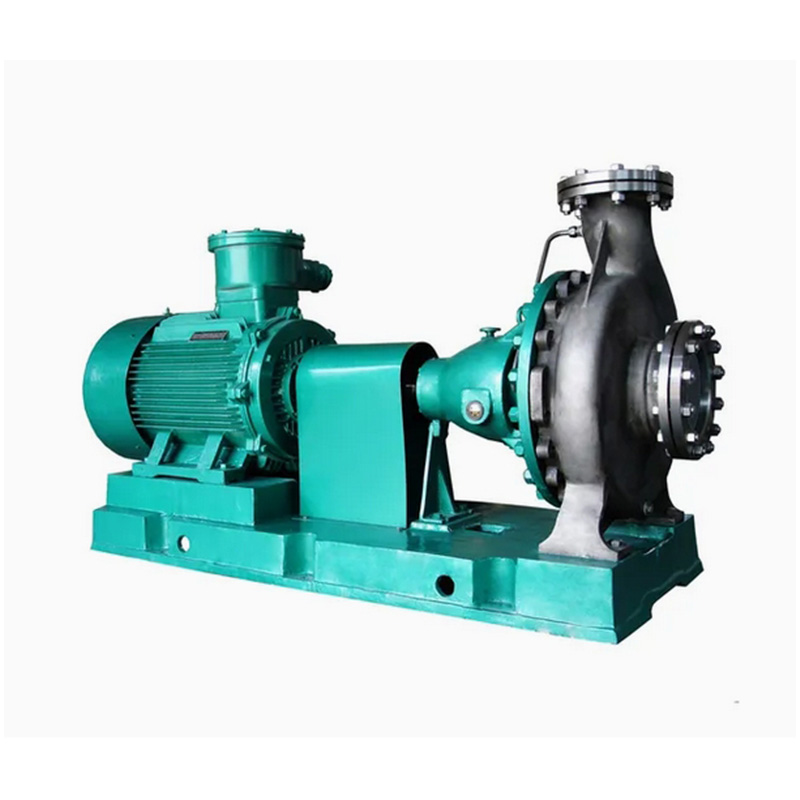 CZ Standard Chemical Process Pump Manufacturers, Factory - Jiangsu Feixiang PumpJiangsu Feixiang Pump is china CZ Standard Chemical Process Pump Manufacturers and Wholesale CZ Standard Chemical Process Pump Factory, 1...View Product →
Priming is not simply a start-up routine; it is the step that allows a centrifugal pump to create its full suction capability. A priming pump may be a specific auxiliary device that evacuates air, or it may refer to the internal self-priming mechanism that makes a pump easier to operate. In both cases, the principle is the same: air must be displaced before liquid can be moved reliably.
For engineers and maintenance teams, the practical takeaway is clear: always confirm that the pump casing is filled with liquid before starting a standard centrifugal pump, and choose a self-priming design when the process demands frequent restarts or has a suction lift. Paying attention to priming protects the seal, the impeller, and the whole production line. If you are evaluating a new pump installation, review the priming method as part of the pump selection, not after the piping is already in place.
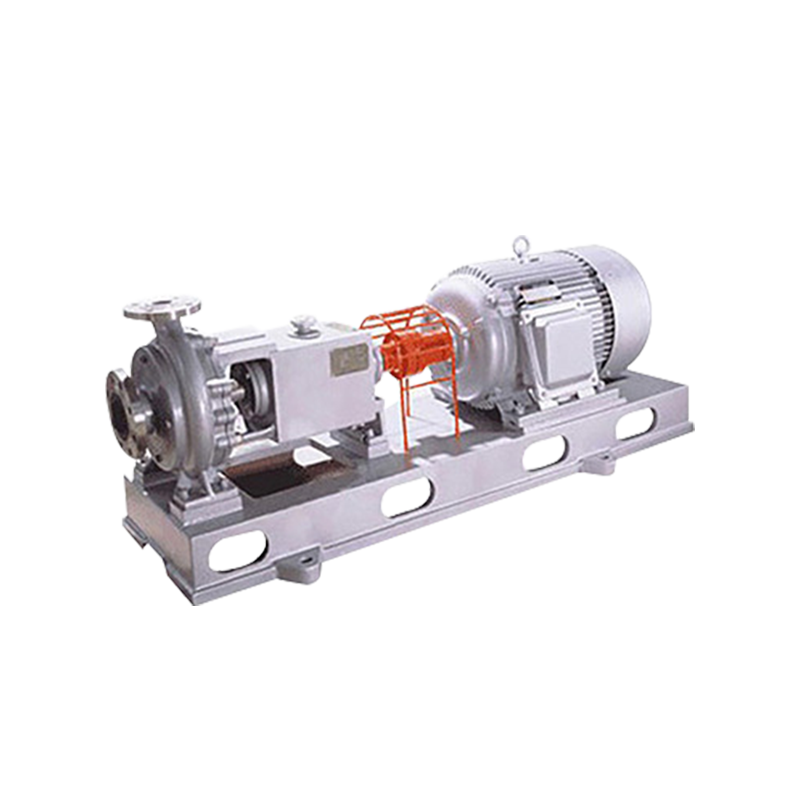
IJ series corrosion-resistant pump is a single-stage, single-suction cantilever centrifugal pump. Its marking, rating characteristics, and dimensions ...
See Details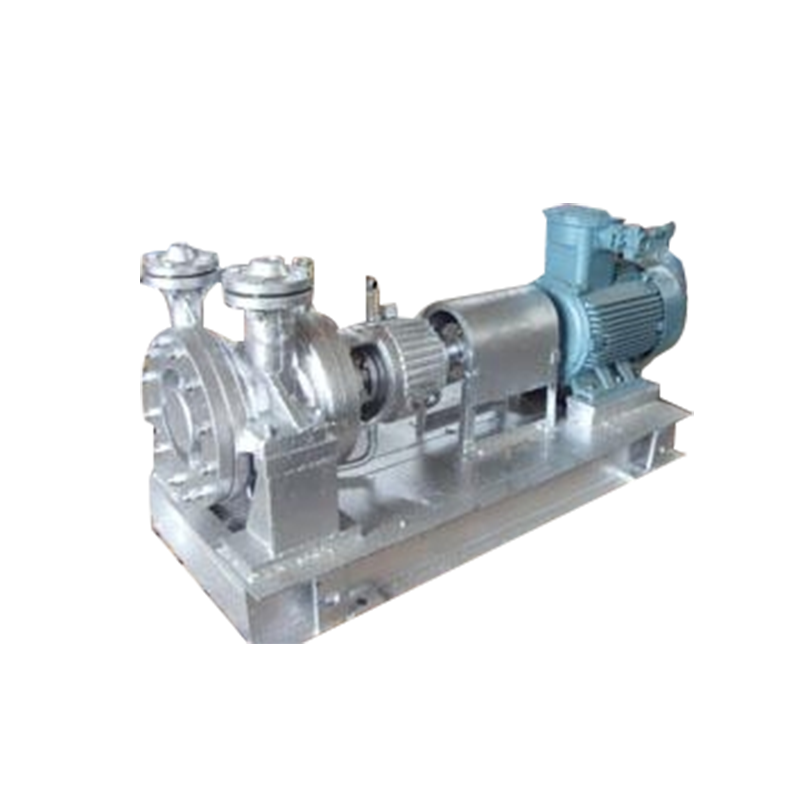
AY type oil pump is divided into two structural forms: single-stage single-suction cantilever type, two-stage single-suction cantilever type, single-s...
See Details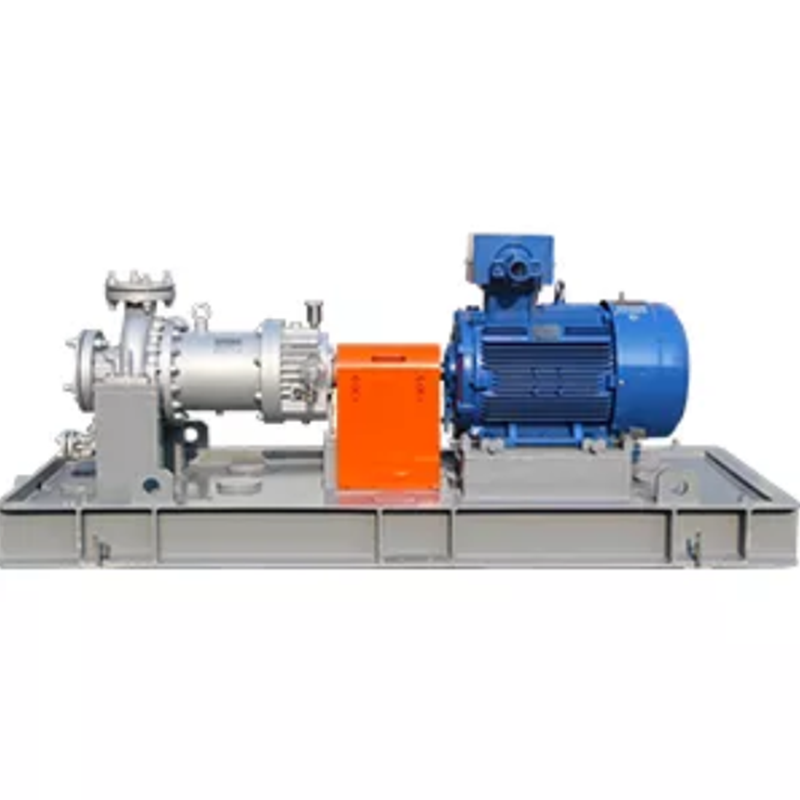
Performance Range: · Diameter: DN25~DN400 · Flow Rate: Up to 2000 m³/h · Head: Up to 250 m · Temperature Limit...
See Details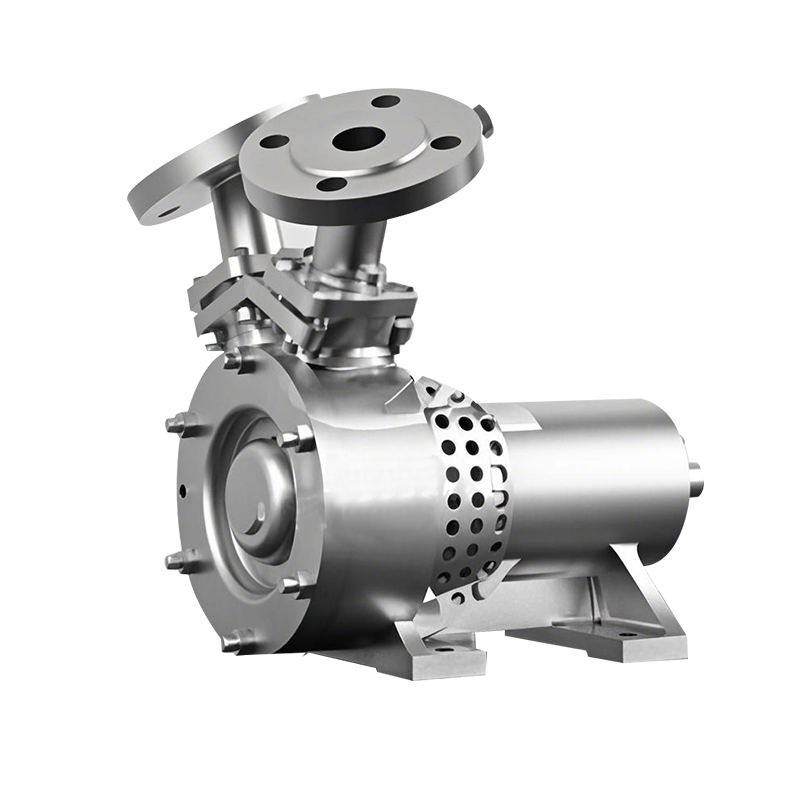
The vortex pump is compact in size yet capable of generating high pressure, making it an ideal choice for achieving miniaturization of equipment. It e...
See Details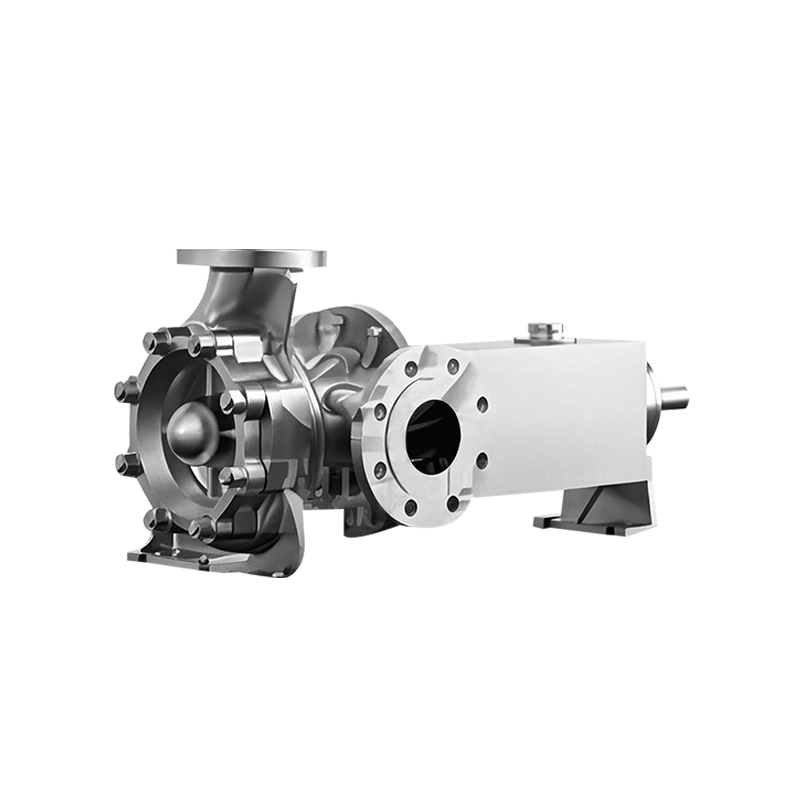
The filter press pump is a vertical, single-stage, single-suction, cantilever-type centrifugal pump, ingeniously crafted based on multiphase flow theo...
See Details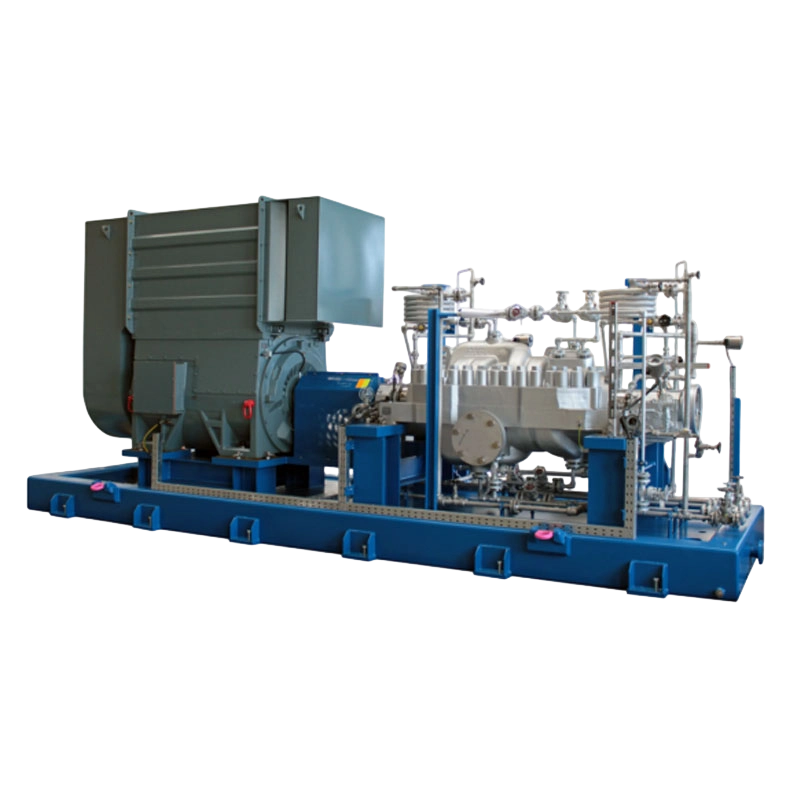
Our API 610 BB3 pumps are centerline-mounted, multistage units featuring an axially split casing with single suction and between-bearing construction....
See Details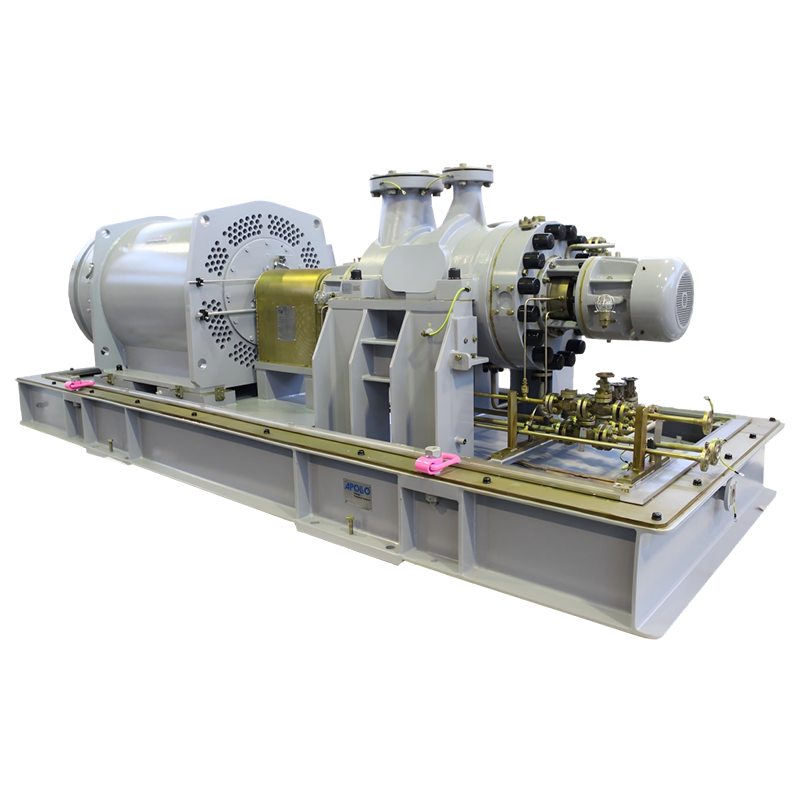
Our API 610 BB5 pumps feature a double-casing, radially split multistage configuration in a between-bearing barrel pump design. The pump and motor are...
See Details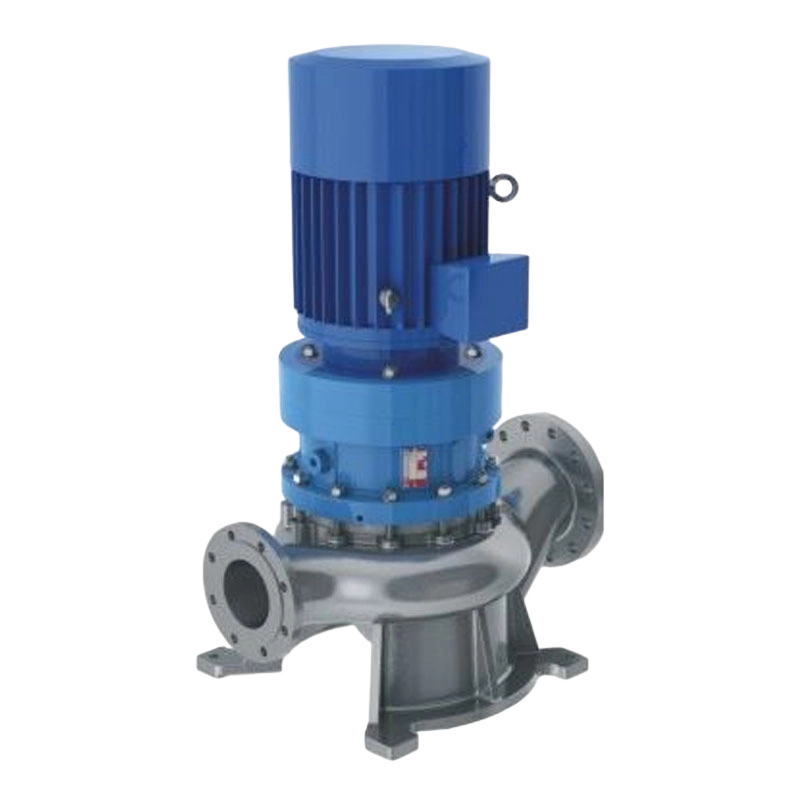
Based on the hydraulic platform of our OH3 pumps, these derivative models are offered in two compact configurations: rigidly coupled versions (OH4) mo...
See Details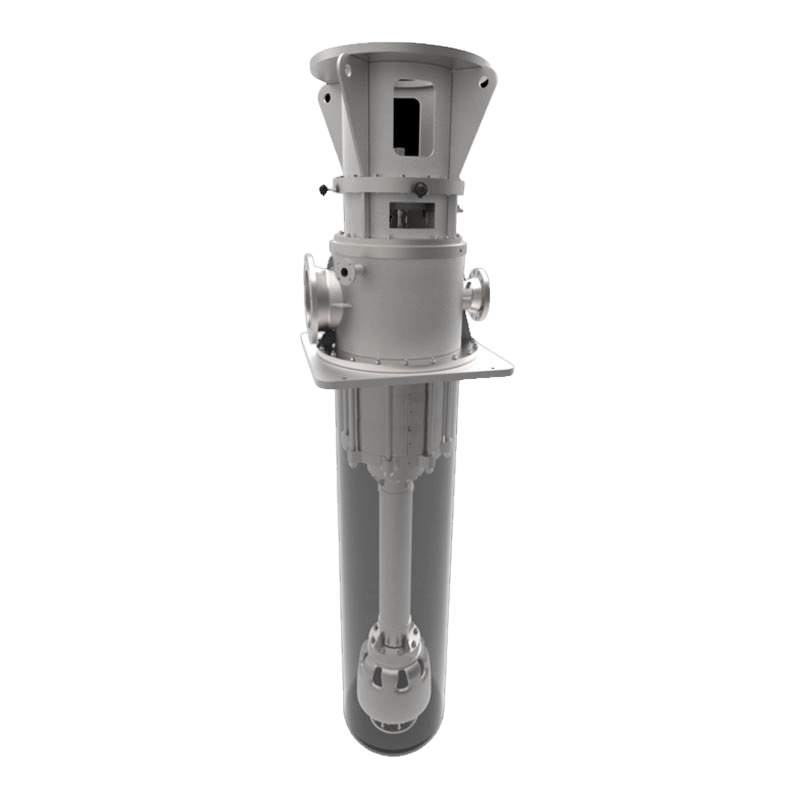
Our API 610 VS6 sump pumps feature a vertically suspended configuration with radially split single casing, designed as single or multi-stage diffuser ...
See DetailsCopyright © Welcome to Chemical Pump Factory - Jiangsu Feixiang Pump Manufacturing All rights reserved. Chemical Pumps Manufacturers

 +86-18052670932
 +86-0523-84326888
 No. 35, Xinqiao Middle Road, Xinqiao Town, Jingjiang City, Jiangsu Province, China