

 en
en  русский
 Español
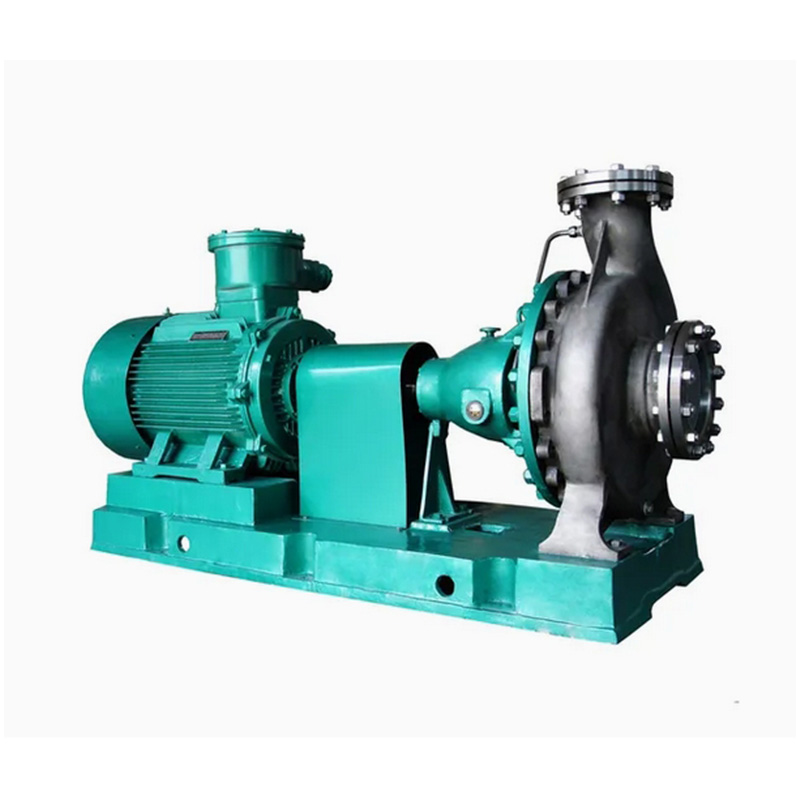
CZ Standard Chemical Process Pump
Cat:Chemical Process Pump
1. Performance range of CZ type chemical pump (according to design point) Flow: Q 1.6-1500m3/h Lift: H 5-125m Working pressure: P less than or equal t...
See DetailsContent
Chemical process plants rely on pumps to move liquids safely, accurately, and efficiently. Two fundamental pump families dominate the industry: centrifugal pumps and positive displacement (PD) pumps. Each family has multiple subtypes and design variations, but the core operational principles and performance envelopes differ significantly. This article gives engineers and procurement teams a practical, detailed comparison focused on chemical processing — explaining working principles, performance characteristics, material compatibility, control and instrumentation, installation concerns, common failure modes, and selection rules for real-world applications.
Centrifugal pumps convert rotational kinetic energy (from an impeller) into fluid pressure and flow. Fluid enters the eye of the impeller and is flung outward by centrifugal force through impeller vanes into a volute or diffuser, producing flow that depends on impeller speed and geometry. They are inherently flow-variable devices: for a given impeller speed, flow changes with system head and vice versa. Centrifugal pumps are typically specified by a pump curve that maps head versus flow at particular speeds and impeller trims.
Positive displacement pumps move fluid by trapping a fixed volume in a chamber and forcing it through the discharge port. Each cycle (rotor turn, piston stroke, or diaphragm stroke) displaces a nearly fixed volume, making flow nearly proportional to speed regardless of discharge head (until mechanical or system limits). PD pumps include reciprocating types (piston, diaphragm) and rotary types (gear, lobe, progressive cavity). They are valued for accurate metering and high-pressure capability.
Centrifugal pumps produce variable flow: when system resistance rises, flow falls and head increases. They are less predictable under rapidly changing loads without control loops. PD pumps produce near-constant volumetric flow vs. pressure, so they excel where fixed dosing or accurate volumetric transfer is required.
Centrifugals can achieve high flow rates at moderate heads; their high-head capability is limited by impeller design and speed. PD pumps can generate very high discharge pressures at low flow, making them suitable for high-pressure dosing, injection, or transfer tasks in small-to-moderate flow ranges.
Centrifugal pump performance degrades with high fluid viscosity because hydraulic efficiency falls and required torque increases; corrected pump curves and derating must be used. PD pumps (rotary or reciprocating) are less sensitive to viscosity and can handle thick, shear-sensitive, or slurries more effectively while maintaining accurate flow.
Chemical compatibility drives material selection for wetted parts. Centrifugal pumps are available in metals (stainless steel, duplex, nickel alloys) and plastics (PP, PVDF, PTFE-lined). PD pumps likewise can be built from a wide range of materials, though some PD designs (like elastomer-wetted progressive cavity rotors) have additional limitations. Evaluate corrosion, erosion, and solvent swelling when choosing materials.
Mechanical seals are common on centrifugal pumps and require proper sealing fluid plans, gland packing, or double-seal arrangements for toxic/volatile chemicals. PD pumps often use similar mechanical seals, gland packing, or diaphragm barriers depending on design. For hazardous or metering applications, magnetic-drive (sealless) centrifugal pumps and diaphragm PD pumps provide leakage-free options.
PD pumps have excellent turndown control — flow is proportional to speed over wide ranges and is highly repeatable, making them ideal for dosing and precise blending. Centrifugal pumps require variable-speed drives (VSDs) or throttling valves to control flow; throttling hurts efficiency and may cause instability if operated far from Best Efficiency Point (BEP).
Reciprocating PD pumps produce pulsating flow requiring pulsation dampeners or accumulators. Centrifugal pumps deliver smoother continuous flow but can suffer from cavitation and instability if suction conditions are poor. Proper instrumentation — pressure gauges, flow meters, and suction monitoring — is critical for both families.
Centrifugal pumps generally have fewer moving parts and simpler maintenance on large units, but mechanical seals and bearings are wear items. PD pumps can have more complex internals (gears, diaphragms, pistons) and require different maintenance skillsets. Predictable wear parts and easy access are key considerations for both.
Choose based on application: for bulk transfer of low-viscosity liquids at high flow, well-selected centrifugal pumps are highly reliable. For precise dosing, abrasive or high-viscosity fluids, or where high discharge pressures at low flow are needed, PD pumps often offer greater long-term reliability and lower total cost of ownership despite higher initial cost.
Use-case examples make the differences concrete. Centrifugal pumps are typically used for cooling water, recirculation, condensate return, and bulk transfer where flow volumes are large and fluids are low-viscosity. PD pumps are chosen for chemical injection, polymer dosing, metering of corrosives, viscous slurry transfer, and high-pressure injection lines.
| Characteristic | Centrifugal Pumps | Positive Displacement Pumps |
| Flow vs Head | Flow varies with head; best near BEP | Flow ~ proportional to speed; nearly constant vs head |
| Best for | High flow, low-to-moderate head | Low-to-moderate flow, high pressure, precise dosing |
| Viscosity Sensitivity | Sensitive — efficiency drops with viscosity | Handles high viscosity well |
| Pulsation | Smooth flow | Reciprocating types require dampeners |
| Leak Risk | Mechanical seals common; sealless options exist | Diaphragm/sealless options for zero-leakage |
| Typical Maintenance | Bearings, seals, impeller wear | Seals, diaphragms, rotors, gear wear depending on type |
When choosing between centrifugal and PD pumps for chemical service, follow a structured checklist: define required flow and accuracy, quantify viscosity and solids content, determine maximum discharge pressure, specify acceptable leakage risk, evaluate available materials and seal options, and consider control strategy (VSD, stroke control, or motor-driven). Always consult pump curves, request NPSH (Net Positive Suction Head) data for centrifugal selections, and validate PD volumetric efficiency under expected conditions.
Centrifugal and positive displacement pumps each have distinct strengths. Centrifugals are typically best for high-volume, low-to-moderate pressure liquid handling where smooth, continuous flow and simple operation matter. Positive displacement pumps excel when accuracy, high pressure at low flow, viscosity tolerance, or leak-free operation are required. The "right" choice depends on application-specific parameters — flow, head, fluid properties, accuracy requirement, materials compatibility, and maintenance capability. Use the selection checklist, consult manufacturer curves and data, and pilot-test where needed to ensure the chosen pump meets process demands reliably and cost-effectively.

1. Performance range of CZ type chemical pump (according to design point) Flow: Q 1.6-1500m3/h Lift: H 5-125m Working pressure: P less than or equal t...
See Details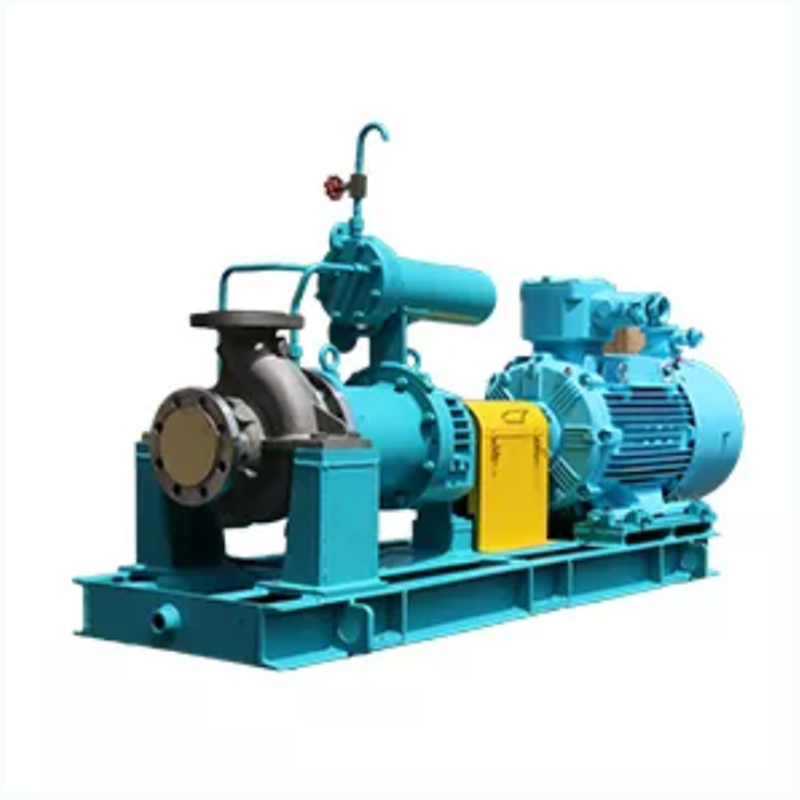
Performance Range: · Diameter: DN25~DN400 · Flow Rate: Up to 2000 m³/h · Head: Up to 200 m · Temperature Limit...
See Details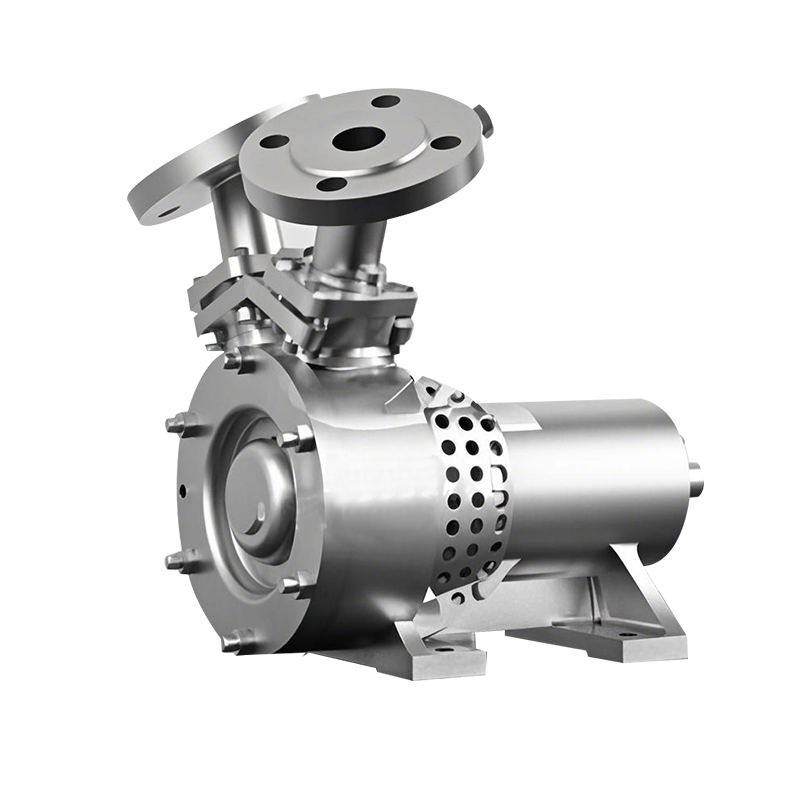
The vortex pump is compact in size yet capable of generating high pressure, making it an ideal choice for achieving miniaturization of equipment. It e...
See Details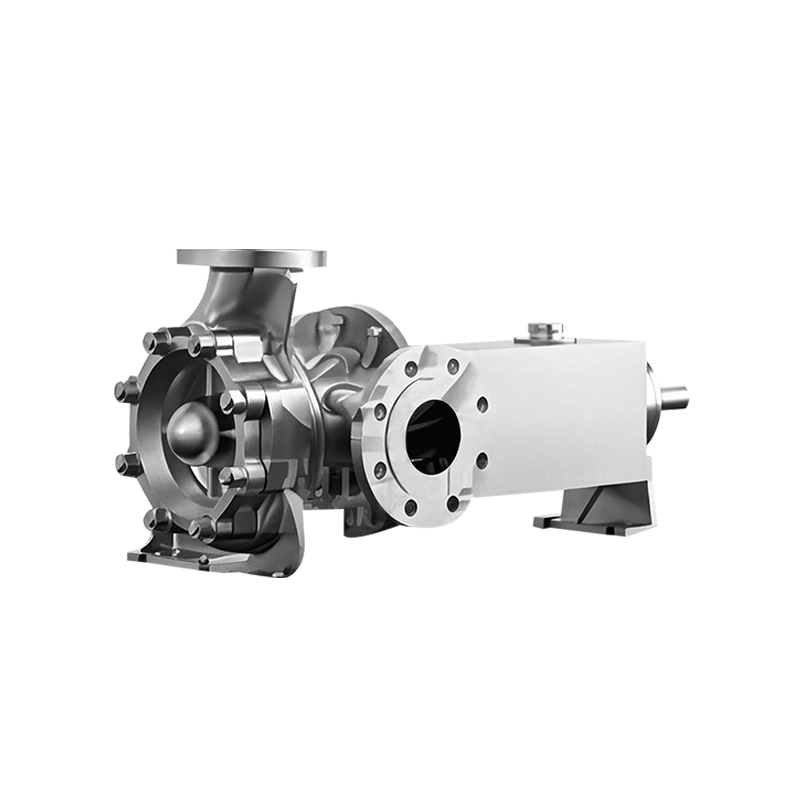
The filter press pump is a vertical, single-stage, single-suction, cantilever-type centrifugal pump, ingeniously crafted based on multiphase flow theo...
See Details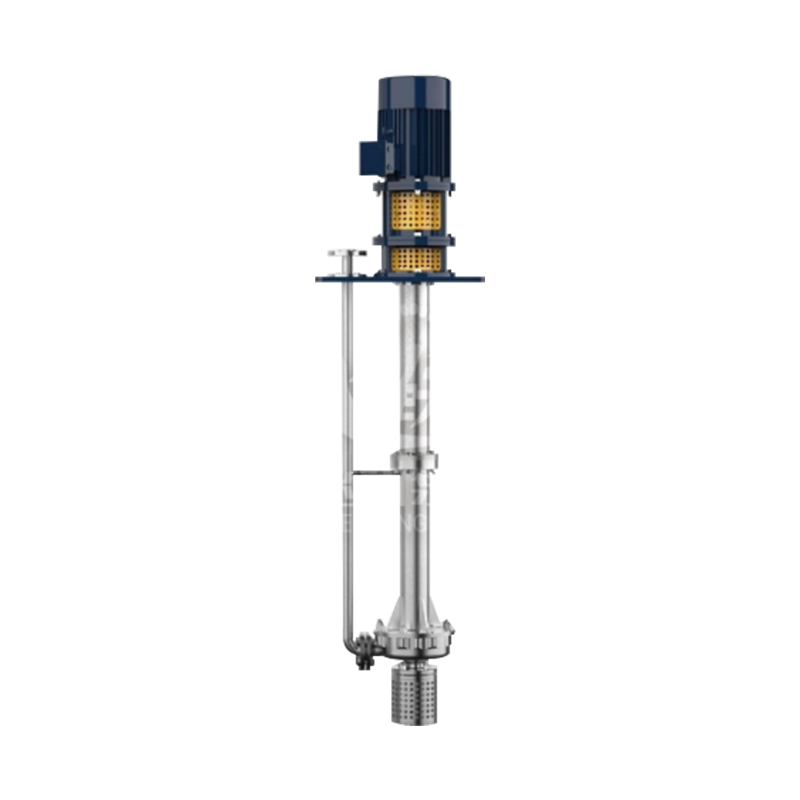
The Diversion-Type Long Shaft Submersible Desulfurization Pump is specifically engineered for underground sump applications in power plant flue gas de...
See Details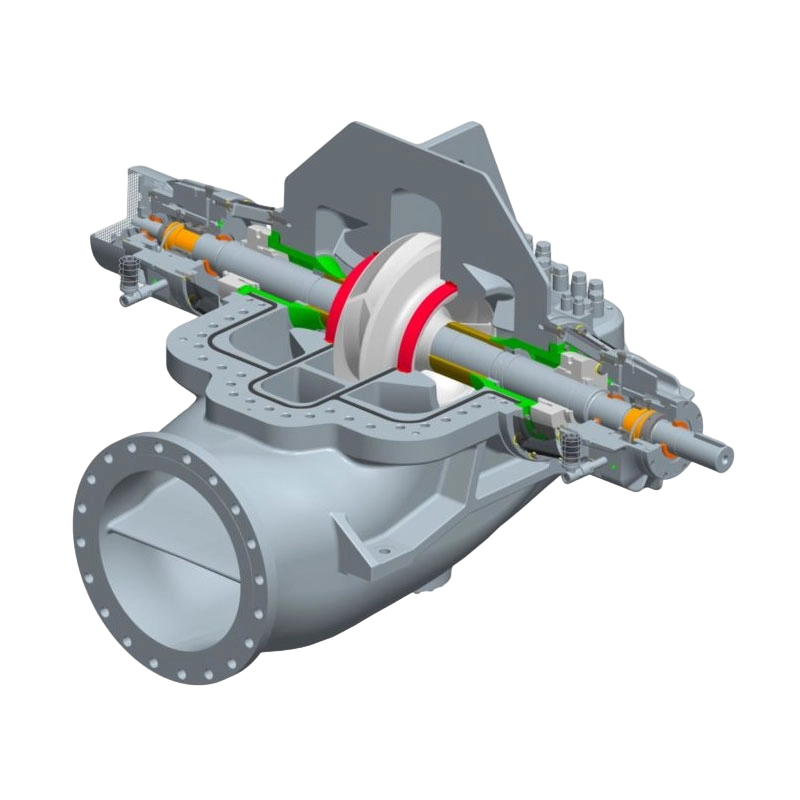
Our standard API 610 BB1 pumps are horizontally mounted, single-stage, double-suction units with an axially split casing between bearings. The pump an...
See Details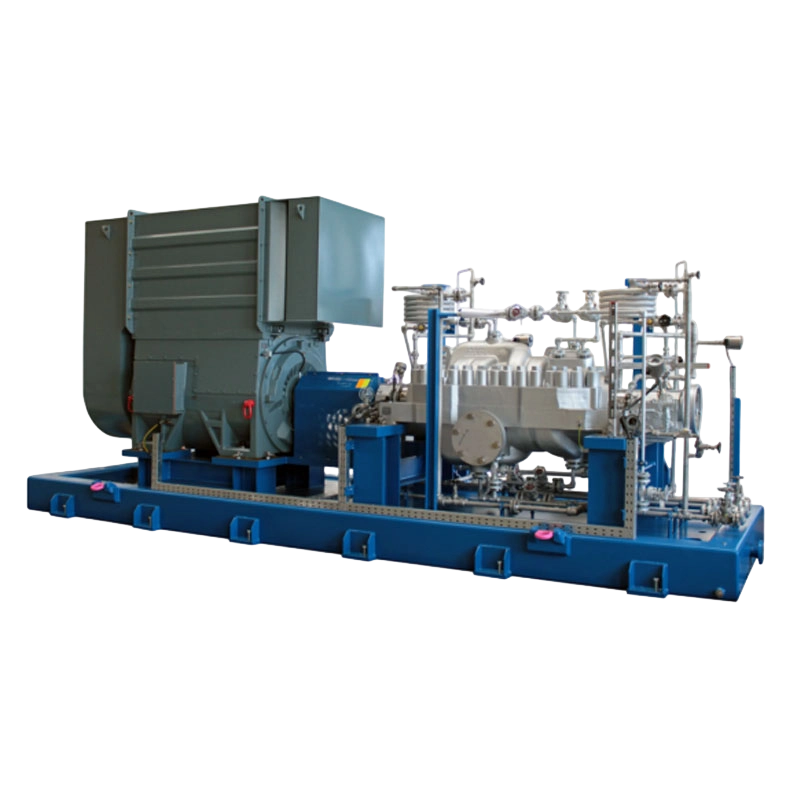
Our API 610 BB3 pumps are centerline-mounted, multistage units featuring an axially split casing with single suction and between-bearing construction....
See Details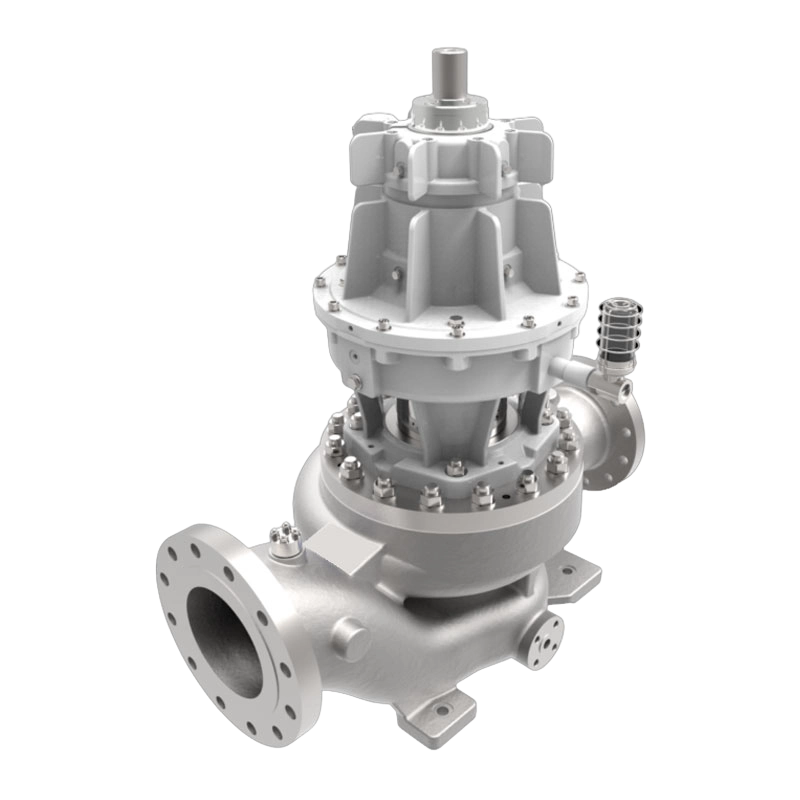
Our standard OH3 pumps are vertically oriented, in-line, single-stage overhung units featuring a separate bearing bracket with flexible motor coupling...
See Details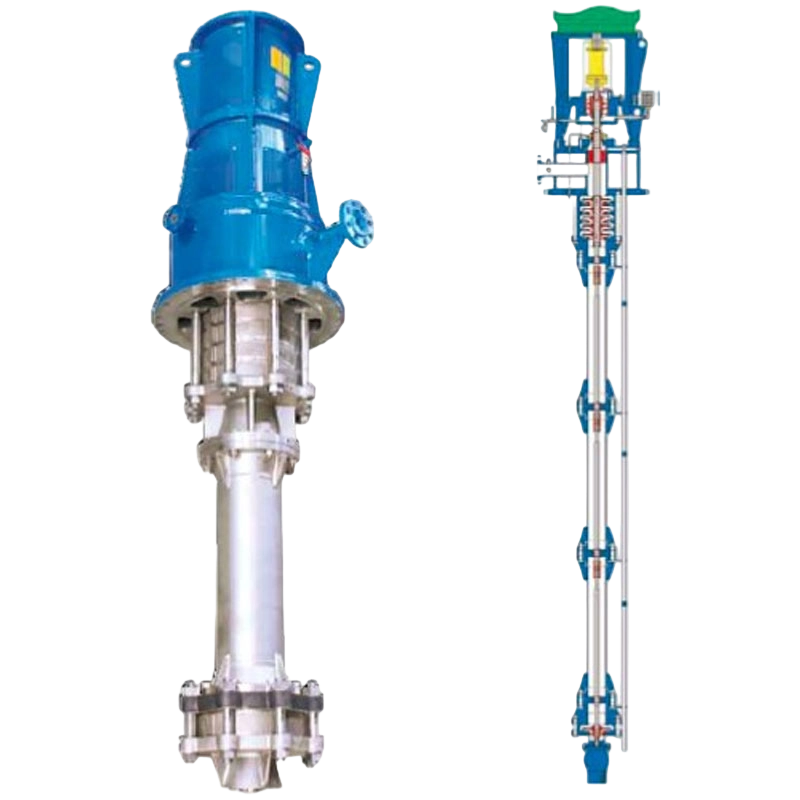
Our API 610 VS1 sump pumps feature a vertically suspended configuration with radial-split single casing, available in both single and multi-stage diff...
See Details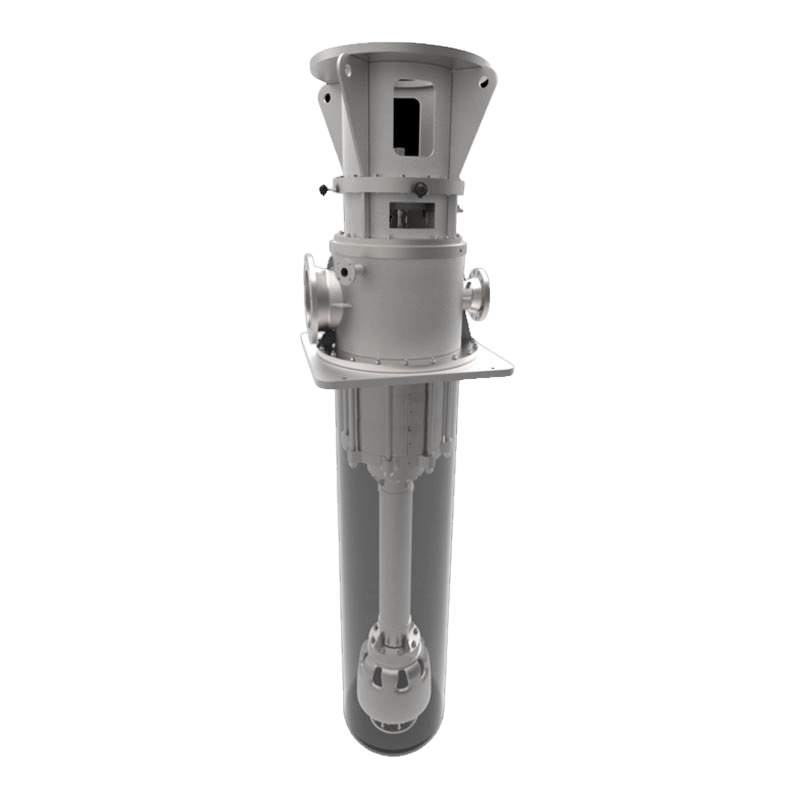
Our API 610 VS6 sump pumps feature a vertically suspended configuration with radially split single casing, designed as single or multi-stage diffuser ...
See DetailsCopyright © Welcome to Chemical Pump Factory - Jiangsu Feixiang Pump Manufacturing All rights reserved. Chemical Pumps Manufacturers

 +86-18052670932
 +86-0523-84326888
 No. 35, Xinqiao Middle Road, Xinqiao Town, Jingjiang City, Jiangsu Province, China