

 en
en  русский
 Español
IH Type Horizontal Chemical Centrifugal Pump
Cat:Chemical Process Pump
The IH type chemical centrifugal pump is a single-stage single-suction (axial suction) cantilever centrifugal pump, which is used to transport liquids...
See DetailsContent
A chemical axial flow pump is a specialized type of fluid-handling equipment designed to move large volumes of low-pressure liquids primarily in chemical processing environments. Unlike centrifugal pumps, which move fluid by imparting kinetic energy perpendicular to the impeller shaft, axial flow pumps push liquid in a direction parallel to the pump shaft. This design allows chemical axial flow pumps to achieve extremely high flow rates, making them indispensable in large-scale circulation, evaporation, and heat-exchange systems. Their ability to maintain steady, gentle fluid movement also makes them suitable for handling corrosive, reactive, or shear-sensitive chemical solutions.
Because chemical axial flow pumps often operate in harsh industrial environments, they are carefully engineered with corrosion-resistant materials, reliable sealing structures, and energy-efficient impeller geometries. They deliver exceptional performance in applications such as crystallizers, reactors, scrubbers, wastewater treatment units, and large tanks requiring continuous circulation. Understanding how the pump works is essential for engineering teams evaluating pump performance and selecting the right model for a given chemical process.
The operating principle of a chemical axial flow pump is based on generating thrust along the axis of the impeller shaft. When the impeller rotates, its blades lift and push the fluid forward, similar to how a propeller moves water. This creates a steady, uniform flow with minimal turbulence, which is ideal for chemical processes requiring controlled mixing, oxidation, or heat exchange. The axial flow mechanism also excels in low-pressure, high-volumetric scenarios where centrifugal pumps would be inefficient or prone to cavitation.
Many chemical processes rely on maintaining consistent flow rates to ensure uniform temperature distribution, prevent sedimentation, or sustain reaction rates. Axial flow pumps are uniquely capable of delivering such consistency. Because their hydraulic design minimizes shear forces, they are suitable for sensitive chemicals, suspensions, or fluids with delicate compositions. Additionally, the energy efficiency of axial flow systems reduces overall operational costs, which is a critical factor in large industrial plants.
Material selection is critical because chemical axial flow pumps often handle corrosive, acidic, or abrasive solutions. Manufacturers use advanced alloys, engineered plastics, and specialty coatings to ensure durability and minimize maintenance. Each material is chosen based on process temperature, chemical compatibility, and environmental conditions.
| Material | Characteristics | Suitable Applications |
| Stainless Steel (304/316) | High corrosion resistance and good mechanical strength. | General chemical solutions, mild acids, solvents. |
| Duplex / Super Duplex | Superior resistance to chlorides and stress corrosion cracking. | Salt-rich and high-pressure environments. |
| Hastelloy / Alloy C-276 | Excellent resistance to strong acids and oxidizing chemicals. | Highly corrosive reactions and extreme temperatures. |
| FRP / PP / PVDF | Lightweight, cost-effective, and non-metallic. | Acidic or alkaline solutions and low-temperature processes. |
Chemical axial flow pumps serve a broad range of industries where large, continuous fluid movement is essential. Their ability to circulate huge volumes with minimal energy consumption makes them popular in energy-intensive processes. From chemical reactors to wastewater systems, these pumps contribute to stable operations and reduced downtime.
Choosing the correct pump requires assessing hydraulic performance, chemical compatibility, operational environment, and maintenance needs. Engineers typically analyze parameters such as flow rate, head, temperature, viscosity, and composition of the medium. Misjudging these factors can lead to premature wear, cavitation, or energy inefficiency. Therefore, thoughtful selection is essential for long-term reliability and process safety.
Maintenance is vital for preserving pump efficiency, preventing unexpected shutdowns, and extending equipment life. Because these pumps often operate continuously, regular inspections ensure optimal performance. Maintenance practices include lubrication, alignment checks, corrosion monitoring, seal replacement, and performance testing. A well-maintained pump not only enhances process stability but also lowers operational expenses by reducing energy waste and repair costs.
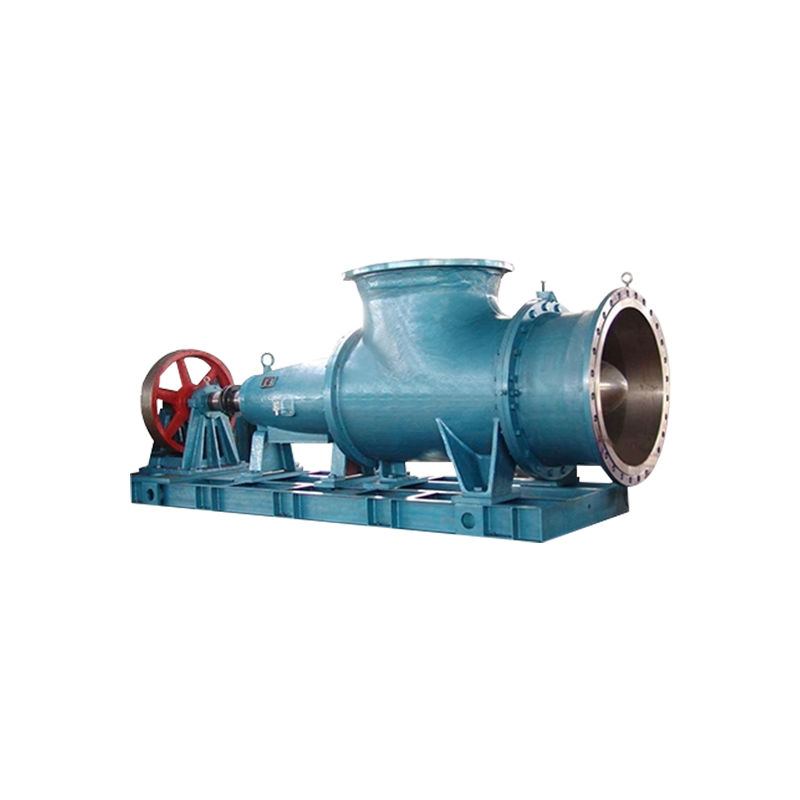
Chemical axial flow pumps continue to be indispensable tools for industries needing reliable, high-capacity fluid movement with minimal turbulence. Their unique design supports complex chemical reactions, large-tank circulation, and heat-transfer operations where precision and consistency are essential. By selecting proper materials, following correct sizing principles, and maintaining the equipment regularly, businesses can maximize the pump's lifespan and efficiency. Whether used in reactors, evaporators, wastewater plants, or scrubbers, chemical axial flow pumps provide unmatched performance in low-pressure, high-volume chemical processing environments.
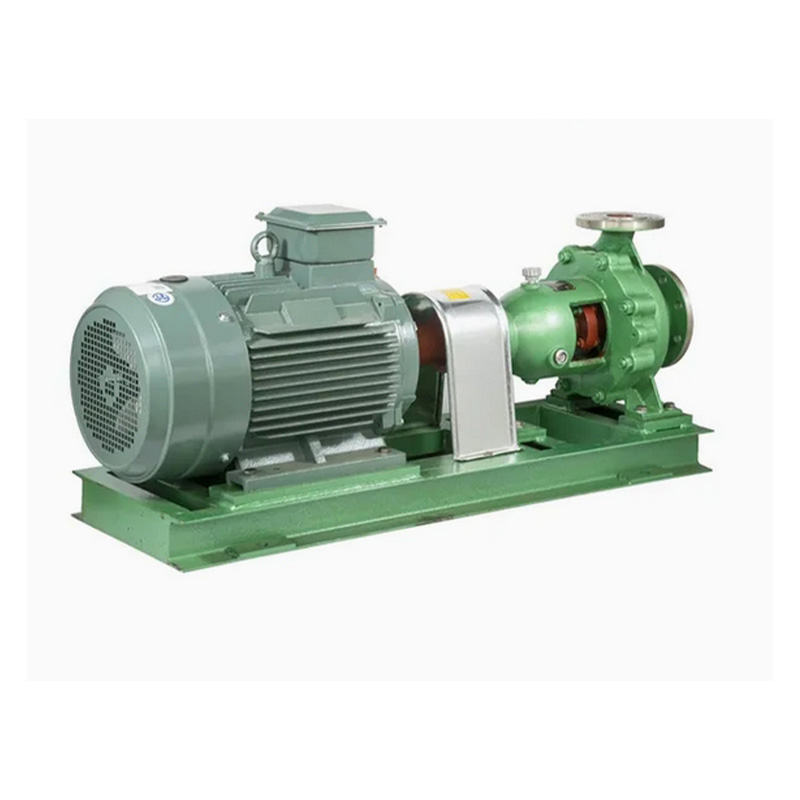
The IH type chemical centrifugal pump is a single-stage single-suction (axial suction) cantilever centrifugal pump, which is used to transport liquids...
See Details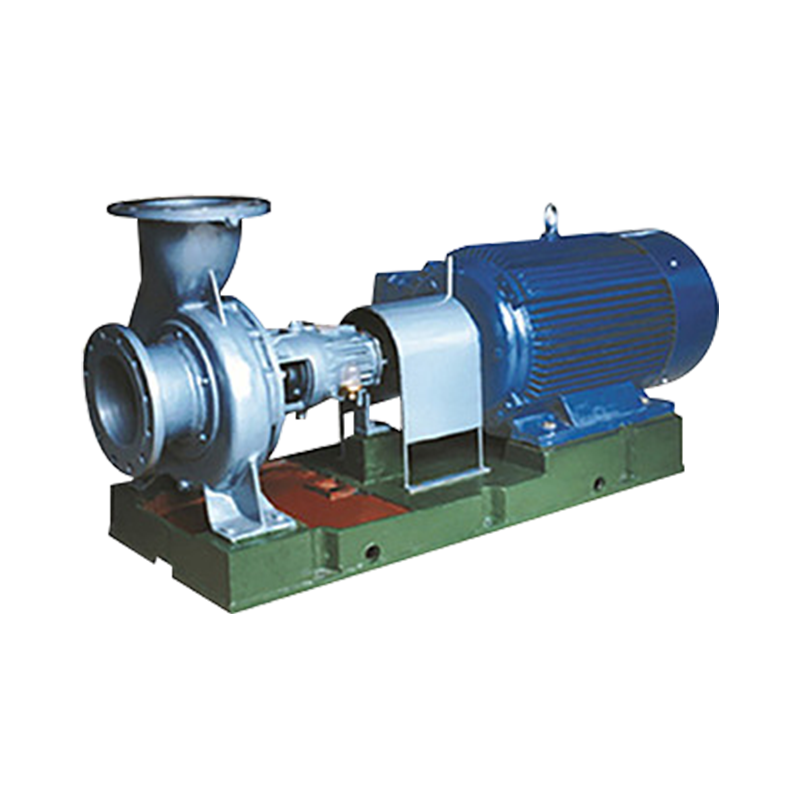
1. OverviewZA and ZAO petrochemical process pumps are designed according to AP1610 and VDMA24297 (light/medium duty) specifications. 2. Application sc...
See Details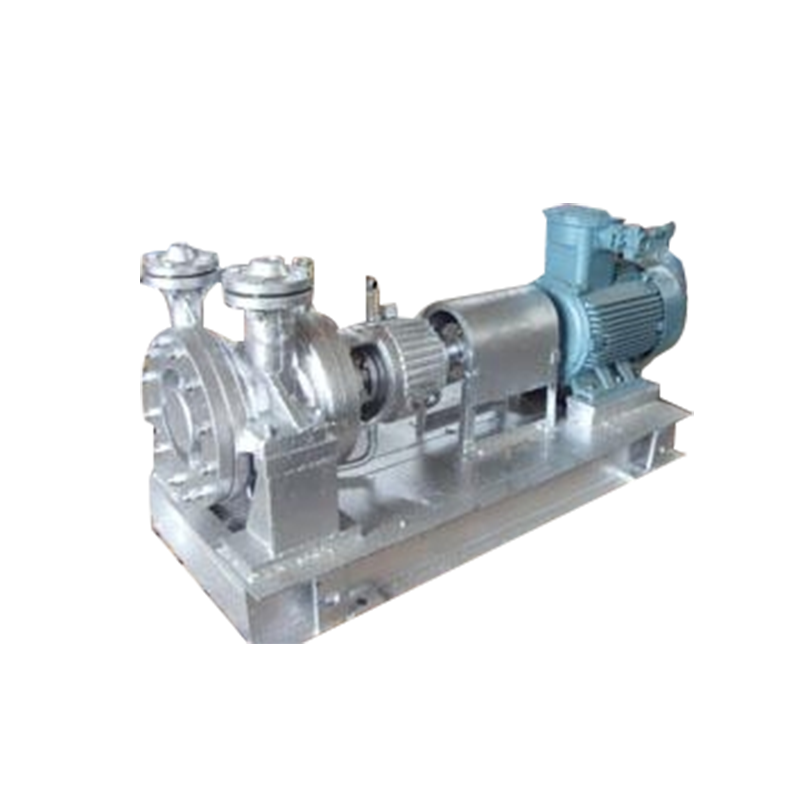
AY type oil pump is divided into two structural forms: single-stage single-suction cantilever type, two-stage single-suction cantilever type, single-s...
See Details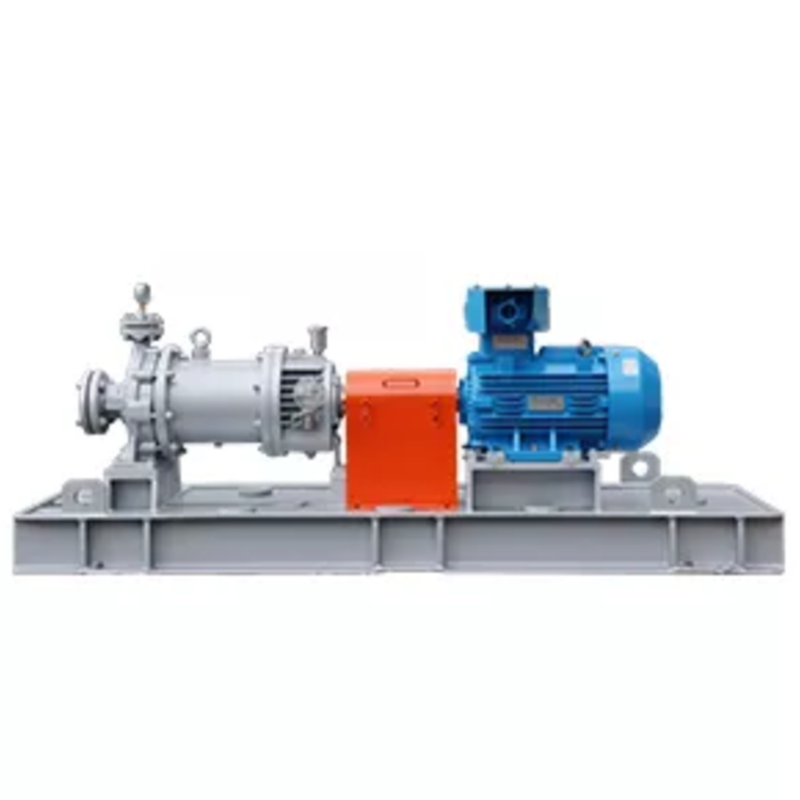
Performance Range: · Diameter: DN25~DN400 · Flow Rate: Up to 2000 m³/h · Head: Up to 250 m · Power: Up to 560 ...
See Details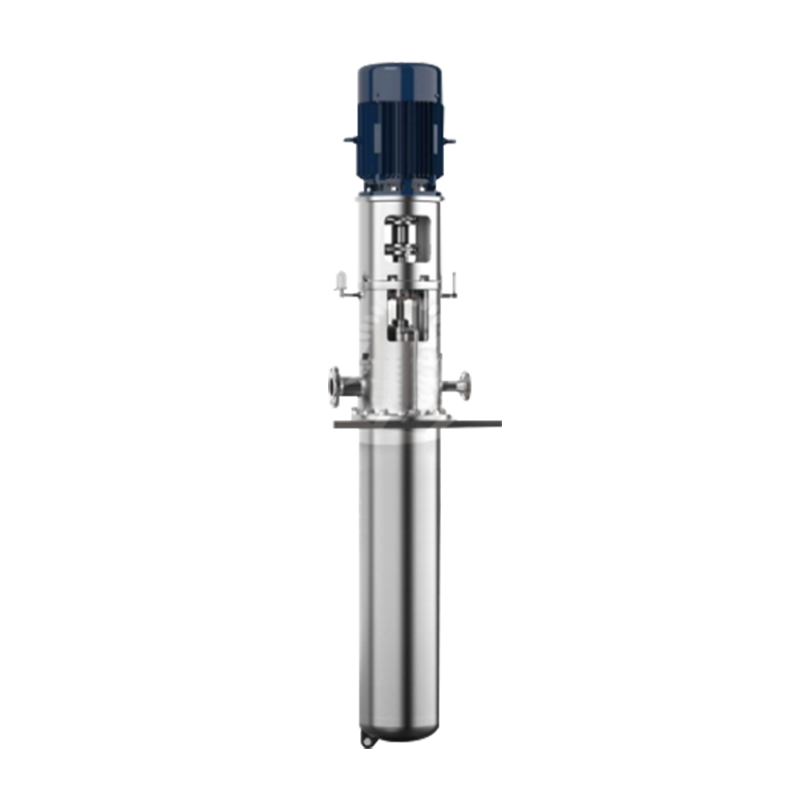
The diversion type barrel pump series offers hydraulic performance, featuring a variety of configuration options including self-cleaning, external cle...
See Details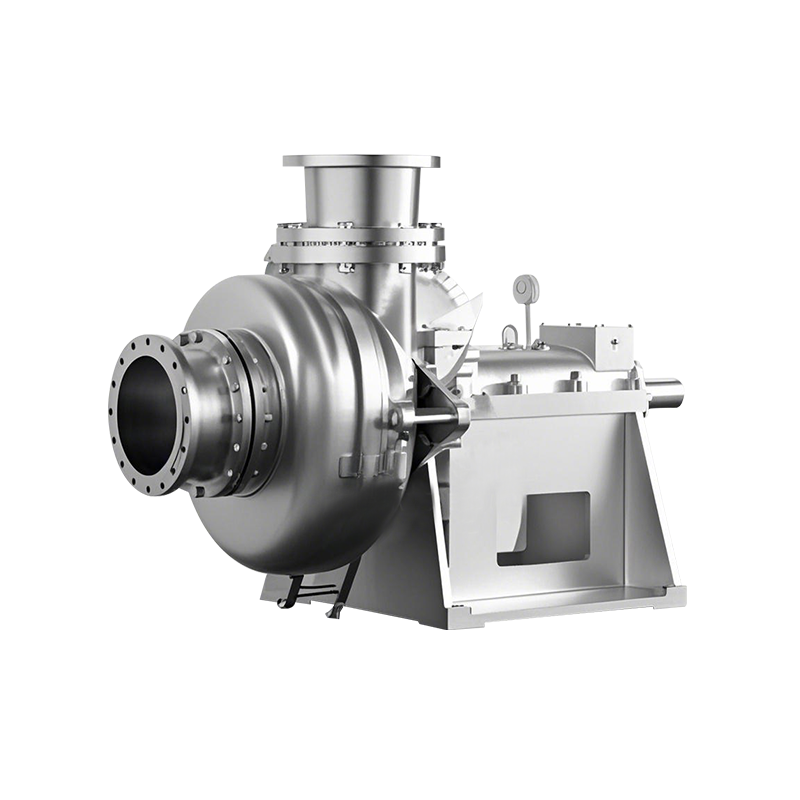
The mixed-flow pump, also known as the diagonal flow pump, is a type of pump that falls between the centrifugal pump and the axial-flow pump. It is su...
See Details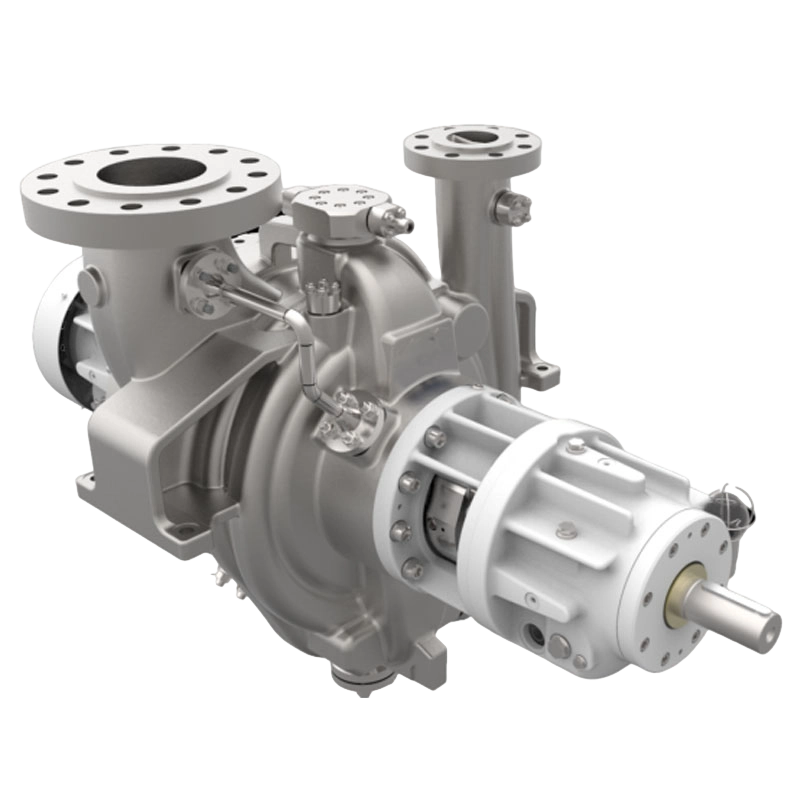
Our standard API 610 BB2 pumps feature a centerline-mounted, radially split casing with double suction and between-bearing construction. The pump and ...
See Details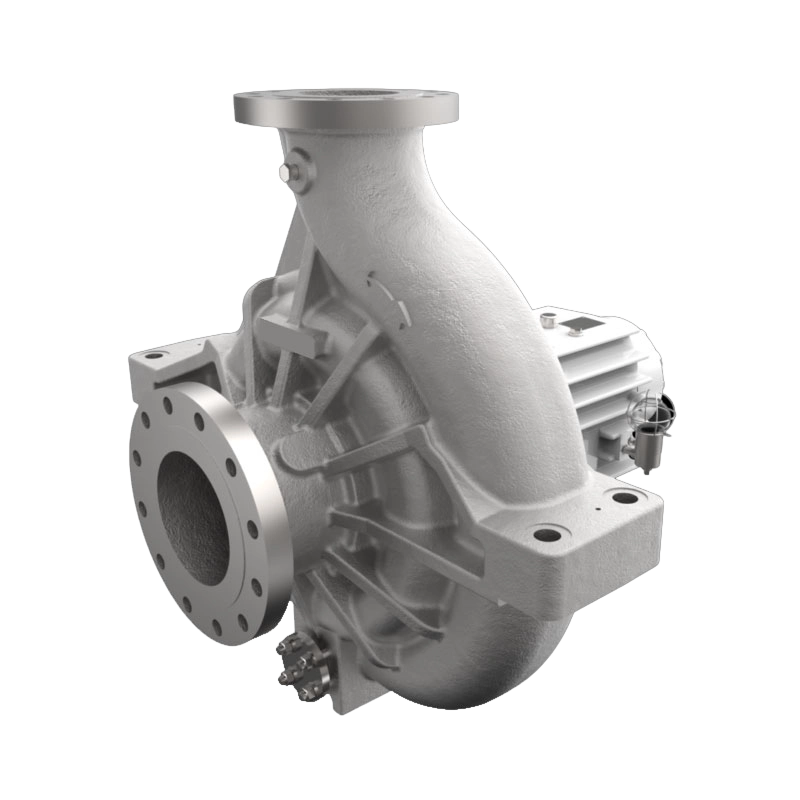
Our standard API 610 OH2 pumps are centerline-supported, single-stage, overhung units with an integrated bearing housing. The pump and motor are flexi...
See DetailsCopyright © Welcome to Chemical Pump Factory - Jiangsu Feixiang Pump Manufacturing All rights reserved. Chemical Pumps Manufacturers

 +86-18052670932
 +86-0523-84326888
 No. 35, Xinqiao Middle Road, Xinqiao Town, Jingjiang City, Jiangsu Province, China