

 en
en  русский
 Español
IHF Lined Fluorine Centrifugal Pump
Cat:Corrosion-Resistant Chemical Pump
IHF fluorine-lined chemical pump is characterized by a reasonable and advanced structure, strong corrosion resistance, tight and reliable mechanical s...
See DetailsContent
High temperature chemical pumps are engineered to handle fluids at elevated temperatures, which are commonly encountered in chemical processing, petrochemical, and energy industries. Unlike standard chemical pumps, these specialized pumps are designed to resist thermal stresses, maintain structural integrity, and ensure reliable performance in demanding conditions. Understanding their design, applications, and advantages is crucial for selecting the right pump for industrial operations.
High temperature chemical pumps use materials such as stainless steel alloys, Hastelloy, Inconel, or specialized ceramics that can withstand both high temperatures and corrosive chemicals. Standard pumps often rely on conventional stainless steel or cast iron, which may deform or corrode under extreme heat. The choice of material ensures longevity and minimal maintenance.
The mechanical components of high temperature pumps, including shafts, bearings, and seals, are optimized to handle thermal expansion. These pumps often use high-temperature gaskets, mechanical seals with advanced sealing faces, and precision-engineered shafts to prevent leakage and maintain consistent operation. In contrast, standard chemical pumps may fail under prolonged heat exposure.
High temperature pumps are designed to maintain consistent flow rates and pressure even when fluid viscosity changes with temperature. They often incorporate impellers and casings that minimize turbulence and energy loss. Standard pumps, without such optimizations, may experience reduced efficiency or cavitation when handling hot fluids.
These pumps may feature cooling jackets, heat shields, or insulation to protect internal components from excessive heat. Such measures are generally absent in standard pumps, making them unsuitable for prolonged high-temperature operation.
High temperature chemical pumps are essential in chemical plants for transferring acids, alkalis, and other reactive chemicals at elevated temperatures. They ensure safety, minimize downtime, and maintain process efficiency.
In petrochemical industries, these pumps handle hot hydrocarbons, steam, and viscous fluids. Their robust construction prevents failure in operations involving high-pressure and high-temperature fluids.
Power plants and thermal systems use high temperature chemical pumps to circulate hot water, oil, or molten salts. Their ability to operate continuously at high temperatures is critical for energy efficiency and system reliability.
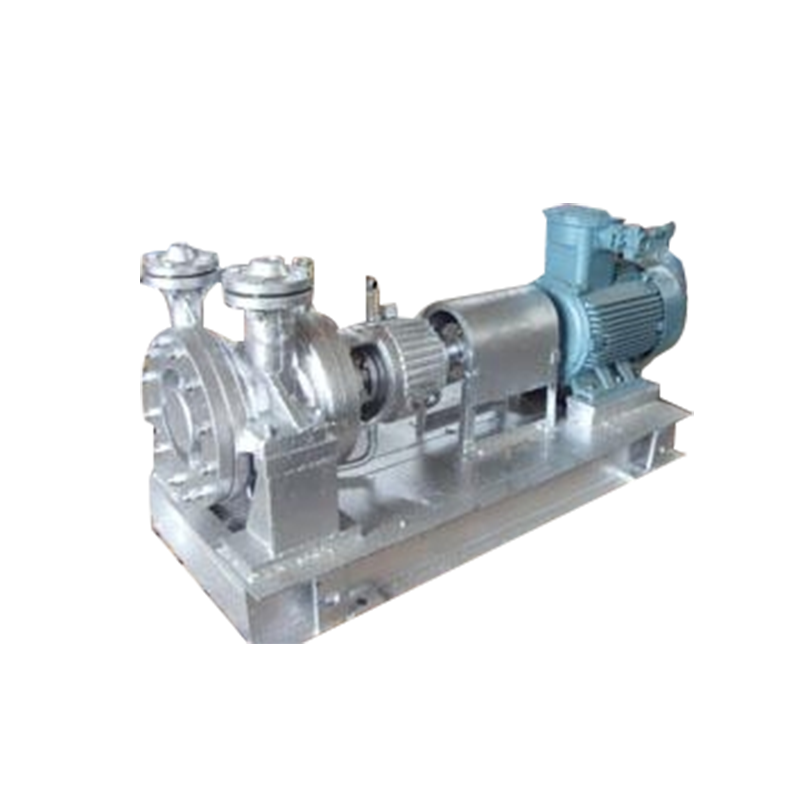
Choosing the correct pump requires understanding the maximum operating temperature and pressure of the system. Pumps must be rated above the expected operating conditions to ensure safety and reliability.
The selected pump material must be compatible with the chemical properties of the fluid to prevent corrosion or degradation. Consulting chemical resistance charts is critical.
High temperature pumps require scheduled inspections, particularly of seals and bearings. Choosing pumps with modular components can simplify maintenance and reduce operational downtime.
High temperature chemical pumps differ from standard pumps primarily in materials, mechanical design, and thermal management. They are indispensable in industries where fluids are handled at elevated temperatures, offering enhanced reliability, safety, and efficiency. Selecting the right pump involves careful consideration of temperature, pressure, material compatibility, and maintenance requirements to ensure optimal performance in demanding industrial applications.
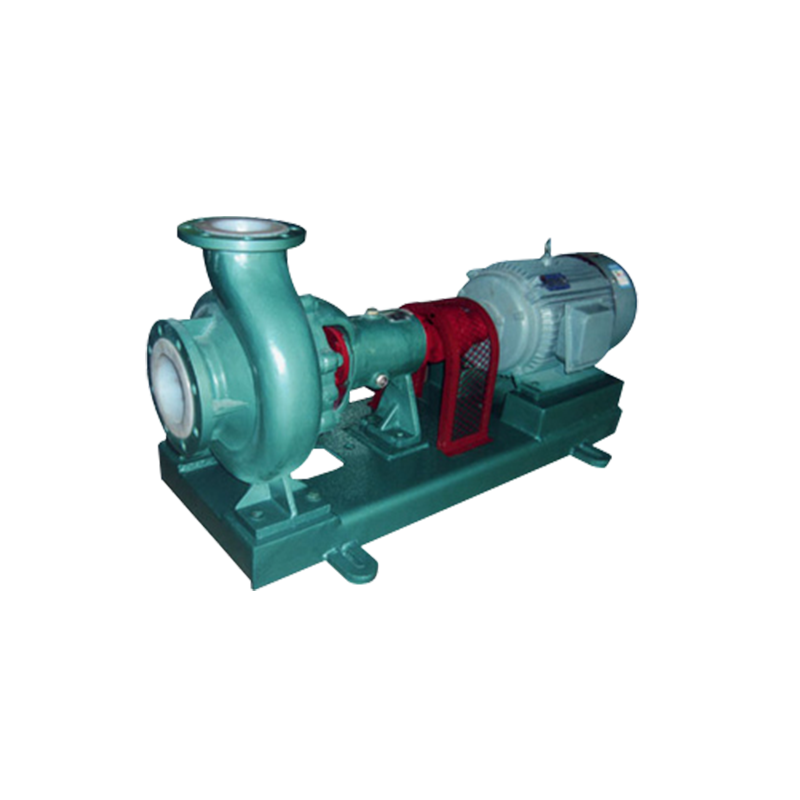
IHF fluorine-lined chemical pump is characterized by a reasonable and advanced structure, strong corrosion resistance, tight and reliable mechanical s...
See Details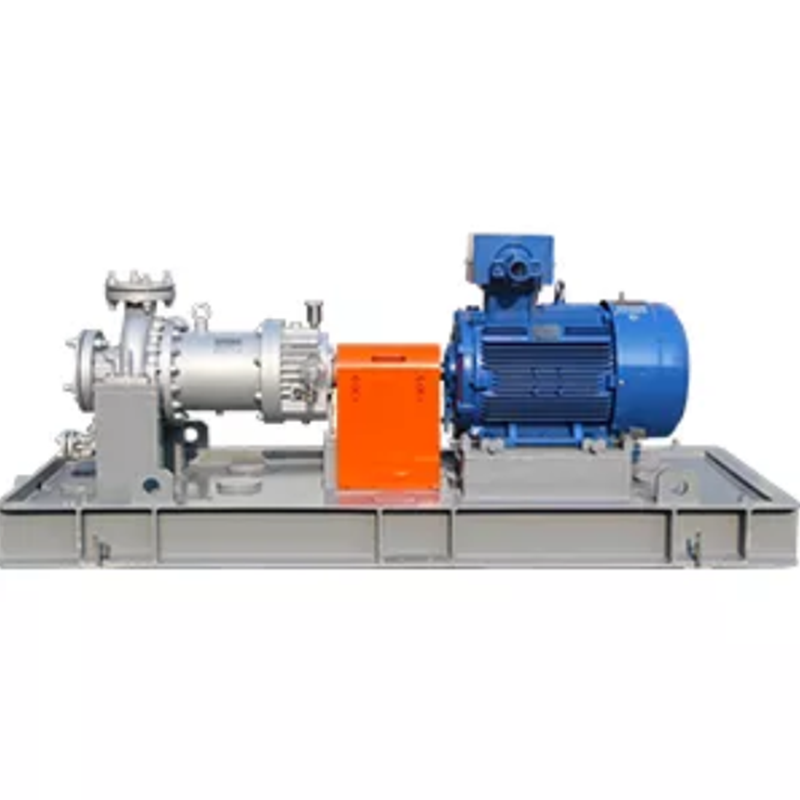
Performance Range: · Diameter: DN25~DN400 · Flow Rate: Up to 2000 m³/h · Head: Up to 250 m · Temperature Limit...
See Details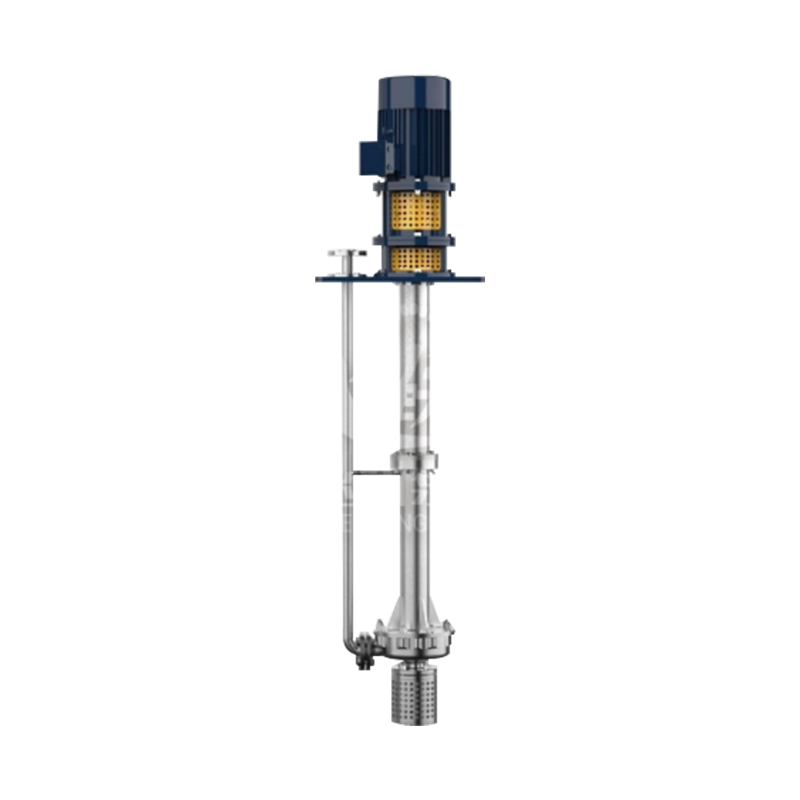
Overview The non-metallic vertical submerged pump is designed for handling corrosive media within a temperature range of 0°C to 120°C, free from solid...
See Details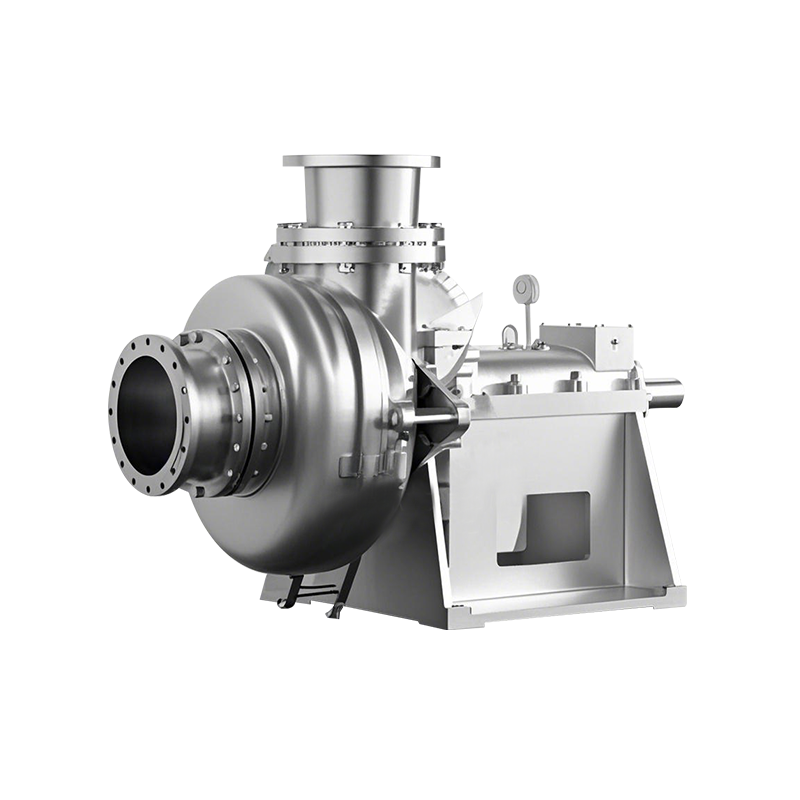
The mixed-flow pump, also known as the diagonal flow pump, is a type of pump that falls between the centrifugal pump and the axial-flow pump. It is su...
See Details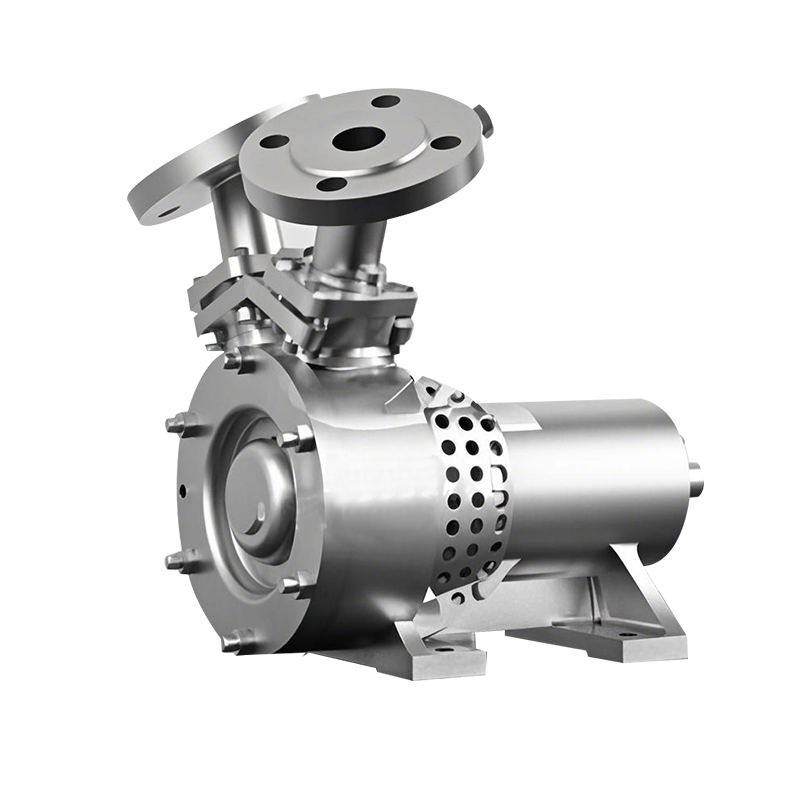
The vortex pump is compact in size yet capable of generating high pressure, making it an ideal choice for achieving miniaturization of equipment. It e...
See Details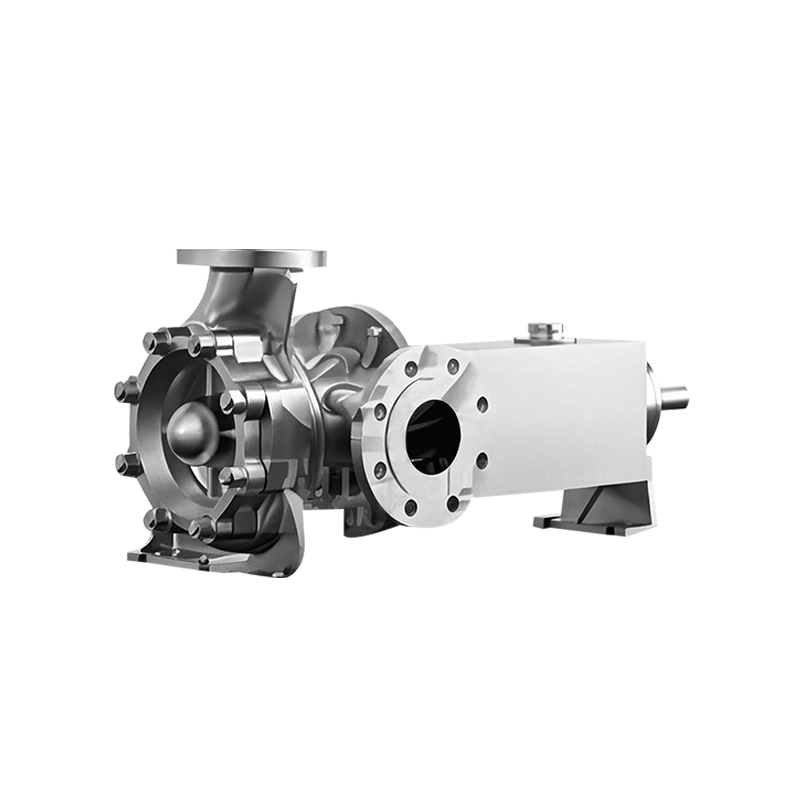
The filter press pump is a vertical, single-stage, single-suction, cantilever-type centrifugal pump, ingeniously crafted based on multiphase flow theo...
See Details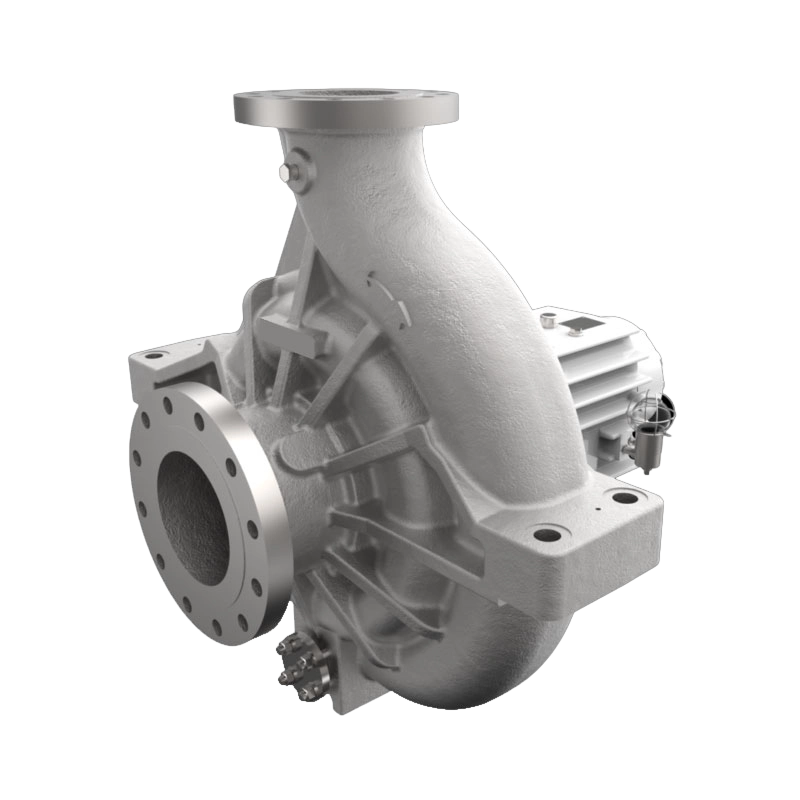
Our standard API 610 OH2 pumps are centerline-supported, single-stage, overhung units with an integrated bearing housing. The pump and motor are flexi...
See Details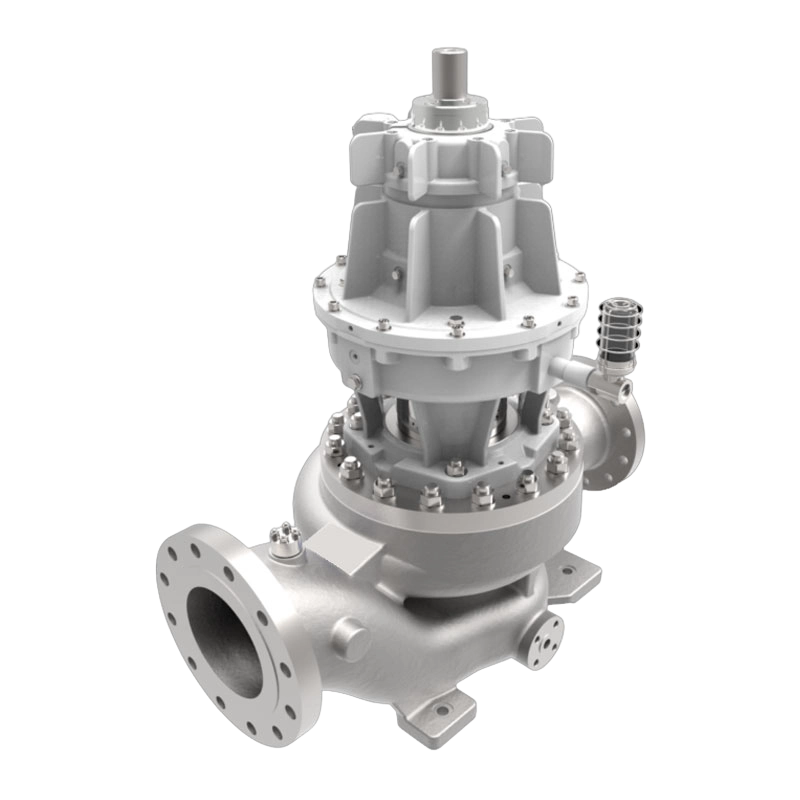
Our standard OH3 pumps are vertically oriented, in-line, single-stage overhung units featuring a separate bearing bracket with flexible motor coupling...
See Details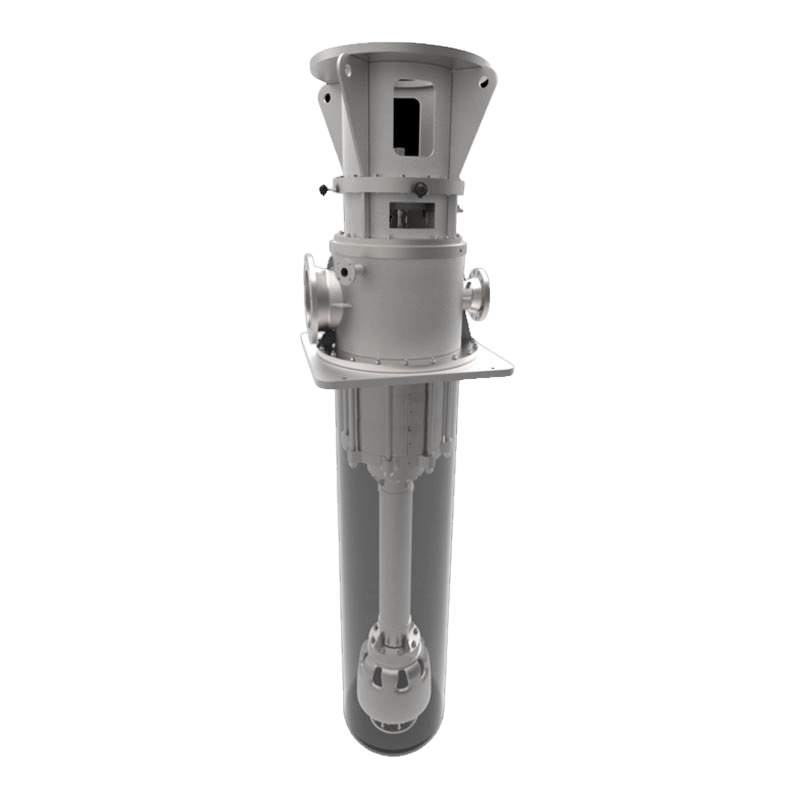
Our API 610 VS6 sump pumps feature a vertically suspended configuration with radially split single casing, designed as single or multi-stage diffuser ...
See DetailsCopyright © Welcome to Chemical Pump Factory - Jiangsu Feixiang Pump Manufacturing All rights reserved. Chemical Pumps Manufacturers

 +86-18052670932
 +86-0523-84326888
 No. 35, Xinqiao Middle Road, Xinqiao Town, Jingjiang City, Jiangsu Province, China