

 en
en  русский
 Español
AFB Corrosion Resistant Centrifugal Pump
Cat:Corrosion-Resistant Chemical Pump
FB stainless steel chemical pump has the advantages of reliable performance, good sealing, beautiful appearance, easy use and maintenance.
See DetailsContent
The AFB corrosion resistant centrifugal pump is a type of industrial pump specifically engineered to handle highly corrosive, chemically aggressive, and abrasive fluids that would rapidly degrade standard metal pumps. The designation "AFB" refers to a construction standard and design classification used across the chemical process industry to denote pumps built with fluoroplastic or other high-performance corrosion-resistant materials, conforming to dimensional and performance standards that ensure interchangeability and reliability across different manufacturers and installations. These pumps operate on the fundamental centrifugal principle — a rotating impeller transfers kinetic energy to the fluid, converting it to pressure and flow — but their material selection, sealing arrangement, and hydraulic design are specifically optimized for service in environments where chemical attack on wetted components is the primary engineering concern.
AFB pumps are typically constructed with wetted components — including the pump casing, impeller, and shaft sleeve — manufactured from materials such as ETFE (ethylene tetrafluoroethylene), PTFE (polytetrafluoroethylene), PFA (perfluoroalkoxy), polypropylene, or other fluoropolymer-lined metals. The pump body is often a metal shell with a chemically inert inner lining, providing the mechanical strength of metal construction combined with the chemical resistance of fluoroplastic materials. This combination allows AFB pumps to handle concentrated acids, alkalis, oxidizing agents, solvents, and other aggressive media that no standard cast iron or stainless steel pump could withstand without rapid corrosion failure.
The performance and reliability of an AFB corrosion resistant centrifugal pump are directly determined by its design and construction. Understanding the key design features helps engineers and procurement professionals evaluate pump suitability for specific chemical applications.
The defining construction feature of the AFB pump is the use of fluoroplastic materials for all wetted parts — the components that come into direct contact with the pumped fluid. In lined pump designs, a metal casing (typically ductile iron or carbon steel) provides the structural housing, while a precision-molded inner lining of ETFE, PFA, or PTFE covers every internal surface exposed to the fluid. This lining is engineered to be void-free and pinhole-free to prevent any contact between the corrosive fluid and the metal substrate. In solid fluoroplastic designs, the entire pump casing and impeller are manufactured from the polymer material itself, eliminating any risk of lining disbondment or permeation. Both approaches result in a pump that presents only chemically inert surfaces to the process fluid regardless of how aggressive that fluid may be.
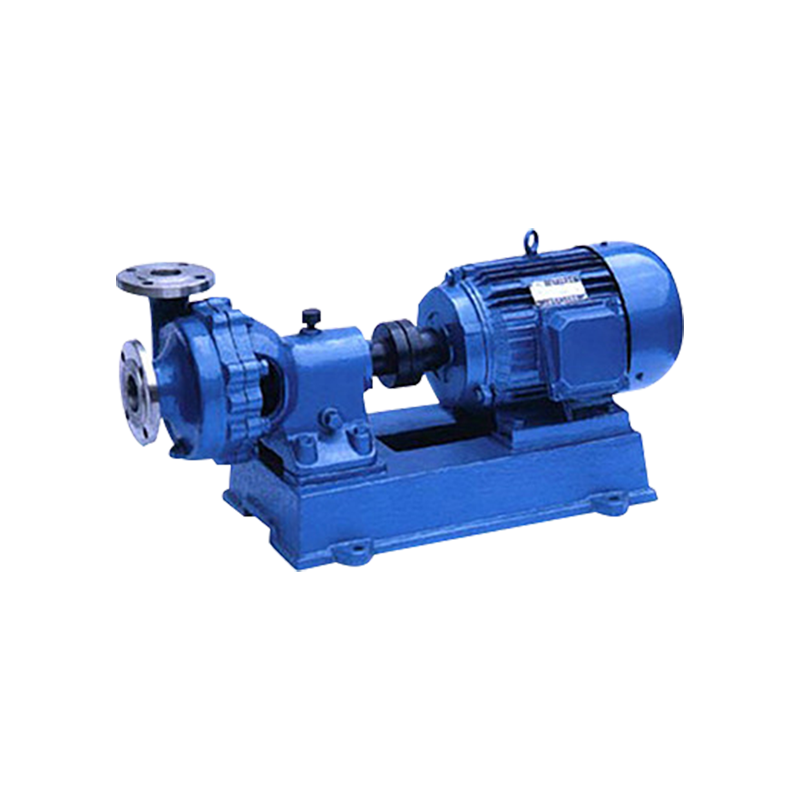
One of the most critical design decisions in corrosion resistant pump selection is the shaft sealing arrangement. AFB pumps are available in two primary configurations. The first is the sealless magnetic drive design, in which the pump impeller is driven by a rear containment shell and external magnet assembly rather than a direct shaft connection through the pump casing. This eliminates the mechanical shaft seal entirely, creating a hermetically sealed pump with zero leakage potential — an essential feature when handling toxic, volatile, or environmentally hazardous chemicals where any shaft seal leakage would be unacceptable. The second configuration uses a conventional mechanical seal, typically with chemically resistant seal faces made from silicon carbide or carbon, and elastomers in PTFE or FFKM compounds. Mechanical seal designs are appropriate for less hazardous fluids and offer the advantage of easier maintenance access.
The impeller and volute geometry in AFB pumps are designed to minimize turbulence, reduce internal velocities, and avoid localized high-stress zones that could accelerate erosion of the fluoroplastic surfaces. Open or semi-open impeller designs are commonly used in AFB pumps because they are less susceptible to clogging when handling fluids with suspended solids or crystallizing chemicals. The hydraulic design must also account for the lower tensile strength and stiffness of fluoroplastic materials compared to metal, which imposes constraints on impeller tip speed and thus the maximum achievable head and flow rate for a given pump size.
AFB corrosion resistant centrifugal pumps are deployed across a wide spectrum of industries wherever aggressive chemical media must be moved reliably and safely. Their application range is defined by the chemical resistance of fluoroplastic materials, which is exceptionally broad.
The AFB corrosion resistant centrifugal pump offers a distinct set of advantages over both standard metal pumps and alternative corrosion resistant pump technologies. These advantages are the direct result of the pump's fluoroplastic construction, sealless design options, and engineering optimization for chemical service.
Fluoroplastic materials — particularly PTFE, PFA, and ETFE — exhibit chemical resistance to virtually all acids, bases, oxidizing agents, halogens, and organic solvents across a broad concentration and temperature range. This near-universal chemical inertness means that a single AFB pump model can often be used across multiple corrosive fluid applications within the same plant, reducing the number of different pump types that must be stocked as spares. In contrast, metal pumps require careful material selection for each specific fluid, and even high-alloy metals such as Hastelloy or titanium have defined limits where they will corrode in certain acid combinations or concentration ranges. PTFE-lined AFB pumps remain serviceable in environments that challenge every metallic alternative.
The sealless magnetic drive configuration of AFB pumps eliminates the shaft seal — the component most prone to failure and the primary source of fluid leakage in conventional pumps. For toxic, carcinogenic, environmentally regulated, or high-value chemicals, even a minor shaft seal leak represents a safety incident, an environmental compliance violation, or a significant product loss. Magnetic drive AFB pumps contain the process fluid within a hermetically sealed inner assembly, with the drive torque transmitted through the containment shell by magnetic coupling. This design inherently complies with fugitive emission regulations such as the EU Industrial Emissions Directive and US EPA LDAR requirements, without the ongoing maintenance burden of monitoring and replacing mechanical seals.
In corrosive chemical service, the dominant cause of pump failure and maintenance cost is material degradation — corrosion of metal components, seal face attack, and O-ring swelling or hardening caused by chemical exposure. AFB pumps eliminate these failure modes by replacing chemically vulnerable components with fluoroplastic materials that do not corrode, rust, or chemically degrade in service. Fluoroplastic components maintain their dimensional integrity and surface finish throughout their service life, resulting in stable hydraulic performance and seal integrity over years of continuous operation. Facilities that switch from metal centrifugal pumps to AFB fluoroplastic pumps in corrosive service routinely report dramatic reductions in pump maintenance frequency, seal replacement costs, and unplanned downtime.
In applications such as semiconductor manufacturing, ultrapure water systems, pharmaceutical production, and food-grade chemical handling, the pump must not introduce any contamination into the process fluid. Metal pumps corrode gradually and release metal ions into the fluid — even at trace levels, these contaminants can ruin semiconductor wafers, fail pharmaceutical product specifications, or alter the chemistry of sensitive processes. PTFE and PFA fluoroplastic surfaces are chemically inert and non-leaching, releasing no extractables into the process fluid under normal operating conditions. This purity characteristic makes AFB pumps the only acceptable choice in contamination-sensitive applications where product quality cannot be compromised by pump material interaction.
For severely corrosive applications, the alternative to a fluoroplastic AFB pump is often a high-alloy metal pump in Hastelloy C, titanium, or duplex stainless steel — materials that carry a substantial price premium over standard construction. While the initial purchase price of a high-alloy metal pump may be comparable to an AFB fluoroplastic pump, the ongoing maintenance costs often diverge significantly. High-alloy metals, while resistant to many corrosive media, still have defined corrosion rates and susceptibility to localized attack such as pitting, crevice corrosion, and stress corrosion cracking. Fluoroplastic AFB pumps have a corrosion rate that is effectively zero in the vast majority of chemical applications, resulting in a lower total cost of ownership over a 10 to 15-year service life when maintenance, spare parts, and replacement costs are fully accounted for.
The following table summarizes the typical performance and material parameters of AFB corrosion resistant centrifugal pumps to assist with application matching and selection:
| Parameter | Typical Range / Value |
| Flow Rate Range | 1 m³/h to 200 m³/h (varies by model) |
| Maximum Head | Up to 80 m (hydraulic limitation of fluoroplastic impeller) |
| Operating Temperature | -20°C to +120°C (ETFE/PFA); up to +200°C (PTFE in some designs) |
| Maximum Operating Pressure | Up to 16 bar (depending on casing construction) |
| Wetted Material Options | PTFE, PFA, ETFE, PVDF, polypropylene |
| Seal Type Options | Sealless magnetic drive; mechanical seal (SiC/carbon with PTFE/FFKM elastomers) |
| Drive Power Range | 0.25 kW to 55 kW |
| Applicable Standards | ISO 2858, EN 22858, ASME B73.1, DIN 24256 |
While AFB corrosion resistant centrifugal pumps offer outstanding chemical resistance, there are several important engineering considerations that must be addressed when specifying these pumps to ensure correct application and long-term performance.
The AFB corrosion resistant centrifugal pump has established itself as the benchmark product category for corrosive chemical fluid handling because it uniquely addresses the three fundamental challenges of chemical pump service: material degradation, seal leakage, and fluid contamination. By combining fluoroplastic chemical inertness with sealless magnetic drive technology and centrifugal pump simplicity, the AFB pump delivers a level of operational reliability, safety, and low maintenance burden that no metal pump alternative can match across the full range of corrosive chemical applications.
For plant engineers, maintenance managers, and procurement professionals operating in chemical processing, water treatment, electronics manufacturing, or any other industry where corrosive fluids must be moved reliably day after day, the AFB corrosion resistant centrifugal pump represents not just a product choice but a proven engineering strategy for minimizing total chemical handling system cost while maximizing safety and operational uptime. Specifying the correct AFB pump model — with the right material, seal type, hydraulic rating, and temperature classification for the specific application — is the single most impactful decision in designing a long-lived, low-maintenance corrosive fluid handling system.
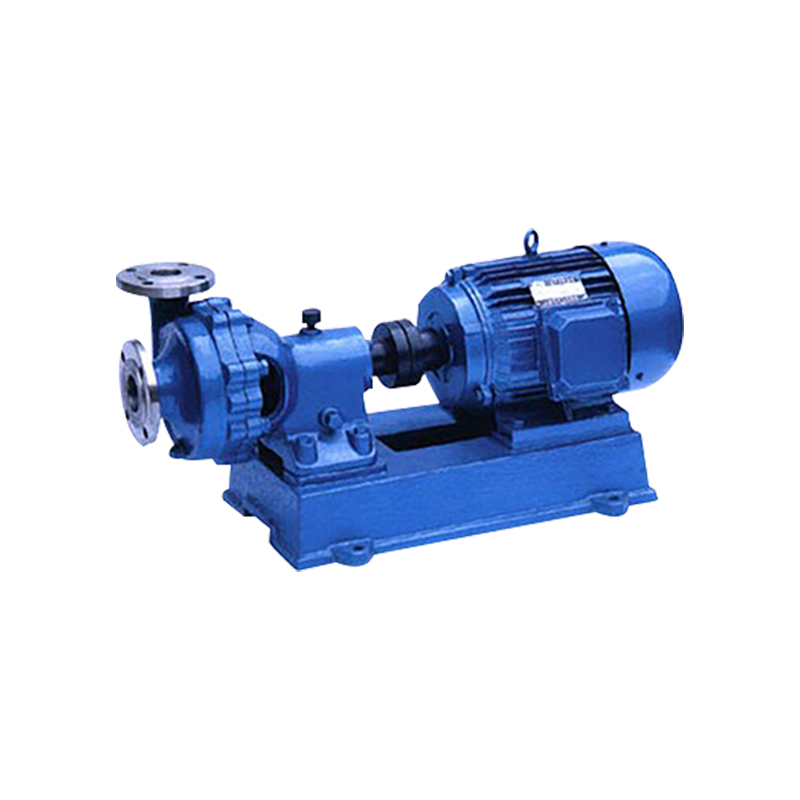
FB stainless steel chemical pump has the advantages of reliable performance, good sealing, beautiful appearance, easy use and maintenance.
See Details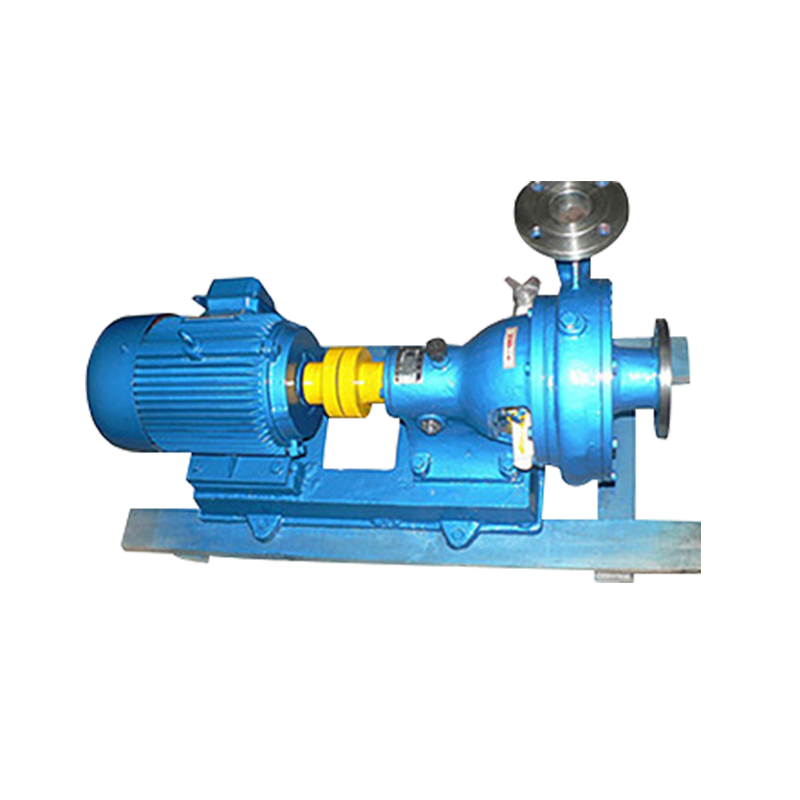
PWF corrosion-resistant sewage pump is a single-stage, single-suction, cantilever-type corrosion-resistant centrifugal sewage pump. Its functional ran...
See Details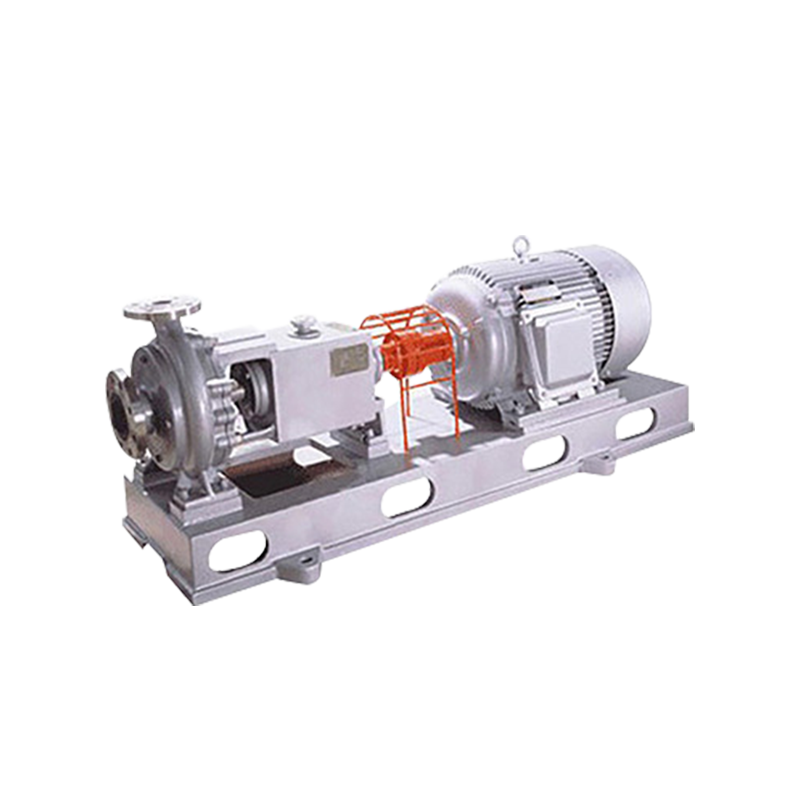
IJ series corrosion-resistant pump is a single-stage, single-suction cantilever centrifugal pump. Its marking, rating characteristics, and dimensions ...
See Details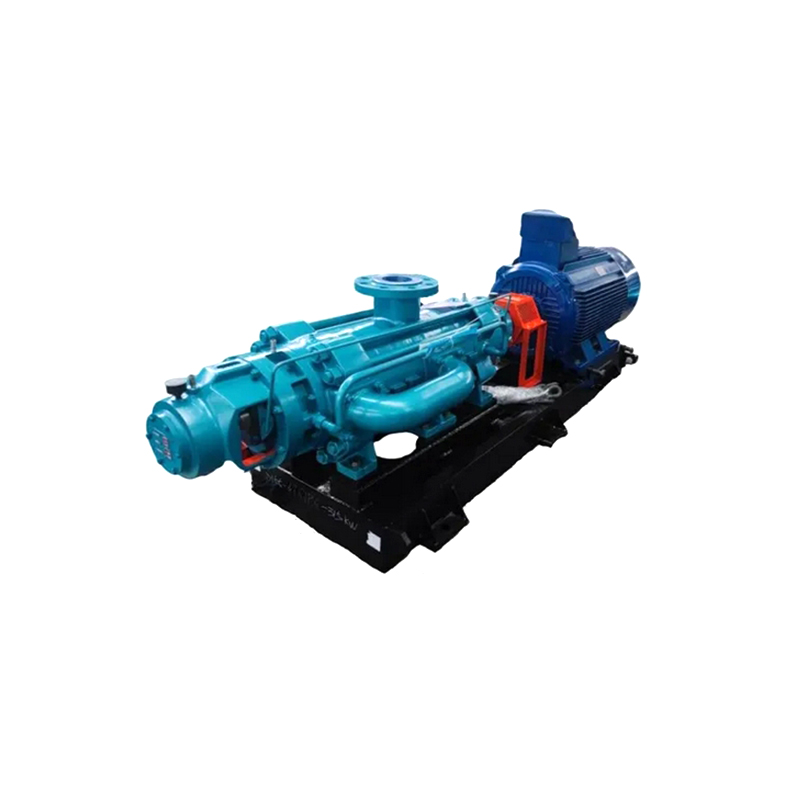
Self-balancing multi-stage centrifugal pump:Using advanced hydraulic models, we independently develop high-efficiency and energy-saving products; sinc...
See Details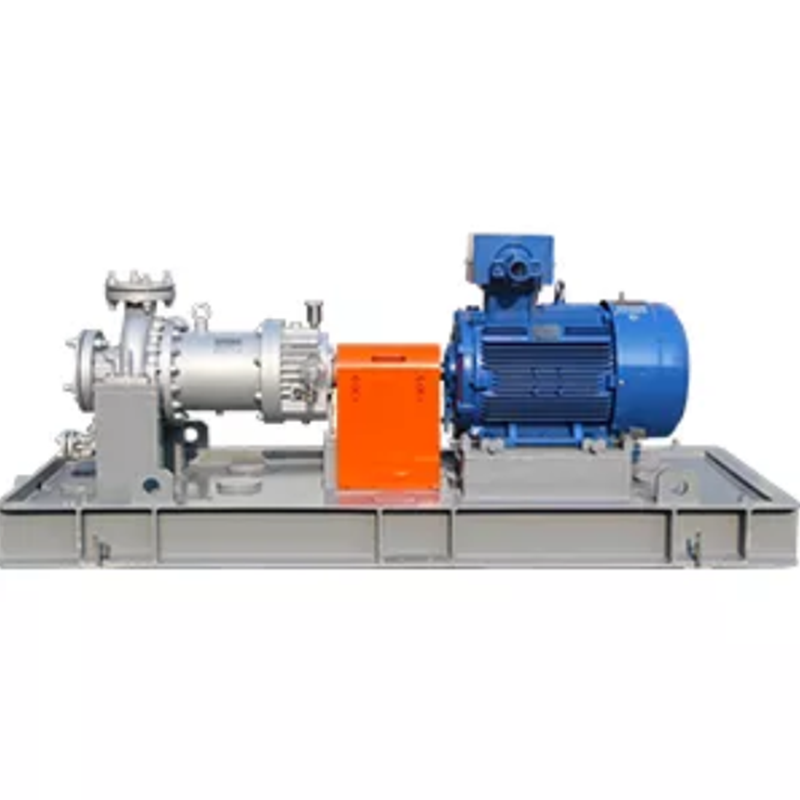
Performance Range: · Diameter: DN25~DN400 · Flow Rate: Up to 2000 m³/h · Head: Up to 250 m · Temperature Limit...
See Details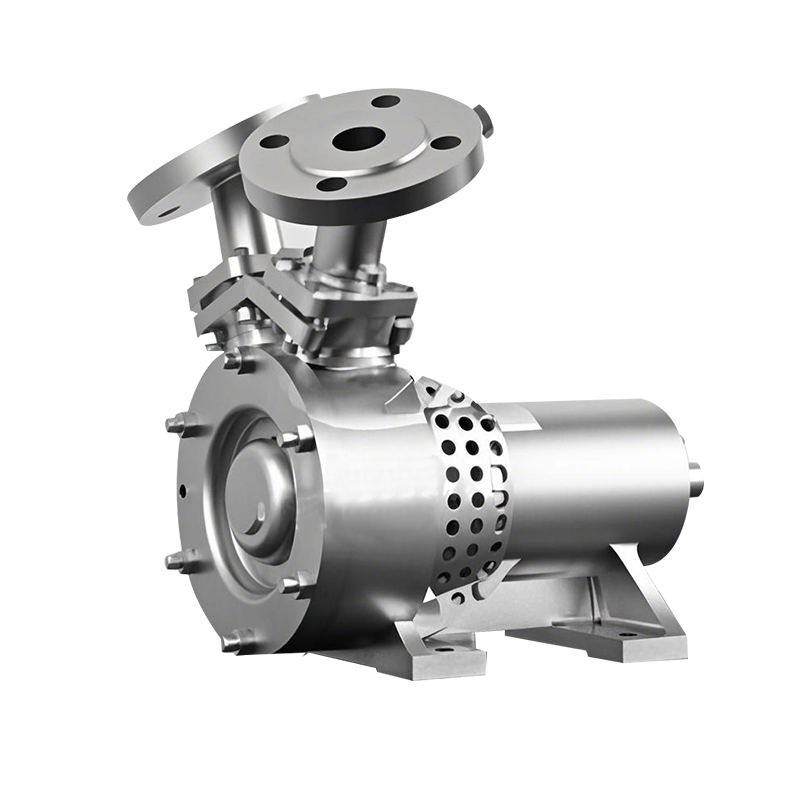
The vortex pump is compact in size yet capable of generating high pressure, making it an ideal choice for achieving miniaturization of equipment. It e...
See Details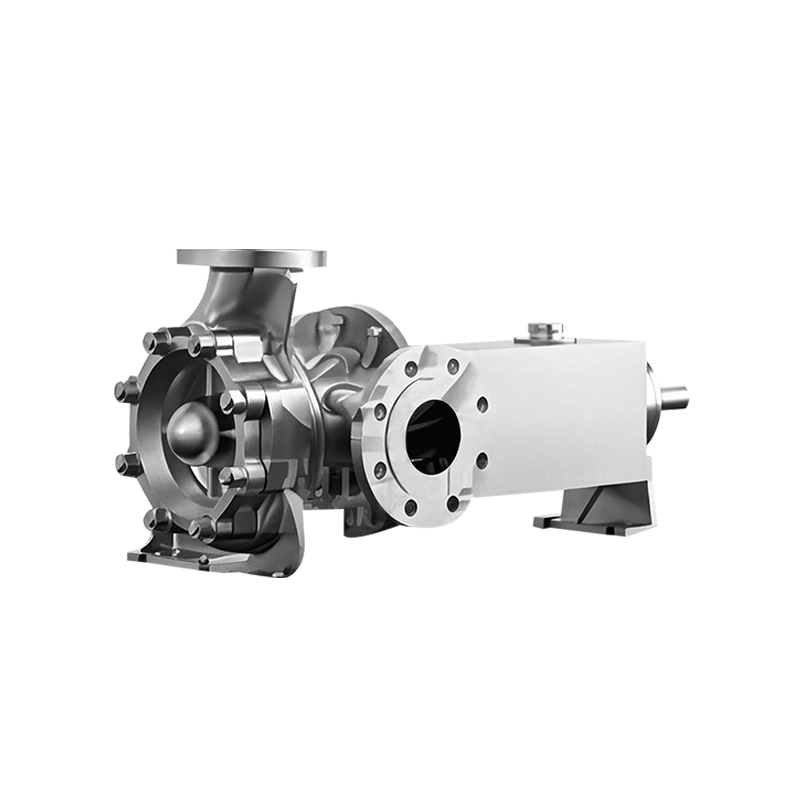
The filter press pump is a vertical, single-stage, single-suction, cantilever-type centrifugal pump, ingeniously crafted based on multiphase flow theo...
See Details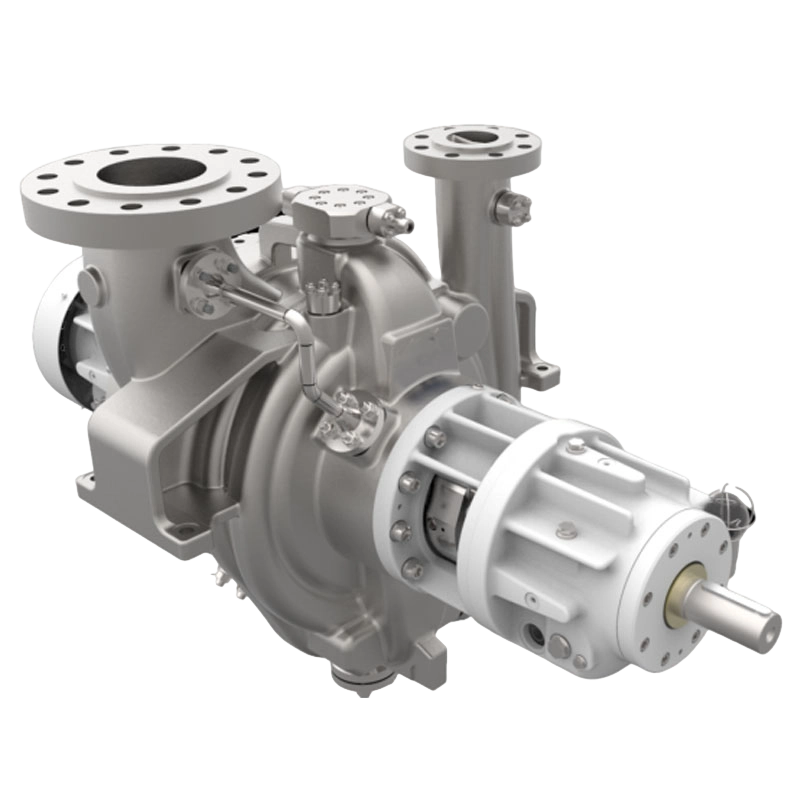
Our standard API 610 BB2 pumps feature a centerline-mounted, radially split casing with double suction and between-bearing construction. The pump and ...
See Details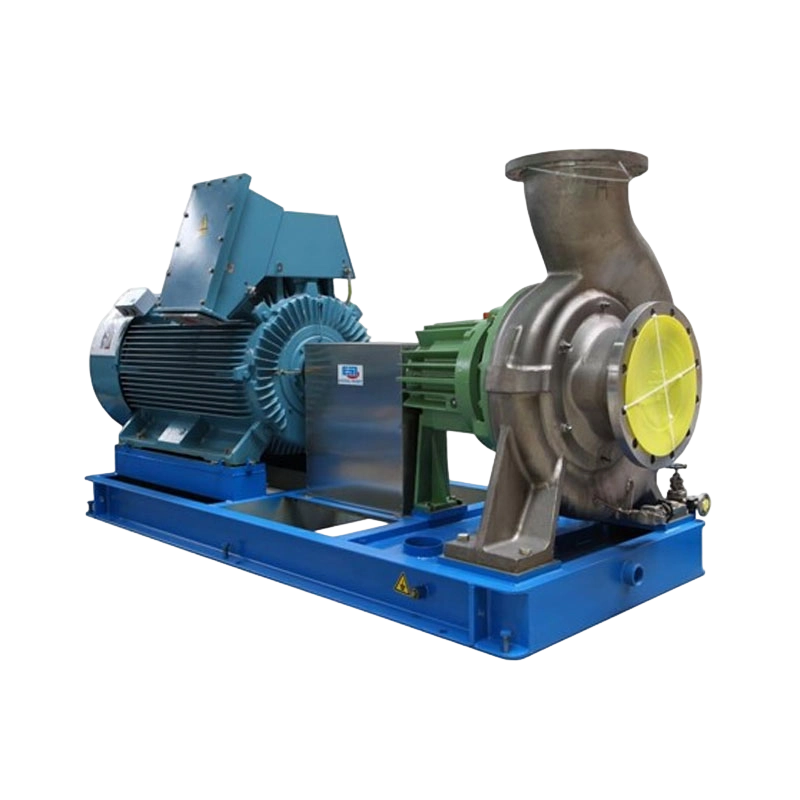
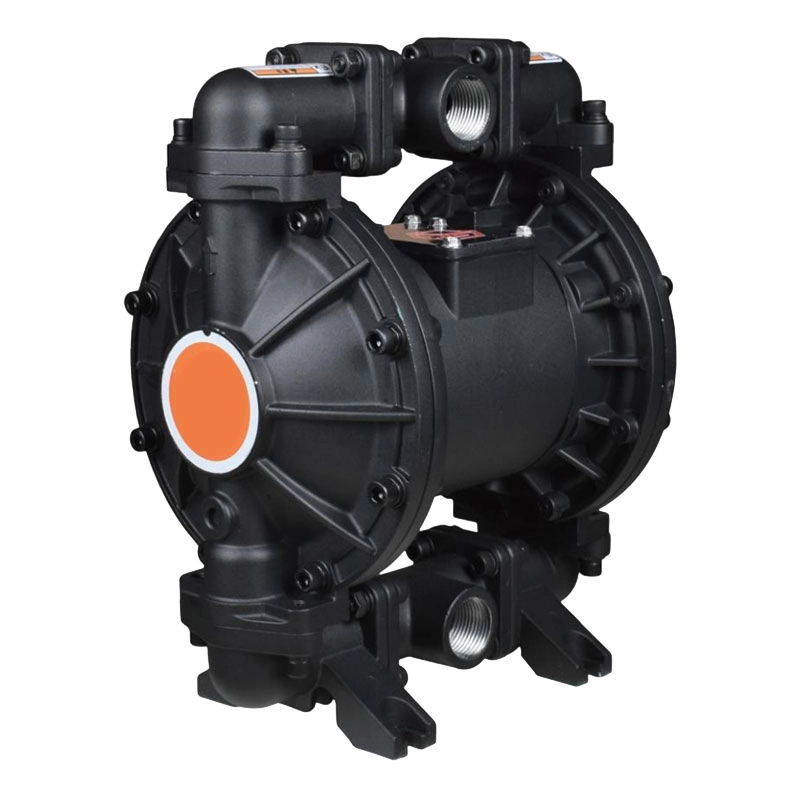
Our standard API 610 OH1 pumps are engineered as foot-mounted, single-stage, overhung units with a dedicated bearing housing. The pump and motor are f...
See DetailsCopyright © Welcome to Chemical Pump Factory - Jiangsu Feixiang Pump Manufacturing All rights reserved. Chemical Pumps Manufacturers

 +86-18052670932
 +86-0523-84326888
 No. 35, Xinqiao Middle Road, Xinqiao Town, Jingjiang City, Jiangsu Province, China