

 en
en  русский
 Español
CZ Standard Chemical Process Pump
Cat:Chemical Process Pump
1. Performance range of CZ type chemical pump (according to design point) Flow: Q 1.6-1500m3/h Lift: H 5-125m Working pressure: P less than or equal t...
See DetailsContent
A chemical magnetic pump — also called a magnetically coupled pump or mag-drive pump — is a centrifugal pump design in which the impeller is driven not by a mechanical shaft passing through the pump casing, but by a rotating magnetic field transmitted through the pump's containment shell. The driving motor rotates an outer magnet assembly, and this rotating magnetic field is coupled across an air gap through a hermetically sealed, non-metallic or metallic containment shell to an inner magnet assembly attached to the impeller. Because there is no rotating shaft penetrating the wetted zone, there is no mechanical seal or gland packing to leak — the pump interior is completely sealed from the atmosphere at all times, regardless of the pressure or temperature of the fluid being handled.
This sealed, leak-free design makes chemical magnetic pumps the preferred solution for handling hazardous, toxic, corrosive, flammable, or environmentally sensitive liquids in chemical processing, pharmaceutical manufacturing, water treatment, semiconductor fabrication, and other industries where even minor fluid leakage poses safety, regulatory, or product contamination risks. The elimination of the mechanical seal — the most maintenance-intensive and failure-prone component in conventional centrifugal pumps — also significantly reduces operating costs and unplanned downtime in continuous process applications where pump reliability is critical to production throughput.
The magnetic coupling mechanism at the heart of a chemical magnetic pump operates on the principle of synchronous magnetic torque transmission. The outer magnet rotor is a ring or assembly of permanent magnets — typically rare-earth neodymium iron boron (NdFeB) or samarium cobalt (SmCo) magnets arranged in alternating north-south polarity — mounted on a carrier that is connected directly to the motor shaft. The inner magnet rotor, similarly arranged with alternating pole permanent magnets, is attached to the impeller shaft and located inside the containment shell within the pumped fluid. When the motor rotates the outer rotor, the magnetic poles of the outer rotor attract and repel the poles of the inner rotor across the containment shell wall, transmitting rotational torque to the impeller without any physical connection between the two rotors.
The containment shell — also called the can or isolation shell — is the component that physically separates the pumped fluid from the external motor and magnet assembly. It must be simultaneously thin enough to minimize the magnetic air gap (and therefore maximize coupling efficiency), strong enough to withstand the pump's maximum operating pressure, and electrically non-conductive (or of low conductivity) to avoid eddy current losses that would reduce efficiency and generate heat within the can wall. Common containment shell materials include glass-fiber reinforced polymer (GFRP), PTFE, Hastelloy C-276, and duplex stainless steel, each suited to different chemical and pressure combinations.
The performance and reliability of a chemical magnetic pump depends on the quality, material selection, and design integration of each of its principal components. Understanding what each part does clarifies why material choice is so critical in chemical pump applications.
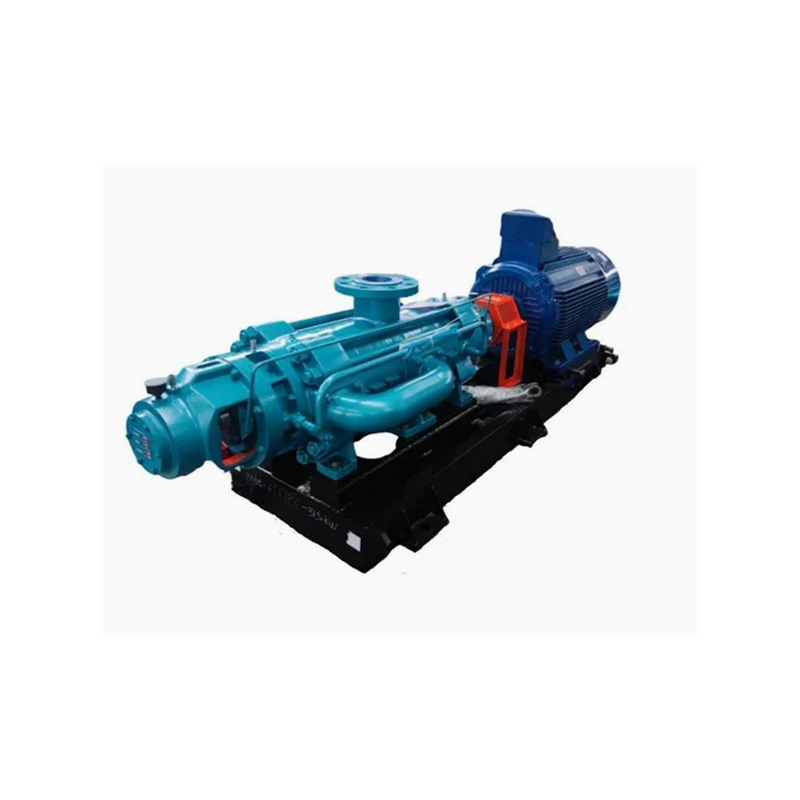
The pump casing houses the impeller and defines the hydraulic flow path from suction to discharge. In chemical magnetic pumps, the casing is typically manufactured from polypropylene (PP), PVDF (polyvinylidene fluoride), ETFE-lined steel, Hastelloy C-276, or duplex stainless steel, depending on the corrosivity of the process fluid. The impeller converts motor shaft energy into fluid kinetic energy through centrifugal action, and its design — open, semi-open, or closed — affects both hydraulic efficiency and the pump's tolerance for fluids containing small suspended solids. Closed impellers deliver higher efficiency and better pressure generation for clean liquids, while open or semi-open impellers are preferred for slurries or fluids containing soft solids that would clog a closed impeller.
The containment shell is arguably the most critical component in the entire pump from a safety perspective — it is the only barrier between the hazardous process fluid and the external environment. Its wall thickness must be sufficient to withstand the maximum differential pressure rating of the pump, which for standard chemical magnetic pumps ranges from 10 bar to 25 bar depending on the model size and shell material. GFRP and PEEK containment shells are used for highly corrosive organic and inorganic acids because they are transparent to the magnetic field (non-conductive), eliminating eddy current heating and maximizing coupling efficiency. Metallic containment shells in Hastelloy or stainless steel are used where higher temperature or pressure ratings are needed, but their electrical conductivity generates eddy currents in the rotating magnetic field, reducing pump efficiency by 3 to 8 percent and generating heat that must be managed through fluid circulation within the can.
The inner rotor and impeller assembly of a chemical magnetic pump is supported by sleeve bearings — not rolling element bearings — that are lubricated and cooled entirely by the pumped fluid itself. These bearings are typically manufactured from silicon carbide (SiC), carbon-graphite, or PTFE-filled PEEK, materials chosen for their hardness, chemical resistance, and low friction coefficient in fluid-lubricated operation. The fluid circulation path that lubricates the bearings also flushes heat away from the containment shell interior. This is why chemical magnetic pumps have a critical requirement for continuous fluid flow through the pump — running dry, even briefly, starves the sleeve bearings of lubrication and cooling, causing rapid and catastrophic bearing failure within seconds to minutes of dry running.
The outer magnet rotor is mounted on a coupling hub that attaches directly to the standard motor shaft, allowing chemical magnetic pumps to use off-the-shelf IEC or NEMA frame induction motors without modification. This interchangeability is a significant maintenance advantage — the motor can be replaced independently of the pump without disturbing the wet end or process piping connections. The outer rotor housing is typically manufactured from stainless steel or engineering polymer, with the permanent magnets encapsulated in corrosion-resistant material to protect them from process fluid contact in the event of a containment shell failure.
No single material combination is suitable for all chemical services, and correct material selection for the wetted components — casing, impeller, containment shell, and sleeve bearings — is the most consequential engineering decision in chemical magnetic pump specification. The following table summarizes the most widely used wetted material combinations and their chemical service suitability.
| Wetted Material | Suitable Chemicals | Max. Temp (°C) | Key Limitations |
| Polypropylene (PP) | Dilute acids, alkalis, oxidants, brine | 60°C | Not for solvents or concentrated H₂SO₄ |
| PVDF | Halogens, strong acids, oxidizing acids | 100°C | Not for strong alkalis or amines |
| ETFE-lined steel | Broad chemical resistance including HF | 120°C | Lining damage risk from abrasives |
| Hastelloy C-276 | Oxidizing acids, chloride solutions, FGD | 180°C | Not for HF; high cost |
| 316L Stainless Steel | Mild acids, food-grade, pharmaceutical | 150°C | Susceptible to chloride stress corrosion |
| Silicon Carbide (SiC) | Bearings in most aggressive chemical services | 200°C+ | Brittle — sensitive to thermal shock |
Chemical magnetic pumps operate within specific performance boundaries that are defined by the physical limits of the magnetic coupling mechanism and the bearing system. Understanding these constraints is essential to avoid operating conditions that lead to rapid pump failure or safety incidents.
The magnetic coupling transmits torque only up to a defined maximum — called the pull-out torque or decoupling torque — beyond which the magnetic poles of the inner and outer rotors slip out of synchronization and the impeller stops rotating while the outer rotor continues to spin. This decoupling event is silent and provides no external indication of pump failure, meaning the process system may see zero flow while the motor continues to run normally. Decoupling occurs when the hydraulic load on the impeller exceeds the coupling's torque capacity — typically caused by pumping a fluid of significantly higher specific gravity than the design point, running the pump far outside its performance curve, or a sudden increase in system back-pressure. Continuous operation in a decoupled state allows the stationary inner rotor to be heated by eddy currents from the rotating outer magnetic field, potentially causing thermal damage to the containment shell and bearing materials. Systems handling hazardous fluids should incorporate flow monitoring or power monitoring to detect decoupling events promptly.
As noted in the bearing section, dry running is the single most common cause of catastrophic failure in chemical magnetic pumps. The sleeve bearings depend entirely on fluid film lubrication — the minimum recommended flow through the bearing flush circuit is typically specified by the pump manufacturer as a function of pump size and bearing material, but even a few seconds of fully dry operation on silicon carbide bearings can cause scoring and cracking that renders the pump unserviceable. Dry running protection measures should be standard in any chemical magnetic pump installation and may include suction pressure switches that shut down the motor when suction pressure falls below the minimum threshold, flow switches in the discharge line, current monitoring relays that detect the characteristic current drop associated with loss of hydraulic load, and level switches in the suction vessel that prevent pump start or trigger pump stop before the vessel empties.
The decision to specify chemical magnetic pumps over conventionally sealed centrifugal pumps in chemical service is driven by a combination of safety, environmental, and economic factors that become increasingly compelling as the toxicity, flammability, or regulatory classification of the process fluid increases.
Despite their advantages, chemical magnetic pumps are not universally suitable for every chemical pumping application. Several characteristics of the magnetic drive design impose limitations that must be evaluated during pump selection.
Correct chemical magnetic pump selection requires a systematic evaluation of the process fluid properties, system hydraulic requirements, and operational environment. The following parameters should be defined and documented before specifying a pump model and material combination.
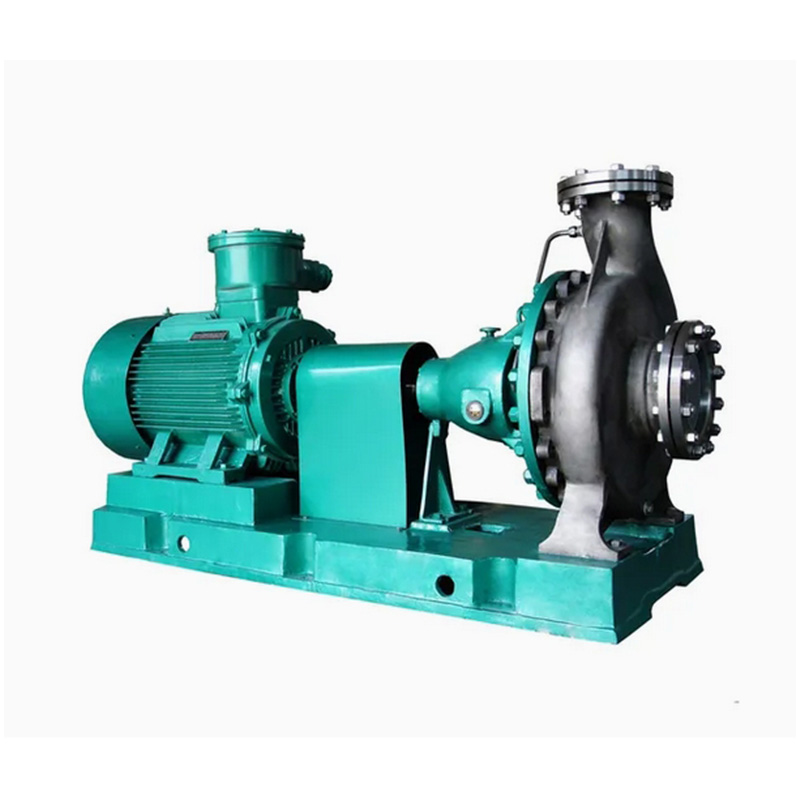
1. Performance range of CZ type chemical pump (according to design point) Flow: Q 1.6-1500m3/h Lift: H 5-125m Working pressure: P less than or equal t...
See Details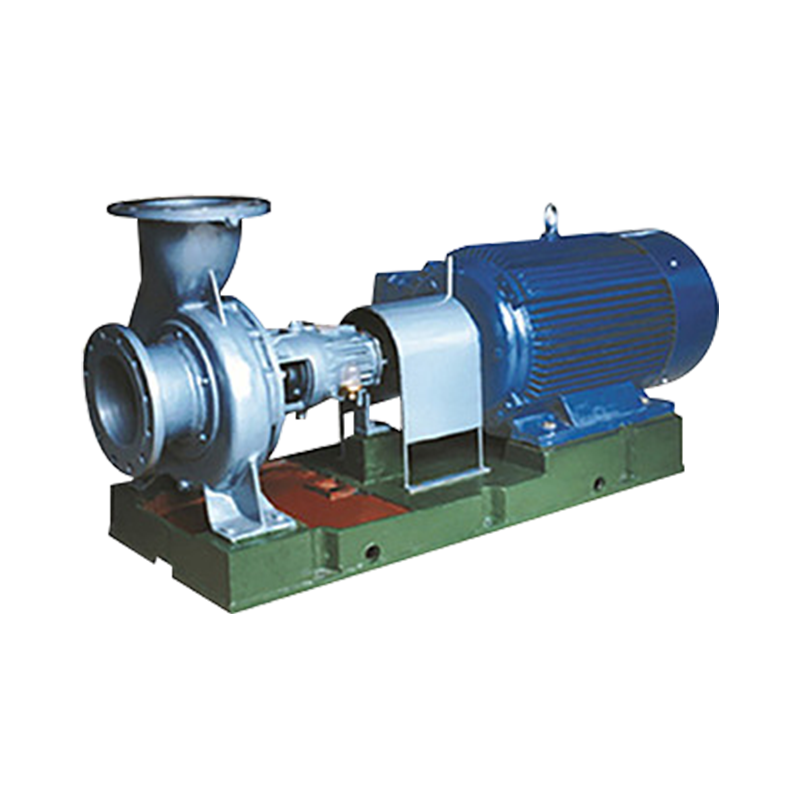
1. OverviewZA and ZAO petrochemical process pumps are designed according to AP1610 and VDMA24297 (light/medium duty) specifications. 2. Application sc...
See Details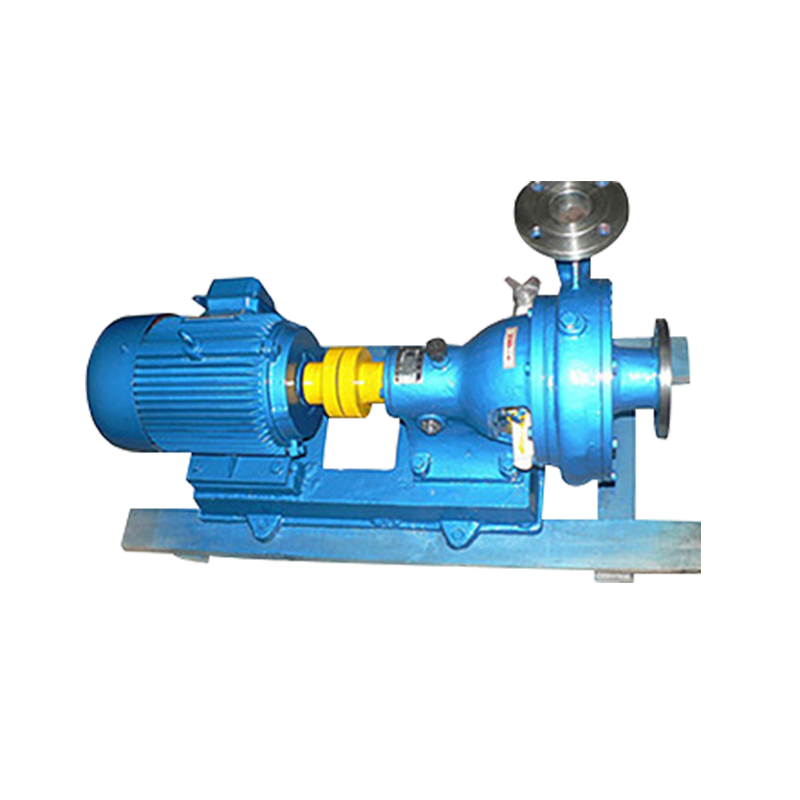
PWF corrosion-resistant sewage pump is a single-stage, single-suction, cantilever-type corrosion-resistant centrifugal sewage pump. Its functional ran...
See Details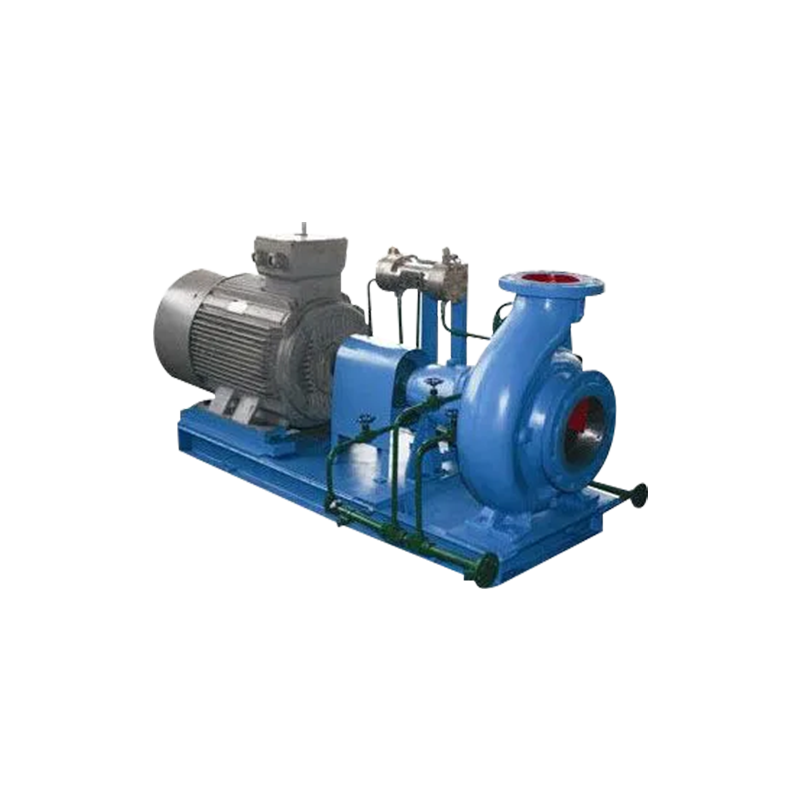
HPk hot water circulation pump adopts the patented technology of a low specific speed centrifugal pump, which is developed on the basis of absorbing a...
See Details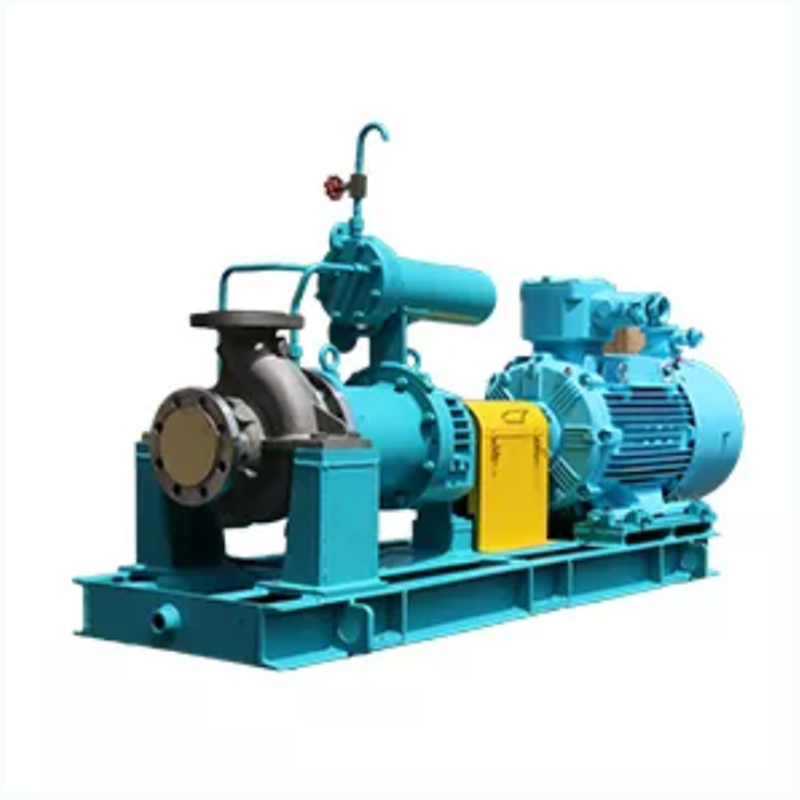
Performance Range: · Diameter: DN25~DN400 · Flow Rate: Up to 2000 m³/h · Head: Up to 200 m · Temperature Limit...
See Details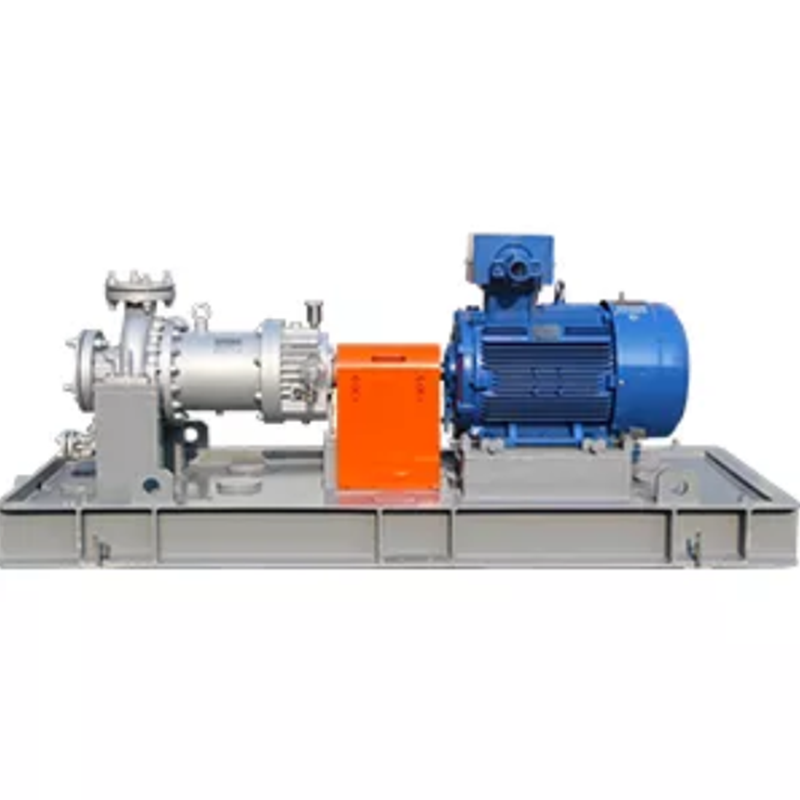
Performance Range: · Diameter: DN25~DN400 · Flow Rate: Up to 2000 m³/h · Head: Up to 250 m · Temperature Limit...
See Details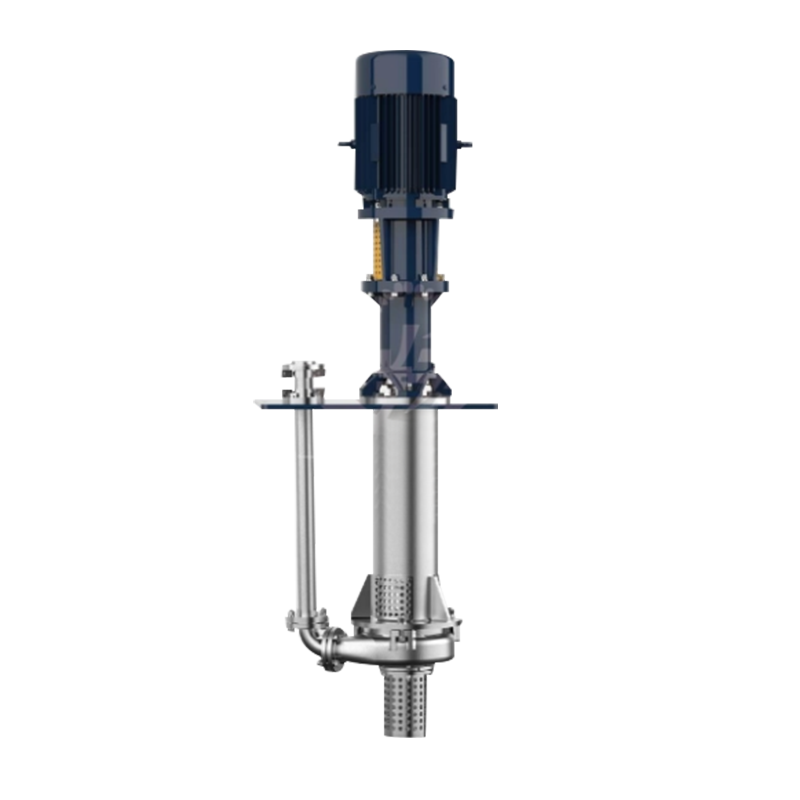
The slurry submerged pump is a cantilevered vertical design developed by our company, combining advanced features from both domestic and international...
See Details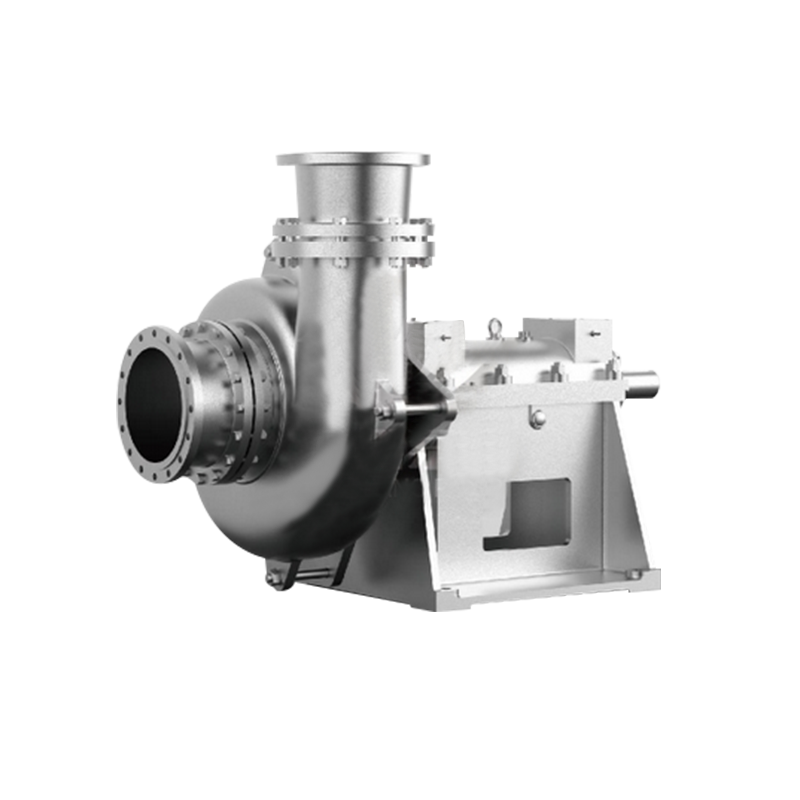
The Double Casing Slurry Pump, a series of solid-liquid two-phase flow slurry pumps, is engineered with an innovative two-phase flow design theory and...
See Details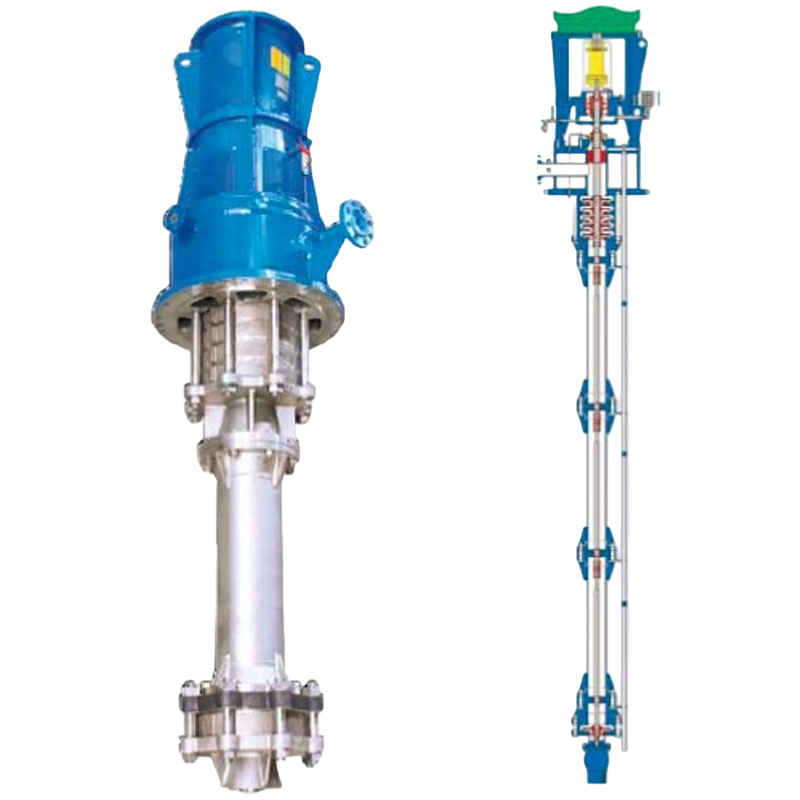
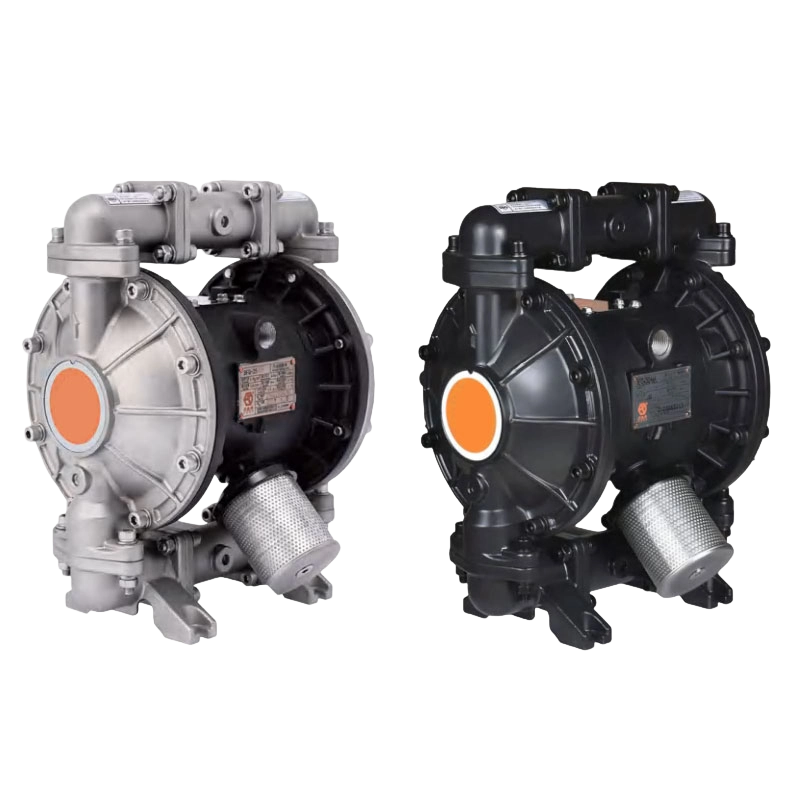
Our API 610 VS2 sump pumps feature a vertically suspended design with radially split single casing, available in single or multi-stage volute configur...
See DetailsCopyright © Welcome to Chemical Pump Factory - Jiangsu Feixiang Pump Manufacturing All rights reserved. Chemical Pumps Manufacturers

 +86-18052670932
 +86-0523-84326888
 No. 35, Xinqiao Middle Road, Xinqiao Town, Jingjiang City, Jiangsu Province, China