

 en
en  русский
 Español
AFB Corrosion Resistant Centrifugal Pump
Cat:Corrosion-Resistant Chemical Pump
FB stainless steel chemical pump has the advantages of reliable performance, good sealing, beautiful appearance, easy use and maintenance.
See DetailsContent
An axial flow pump is a type of rotodynamic pump that moves fluid parallel to the shaft axis rather than perpendicular to it, as seen in centrifugal pumps. Inside the pump, an impeller resembling a ship's propeller rotates within a cylindrical casing, pushing fluid straight through the pump in the same direction the shaft is oriented. This design allows axial flow pumps to move extremely large volumes of fluid at relatively low pressure differentials, making them fundamentally different in both construction and application from centrifugal pumps, which are better suited for higher pressure, lower flow scenarios.
The defining characteristic of an axial flow pump is its ability to handle massive flow rates with minimal head, or pressure boost, per stage. This makes them particularly valuable in applications where large quantities of water or fluid need to be moved over short vertical distances, such as drainage, flood control, and irrigation systems, where speed and volume matter more than pressure buildup.
The operating principle of an axial flow pump centers on the interaction between the rotating impeller blades and the fluid passing through the pump casing. As the impeller spins, its angled blades impart both a rotational and axial force to the fluid, pushing it forward along the pump's central axis. Unlike centrifugal pumps, which rely on centrifugal force to fling fluid outward toward the pump casing before it exits through a discharge outlet, axial flow pumps maintain a straight-line flow path from inlet to outlet.
Because the flow path remains straight throughout the pump, energy losses due to directional changes are minimized, contributing to the pump's efficiency when handling high-volume, low-head applications.
Understanding how axial flow pumps compare to other rotodynamic pump types helps clarify why they are chosen for specific applications. The table below outlines the key differences in flow direction, pressure capability, and typical use cases across the three major pump categories.
| Pump Type | Flow Direction | Head Capability | Flow Rate |
| Axial Flow | Parallel to shaft | Low | Very high |
| Mixed Flow | Diagonal to shaft | Moderate | High |
| Centrifugal | Perpendicular to shaft | High | Low to moderate |
This comparison highlights why axial flow pumps are specifically chosen when the priority is moving enormous volumes of fluid rather than generating significant pressure, a tradeoff that directly shapes their typical fields of application.
Axial flow pumps are extensively used in agricultural irrigation systems, where they efficiently transfer large volumes of water from rivers, canals, or reservoirs into irrigation channels. Their ability to move high volumes at low head makes them ideal for lifting water over short elevation changes typical of flat agricultural land.
Flood control and stormwater management represent another major application area, where axial flow pumps are installed in pumping stations to quickly remove excess water during heavy rainfall events, protecting urban areas and low-lying regions from flooding. These pumps are also widely used in power plant cooling water systems, circulating large volumes of water needed to cool condensers and other equipment. Additionally, axial flow pumps play a role in land reclamation projects and wastewater treatment facilities, where high-volume fluid transfer is a primary operational requirement.
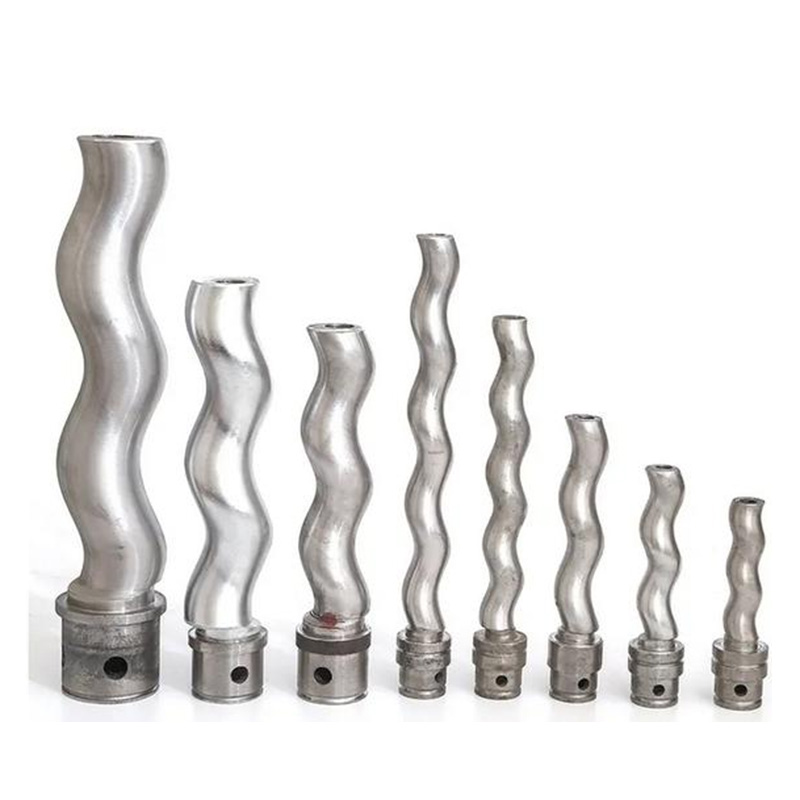
Choosing the correct axial flow pump for a given application requires careful evaluation of required flow rate, available head, and the physical characteristics of the fluid being pumped. Engineers should begin by calculating the total flow volume needed per unit of time, as this figure directly determines the pump size and impeller diameter required to meet operational demands.
Submergence depth is another critical factor, since axial flow pumps typically require adequate water coverage over the impeller to prevent air entrainment and cavitation. Additionally, buyers should consider the pump's construction materials based on the fluid's corrosivity and any suspended solids content, as abrasive particles can accelerate wear on impeller blades over time. Consulting with pump manufacturers to review performance curves specific to the intended application helps ensure the selected pump operates efficiently within its designed range rather than outside optimal performance conditions.
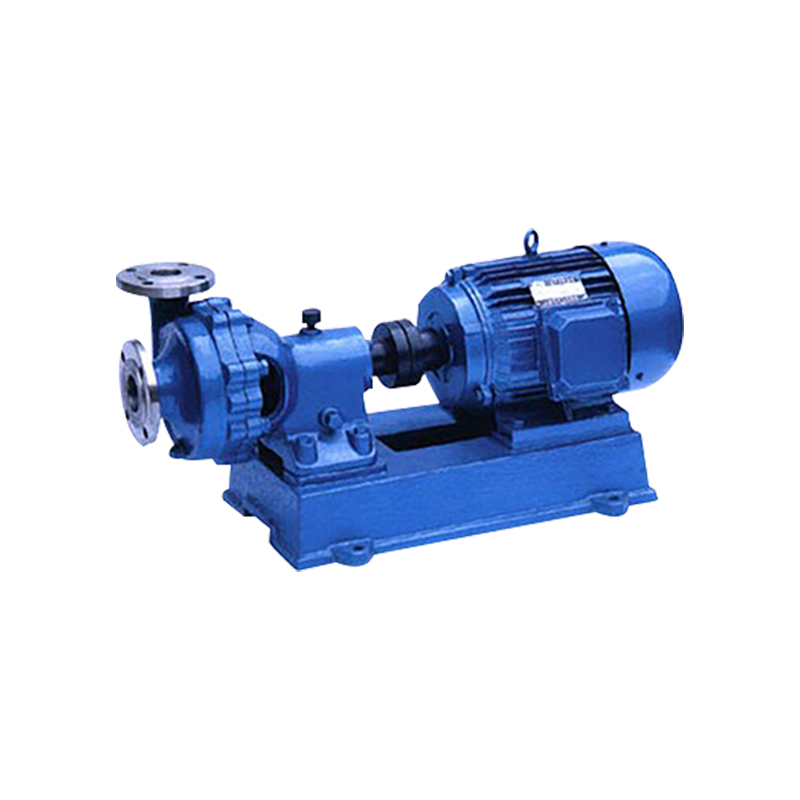
FB stainless steel chemical pump has the advantages of reliable performance, good sealing, beautiful appearance, easy use and maintenance.
See Details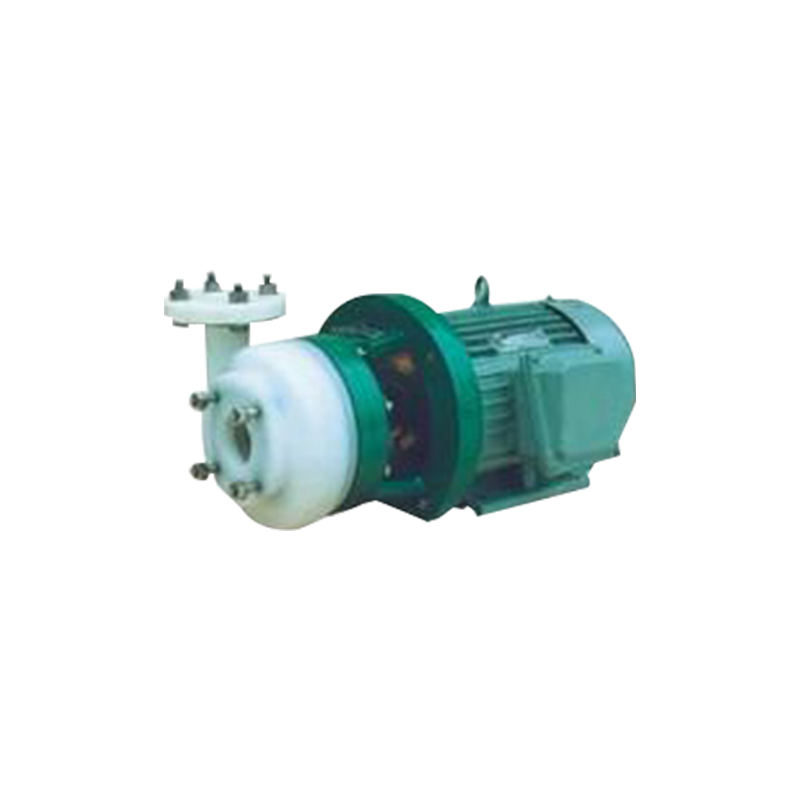
FSB fluoroplastic pump overview The FSB-type fluoroplastic alloy pump is designed according to international standard dimensions. The pump body is org...
See Details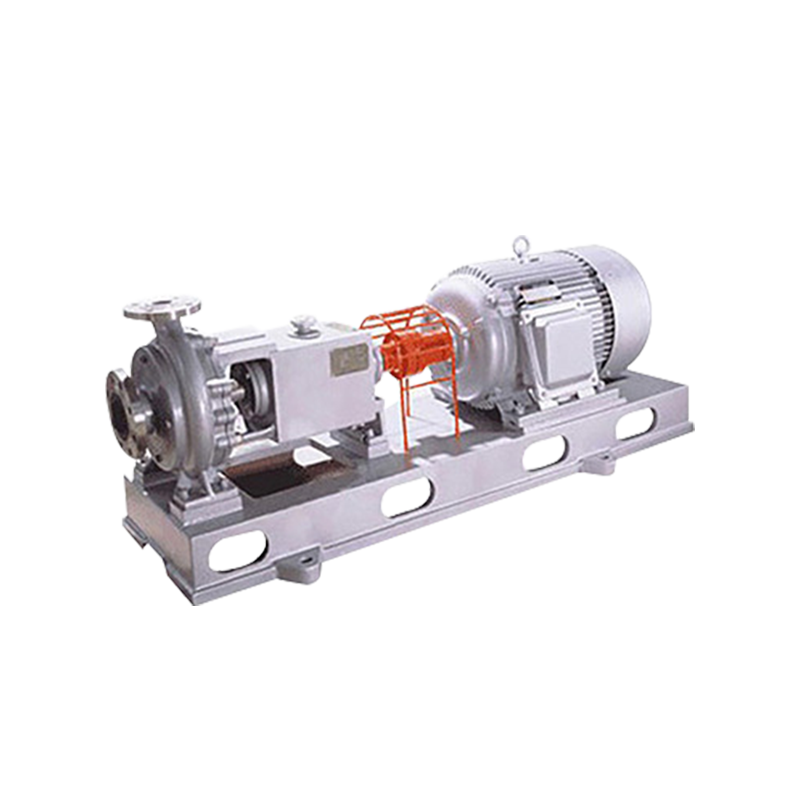
IJ series corrosion-resistant pump is a single-stage, single-suction cantilever centrifugal pump. Its marking, rating characteristics, and dimensions ...
See Details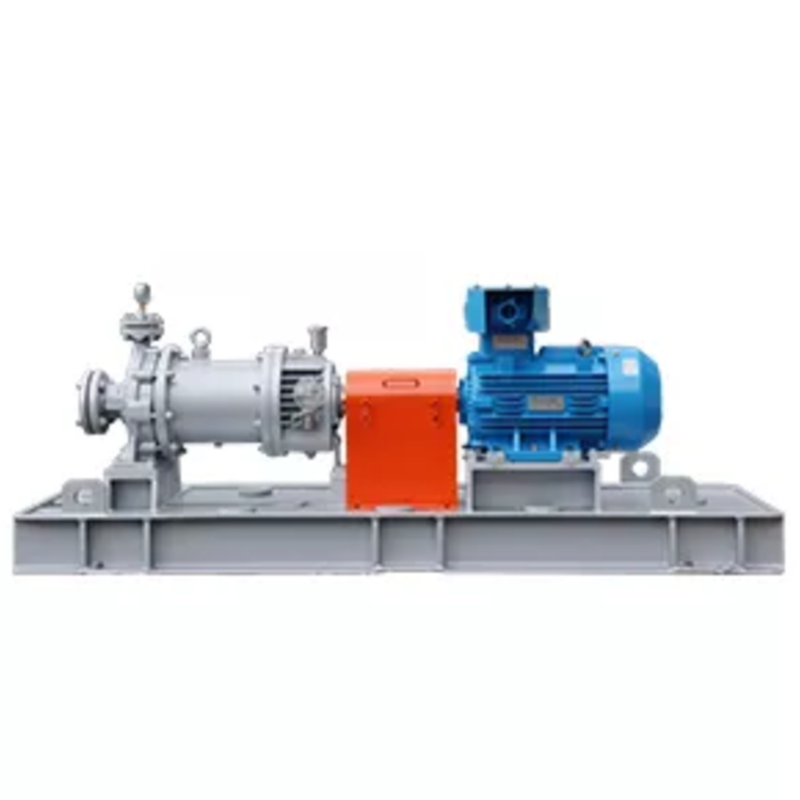
Performance Range: · Diameter: DN25~DN400 · Flow Rate: Up to 2000 m³/h · Head: Up to 250 m · Power: Up to 560 ...
See Details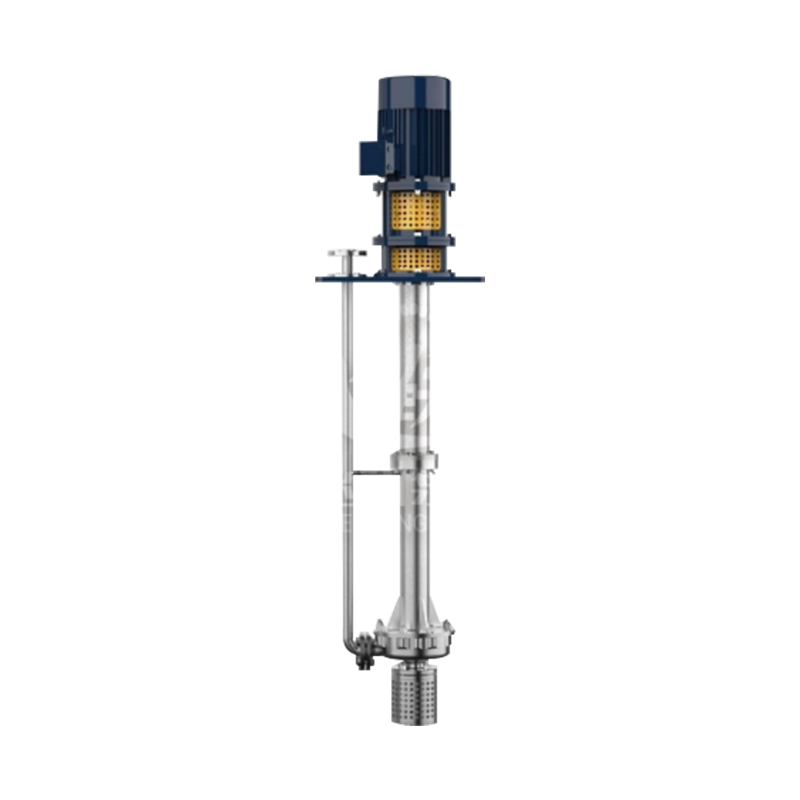
Overview The non-metallic vertical submerged pump is designed for handling corrosive media within a temperature range of 0°C to 120°C, free from solid...
See Details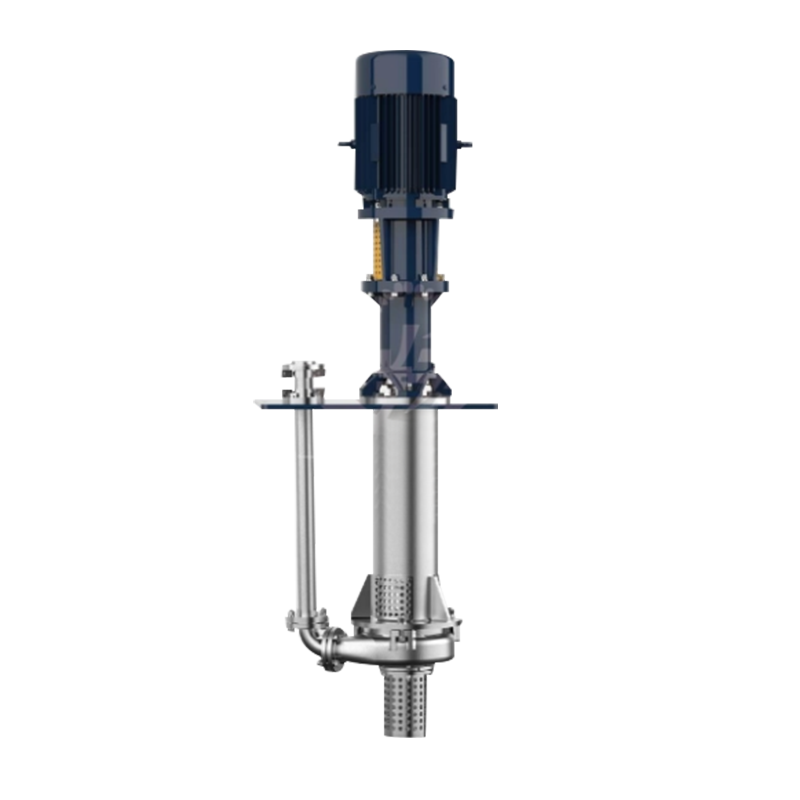
The slurry submerged pump is a cantilevered vertical design developed by our company, combining advanced features from both domestic and international...
See Details
The Diversion-Type Long Shaft Submersible Desulfurization Pump is specifically engineered for underground sump applications in power plant flue gas de...
See Details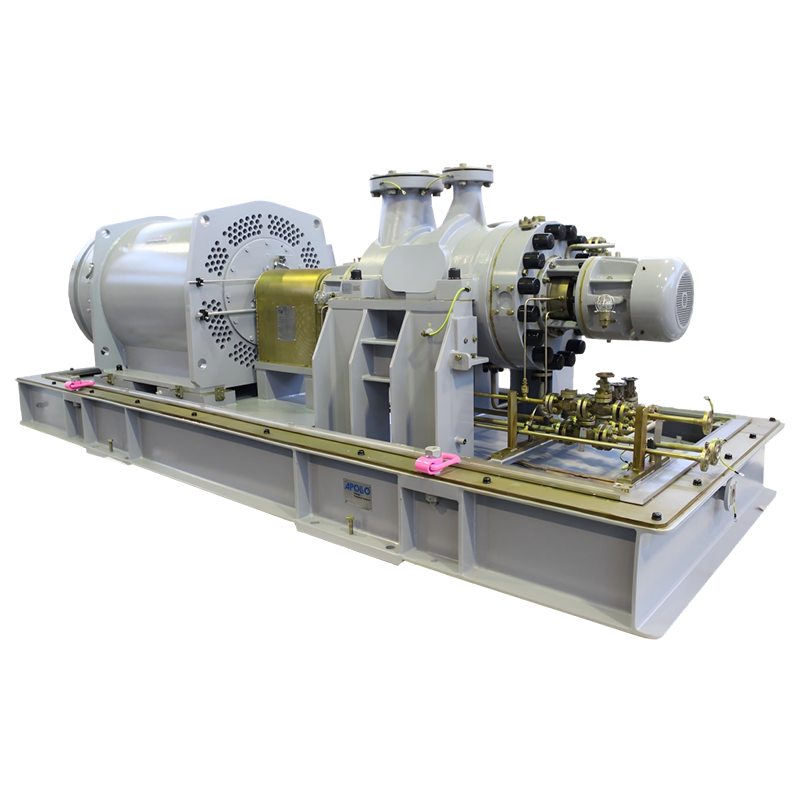
Our API 610 BB5 pumps feature a double-casing, radially split multistage configuration in a between-bearing barrel pump design. The pump and motor are...
See Details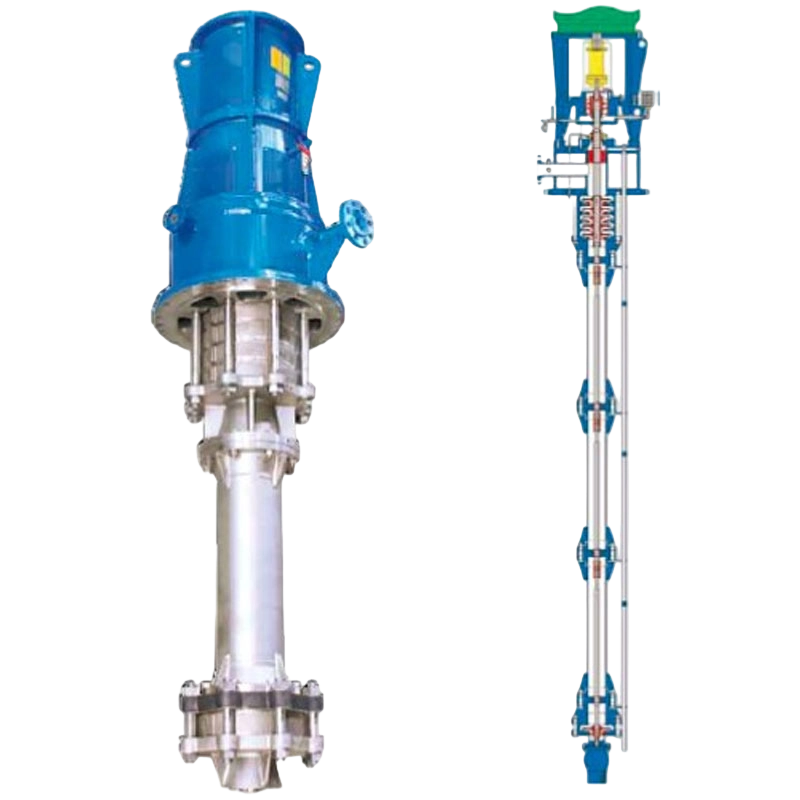
Our API 610 VS1 sump pumps feature a vertically suspended configuration with radial-split single casing, available in both single and multi-stage diff...
See DetailsCopyright © Welcome to Chemical Pump Factory - Jiangsu Feixiang Pump Manufacturing All rights reserved. Chemical Pumps Manufacturers

 +86-18052670932
 +86-0523-84326888
 No. 35, Xinqiao Middle Road, Xinqiao Town, Jingjiang City, Jiangsu Province, China