

 en
en  русский
 Español
IH Type Horizontal Chemical Centrifugal Pump
Cat:Chemical Process Pump
The IH type chemical centrifugal pump is a single-stage single-suction (axial suction) cantilever centrifugal pump, which is used to transport liquids...
See DetailsContent
Chemical pumps handle some of the most demanding fluid transfer tasks in industry, moving corrosive, abrasive, viscous, or hazardous substances through manufacturing, water treatment, and processing facilities. Unlike standard water pumps, chemical pumps must be engineered with materials and seal designs capable of withstanding aggressive chemical exposure without failing or contaminating the process. This guide explains the main types of chemical pumps, the materials that determine their chemical compatibility, and the key factors to evaluate when selecting one for a specific application.
Chemical pumps are purpose-built to handle fluids that would rapidly degrade standard pump components, including acids, caustics, solvents, and other aggressive substances. The core difference lies in material selection, since wetted parts, meaning any component that comes into direct contact with the fluid, must resist corrosion, chemical attack, and in many cases abrasive wear from suspended particles within the fluid.
Beyond material compatibility, chemical pumps often incorporate specialized sealing systems designed to prevent leakage of hazardous or toxic substances, since even minor leaks can pose serious safety, environmental, and regulatory concerns. This combination of chemical-resistant construction and robust sealing distinguishes chemical pumps from general-purpose pumps used for water or other benign fluids.
Chemical pumps are available in several distinct designs, each suited to different flow rates, pressure requirements, and fluid characteristics.
| Pump Type | Best Suited For | Key Advantage |
| Centrifugal Pump | High-flow, low-viscosity fluids | High flow rate, simple design |
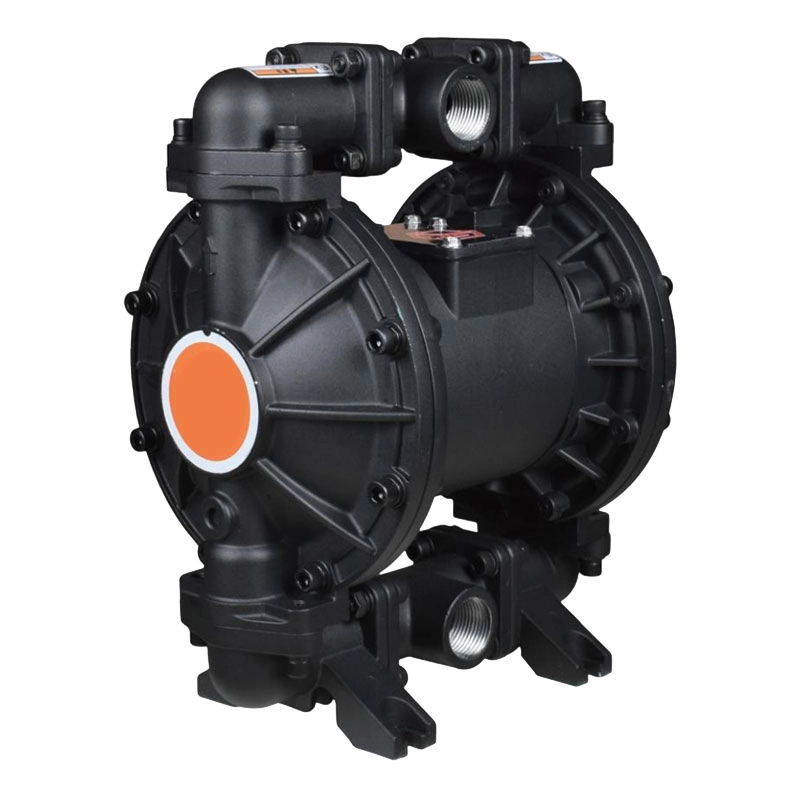
| Diaphragm Pump | Hazardous or toxic chemicals | Leak-free, seal-less operation |
| Gear Pump | Viscous fluids, precise dosing | Consistent flow, high precision |
| Peristaltic Pump | Abrasive or shear-sensitive fluids | Fluid never contacts pump internals |
| Magnetic Drive Pump | Highly hazardous or volatile chemicals | Sealless design eliminates leak paths |
Magnetic drive pumps have become increasingly popular in applications involving highly toxic or environmentally hazardous chemicals because their sealless design uses magnetic coupling to transmit rotational force without any direct mechanical connection penetrating the pump housing, eliminating the seal as a potential leak point entirely.
Centrifugal pumps remain the most widely used pump type across chemical processing industries due to their ability to move large volumes of fluid efficiently. These pumps use a rotating impeller to convert rotational energy into kinetic energy, pushing fluid outward and generating flow through centrifugal force.
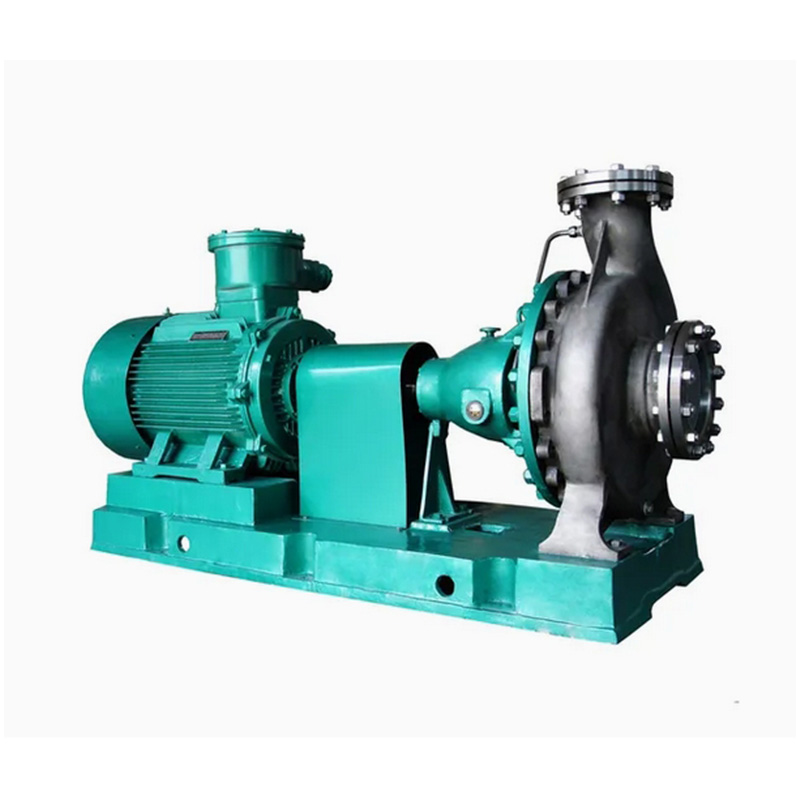
Chemical-grade centrifugal pumps typically use lined casings or fully constructed housings made from corrosion-resistant materials, and many designs incorporate mechanical seals engineered specifically for chemical service, often featuring dual-seal configurations with a barrier fluid to provide an additional layer of protection against leakage.
Unlike centrifugal pumps, positive displacement pumps move a fixed volume of fluid with each cycle, making them well suited to applications requiring precise dosing or handling of viscous fluids that centrifugal pumps struggle to move efficiently.
Diaphragm pumps use a flexible membrane that moves back and forth to draw in and expel fluid, with the diaphragm itself acting as the only barrier between the fluid and the pump's mechanical components. This design is particularly valuable for handling hazardous chemicals since it eliminates the rotating seal found in centrifugal pumps.
Gear pumps use meshing gears to move fluid through the pump housing, providing highly consistent and precise flow rates that make them a common choice for metering and dosing applications where accurate chemical proportions are essential to a process.
Peristaltic pumps move fluid by compressing a flexible tube in a rolling motion, meaning the fluid only contacts the tubing itself rather than any internal pump components. This makes them particularly useful for abrasive slurries or shear-sensitive chemicals that could be damaged by contact with rotating equipment.
The materials used in a chemical pump's wetted parts must be carefully matched to the specific chemical being handled, since even minor incompatibilities can lead to rapid corrosion, contamination, or catastrophic failure.
Consulting a chemical compatibility chart specific to the fluid being pumped, including its concentration and operating temperature, is essential before finalizing material selection, since compatibility can shift significantly with changes in concentration or temperature even for the same base chemical.
Seal selection is one of the most critical decisions in chemical pump specification, since seal failure is among the most common causes of chemical pump downtime and safety incidents.
Mechanical seals use two flat, precisely machined faces pressed together to prevent leakage along the rotating shaft. Double mechanical seals, which add a secondary seal with a barrier fluid in between, provide an extra layer of protection for particularly hazardous applications.
Magnetic drive and diaphragm pumps eliminate the traditional rotating seal entirely, which significantly reduces the risk of leakage for extremely toxic, flammable, or environmentally damaging chemicals where any leak represents an unacceptable risk.
Choosing the right chemical pump requires balancing several operational and safety-related factors specific to the application.
Flow rate and pressure requirements should be calculated based on the full system, including pipe friction losses and elevation changes, to ensure the selected pump can deliver adequate performance across the entire operating range. Fluid viscosity also plays a major role, since highly viscous fluids often perform poorly in centrifugal pumps and are better suited to positive displacement designs like gear or diaphragm pumps. Temperature and pressure ratings must account for the maximum conditions the pump will encounter, including any temporary spikes during startup or process upsets, rather than only average operating conditions.
Finally, regulatory and safety considerations, including containment requirements for hazardous materials and applicable industry standards, often dictate whether a sealless design is necessary regardless of cost, since the consequences of a leak involving dangerous chemicals can far outweigh the price difference between pump types.
Regular maintenance significantly reduces the risk of unexpected chemical pump failure and the associated safety and environmental risks. Routine seal inspections, monitoring for early signs of wear such as minor weeping or unusual vibration, allow maintenance teams to schedule repairs before a seal fails completely.
Flushing systems that clean residual chemical buildup from pump internals during shutdowns help prevent crystallization or corrosion damage that can occur when aggressive chemicals sit stagnant within the pump housing over extended periods. Establishing a documented maintenance schedule based on manufacturer recommendations and the specific demands of the chemical being handled ultimately provides the best defense against premature pump failure and the costly downtime that follows.
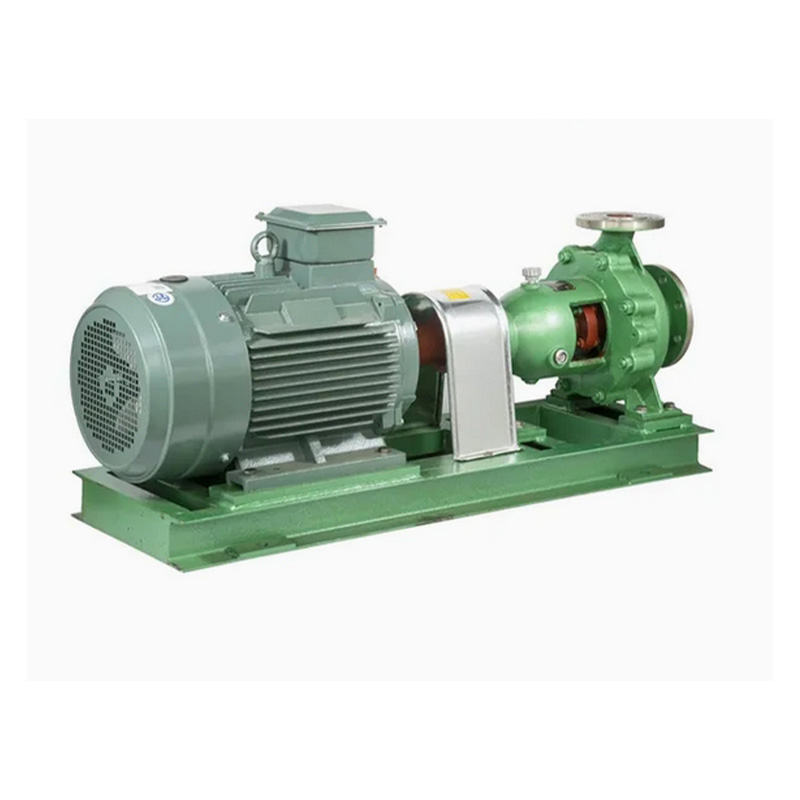
The IH type chemical centrifugal pump is a single-stage single-suction (axial suction) cantilever centrifugal pump, which is used to transport liquids...
See Details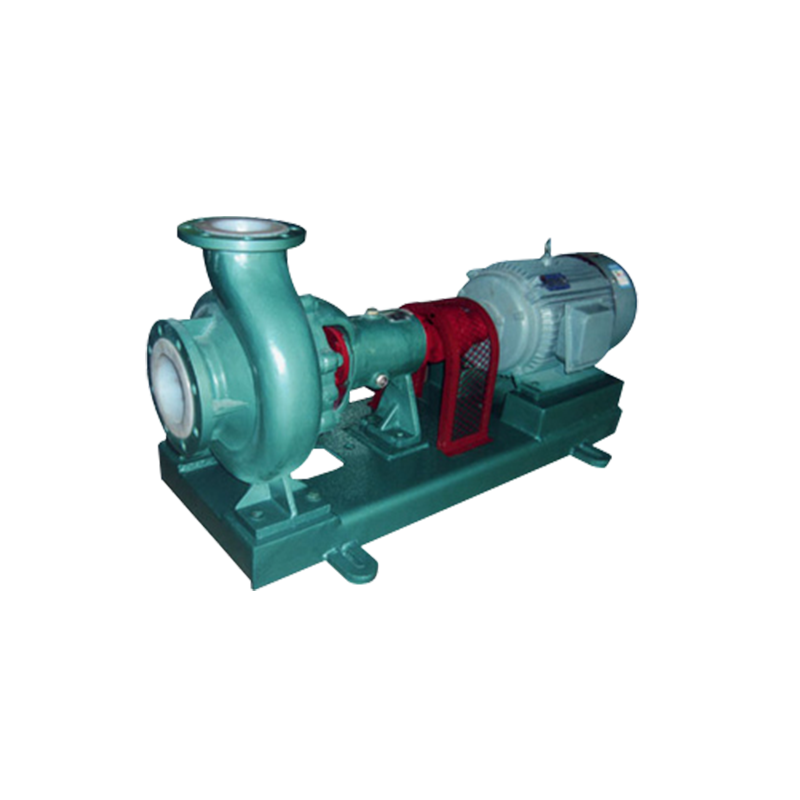
IHF fluorine-lined chemical pump is characterized by a reasonable and advanced structure, strong corrosion resistance, tight and reliable mechanical s...
See Details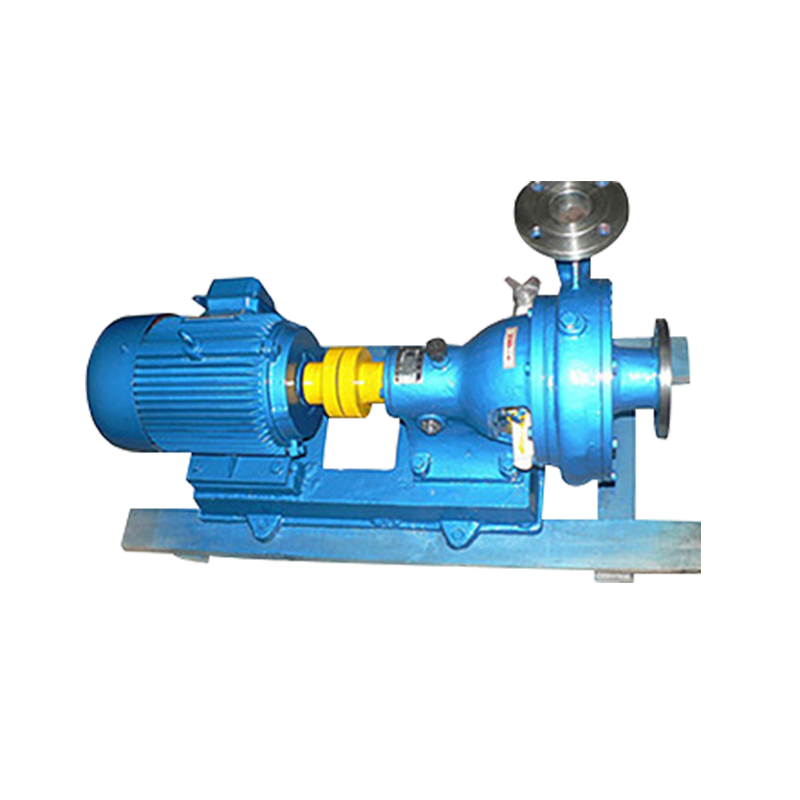
PWF corrosion-resistant sewage pump is a single-stage, single-suction, cantilever-type corrosion-resistant centrifugal sewage pump. Its functional ran...
See Details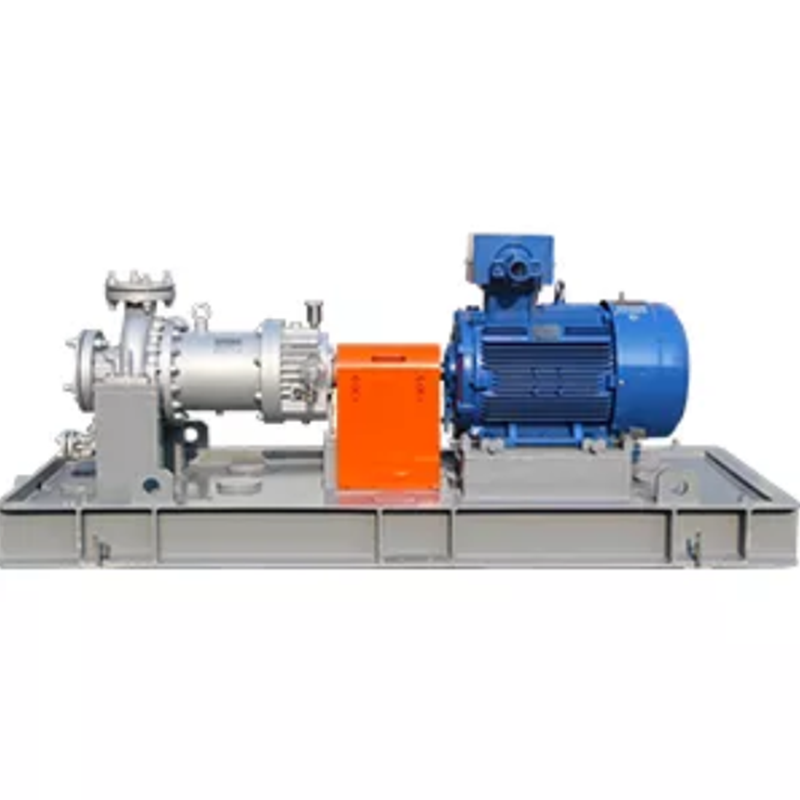
Performance Range: · Diameter: DN25~DN400 · Flow Rate: Up to 2000 m³/h · Head: Up to 250 m · Temperature Limit...
See Details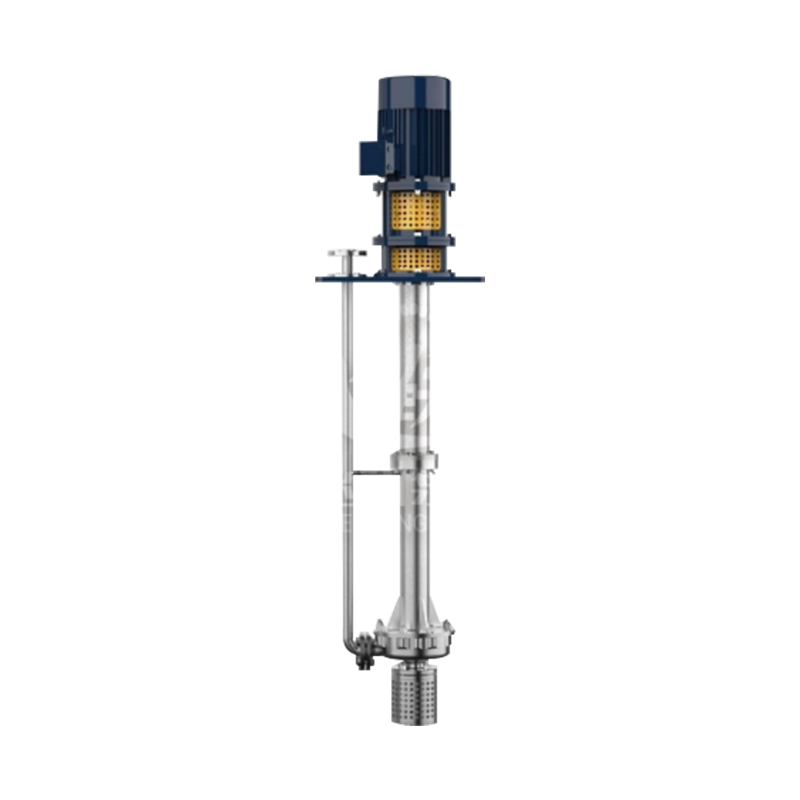
Overview The non-metallic vertical submerged pump is designed for handling corrosive media within a temperature range of 0°C to 120°C, free from solid...
See Details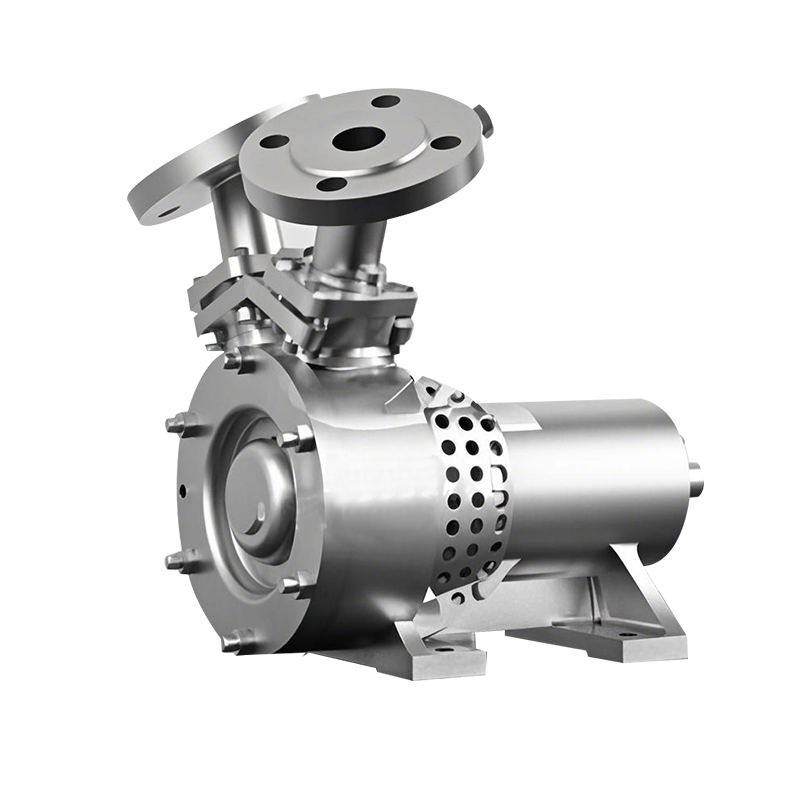
The vortex pump is compact in size yet capable of generating high pressure, making it an ideal choice for achieving miniaturization of equipment. It e...
See Details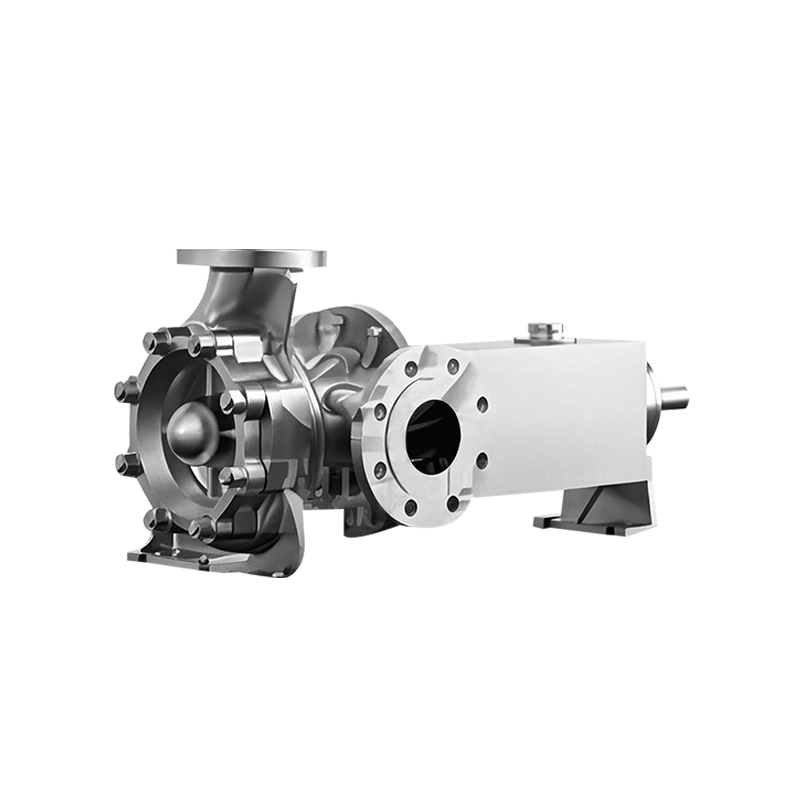
The filter press pump is a vertical, single-stage, single-suction, cantilever-type centrifugal pump, ingeniously crafted based on multiphase flow theo...
See Details
The Diversion-Type Long Shaft Submersible Desulfurization Pump is specifically engineered for underground sump applications in power plant flue gas de...
See Details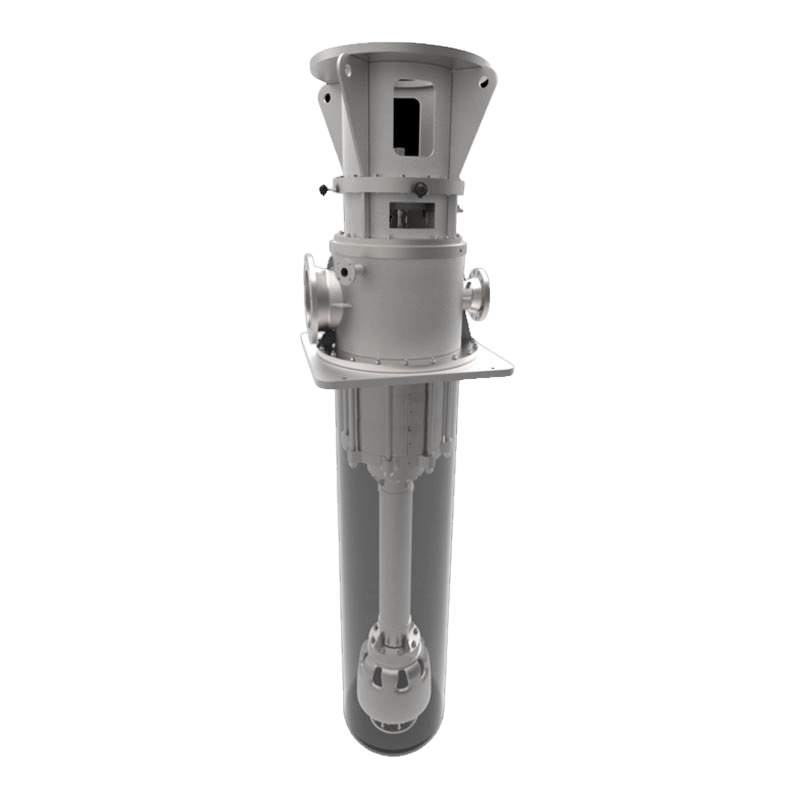
Our API 610 VS6 sump pumps feature a vertically suspended configuration with radially split single casing, designed as single or multi-stage diffuser ...
See DetailsCopyright © Welcome to Chemical Pump Factory - Jiangsu Feixiang Pump Manufacturing All rights reserved. Chemical Pumps Manufacturers

 +86-18052670932
 +86-0523-84326888
 No. 35, Xinqiao Middle Road, Xinqiao Town, Jingjiang City, Jiangsu Province, China