The First Question: What Are You Moving, and How Far?
A pump selection often starts with two numbers on a process datasheet: required flow and required head. A duty of 2,500 m3/h at 4 m of head is an axial-flow job. A duty of 90 m3/h at 120 m of head is a centrifugal job. Trying to force either pump into the other service leads to cavitation, wasted energy, or a pump that cannot reach the required pressure.
The name of each pump type describes how the impeller adds energy to the liquid. An axial flow pump pushes liquid along the pump shaft in a straight line. A centrifugal pump turns the flow outward and discharges it perpendicular to the inlet. That single difference drives everything else: efficiency, operating range, motor load, and mechanical design. In an axial vs centrifugal flow comparison, the pump and the piping system have to be evaluated together.
Axial and centrifugal pumps differ most in flow rate, head, and discharge direction.
| Characteristic |
Axial Flow Pump |
Centrifugal Pump |
| Flow direction |
Parallel to pump shaft |
Radial, through volute or diffuser |
| Typical head per stage |
Low, usually 2-15 m |
Moderate to very high, often 20-200 m or more |
| Typical flow range |
Very high, hundreds to thousands of m3/h |
Low to high, depending on design |
| Best efficiency point |
High-flow, low-head conditions |
Broad range of flow/head combinations |
| Common mounting |
Vertical with long shaft or submersible |
Horizontal or vertical, close-coupled or long-coupled |
Axial Flow Pumps: Large Volumes at Low Head
How the impeller works
An axial flow impeller looks like a ship propeller. The blades are pitched to generate lift as they rotate, and the liquid moves forward along the shaft. Because the flow does not change direction, axial pumps can handle very large volumes with relatively small casings.
Where axial flow pumps earn their keep
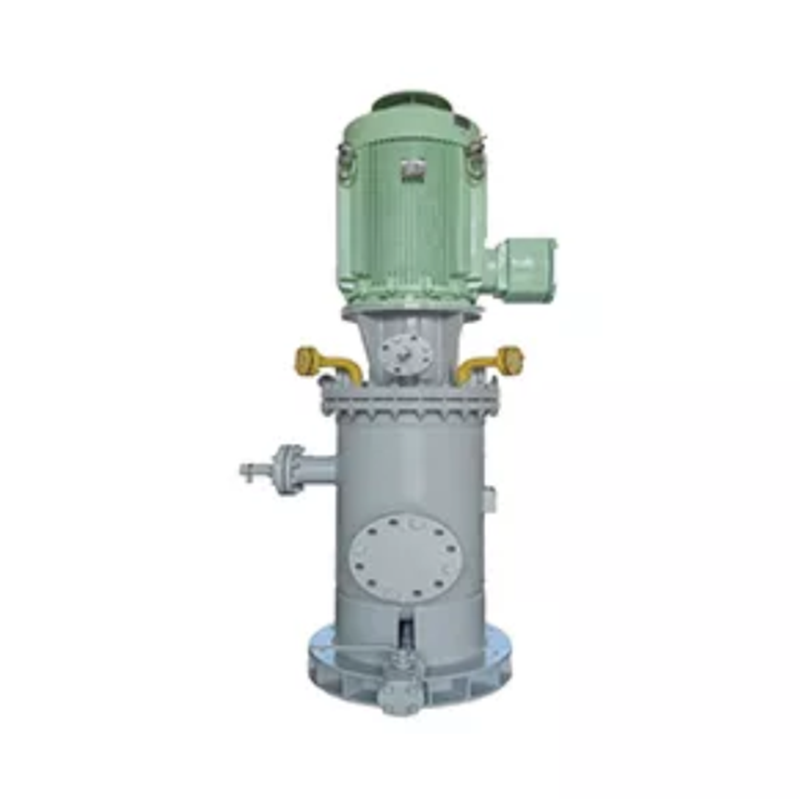
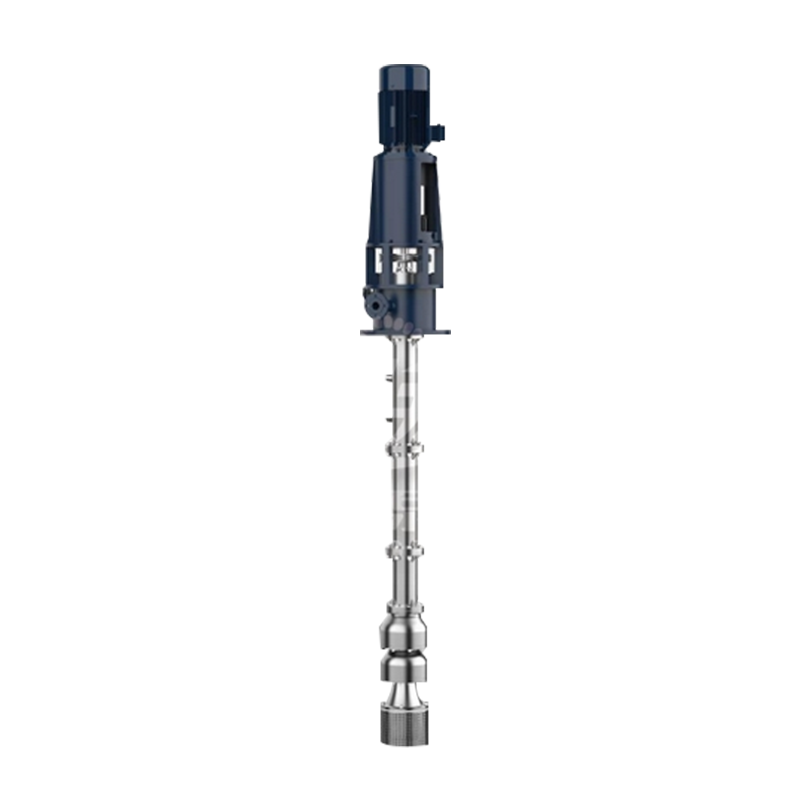
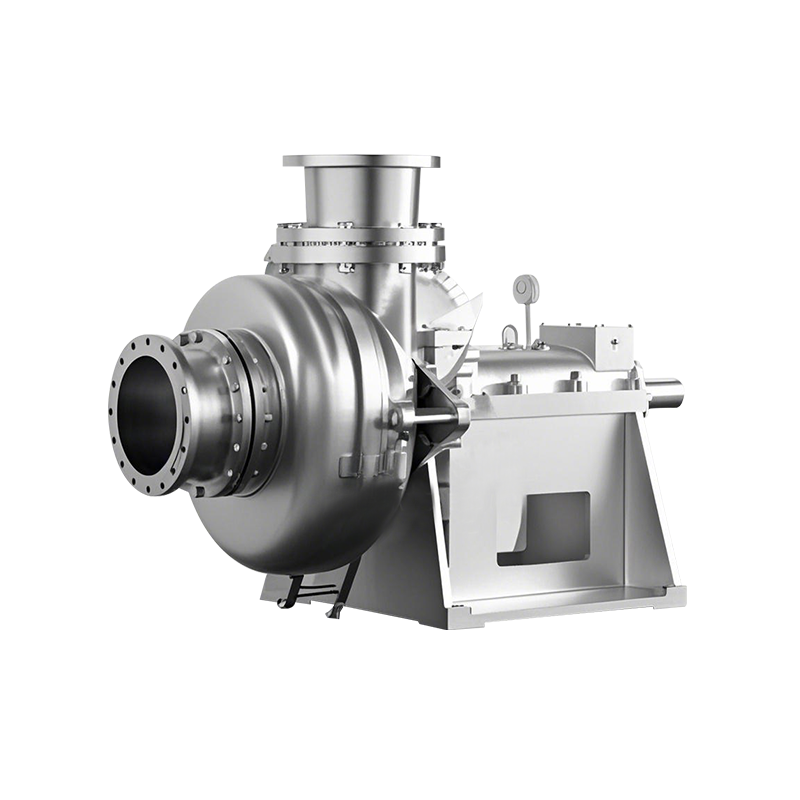
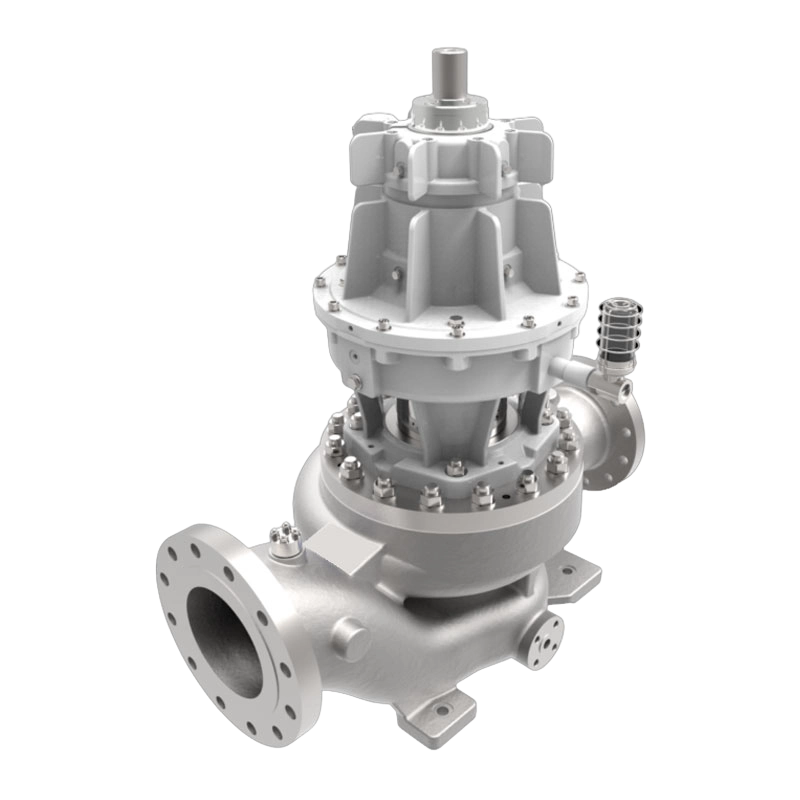
Axial pumps are the first choice for evaporative crystallizer loops, cooling water circulation, storm water, and flood control. They are also practical for slurry circulation when the head requirement stays low. A common example is the evaporation crystallization circulation pump, which is designed to keep mother liquor moving through a heat exchanger and maintain suspension of solids.
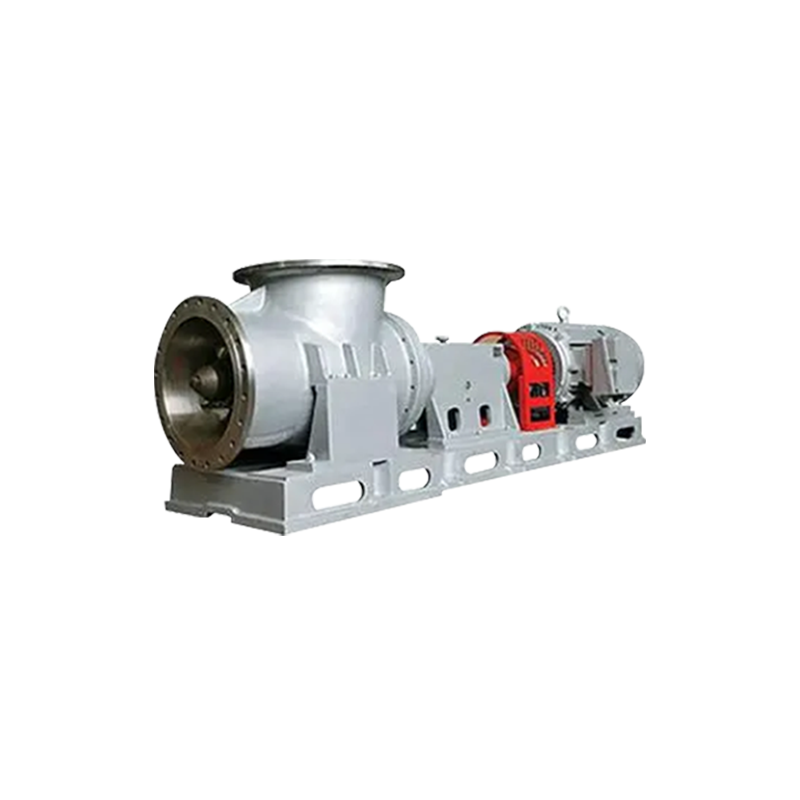 Forced Circulation Pumps Factory, Evaporation Crystallization Axial Flow Forced As Evaporation Crystallization Axial Flow Forced Circulation Pumps Factory and Manufacturers in China, Feixiang offer Wholesale Evaporati...View Product →
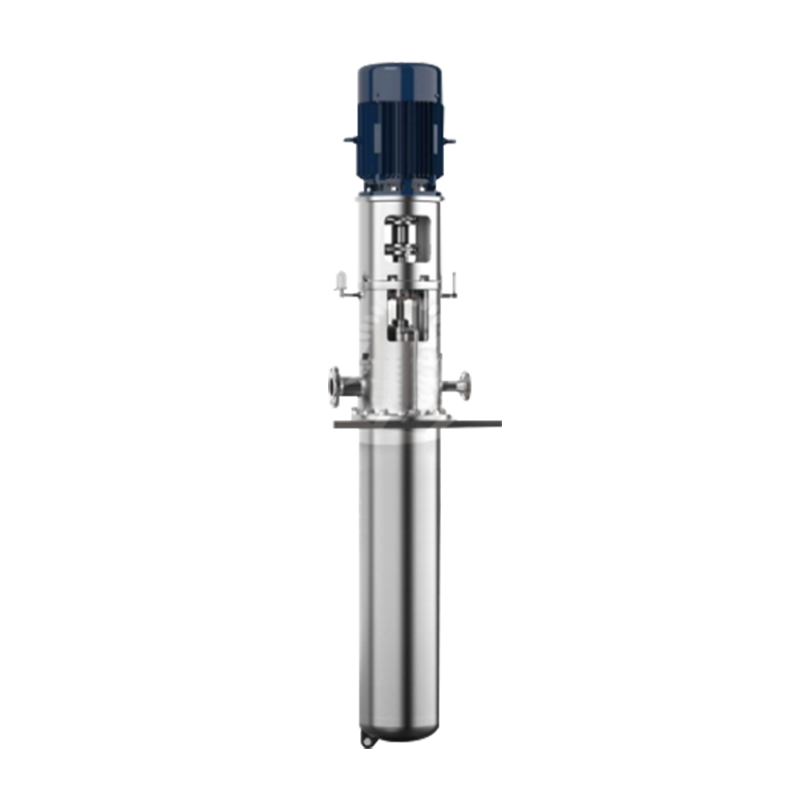
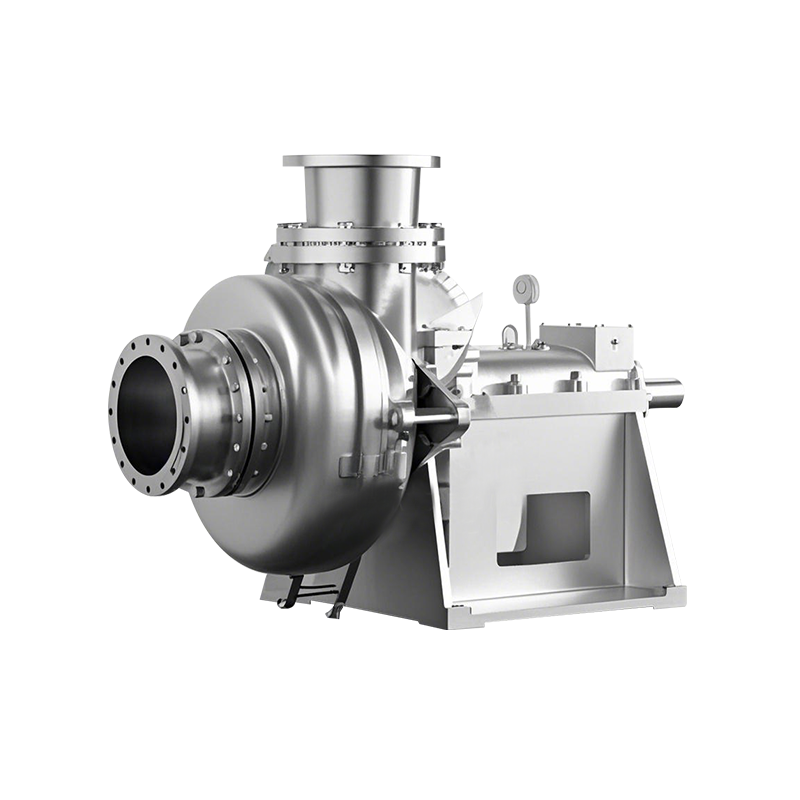
In chemical service, corrosion resistance is often as important as hydraulics. For low-head circulation of aggressive acids, a fluorine-lined axial flow pump provides the high-flow capacity of an axial machine without exposing metal parts to the process liquid.
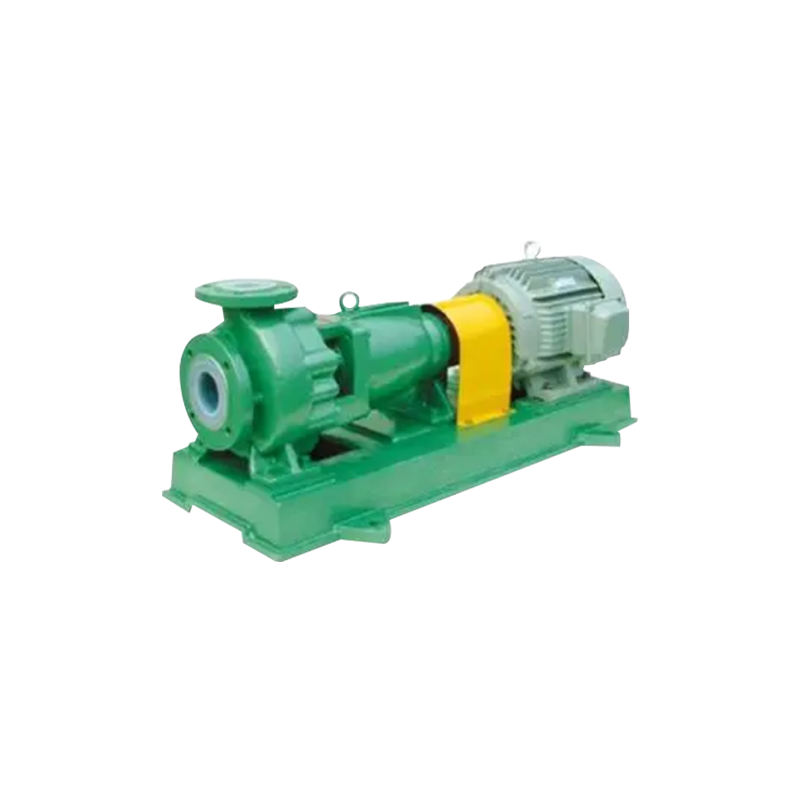 Fluorine Lined Axial Flow Pumps Suppliers, CompanyAs China Fluorine Lined Axial Flow Pumps Suppliers and Custom Fluorine Lined Axial Flow Pump Company, Feixiang Pump offer Custom Fluorine...View Product →
What limits an axial flow pump
The practical limit is head. Most axial pumps produce only a few meters per stage, so they are not used for boiler feed, pipeline transfer, or other high-pressure services. Their efficiency curve is also peaked at the design point; running far outside that point causes the operating point to move into less efficient or unstable regions. Before selecting one, review the flow capacity and performance flexibility of axial flow pumps.
Sealing matters more than many buyers expect. If the process liquid is corrosive, the shaft seal must match the fluid and the operating pressure; this is not an area to improvise. The sealing systems used in axial flow pumps are worth studying before you finalize a specification.
Centrifugal Pumps: Stable Head, Broad Selection
How a centrifugal pump generates pressure
A centrifugal pump accelerates liquid in a rotating impeller and then converts that velocity into pressure in a volute or diffuser. Because the liquid leaves the impeller radially, the pump can build head in a compact way. This principle scales from small dosing pumps to large water pumps.
Why chemical plants usually default to centrifugal pumps
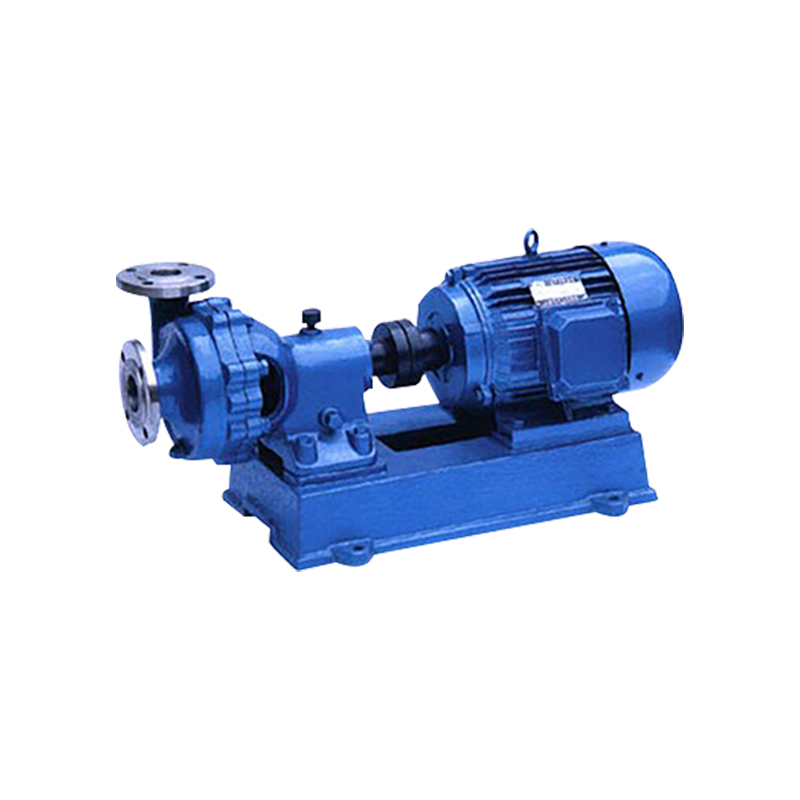
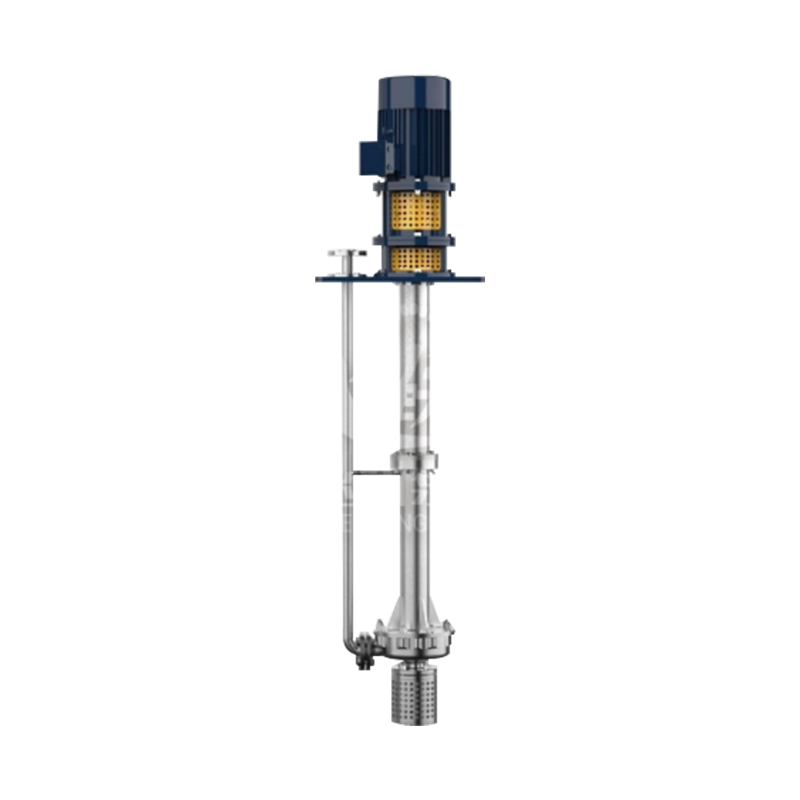
Centrifugal pumps dominate chemical process duty because they cover a wide range of head and flow, they tolerate small amounts of solids, and they are simple to maintain. For a standard chemical transfer service, a CZ standard chemical process pump often represents the best balance of efficiency, parts availability, and cost.
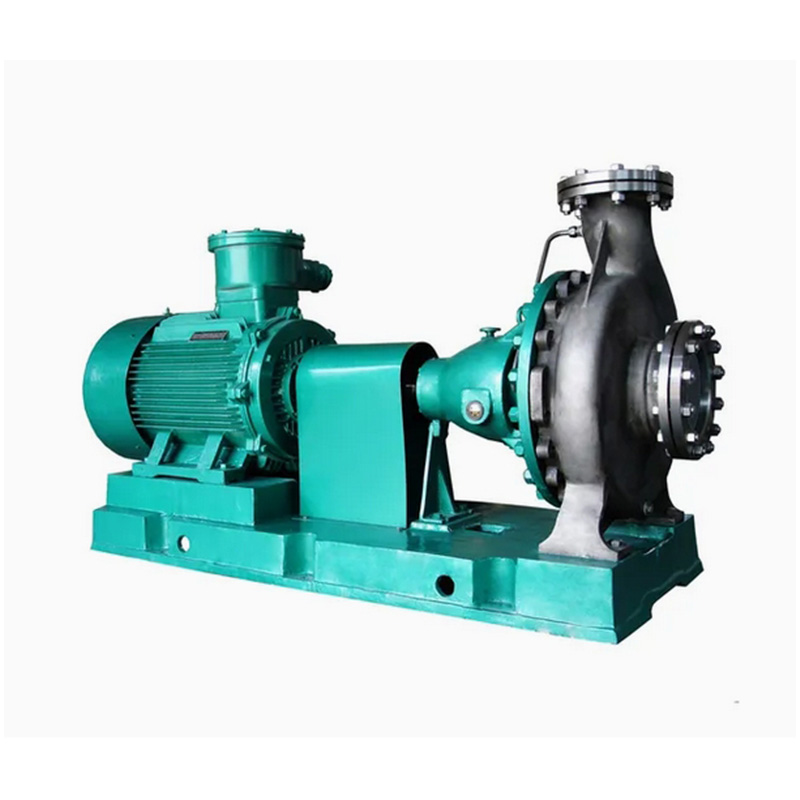 CZ Standard Chemical Process Pump Manufacturers, Factory - Jiangsu Feixiang PumpJiangsu Feixiang Pump is china CZ Standard Chemical Process Pump Manufacturers and Wholesale CZ Standard Chemical Process Pump Factory, 1...View Product →
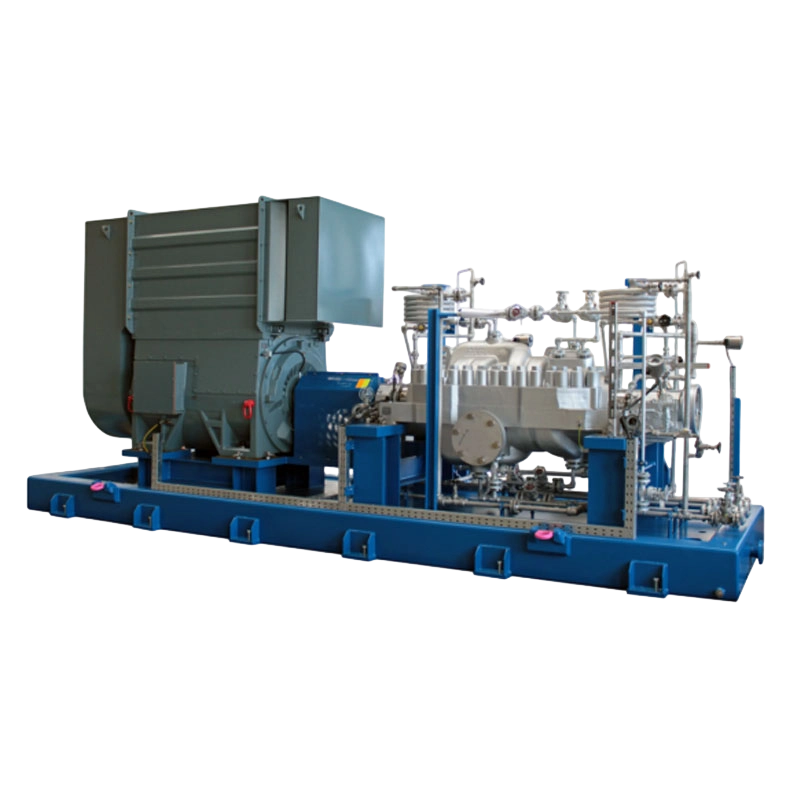
When the service is severe, high-pressure and high-temperature performance becomes a material and mechanical design issue rather than just a hydraulic one. Centrifugal pumps can be built with heavy casings, special gaskets, and cooling arrangements to handle these duties.
Where centrifugal pumps are less attractive
Centrifugal pumps become inefficient at very high flow and very low head. A standard low specific-speed impeller is unable to pass the large volumes without excessive inlet size and recirculation. That is why the pump family must be matched to the duty, not chosen by habit.
Efficiency, Specific Speed, and Operating Margin
The efficiency curve tells the story
Axial pumps are at their best when the flow is large and the head is small. They can reach efficiencies in the same high range as the best centrifugal designs, but only in a narrow zone around the best efficiency point. Centrifugal pumps generally have a broader useful range, which is a major reason why they are chosen for processes with variable flow.
Specific speed connects pump shape to the duty
Specific speed is a calculation that combines flow, head, and speed. Low specific speed points to a radial centrifugal impeller. High specific speed points to an axial impeller. In between, mixed-flow impellers cover the transition. Understanding this relationship prevents the common mistake of asking an axial pump to perform like a centrifugal pump or vice versa.
Suction conditions affect both designs
Every pump needs enough net positive suction head. Axial pumps often move liquid at high inlet velocity, so poor sump geometry or a collapsed suction screen can cause vortexing and cavitation. Centrifugal pumps can also cavitate if the suction lift is too high or the liquid temperature rises. In both cases, compare NPSH available against NPSH required at the actual operating point.
Variable-speed operation makes the comparison more practical. Axial pumps respond strongly to speed change; a small reduction in speed can produce a significant reduction in head and flow. Centrifugal pumps are also speed-sensitive, but their curve may be easier to control with a discharge valve. These differences influence the control strategy and the motor specification.
Which Pump Type Fits Your Application?
The choice can be summarized without jargon:
- Very high flow, low head, clean or slightly contaminated liquid: axial flow pump.
- Crystallizer or evaporator circulation with solids in suspension: axial flow pump, usually with a large eye and slow speed.
- Corrosive acid at low head: lined axial flow pump.
- Chemical transfer, process feed, and most plant duties: centrifugal pump.
- High-pressure boiler feed or heavy petrochemical services: multistage or heavy-duty centrifugal pump.
This split is not about "better" or "worse." It is about matching the pump hydraulics to the process. A large cooling water station with 3 m of head will waste energy if fitted with a high-head centrifugal pump selected only because it was in stock. An axial pump in that service will run closer to its best efficiency point and cost less to drive.
What to Put on a Pump Data Sheet Before You Ask a Vendor
The fastest way to get the right recommendation is to provide a complete operating envelope. At a minimum, include:
- Normal, minimum, and maximum flow rate.
- Rated head, shutoff head, and suction pressure.
- Liquid name, specific gravity, viscosity, and vapor pressure at pumping temperature.
- Temperature range and any thermal cycles.
- Solids content and particle size, if present.
- Available NPSH and suction piping details.
- Start/stop frequency, continuous or intermittent duty, and efficiency target.
- Space, mounting, and driver preference.
Also include the starting method if the pump is large; axial pumps can require a specific startup procedure when the discharge valve is positioned, and the vendor needs that information to avoid motor overload.
A manufacturer that builds both axial and centrifugal pumps, as we do, can look at your numbers without a one-product bias. That kind of feedback helps you avoid overspending on a pump with more head than the pipe system can use, or undersizing a pump for a real peak flow.


 en
en  русский
 Español
 +86-18052670932
 +86-0523-84326888
 No. 35, Xinqiao Middle Road, Xinqiao Town, Jingjiang City, Jiangsu Province, China