

 en
en  русский
 Español
HPK Hot Water Circulation Pump
Cat:High Temperature Chemical Pump
HPk hot water circulation pump adopts the patented technology of a low specific speed centrifugal pump, which is developed on the basis of absorbing a...
See DetailsContent
Chemical process pumps are critical components in industrial plants, responsible for transporting corrosive, viscous, or high-temperature fluids safely and efficiently. They are widely used in chemical manufacturing, pharmaceuticals, petrochemicals, and wastewater treatment. Despite their robust design, chemical process pumps can encounter various operational problems that, if left unaddressed, may lead to reduced efficiency, downtime, or equipment failure.
This article provides a detailed guide on common problems associated with chemical process pumps and how to troubleshoot them effectively, ensuring optimal performance and longevity of your pumping systems.
Understanding the typical issues that occur in chemical process pumps is the first step toward effective troubleshooting. Common problems include:
Cavitation occurs when vapor bubbles form in the pump due to low pressure at the suction side. These bubbles collapse violently, causing noise, vibration, and potential damage to impellers and casing.
Cavitation is usually caused by insufficient suction head, high pump speed, or fluid temperatures near the vapor point. Installing pumps too far from the fluid source or using undersized suction lines can also trigger cavitation.
Overheating is a common problem in chemical pumps, especially when pumping viscous fluids or handling high-temperature liquids. Overheating can damage seals, bearings, and pump casing.
Excessive friction, inadequate lubrication, low fluid flow, or pumping fluids with high viscosity can result in elevated temperatures. Misalignment and worn components further exacerbate the issue.
Leaks from seals and gaskets are not only hazardous but can also reduce system pressure and efficiency. Chemical leakage poses safety risks to personnel and equipment.
Improper installation, chemical attack on seal materials, wear and tear, or excessive pressure can lead to leaks. Selecting the wrong seal type for the fluid being pumped often results in premature failure.
Excessive vibration and noise indicate potential mechanical problems, misalignment, or imbalance in pump components. Persistent vibration can lead to accelerated wear and eventual failure.
A drop in flow rate or pressure can disrupt chemical processes and reduce plant efficiency. Common causes include blockages, air entrainment, worn impellers, or partially closed valves.
Chemical process pumps are exposed to corrosive or abrasive fluids, which can damage pump components over time. Corrosion and erosion reduce efficiency and can cause leaks or catastrophic failure.
Chemical process pumps are indispensable in industrial applications, but they face challenges such as cavitation, overheating, leaks, vibration, reduced flow, and corrosion. Proper troubleshooting requires identifying root causes, applying preventive measures, and conducting regular maintenance. By understanding these common problems and their solutions, operators can maintain pump efficiency, ensure safe chemical handling, and reduce costly downtime, thereby optimizing overall plant performance.
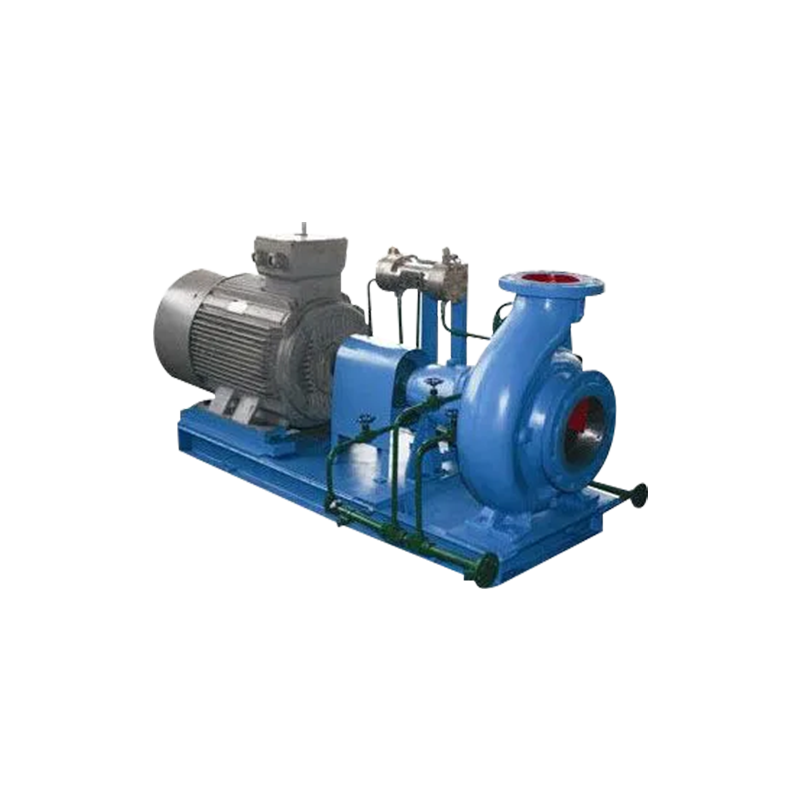
HPk hot water circulation pump adopts the patented technology of a low specific speed centrifugal pump, which is developed on the basis of absorbing a...
See Details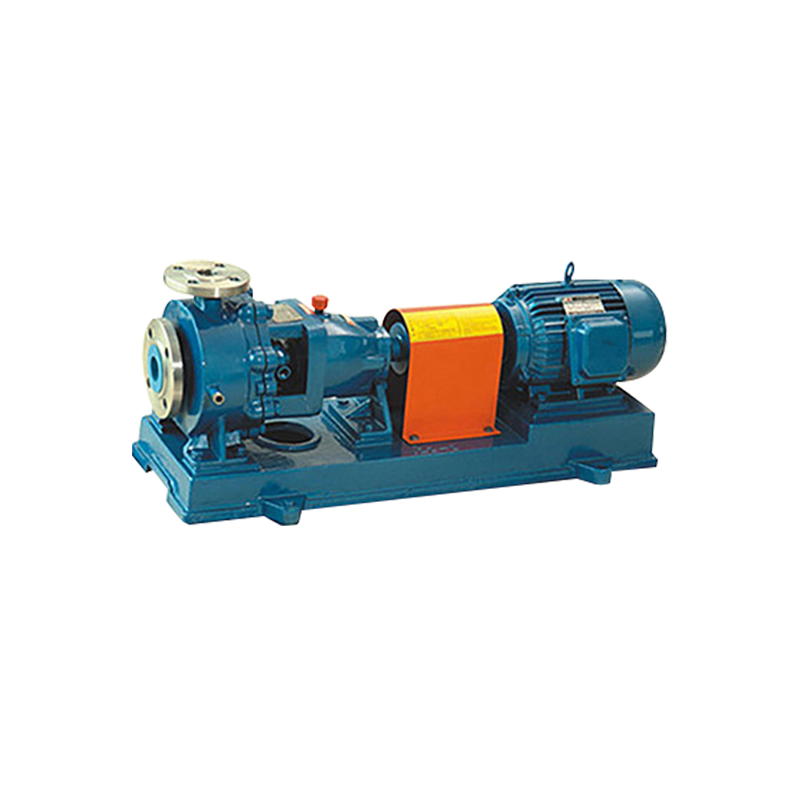
Detailed description of IN series jacketed stainless steel thermal insulation pump, steam thermal insulation, corrosion resistance, crystallization re...
See Details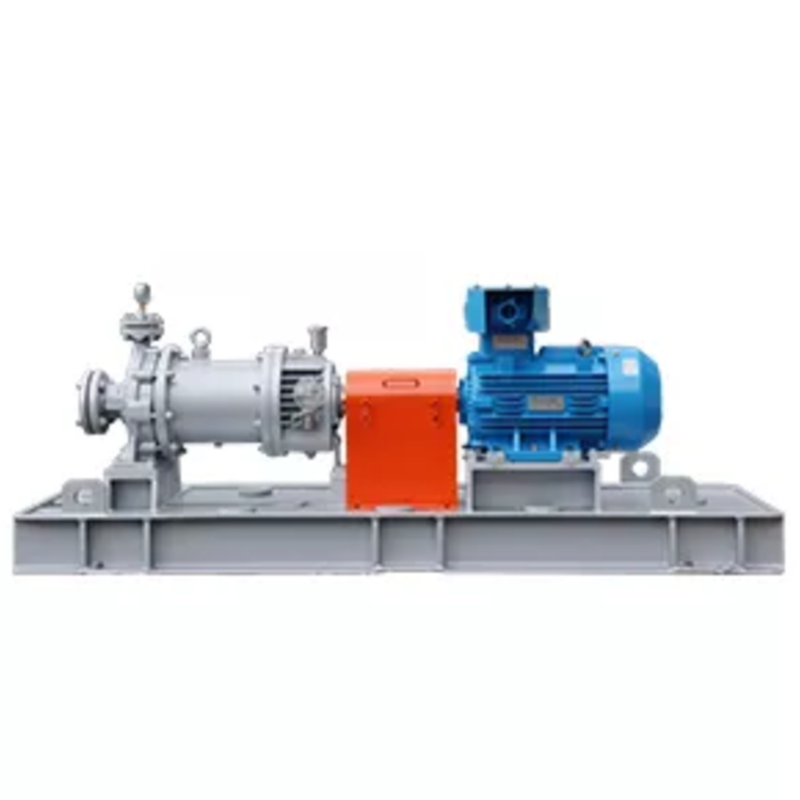
Performance Range: · Diameter: DN25~DN400 · Flow Rate: Up to 2000 m³/h · Head: Up to 250 m · Power: Up to 560 ...
See Details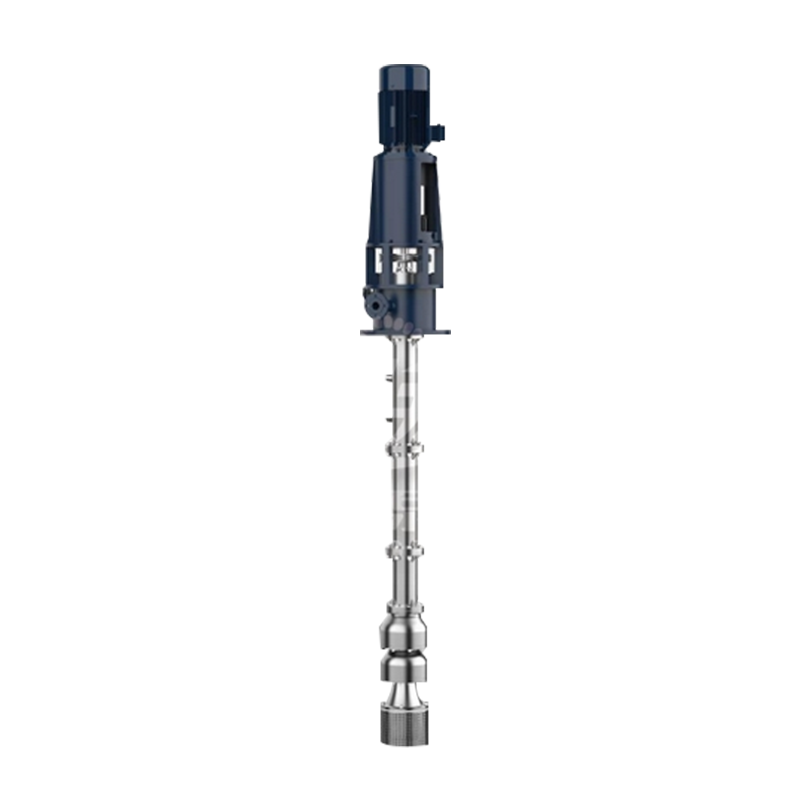
The molten salt submerged pump is a specialized high-temperature pump developed by Jiangsu Feixiang Pump Industry Co., Ltd. This product series was cr...
See Details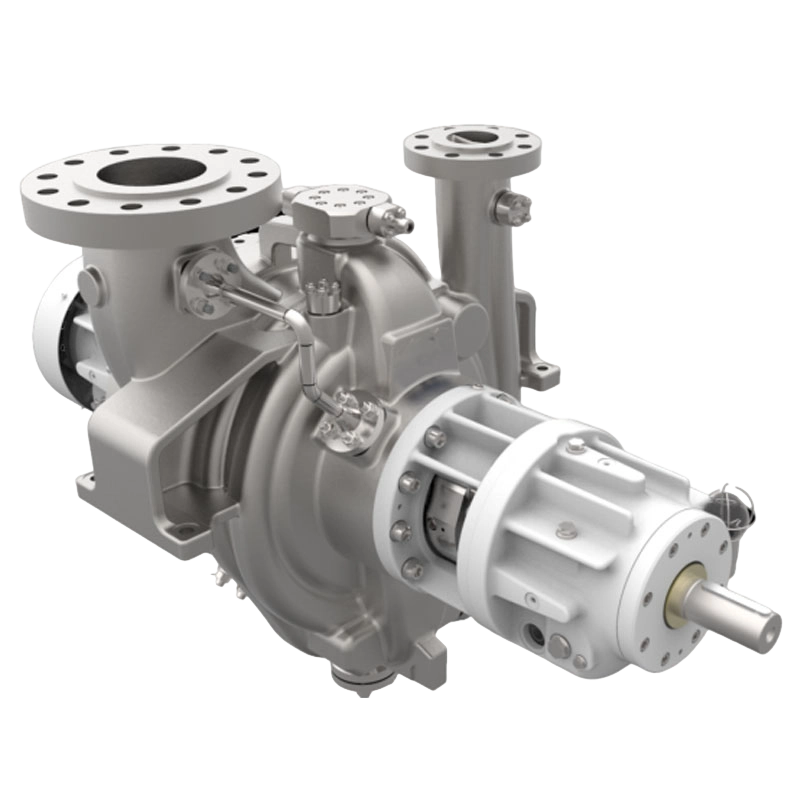
Our standard API 610 BB2 pumps feature a centerline-mounted, radially split casing with double suction and between-bearing construction. The pump and ...
See Details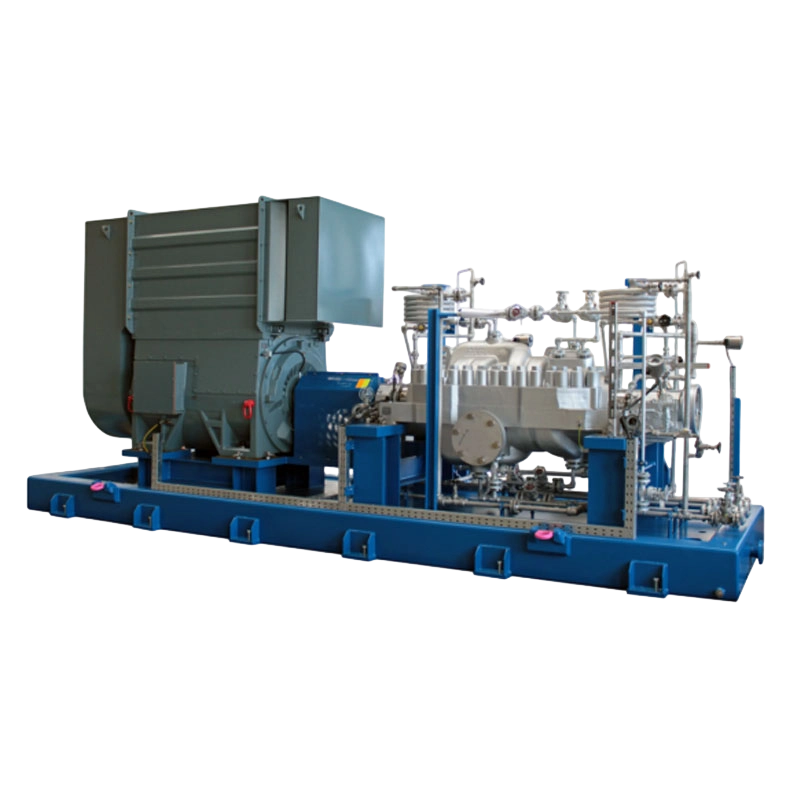
Our API 610 BB3 pumps are centerline-mounted, multistage units featuring an axially split casing with single suction and between-bearing construction....
See Details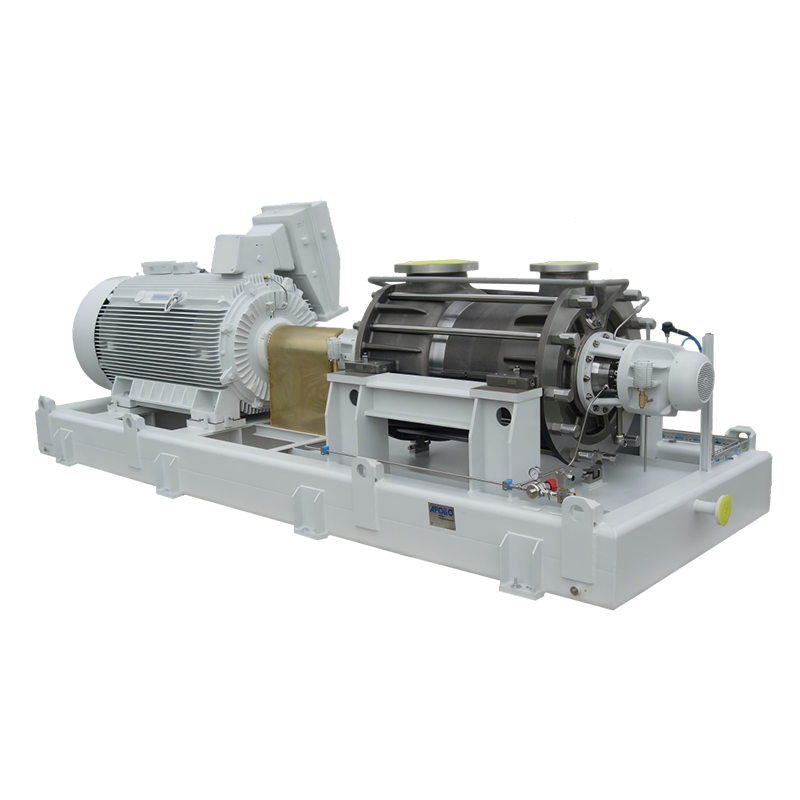
Our API 610 BB4 pumps are centerline-mounted, multistage units with radially split casings, available in both single and double suction configurations...
See Details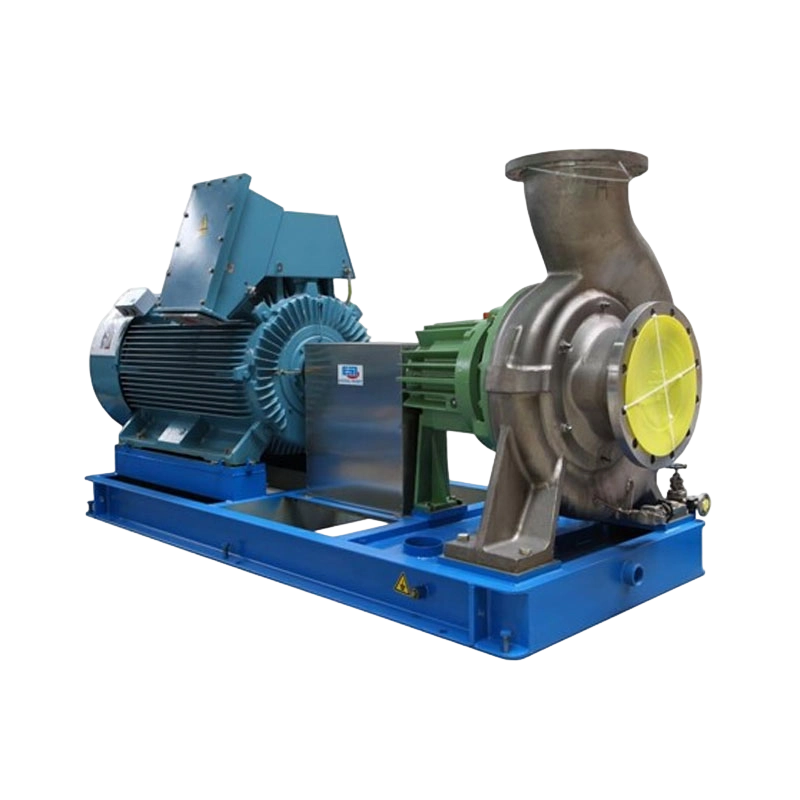
Our standard API 610 OH1 pumps are engineered as foot-mounted, single-stage, overhung units with a dedicated bearing housing. The pump and motor are f...
See Details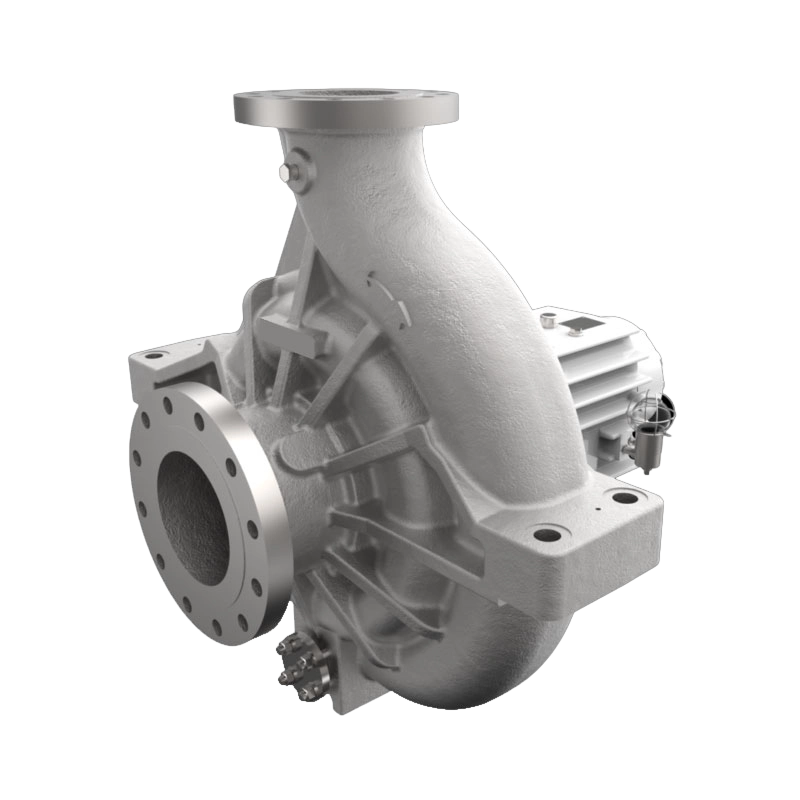
Our standard API 610 OH2 pumps are centerline-supported, single-stage, overhung units with an integrated bearing housing. The pump and motor are flexi...
See Details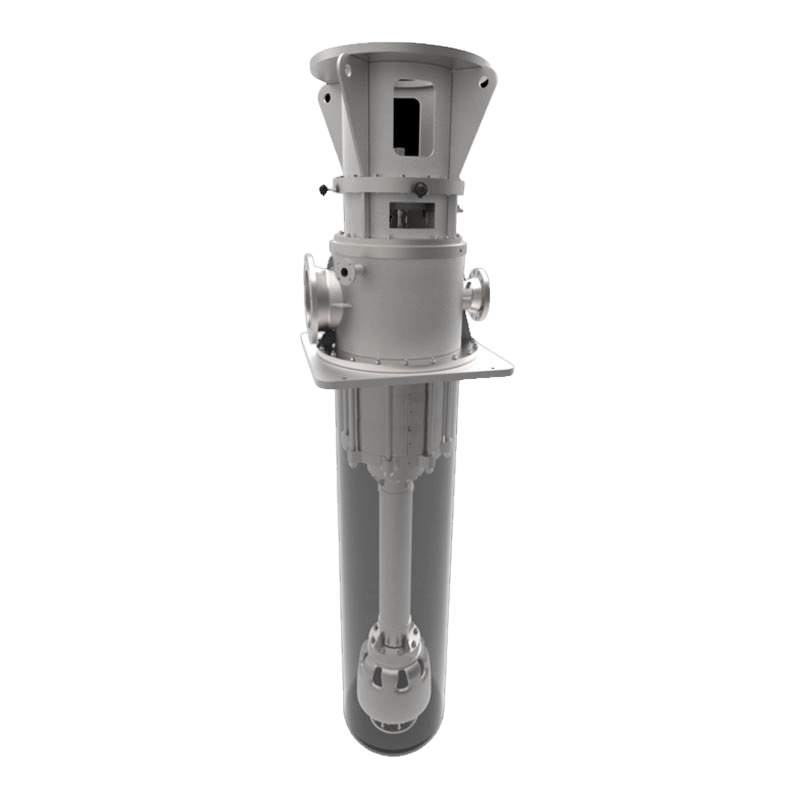
Our API 610 VS6 sump pumps feature a vertically suspended configuration with radially split single casing, designed as single or multi-stage diffuser ...
See DetailsCopyright © Welcome to Chemical Pump Factory - Jiangsu Feixiang Pump Manufacturing All rights reserved. Chemical Pumps Manufacturers

 +86-18052670932
 +86-0523-84326888
 No. 35, Xinqiao Middle Road, Xinqiao Town, Jingjiang City, Jiangsu Province, China