

 en
en  русский
 Español
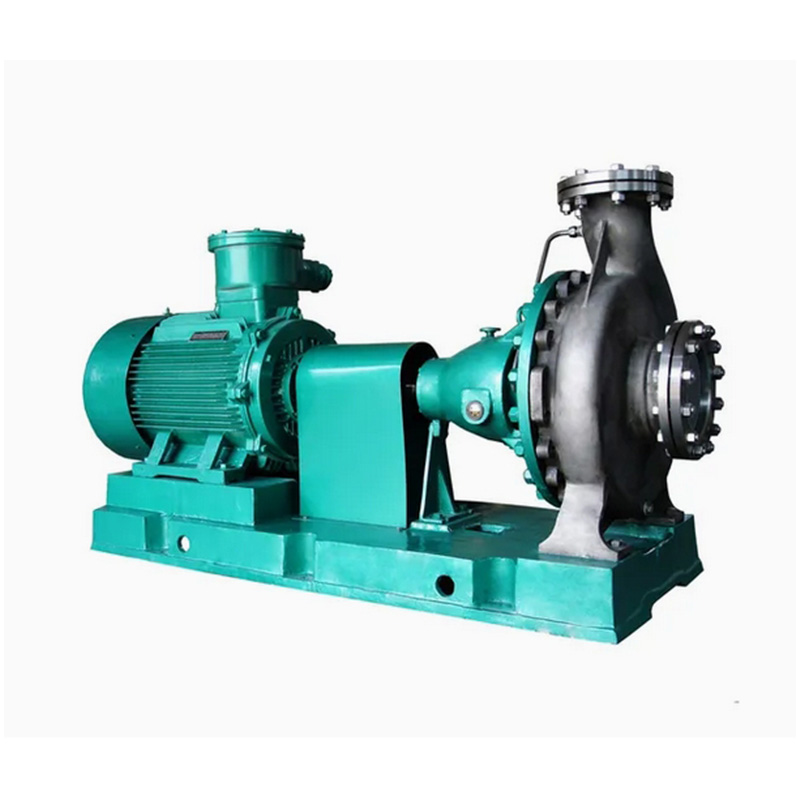
HJ Chemical Process Pump
Cat:Chemical Process Pump
1. Overview of the HJ chemical process pump HJ corrosion-resistant chemical process pump is a single-stage single-suction cantilever centrifugal pump....
See DetailsContent
A chemical pump is a mechanical device engineered specifically to transfer, dose, or circulate corrosive, hazardous, abrasive, or reactive fluids safely and reliably. Unlike standard water pumps designed for benign fluids, chemical pumps must resist degradation from aggressive media — strong acids such as sulfuric acid and hydrochloric acid, alkalis such as sodium hydroxide, solvents, oxidizers, and slurries containing suspended solids. The materials used in wetted components (parts in contact with the fluid), the sealing system, and the pump's internal geometry must all be selected with the specific chemical in mind.
The consequences of using a poorly matched pump in a chemical application range from accelerated wear and leakage to catastrophic failure, worker injury, and environmental contamination. A pump body that dissolves under hydrofluoric acid exposure, a mechanical seal that swells and fails when exposed to ketone solvents, or an impeller eroded within weeks by an abrasive slurry — these are real-world failure modes that make correct pump selection a safety-critical engineering decision, not merely a performance question. Understanding the major categories of chemical pumps and the conditions each is designed for is therefore fundamental knowledge for anyone involved in process engineering, plant maintenance, or chemical handling system design.
All chemical pumps belong to one of two fundamental operating principles: kinetic (or dynamic) pumps and positive displacement pumps. These categories differ in how they impart energy to the fluid, and they produce different flow and pressure characteristics that make each more suitable for certain applications.
Kinetic pumps — most commonly centrifugal pumps — accelerate fluid using a rotating impeller, converting kinetic energy into pressure at the pump outlet. They deliver continuous, relatively smooth flow and excel at high flow rates with moderate pressure requirements. Their flow rate varies with system backpressure, which means they must be matched carefully to the system curve. Positive displacement pumps, by contrast, move fluid by trapping a fixed volume in a cavity and forcing it through the discharge with each stroke or rotation cycle. They deliver a consistent flow rate largely independent of system pressure, making them ideal for precise dosing, high-viscosity fluids, and high-pressure applications. Understanding which category fits your process is the first step in pump selection.
Centrifugal pumps are the most widely used pump type across the chemical processing industry due to their simplicity, high flow capacity, and relatively low cost. In a chemical centrifugal pump, the fluid enters the impeller eye axially, is accelerated radially outward by the rotating vanes, and exits through a volute casing that converts velocity into pressure. The absence of reciprocating parts means fewer wear points and lower maintenance requirements compared to most positive displacement designs.
The defining engineering challenge with centrifugal chemical pumps is materials selection. Wetted components must be chemically compatible with the process fluid across the full range of operating temperatures and concentrations. Common materials include stainless steel 316L for general-purpose corrosion resistance, duplex stainless steel for chloride-rich environments, Hastelloy C-276 for highly oxidizing acids, polypropylene (PP) and polyethylene (PE) for many inorganic acids and alkalis at ambient temperatures, PVDF (polyvinylidene fluoride) for strong oxidizers and halogens, and PTFE lining for extreme chemical resistance requirements. Selecting the wrong alloy — for example, using 304 stainless in hydrochloric acid service — results in rapid corrosion and pump failure.
One of the most important variants of the centrifugal chemical pump is the sealless design, available in two configurations: magnetic drive (mag-drive) and canned motor. Traditional centrifugal pumps use mechanical seals where the rotating shaft exits the pump casing — a potential leak point that requires careful maintenance and is a known failure mode with toxic or volatile chemicals. Mag-drive pumps eliminate the shaft seal entirely by using a magnetic coupling to transmit torque through a containment shell, so there is no rotating shaft penetration of the fluid boundary. Canned motor pumps similarly enclose the motor rotor within the pumped fluid. Both designs are preferred for carcinogenic, highly toxic, or volatile organic compounds where even minor leakage is unacceptable from a safety or regulatory standpoint.
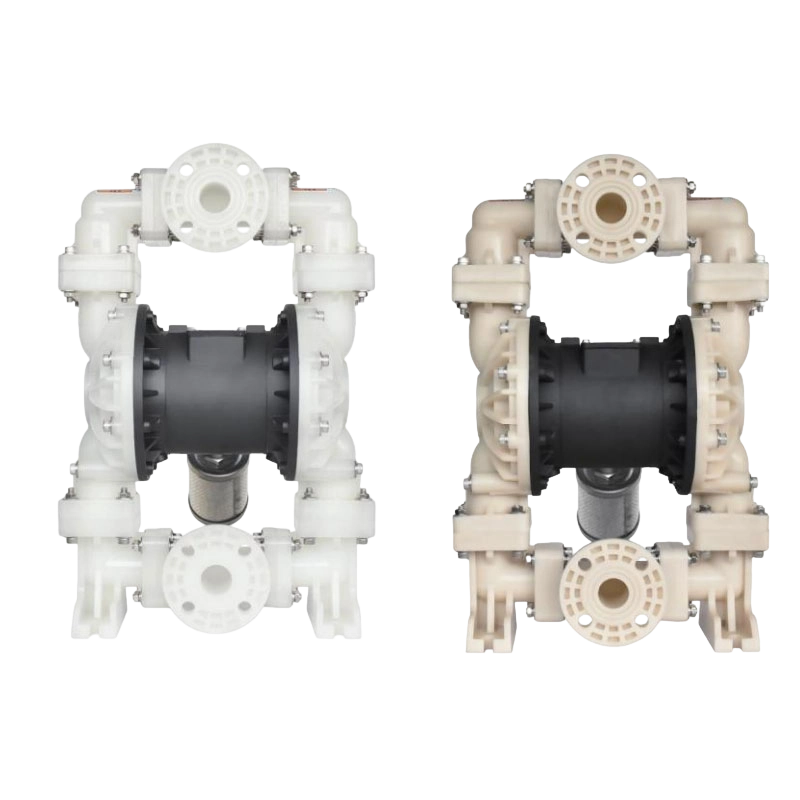
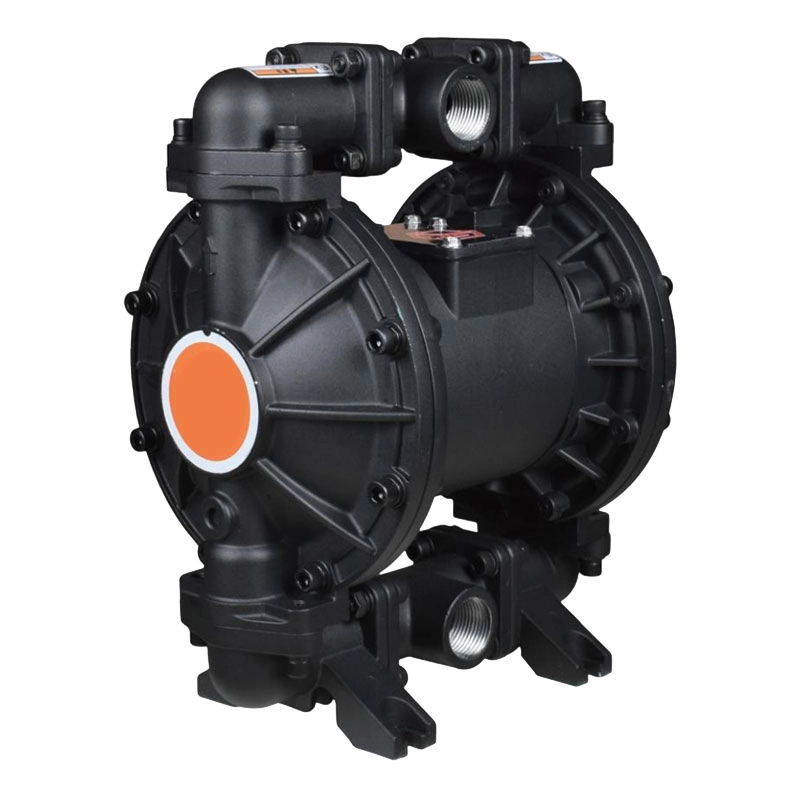
Diaphragm pumps are among the most versatile positive displacement pumps used in chemical service. They operate by flexing a membrane (diaphragm) back and forth inside a chamber, drawing fluid in through an inlet check valve on the suction stroke and expelling it through a discharge check valve on the pressure stroke. Because the diaphragm is the only barrier between the drive mechanism and the process fluid, and check valves replace dynamic seals, diaphragm pumps are inherently leak-resistant and well-suited to hazardous fluids.
The most common diaphragm pump variant in chemical processing is the air-operated double diaphragm (AODD) pump. AODD pumps use compressed air to alternately actuate two diaphragms in opposing chambers, creating a near-continuous pulsed flow. They are self-priming, can run dry without damage, handle abrasive slurries, and can pass soft solids without clogging — capabilities that make them popular for chemical transfer, drum unloading, and wastewater applications. Wetted parts are typically available in PTFE, polypropylene, PVDF, or stainless steel to match a wide range of chemical compatibility requirements. The main limitation of AODD pumps is the pulsating flow they produce, which can cause pipe vibration and may require pulsation dampeners in sensitive applications.
For precise chemical dosing — such as pH adjustment, disinfection, or reagent addition — mechanically actuated diaphragm metering pumps are the standard solution. These pumps drive the diaphragm via an eccentric cam or connecting rod linked to a motor, providing a highly repeatable stroke volume that can be adjusted by changing stroke length, stroke frequency, or both. Modern electronic metering pumps accept 4–20 mA control signals and pulse inputs from flow meters, allowing precise proportional dosing tied directly to process flow. Dosing accuracy of ±1% or better is achievable with quality metering pumps, which is critical in water treatment, chemical synthesis, and food processing applications.
Peristaltic pumps (also called hose pumps or tube pumps) operate on a uniquely simple principle: a rotating rotor with rollers or shoes compresses a flexible tube or hose in sequence, pushing fluid forward like squeezing a tube of toothpaste. The fluid contacts only the interior of the tube, never touching the pump body, rollers, or any other mechanical component. This design offers several important advantages in chemical service.
First, fluid containment is absolute as long as the tube or hose is intact — there are no seals, valves, or dynamic interfaces to leak. Second, the pump is self-priming and can handle fluids with high gas content or viscous, shear-sensitive materials such as polymer solutions and biological media. Third, tube replacement — the primary maintenance task — requires no tools or special expertise. Peristaltic pumps are widely used for abrasive slurry transfer, pH reagent dosing in water treatment, pharmaceutical manufacturing, and laboratory chemical dispensing. The main constraints are maximum operating pressure (typically limited to 15–20 bar for industrial hose pumps) and tube life, which decreases with higher speeds, pressures, and chemically aggressive fluids.
When the process fluid is highly viscous — such as concentrated polymer solutions, adhesives, resins, or heavy process oils — centrifugal pumps lose efficiency rapidly and positive displacement pumps with rotary elements become the preferred choice. Gear pumps and screw pumps are the two most common rotary positive displacement designs for viscous chemical service.
Gear pumps use two intermeshing gears rotating in opposite directions to trap fluid between the gear teeth and the casing wall and carry it from inlet to outlet. They provide smooth, low-pulsation flow and handle viscosities from light oils to extremely thick resins. External gear pumps are the most common type in general chemical service; internal gear pumps offer quieter operation and are preferred for food-grade and pharmaceutical applications. Screw pumps use one or more helical screws to push fluid axially through the pump at very low shear, making them ideal for shear-sensitive fluids or applications requiring exceptionally smooth, pulse-free flow at high pressures. Twin-screw and triple-screw designs are found throughout the chemical, food processing, and cosmetics industries.
| Pump Type | Flow Pattern | Best Viscosity Range | Handles Solids? | Typical Applications |
| Centrifugal | Continuous | Low (water-like) | Limited | Bulk transfer, circulation |
| Mag-Drive Centrifugal | Continuous | Low to medium | No | Toxic/volatile chemicals |
| AODD Diaphragm | Pulsed | Low to high | Yes | Drum transfer, slurries |
| Metering Diaphragm | Pulsed | Low to medium | No | Dosing, water treatment |
| Peristaltic | Pulsed | Low to high | Yes | Abrasives, pharma, lab |
| Gear Pump | Smooth continuous | Medium to very high | No | Resins, polymers, oils |
| Screw Pump | Very smooth | High to very high | Limited | Cosmetics, food, chemicals |
With so many pump types available, a systematic selection process prevents costly mismatches. The following factors should be evaluated in order for every chemical pump application.
Even the most carefully selected chemical pump requires consistent maintenance to deliver reliable, safe performance over its service life. Mechanical seals should be inspected at regular intervals and replaced at the first sign of weeping or leakage — seal failure in chemical service rarely stays minor for long. Diaphragm pumps should have their diaphragms inspected on a schedule defined by operating hours and fluid aggressiveness, since a ruptured diaphragm in a hazardous chemical service can result in process fluid entering the air supply or drive mechanism. Peristaltic pump tubes should be replaced on a proactive schedule based on cycle count rather than waiting for visible cracking or failure.
Safety during maintenance is equally critical. Personnel working on chemical pumps must wear appropriate PPE matched to the chemical in service — at minimum chemical-resistant gloves and eye protection, and often full face shields, chemical suits, and respiratory protection for highly toxic or volatile fluids. Lockout/tagout procedures must be followed before any pump is opened for maintenance, and all residual process fluid must be safely drained, flushed, and neutralized as appropriate before wetted components are disassembled. Documenting pump performance data — flow rate, pressure, power draw, and vibration levels — over time enables predictive maintenance and early identification of wear or deterioration before it progresses to failure.
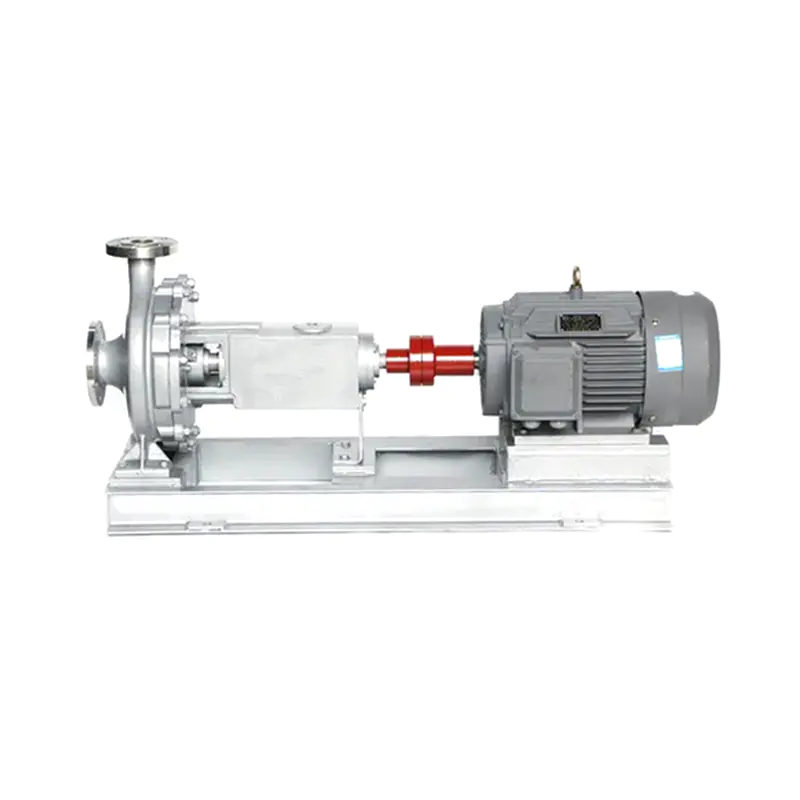
1. Overview of the HJ chemical process pump HJ corrosion-resistant chemical process pump is a single-stage single-suction cantilever centrifugal pump....
See Details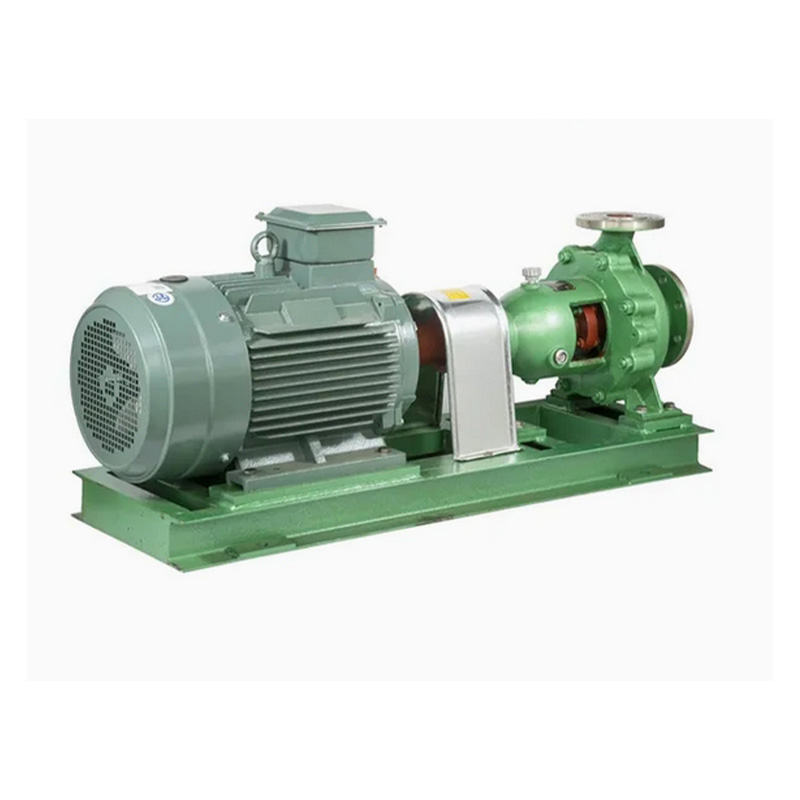
The IH type chemical centrifugal pump is a single-stage single-suction (axial suction) cantilever centrifugal pump, which is used to transport liquids...
See Details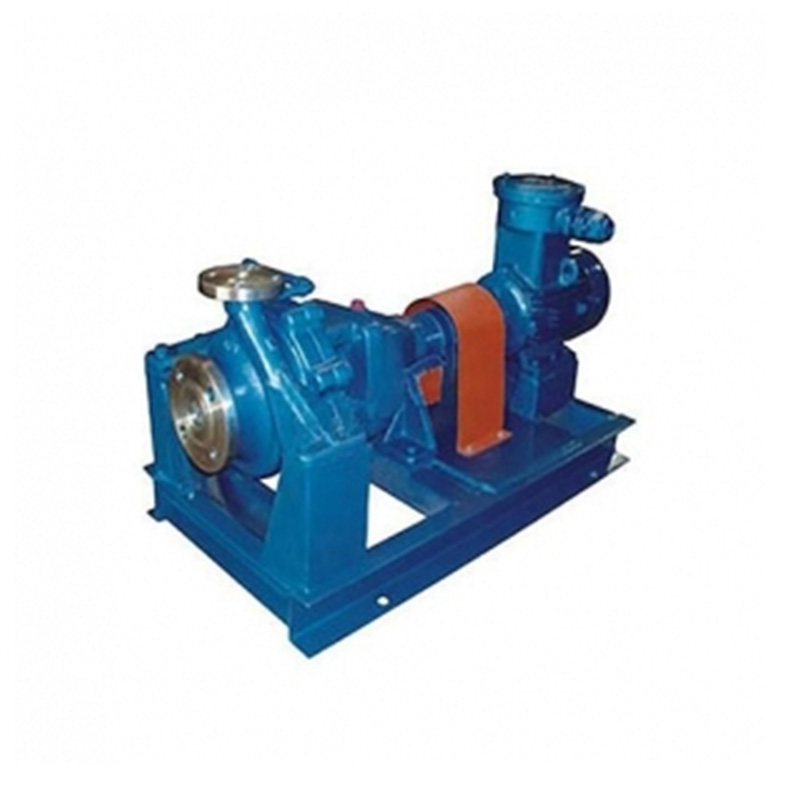
1. Overview of ZE petrochemical process pump ZA and ZE petrochemical pumps are single-stage horizontal centrifugal pumps. The pump body of the ZA-type...
See Details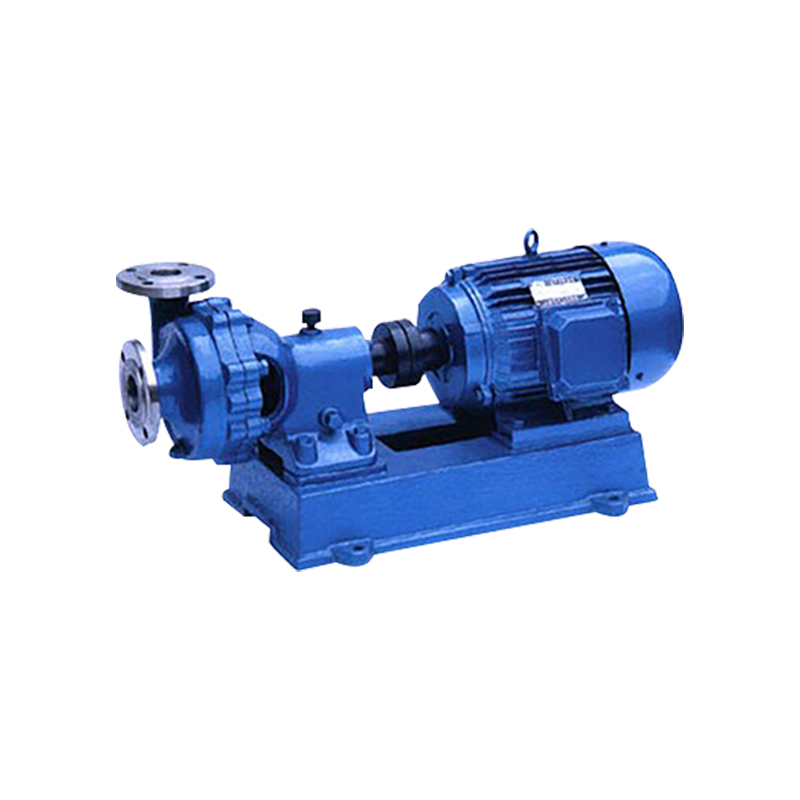
FB stainless steel chemical pump has the advantages of reliable performance, good sealing, beautiful appearance, easy use and maintenance.
See Details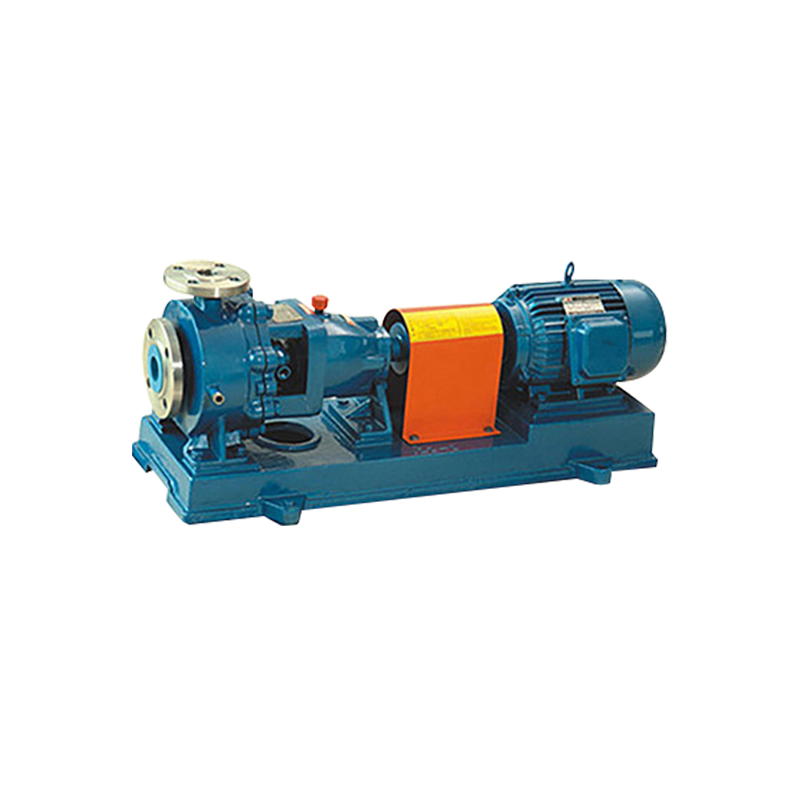
Detailed description of IN series jacketed stainless steel thermal insulation pump, steam thermal insulation, corrosion resistance, crystallization re...
See Details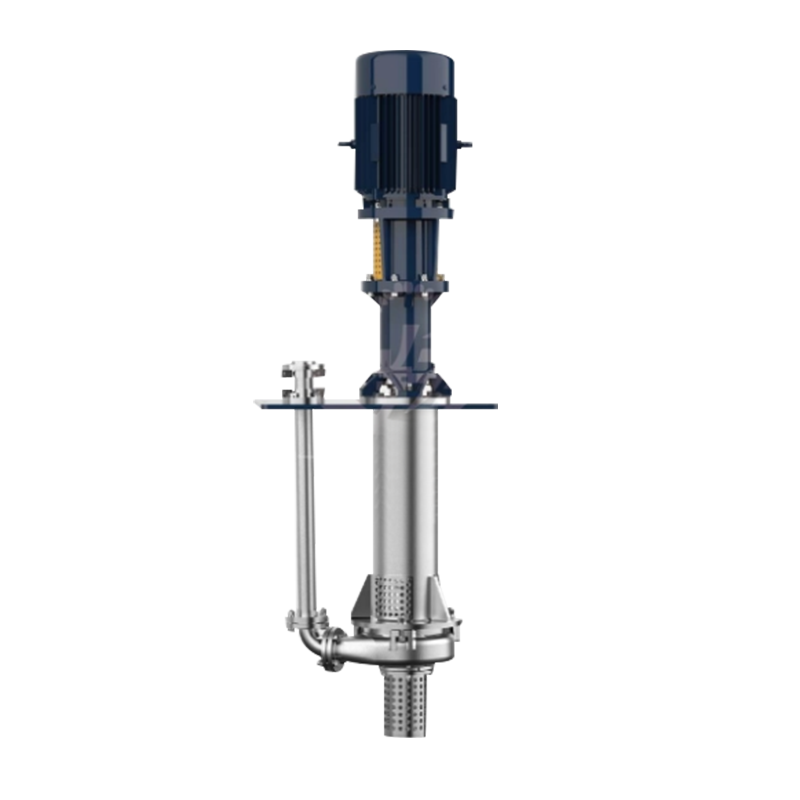
The slurry submerged pump is a cantilevered vertical design developed by our company, combining advanced features from both domestic and international...
See Details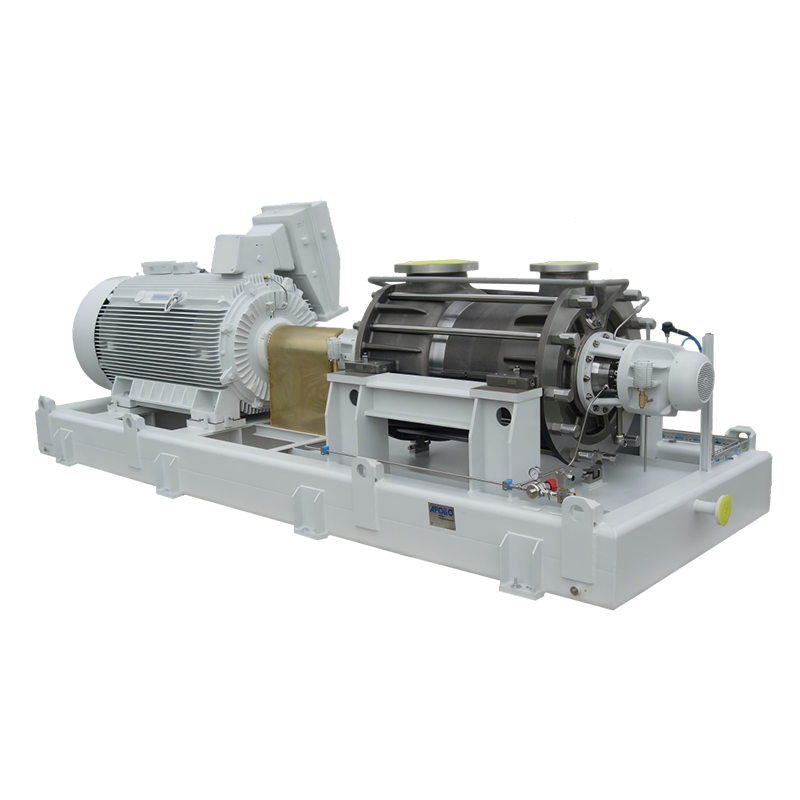
Our API 610 BB4 pumps are centerline-mounted, multistage units with radially split casings, available in both single and double suction configurations...
See Details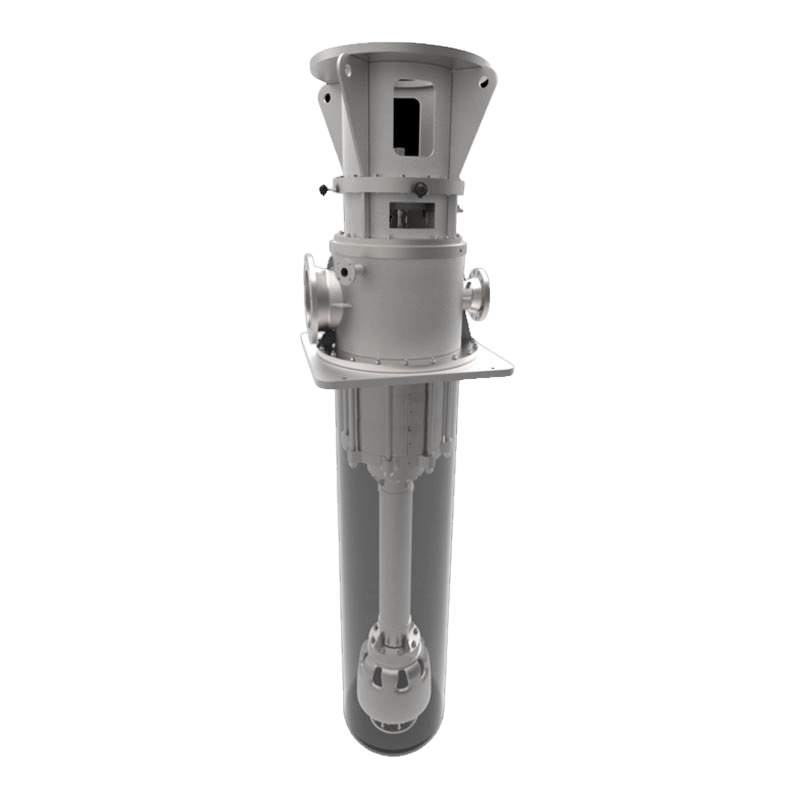
Our API 610 VS6 sump pumps feature a vertically suspended configuration with radially split single casing, designed as single or multi-stage diffuser ...
See DetailsCopyright © Welcome to Chemical Pump Factory - Jiangsu Feixiang Pump Manufacturing All rights reserved. Chemical Pumps Manufacturers

 +86-18052670932
 +86-0523-84326888
 No. 35, Xinqiao Middle Road, Xinqiao Town, Jingjiang City, Jiangsu Province, China