

 en
en  русский
 Español
FSB Direct-Connected Fluorine Pump
Cat:Corrosion-Resistant Chemical Pump
FSB fluoroplastic pump overview The FSB-type fluoroplastic alloy pump is designed according to international standard dimensions. The pump body is org...
See DetailsContent
A self priming pump is a type of centrifugal pump designed to clear air from its own suction line and casing without external assistance. Unlike standard centrifugal pumps, which require the pump housing and suction pipe to be fully filled with liquid before they can operate, a self priming pump can handle a mixture of air and liquid at startup. This makes it especially valuable in applications where the pump is installed above the fluid source or where the suction line may drain between uses.
The term "self priming" refers to the pump's ability to evacuate air from the inlet piping and create the suction needed to draw liquid up into the pump body. Once the liquid reaches the impeller, the pump operates like a conventional centrifugal unit. This characteristic eliminates the need for manual priming procedures, foot valves, or external vacuum equipment in many installations, saving both time and maintenance effort.
The fundamental operation of a self priming pump relies on recirculating a volume of liquid retained within the pump casing after each use. This retained liquid is the key to priming. When the pump starts, the impeller rotates and mixes this liquid with the air present in the suction line. The centrifugal action separates the air from the liquid mixture — air rises and is discharged, while liquid falls back and recirculates through the impeller.
This cycle repeats rapidly, progressively evacuating air from the suction line and creating a vacuum at the pump inlet. As atmospheric pressure acts on the fluid surface in the source reservoir, liquid is pushed up the suction pipe toward the pump. Once liquid fills the casing and reaches the impeller fully, the pump transitions into normal pumping mode and delivers continuous flow to the discharge side.
The priming time depends on several factors, including the length and diameter of the suction line, the vertical lift required, and the pump's design. Typical self priming cycles complete within 30 seconds to a few minutes under normal conditions.
Understanding how a self priming pump works also requires a closer look at its main internal parts and what each one contributes to the priming process.
The casing is larger than that of a standard centrifugal pump. It holds a reserve of liquid even after the pump stops. This reservoir is what makes self priming possible — without retained liquid, there would be nothing to mix with the air and drive the evacuation process. The casing is typically made from cast iron, stainless steel, or thermoplastic depending on the application.
The impeller is the rotating component that imparts energy to the liquid. In self priming pumps, impellers are often open or semi-open in design to handle the air-liquid mixture effectively during startup. The centrifugal force generated by the spinning impeller is what separates air bubbles from liquid and drives them toward the discharge port.
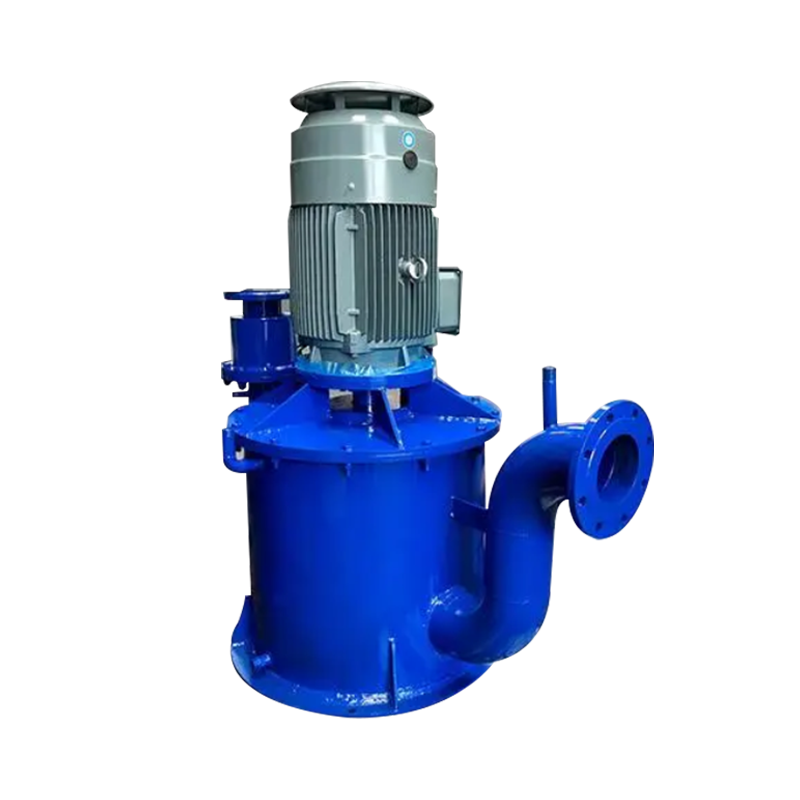
The suction port connects to the inlet piping and is where air evacuation occurs. The discharge port directs the separated air out of the pump during priming and later carries the pumped liquid to the system. Some designs include an internal recirculation port that directs liquid back into the mixing zone to continue the priming cycle.
This internal passage allows liquid to flow back from the discharge side into the suction-side mixing chamber during priming. It is a design feature specific to self priming pumps and is not found in standard centrifugal pumps. Once normal pumping begins, this passage is either closed by valve action or becomes hydraulically inactive.
Several configurations exist, each suited to different installation requirements and fluid types. The table below summarizes the most common types:
| Type | Description | Typical Use |
| Peripheral (Regenerative) | Uses a turbine-style impeller in a narrow channel; excellent suction lift | Clean water, low flow systems |
| Side Channel | Liquid circulates through side channels to mix with and expel air | Volatile or gas-laden liquids |
| Recirculation Type | Retained liquid recirculates through the impeller to evacuate air | Wastewater, slurries, solids-handling |
| Jet-Assisted | Uses an internal jet ejector to boost suction and speed up priming | Deep well and borehole applications |
Self priming pumps offer practical benefits that make them preferable in many installations where conventional centrifugal pumps would struggle or fail entirely.
Self priming pumps are used across a wide range of industries precisely because of their operational flexibility. Their ability to handle variable conditions and intermittent service makes them a practical choice in the following areas:
Even though self priming pumps reduce the complexity of installation compared to standard centrifugal pumps, certain factors must still be addressed to ensure reliable operation and efficient priming.
Longer suction lines contain more air volume, which increases priming time. Keeping the suction pipe as short and direct as possible reduces this burden. The pipe diameter should match or slightly exceed the pump's suction port size to minimize friction losses and support effective air evacuation.
Self priming pumps are limited by the physical laws governing suction lift. At sea level, the theoretical maximum suction lift is approximately 10.3 meters (34 feet) of water. In practice, losses due to pipe friction, temperature, and pump efficiency reduce this to a typical maximum of 6 to 8 meters (20 to 26 feet). Always consult the manufacturer's specifications for the exact suction lift rating of a given model.
Any air leak in the suction piping or fittings will continuously introduce air into the system, preventing the pump from completing the priming cycle. All connections on the suction side must be airtight. Use thread sealant, proper gaskets, and appropriately rated fittings. Regularly inspect the suction line for cracks, joint separation, or loose clamps.
The priming reservoir in the pump casing must retain liquid between operating cycles. If the casing drains completely — due to a missing or failed check valve at the discharge, or a backflow condition — the pump will lose its ability to self prime and will require manual filling before the next start. Installing a check valve on the discharge side is a recommended precaution in most vertical-lift applications.
Regular maintenance preserves the pump's self priming ability and extends its operational life. Key practices include:
Selecting the correct pump for a specific application involves evaluating several parameters beyond just the self priming feature. Flow rate requirements, total dynamic head, fluid viscosity, temperature, and the presence of solids or abrasives all influence which pump model and material construction will perform best. Always cross-reference the pump's performance curve with your system's head-flow requirements to confirm the operating point falls within the efficient range of the pump.
For applications involving corrosive chemicals, select casing and impeller materials rated for chemical compatibility — stainless steel, polypropylene, or PVDF are common choices. For wastewater or slurry service, opt for pumps with large clearance impellers designed to pass solids without clogging. Consulting with a pump engineer or referencing the manufacturer's application guide will help narrow down the ideal specification for your installation.
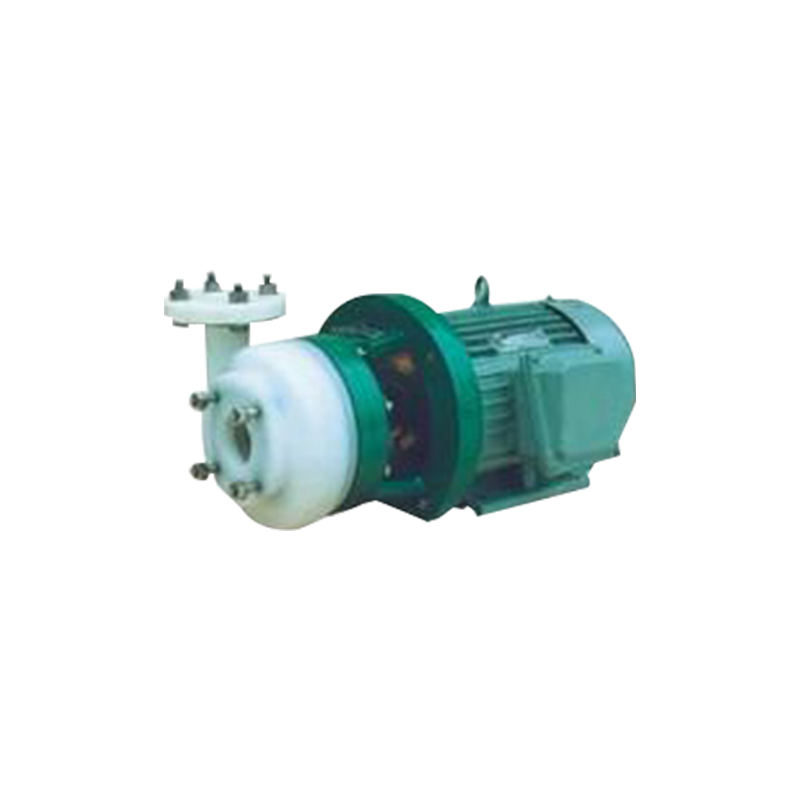
FSB fluoroplastic pump overview The FSB-type fluoroplastic alloy pump is designed according to international standard dimensions. The pump body is org...
See Details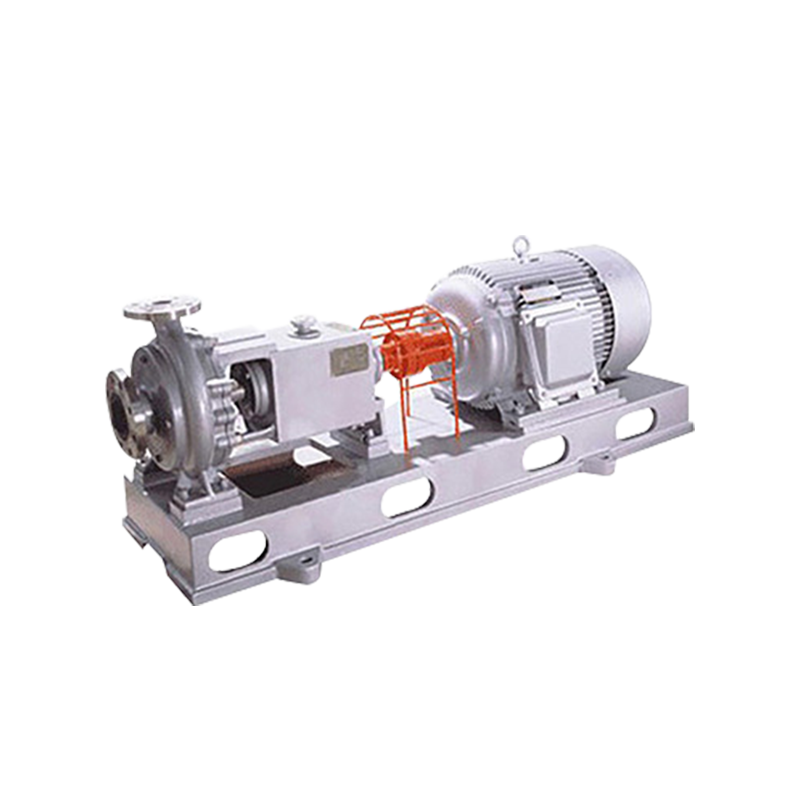
IJ series corrosion-resistant pump is a single-stage, single-suction cantilever centrifugal pump. Its marking, rating characteristics, and dimensions ...
See Details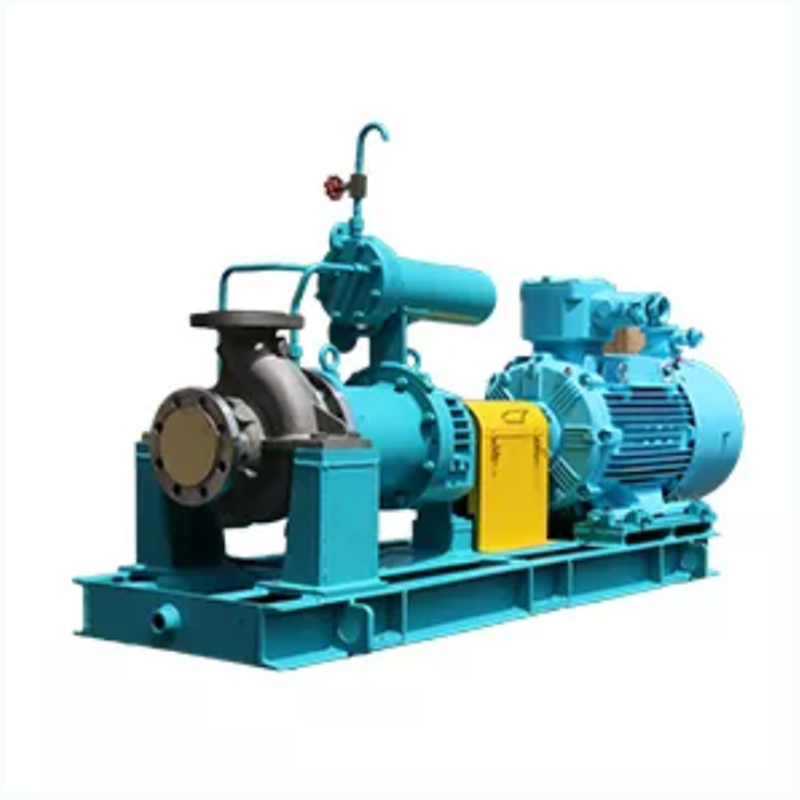
Performance Range: · Diameter: DN25~DN400 · Flow Rate: Up to 2000 m³/h · Head: Up to 200 m · Temperature Limit...
See Details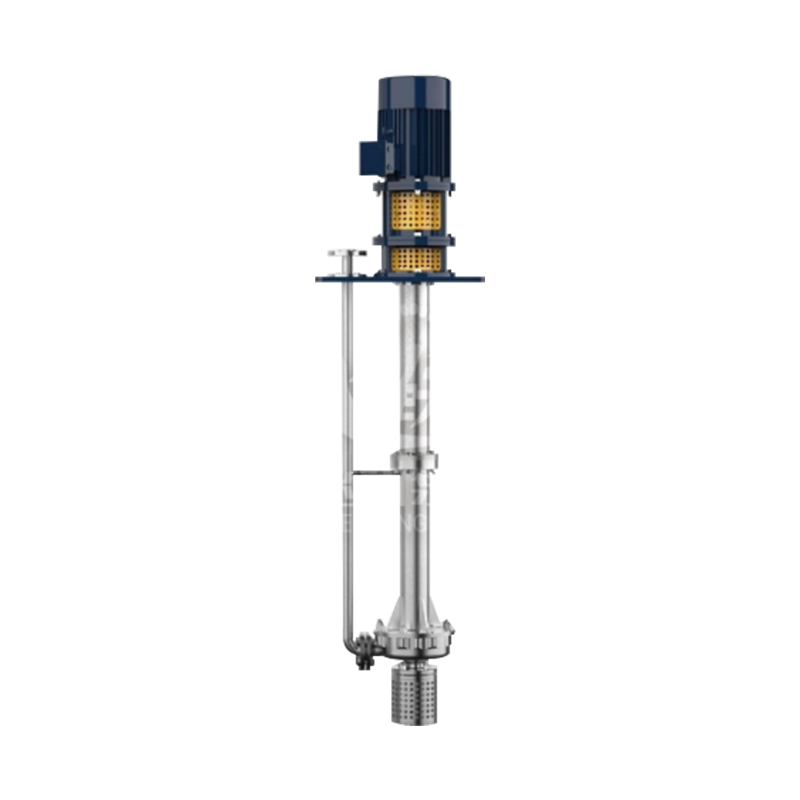
The Diversion-Type Long Shaft Submersible Desulfurization Pump is specifically engineered for underground sump applications in power plant flue gas de...
See Details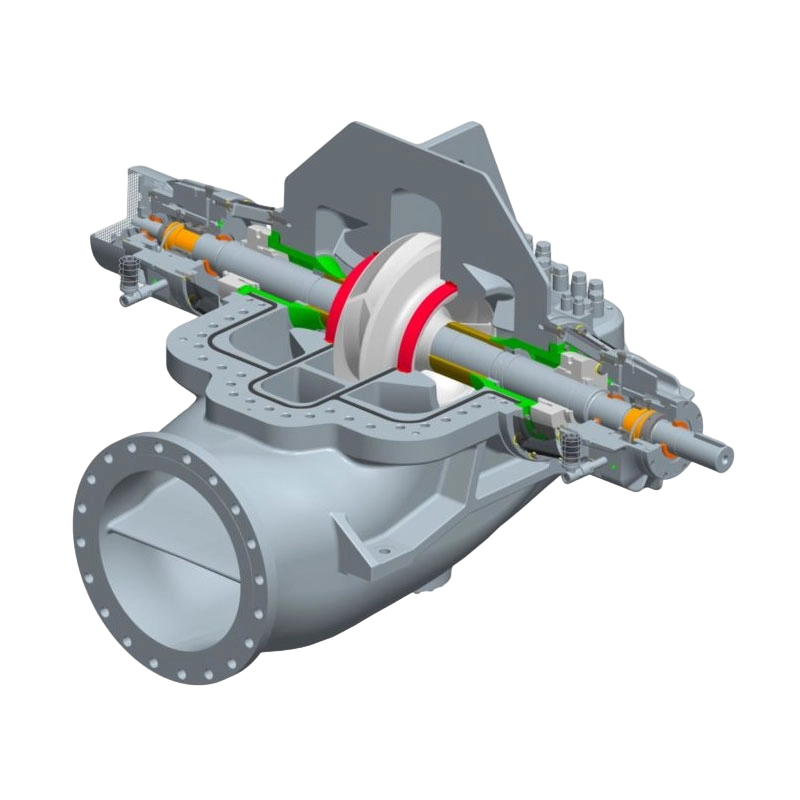
Our standard API 610 BB1 pumps are horizontally mounted, single-stage, double-suction units with an axially split casing between bearings. The pump an...
See Details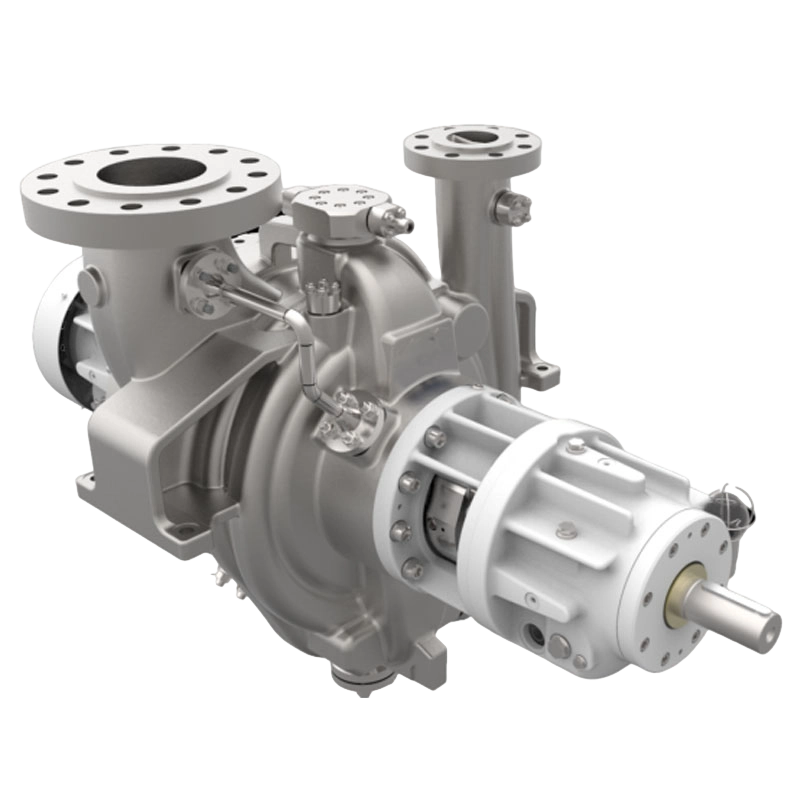
Our standard API 610 BB2 pumps feature a centerline-mounted, radially split casing with double suction and between-bearing construction. The pump and ...
See Details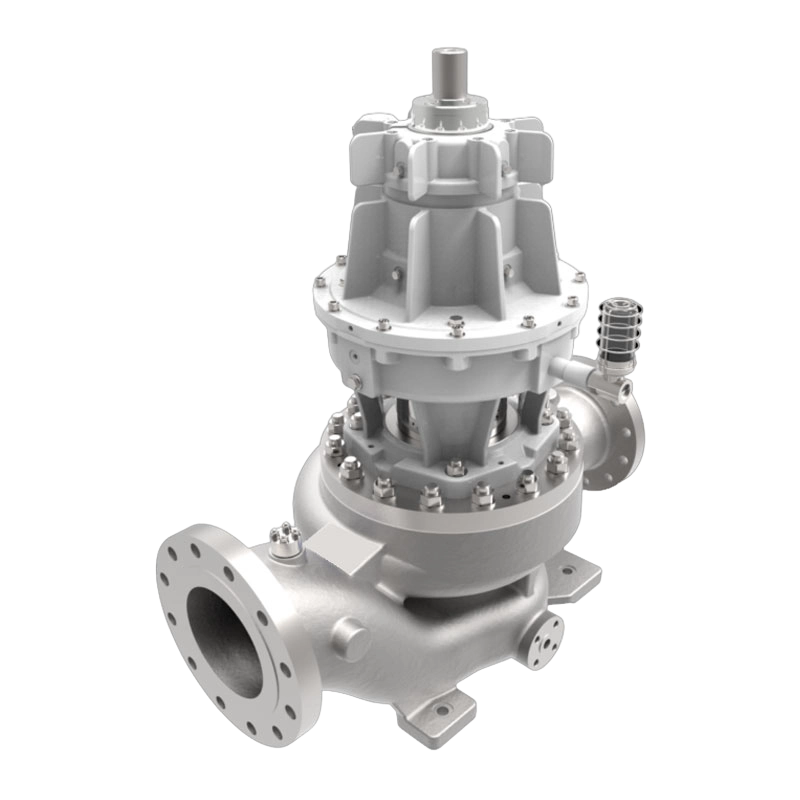
Our standard OH3 pumps are vertically oriented, in-line, single-stage overhung units featuring a separate bearing bracket with flexible motor coupling...
See Details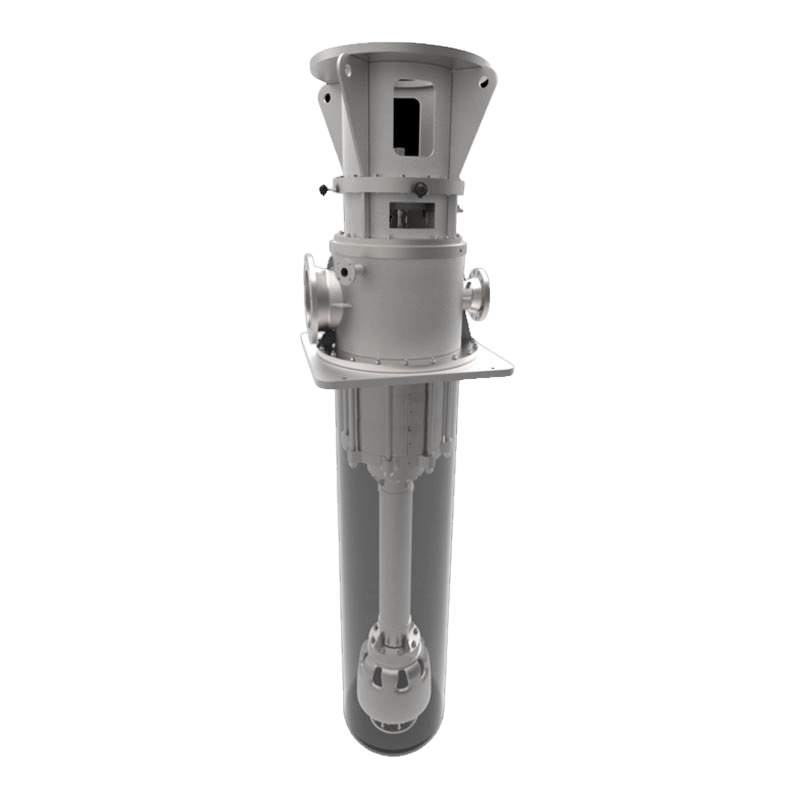
Our API 610 VS6 sump pumps feature a vertically suspended configuration with radially split single casing, designed as single or multi-stage diffuser ...
See DetailsCopyright © Welcome to Chemical Pump Factory - Jiangsu Feixiang Pump Manufacturing All rights reserved. Chemical Pumps Manufacturers

 +86-18052670932
 +86-0523-84326888
 No. 35, Xinqiao Middle Road, Xinqiao Town, Jingjiang City, Jiangsu Province, China