What Is a Chemical Process Pump and Why Does It Demand Special Consideration?
A chemical process pump is an industrial pump specifically engineered to handle corrosive, toxic, abrasive, flammable, or otherwise hazardous fluids in chemical manufacturing, petrochemical refining, pharmaceutical production, water treatment, and related process industries. Unlike standard water pumps or general utility pumps, chemical process pumps are designed from the outset to resist the destructive effects of aggressive media while maintaining reliable, leak-free operation over extended service intervals. The consequences of pump failure in a chemical process environment range from costly production downtime to catastrophic safety incidents, which is why pump selection, material specification, and sealing arrangement are treated with far greater rigor than in general industrial applications.
The design philosophy behind chemical process pumps centers on three priorities: containment, durability, and maintainability. Containment means preventing the process fluid from reaching the environment or personnel under any operating condition, including upset conditions and seal failures. Durability means selecting materials and hydraulic designs that resist wear, corrosion, and thermal stress over a service life measured in years rather than months. Maintainability means designing the pump so that wear parts can be replaced quickly with minimal disassembly, reducing mean time to repair and allowing plants to manage spare parts inventories efficiently. Understanding how these priorities are addressed in different pump designs is essential before specifying equipment for any chemical service.
What Types of Chemical Process Pumps Are Available and When Is Each Used?
Chemical process pumps are available in several fundamental operating principles, each suited to specific fluid characteristics, flow rate requirements, and pressure conditions. Selecting the wrong pump type for an application results in poor efficiency, premature wear, and frequent maintenance interventions regardless of how well the materials are specified.
Centrifugal Process Pumps
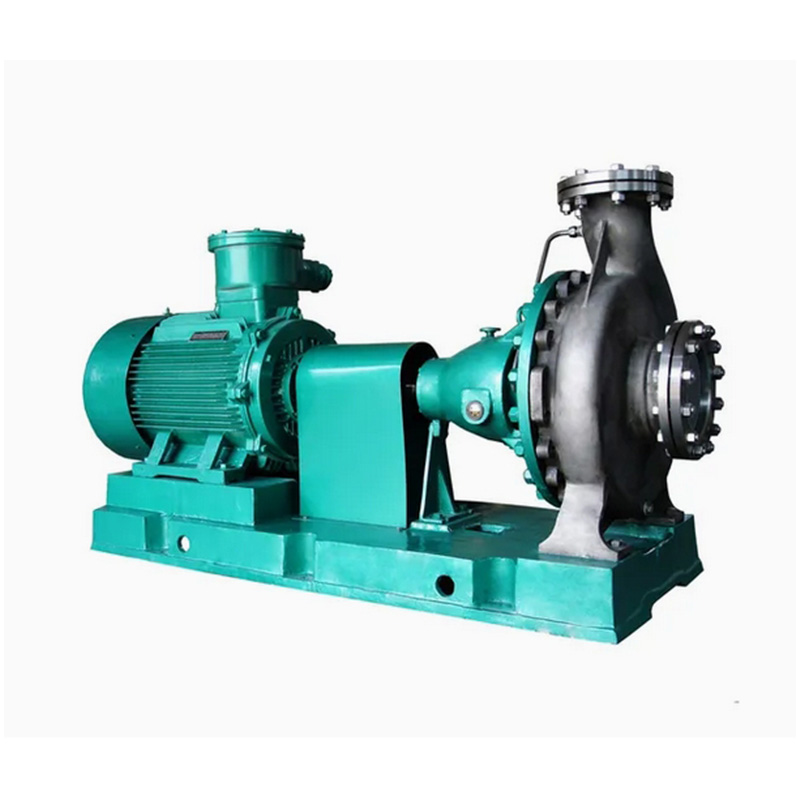
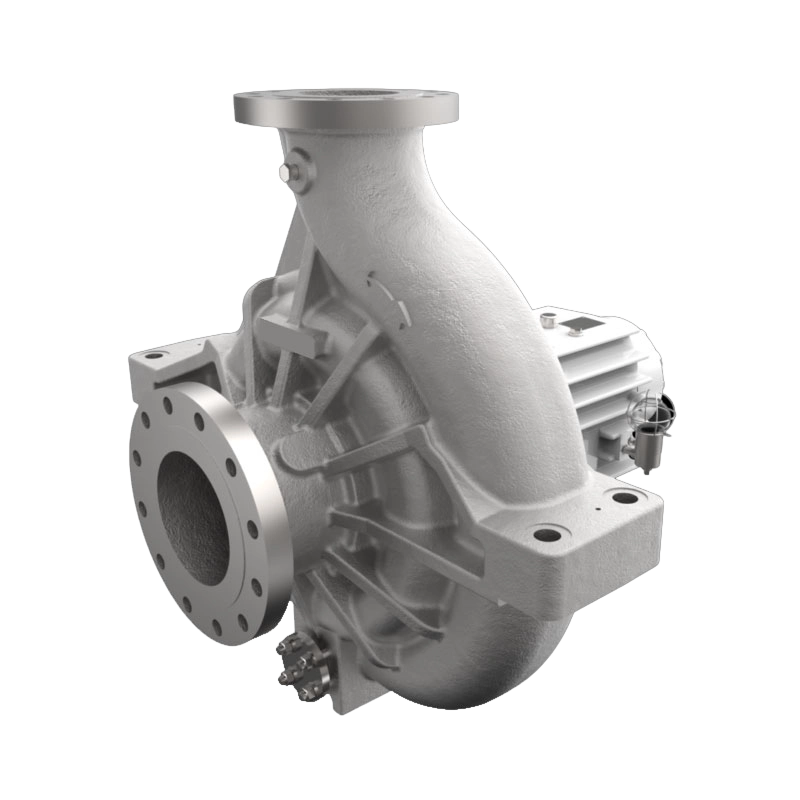
Centrifugal pumps are the most widely used type in chemical process plants, accounting for the majority of all pump installations in refineries, chemical complexes, and pharmaceutical facilities. They transfer energy to the fluid through a rotating impeller, converting kinetic energy to pressure as the fluid passes through the volute or diffuser casing. Centrifugal pumps are best suited to low-viscosity fluids, high flow rates, and applications where moderate to high heads are required. They are self-priming in some configurations, easy to control via variable speed drives, and offer a broad range of hydraulic performance through impeller trimming. ANSI B73.1 and ISO 2858 are the dominant dimensional standards for chemical centrifugal pumps, ensuring interchangeability between manufacturers and simplifying maintenance and spare parts management.
Positive Displacement Pumps
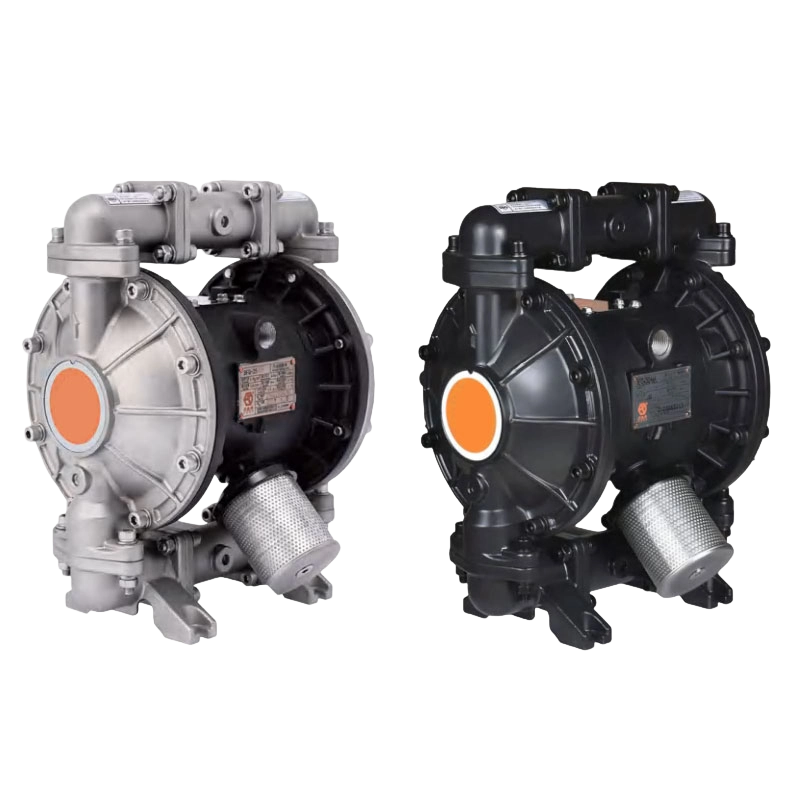
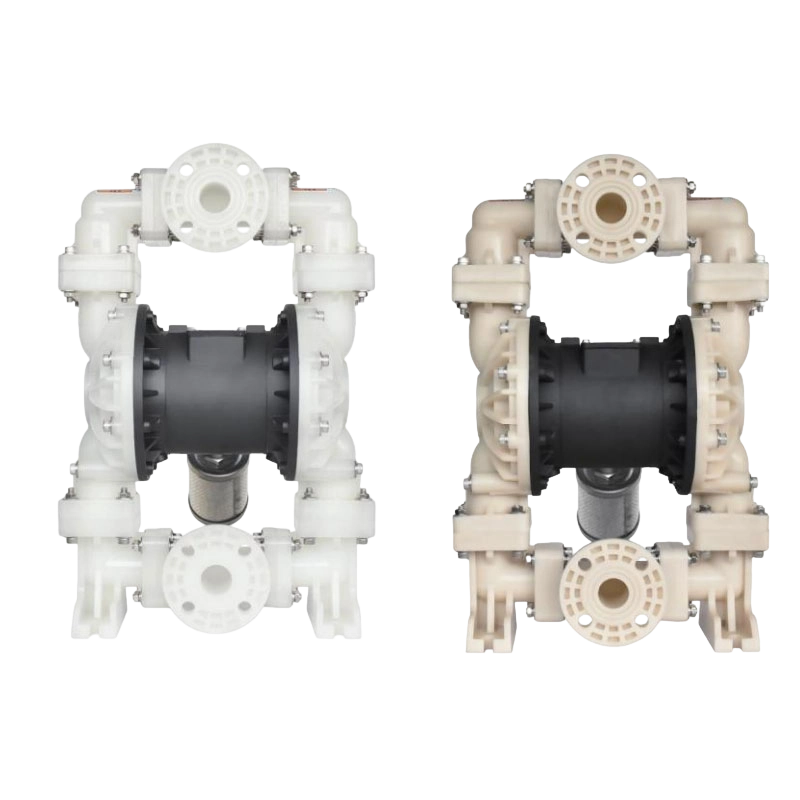
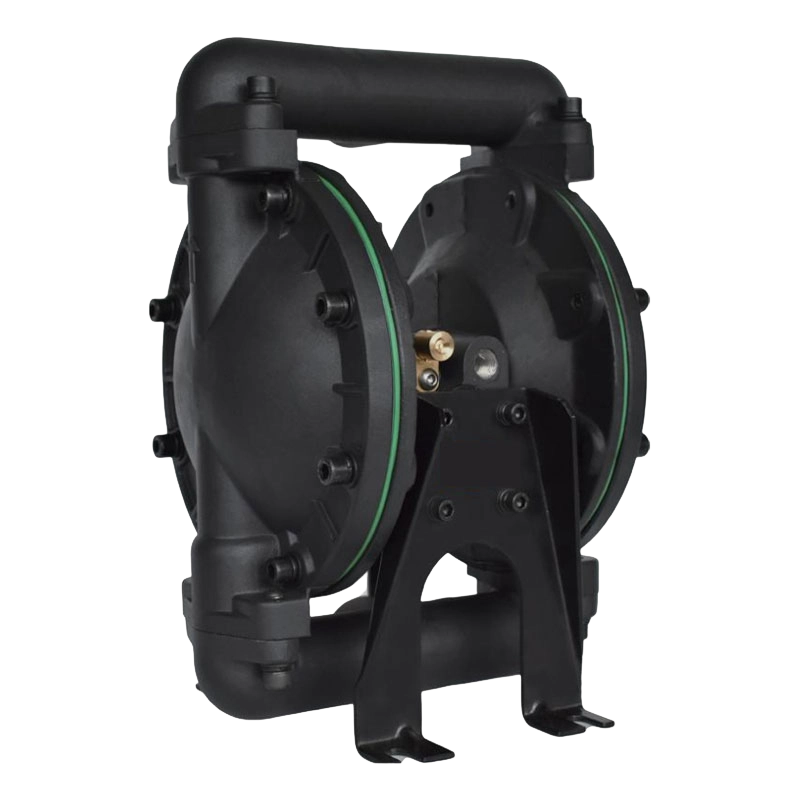
When the process fluid is viscous, shear-sensitive, requires precise metering, or must be pumped at very high pressure with low flow, positive displacement pumps become the appropriate choice. Gear pumps, lobe pumps, progressive cavity pumps, diaphragm pumps, and piston pumps all fall into this category. Unlike centrifugal pumps, positive displacement pumps deliver a fixed volume per revolution or stroke regardless of system backpressure, making them ideal for dosing applications and for fluids such as resins, polymers, slurries, and pastes that a centrifugal impeller cannot handle effectively. The flow rate of a positive displacement pump is controlled by adjusting speed or stroke length rather than throttling a discharge valve, which would cause excessive pressure buildup and potential equipment damage.
Magnetic Drive and Canned Motor Pumps
Where zero leakage is an absolute requirement — such as when handling highly toxic, carcinogenic, or ultra-pure fluids — magnetically coupled sealless pumps or canned motor pumps eliminate the mechanical shaft seal entirely. In a magnetic drive pump, the impeller is connected to the drive motor through a magnetic coupling that transmits torque across a containment shell, with no rotating shaft penetrating the pump casing. Canned motor pumps integrate the motor stator and pump casing into a single sealed unit, with the process fluid lubricating the motor bearings. Both designs are inherently leakproof and are widely specified in pharmaceutical API production, chlorine handling, hydrofluoric acid service, and other applications where even trace emission of process fluid is unacceptable.
Which Materials Are Used in Chemical Process Pump Construction?
Material selection is the most technically demanding aspect of chemical process pump specification. The pump casing, impeller, shaft, and sealing components must all resist the specific corrosive and erosive attack mechanisms presented by the process fluid, while retaining adequate mechanical strength at the operating temperature. The following table summarizes the most common construction materials and their typical chemical service applications:
| Material |
Key Properties |
Typical Chemical Applications |
| 316L Stainless Steel |
Good general corrosion resistance, widely available |
Dilute acids, alkalis, food-grade chemicals, pharmaceuticals |
| Duplex / Super Duplex SS |
High strength, excellent chloride resistance |
Seawater, bleach, chloride-containing process streams |
| Hastelloy C-276 |
Outstanding resistance to oxidizing and reducing acids |
Hydrochloric acid, sulfuric acid, wet chlorine gas |
| Titanium |
Exceptional resistance to oxidizing acids and chlorides |
Nitric acid, wet chlorine, seawater, titanium dioxide slurries |
| PTFE / PFA Lined |
Near-universal chemical inertness, low friction |
Concentrated acids, fuming nitric acid, HF, aggressive solvents |
| High Silicon Iron |
Excellent resistance to sulfuric acid, low cost |
Concentrated sulfuric acid, acid mine drainage |
Material selection must consider not only the primary process fluid but also cleaning agents, sterilization media, trace contaminants, and any upset conditions the pump might encounter during its service life. A pump that performs well under normal operating conditions but corrodes rapidly during a caustic cleaning cycle will fail prematurely. Consulting corrosion data tables from both the pump manufacturer and specialist corrosion engineering references, and where possible validating with coupon testing in the actual process fluid, provides the highest confidence in material selection decisions.
How Do Mechanical Seals Work in Chemical Process Pumps and Why Do They Matter?
The mechanical seal is the most maintenance-intensive and failure-prone component in a conventionally sealed chemical process pump. It prevents process fluid from escaping along the rotating shaft where it exits the pump casing, maintaining containment while allowing the shaft to rotate freely. A mechanical seal consists of two precision-lapped seal faces — one rotating with the shaft and one stationary in the seal housing — held in contact by spring force and fluid pressure. A thin film of fluid between the faces provides lubrication and cooling, and elastomeric secondary seals prevent leakage around the seal components themselves.
Single vs. Double Mechanical Seals
A single mechanical seal is the simplest and most economical arrangement, appropriate for fluids that are not highly toxic, do not polymerize or crystallize on the seal faces, and can tolerate a minimal controlled leakage to atmosphere. Double mechanical seals consist of two seal sets arranged either back-to-back or face-to-face, with a barrier or buffer fluid circulated between them by an external seal support system. The barrier fluid is maintained at a pressure above or below the process fluid pressure depending on the configuration, preventing any process fluid from reaching the atmosphere even if the inner seal faces wear. Double seals are mandated by environmental regulations and safety codes for pumps handling volatile organic compounds, carcinogens, and other hazardous substances classified under emissions standards such as EPA 40 CFR Part 63 or the EU Industrial Emissions Directive.
Seal Face Materials for Chemical Service
Seal face material pairing is critical in chemical service. Silicon carbide versus silicon carbide is the most common high-performance combination, offering excellent hardness, chemical resistance, and thermal conductivity. Carbon graphite against silicon carbide is preferred where dry running resistance is needed or where the process fluid provides poor lubrication. For hydrofluoric acid and other fluoride-containing streams, tungsten carbide or specialized ceramic face materials are specified because silicon carbide is attacked by fluorides. The elastomeric O-rings and secondary seals must also be compatible with the process fluid; EPDM, Viton (FKM), PTFE, and Kalrez (FFKM) each cover different chemical compatibility ranges and temperature limits.
What Key Performance Parameters Must Be Defined Before Pump Selection?
Accurate hydraulic and process data are prerequisites for selecting a chemical process pump that will operate reliably at its best efficiency point and meet the process system's requirements throughout its operating range. Submitting incomplete or estimated data to a pump manufacturer leads to oversized or undersized equipment, excessive recirculation, cavitation, and mechanical failures that become apparent only after commissioning.
- Flow rate: Define the normal operating flow, minimum continuous stable flow, and maximum flow the pump must deliver. Centrifugal pumps operating continuously below their minimum stable flow experience recirculation, vibration, and accelerated wear of impeller and seal components.
- Total differential head: Calculate the system resistance at the specified flow rate, accounting for static elevation difference, pipe friction losses, fitting losses, and pressure differential between suction and discharge vessels. This is the head the pump must generate, not the pressure of the discharge vessel alone.
- Net positive suction head available (NPSHa): Calculate the NPSHa at the pump suction flange based on suction vessel pressure, fluid vapor pressure, static head, and suction line friction losses. The pump's required NPSHr must be at least 0.5 to 1.0 meters below the NPSHa to provide an adequate margin against cavitation, which causes impeller erosion and hydraulic instability.
- Fluid properties: Provide the fluid density and viscosity at operating temperature, vapor pressure, solids content and particle size if applicable, and any tendency to polymerize, crystallize, or form deposits. Viscosity above approximately 50 centistokes requires correction factors to be applied to the pump's published water-based performance curves.
- Operating temperature range: Specify the normal operating temperature, maximum upset temperature, and minimum temperature during startup or steam-out. Thermal expansion differences between pump components at elevated temperature affect clearances, bearing loads, and seal performance.
- Duty classification: Classify the pump as continuous duty, intermittent duty, or standby service. Continuous duty pumps require more conservative sizing and more robust seal and bearing arrangements than pumps that run only occasionally for short periods.
How Should Chemical Process Pumps Be Maintained to Maximize Service Life?
Even the best-specified chemical process pump will underperform and fail prematurely if maintenance practices are inadequate. A structured reliability-centered maintenance program tailored to the pump type, service severity, and process criticality is the most effective approach to minimizing lifecycle costs and unplanned downtime.
- Mechanical seal flush plan management: Verify that the seal flush or barrier fluid system is operating at the correct flow rate and pressure at every routine inspection. Loss of flush flow is the leading cause of premature seal failure in chemical service and is frequently preventable through simple monitoring of flush system indicators.
- Vibration monitoring: Install vibration sensors on pump and motor bearings and establish baseline vibration signatures at commissioning. Rising vibration levels indicate impeller wear, cavitation, misalignment, or bearing deterioration weeks before catastrophic failure occurs, allowing planned maintenance rather than emergency repairs.
- Alignment verification: Thermal growth during operation moves pump and motor shaft centerlines relative to their cold-alignment positions. Pumps in hot service should be hot-aligned using reverse dial indicator or laser alignment equipment to ensure that shaft alignment is correct at operating temperature, not just at ambient temperature during installation.
- Bearing lubrication management: Follow the manufacturer's lubrication schedule precisely for grease-lubricated bearings. Over-greasing is as damaging as under-greasing, causing bearing overheating through churning losses. Oil-lubricated bearing frames require regular oil level checks and periodic oil analysis to detect contamination or degradation before bearing damage occurs.
- Hydraulic performance trending: Monitor pump differential pressure and flow rate at regular intervals and plot the operating point against the pump's performance curve. A shift in operating point toward lower head and higher flow indicates impeller wear or internal recirculation from worn wear rings, while a shift toward higher head and lower flow suggests suction restriction or blockage.
Documenting pump repair history and analyzing repeat failure patterns allows maintenance engineers to identify root causes and implement design or operational changes that break the failure cycle. Pumps that require seal replacement every three to six months in a particular service are sending a clear signal that either the seal design, the flush arrangement, or the operating conditions need to be revised — and addressing the root cause is invariably more cost-effective than accepting chronic seal replacement as normal maintenance activity.


 en
en  русский
 Español
 +86-18052670932
 +86-0523-84326888
 No. 35, Xinqiao Middle Road, Xinqiao Town, Jingjiang City, Jiangsu Province, China