

 en
en  русский
 Español
HJ Chemical Process Pump
Cat:Chemical Process Pump
1. Overview of the HJ chemical process pump HJ corrosion-resistant chemical process pump is a single-stage single-suction cantilever centrifugal pump....
See DetailsContent
Picture a phosphoric acid plant where a transfer pump moves gypsum-laden slurry day and night. The first carbon-steel casing failed in six weeks. The replacement, a high-chromium iron centrifugal pump running at reduced speed, still showed erosion on the impeller vane tips after a year, but it kept the line running. This contrast sums up abrasive slurry pumping: the pump that fails tells you what went wrong; the pump that survives tells you what the application actually required.
An abrasive slurry is a mixture of liquid and solid particles where the solids are hard enough to remove material from pump surfaces during flow. The wear mechanism may be high-angle impingement, low-angle erosion, or sliding abrasion, depending on particle size, velocity, and the geometry of the flow path. Corrosion often accelerates the damage by weakening the surface layer so that particles can remove it more easily.
The conclusion is straightforward: effective abrasive slurry pump selection is not about picking a pump with "slurry" in the name. It is about matching the hydraulic design, wear material, seal arrangement, and operating margin to the specific solid-liquid mixture.
Most pump failures in abrasive service come from a small set of recurring problems. Understanding them helps you decide where to pay attention during selection.
| Problem | What happens in practice |
|---|---|
| Wear of hydraulic parts | Impellers, volute liners, and casings lose material; efficiency drops and vibration rises. |
| Corrosion-wear synergy | Corrosion weakens the surface, so abrasion removes metal much faster than either mechanism alone. |
| Clogging or blockages | Large or fibrous solids bridge the flow channel and stop the pump. |
| Seal and shaft damage | Particles enter the seal chamber and score the seal faces or wear the shaft sleeve. |
| Cavitation | Low suction pressure creates vapour bubbles; their collapse erodes the impeller surface. |
These problems are preventable, but only if you define the slurry properly before you choose the pump.
Once the slurry is defined, the pump type decision comes next. Most abrasive slurries in chemical and mining processes are handled by centrifugal pumps with extra-heavy casings, wide flow passages, and impellers designed to pass solids.
Centrifugal slurry pumps are the workhorses for free-flowing slurries with moderate viscosity. They work best when the objective is high flow at low to medium head, and when keeping solids suspended is more important than precise flow control. Horizontal, vertical, and submersible arrangements are available. For crystal-laden mother liquor in evaporators and crystallizers, an evaporation crystallization circulation pump provides the high-flow, low-head circulation that keeps crystals suspended without crushing them. Low rotating speed and generous internal clearances reduce the impact velocity that drives erosion.
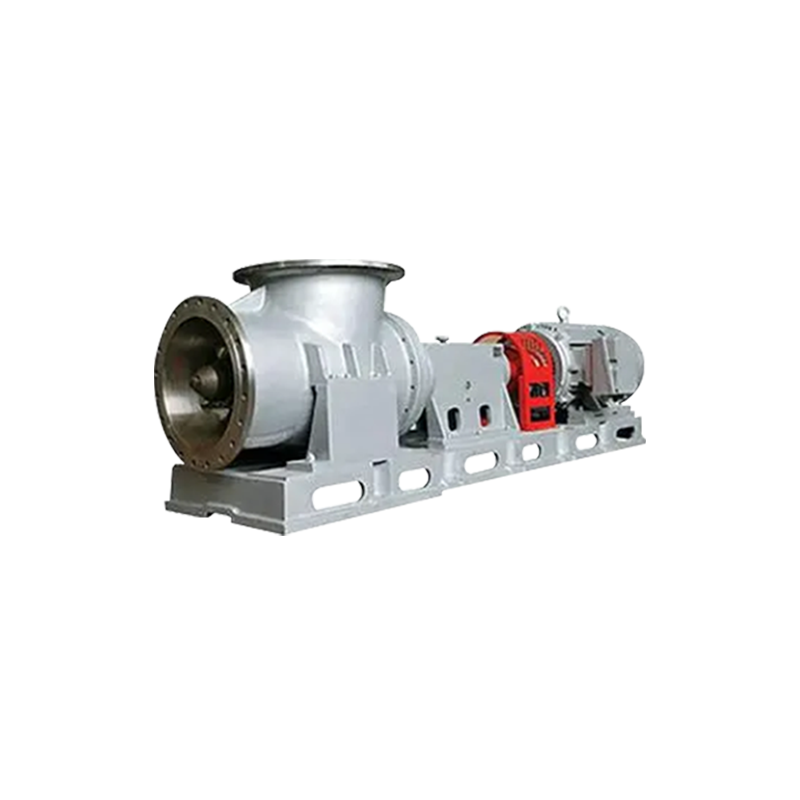 Forced Circulation Pumps Factory, Evaporation Crystallization Axial Flow Forced As Evaporation Crystallization Axial Flow Forced Circulation Pumps Factory and Manufacturers in China, Feixiang offer Wholesale Evaporati...View Product →
When the slurry is viscous, shear-sensitive, or has a very high solids loading, positive displacement pumps often outperform centrifugal designs. They deliver a fixed flow per revolution, which means the solids do not separate from the liquid inside the pump. A G-type screw pump, for example, can handle thick pastes and slurries with soft or fine solids, and it is often chosen for filter press feed or sludge transfer. The trade-off is that screw pumps do not handle coarse, sharp particles well, so a metal-lined or rubber-lined centrifugal pump remains the better option for highly abrasive mineral slurries.
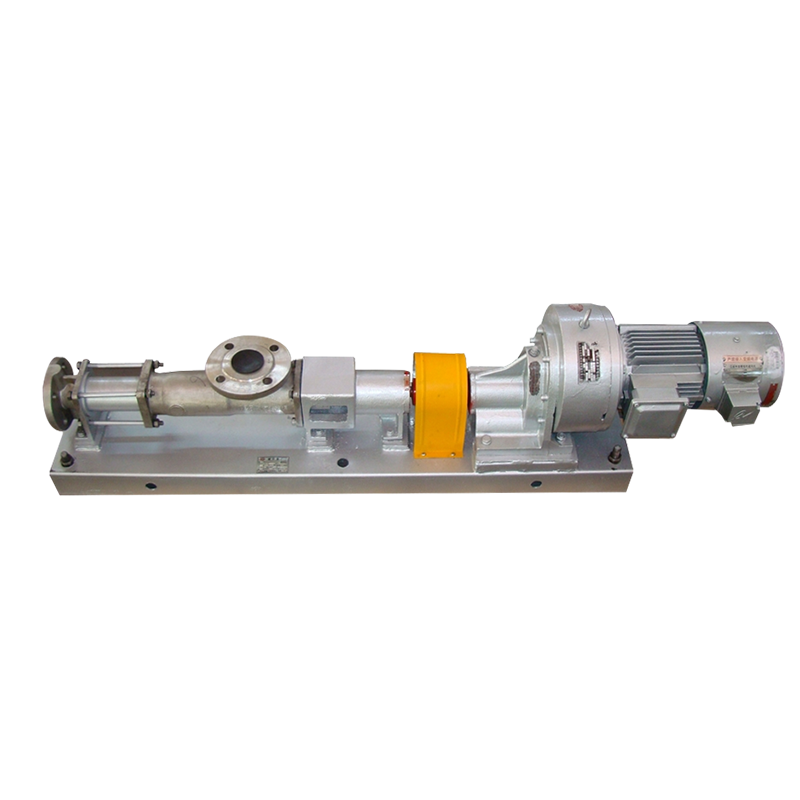 G-Type Single Screw Pumps Suppliers, G-Type Screw Pumps FactoryAs Wholesale G-Type Single Screw Pumps Suppliers and Wholesale G-Type Screw Pumps Factory in China, Jiangsu Feixiang Pump offer Custom G-...View Product →
For slurries that are chemically aggressive as well as abrasive, the material of construction dominates the selection. A corrosion-resistant sewage pump with an appropriately lined casing can handle acidic or alkaline waste slurries where unlined carbon steel would fail quickly.
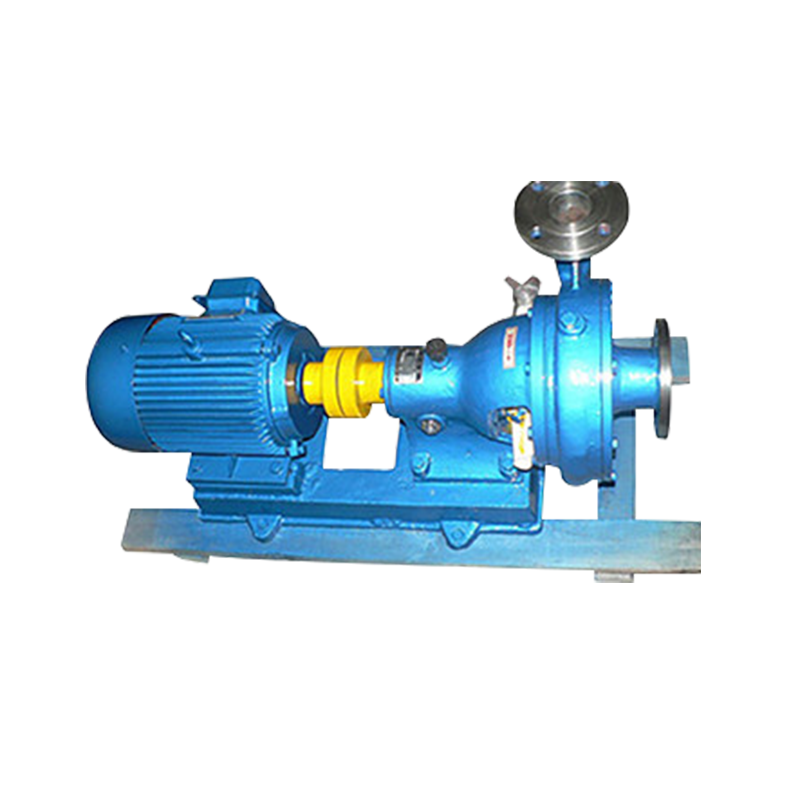 PWF Corrosion-Resistant Sewage Pump Manufacturers, Factory - Jiangsu Feixiang PuJiangsu Feixiang Pump is china PWF Corrosion-Resistant Sewage Pump Manufacturers and Wholesale PWF Corrosion-Resistant Sewage Pump Factor...View Product →
Before you size a pump, you need to quantify the slurry. The table below lists the parameters that have the biggest impact on pump selection and life.
| Parameter | Why it matters |
|---|---|
| Particle size and distribution | Determines minimum flow channel; large particles require open impellers. |
| Particle hardness | Hard particles like silica or alumina cause far more wear than soft solids. |
| Solids concentration by weight | Higher concentration increases wear and power draw. |
| Slurry density | Power consumption rises almost linearly with density; a high-density slurry needs a larger motor. |
| Viscosity | Affects hydraulic sizing, friction loss, and whether a centrifugal pump is practical at all. |
| Temperature | Limits elastomer liners and seal materials; affects viscosity. |
| Chemical composition and pH | Determines whether metal, rubber, or fluoropolymer lining is required. |
| Suction conditions and NPSH available | Insufficient NPSH leads to cavitation, which erodes the impeller even in pumps built for abrasion. |
Density deserves particular attention. Most users estimate power based on water, then add a safety factor. With a slurry that is 30% solids by weight, the pump power requirement can be 20–40% higher than for clean water at the same flow and head. If the motor is marginal, the pump will slow down, and this increases the chance of settling and blockages.
If your slurry has high viscosity or a significant amount of suspended solids, the guidance in our article on moving high-viscosity slurries with suspended solids covers the thresholds worth checking before you commit to a pump size.
Material selection is the difference between a pump that lasts two years and one that lasts two months. There is no single best material for every abrasive slurry, but there is a reliable logic for choosing one.
For coarse particles and high impact angles, hard metals such as high-chromium cast iron (25% or more chromium) and white cast iron with carbide structures provide the best erosion resistance. These materials are brittle, so they are not suitable for thin sections or heavy impact loads. For fine particles and low impact angles, elastomer liners made of natural rubber, chloroprene, or polyurethane are often better because they allow particles to deflect elastically instead of cutting the surface. Rubber liners also handle low-pH slurries well. For chemically aggressive slurries, fluoropolymer-lined pumps offer corrosion resistance, but the lining is softer and more vulnerable to coarse abrasives, so particle size and velocity must be controlled.
For a deeper look at how material choices affect pump survival in corrosive and abrasive environments, our article on material selection for pumps in corrosive and abrasive environments explains the same logic applied to magnetic pumps.
No material lasts forever in abrasive service. The key is to predict when wear will exceed the safe limit and to replace parts before they cause secondary damage.
In abrasive slurry pumps, the parts that wear fastest are:
Monitor vibration, motor current, and discharge pressure. A gradual rise in motor current with a drop in head usually signals growing internal recirculation from wear. A sudden vibration spike often means a blocked impeller or a damaged bearing. For screw-type pumps, the practical limits of viscosity and solids limits of screw pumps are worth reviewing when you are evaluating positive displacement options, because stator wear changes the performance curve over time.
Abrasive slurry pumps fail when the application data is incomplete or the selection is based on a name rather than a specification. Start with the slurry: particle size, hardness, concentration, density, viscosity, temperature, pH, and available NPSH. Then match the pump type, the material of construction, the speed, and the maintenance plan. If your slurry changes during the process, design for the worst case, not the average.
A pump manufacturer with process experience can help translate these parameters into a workable pump specification. If you are not sure how to convert your slurry data into a reliable pump arrangement, our engineers can review your application and recommend a configuration that balances wear life, energy cost, and maintainability. The right combination of hydraulic design, hard materials, and realistic operating margin will keep your line running and your maintenance budget under control.
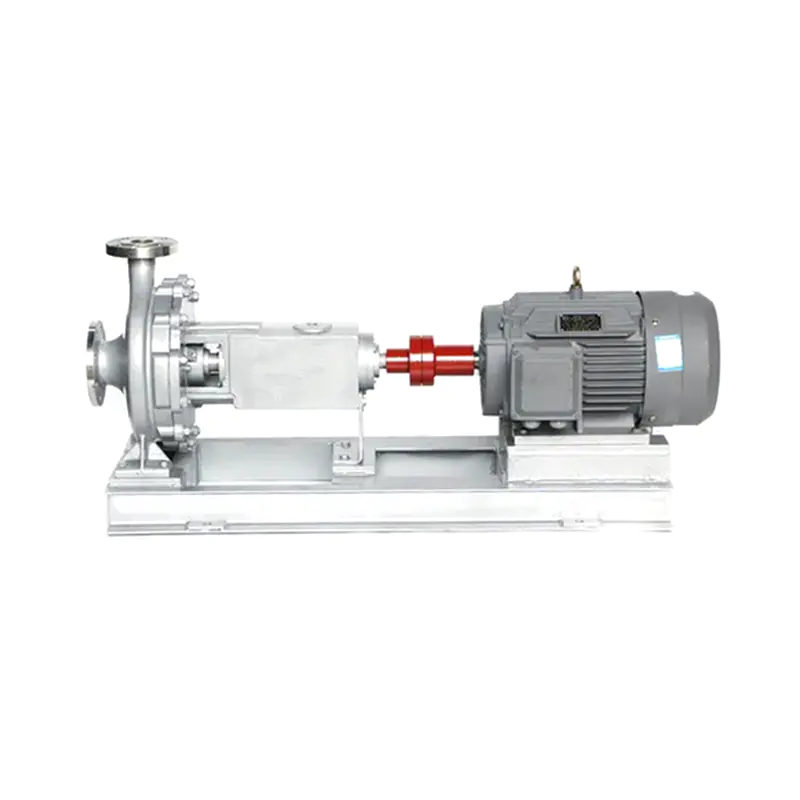
1. Overview of the HJ chemical process pump HJ corrosion-resistant chemical process pump is a single-stage single-suction cantilever centrifugal pump....
See Details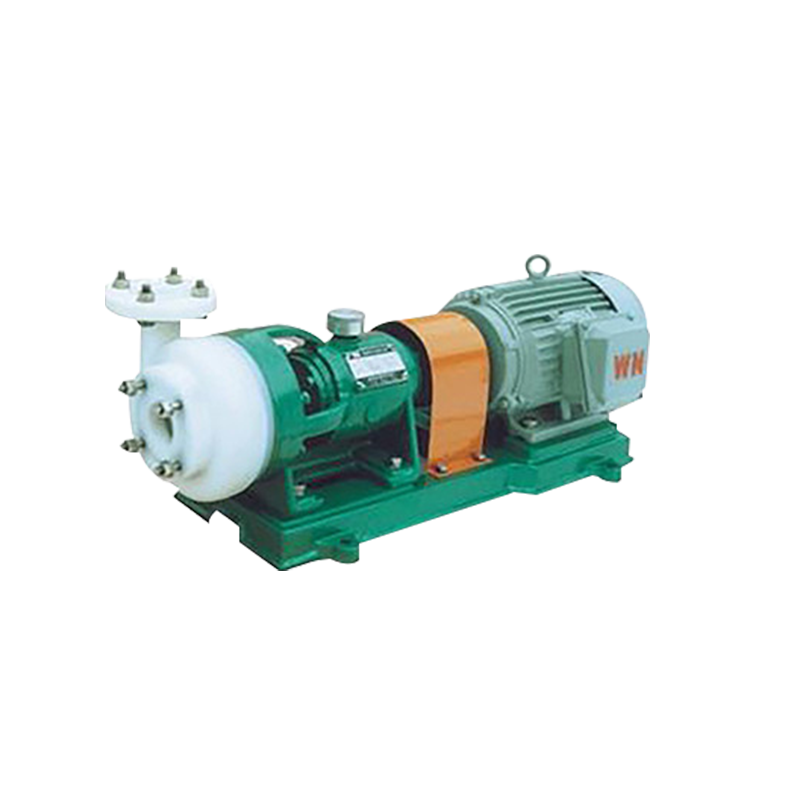
FSB fluoroplastic pump overview FSB-type fluoroplastic alloy pump is designed according to international standard dimensions. The pump body is organic...
See Details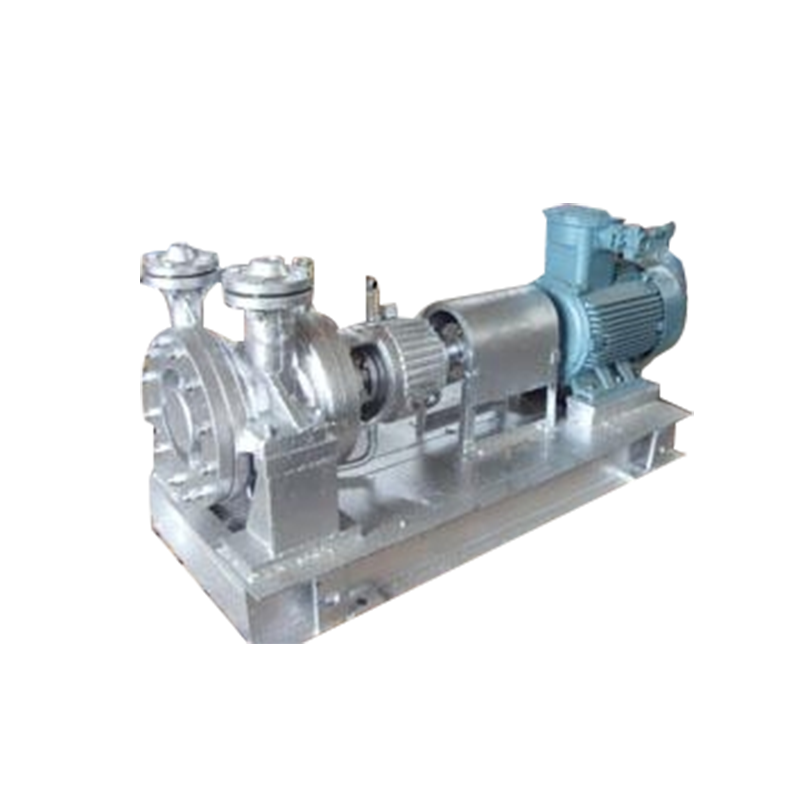
AY type oil pump is divided into two structural forms: single-stage single-suction cantilever type, two-stage single-suction cantilever type, single-s...
See Details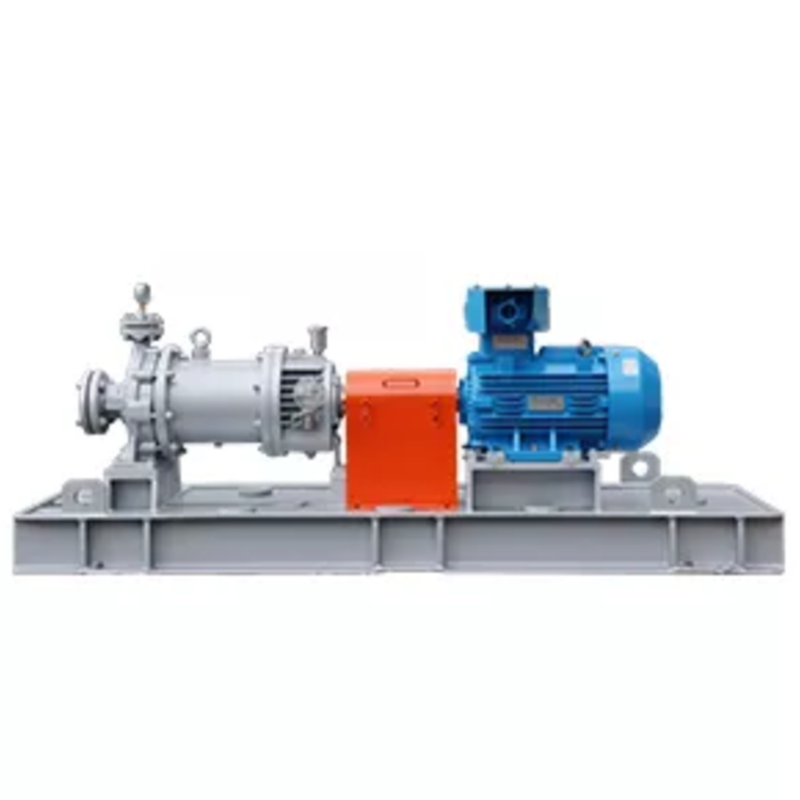
Performance Range: · Diameter: DN25~DN400 · Flow Rate: Up to 2000 m³/h · Head: Up to 250 m · Power: Up to 560 ...
See Details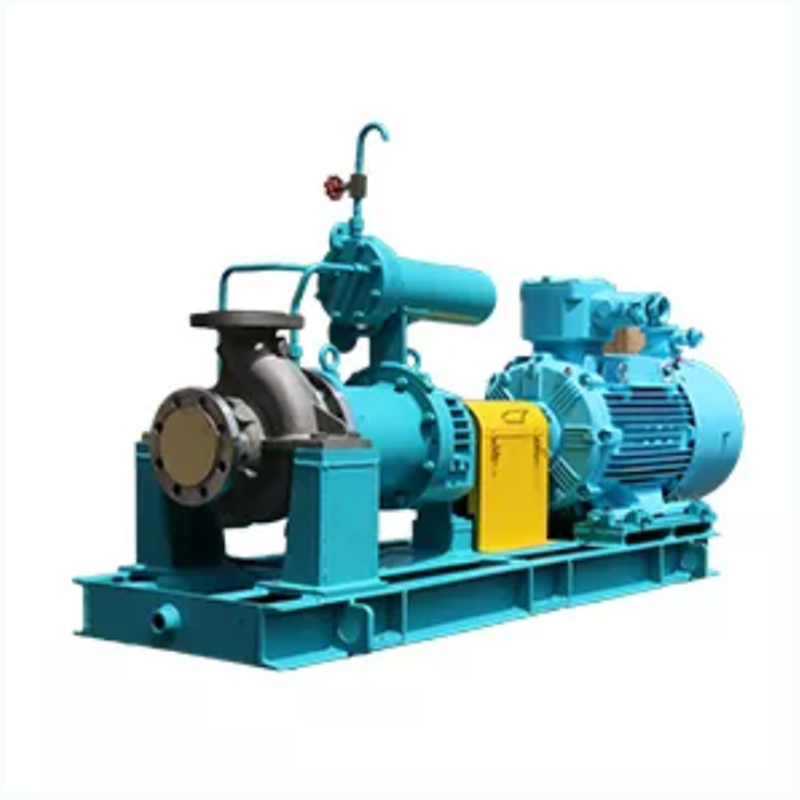
Performance Range: · Diameter: DN25~DN400 · Flow Rate: Up to 2000 m³/h · Head: Up to 200 m · Temperature Limit...
See Details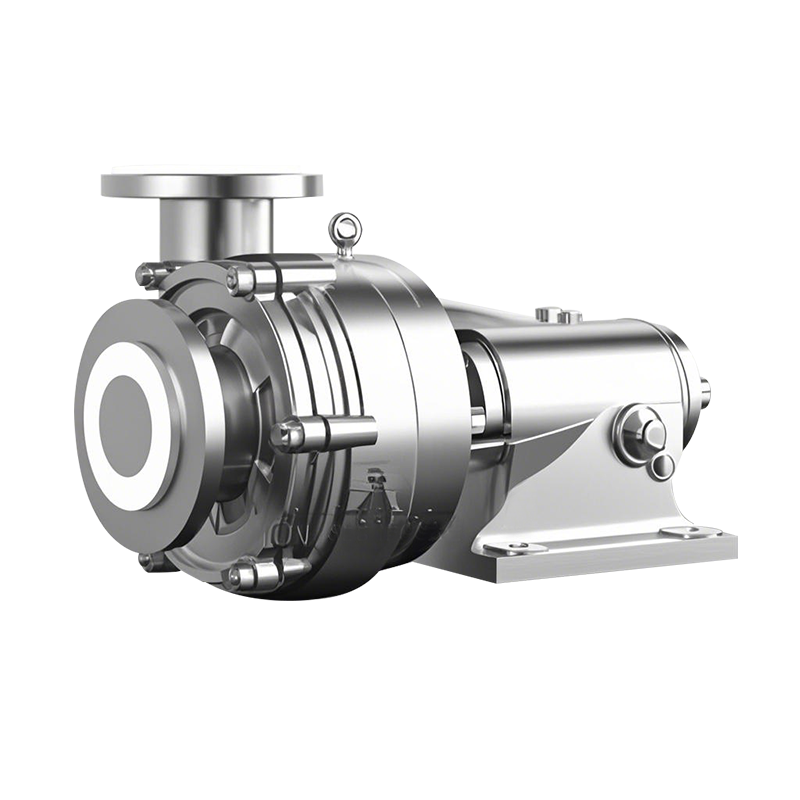
Slurry pumps are specialized equipment designed for transporting mixtures of liquids and solid particles, commonly known as slurries. These pumps are ...
See Details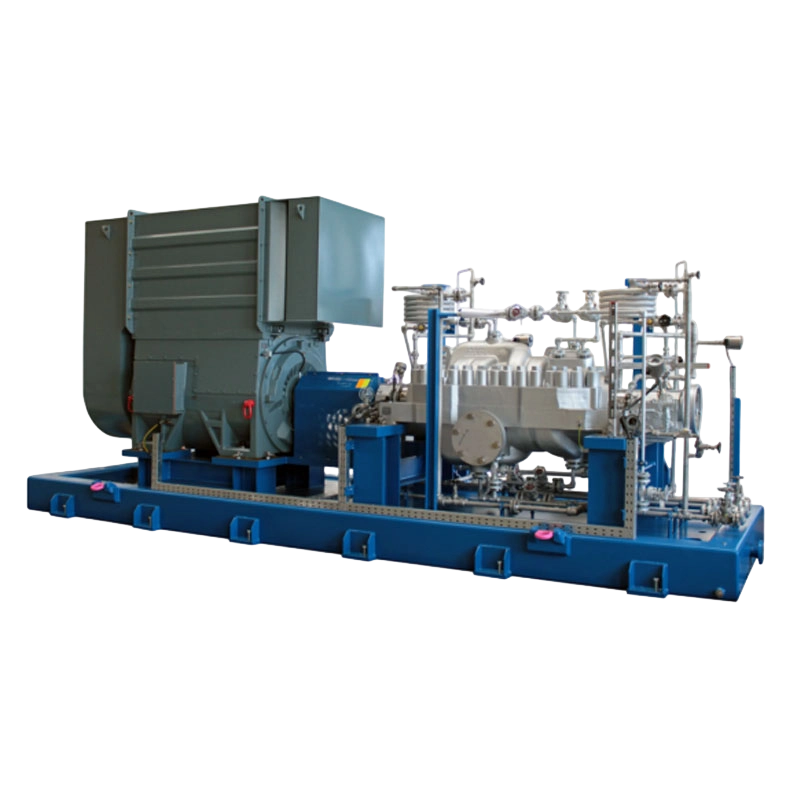
Our API 610 BB3 pumps are centerline-mounted, multistage units featuring an axially split casing with single suction and between-bearing construction....
See Details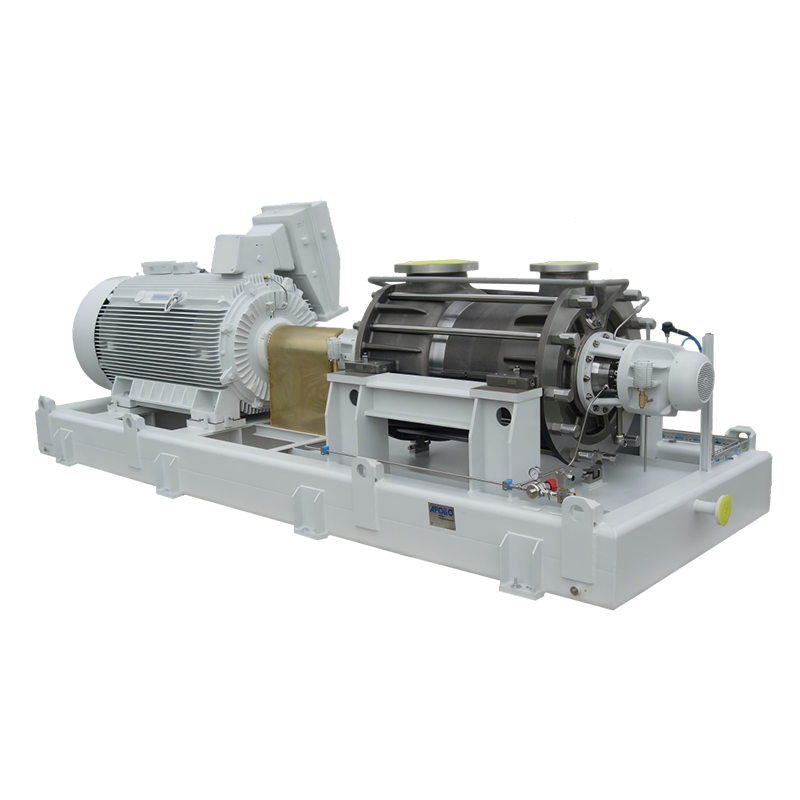
Our API 610 BB4 pumps are centerline-mounted, multistage units with radially split casings, available in both single and double suction configurations...
See Details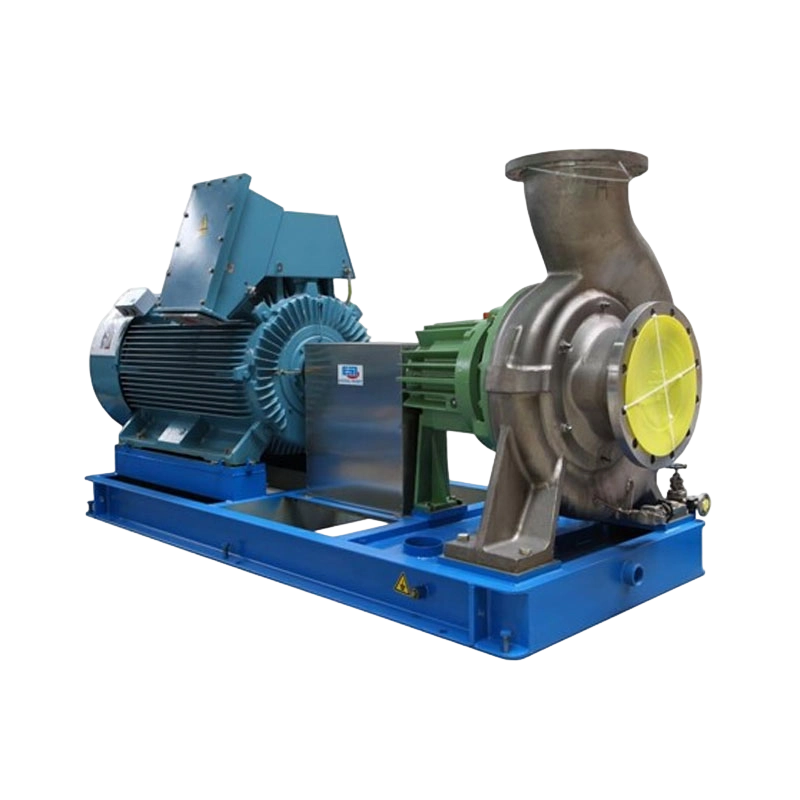
Our standard API 610 OH1 pumps are engineered as foot-mounted, single-stage, overhung units with a dedicated bearing housing. The pump and motor are f...
See DetailsCopyright © Welcome to Chemical Pump Factory - Jiangsu Feixiang Pump Manufacturing All rights reserved. Chemical Pumps Manufacturers

 +86-18052670932
 +86-0523-84326888
 No. 35, Xinqiao Middle Road, Xinqiao Town, Jingjiang City, Jiangsu Province, China