

 en
en  русский
 Español
HJ Chemical Process Pump
Cat:Chemical Process Pump
1. Overview of the HJ chemical process pump HJ corrosion-resistant chemical process pump is a single-stage single-suction cantilever centrifugal pump....
See DetailsContent
A plant engineer once asked us why a new hot oil pump kept tripping on low flow every time his reactor reached 280 °C. The pump had been selected correctly on flow and head, but the circuit's minimum flow was below the pump's safe operating window. Within two weeks, the mechanical seal failed. The pump was right on paper and wrong in practice.
A hot oil pump is not a water pump with a higher temperature rating. It must handle high seal-chamber temperatures, thermal expansion, viscous cold starts, and the fact that a leaking seal means atomized hot oil near a heat source. In this guide, we explain what decides whether a hot oil pump runs for years or fails in months: temperature margin, sealing arrangement, bearing cooling, materials, and the minimum-flow behavior of your system.
For practical purposes, a hot oil pump is a centrifugal pump engineered to circulate thermal oil, heat transfer fluid, or similar hydrocarbons at temperatures beyond the limits of standard elastomeric seals and soft gland packing, typically above 150 °C. In most heat transfer loops, the working temperature sits between 200 °C and 350 °C, and the fluid is pressurized to suppress vaporization or to feed a reactor jacket.
At these temperatures, several design features separate a true hot oil pump from a general-purpose chemical pump:
This is the exact duty for which our AY high-temperature hot oil centrifugal pump is built: a purpose-designed hot oil machine, not a modified standard pump. Simpler designs can work in light heating loops, but the selection rule stays the same: choose the pump for the operating envelope, not just for the catalogue flow.
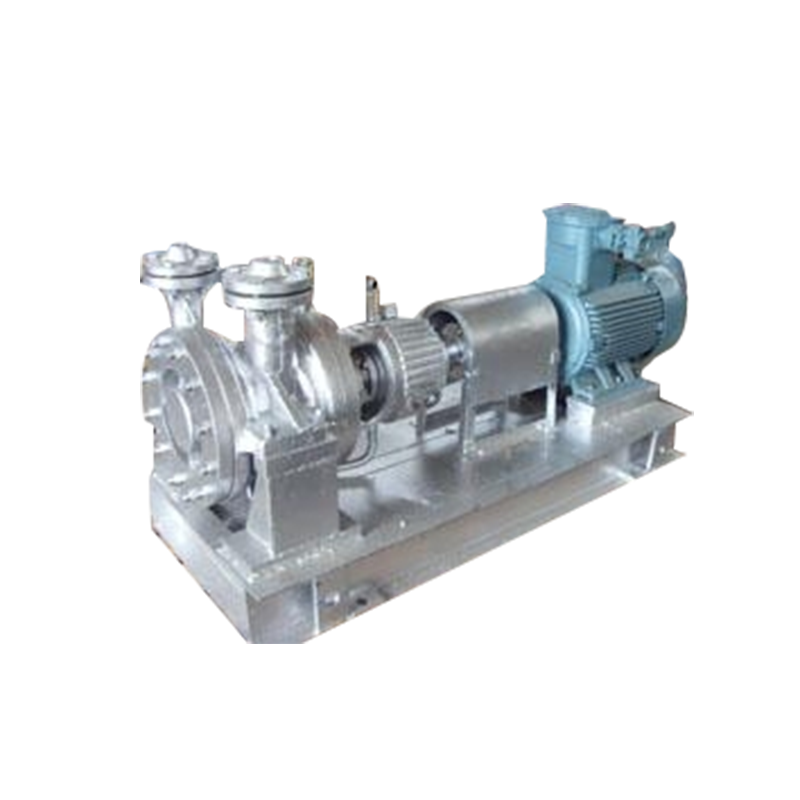 AY High Temperature Hot Oil Centrifugal Pump Manufacturers, Factory - Jiangsu FeJiangsu Feixiang Pump is china AY High Temperature Hot Oil Centrifugal Pump Manufacturers and Wholesale AY High Temperature Hot Oil Centr...View Product →
The first decision is the operating envelope: temperature, viscosity, system pressure, and flow. These four values determine which materials, seal types, and hydraulic designs are acceptable.
Temperature is the most obvious. A 220 °C duty already rules out most standard pumps, although it is comfortable for properly designed hot oil pumps. At 300 °C and above, the number of acceptable elastomers, gaskets, and seal faces narrows quickly. Above 350 °C, special metallurgy and careful thermal-growth control become necessary.
Viscosity matters at cold start. Most thermal oils are thick at ambient temperature, so the pump needs NPSH margin and a motor sized for high-torque startup. Pressure matters at the shaft seal: the pump must contain the system pressure plus the vapor pressure of the thermal oil at the seal chamber. If fluid flashes at the seal face, the faces run dry and fail rapidly.
| Duty | Typical service | Dominant selection concern |
|---|---|---|
| Up to 250 °C | Heating coils, tanks, presses, small reactors | Seal temperature, cold-start viscosity |
| 250-350 °C | Reactor jackets, large heat transfer systems | Seal flush cooling, thermal expansion |
| Above 350 °C | High-temperature thermal oil and special hydrocarbon service | Metallurgy, bolting, gasket creep |
| Low flow, high head | Pilot plants, test rigs, dosing loops | Minimum flow, temperature rise, off-BEP operation |
The same forces that challenge high-pressure pumps also stress hot oil pumps; our review of high-pressure and high-temperature pump performance explains the failure mechanisms that appear in both applications.
Two subsystems decide hot oil pump life more than any other: the shaft seal and the bearing housing. Both fail by overheating, and both failures are preventable.
A hot oil pump is only as safe as its seal. Hot oil that leaks onto a hot pipe or flange can self-ignite, so the seal arrangement is a safety component, not a spare part. For most thermal oil duties, a single mechanical seal with carbon and silicon carbide faces and a high-temperature secondary seal (PTFE or equivalent) is the practical baseline. If the seal chamber pressure is high, the fluid is flashing, or the site cannot accept any leakage, a double seal with barrier fluid or a sealless design should be evaluated.
A correct flush plan matters more than the seal itself. The goal is to keep the seal chamber cool, clean, and liquid. That same philosophy underlies our guidance on leak-free performance in demanding chemical service, and it applies directly to hot oil.
At casing temperatures above 200 °C, heat conducts through the shaft and housing into the rolling-element bearings and their lubricant. Once bearing temperature climbs above roughly 90 °C, grease life shortens dramatically and standard oil lubrication becomes marginal.
Hot oil pumps therefore use fan-cooled or water-cooled bearing housings. Fan cooling is simple and needs no utilities, but it has a limit. Water-cooled housings remove more heat and suit continuous high-temperature service, at the cost of a cooling-water connection and routine cleaning of the water jacket.
One of the most frequent requests we receive is for a small pump that can move low flow at around 220 °C. Small pumps are difficult in high-temperature duty because their surface area is small, their seal chamber is tight, and there is little room for cooling features.
The physics to watch is temperature rise. At low flow, most of the hydraulic power converts into heat, and at low flow rates that heat is not carried away. A pump forced to recirculate at 10 percent of its best-efficiency flow can raise the oil temperature by dozens of degrees, accelerating coking and destroying the seal.
The practical fixes are straightforward:
When a loop needs high head at modest flow, a multistage layout spreads the pressure rise and reduces the load per stage. Our ZD self-balancing high-temperature multistage pump addresses exactly this situation, where a single-stage pump would run far off its hydraulic sweet spot.
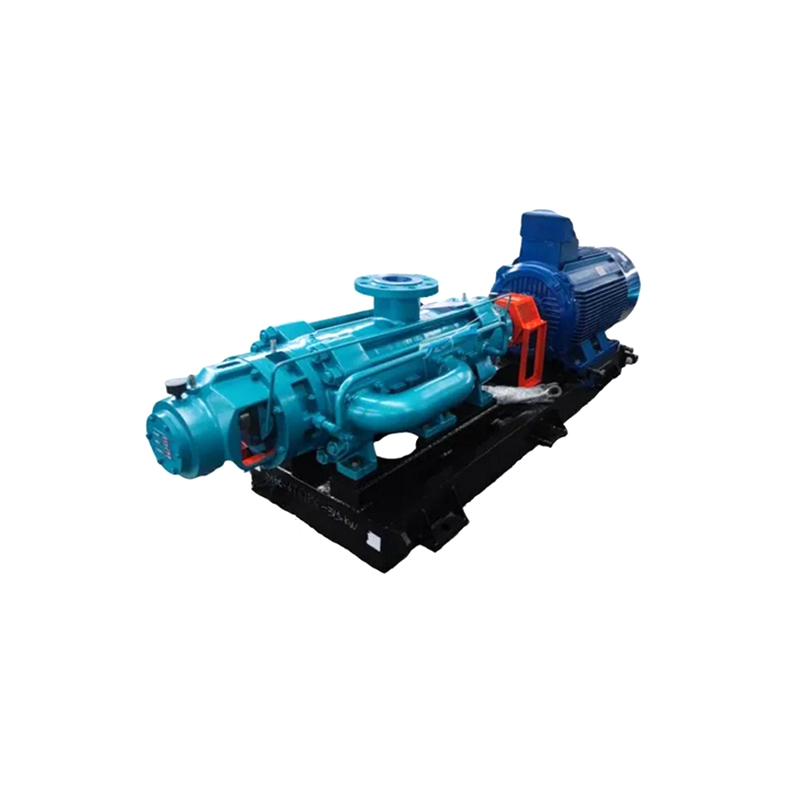 ZD Self-Balancing High Temperature Multi-Stage Pump Manufacturers, Factory - JiaJiangsu Feixiang Pump is china ZD Self-Balancing High Temperature Multi-Stage Pump Manufacturers and Wholesale ZD Self-Balancing High Tem...View Product →
Material selection for hot oil pumps is never only about corrosion; it is about dimensional stability and joint reliability at operating temperature.
Casings for hot oil service are commonly cast steel or ductile iron rather than plain cast iron, because the loop cycles between stand-by and operating temperatures. Impeller and wear-ring clearances must account for thermal growth so the rotating assembly does not rub when hot. Bolting must resist high-temperature creep and should be retorqued after the first thermal cycles.
Gaskets are a common failure point. Fibre and elastomer gaskets creep, harden, or blow out during thermal cycling, so spiral-wound gaskets with proper joint design are the norm in hot oil lines.
Piping loads deserve equal attention. As the system heats up, attached piping moves, and nozzle loads from thermal expansion can misalign the pump and overload the seal. Allow the piping to flex, support it correctly, and re-check shaft alignment at operating temperature after commissioning.
The same discipline applies across the pump range; our guide to material selection for pumps in corrosive and abrasive service shows how a small change in metallurgy can extend pump life considerably.
The best hot oil pump will not survive poor commissioning. Most premature failures trace back to thermal shock, dry running during start-up, or operation below minimum flow.
During start-up, the casing and piping heat faster than the rotating assembly. A rapid temperature ramp can bind clearances and distort the seal housing. Use a warm-up line or slow rotation to bring the pump up gradually. For standby pumps, rotate the shaft periodically to prevent thermal bowing, and in critical plants keep the standby pump hot and ready.
Never dead-head a hot oil pump for more than a few seconds. Closed-discharge operation heats the trapped fluid rapidly, and thermal oil can coke against the casing wall, permanently damaging the hydraulics.
Track bearing housing temperature, vibration velocity, and seal flush flow. A rising bearing temperature or vibration trend gives weeks of warning before failure. Change bearing lubricant according to the actual housing temperature, not a generic calendar interval.
Inspect seal flush pressure and flow regularly; a blocked flush line is the most common cause of sudden seal failure in hot oil service. Early detection of oil weeping around the gland is inexpensive, whereas a fully developed hot oil leak is a serious safety event.
For refinery and petrochemical duties where high pressure and high temperature appear together, the ZE high-temperature high-pressure petrochemical process pump in its heavy-duty configuration combines the heavier casing, bolting, and bearing architecture those conditions demand.
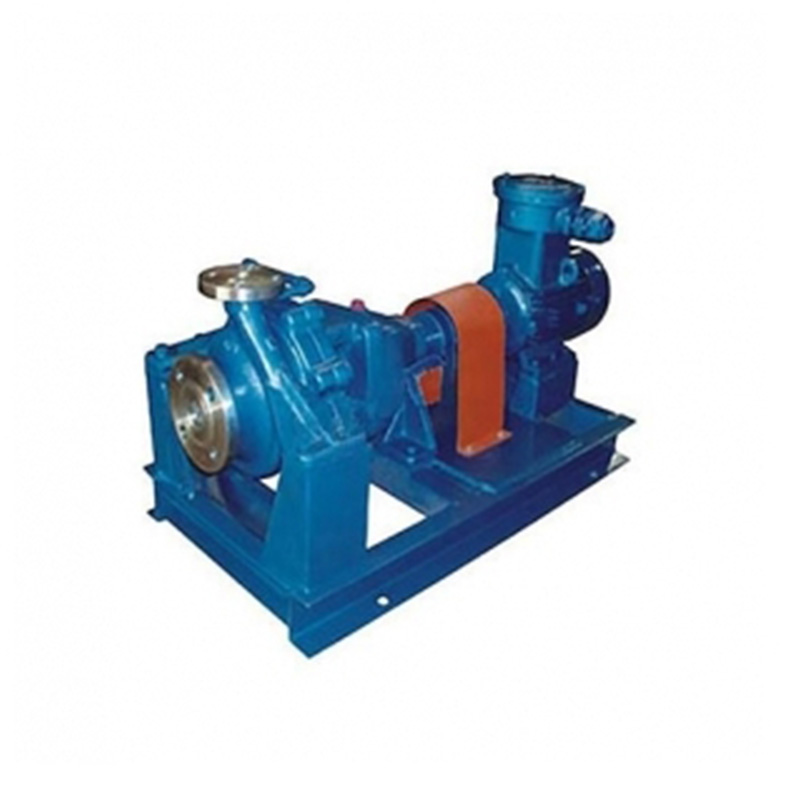 ZE High Temperature And High Pressure Petrochemical Process Pump (Heavy Duty) MaJiangsu Feixiang Pump is china ZE High Temperature And High Pressure Petrochemical Process Pump (Heavy Duty) Manufacturers and Wholesale ...View Product →
A reliable hot oil pump is not the one with the highest temperature on the nameplate. It is the pump whose seal is correctly cooled, whose bearing housing is protected from conducted heat, whose materials suit the thermal cycle, and whose hydraulics stay inside the safe operating window. Define the envelope first, protect the seal and bearings second, respect minimum flow, and your hot oil loop will deliver the uptime you specified.
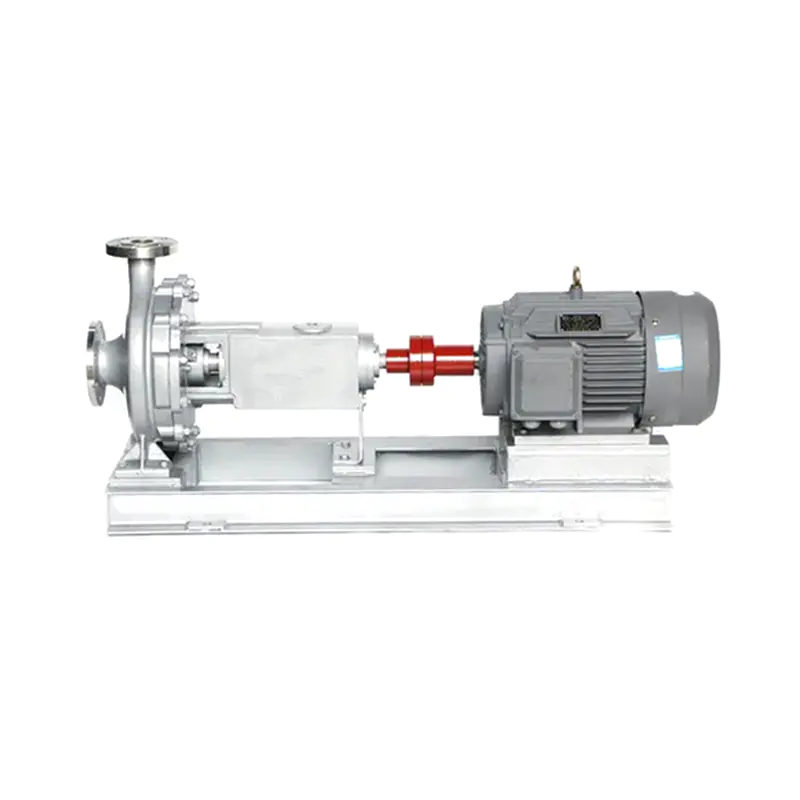
1. Overview of the HJ chemical process pump HJ corrosion-resistant chemical process pump is a single-stage single-suction cantilever centrifugal pump....
See Details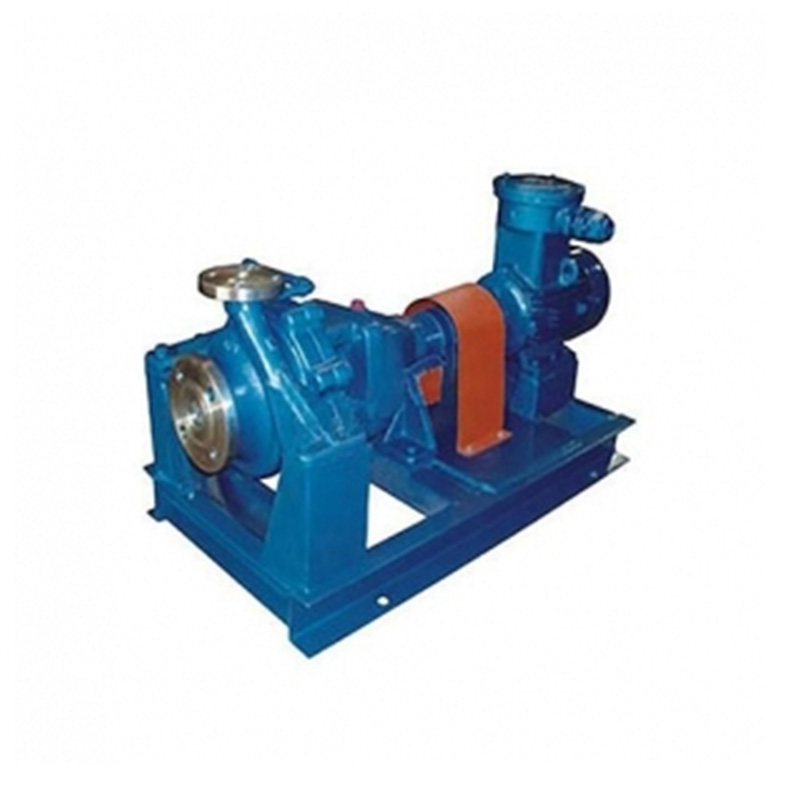
1. Overview of ZE petrochemical process pump ZA and ZE petrochemical pumps are single-stage horizontal centrifugal pumps. The pump body of the ZA-type...
See Details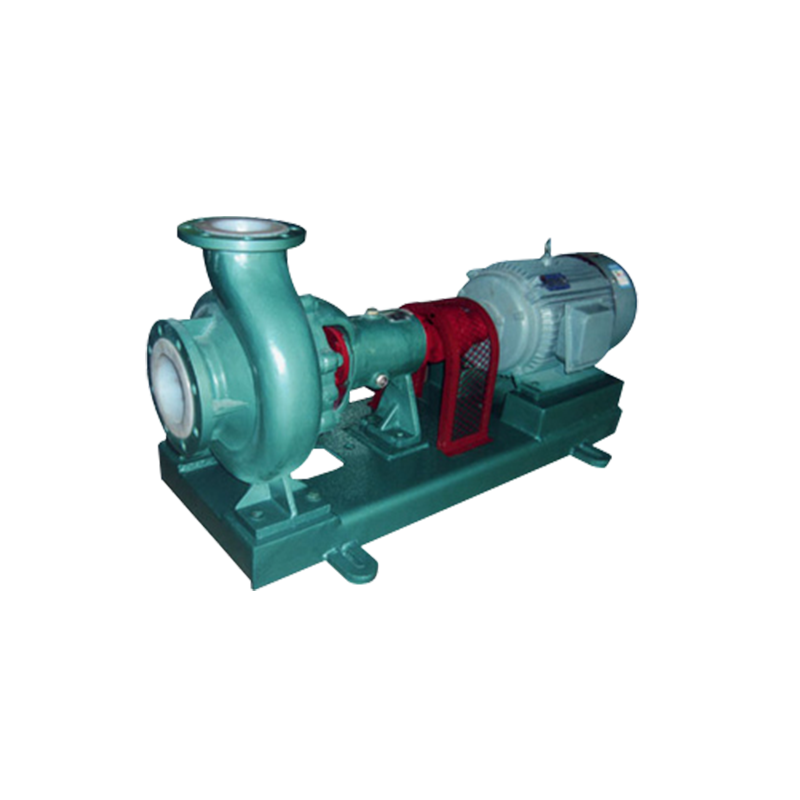
IHF fluorine-lined chemical pump is characterized by a reasonable and advanced structure, strong corrosion resistance, tight and reliable mechanical s...
See Details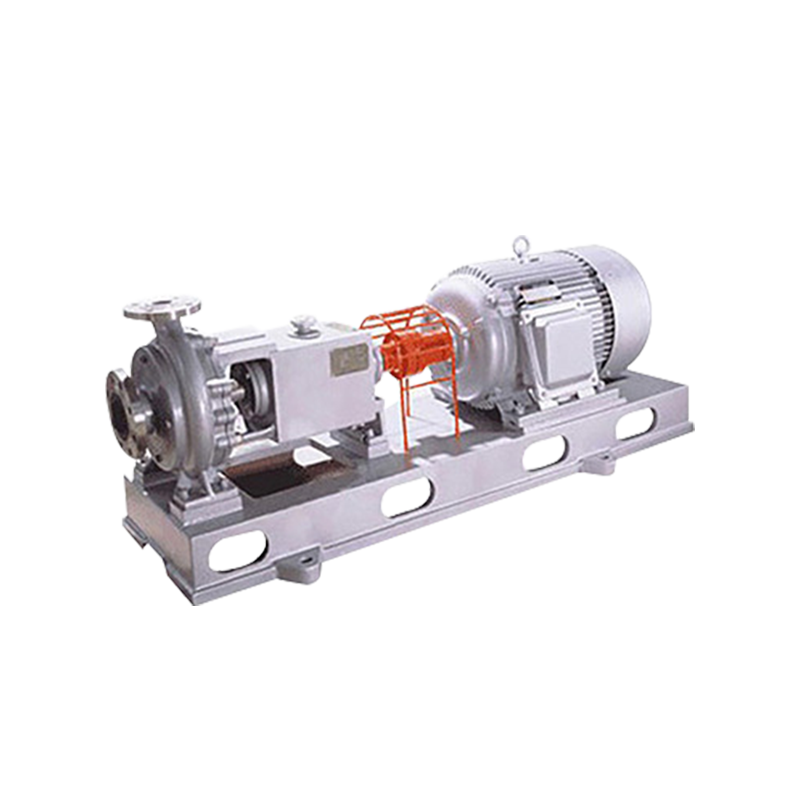
IJ series corrosion-resistant pump is a single-stage, single-suction cantilever centrifugal pump. Its marking, rating characteristics, and dimensions ...
See Details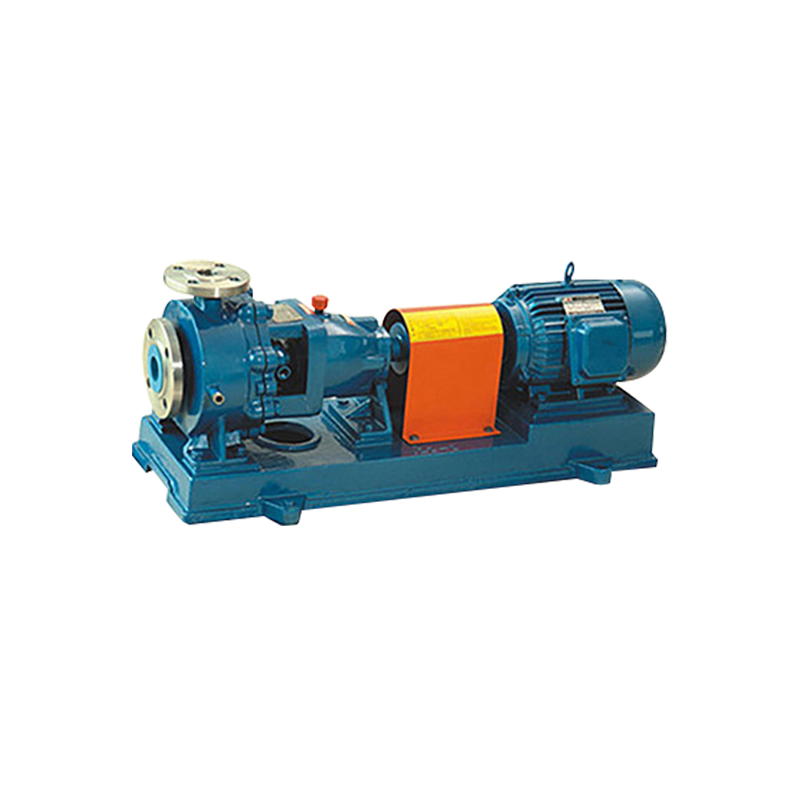
Detailed description of IN series jacketed stainless steel thermal insulation pump, steam thermal insulation, corrosion resistance, crystallization re...
See Details
The molten salt submerged pump is a specialized high-temperature pump developed by Jiangsu Feixiang Pump Industry Co., Ltd. This product series was cr...
See Details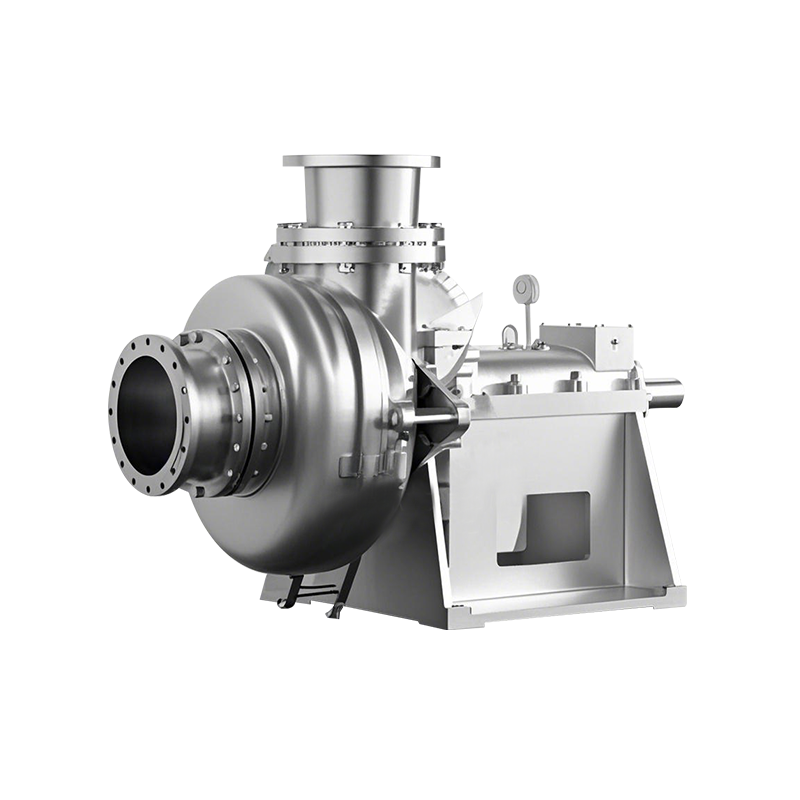
The mixed-flow pump, also known as the diagonal flow pump, is a type of pump that falls between the centrifugal pump and the axial-flow pump. It is su...
See Details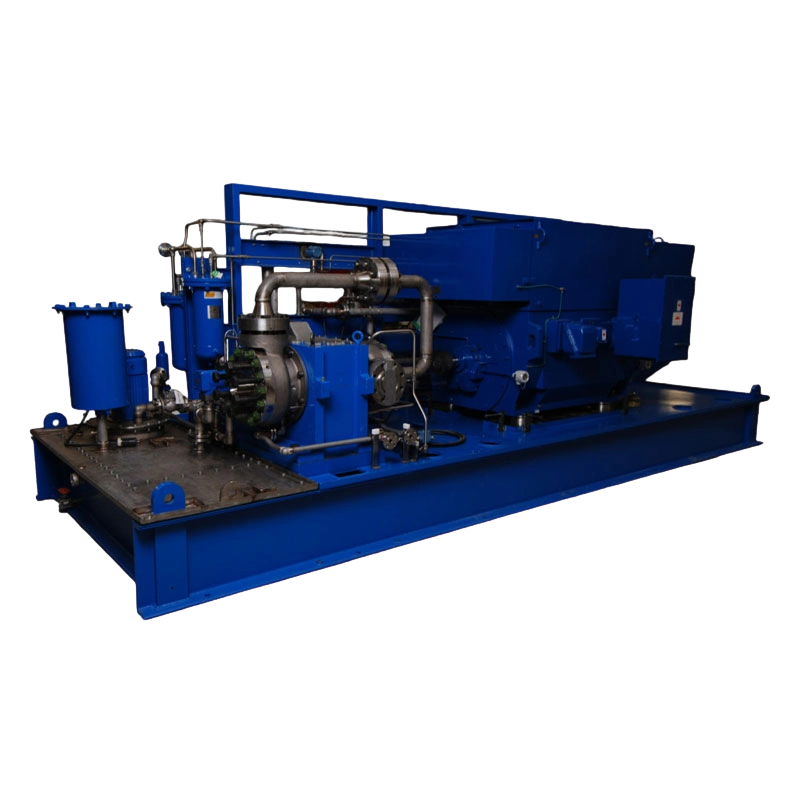
Our API 610 OH6 pumps represent a heavy-duty, multi-stage solution with an integrally geared design. Engineered for exceptional reliability, these pum...
See DetailsCopyright © Welcome to Chemical Pump Factory - Jiangsu Feixiang Pump Manufacturing All rights reserved. Chemical Pumps Manufacturers

 +86-18052670932
 +86-0523-84326888
 No. 35, Xinqiao Middle Road, Xinqiao Town, Jingjiang City, Jiangsu Province, China