

 en
en  русский
 Español
CZ Standard Chemical Process Pump
Cat:Chemical Process Pump
1. Performance range of CZ type chemical pump (according to design point) Flow: Q 1.6-1500m3/h Lift: H 5-125m Working pressure: P less than or equal t...
See DetailsContent
Chemical pumps are a specialized category of fluid-handling equipment engineered specifically to transfer corrosive, toxic, abrasive, flammable, or otherwise hazardous liquids in industrial environments. Unlike standard water pumps or general-purpose centrifugal units, chemical pumps are constructed from materials and sealing systems that can withstand prolonged contact with aggressive substances such as sulfuric acid, hydrochloric acid, sodium hydroxide, solvents, bleach, and chlorinated compounds without degrading, leaking, or failing prematurely.
The distinction matters enormously from a safety and operational standpoint. A pump that is not rated for the chemical it handles can suffer rapid internal corrosion, seal failure, or catastrophic housing fracture — releasing hazardous fluid into the work environment, contaminating process streams, and exposing workers to serious injury. Selecting the right chemical pump is therefore not simply a performance decision; it is a fundamental safety and regulatory compliance requirement in industries ranging from water treatment and pharmaceuticals to petrochemicals, metal finishing, and semiconductor manufacturing.
Chemical pumps are available in several operating principles, each suited to specific fluid properties, flow rates, pressure requirements, and process conditions. Understanding the functional differences between types is the foundation of correct pump selection.
Centrifugal chemical pumps are the most widely used type in process industries. They convert rotational kinetic energy from an impeller into fluid velocity and pressure. These pumps excel at handling large flow volumes at moderate pressures and are well suited for continuous, steady-state transfer operations such as circulating acid in pickling lines, dosing treatment chemicals in water plants, or moving solvents between storage tanks and reactors. Their simple internal geometry — with few moving parts — makes them easy to maintain and clean. For chemical service, they are typically constructed in stainless steel, fiberglass-reinforced polypropylene, PVDF, or high-alloy metals depending on the fluid.
Magnetic drive pumps use a rear magnet assembly coupled through a containment shell to an inner magnet connected to the impeller, eliminating the need for a dynamic shaft seal entirely. This sealless design makes them the preferred choice for handling highly toxic, carcinogenic, or ultra-pure chemicals where even a minor leak is unacceptable. Common applications include transferring fuming acids, highly volatile solvents, and pharmaceutical intermediates where product purity and worker safety are paramount. The containment shell — typically made from PTFE, PEEK, or ceramic — must be carefully matched to the fluid to prevent permeation or chemical attack.
Air-operated double-diaphragm (AODD) pumps use alternating diaphragm flexing driven by compressed air to displace fluid through check valves. Because the fluid never contacts the drive mechanism, they handle slurries, viscous fluids, shear-sensitive materials, and solids-laden chemical streams that would damage centrifugal impellers. They are self-priming, can run dry without damage, and can be stopped instantaneously by cutting the air supply — a valuable safety feature in chemical dosing and emergency shutdown scenarios. PTFE-lined diaphragm pumps cover the widest range of chemical compatibility.
Peristaltic pumps move fluid by compressing a flexible tube or hose in a rolling wave motion. The fluid contacts only the tube interior, making these pumps ideal for metering precise volumes of aggressive or high-purity chemicals in analytical, laboratory, and water treatment dosing applications. Tube material selection — among options including natural rubber, Viton, silicone, and PTFE-lined hose — determines chemical compatibility. Their inherent self-priming and gentle pumping action also suits shear-sensitive biological fluids and polymer solutions.
Gear pumps and rotary lobe pumps are positive displacement units suited for transferring viscous chemicals such as resins, adhesives, concentrated acids, and polymer solutions that centrifugal pumps cannot handle efficiently. They deliver a consistent flow volume per revolution regardless of discharge pressure, making them suitable for metering applications. Chemical-grade gear pumps are typically constructed from stainless steel, Hastelloy, or titanium and fitted with mechanical seals or magnetic couplings depending on the fluid hazard level.
The construction material of a chemical pump is arguably more important than its operating principle. A pump built from incompatible materials will fail regardless of how well it is sized for the flow and pressure requirements. The following table summarizes common pump materials and their chemical service suitability:
| Pump Material | Suitable Chemicals | Key Limitations |
| 316 Stainless Steel | Mild acids, alkalis, food-grade chemicals, water | Not suitable for chlorides, hydrochloric acid |
| Hastelloy C-276 | Oxidizing acids, chlorinated compounds, wet chlorine | High cost; avoid strong reducing acids |
| PVDF (Kynar) | Hydrochloric acid, sulfuric acid, halogens, bleach | Limited to below 120°C; avoid strong solvents |
| Polypropylene (PP) | Dilute acids, alkalis, salt solutions, plating chemicals | Limited to below 80°C; not for aromatic solvents |
| PTFE-lined | Almost universal chemical resistance including fuming acids | Permeation possible with some solvents; high cost |
| Titanium | Chloride-rich environments, seawater, nitric acid | Not suitable for dry chlorine, fuming nitric acid |
Beyond the wetted components — impeller, casing, and shaft — the sealing system material is equally critical. Mechanical seal faces are commonly made from silicon carbide, carbon graphite, or alumina ceramic, each with different compatibility profiles. Elastomeric O-rings and gaskets must also be specified in materials compatible with the process fluid; Viton (FKM) covers a broad range of chemical service, while EPDM, PTFE, and Kalrez offer solutions for more extreme or specialized applications.
Correct pump sizing is as important as material selection. An oversized pump wastes energy and operates inefficiently on its curve, while an undersized pump fails to meet process flow and pressure requirements. The following parameters must be defined precisely before selecting a chemical pump:
The shaft sealing system is the most failure-prone component in any chemical pump with a conventional shaft entry. Mechanical seals consist of a rotating face mounted on the shaft and a stationary face fixed in the pump housing, held in contact by spring pressure and a barrier fluid or flush. Single mechanical seals are adequate for mildly hazardous chemicals, while double mechanical seals — with a pressurized barrier fluid between two seal faces — are required for toxic, carcinogenic, or high-vapor-pressure chemicals to prevent any process fluid from reaching the atmosphere.
For the most hazardous applications, sealless pump designs — either magnetic drive or canned motor — eliminate the dynamic shaft seal entirely. In a canned motor pump, the motor rotor and pump impeller share the same shaft enclosed within a sealed, fluid-filled containment shell, making external shaft sealing unnecessary. These designs carry a premium cost and require careful attention to the containment shell material and internal bearing lubrication by the process fluid, but they provide the highest level of leakage prevention available in rotodynamic pump technology.
Even the best-specified chemical pump will underperform or fail prematurely if installed, operated, or maintained incorrectly. The following practices are essential for maximizing reliability and service life in chemical service:
Chemical pumps serve across a remarkably broad spectrum of industries, and the specific demands of each sector drive distinct pump design and material requirements. In the water and wastewater treatment industry, chemical pumps dose coagulants, pH adjustment chemicals, disinfectants such as sodium hypochlorite, and flocculants into process streams — applications requiring high reliability, accurate flow control, and compatibility with oxidizing chemicals. Peristaltic and diaphragm metering pumps dominate this sector.
In semiconductor and electronics manufacturing, ultrapure chemical handling demands that pumps introduce zero contamination into process chemicals. PTFE-lined magnetic drive pumps and high-purity PVDF centrifugal pumps are specified here, with surface finish and extractable levels tightly controlled to semiconductor industry standards such as SEMI F57. The pharmaceutical sector similarly demands pumps that meet cGMP requirements, with full traceability of materials, electropolished stainless steel wetted surfaces, and designs that support clean-in-place (CIP) and steam-in-place (SIP) sterilization cycles without disassembly.
In the petrochemical and chemical processing industry, pumps must handle hydrocarbons, acids, caustics, and reaction intermediates at elevated temperatures and pressures, often in hazardous area classifications requiring ATEX or NEC-rated motors and explosion-proof electrical connections. API 685 and ISO 15783 standards govern sealless pump design for this sector, while API 610 covers centrifugal pump requirements for general petroleum service. Understanding which standard applies to a given application ensures that the specified chemical pump meets the engineering rigor required for safe, long-term industrial operation.
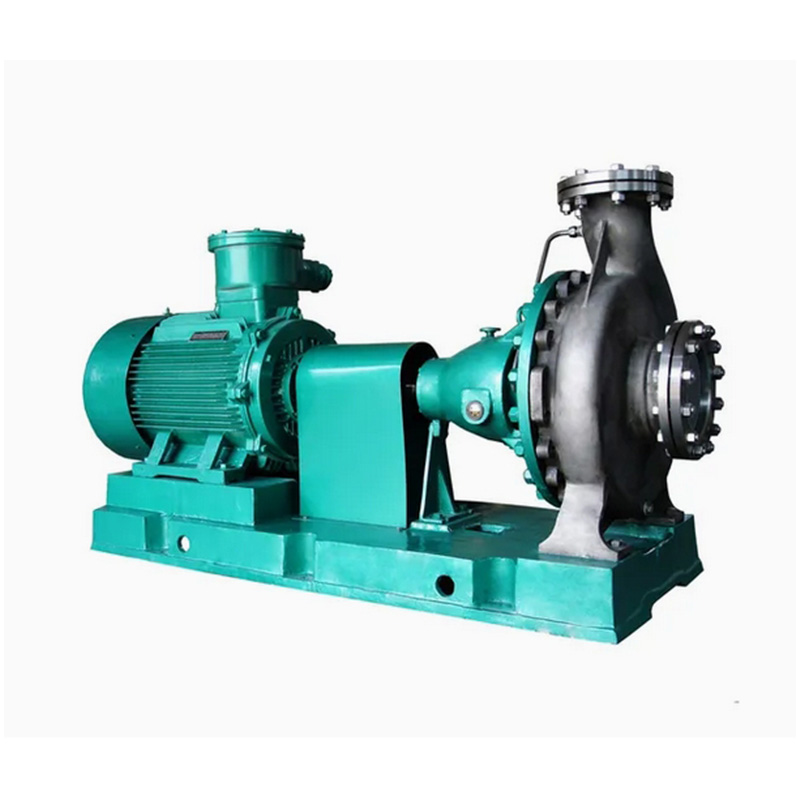

1. Performance range of CZ type chemical pump (according to design point) Flow: Q 1.6-1500m3/h Lift: H 5-125m Working pressure: P less than or equal t...
See Details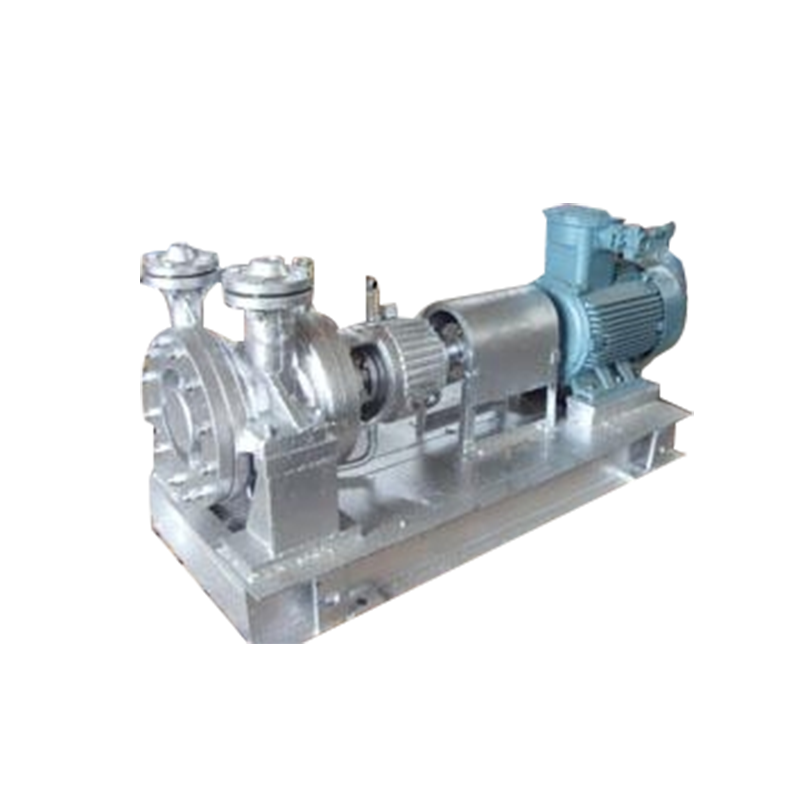
AY type oil pump is divided into two structural forms: single-stage single-suction cantilever type, two-stage single-suction cantilever type, single-s...
See Details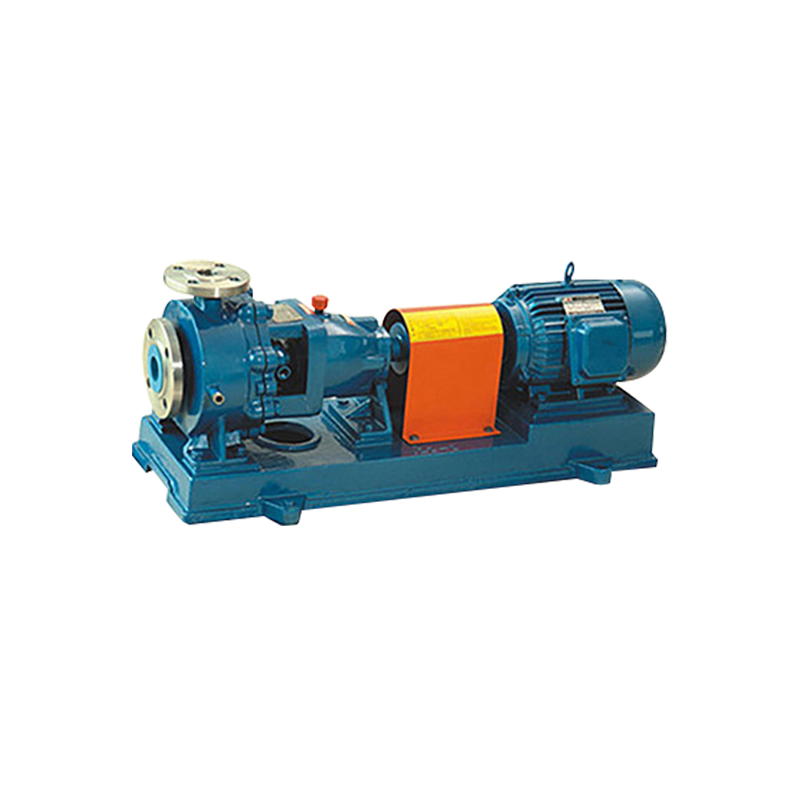
Detailed description of IN series jacketed stainless steel thermal insulation pump, steam thermal insulation, corrosion resistance, crystallization re...
See Details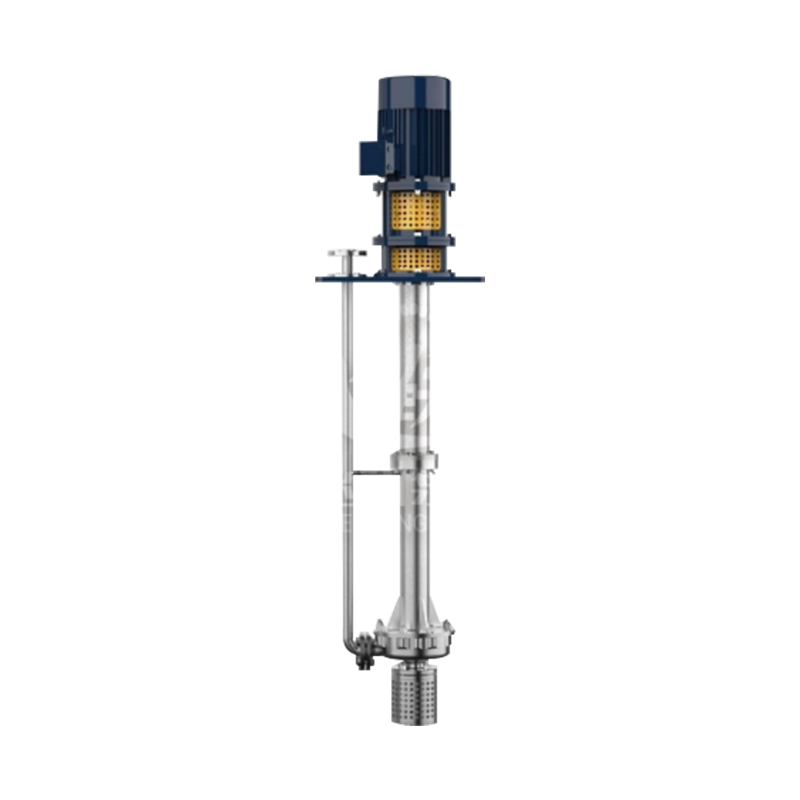
Overview The non-metallic vertical submerged pump is designed for handling corrosive media within a temperature range of 0°C to 120°C, free from solid...
See Details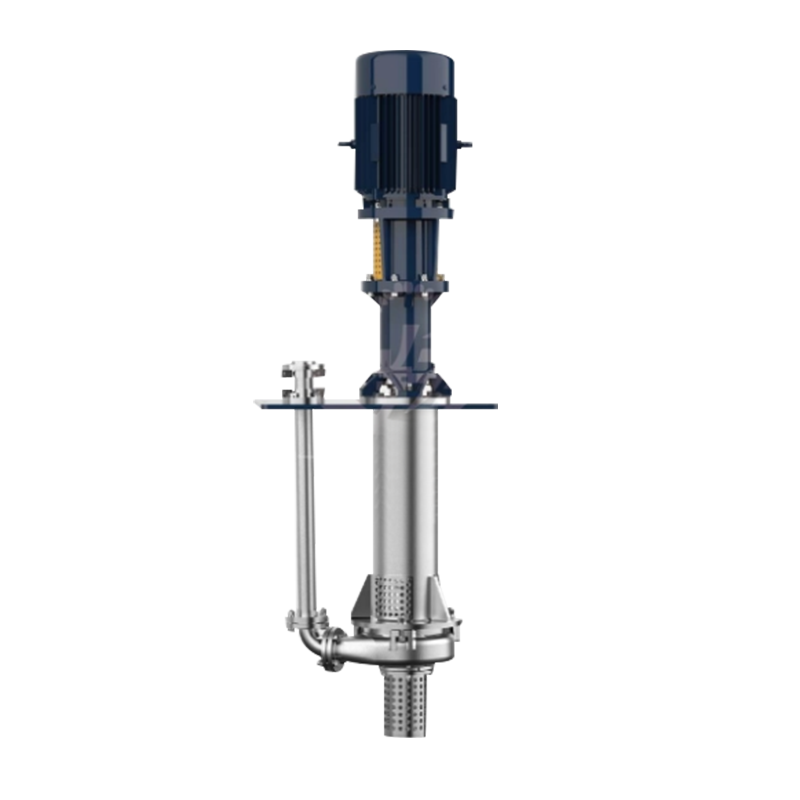
The slurry submerged pump is a cantilevered vertical design developed by our company, combining advanced features from both domestic and international...
See Details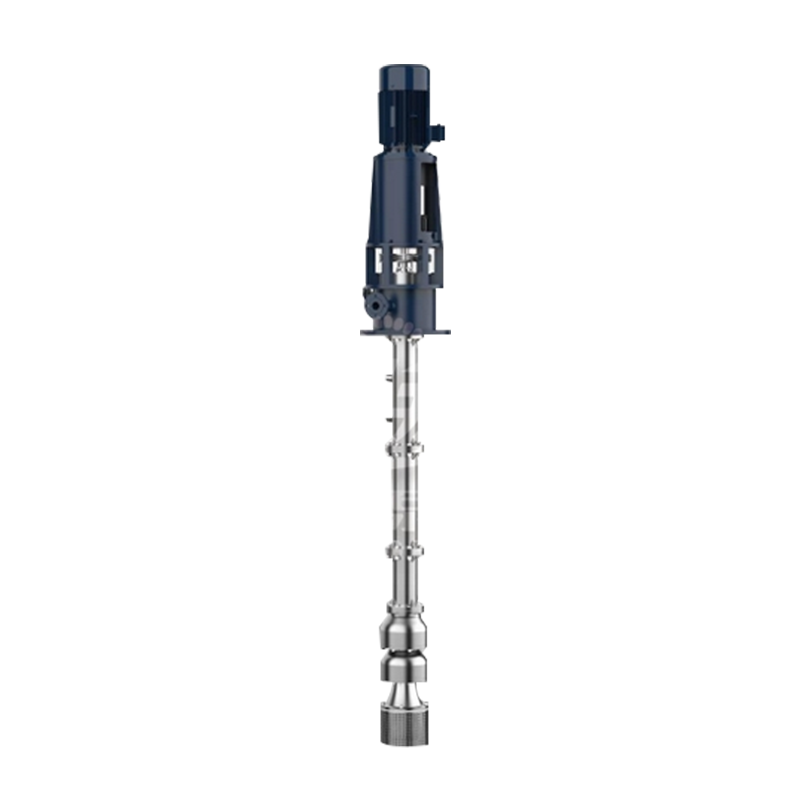
The molten salt submerged pump is a specialized high-temperature pump developed by Jiangsu Feixiang Pump Industry Co., Ltd. This product series was cr...
See Details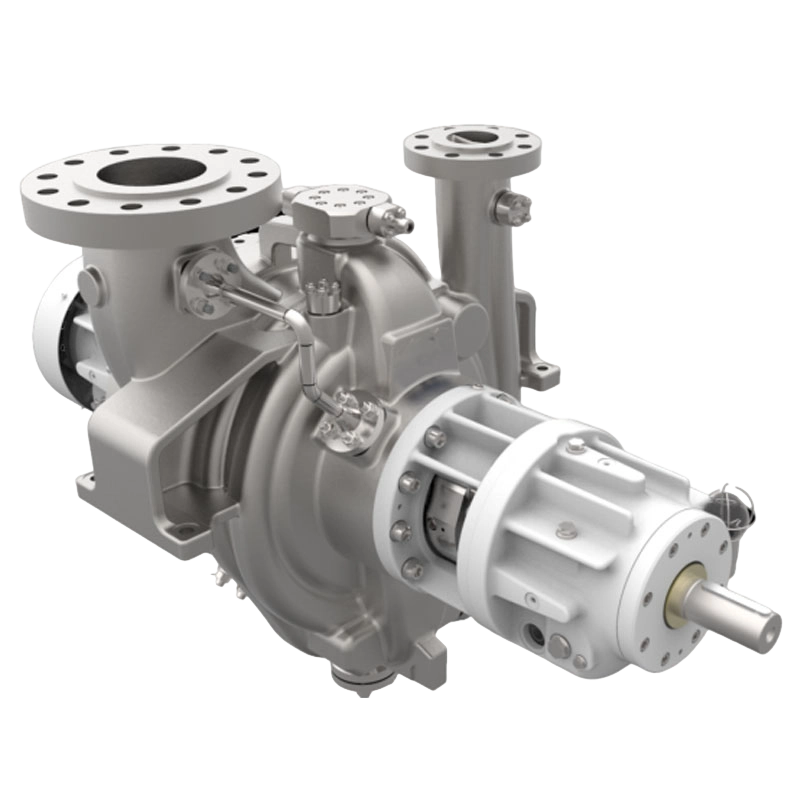
Our standard API 610 BB2 pumps feature a centerline-mounted, radially split casing with double suction and between-bearing construction. The pump and ...
See Details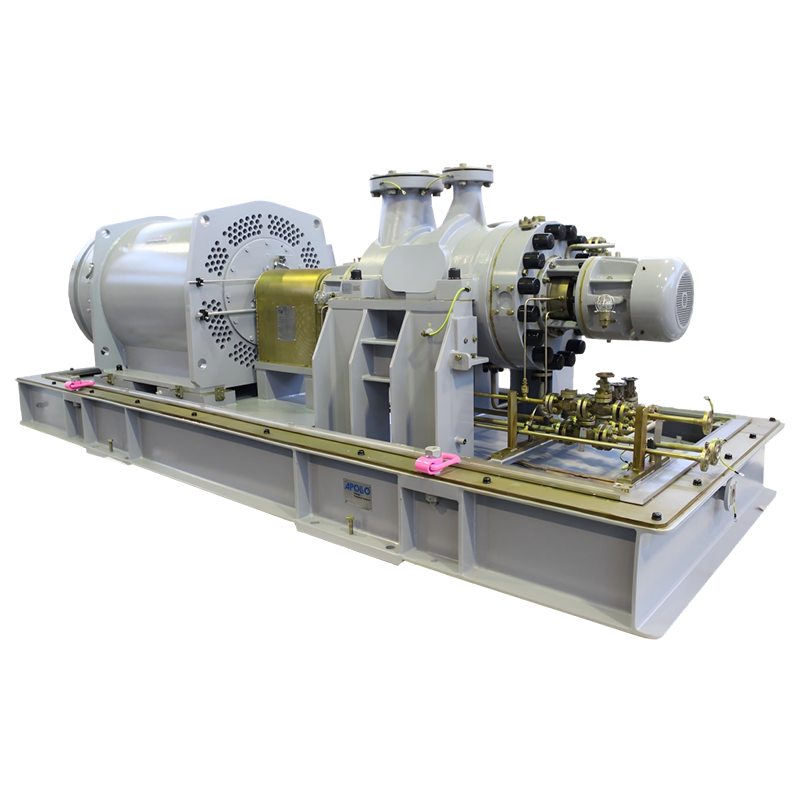
Our API 610 BB5 pumps feature a double-casing, radially split multistage configuration in a between-bearing barrel pump design. The pump and motor are...
See Details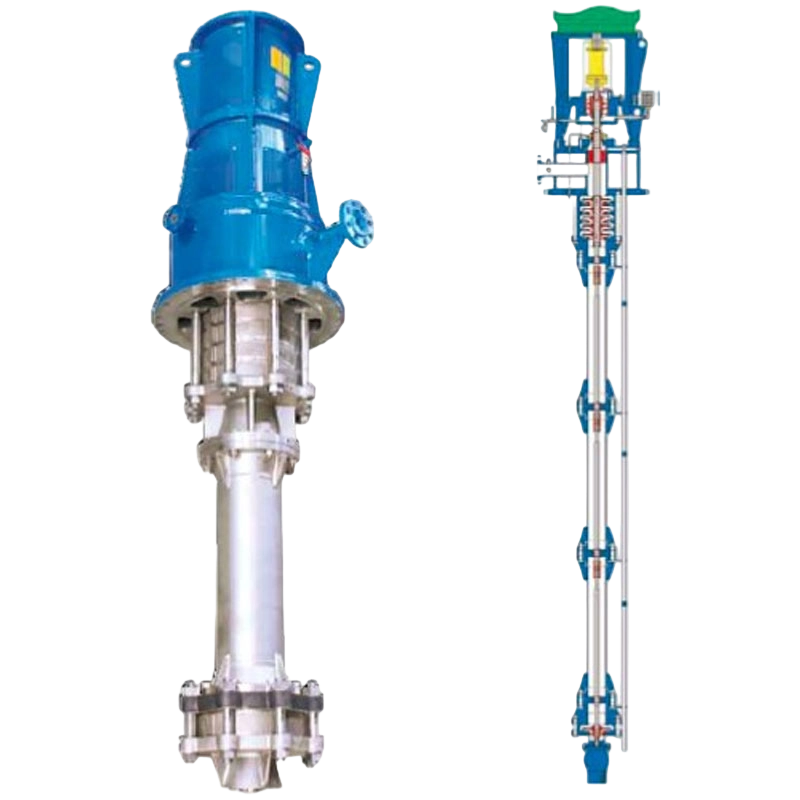
Our API 610 VS1 sump pumps feature a vertically suspended configuration with radial-split single casing, available in both single and multi-stage diff...
See Details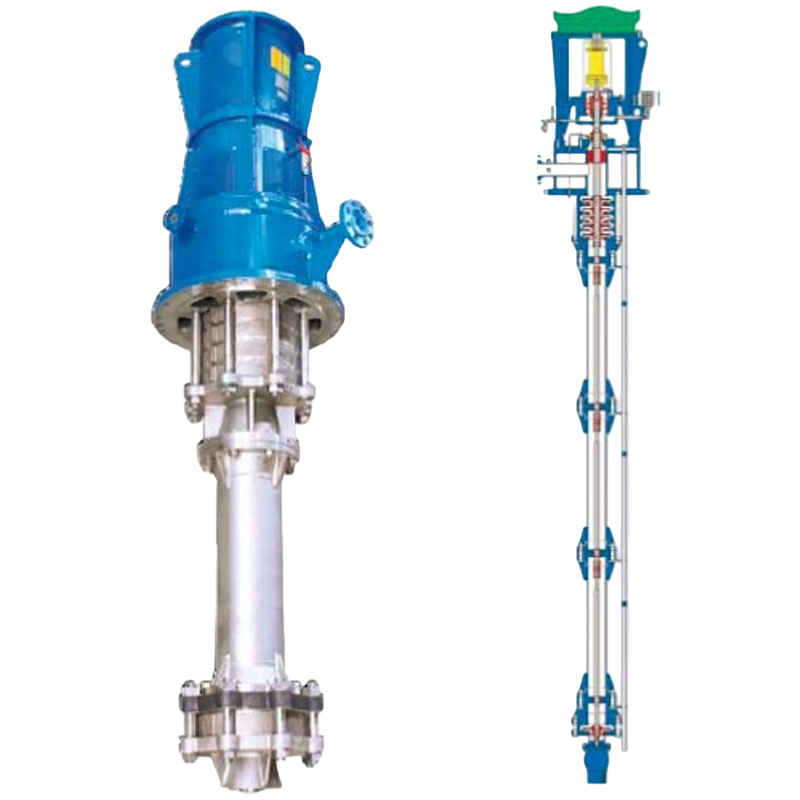
Our API 610 VS2 sump pumps feature a vertically suspended design with radially split single casing, available in single or multi-stage volute configur...
See DetailsCopyright © Welcome to Chemical Pump Factory - Jiangsu Feixiang Pump Manufacturing All rights reserved. Chemical Pumps Manufacturers

 +86-18052670932
 +86-0523-84326888
 No. 35, Xinqiao Middle Road, Xinqiao Town, Jingjiang City, Jiangsu Province, China