

 en
en  русский
 Español
IH Type Horizontal Chemical Centrifugal Pump
Cat:Chemical Process Pump
The IH type chemical centrifugal pump is a single-stage single-suction (axial suction) cantilever centrifugal pump, which is used to transport liquids...
See DetailsContent
Most centrifugal pumps require the pump casing and suction line to be fully filled with liquid before they can operate. If air enters the system, the pump loses its ability to generate pressure and simply spins without moving any fluid — a condition known as air binding. Self-priming pumps are specifically engineered to overcome this limitation. They can evacuate air from the suction line and create a vacuum strong enough to draw liquid up into the pump without any manual priming. This capability makes them indispensable in applications where the pump is installed above the liquid source or where the system is prone to running dry.
The fundamental difference lies in the internal design. Self-priming pumps retain a reservoir of liquid in the pump body even after the pump shuts down. When the pump restarts, this retained liquid mixes with incoming air, creating a two-phase mixture that is discharged. The process repeats until all the air is purged and steady liquid flow is established. This self-contained priming cycle eliminates the need for external priming devices, foot valves in many cases, and constant manual supervision.
Understanding the internal mechanics helps operators maintain and troubleshoot these pumps more effectively. The process involves several coordinated physical actions that occur within milliseconds of startup.
When the pump starts, the impeller rotates within the liquid that was retained in the pump casing from the previous operation. This rotation flings the liquid outward by centrifugal force, creating a low-pressure zone at the impeller eye. Air from the suction line is drawn into this low-pressure area and mixes with the recirculating liquid. The mixture is then directed to the separation chamber, where air bubbles rise to the surface and are expelled through the discharge port. The de-aerated liquid falls back and recirculates through the impeller again, repeating the cycle. Once all air has been removed from the suction line, the pump transitions seamlessly into normal pumping operation.
A critical component in this mechanism is the recirculation port or channel, which connects the discharge chamber back to the suction side of the impeller. During priming, this port allows liquid to recirculate internally rather than being pushed out the discharge line. Once priming is complete and sufficient system pressure builds, the recirculation flow naturally diminishes and normal flow through the discharge takes over. Some designs use a check valve or internal baffle to regulate this transition automatically.
Self-priming technology is available across several pump configurations, each suited to different fluid types, flow rates, and installation conditions. Selecting the right type requires understanding what each design offers.
| Pump Type | Best For | Key Characteristic |
| Centrifugal Self-Priming | Clean water, irrigation, fire systems | High flow rates, simple construction |
| Peripheral (Regenerative) | Low-flow, high-head applications | Excellent suction lift, handles thin liquids |
| Self-Priming Trash Pump | Wastewater, solids-laden fluids | Large impeller passages, robust casing |
| Self-Priming Chemical Pump | Acids, solvents, corrosive fluids | Corrosion-resistant materials, seal options |
| Diesel Engine-Driven | Remote sites, flood control | Portable, independent of electrical supply |
Self-priming pumps offer a compelling set of practical benefits that justify their higher initial cost compared to standard centrifugal pumps in many scenarios. These advantages span installation flexibility, operational reliability, and long-term maintenance considerations.
The versatility of self-priming pumps has led to their adoption across a broad range of industries. Their ability to handle air-liquid mixtures and restart automatically makes them particularly valuable in unattended or remote operations.
Farmers rely on self-priming centrifugal pumps to draw water from ponds, wells, rivers, and storage tanks positioned below the pump level. The ability to prime from suction lifts of 5–8 meters means irrigation systems can be designed with the pump at ground level, protected from flooding and easy to access for maintenance. Engine-driven portable models are especially popular for seasonal irrigation in fields without fixed electrical infrastructure.
Construction sites frequently require rapid removal of groundwater, rainwater, and slurry from excavations and foundations. Self-priming trash pumps — capable of passing solids up to 75mm in diameter — are the standard tool for this work. Their robust construction and diesel-powered options allow deployment anywhere on-site without depending on electrical connections.
Lift stations that handle sewage or stormwater runoff benefit from self-priming designs because these systems frequently experience varying inflow, which can introduce air into suction lines. Self-priming units maintain operation through these fluctuations without operator involvement, ensuring continuous drainage and preventing overflow events.
Chemical plants and industrial facilities use self-priming pumps to transfer acids, solvents, and other hazardous liquids from storage drums or tanks. The ability to locate the pump away from the liquid source improves worker safety, and seal options such as magnetic drive or double mechanical seals prevent toxic vapors from escaping into the work environment.
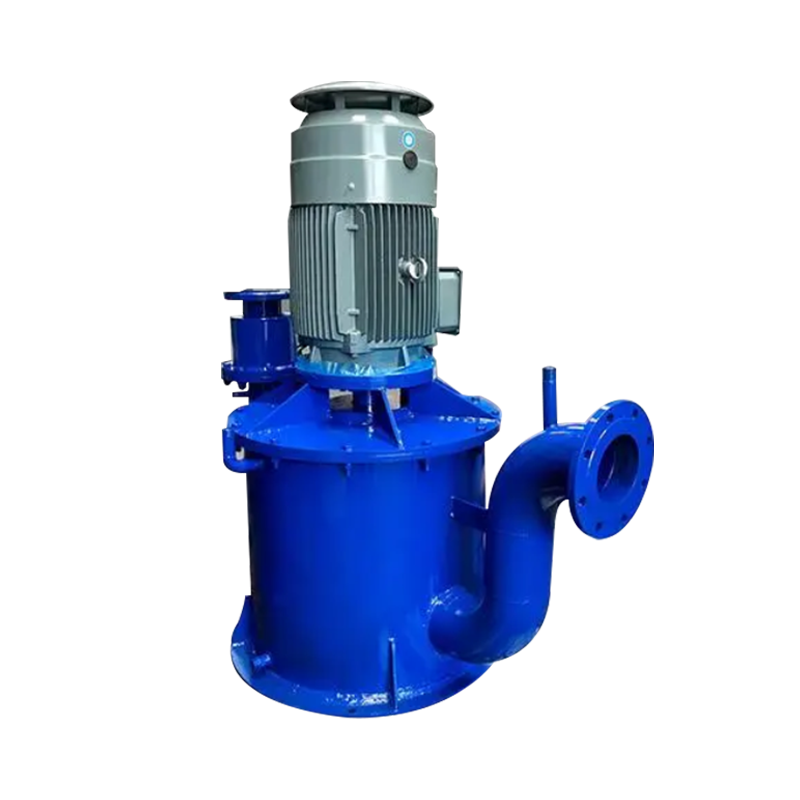
Choosing the correct pump requires matching the pump's technical specifications to the demands of the application. Making an incorrect selection leads to poor performance, premature wear, or complete failure to prime.
Even a correctly specified self-priming pump will underperform if installed improperly. Following proven installation guidelines protects the investment and ensures reliable long-term operation.
Keep the suction line as short and straight as possible, using full-bore isolation valves and minimizing the number of bends. Every elbow or reducer in the suction line adds friction loss and increases the effective suction lift the pump must overcome. Suction pipe diameter should be equal to or larger than the pump inlet size to reduce velocity and minimize the risk of cavitation.
Ensure the suction line is completely airtight. Even minor leaks at flanges or threaded connections will introduce continuous air ingress, preventing the pump from completing the priming cycle. Use appropriate gaskets and thread sealants, and pressure-test the suction assembly before commissioning. Slope the suction line continuously upward toward the pump to prevent air pockets from forming at high points in the pipe.
Routine maintenance of self-priming pumps is straightforward but must be performed consistently to prevent avoidable failures. The most common causes of premature pump failure are mechanical seal deterioration, impeller wear from abrasive solids, and bearing failure due to misalignment or inadequate lubrication.
By combining proper selection, careful installation, and disciplined maintenance, self-priming pumps deliver decades of dependable service across the most demanding fluid transfer applications in the world.
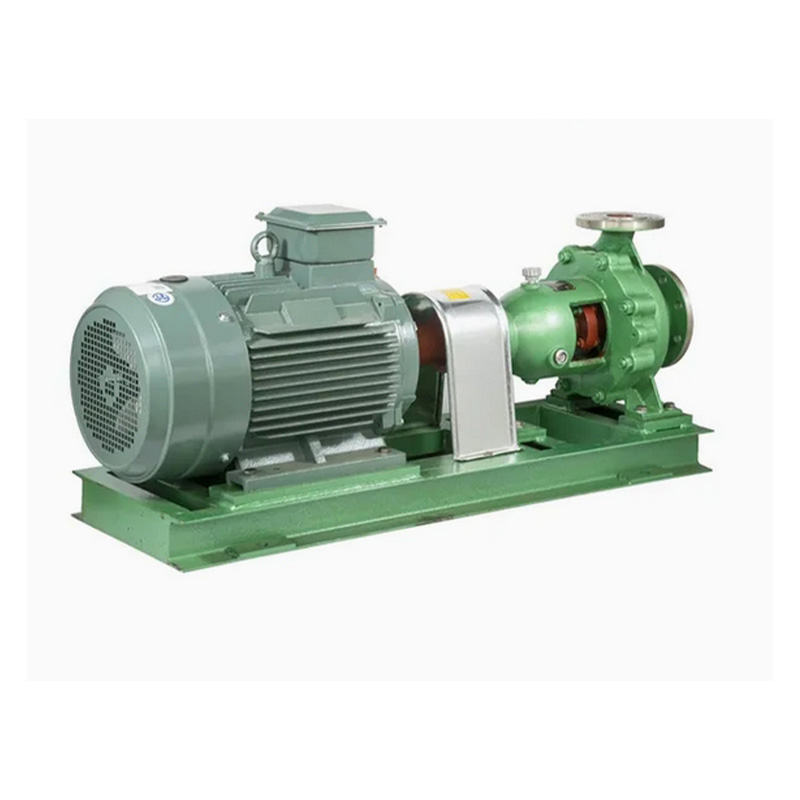
The IH type chemical centrifugal pump is a single-stage single-suction (axial suction) cantilever centrifugal pump, which is used to transport liquids...
See Details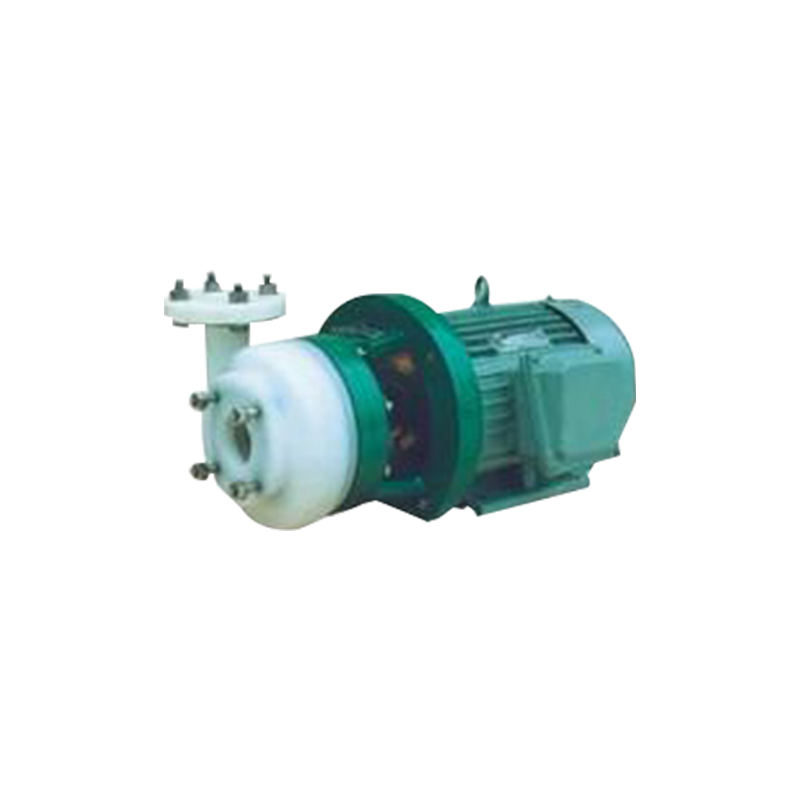
FSB fluoroplastic pump overview The FSB-type fluoroplastic alloy pump is designed according to international standard dimensions. The pump body is org...
See Details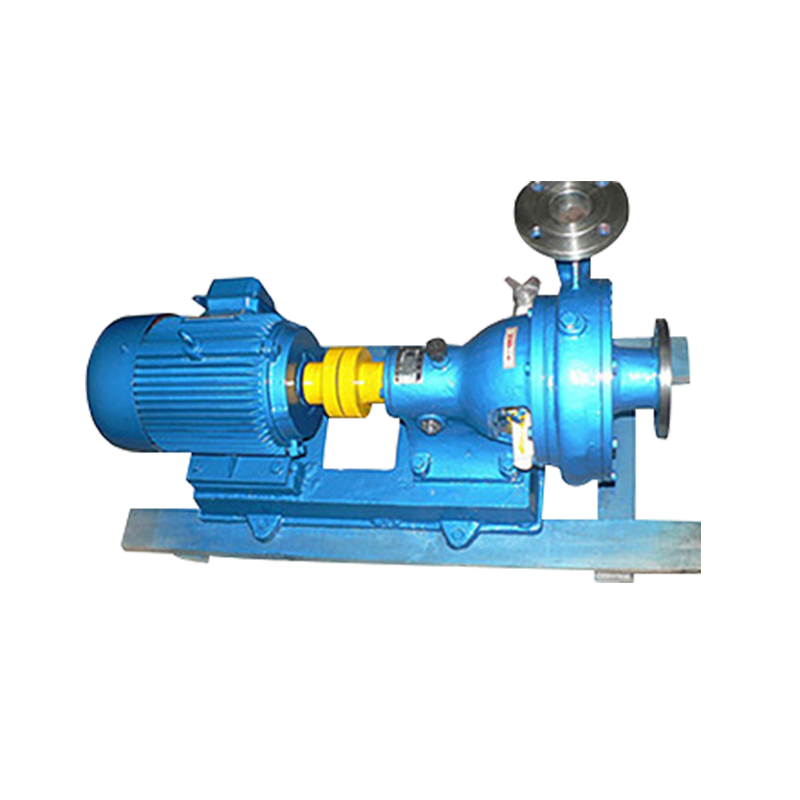
PWF corrosion-resistant sewage pump is a single-stage, single-suction, cantilever-type corrosion-resistant centrifugal sewage pump. Its functional ran...
See Details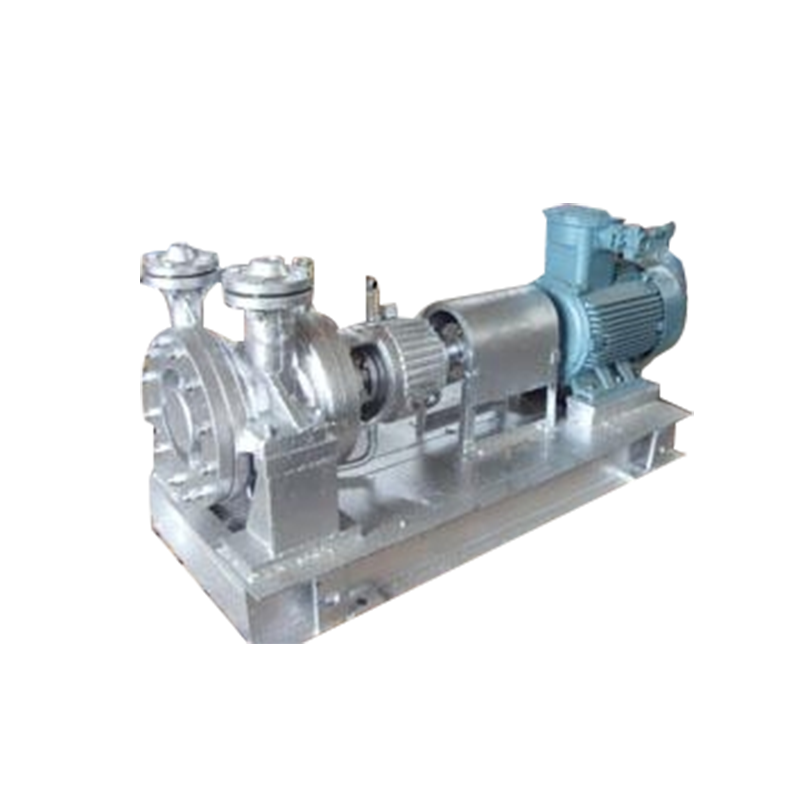
AY type oil pump is divided into two structural forms: single-stage single-suction cantilever type, two-stage single-suction cantilever type, single-s...
See Details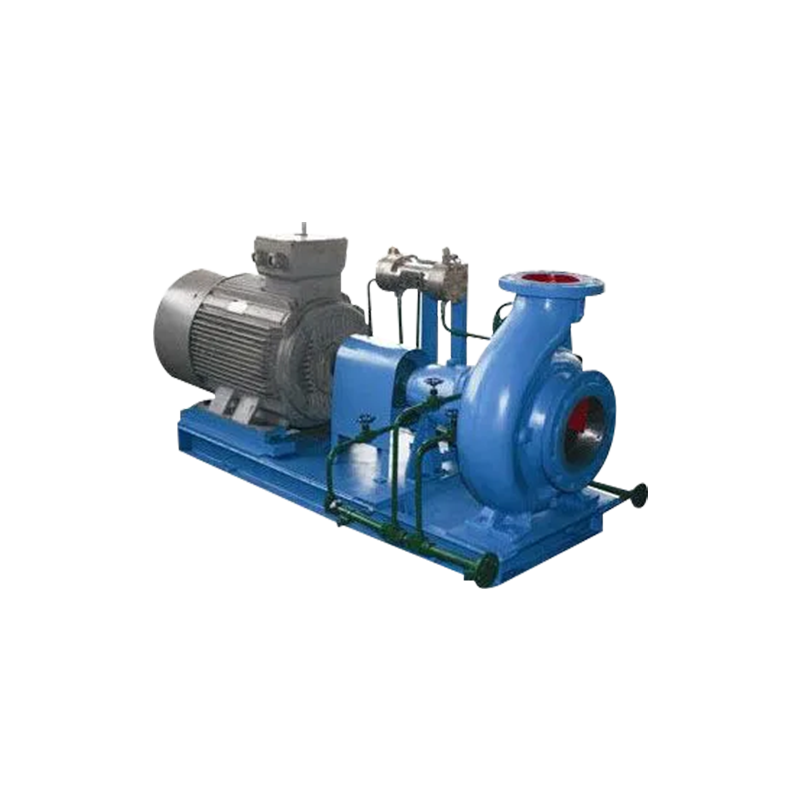
HPk hot water circulation pump adopts the patented technology of a low specific speed centrifugal pump, which is developed on the basis of absorbing a...
See Details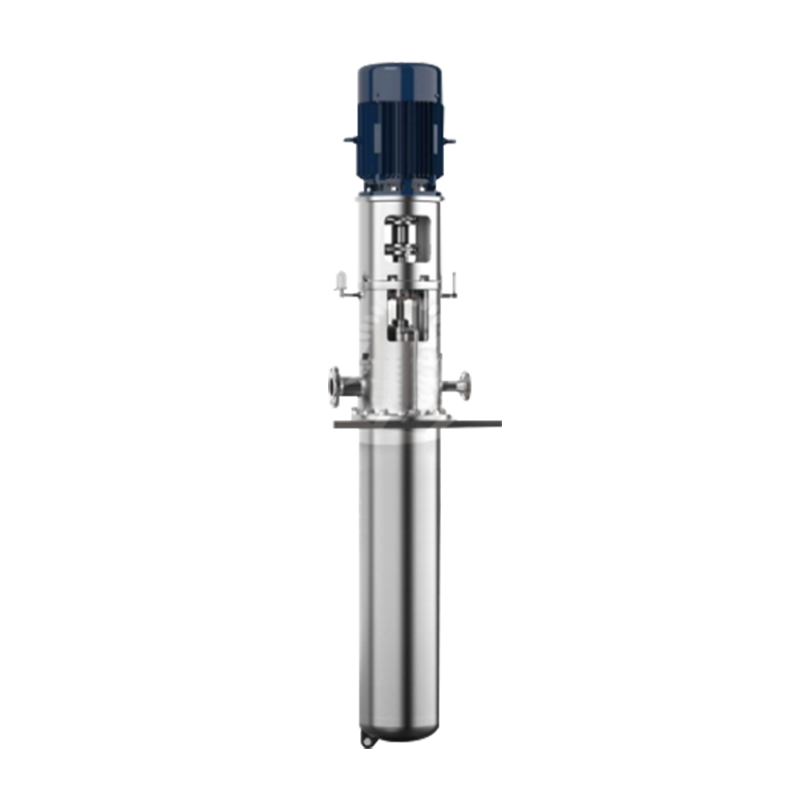
The diversion type barrel pump series offers hydraulic performance, featuring a variety of configuration options including self-cleaning, external cle...
See Details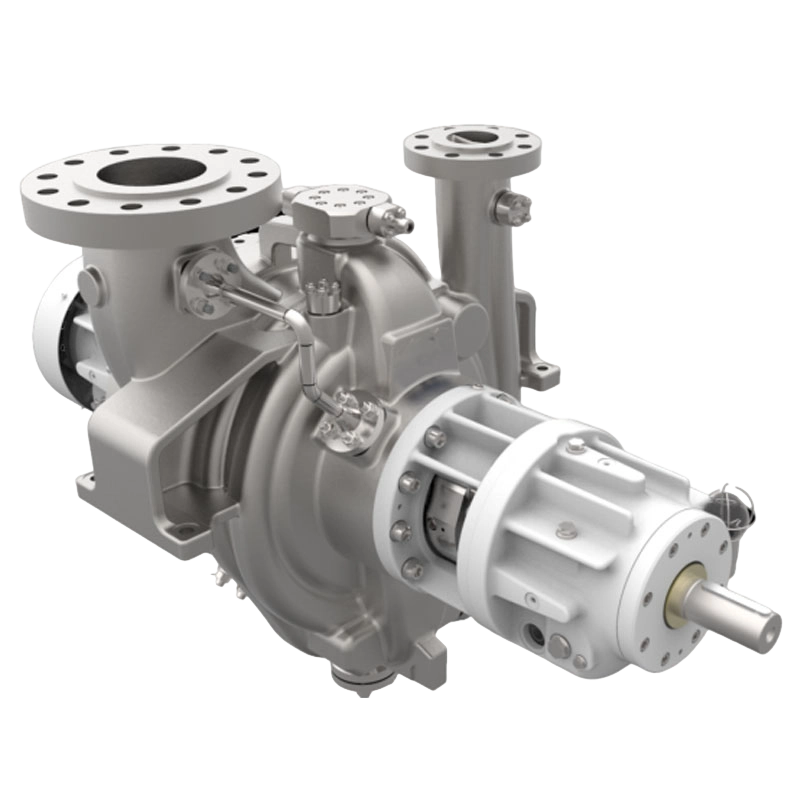
Our standard API 610 BB2 pumps feature a centerline-mounted, radially split casing with double suction and between-bearing construction. The pump and ...
See Details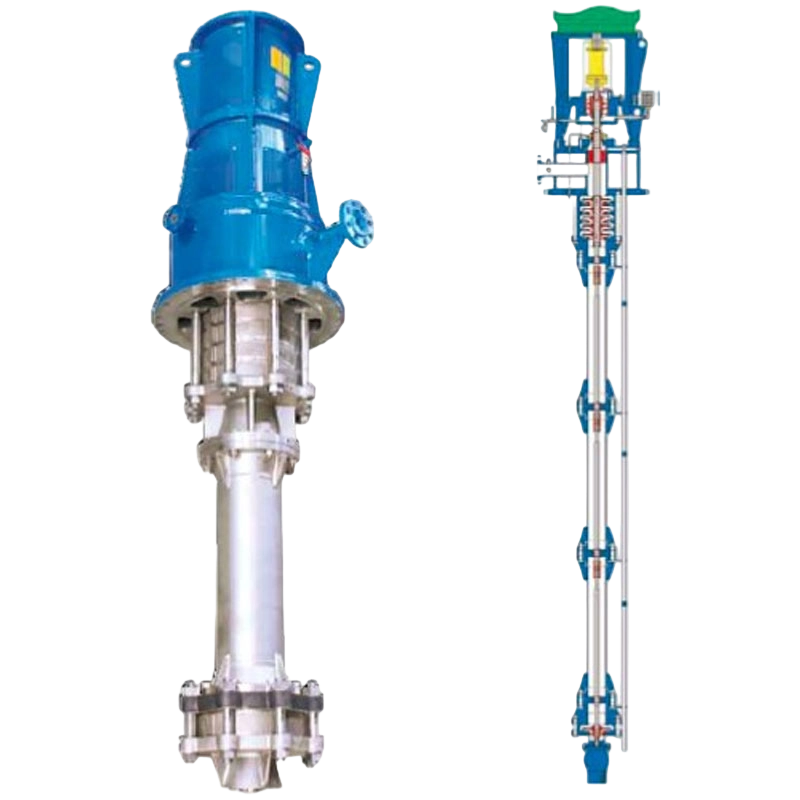
Our API 610 VS1 sump pumps feature a vertically suspended configuration with radial-split single casing, available in both single and multi-stage diff...
See DetailsCopyright © Welcome to Chemical Pump Factory - Jiangsu Feixiang Pump Manufacturing All rights reserved. Chemical Pumps Manufacturers

 +86-18052670932
 +86-0523-84326888
 No. 35, Xinqiao Middle Road, Xinqiao Town, Jingjiang City, Jiangsu Province, China