

 en
en  русский
 Español
FSB Fluoroalloy Centrifugal Pump
Cat:Corrosion-Resistant Chemical Pump
FSB fluoroplastic pump overview FSB-type fluoroplastic alloy pump is designed according to international standard dimensions. The pump body is organic...
See DetailsContent
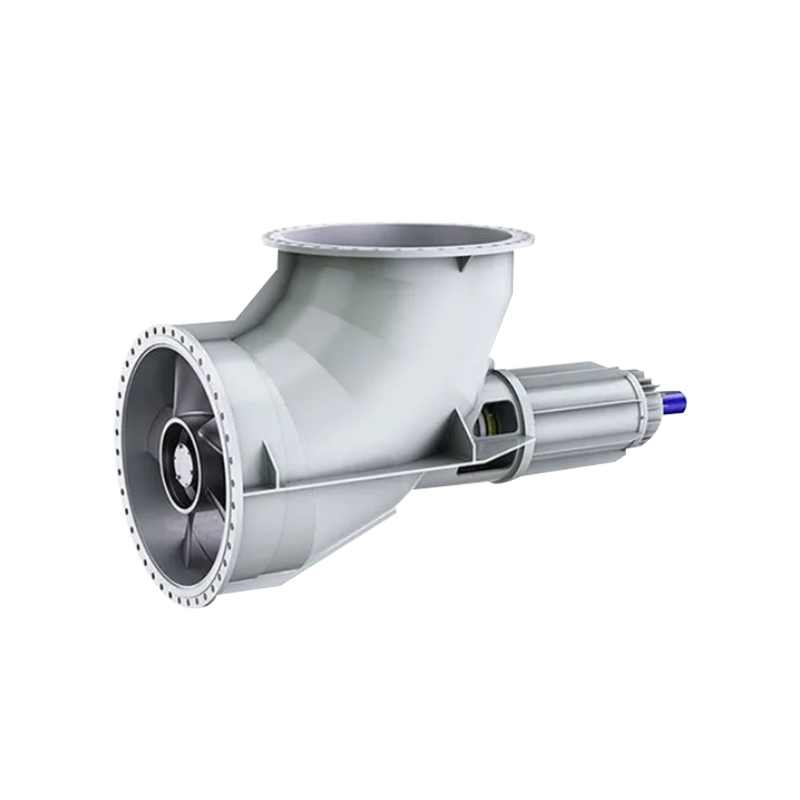
Axial flow pumps are a type of dynamic pump where the fluid primarily moves along the axis of the pump. They are widely used in industrial applications such as irrigation, flood control, and circulation of water in cooling systems. Unlike centrifugal pumps, axial flow pumps are designed to move large volumes of fluid at relatively low pressures, making them ideal for high-flow, low-head scenarios.
Understanding the main components is crucial when selecting the right axial flow pump for industrial use.
The impeller is the core of the pump that imparts energy to the fluid. Axial flow impellers are typically propeller-shaped and come in fixed, adjustable, or variable-pitch configurations. Choosing the correct impeller type affects efficiency, flow capacity, and energy consumption.
The casing houses the impeller and directs the flow efficiently. In industrial applications, materials such as stainless steel or high-grade cast iron are used to resist corrosion and wear from abrasive fluids.
The shaft transmits mechanical power to the impeller, supported by bearings that reduce friction and wear. Proper alignment and high-quality bearings enhance pump longevity, especially in continuous operation scenarios.
Selecting the right axial flow pump requires analyzing multiple performance and operational parameters to ensure optimal efficiency and reliability.
Flow rate is one of the most critical factors in pump selection. Axial flow pumps excel in applications requiring high flow rates. Calculate the required flow based on your industrial process to prevent underperformance or oversizing.
The pump head represents the pressure increase provided by the pump. Axial flow pumps are most suitable for low-head applications. Ensure that the pump’s head matches your system’s requirements for optimal performance.
Efficiency affects both energy consumption and operating costs. High-efficiency axial flow pumps reduce energy expenditure and extend service life. Compare performance curves and select pumps operating near their best efficiency point (BEP).
The pump material should resist the chemical properties of the fluid. For example, corrosive liquids require stainless steel or special alloy casings. Selecting the right material ensures long-term durability and reduces maintenance frequency.
Consider space constraints, mounting options, and accessibility for maintenance. Vertical and horizontal configurations are available. Ensure your facility can accommodate the pump’s size and orientation for smooth operation.
Axial flow pumps come in various designs depending on the application and performance requirements.
Proper maintenance ensures reliability and longevity of axial flow pumps.
Inspect impellers, bearings, and seals for wear and tear. Early detection prevents catastrophic failures.
Ensure bearings and shaft assemblies are adequately lubricated according to manufacturer guidelines to reduce friction and heat generation.
Misalignment can cause excessive vibration and premature failure. Use alignment tools and vibration sensors for preventive maintenance.
Energy consumption is a significant operational cost. Selecting pumps that operate near their best efficiency point reduces electricity usage. While initial costs may be higher for high-efficiency pumps, the return on investment is achieved through lower operating expenses.
Selecting the right axial flow pump for industrial applications requires careful evaluation of flow rate, head, efficiency, material compatibility, and installation environment. Understanding pump components, types, and maintenance practices ensures reliable operation and long service life. By following these guidelines, industries can optimize performance, reduce operational costs, and achieve sustainable pumping solutions.
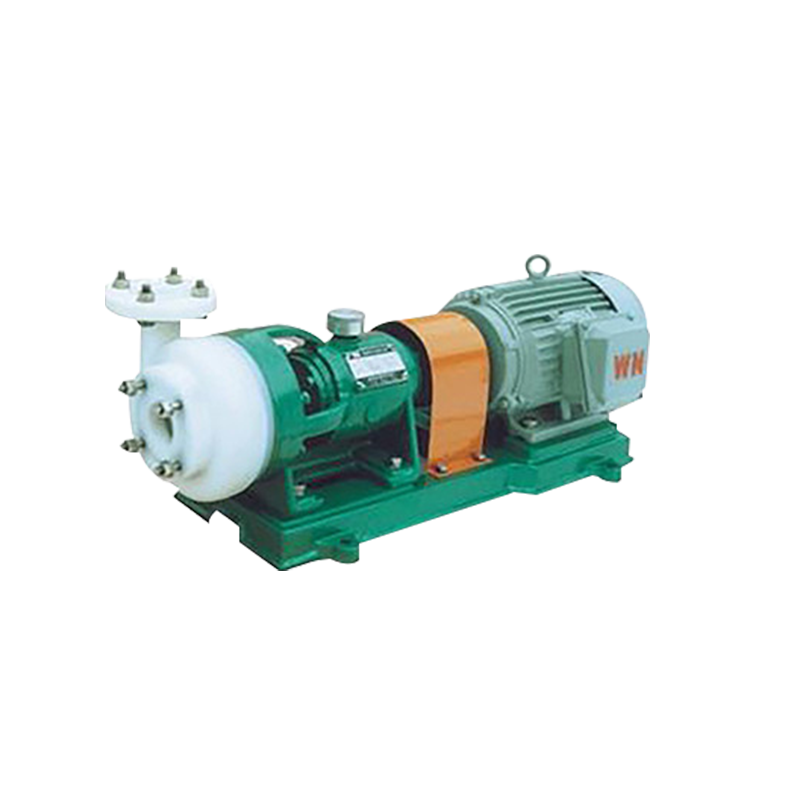
FSB fluoroplastic pump overview FSB-type fluoroplastic alloy pump is designed according to international standard dimensions. The pump body is organic...
See Details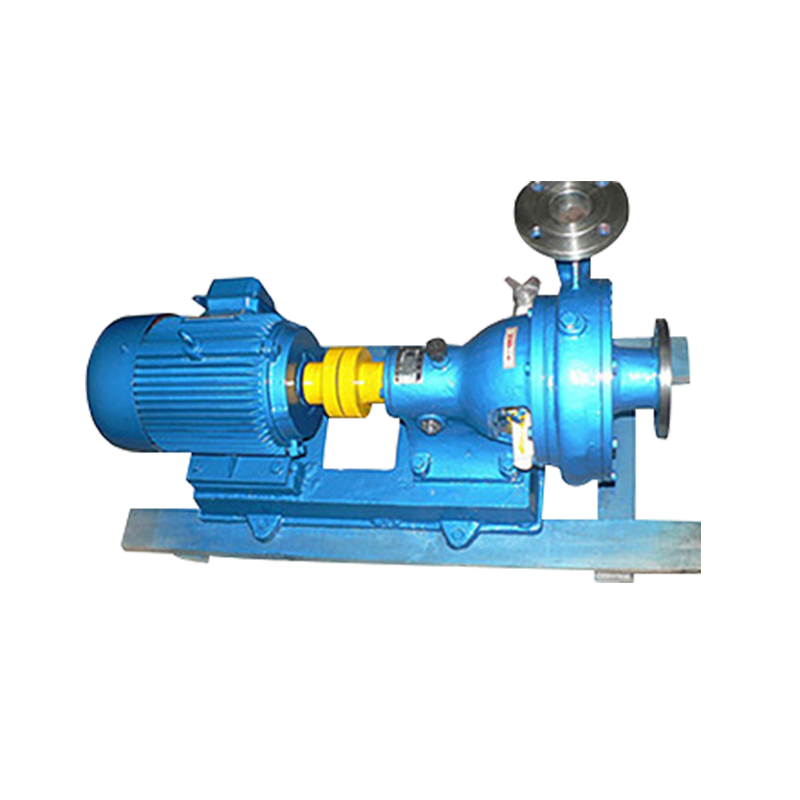
PWF corrosion-resistant sewage pump is a single-stage, single-suction, cantilever-type corrosion-resistant centrifugal sewage pump. Its functional ran...
See Details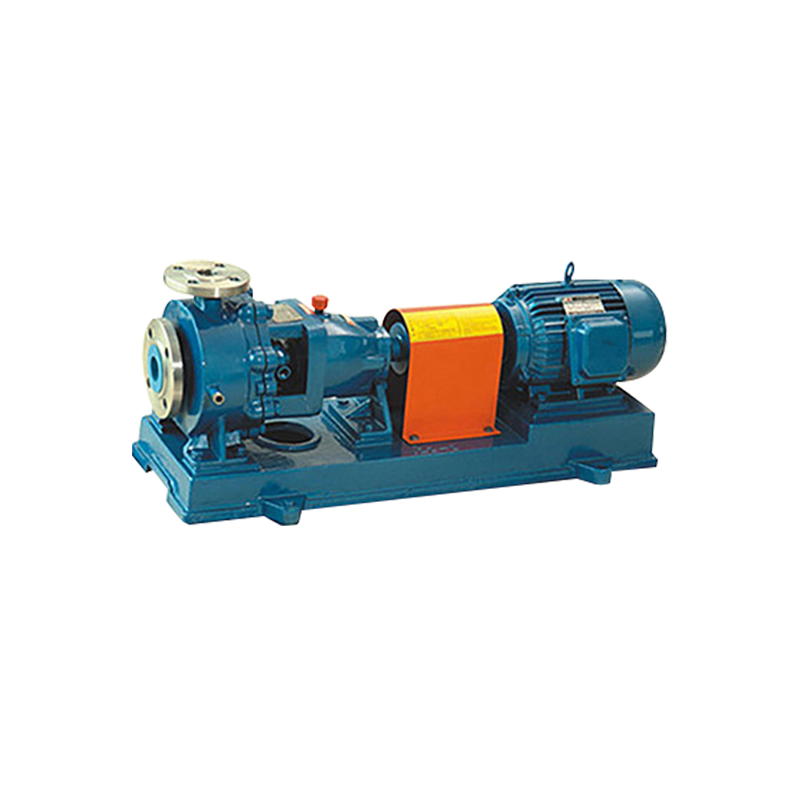
Detailed description of IN series jacketed stainless steel thermal insulation pump, steam thermal insulation, corrosion resistance, crystallization re...
See Details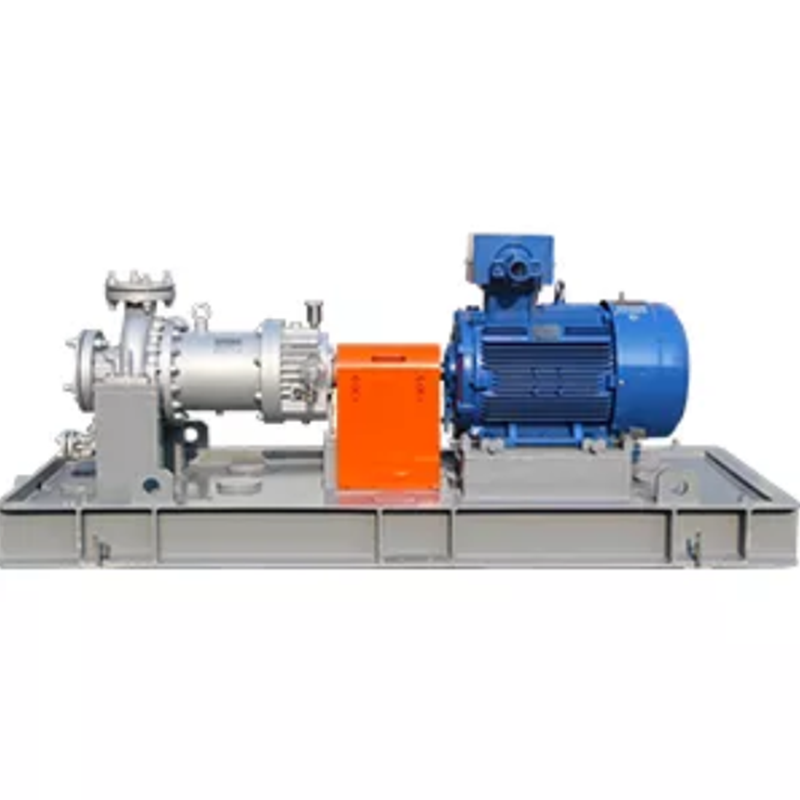
Performance Range: · Diameter: DN25~DN400 · Flow Rate: Up to 2000 m³/h · Head: Up to 250 m · Temperature Limit...
See Details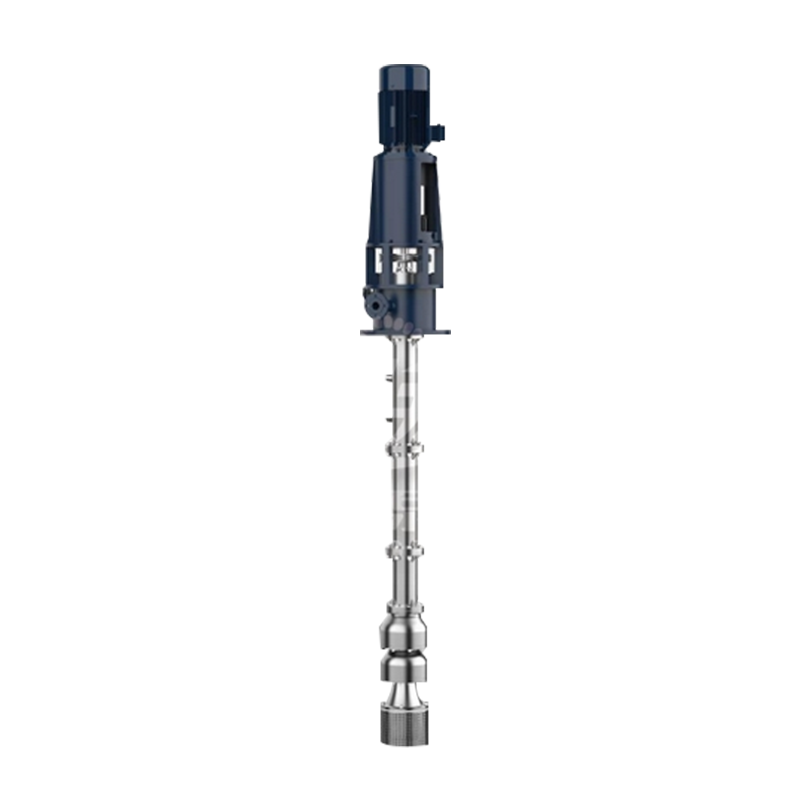
The molten salt submerged pump is a specialized high-temperature pump developed by Jiangsu Feixiang Pump Industry Co., Ltd. This product series was cr...
See Details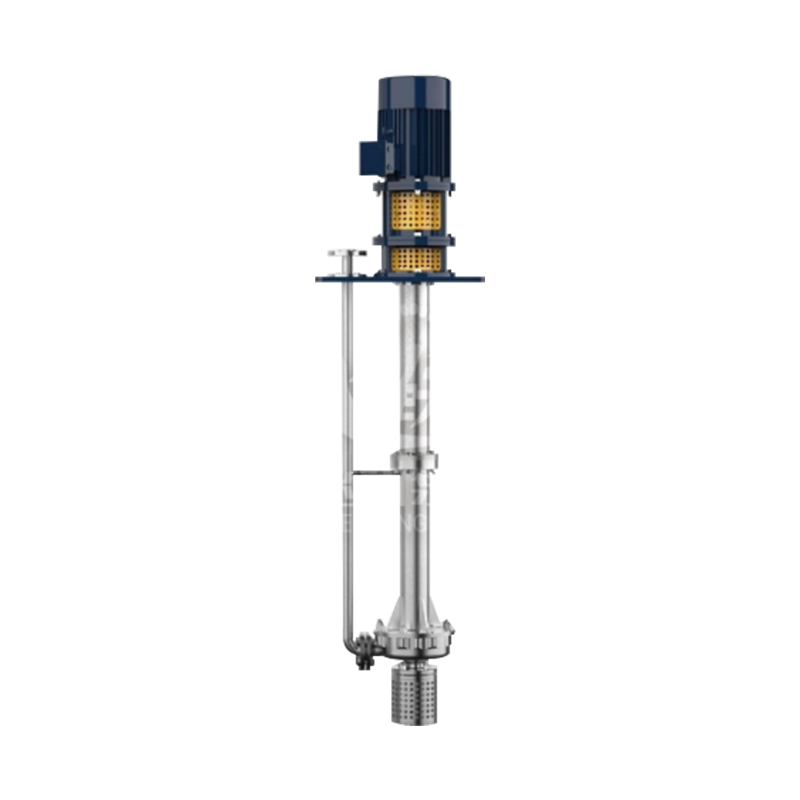
The Diversion-Type Long Shaft Submersible Desulfurization Pump is specifically engineered for underground sump applications in power plant flue gas de...
See Details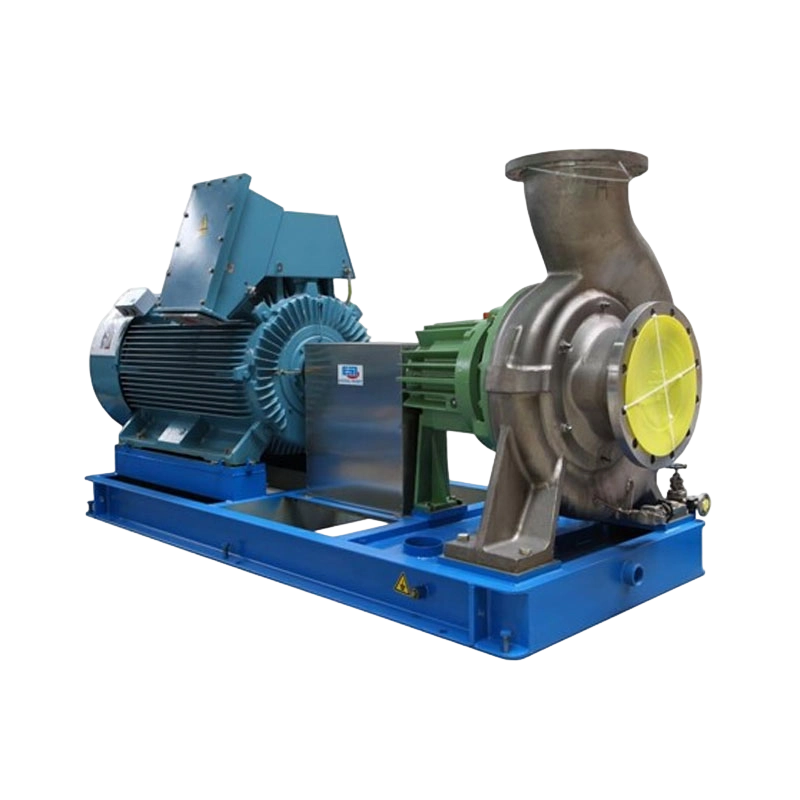
Our standard API 610 OH1 pumps are engineered as foot-mounted, single-stage, overhung units with a dedicated bearing housing. The pump and motor are f...
See Details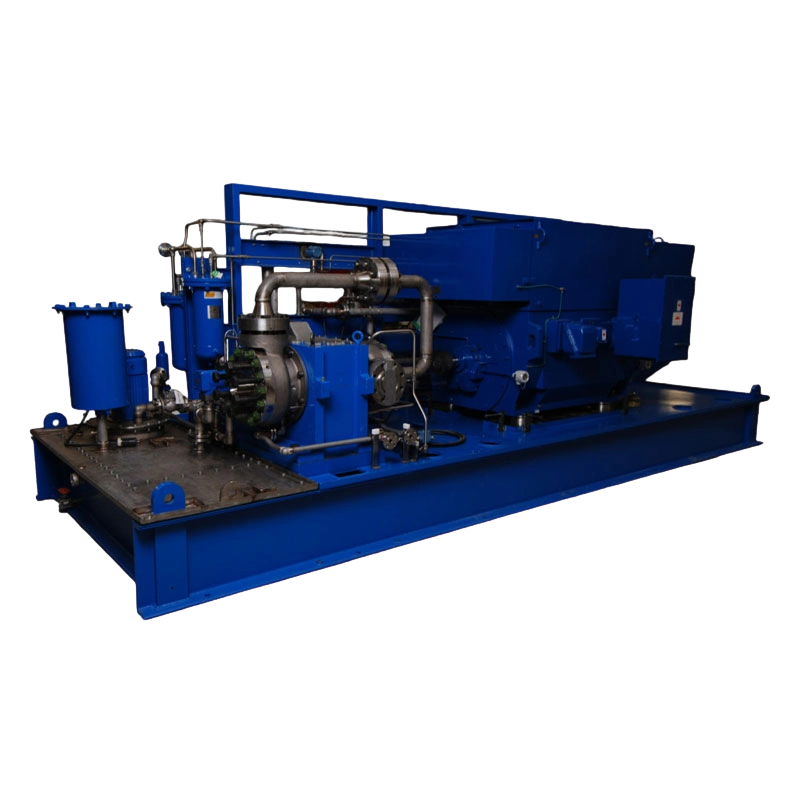
Our API 610 OH6 pumps represent a heavy-duty, multi-stage solution with an integrally geared design. Engineered for exceptional reliability, these pum...
See Details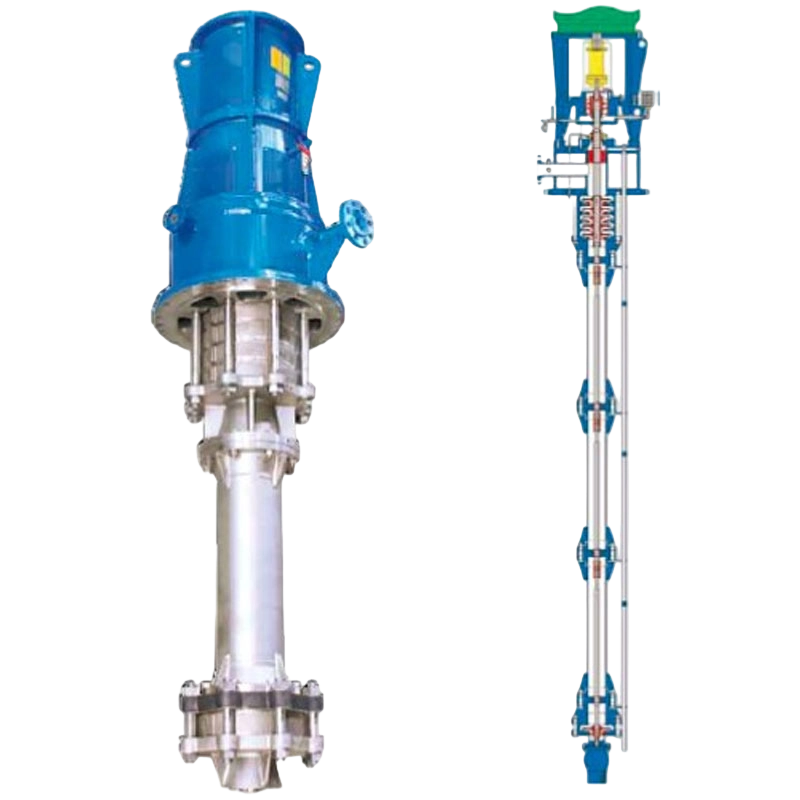
Our API 610 VS1 sump pumps feature a vertically suspended configuration with radial-split single casing, available in both single and multi-stage diff...
See DetailsCopyright © Welcome to Chemical Pump Factory - Jiangsu Feixiang Pump Manufacturing All rights reserved. Chemical Pumps Manufacturers

 +86-18052670932
 +86-0523-84326888
 No. 35, Xinqiao Middle Road, Xinqiao Town, Jingjiang City, Jiangsu Province, China