

 en
en  русский
 Español
IH Type Horizontal Chemical Centrifugal Pump
Cat:Chemical Process Pump
The IH type chemical centrifugal pump is a single-stage single-suction (axial suction) cantilever centrifugal pump, which is used to transport liquids...
See DetailsContent
A transfer line carrying 30 percent hydrochloric acid teaches more about pump material selection than any textbook. The cast-iron casing starts pitting within weeks. The mechanical seal weeps a thin film of acid that stains the foundation and attacks nearby pipe supports. The impeller loses its original diameter, so the flow drops just enough to slow the batch without triggering an alarm. If you have run this service, you already know how the story ends.
The fix is not a bigger motor or a spare seal kit. The fix is a corrosive chemical transfer pump whose wetted components are matched to the chemical, concentration, and temperature of the fluid. Choose the pump construction first; size the pump second. That is the opposite of how many pumps get purchased, but for corrosive media it is the only order that leads to a predictable service life.
A pump manufacturer cannot recommend a reliable corrosive chemical transfer pump from a chemical name alone. The specification process starts with six fluid properties, and each one changes the material or hydraulic selection.
When any one of these factors is missing, the pump can move outside its safe operating window. Chemical resistance tables are valid only for the stated concentration and temperature, so the full profile matters before a model can be selected.
Once the fluid profile is complete, the decision becomes a choice of pump construction. For corrosive chemical transfer, three designs cover most duties: centrifugal pumps with corrosion-resistant alloys, fluorine-lined centrifugal pumps, and sealless magnetic drive pumps.
Alloy centrifugal pumps suit moderately corrosive chemicals where flow and head requirements are high. They keep the familiar repair and maintenance envelope of a standard centrifugal pump while the wetted parts are cast from alloys matched to the specific acid, alkali, or salt stream. This is a practical option when the fluid is not aggressive enough to justify non-metallic wetted parts.
When the chemical attacks metals, a fluorine-lined pump becomes the safer route. The IHF fluorine-lined centrifugal pump uses a fluoropolymer lining over the casing and impeller so that the metal structure never contacts the acid. That construction handles hydrochloric, sulfuric, and nitric acid at moderate temperatures, and it gives many plants the corrosion resistance of high-grade alloy pumps at a more practical initial cost.
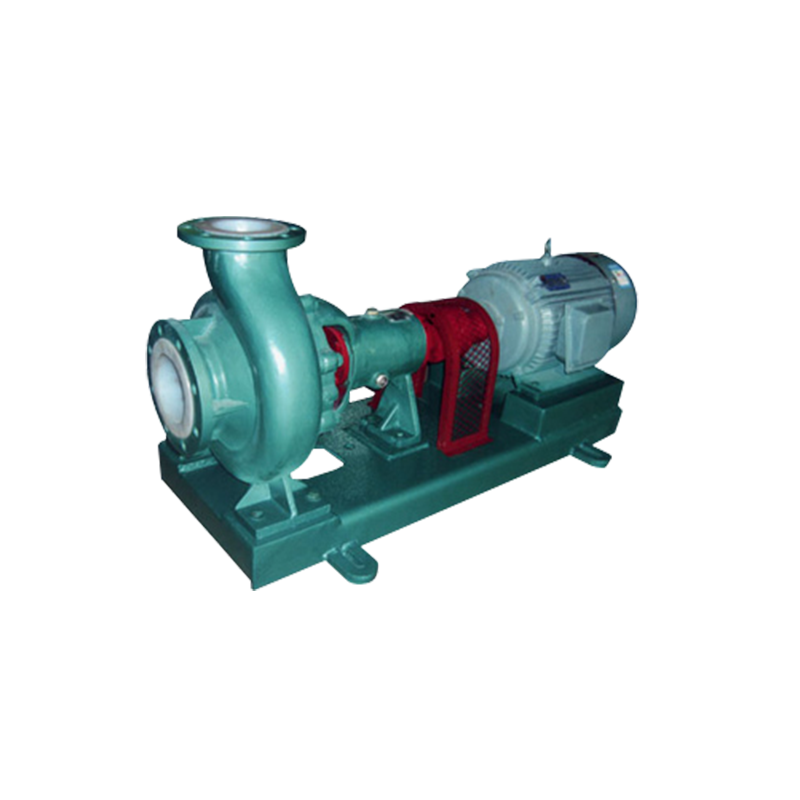 IHF Lined Fluorine Centrifugal Pump Manufacturers, Factory - Jiangsu Feixiang PuJiangsu Feixiang Pump is china IHF Lined Fluorine Centrifugal Pump Manufacturers and Wholesale IHF Lined Fluorine Centrifugal Pump Factor...View Product →
When leakage itself is the main risk, magnetic drive pumps remove the mechanical seal and contain the fluid inside a closed casing. They are often the default for toxic, expensive, or flammable fluids. The trade-off is a strict need for dry-run protection and a lower tolerance for solids. The material selection guidance for magnetic pumps in corrosive and abrasive environments shows the common failure modes and how liner and impeller choices prevent them.
The table below summarizes how the three constructions compare for typical corrosive transfer duties.
| Pump type | Best suited for | Main limitation |
|---|---|---|
| Alloy centrifugal | Moderate corrosives, high flow, high head | Seal maintenance, higher alloy cost |
| Fluorine-lined centrifugal | Strong acids, oxidizers, aggressive alkalis | Temperature and pressure limits of the lining |
| Magnetic drive | Zero-leak service with toxic or valuable fluids | Dry-run risk, solids sensitivity |
Hydraulic sizing comes after construction selection. The flow rate and the total head define the pump size, but they matter only if the suction conditions are correct. The available NPSH in the system must exceed the pump required NPSH by a comfortable margin, or the impeller will cavitate and erode. Tanker unloading, sump emptying, and long horizontal transfer lines all have different suction profiles, and each one must be documented.
Ambient conditions influence the specification too. If the pump sits outdoors in an unheated area, the motor enclosure and insulation class must handle the local temperature range. At higher altitudes, the lower atmospheric pressure reduces available NPSH and can push the selection toward a larger suction nozzle or a different installation height. Corrosive vapors in the surrounding air also drive motor protection choices; in a chlorine or acid fume atmosphere, a sealless pump keeps the acid away from motor windings and control equipment.
The duty cycle matters as well. A pump that runs continuously at a stable operating point has different seal and bearing requirements from a pump that is stopped and started several times per shift. Intermittent transfer from a bulk storage tank to a blending vessel is a common pattern in chemical plants, and the pump should be selected for the actual flow range, not just the maximum point on the curve.
For these process transfer duties, the CZ standard chemical process pump is configured to handle the documented flow, head, and fluid properties while keeping the sealing area accessible for inspection and adjustment.
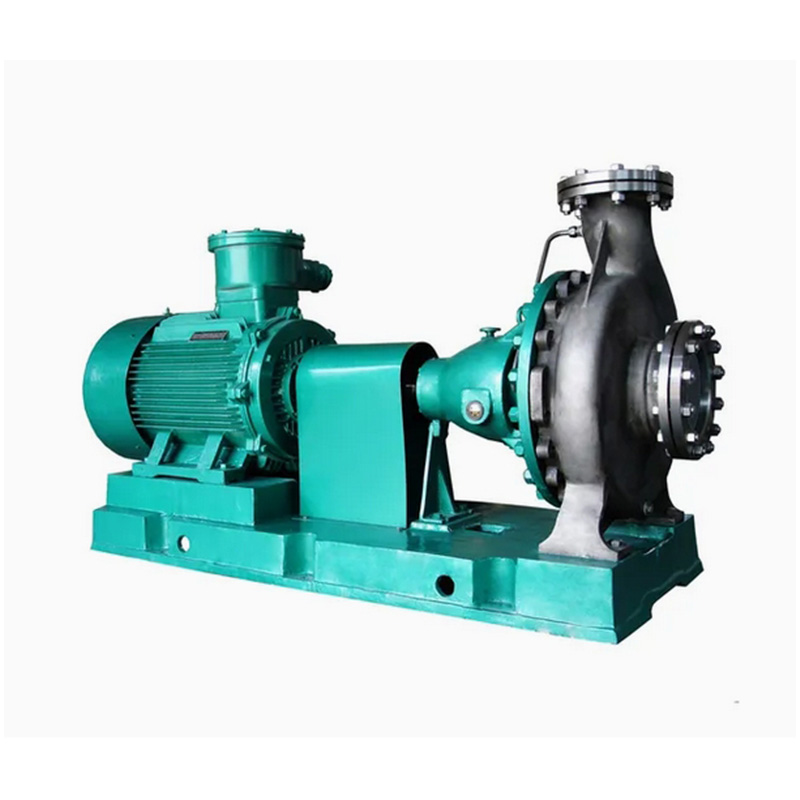 CZ Standard Chemical Process Pump Manufacturers, Factory - Jiangsu Feixiang PumpJiangsu Feixiang Pump is china CZ Standard Chemical Process Pump Manufacturers and Wholesale CZ Standard Chemical Process Pump Factory, 1...View Product →
Reliability in corrosive service is usually decided by details that get overlooked at the quotation stage. Gasket and O-ring compounds must match the chemical; the wrong elastomer can fail and cause fugitive emissions even when the casing material is perfectly specified. Mechanical seals need the correct face pairing plus a flushing plan, or the seal becomes the first component to leak. The guidance on ensuring leak-free performance in chemical alkali pumps covers the same seal and gasket issues that drive maintenance calls for acid transfer services.
Procurement should also compare whole-life cost, not just the purchase price. A pump with a thinner lining or a marginal impeller alloy may look attractive on the quotation but fail after 18 months in hot acid service. A construction that keeps wetted parts replaceable and the seal gland accessible reduces the cost of each repair. The FSB fluoroalloy centrifugal pump is an example of a direct-coupled design that simplifies maintenance in smaller transfer stations where floor space is limited.
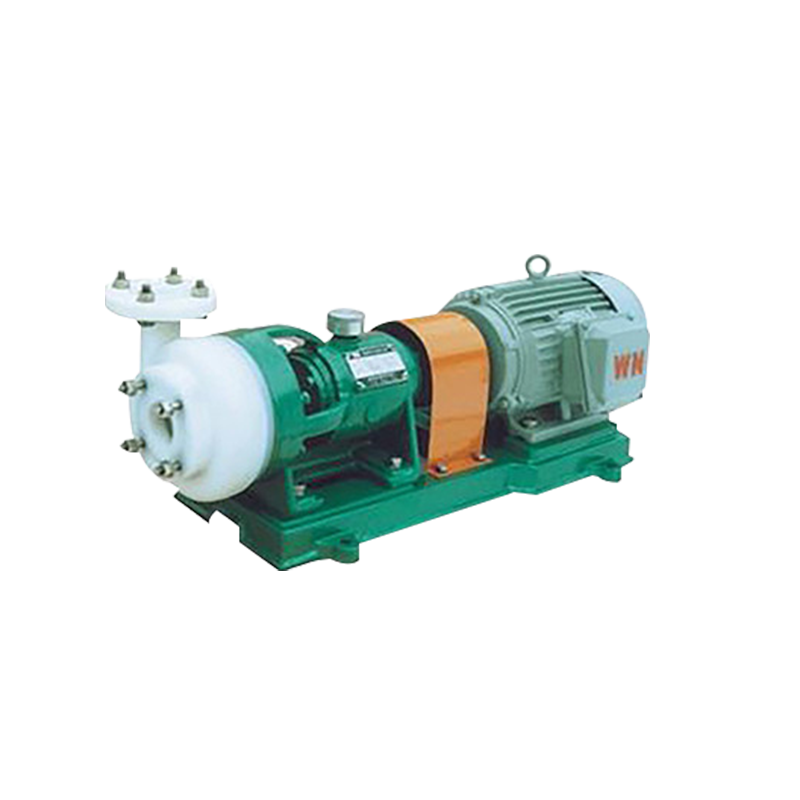 FSB Fluoroalloy Centrifugal Pump Manufacturers, Factory - Jiangsu Feixiang Pump Jiangsu Feixiang Pump is china FSB Fluoroalloy Centrifugal Pump Manufacturers and Wholesale FSB Fluoroalloy Centrifugal Pump Factory, FSB...View Product →
Finally, agree on the data package with the manufacturer before delivery. A corrosive chemical transfer pump is not a commodity item; the documentation should list the wetted materials, the maximum allowable working pressure and temperature, and the intended service fluid so that the pump is not later misapplied in another duty.
The corrosive chemical transfer pump that keeps a plant running starts with fluid data, not with a catalog page. Define the chemical, concentration, temperature, viscosity, solids content, and suction conditions. Match the construction to the service: alloy centrifugal for moderate corrosives, fluorine-lined designs for strong acids, and magnetic drive when leaks are unacceptable. Document the application fully, and the pump will deliver the service life you planned for. Skip the data, and you are back to pitted casings, weeping seals, and an unplanned shutdown.
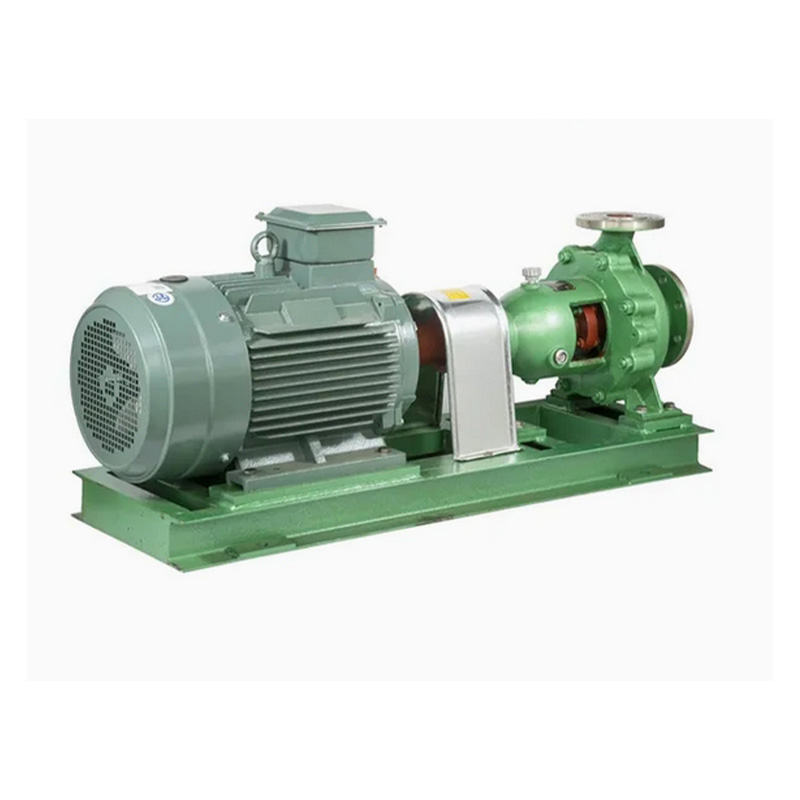
The IH type chemical centrifugal pump is a single-stage single-suction (axial suction) cantilever centrifugal pump, which is used to transport liquids...
See Details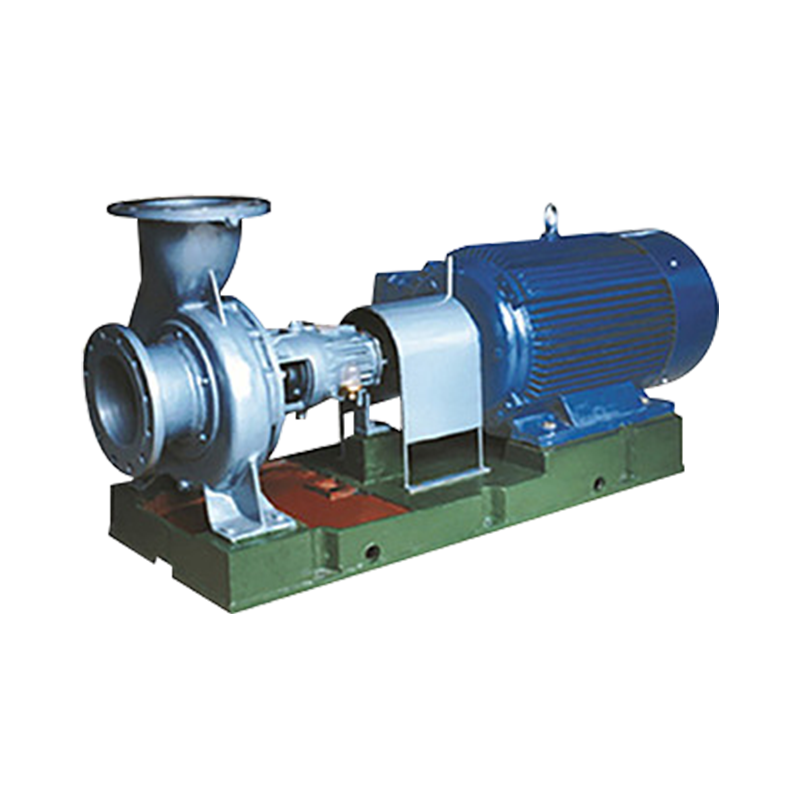
1. OverviewZA and ZAO petrochemical process pumps are designed according to AP1610 and VDMA24297 (light/medium duty) specifications. 2. Application sc...
See Details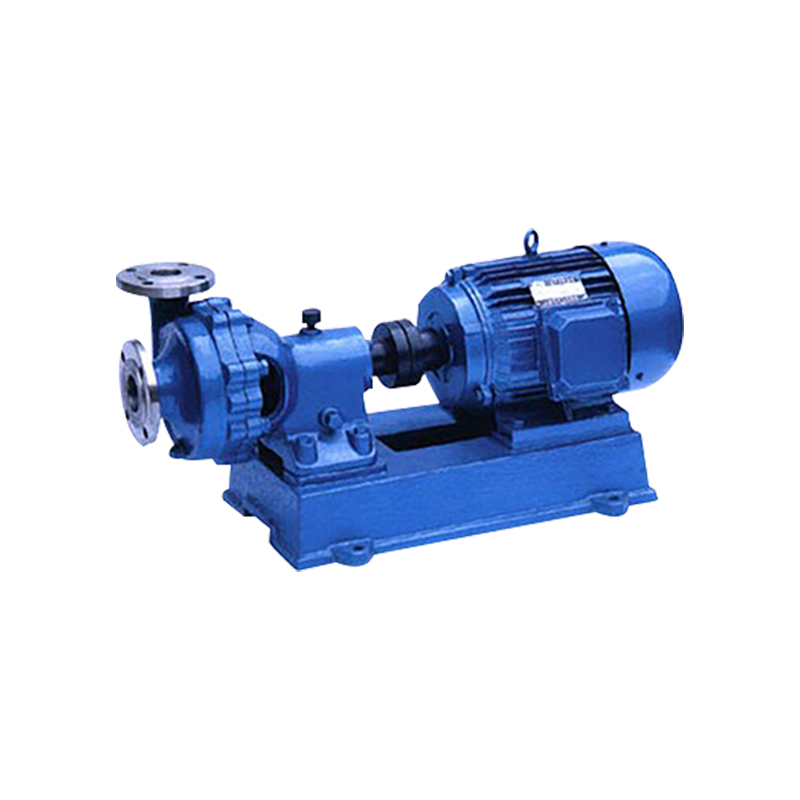
FB stainless steel chemical pump has the advantages of reliable performance, good sealing, beautiful appearance, easy use and maintenance.
See Details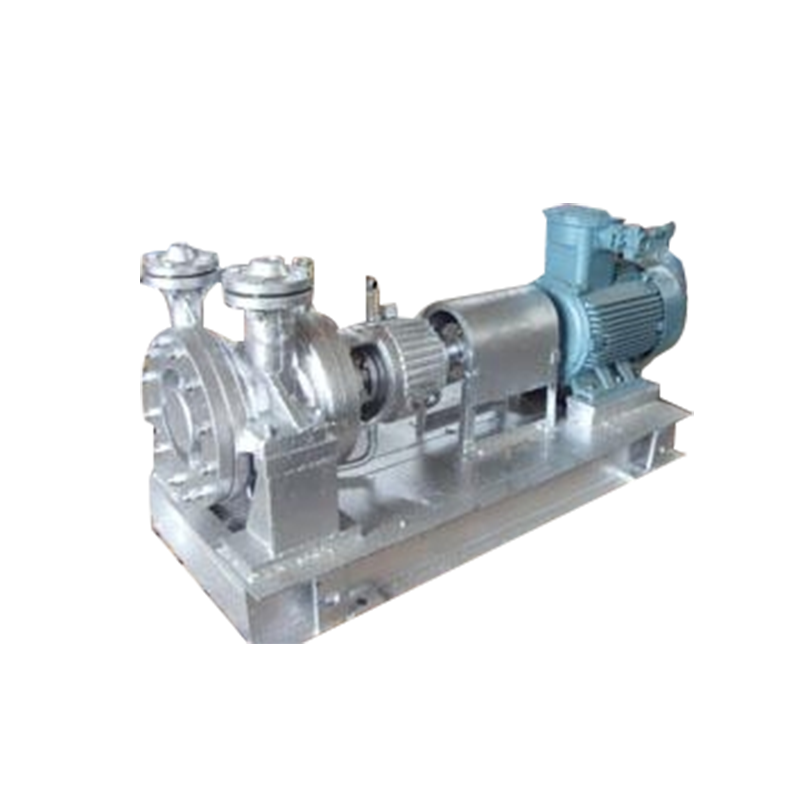
AY type oil pump is divided into two structural forms: single-stage single-suction cantilever type, two-stage single-suction cantilever type, single-s...
See Details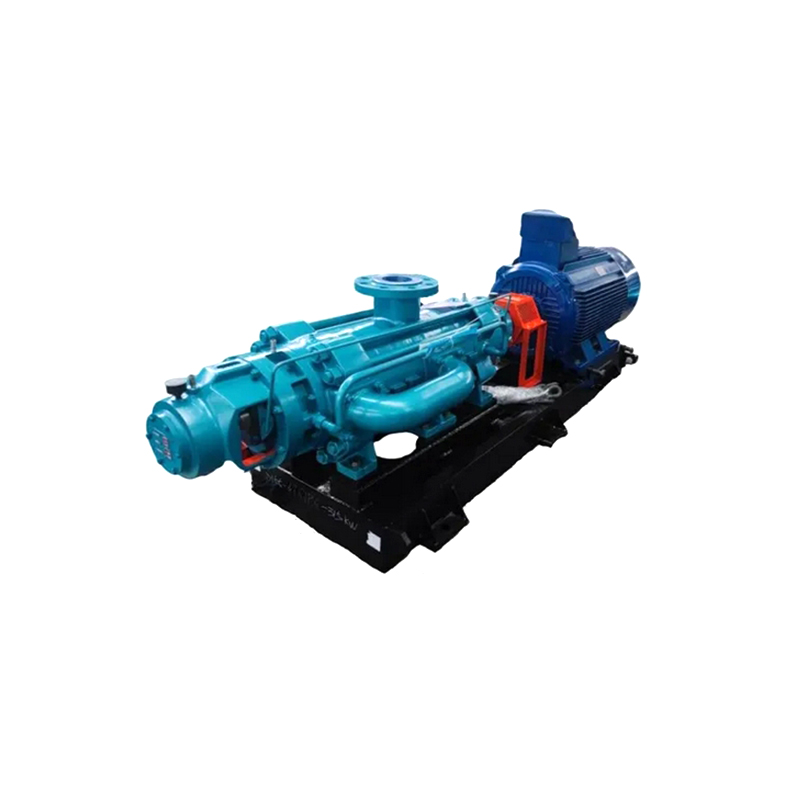
Self-balancing multi-stage centrifugal pump:Using advanced hydraulic models, we independently develop high-efficiency and energy-saving products; sinc...
See Details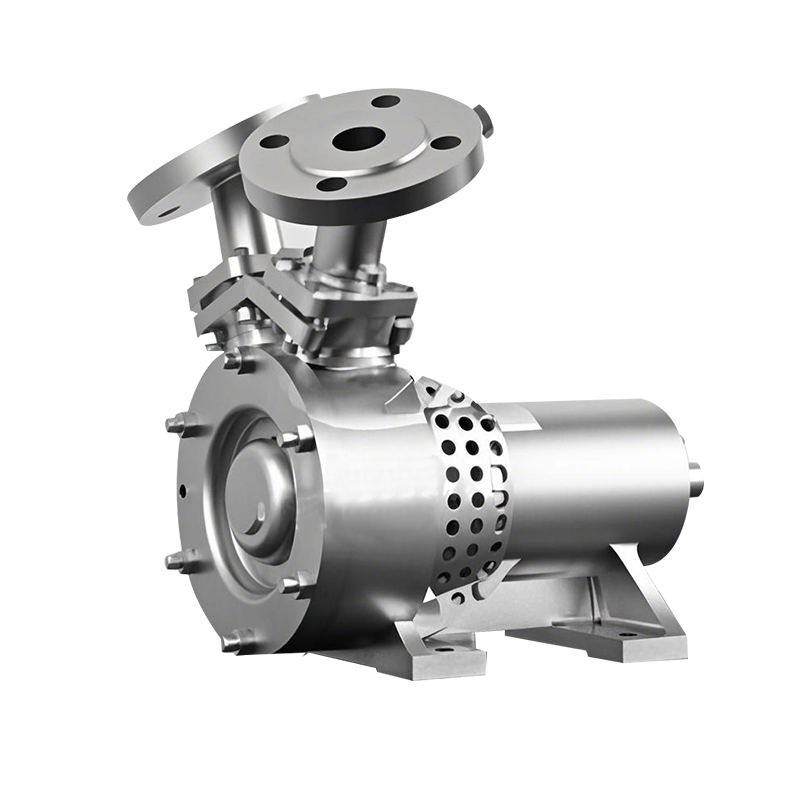
The vortex pump is compact in size yet capable of generating high pressure, making it an ideal choice for achieving miniaturization of equipment. It e...
See Details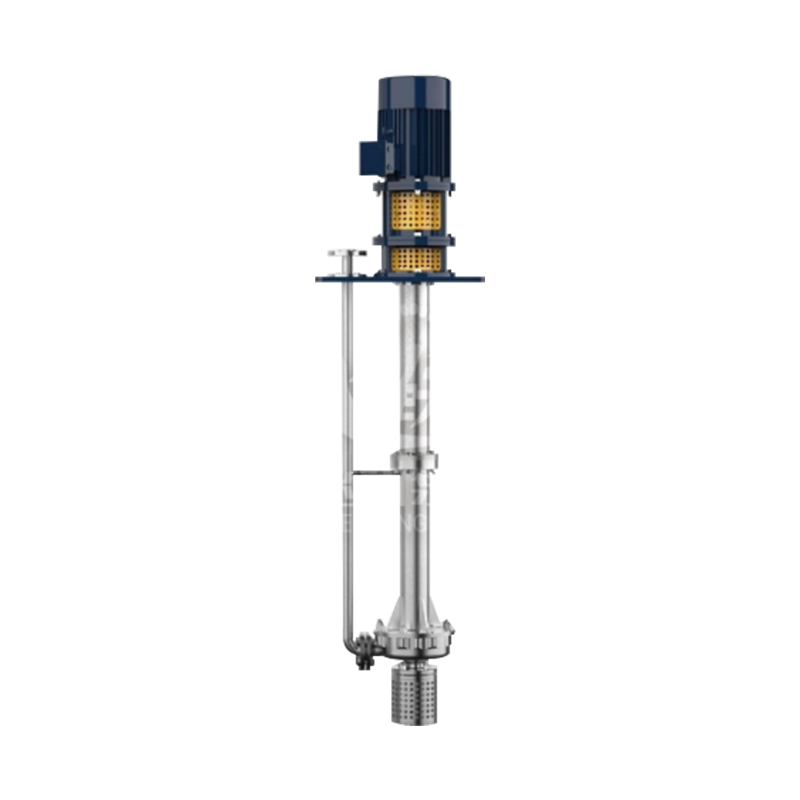
The Diversion-Type Long Shaft Submersible Desulfurization Pump is specifically engineered for underground sump applications in power plant flue gas de...
See Details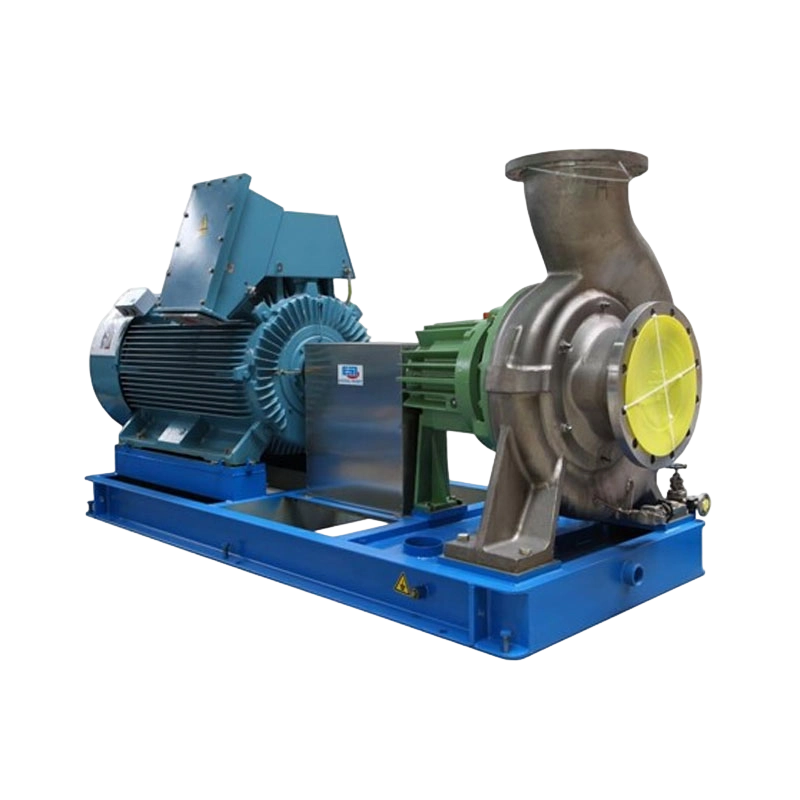
Our standard API 610 OH1 pumps are engineered as foot-mounted, single-stage, overhung units with a dedicated bearing housing. The pump and motor are f...
See DetailsCopyright © Welcome to Chemical Pump Factory - Jiangsu Feixiang Pump Manufacturing All rights reserved. Chemical Pumps Manufacturers

 +86-18052670932
 +86-0523-84326888
 No. 35, Xinqiao Middle Road, Xinqiao Town, Jingjiang City, Jiangsu Province, China