

 en
en  русский
 Español
CZ Standard Chemical Process Pump
Cat:Chemical Process Pump
1. Performance range of CZ type chemical pump (according to design point) Flow: Q 1.6-1500m3/h Lift: H 5-125m Working pressure: P less than or equal t...
See DetailsContent
Standing in front of a pump specification sheet, most engineers focus on flow and head. Those numbers matter, but they only tell part of the story. A centrifugal process pump that is correctly matched to the fluid, the temperature, and the pressure profile can run for years with routine maintenance. One that is under-specified can produce cavitation, seal failures, and unplanned shutdowns within months. The difference lies not only in the pump itself, but in how thoroughly the entire operating envelope was reviewed before the purchase.
Centrifugal pumps are everywhere in industry because the design is simple and dependable. Yet a general-purpose centrifugal pump is typically built for intermittent duty, clean fluids, and moderate conditions. A centrifugal process pump is engineered for continuous service in production lines where downtime carries a direct cost.
Process pumps differ in several practical ways. The casing has thicker wall sections to handle higher pressures and thermal stresses. The shaft is larger and stiffer, so deflection stays low even during off-design operation. The seal chamber is laid out to create a better environment for the mechanical seal, with more effective flushing, cooling, and room to adopt a specific flush plan. Bearings and lubrication systems are selected with life in mind, measured in tens of thousands of hours. When a pump is built to these margins, it behaves differently in the field.
All centrifugal process pumps use the same physical principle. The motor rotates the impeller, and the impeller vanes accelerate the liquid outward, converting rotational kinetic energy into the hydrodynamic energy of the moving fluid. The volute casing, a spiral-shaped channel around the impeller, catches the high-velocity liquid and converts part of that velocity into pressure as the flow path widens.
Single-stage pumps cover the flow and head requirements common in chemical plants. When the required head is high and flow is moderate, a multistage arrangement with several impellers in series becomes the practical answer. Either way, the essentials are the same: casing, impeller, shaft, mechanical seal or gland packing, and bearing frame. The proportions of those components define the pump's reliability.
Before comparing models, define the operating envelope, not just the rated point. The following factors deserve a documented decision:
The purpose of this review is to identify the margins a pump will have in real service, not on paper.
Corrosion resistance filters out more pump options than any other criterion. The chemical composition of the fluid, its temperature, and its concentration determine what the wetted parts must be made of.
Cast iron and ductile iron still serve benign liquids such as cooling water and many hydrocarbon streams. Stainless steel grades cover a wider range of chemical service, including dilute acids and caustic solutions. When the medium is severely corrosive, high-alloy metals and non-metallic constructions come into play. Fluorine-lined pumps, for example, present only a fluoropolymer layer to the process fluid, making them effective against strong acids at moderate temperatures.
Temperature changes everything. A material that gives years of service at ambient temperature may corrode quickly at 120 °C. This is why the operating temperature, not just the fluid name, must be part of the corrosion check. For hot process fluids, pressure and temperature limits shape both the casing material and the sealing arrangement, a point covered in more detail in our article on high-pressure and high-temperature pump performance.
Once the operating envelope is defined, the practical question becomes which configuration of centrifugal process pump fits the duty. The answer usually follows the process conditions rather than the pump name.
For acids, alkalis, solvents, and other process liquids at moderate temperatures and pressures, a single-stage end-suction pump is the usual starting point. The CZ standard chemical process pump is designed for this class of service. Its front pull-out construction lets maintenance crews remove the rotating element without disconnecting the piping, a detail that shortens downtime during pump servicing.
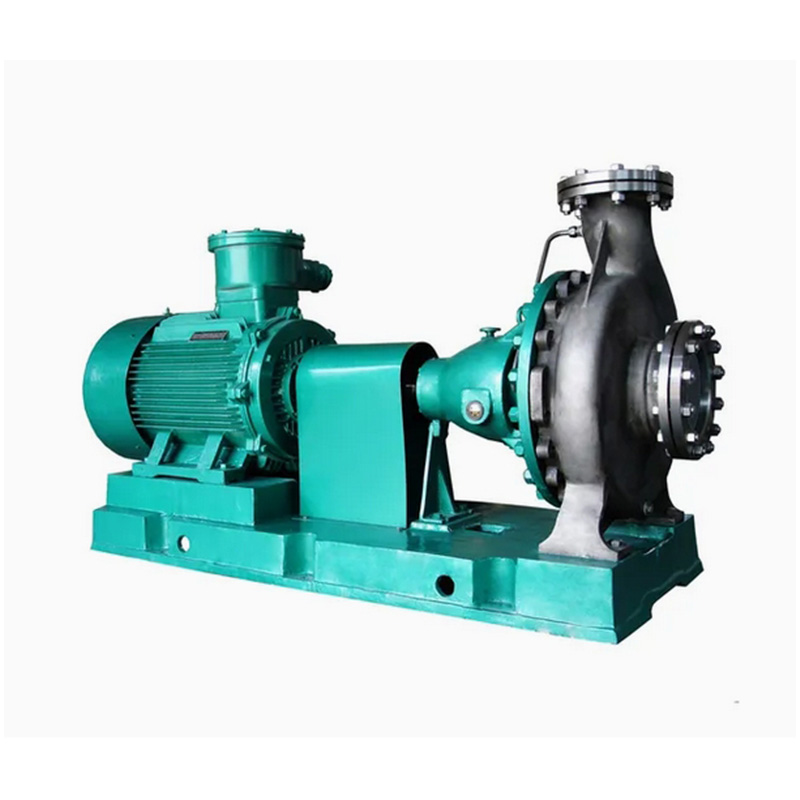 CZ Standard Chemical Process Pump Manufacturers, Factory - Jiangsu Feixiang PumpJiangsu Feixiang Pump is china CZ Standard Chemical Process Pump Manufacturers and Wholesale CZ Standard Chemical Process Pump Factory, 1...View Product →
When the service moves into hydrocarbon processing, the requirements tighten. Refinery units run at higher pressures and temperatures, and the inspection and documentation demands are stricter. The ZA petrochemical process pump is built for this duty with heavier casing walls, more robust seal provisions, and conservative bearing and shaft sizing.
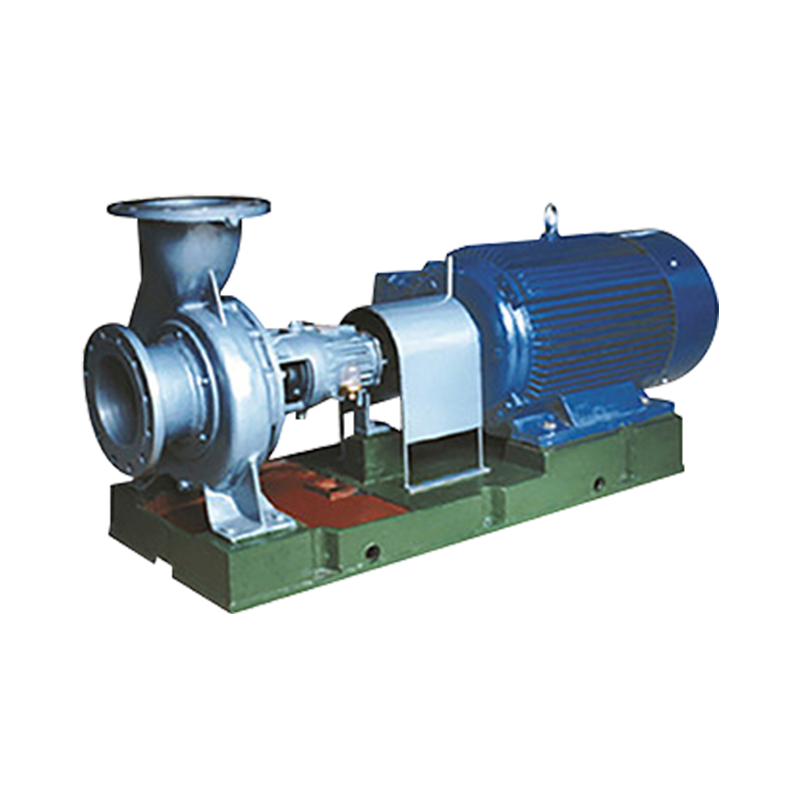 ZA Petrochemical Process Pump Manufacturers, Factory - Jiangsu Feixiang Pump ManJiangsu Feixiang Pump is china ZA Petrochemical Process Pump Manufacturers and Wholesale ZA Petrochemical Process Pump Factory, 1. Overvi...View Product →
For the heaviest conditions, such as hot oil systems, high-pressure reactor feeds, and long continuous campaigns, the margins of a standard pump are not enough. The ZE high-temperature and high-pressure petrochemical process pump is a heavy-duty machine that extends the same process-pump philosophy into services where mechanical and thermal loads are high.
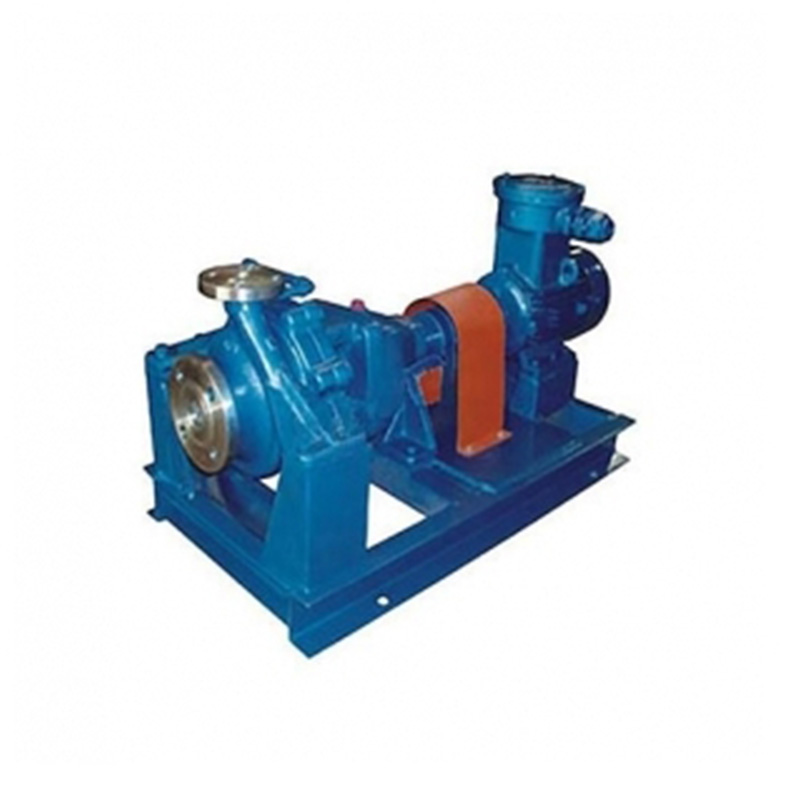 ZE High Temperature And High Pressure Petrochemical Process Pump (Heavy Duty) MaJiangsu Feixiang Pump is china ZE High Temperature And High Pressure Petrochemical Process Pump (Heavy Duty) Manufacturers and Wholesale ...View Product →
| Service class | Typical media | Main selection driver | Representative pump type |
|---|---|---|---|
| General chemical duty | Acids, alkalis, solvents | Corrosion resistance, seal environment, easy maintenance | CZ, HJ, IH single-stage end-suction |
| Petrochemical process | Hydrocarbons, refinery streams | High pressure and temperature, inspection requirements | ZA type |
| Heavy-duty high-temperature, high-pressure | Hot oils, heavy feeds | Thermal stability, pressure integrity, long campaign life | ZE type |
The most common reliability problem in a centrifugal process pump is the mechanical seal. When a pump runs dry, cavitates, or operates far from its best-efficiency point, the seal suffers first. The fix is not simply to buy a better seal; it is to keep the pump inside its intended operating envelope and to give the seal the right environment, including a proper flush and adequate cooling. Commissioning and operation decisions matter as much as hardware choices.
Cavitation is the second most common threat. It occurs when the local pressure at the impeller inlet drops below the vapor pressure of the liquid, creating vapor bubbles that collapse against the impeller surface. The result looks like erosion and sounds like gravel passing through the casing. Checking the NPSH margin before purchase prevents most of this damage.
Bearing life also depends heavily on alignment and foundation quality. A pump with a well-built bearing frame will still fail early if the baseplate is not flat or the coupling is misaligned. These are simple, measurable details, and they deserve the same attention as the hydraulic calculation.
Procurement decisions become easier when the supplier is a process pump manufacturer rather than a trading company. A manufacturer with in-house design, casting, machining, and assembly capability can respond to specific process requirements, provide meaningful technical guidance, and supply spare parts from a known production record.
Working with a manufacturer that has served the chemical and petrochemical sectors for decades gives plants a practical advantage: engineering conversations are grounded in real installations, and by the time the pump arrives on site, there are no surprises in the dimensions, the materials, or the documentation.
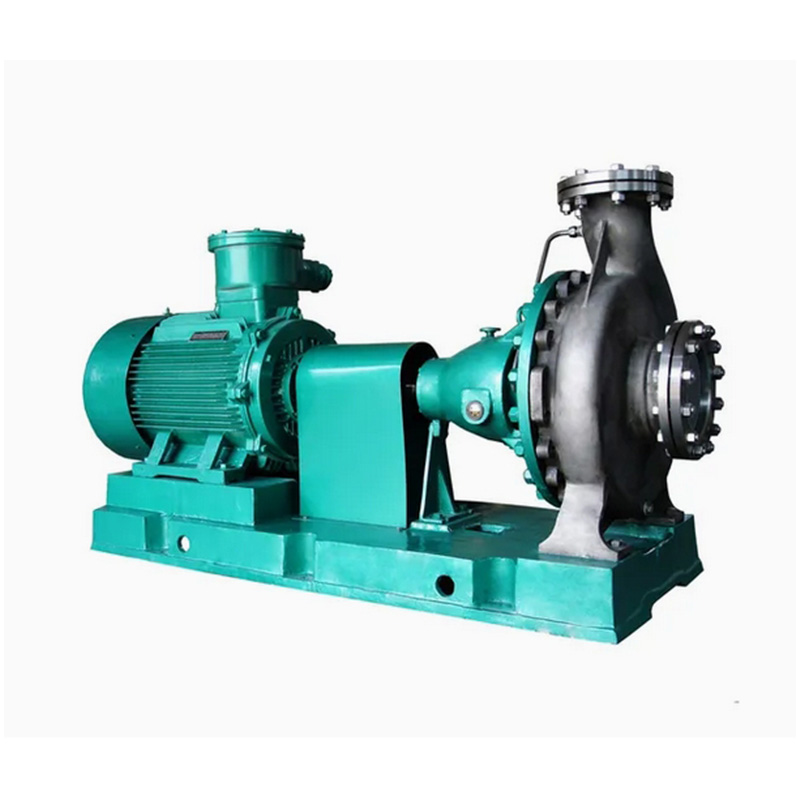
1. Performance range of CZ type chemical pump (according to design point) Flow: Q 1.6-1500m3/h Lift: H 5-125m Working pressure: P less than or equal t...
See Details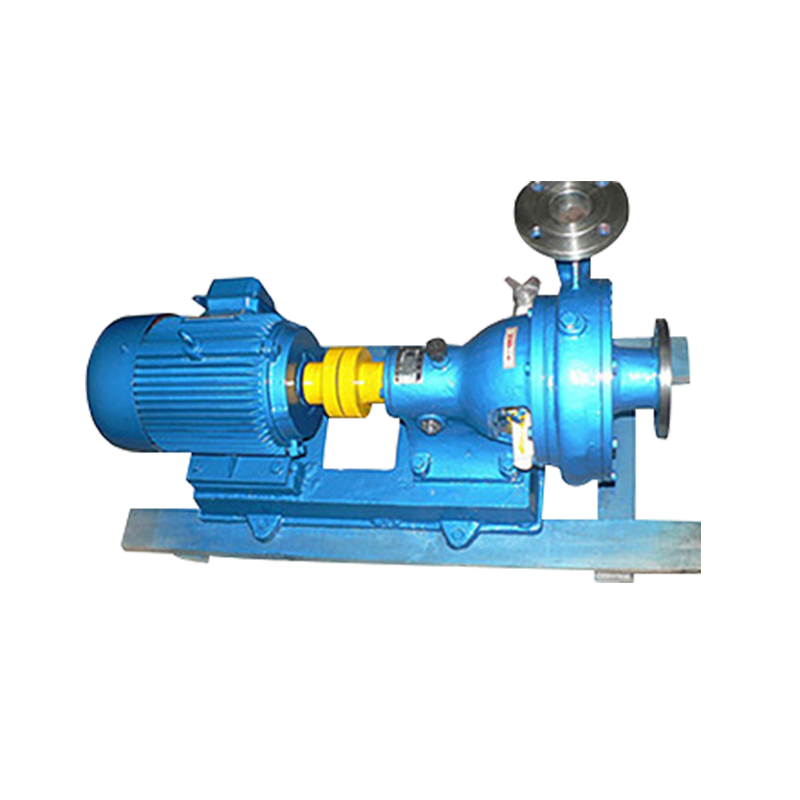
PWF corrosion-resistant sewage pump is a single-stage, single-suction, cantilever-type corrosion-resistant centrifugal sewage pump. Its functional ran...
See Details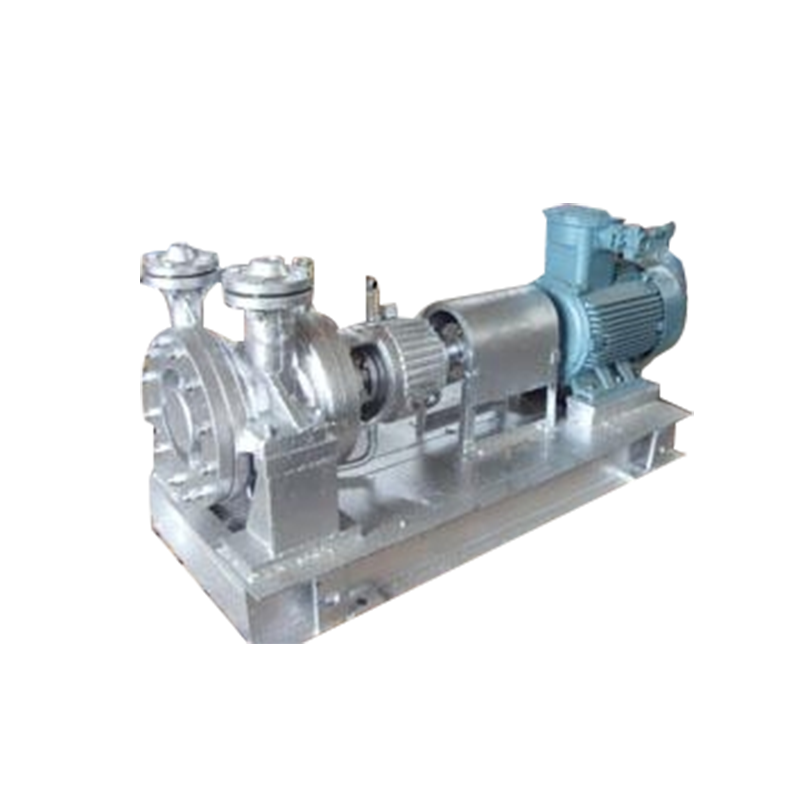
AY type oil pump is divided into two structural forms: single-stage single-suction cantilever type, two-stage single-suction cantilever type, single-s...
See Details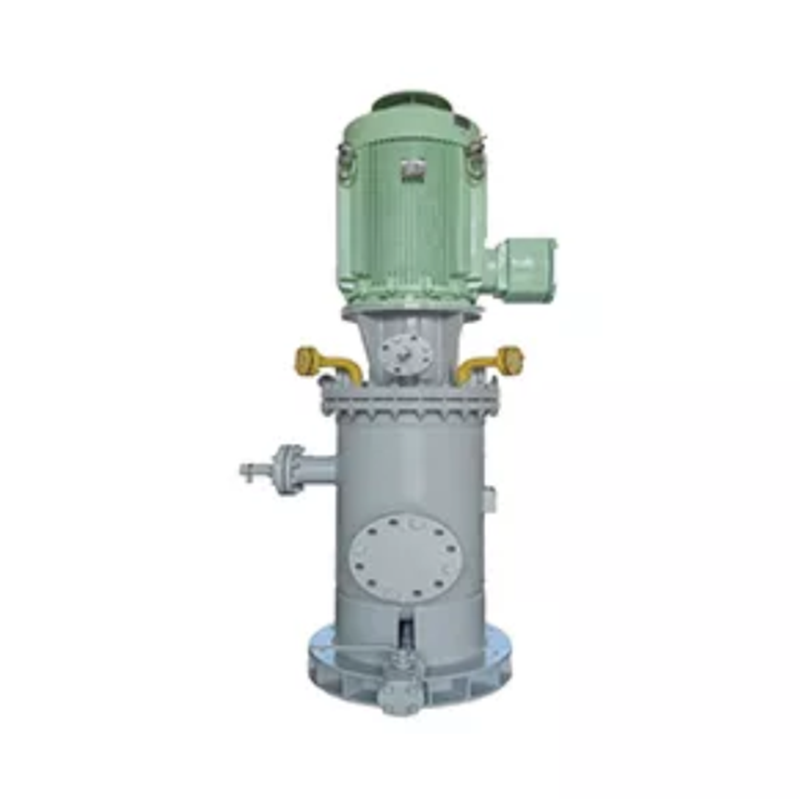
Performance Range: · Diameter: DN25~DN200 · Flow Rate: Up to 700 m³/h · Head: Up to 1000 m · Temperature Range...
See Details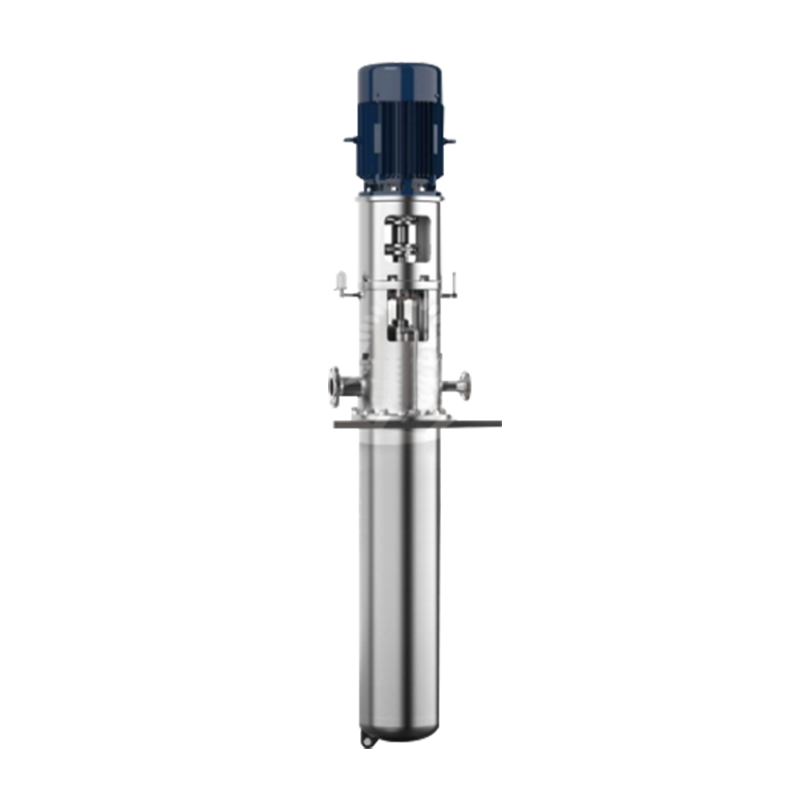
The diversion type barrel pump series offers hydraulic performance, featuring a variety of configuration options including self-cleaning, external cle...
See Details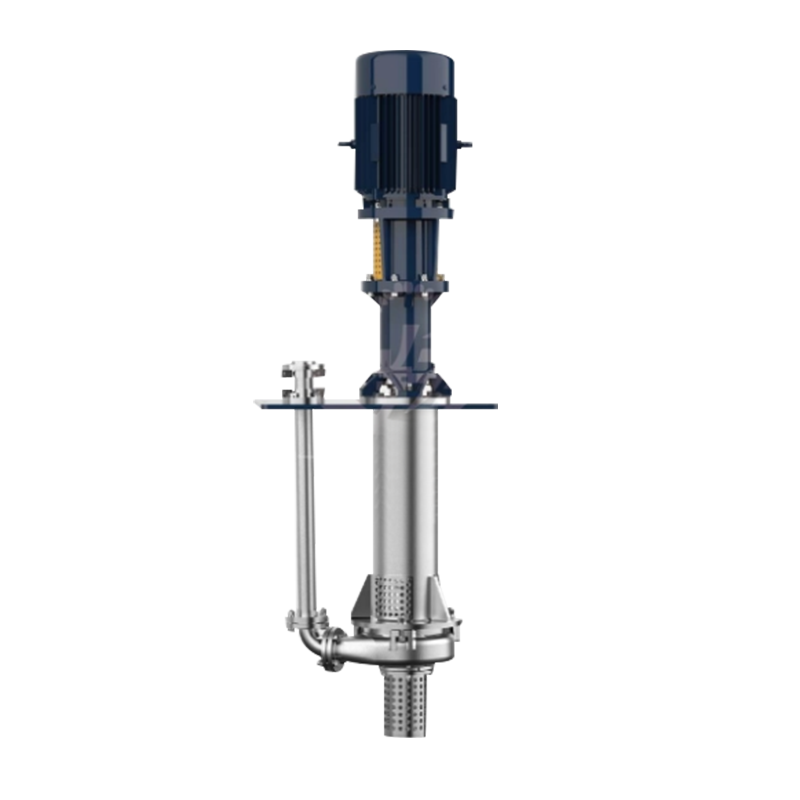
The slurry submerged pump is a cantilevered vertical design developed by our company, combining advanced features from both domestic and international...
See Details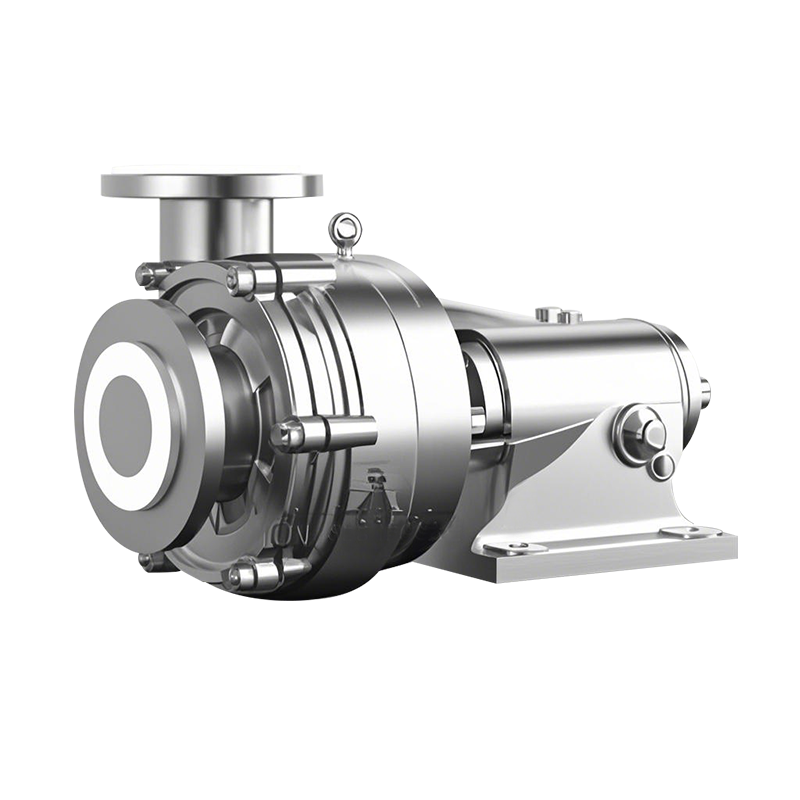
Slurry pumps are specialized equipment designed for transporting mixtures of liquids and solid particles, commonly known as slurries. These pumps are ...
See Details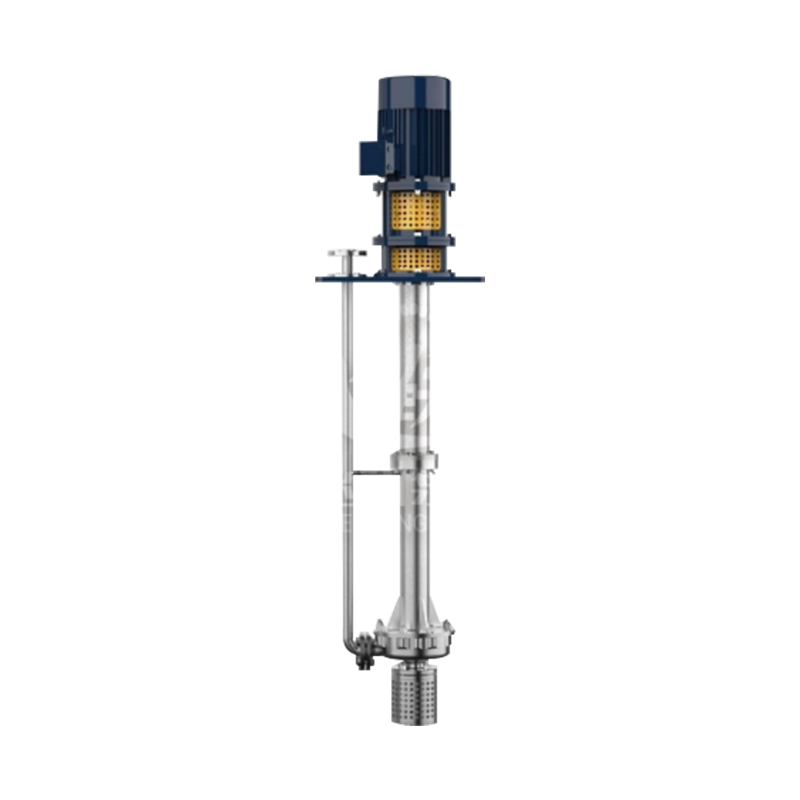
The Diversion-Type Long Shaft Submersible Desulfurization Pump is specifically engineered for underground sump applications in power plant flue gas de...
See Details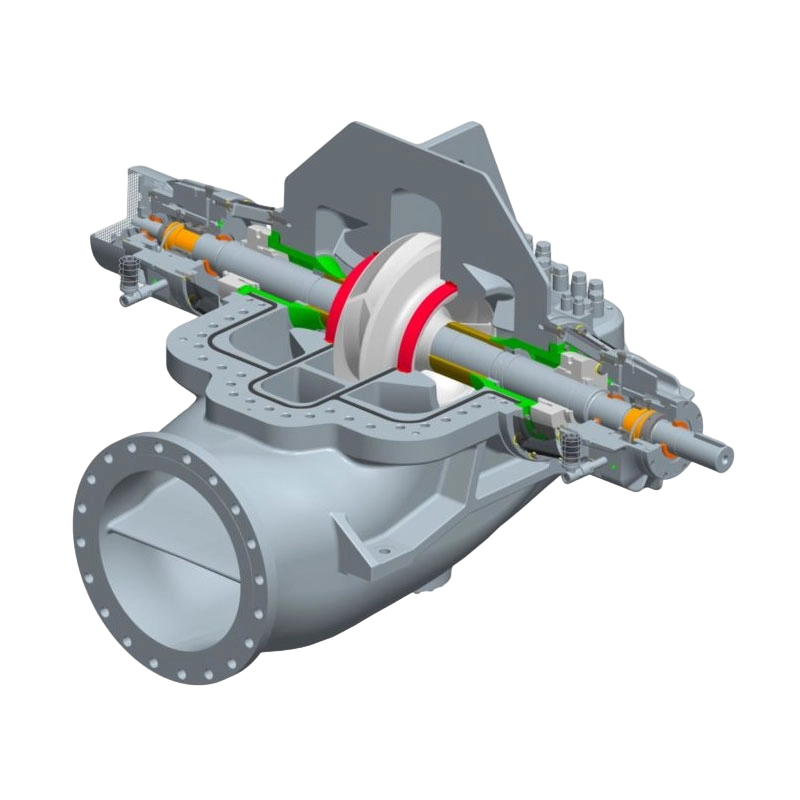
Our standard API 610 BB1 pumps are horizontally mounted, single-stage, double-suction units with an axially split casing between bearings. The pump an...
See Details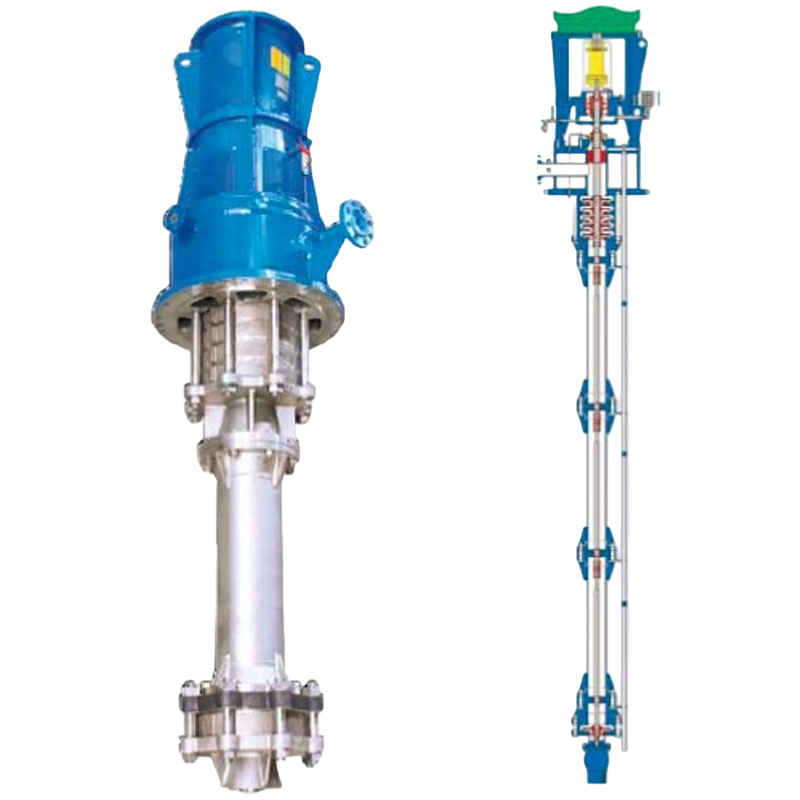
Our API 610 VS2 sump pumps feature a vertically suspended design with radially split single casing, available in single or multi-stage volute configur...
See DetailsCopyright © Welcome to Chemical Pump Factory - Jiangsu Feixiang Pump Manufacturing All rights reserved. Chemical Pumps Manufacturers

 +86-18052670932
 +86-0523-84326888
 No. 35, Xinqiao Middle Road, Xinqiao Town, Jingjiang City, Jiangsu Province, China