

 en
en  русский
 Español
AFB Corrosion Resistant Centrifugal Pump
Cat:Corrosion-Resistant Chemical Pump
FB stainless steel chemical pump has the advantages of reliable performance, good sealing, beautiful appearance, easy use and maintenance.
See DetailsContent
When a crude oil transfer pump stops, the entire platform or terminal feels it. I have seen specifications start with "we need a centrifugal pump" and end with a replacement order because nobody checked the actual viscosity, temperature, or sealing requirements. In the oil industry, pump selection is not a theoretical exercise. It is a decision that affects production continuity, energy cost, safety, and total ownership cost.
This guide explains what you actually need to know about oil industry pumps: where they are used, which types are most common, and which selection criteria matter most. If you are a plant engineer, a maintenance planner, or a procurement specialist, this will give you a clear framework before you open a quote request.
The oil and gas supply chain is broad. Pumps work in three distinct environments, and each one changes the selection boundary:
This is why a single "oil pump" does not exist. The best pump for pipeline crude transfer may be useless for a refinery hot-oil loop.
Most oil and gas pump specifications fall into two families: centrifugal pumps and positive displacement pumps. Each family serves a different hydraulic and application profile. The table below shows the categories you will encounter most often:
| Pump Type | Typical Oil and Gas Service | Selection Note |
|---|---|---|
| Centrifugal | Refinery feedstock, cooling water, pipeline transfer | Wide flow range and low maintenance; less efficient at high viscosity |
| Reciprocating plunger | Water injection, chemical injection, high-pressure cleaning | Very high pressure capability; pulsating flow requires dampening |
| Progressive cavity | Heavy oil, oily sludge, sand-laden crude | Handles viscous and abrasive fluids; elastomer limits temperature |
| Gear | Lube oil, fuel oil, seal oil circuits | Compact and precise; unsuitable for abrasive fluids |
| Diaphragm | Chemical injection, methanol dosing, waste acid transfer | Good sealing characteristics; lower flow rates |
| Metering | Additive dosing, inhibitor injection, custody transfer | Accurate low-flow control; requires clean fluids |
| Petrochemical process | Refinery high-temperature and high-pressure services | Engineered to meet stricter reliability and safety standards |
The key insight is that pump selection follows the fluid and the duty, not the pump name. A positive displacement pump may be the right answer for heavy crude, while a centrifugal pump remains the best for large-volume transfer when viscosity is low enough.
Before comparing brands, define the real service envelope. These five criteria are where most mistakes happen.
The operating point must be calculated from the system curve, not from a nameplate. A pump selected only for maximum flow can operate away from its best efficiency point, causing vibration and premature seal failure. In high-head services, centrifugal pumps may need multiple stages, while positive displacement pumps can handle high pressure more directly.
Refinery services routinely operate above 300 degrees Celsius, and some heavy-duty applications exceed 350 degrees Celsius. At these levels, casing materials, gaskets, bearing cooling, and shaft sealing are just as important as hydraulic performance. This is where pumps either survive or fail early, as we summarized in our review of high-pressure and high-temperature performance in pumps.
Crude oil is not one fluid. A light condensate may have a viscosity close to water, while bituminous crude can be a thousand times thicker. As a practical guideline, centrifugal pumps are most efficient below roughly 100 centistokes; above that, positive displacement designs such as progressive cavity pumps become more predictable. Solids in the crude also push the selection toward pumps with larger internal clearances.
Hydrogen sulfide, chlorides, acids, and process chemicals force material decisions. A pump handling sour water may need duplex stainless steel, while a pump in amine service may require special shaft metallurgy. The right material prevents both corrosion and stress cracking, which matters especially when the pump runs continuously in a refinery.
Leakage is not only a loss of product; it is a safety and environmental issue. In volatile hydrocarbon service, a single mechanical seal failure can shut down a unit. Evaluate the shaft seal arrangement early, and confirm that the pump design allows access and maintenance in the actual installation.
The same selection logic plays out in each part of the industry.
For water injection and chemical injection, positive displacement pumps dominate because they can develop the required pressure without multistage complexity. Progressive cavity pumps handle crude with sand and produced water, especially in mature fields where the fluid is heavy and dirty.
For pipeline booster service and terminal loading, centrifugal pumps are common because they provide high flow with a steady discharge. When the crude is heavy, a screw pump or a purpose-sized positive displacement pump is often the safer choice, even though it costs more initially.
Refinery and petrochemical processes are the most demanding pump applications in the oil industry. Many refinery pumps are specified to API 610 design guidelines, which set requirements for casing design, bearing life, sealing, and reliability.
For standard refinery process services, the ZA petrochemical process pump is a practical example of a pump designed to handle hydrocarbons at elevated temperature and pressure while keeping maintenance accessible.
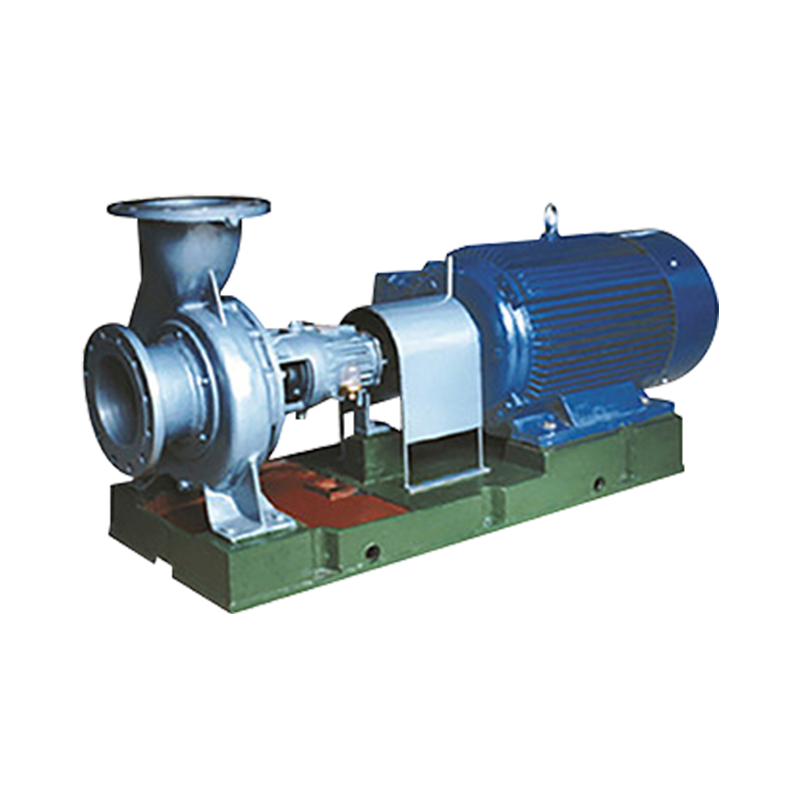 ZA Petrochemical Process Pump Manufacturers, Factory - Jiangsu Feixiang Pump ManJiangsu Feixiang Pump is china ZA Petrochemical Process Pump Manufacturers and Wholesale ZA Petrochemical Process Pump Factory, 1. Overvi...View Product →
Where the service condition becomes severe, with high temperature, high pressure, and heavy continuous loading, the ZE heavy-duty high-temperature high-pressure petrochemical process pump is built with thicker sections and more robust internals for reliable operation.
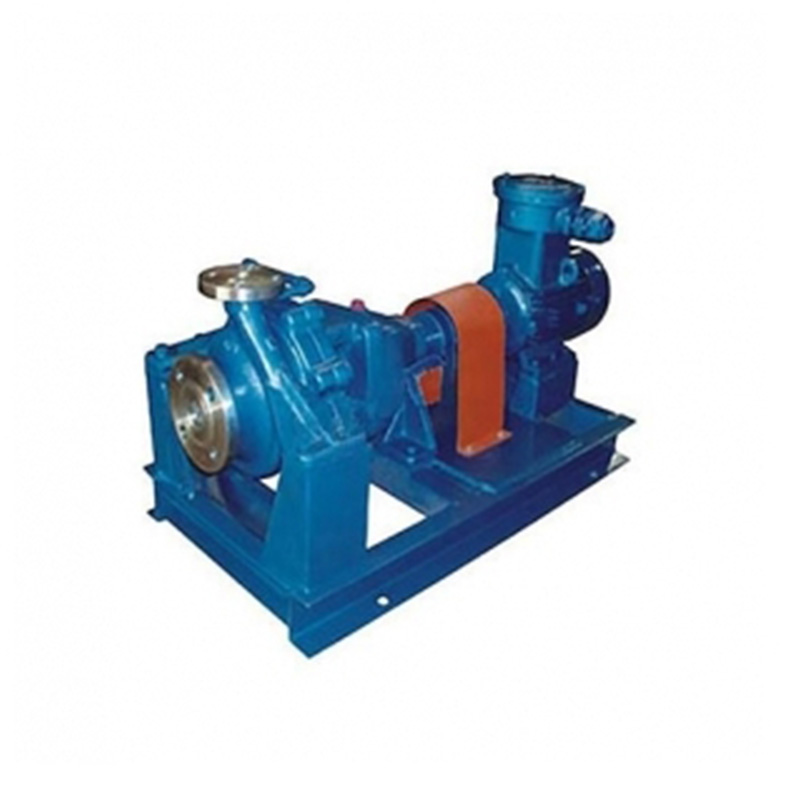 ZE High Temperature And High Pressure Petrochemical Process Pump (Heavy Duty) MaJiangsu Feixiang Pump is china ZE High Temperature And High Pressure Petrochemical Process Pump (Heavy Duty) Manufacturers and Wholesale ...View Product →
In hot-oil heat transfer systems, where thermal expansion and high temperature put stress on the pump body, an AY high-temperature hot oil centrifugal pump is often the correct shape for the job.
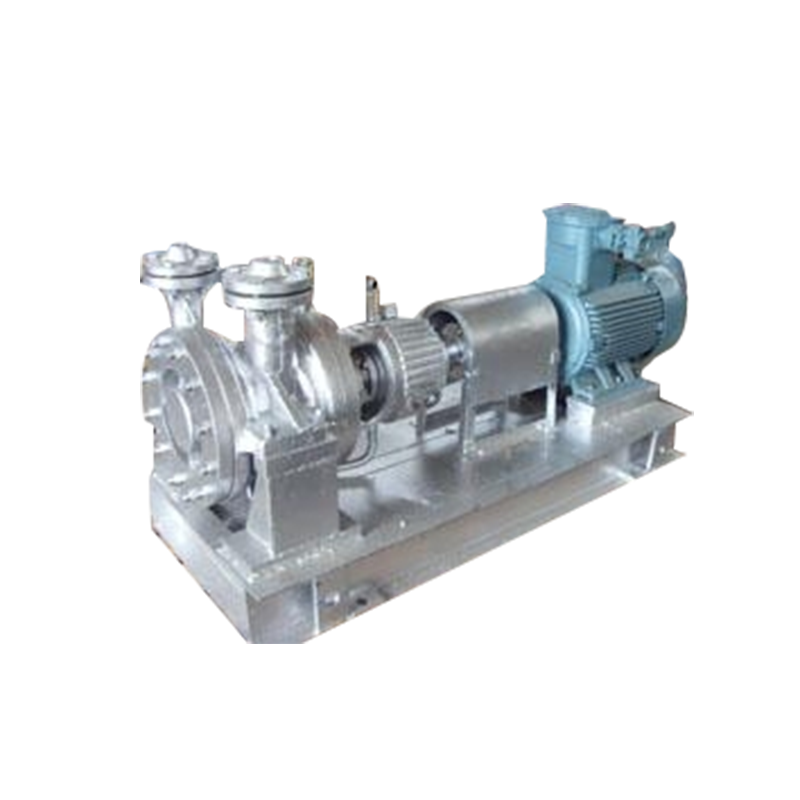 AY High Temperature Hot Oil Centrifugal Pump Manufacturers, Factory - Jiangsu FeJiangsu Feixiang Pump is china AY High Temperature Hot Oil Centrifugal Pump Manufacturers and Wholesale AY High Temperature Hot Oil Centr...View Product →
An oil industry pump is only as reliable as the combination of casting quality, machining accuracy, rotor balancing, and sealing. The best hydraulic design in the world will fail if the casing has micro-porosity or the bearing housing is not concentric. This is why the company behind the pump matters.
A manufacturer that controls the full chain, from research and design to machining and final assembly, can respond faster when a pump has to be adjusted for a specific temperature range or material. It also means the customer can hold a single responsible partner for the pump's performance.
At the point of purchase, ask about the manufacturer's experience in similar service, the availability of spare parts, and the quality process. The lowest quote usually tells you nothing about the real cost of a pump after three years in severe service.
Oil industry pumps are selected by matching the pump type, materials, sealing, and driver arrangement to the actual fluid and system duty. Start with the service envelope, compare the pump families, and then evaluate the manufacturer's engineering ability and track record.
If you are currently specifying a pump for a sour crude transfer line or a refinery hot-oil circulation system, define the pressure, temperature, viscosity, and corrosivity first. A pump that is selected correctly the first time is cheaper than any emergency purchase.
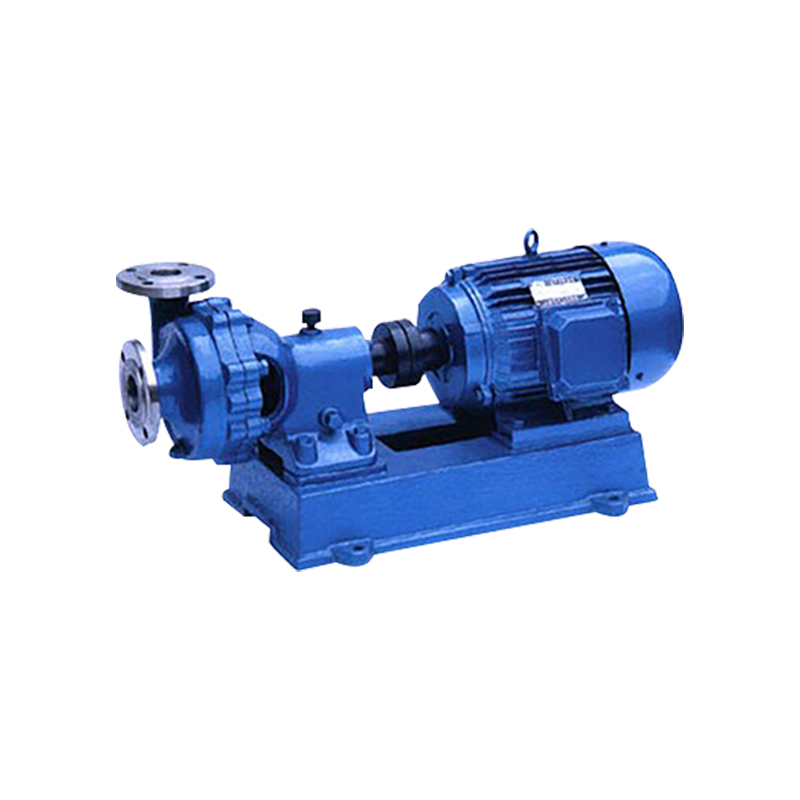
FB stainless steel chemical pump has the advantages of reliable performance, good sealing, beautiful appearance, easy use and maintenance.
See Details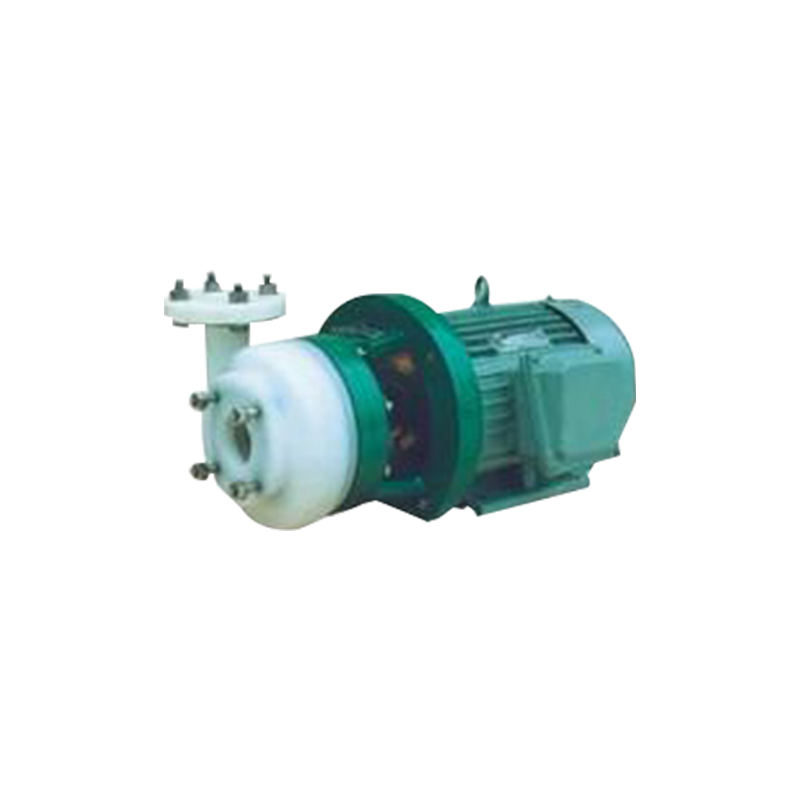
FSB fluoroplastic pump overview The FSB-type fluoroplastic alloy pump is designed according to international standard dimensions. The pump body is org...
See Details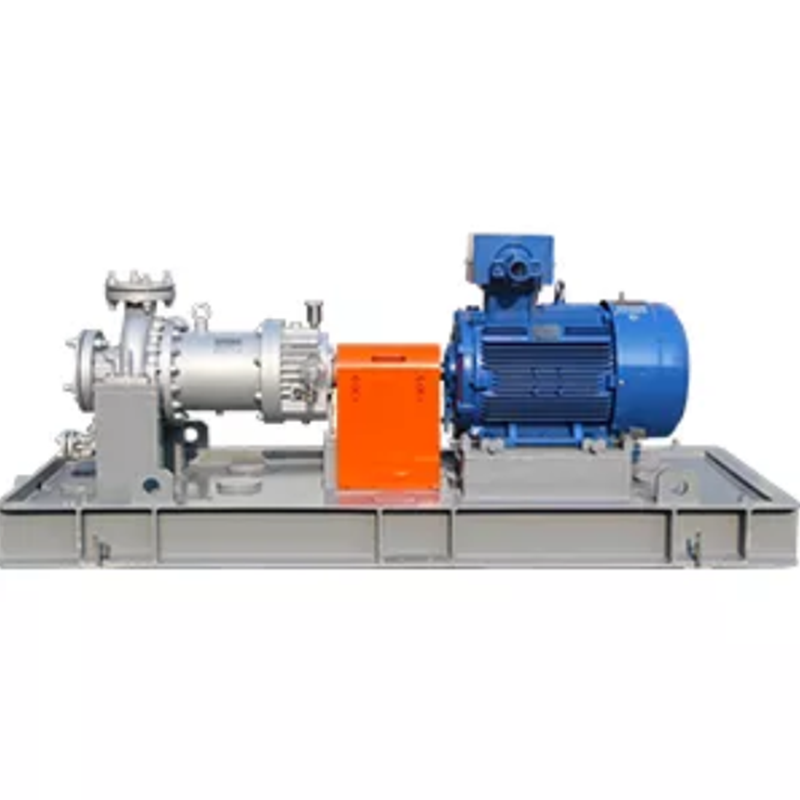
Performance Range: · Diameter: DN25~DN400 · Flow Rate: Up to 2000 m³/h · Head: Up to 250 m · Temperature Limit...
See Details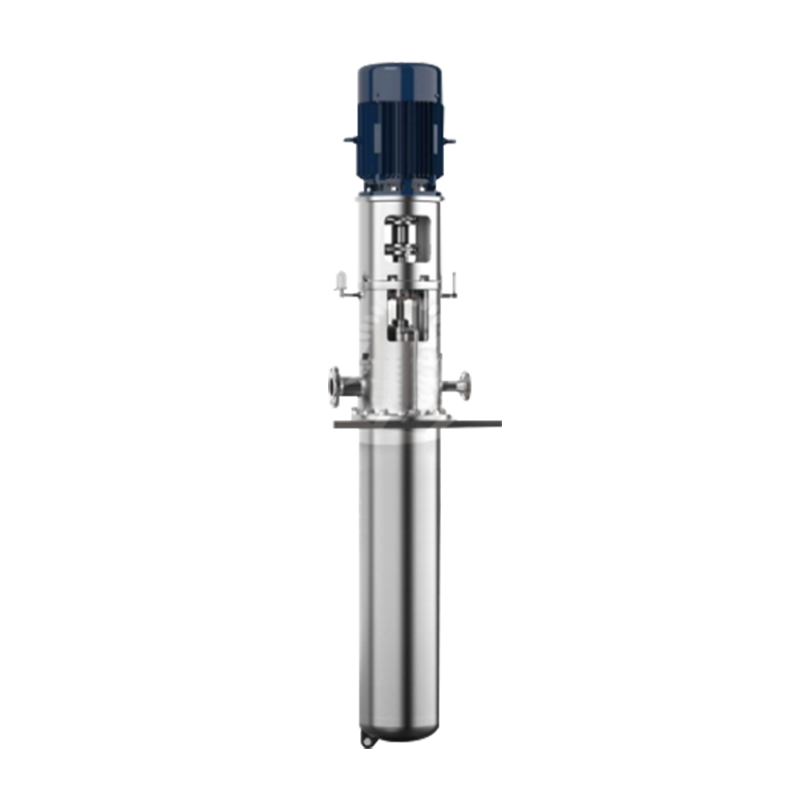
The diversion type barrel pump series offers hydraulic performance, featuring a variety of configuration options including self-cleaning, external cle...
See Details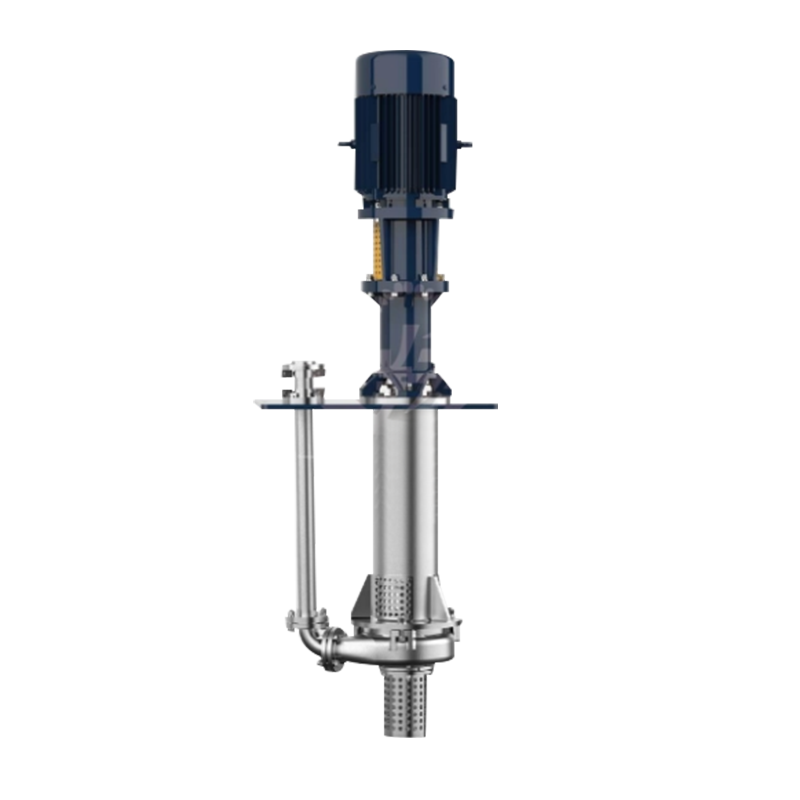
The slurry submerged pump is a cantilevered vertical design developed by our company, combining advanced features from both domestic and international...
See Details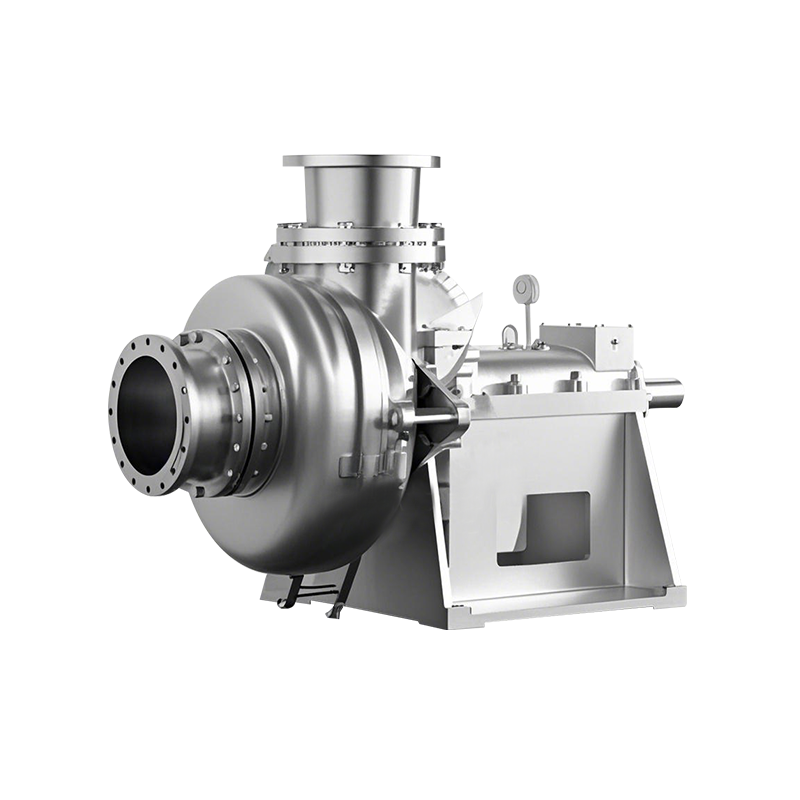
The Single Casing Series Slurry Pump is a new generation of high-efficiency, wear-resistant, and energy-saving slurry pumps developed by our company. ...
See Details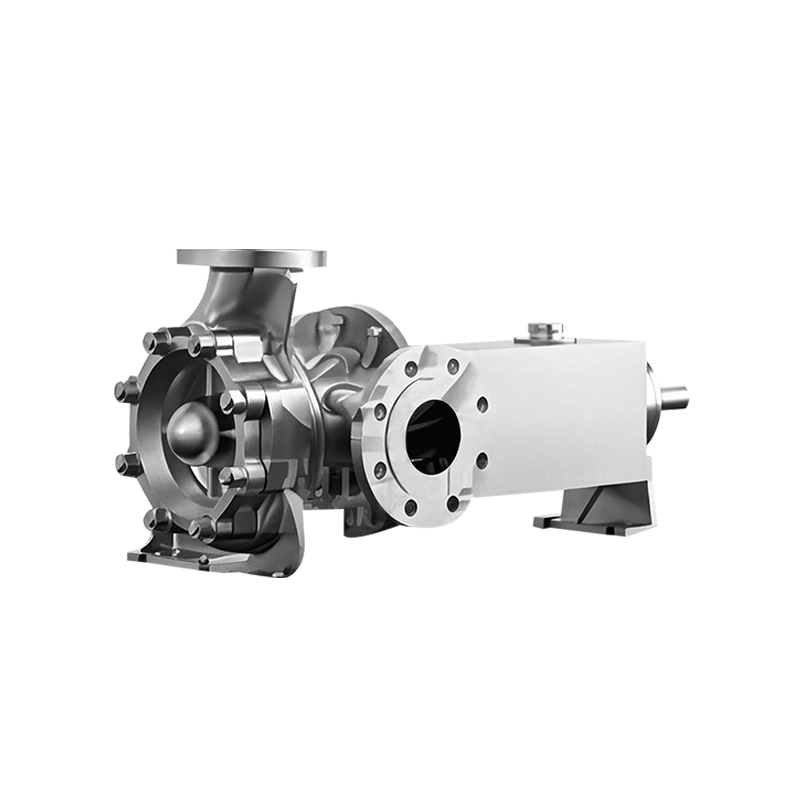
The filter press pump is a vertical, single-stage, single-suction, cantilever-type centrifugal pump, ingeniously crafted based on multiphase flow theo...
See Details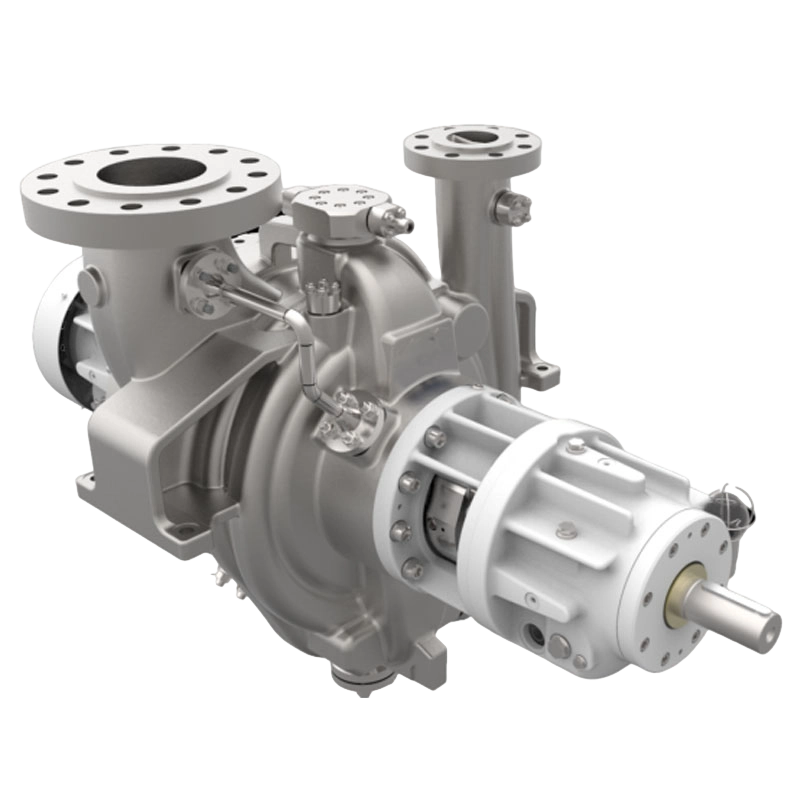
Our standard API 610 BB2 pumps feature a centerline-mounted, radially split casing with double suction and between-bearing construction. The pump and ...
See Details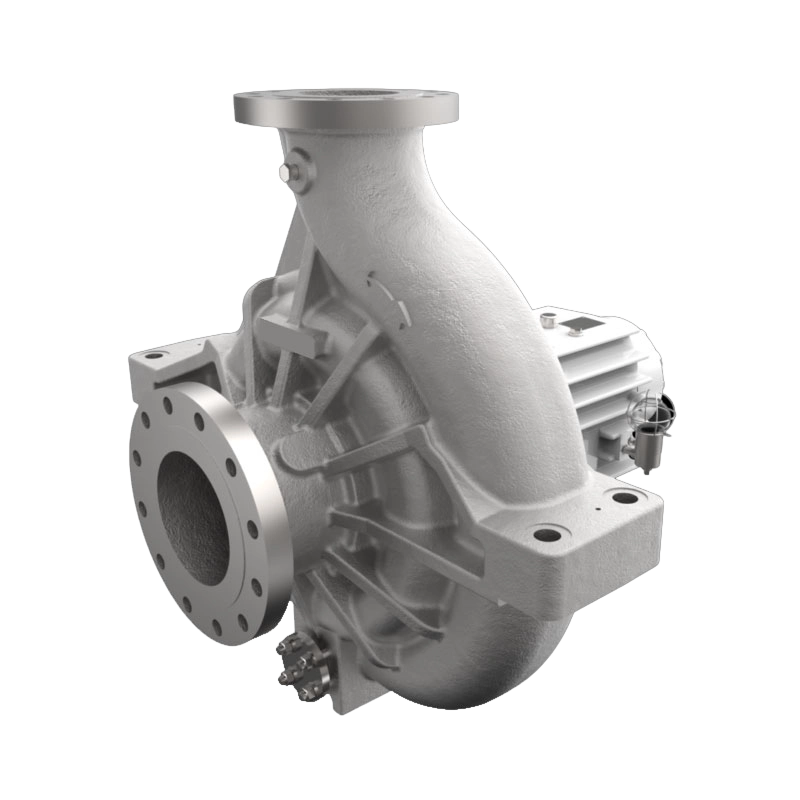
Our standard API 610 OH2 pumps are centerline-supported, single-stage, overhung units with an integrated bearing housing. The pump and motor are flexi...
See Details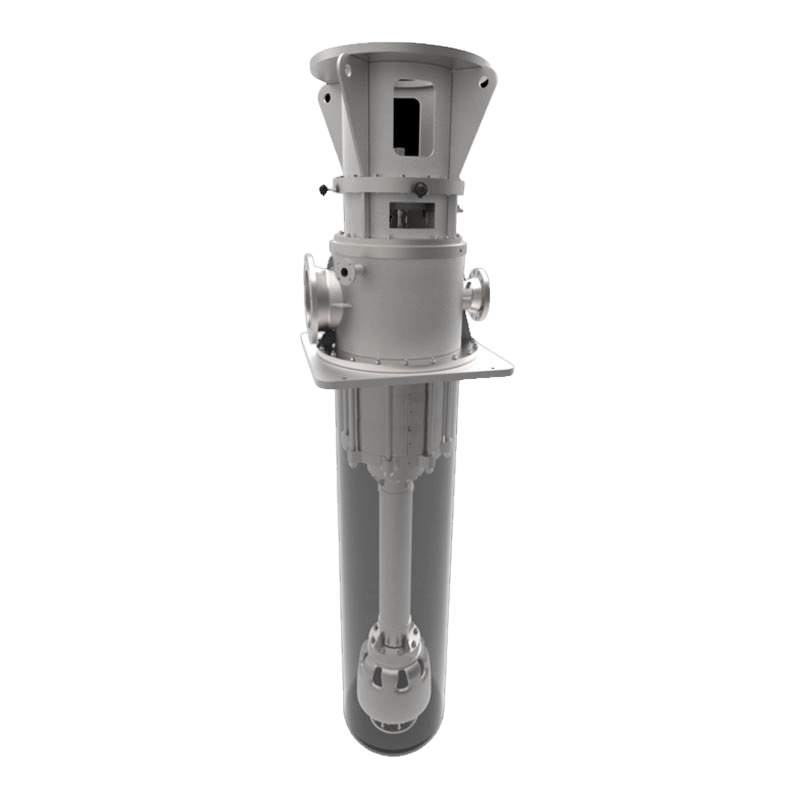
Our API 610 VS6 sump pumps feature a vertically suspended configuration with radially split single casing, designed as single or multi-stage diffuser ...
See DetailsCopyright © Welcome to Chemical Pump Factory - Jiangsu Feixiang Pump Manufacturing All rights reserved. Chemical Pumps Manufacturers

 +86-18052670932
 +86-0523-84326888
 No. 35, Xinqiao Middle Road, Xinqiao Town, Jingjiang City, Jiangsu Province, China