

 en
en  русский
 Español
PWF Corrosion-Resistant Sewage Pump
Cat:Chemical Sewage Pump
PWF corrosion-resistant sewage pump is a single-stage, single-suction, cantilever-type corrosion-resistant centrifugal sewage pump. Its functional ran...
See DetailsContent
Choosing the right pump for a fluid handling system is one of the most consequential decisions in engineering design. Among the variables that define pump selection, the direction in which the impeller moves fluid — axially or radially — has a fundamental impact on performance, efficiency, and suitability for a given application. Axial flow pumps and radial flow pumps represent two distinct design philosophies, each optimized for different operating conditions. Understanding the mechanical differences between these two types, how they perform under various load conditions, and where each excels in real-world applications will help engineers, facility managers, and procurement specialists make informed, cost-effective decisions.
At the most basic level, axial flow and radial flow describe the direction in which a pump impeller imparts energy to the fluid passing through it. In an axial flow pump, fluid enters the impeller parallel to the shaft axis and exits in the same axial direction. The impeller blades function similarly to a ship's propeller or an aircraft fan, pushing fluid forward along the axis of rotation. This design is optimized for moving large volumes of fluid with relatively low pressure gain.
In contrast, a radial flow pump — more commonly known as a centrifugal pump in its pure form — receives fluid at the center of the impeller and accelerates it outward in a direction perpendicular to the shaft. Centrifugal force generated by the rotating impeller throws the fluid radially toward the pump casing, converting velocity into pressure. Radial flow designs excel in applications requiring high discharge pressure with comparatively moderate flow volumes.
Between these two extremes sits the mixed flow pump, which combines axial and radial principles. Fluid enters axially and exits at an angle between 0° and 90° relative to the shaft. Mixed flow pumps occupy a middle ground in terms of head and flow capacity, making them useful in applications where neither pure axial nor pure radial designs are ideal.
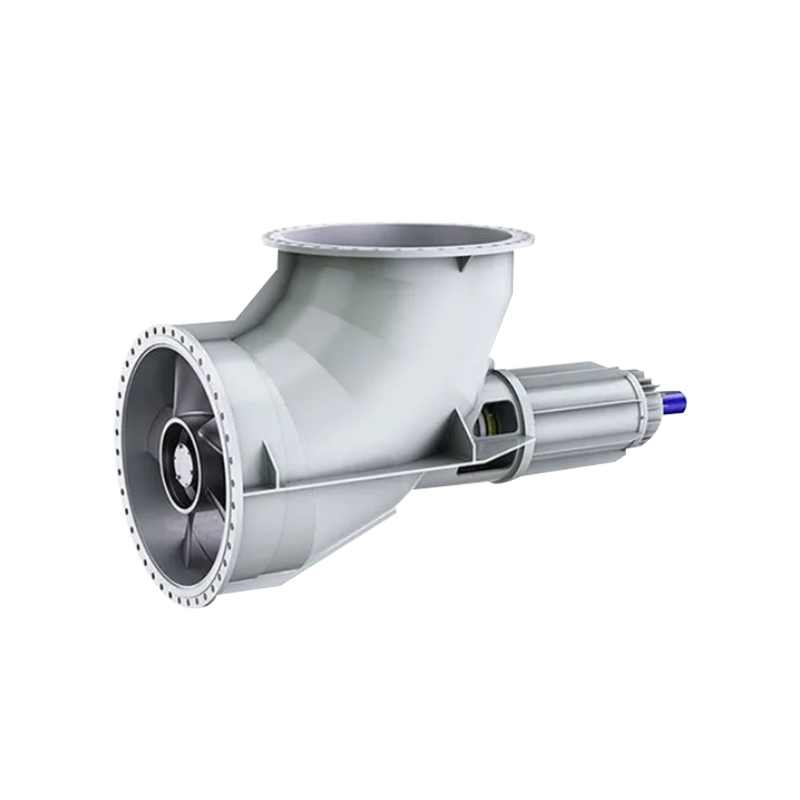
An axial flow pump consists of a propeller-like impeller mounted on a rotating shaft within a cylindrical casing. As the impeller rotates, its angled blades generate lift forces that push fluid along the axis of the shaft, much like a screw thread advancing through a medium. Guide vanes positioned downstream of the impeller recover the rotational energy (swirl) imparted to the fluid and convert it into pressure, improving overall efficiency.
The hydraulic characteristics of axial flow pumps are defined by high specific speed values — typically between 9,000 and 15,000 (in US customary units) — which place them at the high-flow, low-head end of the pump performance spectrum. They are capable of handling very large volumetric flow rates, often exceeding tens of thousands of gallons per minute, while generating relatively modest pressure heads, usually in the range of 1 to 15 meters depending on the design and speed.
One defining characteristic of axial flow pumps is their steep head-flow curve. At low flow rates, the head generated can drop sharply, and the pump can become unstable or subject to recirculation. This behavior means axial flow pumps must be carefully matched to their duty point and are generally less tolerant of wide variations in system demand than radial flow designs.
Radial flow pumps use a closed or open impeller with backward-curved, forward-curved, or radial vanes. Fluid is drawn into the eye (center) of the impeller and accelerated outward by centrifugal force as the impeller rotates. The volute casing or diffuser surrounding the impeller collects the high-velocity fluid and converts its kinetic energy into static pressure before it exits through the discharge port.
Radial flow pumps operate at lower specific speeds — typically between 500 and 4,000 — making them suited for applications requiring high pressure heads with moderate to low flow rates. They are extremely versatile and can be staged (multiple impellers in series) to achieve very high pressures, which is why they dominate applications in water supply, oil and gas, HVAC, and chemical processing.
The head-flow curve of a radial flow pump is flatter and more stable than that of an axial flow pump. This means radial flow pumps can handle wider variations in flow demand without the instability risks associated with axial designs, making them easier to apply in systems with variable or unpredictable loads.
The performance differences between axial and radial flow pumps are best understood by comparing their key operating parameters side by side.
| Parameter | Axial Flow Pump | Radial Flow Pump |
| Flow Rate Capacity | Very High | Low to Moderate |
| Pressure Head | Low (1–15 m) | Moderate to High (up to 1,000+ m) |
| Specific Speed | 9,000 – 15,000 | 500 – 4,000 |
| Efficiency at Design Point | Up to 90% | Up to 92% |
| Head-Flow Curve Shape | Steep, unstable off-design | Flat, stable over wide range |
| Physical Size | Compact axially, large diameter | Compact radially, multi-stage possible |
| Starting Torque | High | Lower |
Axial flow pumps are deployed in scenarios where the primary challenge is moving massive quantities of fluid across a relatively short vertical distance. Their high specific speed and large flow capacity make them the engineering solution of choice in several critical infrastructure sectors.
Radial flow pumps dominate applications where pressure head, versatility, and stable performance across variable demand conditions are priorities. Their wide operating range and ability to be configured in multiple stages give them unmatched flexibility.
Both axial and radial flow pumps can achieve high efficiencies at their best efficiency point (BEP), but their behavior away from BEP differs significantly and has important implications for energy costs and mechanical reliability.
Axial flow pumps have a narrow high-efficiency operating band. When the flow rate deviates significantly from the BEP — even by 20 to 30 percent — efficiency drops steeply, and hydraulic forces on the impeller blades increase dramatically. Operating an axial flow pump consistently off-design accelerates bearing wear, increases vibration, and can cause cavitation or blade stall. This makes precise hydraulic system design and careful operational discipline essential when using axial flow pumps. Variable-pitch impellers, which allow blade angle adjustment to maintain BEP across varying demand, are used in large installations to address this limitation.
Radial flow pumps have a broader efficiency curve. A well-designed centrifugal pump may maintain efficiency within 5 to 10 percentage points of BEP across a flow range spanning 60 to 130 percent of the design point. This makes them far more forgiving in systems with variable demand, such as water distribution networks or HVAC circuits where loads change continuously. The widespread adoption of variable frequency drives (VFDs) with radial flow centrifugal pumps has further extended their efficient operating range by allowing impeller speed to be adjusted to match system demand in real time.
The mechanical configuration of axial and radial flow pumps creates differences in installation requirements, maintenance access, and component wear patterns that should factor into long-term ownership cost calculations.
The decision between axial and radial flow should be driven by a thorough hydraulic analysis of the system, not by cost or familiarity alone. The following criteria provide a practical framework for making the right selection.
Axial flow and radial flow pumps represent fundamentally different engineering solutions to the challenge of fluid transfer. Axial flow pumps deliver unmatched capacity for high-volume, low-head applications and are indispensable in flood control, irrigation, and large-scale cooling systems. Radial flow pumps offer superior pressure capability, a wider stable operating range, and greater installation flexibility, making them the workhorses of water supply, industrial processing, and building services. Selecting the right pump type begins with a rigorous analysis of specific speed, system head, flow variability, and fluid characteristics — and ends with a pump that operates efficiently and reliably at its design point for its full service life.
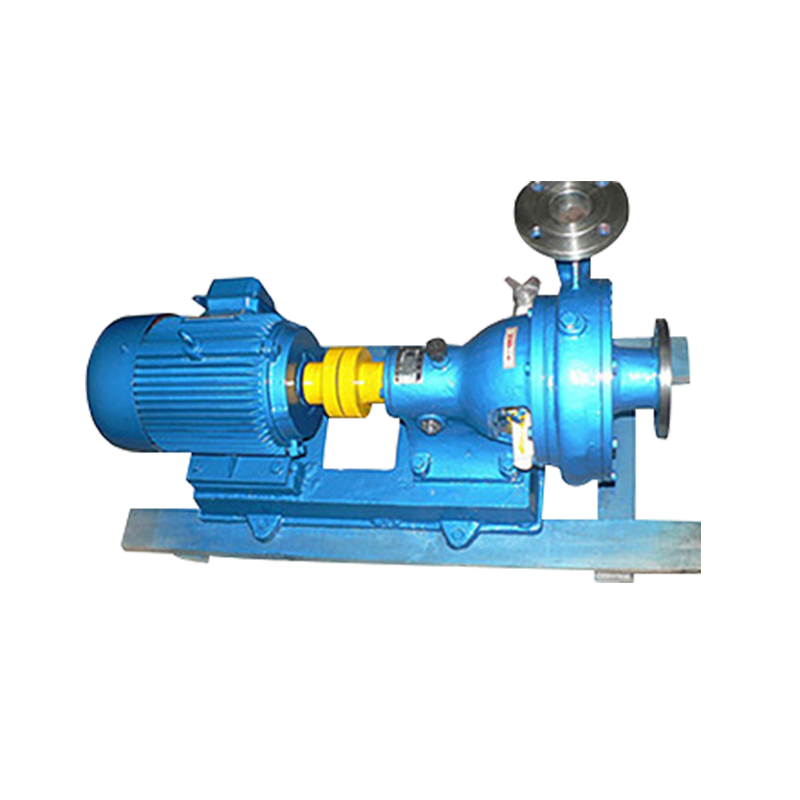
PWF corrosion-resistant sewage pump is a single-stage, single-suction, cantilever-type corrosion-resistant centrifugal sewage pump. Its functional ran...
See Details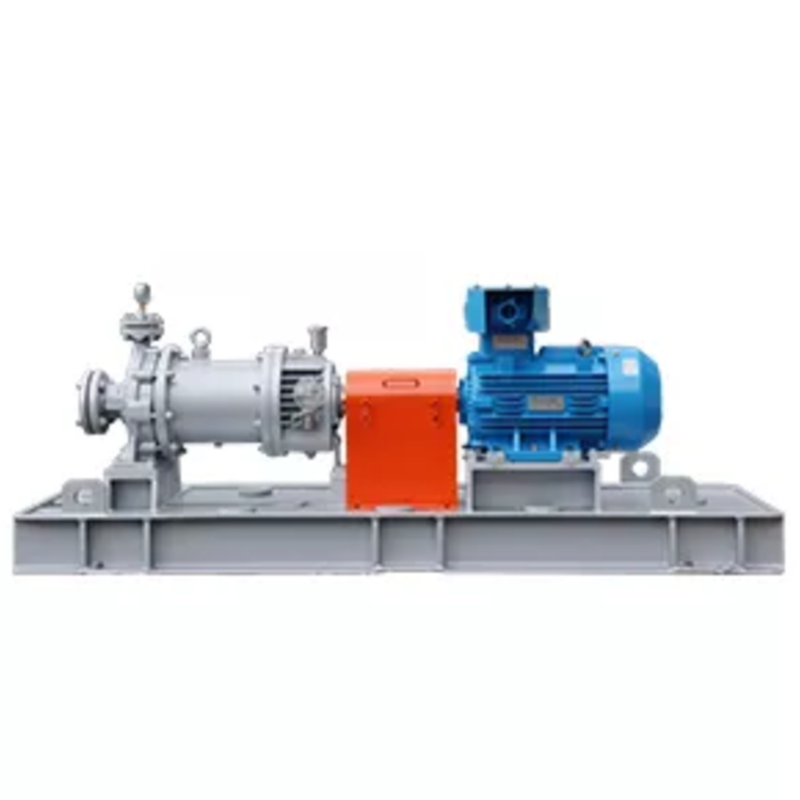
Performance Range: · Diameter: DN25~DN400 · Flow Rate: Up to 2000 m³/h · Head: Up to 250 m · Power: Up to 560 ...
See Details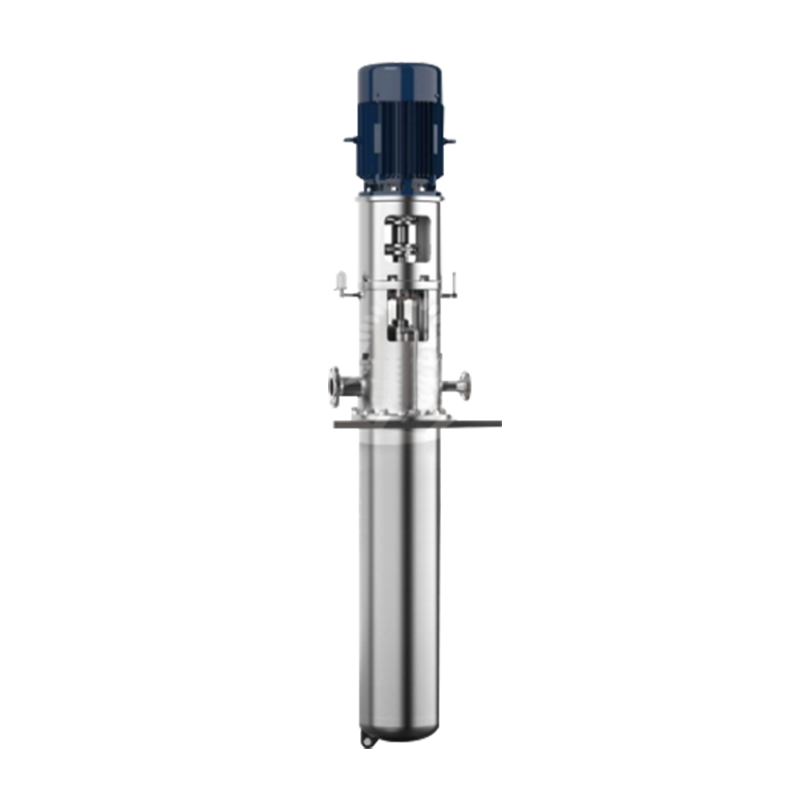
The diversion type barrel pump series offers hydraulic performance, featuring a variety of configuration options including self-cleaning, external cle...
See Details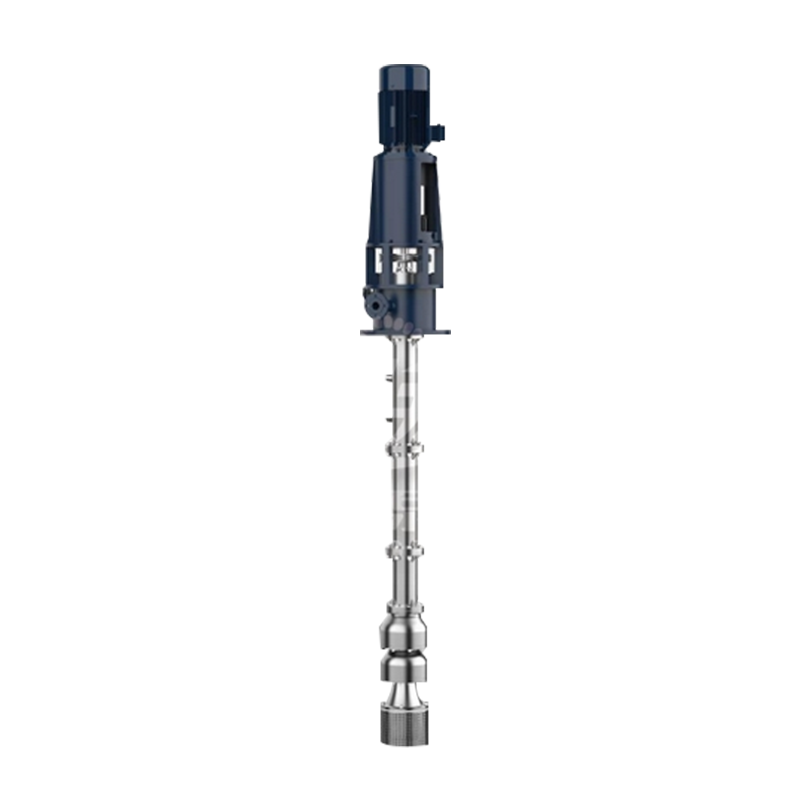
The molten salt submerged pump is a specialized high-temperature pump developed by Jiangsu Feixiang Pump Industry Co., Ltd. This product series was cr...
See Details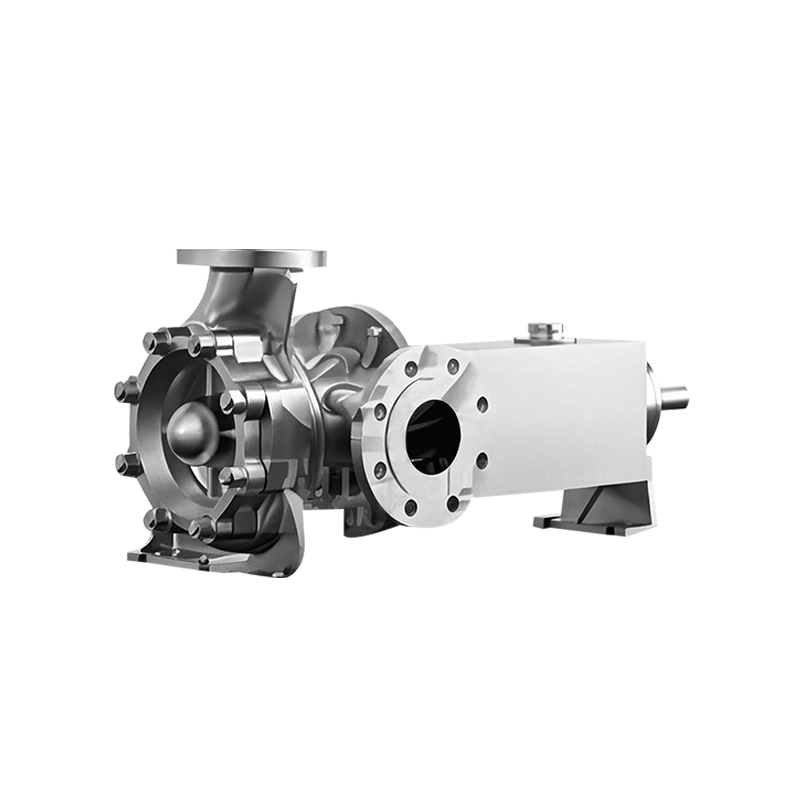
The filter press pump is a vertical, single-stage, single-suction, cantilever-type centrifugal pump, ingeniously crafted based on multiphase flow theo...
See Details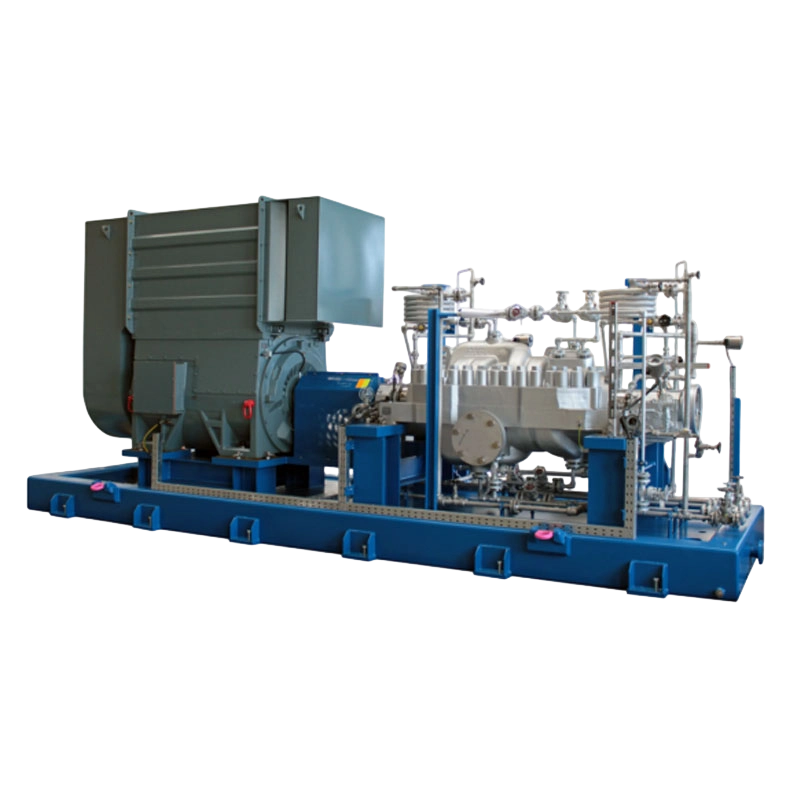
Our API 610 BB3 pumps are centerline-mounted, multistage units featuring an axially split casing with single suction and between-bearing construction....
See Details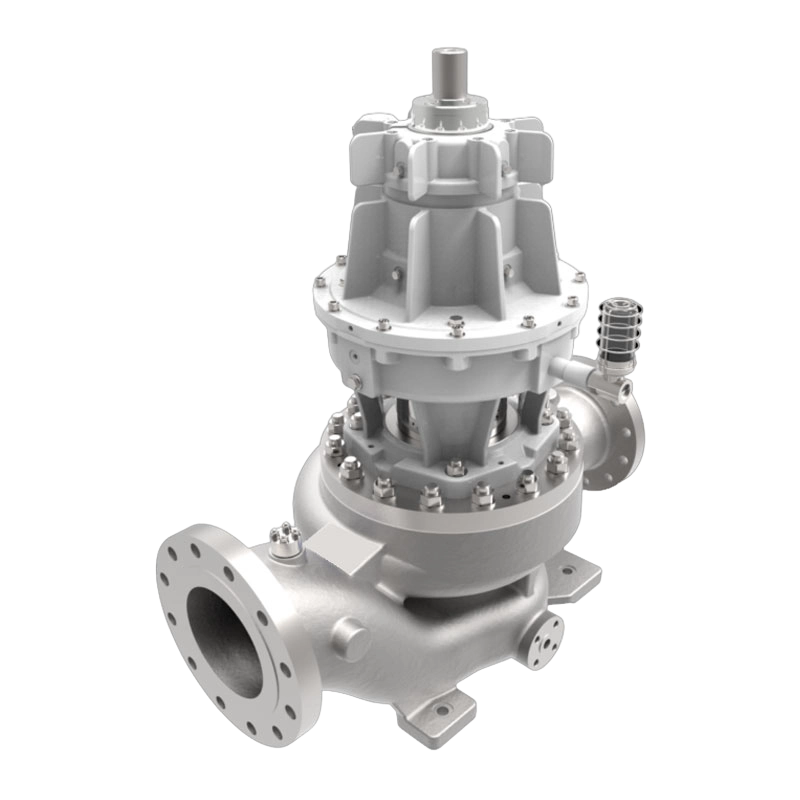
Our standard OH3 pumps are vertically oriented, in-line, single-stage overhung units featuring a separate bearing bracket with flexible motor coupling...
See Details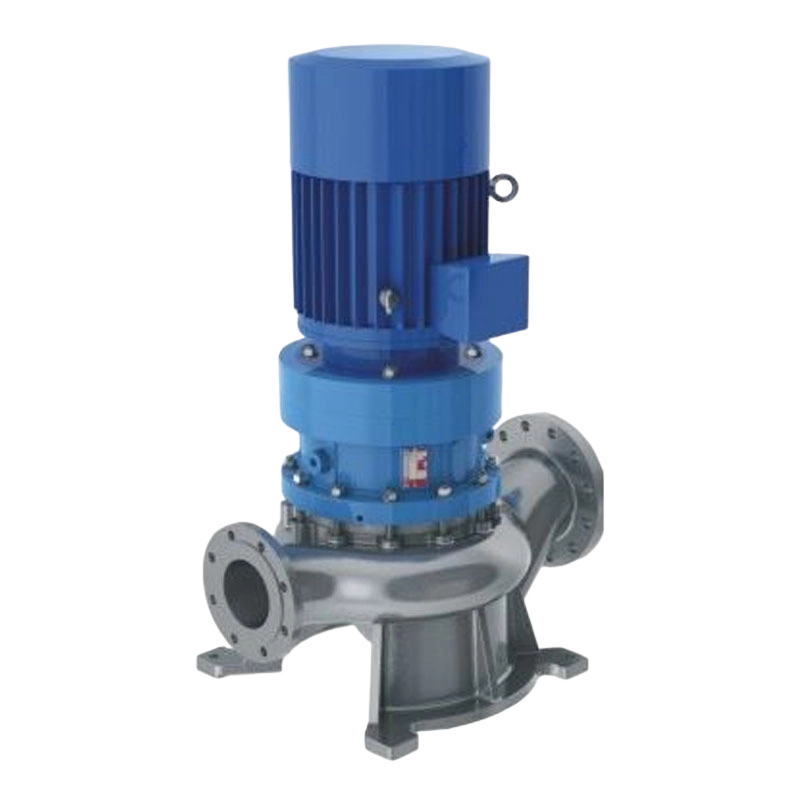
Based on the hydraulic platform of our OH3 pumps, these derivative models are offered in two compact configurations: rigidly coupled versions (OH4) mo...
See DetailsCopyright © Welcome to Chemical Pump Factory - Jiangsu Feixiang Pump Manufacturing All rights reserved. Chemical Pumps Manufacturers

 +86-18052670932
 +86-0523-84326888
 No. 35, Xinqiao Middle Road, Xinqiao Town, Jingjiang City, Jiangsu Province, China