

 en
en  русский
 Español
FSB Direct-Connected Fluorine Pump
Cat:Corrosion-Resistant Chemical Pump
FSB fluoroplastic pump overview The FSB-type fluoroplastic alloy pump is designed according to international standard dimensions. The pump body is org...
See DetailsContent
When engineers and procurement specialists evaluate pump options for a new installation or a system upgrade, the choice between axial flow and centrifugal flow is one of the most consequential decisions in the process. Both pump types move fluid using a rotating impeller, but the fundamental difference in how that impeller imparts energy to the fluid leads to dramatically different performance characteristics, installation requirements, and application suitability. Understanding these differences in practical, engineering terms — rather than in abstract theory — is what allows you to match the right pump to the right job and avoid costly undersizing, oversizing, or misapplication.
An axial flow pump moves fluid by pushing it parallel to the pump shaft — that is, in the same direction as the axis of rotation, hence the name. The impeller in an axial flow pump is a propeller-like rotor with helical blades. As the blades rotate, they generate lift in the hydraulic sense, pushing fluid forward along the axial direction much like a ship's propeller pushes water rearward to drive a vessel forward. This lift-based energy transfer mechanism is fundamentally different from the centrifugal principle and has direct consequences for the pump's head and flow characteristics.
The geometry of an axial flow pump is typically vertical, with the impeller submerged in the fluid and the motor positioned above. In large-scale drainage and irrigation installations, axial flow pumps are often installed in a wet pit or sump configuration, with the pump barrel submerged and the drive shaft extending upward through the discharge column to a surface-mounted motor. This arrangement keeps the pump primed at all times and eliminates the risk of cavitation from loss of prime — a significant operational advantage in applications where continuous, unattended operation is required.
A centrifugal pump imparts energy to fluid through centrifugal force. Fluid enters the pump at the center of a spinning impeller and is flung radially outward by centrifugal acceleration. As fluid moves outward through the impeller vanes, it gains velocity, and this kinetic energy is then converted into pressure head as the fluid decelerates in the volute casing or diffuser surrounding the impeller. The flow exits the pump radially — perpendicular to the shaft axis — which is why centrifugal pumps are also referred to as radial flow pumps in their purest form.
The centrifugal pump is the most widely used pump type across virtually all industries because its operating principle is well understood, it is mechanically simple, available in an enormous range of sizes and materials, and its performance can be adjusted through impeller trimming or speed variation. However, it is specifically optimized for applications requiring moderate to high head with moderate flow — a performance envelope that does not suit every application, and one where axial flow pumps offer a compelling alternative.
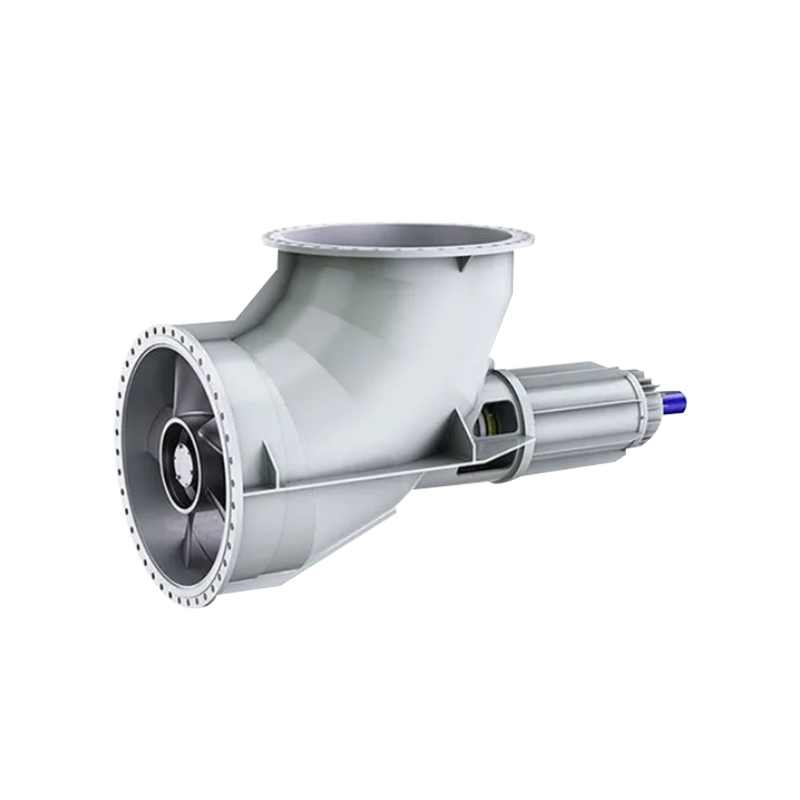
The most practical way to understand the difference between axial and centrifugal flow pumps is through the lens of specific speed — a dimensionless parameter that describes the hydraulic geometry of a pump impeller and predicts whether a given impeller design is suited to high-head/low-flow or low-head/high-flow service. Axial flow pumps have very high specific speeds, meaning they are inherently designed to move very large volumes of fluid at low pressure heads. Centrifugal (radial) flow pumps have low to medium specific speeds, making them appropriate for higher heads at comparatively lower flow rates.
In quantitative terms, a large axial flow pump might deliver 10,000 to 100,000 cubic meters per hour against a total head of just 2–10 meters of water. A similarly sized centrifugal pump, by contrast, might deliver 500 to 5,000 cubic meters per hour against heads of 20–100 meters or more. These are not interchangeable operating envelopes — attempting to use a centrifugal pump where an axial flow pump is needed, or vice versa, results in either a machine that cannot generate sufficient flow or one that operates far from its best efficiency point (BEP), wasting energy and accelerating wear.
| Parameter | Axial Flow Pump | Centrifugal (Radial) Flow Pump |
| Flow rate capacity | Very high | Low to high (broad range) |
| Developed head | Low (typically 2–15 m) | Moderate to high (10–300+ m) |
| Specific speed | High (9,000–15,000+ rpm) | Low to medium (500–4,000 rpm) |
| Impeller type | Propeller / helical vane | Closed, semi-open, or open radial |
| Energy transfer mechanism | Hydrodynamic lift | Centrifugal force / velocity conversion |
| Typical installation | Vertical, submerged | Horizontal or vertical |
| Sensitivity to off-BEP operation | High (steep H-Q curve) | Medium (flatter H-Q curve) |
| Solids handling capability | Good (open propeller geometry) | Varies (depends on impeller type) |
Axial flow pumps dominate in applications that demand very high volumetric flow rates against low static heads. The industries and use cases where they are the preferred or required pump type include the following:
Centrifugal pumps cover a far broader application range than axial flow pumps, which is why they dominate pump inventories across almost every industry. Their ability to develop significant head makes them suitable for applications where fluid must be lifted substantial vertical distances, pushed through long pipe runs with significant friction losses, or delivered against high system pressures.
Between pure axial flow and pure radial (centrifugal) flow lies a category called mixed flow pumps, in which the impeller geometry combines both axial and radial flow components. The impeller vanes direct fluid partially along the axis and partially outward radially, producing a flow exit angle typically between 45° and 80° from the shaft axis. Mixed flow pumps occupy a specific speed range between axial and centrifugal types, making them suitable for applications requiring higher flow than a centrifugal pump can deliver efficiently but more head than a pure axial flow pump can generate.
In practice, mixed flow pumps are widely used in municipal water supply intake stations, stormwater pumping stations with moderate static head requirements, and irrigation lift stations where the combination of medium-high flow and medium head falls outside the ideal range of both pure pump types. Understanding that the axial-to-centrifugal comparison is actually a continuous spectrum — rather than a binary choice — helps engineers select from the full range of available impeller geometries when the application sits between the two performance extremes.
One operational feature that distinguishes many large axial flow pumps from centrifugal pumps is the availability of adjustable or variable pitch impeller blades. In a variable pitch axial flow pump, the angle of the propeller blades can be changed — either while the pump is stationary (adjustable pitch) or while it is running (variable pitch) — to shift the pump's operating point across a wide range of flow and head conditions without changing pump speed. This capability is exceptionally valuable in flood control and drainage installations where system head varies significantly with water levels, and the pump must maintain efficient operation across a wide range of conditions throughout its duty cycle.
Centrifugal pumps can achieve some degree of performance adjustment through impeller trimming or variable speed drives, but neither method matches the flexibility of variable pitch axial flow impellers at large scale. For applications where operating conditions vary widely and energy efficiency across the full duty range is a priority, large axial flow pumps with variable pitch control offer a combination of versatility and efficiency that centrifugal pumps cannot replicate at equivalent scale.
The selection process should always begin with the system curve — the relationship between required head and flow rate across the full range of operating conditions your system will experience. Plot this curve and overlay the head-flow (H-Q) performance curves of candidate pumps to identify which type and size operates closest to its best efficiency point under your design conditions. A pump selected to operate at or near its BEP will deliver the lowest energy consumption, the least vibration and noise, and the longest service life between maintenance interventions.
If your system requires flows above 1,000 m³/hr against heads below 10–15 meters, begin your evaluation with axial flow and mixed flow pump options. If your system requires heads above 20 meters with moderate flow rates, centrifugal pumps should be your starting point. For systems with variable demand or wide-ranging head and flow requirements, evaluate whether variable pitch axial flow pumps or variable speed centrifugal pumps better suit the operational profile. In all cases, involve a pump manufacturer or hydraulic specialist early in the design process — the cost of a pump selection error, measured in energy waste, premature failure, and lost production, invariably exceeds the cost of proper upfront engineering.
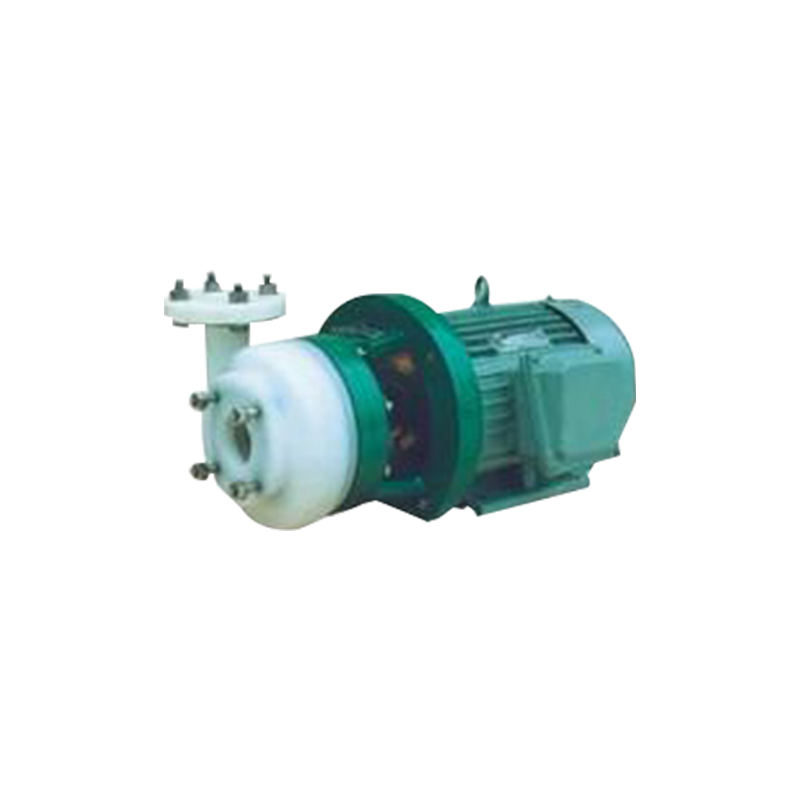
FSB fluoroplastic pump overview The FSB-type fluoroplastic alloy pump is designed according to international standard dimensions. The pump body is org...
See Details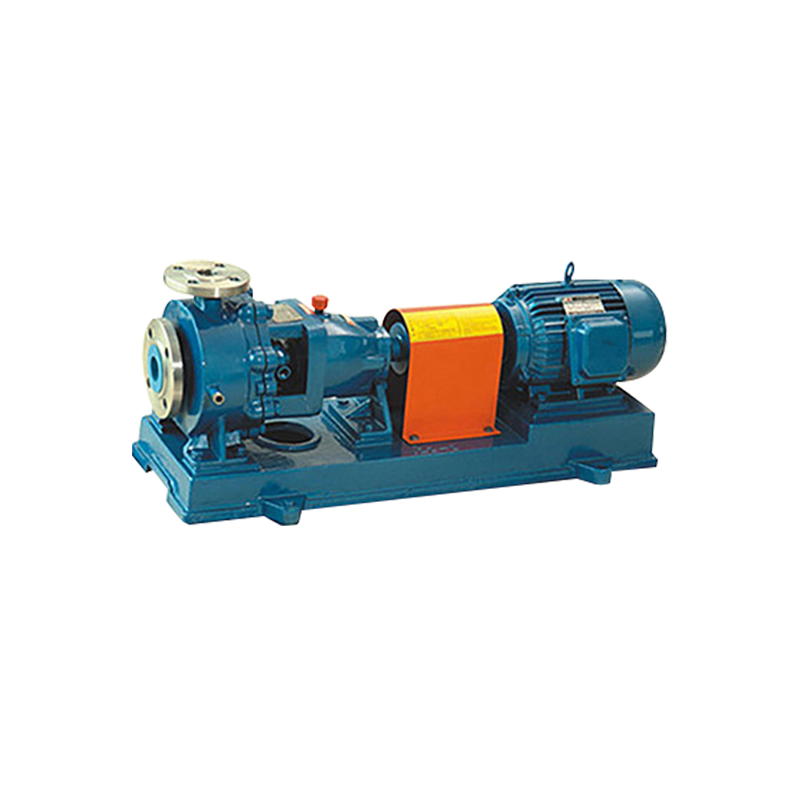
Detailed description of IN series jacketed stainless steel thermal insulation pump, steam thermal insulation, corrosion resistance, crystallization re...
See Details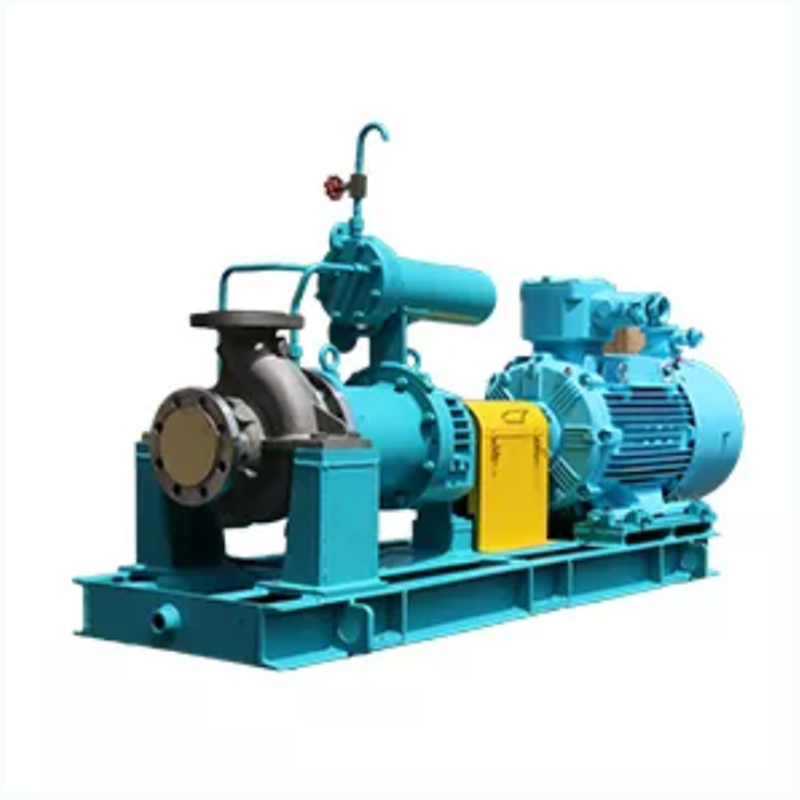
Performance Range: · Diameter: DN25~DN400 · Flow Rate: Up to 2000 m³/h · Head: Up to 200 m · Temperature Limit...
See Details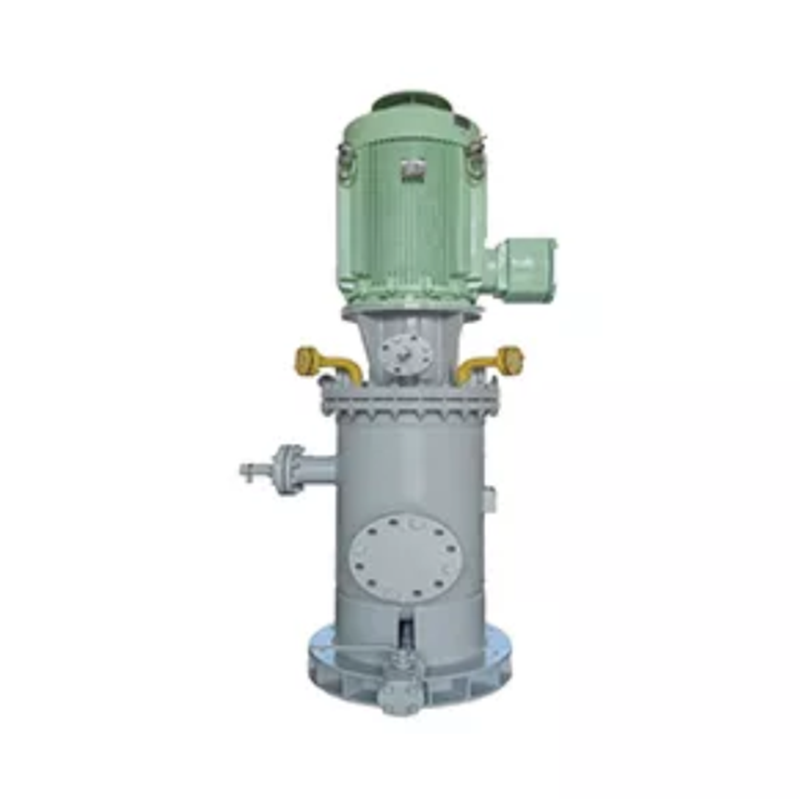
Performance Range: · Diameter: DN25~DN200 · Flow Rate: Up to 700 m³/h · Head: Up to 1000 m · Temperature Range...
See Details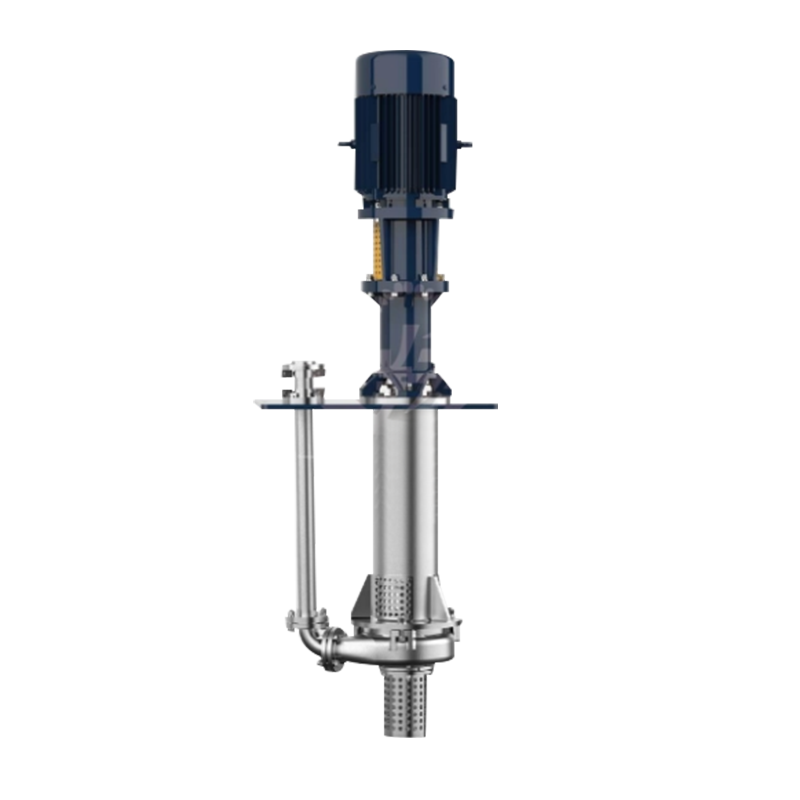
The slurry submerged pump is a cantilevered vertical design developed by our company, combining advanced features from both domestic and international...
See Details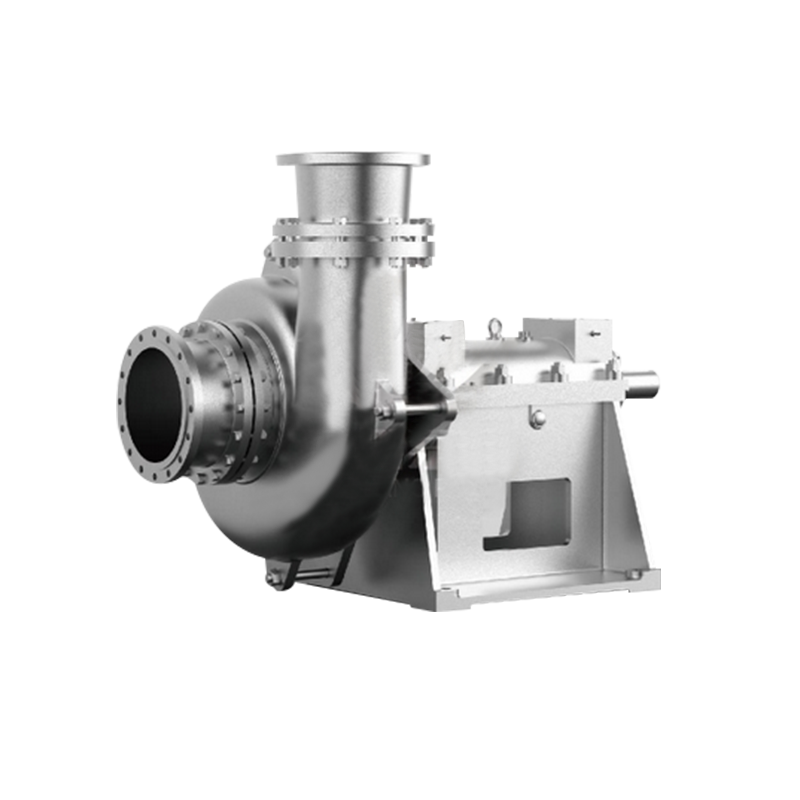
The Double Casing Slurry Pump, a series of solid-liquid two-phase flow slurry pumps, is engineered with an innovative two-phase flow design theory and...
See Details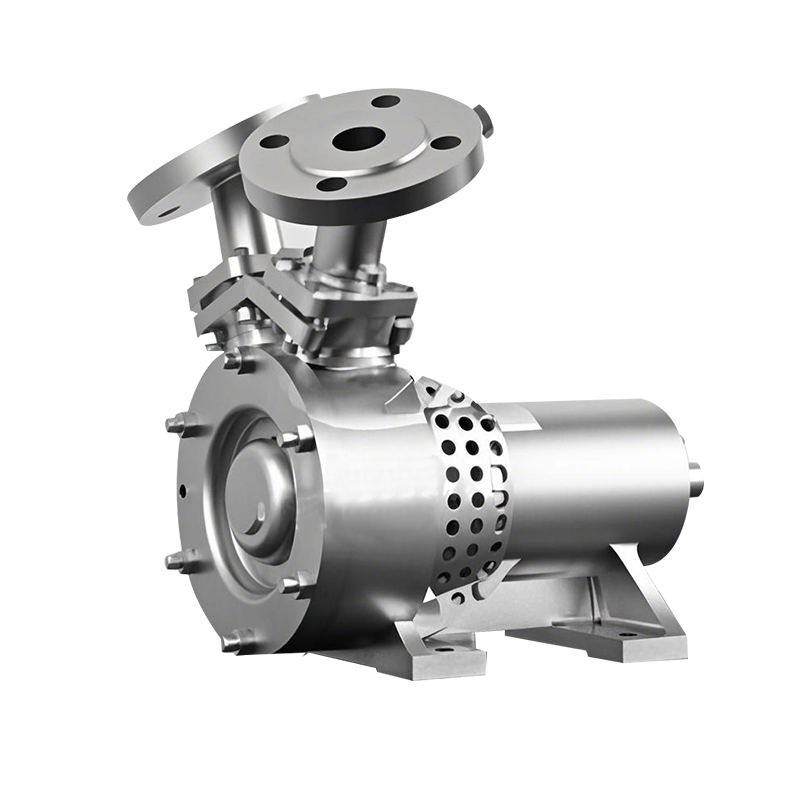
The vortex pump is compact in size yet capable of generating high pressure, making it an ideal choice for achieving miniaturization of equipment. It e...
See Details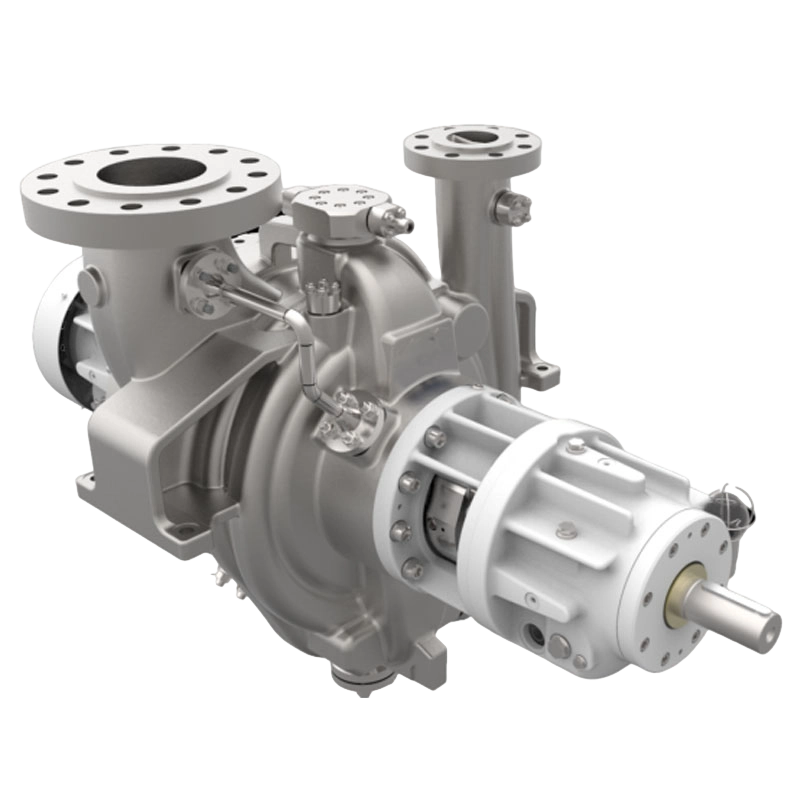
Our standard API 610 BB2 pumps feature a centerline-mounted, radially split casing with double suction and between-bearing construction. The pump and ...
See Details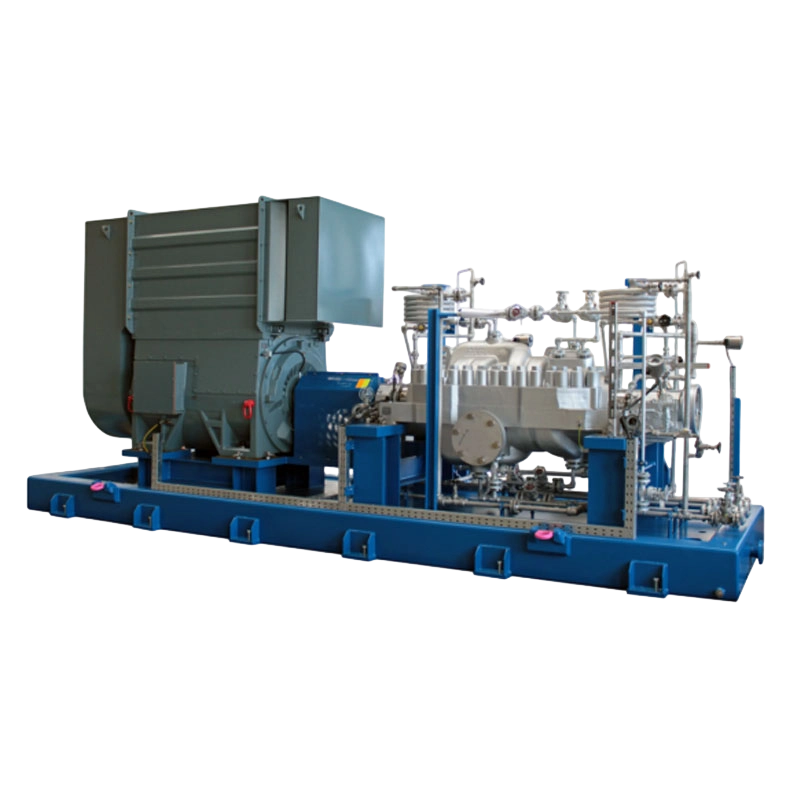
Our API 610 BB3 pumps are centerline-mounted, multistage units featuring an axially split casing with single suction and between-bearing construction....
See Details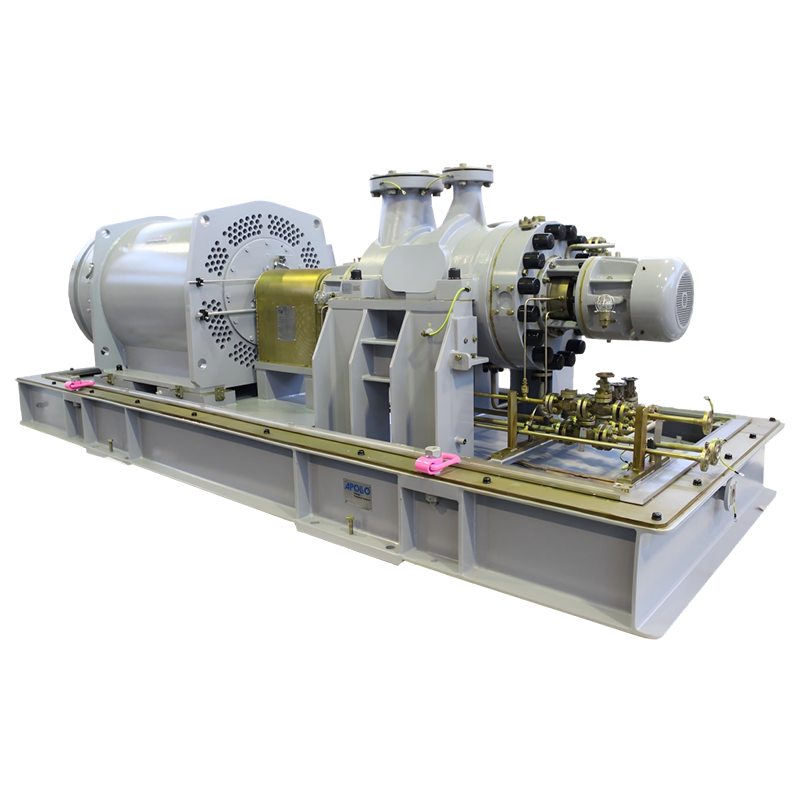
Our API 610 BB5 pumps feature a double-casing, radially split multistage configuration in a between-bearing barrel pump design. The pump and motor are...
See DetailsCopyright © Welcome to Chemical Pump Factory - Jiangsu Feixiang Pump Manufacturing All rights reserved. Chemical Pumps Manufacturers

 +86-18052670932
 +86-0523-84326888
 No. 35, Xinqiao Middle Road, Xinqiao Town, Jingjiang City, Jiangsu Province, China