

 en
en  русский
 Español
IH Type Horizontal Chemical Centrifugal Pump
Cat:Chemical Process Pump
The IH type chemical centrifugal pump is a single-stage single-suction (axial suction) cantilever centrifugal pump, which is used to transport liquids...
See DetailsContent
Self-priming pumps represent one of the most practically valuable innovations in fluid handling engineering. Unlike standard centrifugal pumps that require the pump casing and suction line to be fully filled with liquid before startup, self-priming pumps can evacuate air from their own suction line and prime themselves automatically — even when the pump is installed above the fluid source. This capability eliminates the need for manual priming procedures, foot valves, or external vacuum-assist systems, significantly reducing installation complexity, maintenance demands, and the risk of dry-run damage in applications where the fluid supply is intermittent or the pump operates after extended idle periods. From municipal sewage handling and industrial process systems to marine bilge pumping and agricultural irrigation, self-priming pumps deliver operational reliability in conditions that would cause conventional pumps to fail or require constant operator intervention.
The fundamental operating principle of a self-priming pump centers on its ability to mix air with residual liquid retained in the pump casing, creating a reduced-pressure environment at the impeller inlet that draws fluid up the suction line. When a self-priming pump starts with air in its suction line, the impeller rotates in the liquid retained from the previous operation cycle. This rotation generates a centrifugal action that flings the liquid outward while simultaneously drawing air from the suction inlet into the impeller eye. The air and liquid mix together in the impeller passages and are discharged into a separation chamber, where the heavier liquid falls back toward the impeller while the lighter air is expelled through the discharge. This recirculation cycle continues, progressively evacuating air from the suction line and lowering the pressure at the pump inlet until the atmospheric pressure acting on the fluid surface in the supply source pushes liquid up the suction pipe and into the pump. Once fully primed with liquid, the pump transitions seamlessly into normal centrifugal pumping operation.
The priming time — the duration required to evacuate the suction line and establish full liquid flow — depends on several factors including the suction lift height, the length and diameter of the suction pipe, the volume of air to be evacuated, and the pump's design efficiency at air handling. A well-designed self-priming pump operating at typical suction lifts of 4–6 meters will achieve full prime within 30–90 seconds under normal conditions. Maximum practical suction lift for self-priming centrifugal pumps is generally limited to 7–8 meters by the physical constraints of atmospheric pressure, though some positive displacement self-priming designs can operate at greater suction lifts.
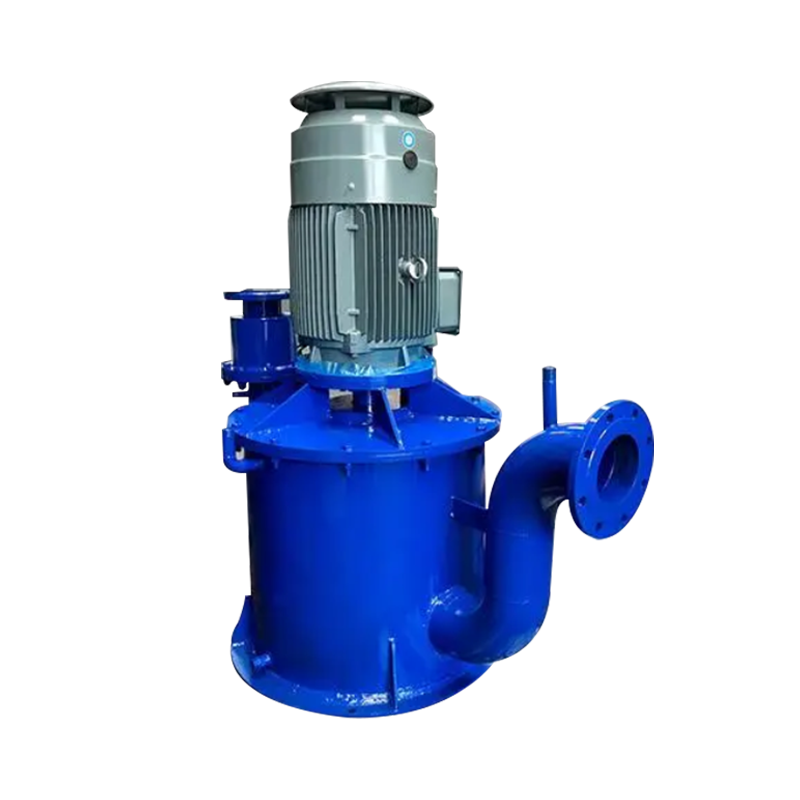
Self-priming capability is incorporated into several distinct pump technology types, each employing a different mechanical approach to air evacuation and suited to different application requirements in terms of flow rate, pressure, fluid type, and solids handling.
Self-priming centrifugal pumps are the most widely used type across industrial, municipal, and agricultural applications. They incorporate a large volute casing with an integrated liquid reservoir that retains a volume of priming liquid when the pump is shut down. The recirculation principle described above uses this retained liquid to progressively evacuate the suction line. Most self-priming centrifugal pumps use either a semi-open or closed impeller, with semi-open impellers offering better tolerance for solids and fibrous materials. These pumps are available across a wide range of sizes and materials — from small stainless steel units for food processing to large cast iron pumps for sewage and industrial effluent — and are capable of handling flows from a few liters per minute to thousands of cubic meters per hour depending on the size and configuration.
Trash pumps are a specialized subset of self-priming centrifugal pumps specifically engineered to handle fluids containing large solid particles, debris, rags, and fibrous materials that would clog standard pump impellers. They feature wide impeller vane clearances, large port openings, and robust casing designs that allow solid particles up to 50–75mm in diameter to pass through without causing blockages. Self-priming trash pumps are extensively used in construction site dewatering, sewage bypass pumping, flood response, and mining operations where the pumped fluid invariably contains a significant solids burden. The impellers are typically semi-open or vortex designs that sacrifice some hydraulic efficiency in exchange for the solids passage capability that makes these pumps genuinely practical in field conditions.
Regenerative turbine pumps — also called peripheral pumps or side-channel pumps — use a different hydraulic mechanism than centrifugal pumps, with a toothed impeller rotating in a close-tolerance annular channel that imparts multiple energy impulses to the fluid per revolution. This design generates significantly higher head pressures than centrifugal pumps of comparable size and speed, making regenerative turbine pumps well-suited to high-pressure, low-flow applications such as boiler feed, steam condensate return, and chemical injection. The narrow clearances in regenerative turbine pumps make them intolerant of solids or abrasives but give them naturally good self-priming characteristics, as the tight impeller-to-casing clearances help maintain the liquid film needed for priming even after extended idle periods.
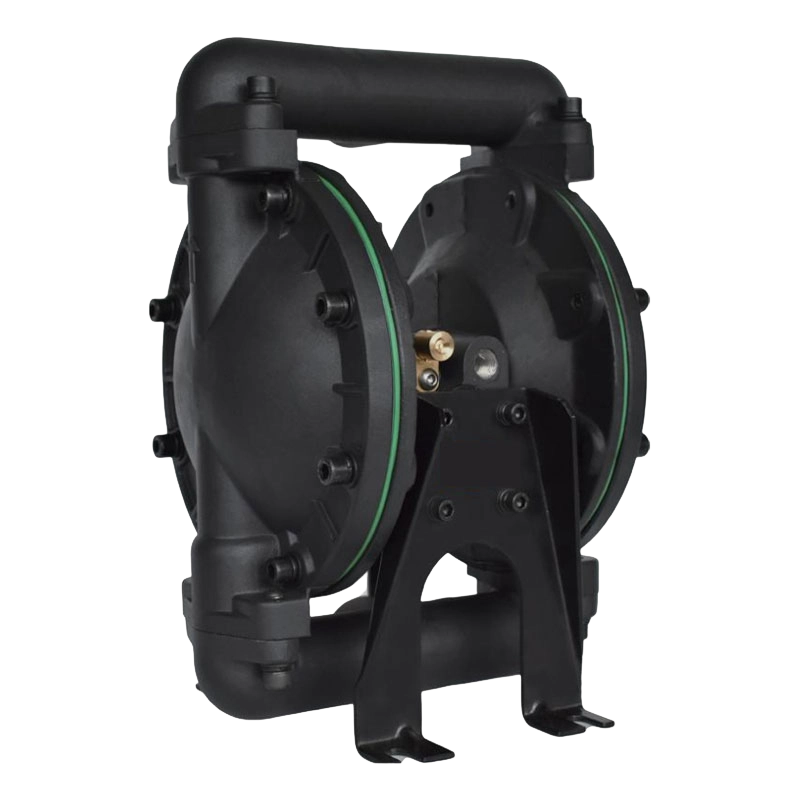
Several positive displacement pump types are inherently self-priming by virtue of their operating mechanism. Flexible impeller pumps, peristaltic (hose) pumps, diaphragm pumps, and rotary lobe pumps all create discrete volumes that expand at the inlet and contract at the outlet, generating suction that can draw both liquid and air without requiring liquid to be present initially. These pumps can achieve suction lifts substantially greater than centrifugal self-priming pumps — some diaphragm pumps are rated for suction lifts up to 9 meters or more — and can run dry without damage in the case of flexible impeller or diaphragm designs. They are particularly valued in metering, dosing, and transfer applications where precise flow control and chemical compatibility are priorities alongside self-priming performance.
Selecting the most appropriate self-priming pump type requires understanding the performance envelope and limitations of each technology. The table below provides a comparative overview of the key parameters that differentiate the main types.
| Pump Type | Max Suction Lift | Solids Handling | Dry Run Tolerance | Typical Applications |
| Self-Priming Centrifugal | 7 – 8 m | Low to Moderate | Poor | Water transfer, irrigation, industrial |
| Self-Priming Trash Pump | 7 – 8 m | High | Poor | Dewatering, sewage bypass, construction |
| Regenerative Turbine | 6 – 7 m | Very Low | Poor | Boiler feed, condensate, high-pressure low-flow |
| Flexible Impeller Pump | Up to 8 m | Moderate | Limited | Marine, food processing, transfer |
| Diaphragm Pump | Up to 9 m | Moderate to High | Excellent | Chemical dosing, slurries, remote sites |
| Peristaltic (Hose) Pump | Up to 9 m | High | Excellent | Metering, abrasive slurries, pharmaceuticals |
Self-priming pumps are not simply a convenient alternative to standard pumps — in many applications, their priming capability is a genuine operational necessity rather than a preference. Several industries depend on self-priming performance as a fundamental requirement.
Construction excavations, trenches, and foundation pits accumulate groundwater and rainwater that must be continuously removed to maintain safe and workable conditions. Dewatering pumps on construction sites are routinely moved between locations, set up quickly, and operated by personnel who are not pump specialists. Self-priming trash pumps are the standard tool in this context because they can be positioned above the water level, started without filling procedures, handle the inevitable debris and silt in site water, and be relocated with minimal effort. Engine-driven self-priming centrifugal pumps are preferred for remote sites without power supply, while electric self-priming pumps suit sites with grid or generator power.
Irrigation systems drawing from rivers, ponds, or open reservoirs frequently rely on self-priming centrifugal pumps installed above the water surface. Seasonal water level fluctuations mean the suction lift varies throughout the year, and the pump must re-prime automatically after shutdown periods without manual intervention. Self-priming pumps eliminate the need for foot valves — spring-loaded check valves installed at the bottom of the suction pipe to prevent backflow and maintain prime — which are prone to clogging with debris and require regular inspection and replacement in field conditions.
Bilge pumps on vessels must be capable of removing water that has accumulated in the lowest points of the hull, often with the pump mounted well above the bilge water level. Self-priming capability is an absolute requirement in this context — a bilge pump that cannot prime itself automatically provides no protection if water accumulates while the vessel is unattended. Flexible impeller pumps and diaphragm pumps are widely used in marine bilge applications because their self-priming performance is inherent to their operating mechanism, their compact size suits the space constraints of marine installations, and they can handle the occasional solid debris found in bilge water.
Sewage pumping stations and industrial effluent transfer systems frequently use self-priming pumps in above-ground configurations as an alternative to submersible pump installations in wet wells. Above-ground self-priming installations offer significant maintenance advantages — the pump and motor are fully accessible for inspection, servicing, and replacement without the confined space entry procedures required for wet well access. Self-priming sewage pumps are specifically designed with large-diameter solids passage capabilities and non-clog impeller geometry to handle the full range of materials present in raw sewage, including rags, wipes, and fibrous solids that cause chronic blockage problems in pumps with tight clearances.
Choosing the right self-priming pump involves evaluating a set of interdependent application parameters. Overlooking any of these factors can result in a pump that fails to prime reliably, delivers inadequate flow or pressure, suffers premature mechanical failure, or requires excessive maintenance intervention.
Correct installation is as important to reliable self-priming performance as correct pump selection. A well-specified pump installed with design errors will deliver consistently poor priming behavior and premature mechanical wear, while a correctly installed pump operates reliably with minimal maintenance for its full design service life.
Even correctly selected and installed self-priming pumps occasionally experience operational problems. Recognizing the symptoms and their likely causes enables rapid diagnosis and correction before minor issues develop into costly failures.
Failure to prime — where the pump runs but does not draw fluid — is the most frequent complaint and is typically caused by one of a small number of root causes: air leaks in the suction system that prevent vacuum development, excessive suction lift beyond the pump's rated capability, a blocked suction pipe or strainer reducing flow area, insufficient retained liquid in the pump casing at startup, or worn impeller clearances that reduce the pump's air-handling efficiency. A systematic check of each of these factors in sequence, starting with the most accessible and most commonly culpable, will identify the cause in most cases without requiring specialized diagnostic equipment. Loss of prime during operation — where the pump primes initially but then loses flow — is most often caused by air entrainment through a suction leak, a vortex drawing air at the suction inlet due to insufficient submergence, or the fluid temperature approaching its vapor pressure at the pump inlet, creating vapor pockets that break the liquid column in the suction pipe.
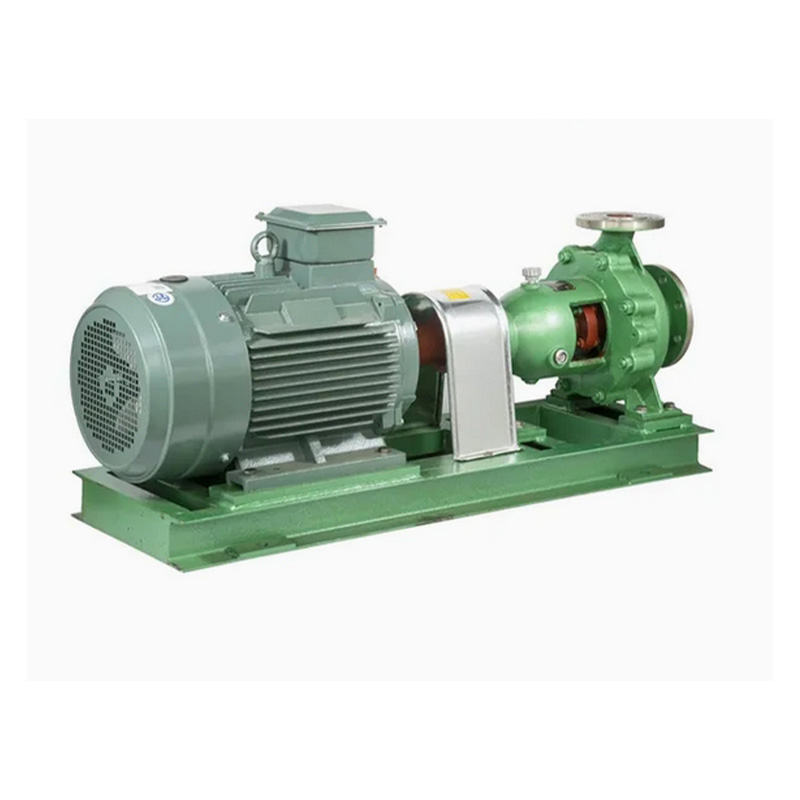
The IH type chemical centrifugal pump is a single-stage single-suction (axial suction) cantilever centrifugal pump, which is used to transport liquids...
See Details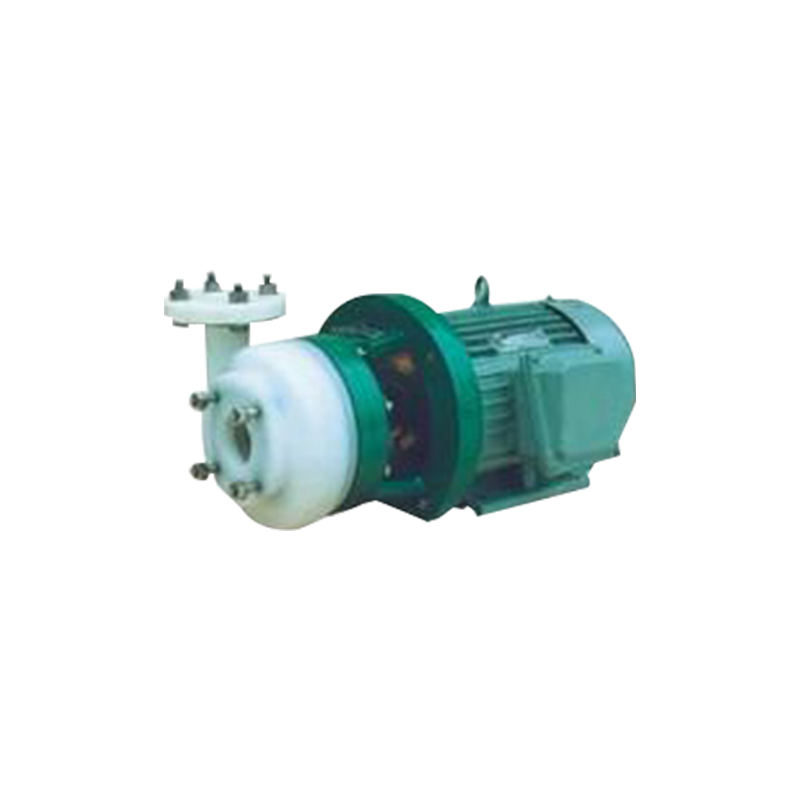
FSB fluoroplastic pump overview The FSB-type fluoroplastic alloy pump is designed according to international standard dimensions. The pump body is org...
See Details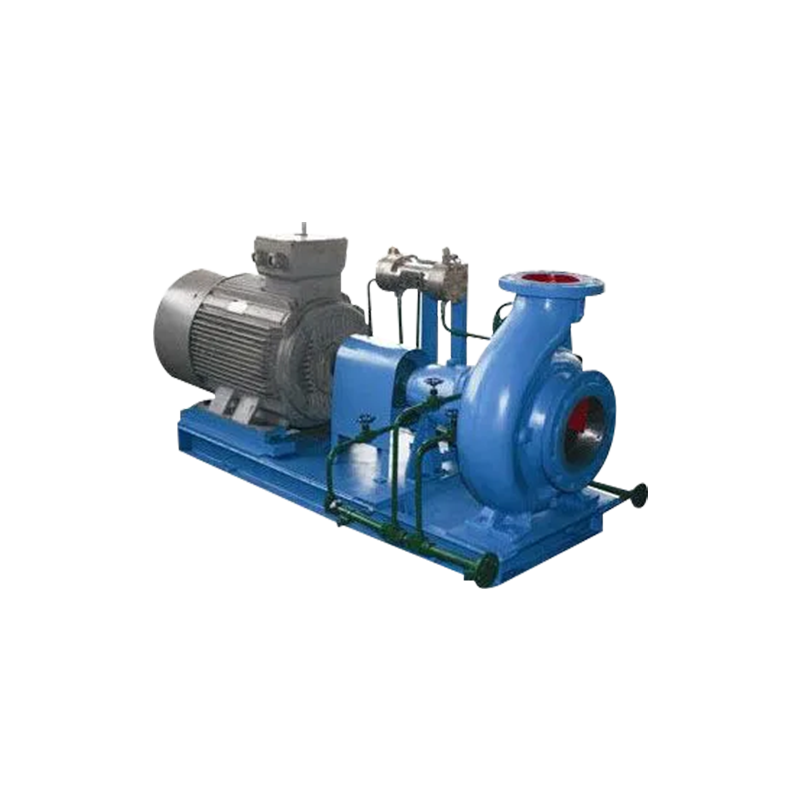
HPk hot water circulation pump adopts the patented technology of a low specific speed centrifugal pump, which is developed on the basis of absorbing a...
See Details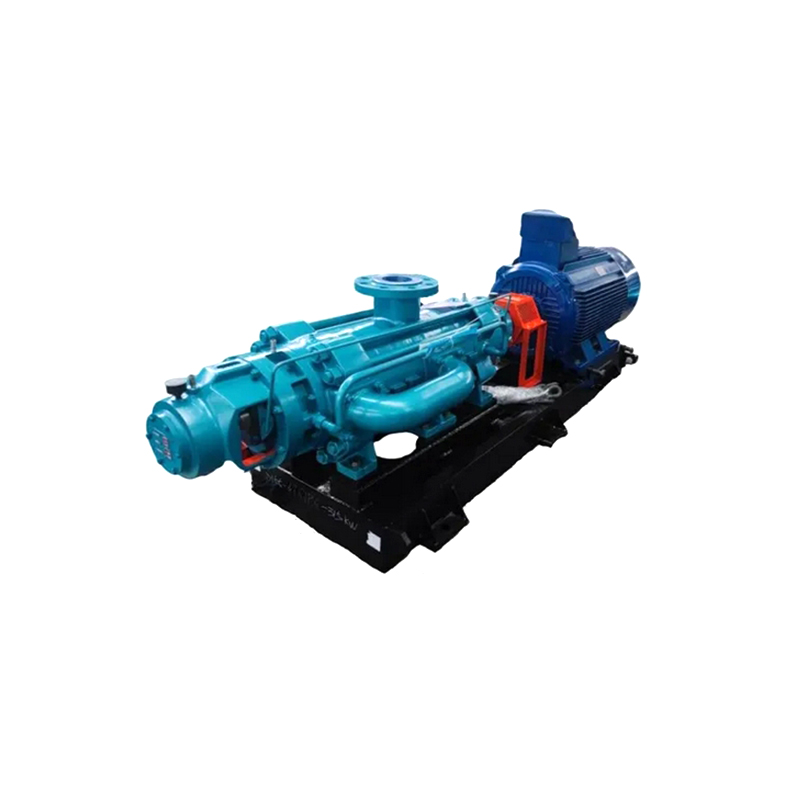
Self-balancing multi-stage centrifugal pump:Using advanced hydraulic models, we independently develop high-efficiency and energy-saving products; sinc...
See Details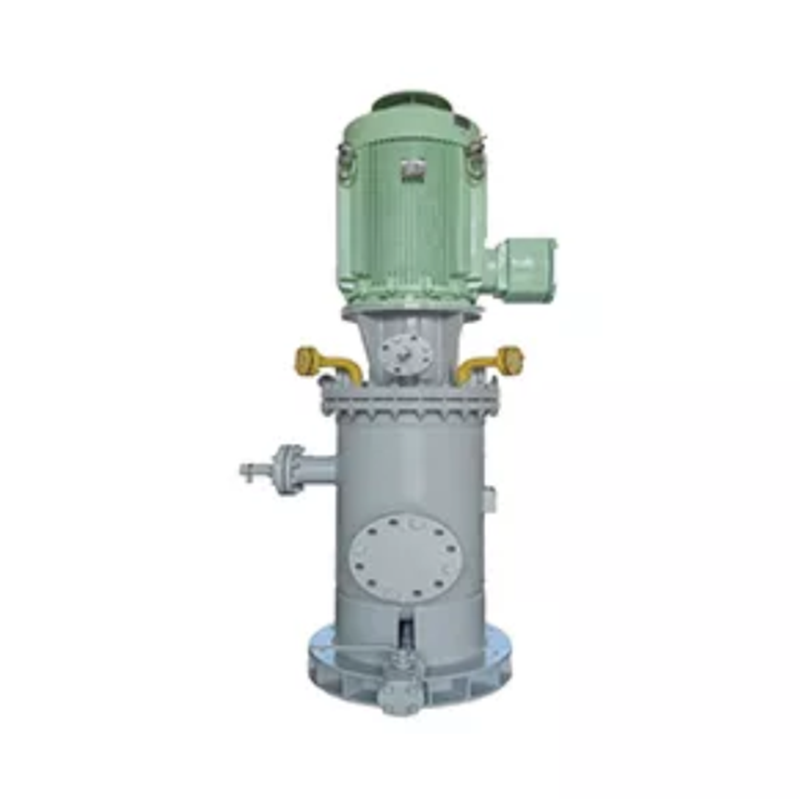
Performance Range: · Diameter: DN25~DN200 · Flow Rate: Up to 700 m³/h · Head: Up to 1000 m · Temperature Range...
See Details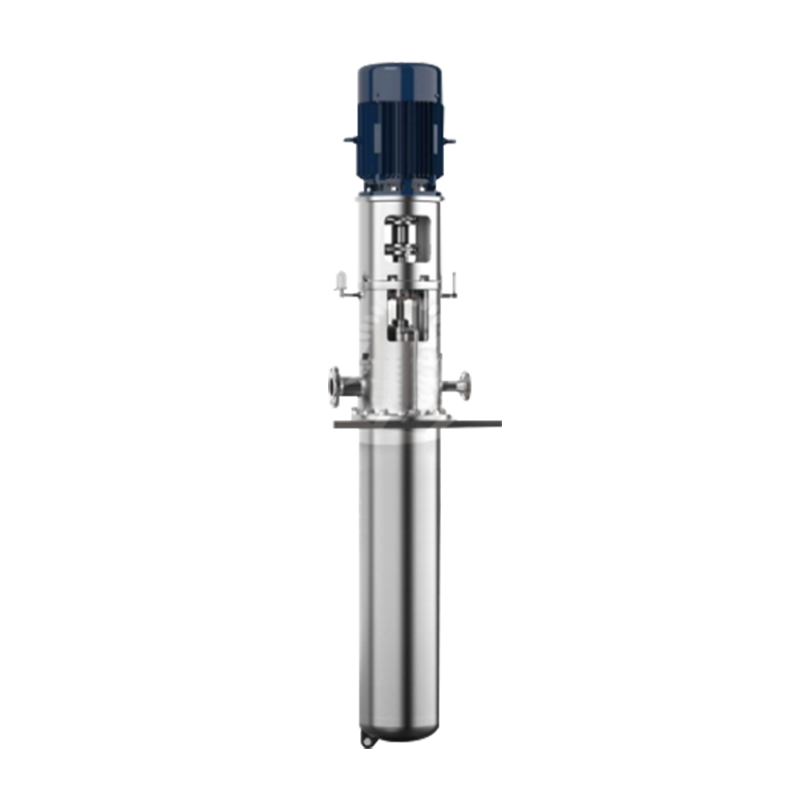
The diversion type barrel pump series offers hydraulic performance, featuring a variety of configuration options including self-cleaning, external cle...
See Details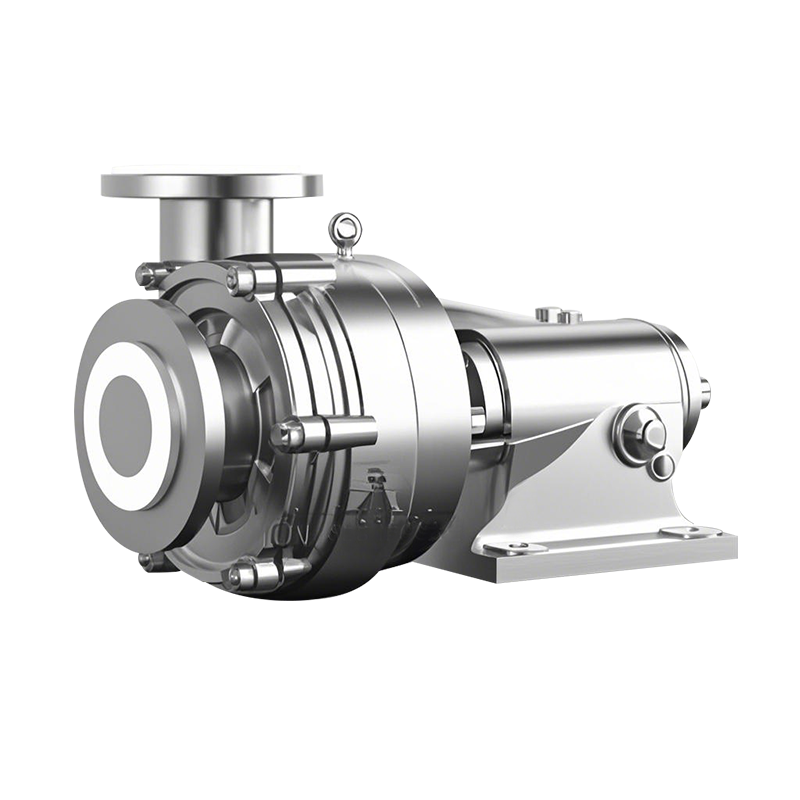
Slurry pumps are specialized equipment designed for transporting mixtures of liquids and solid particles, commonly known as slurries. These pumps are ...
See Details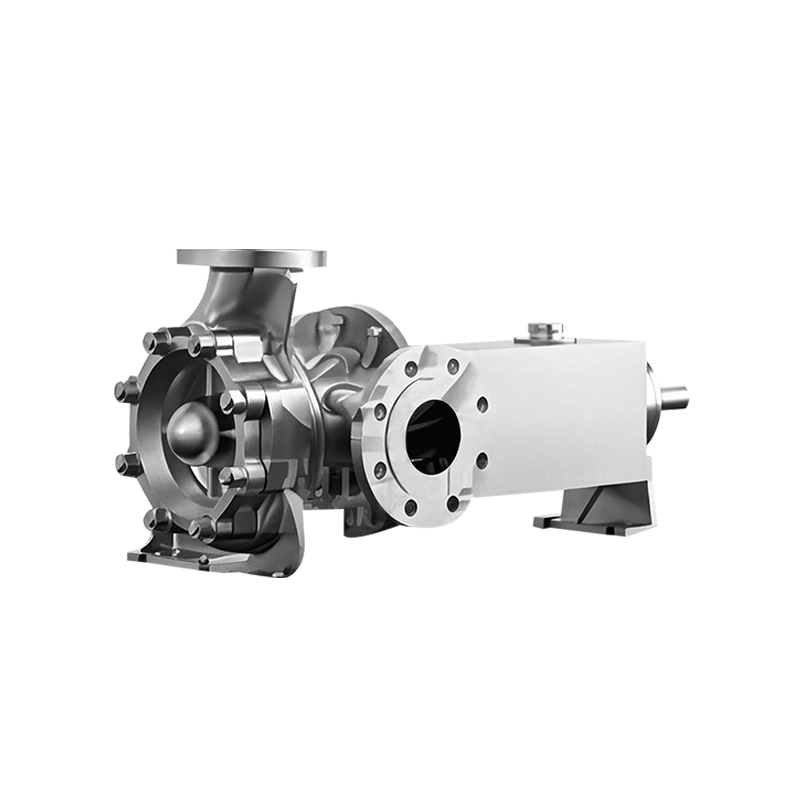
The filter press pump is a vertical, single-stage, single-suction, cantilever-type centrifugal pump, ingeniously crafted based on multiphase flow theo...
See Details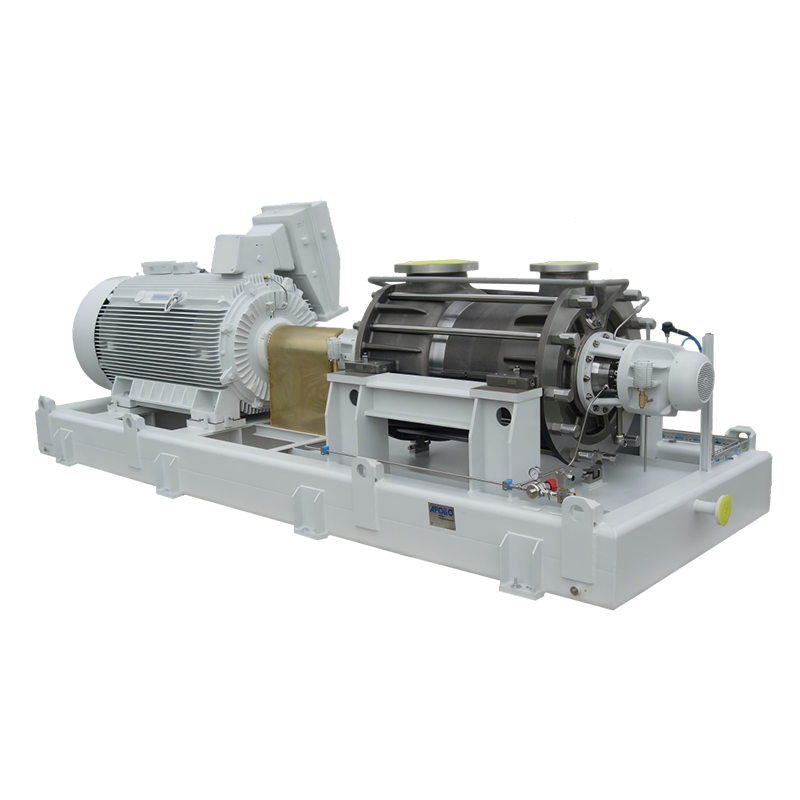
Our API 610 BB4 pumps are centerline-mounted, multistage units with radially split casings, available in both single and double suction configurations...
See DetailsCopyright © Welcome to Chemical Pump Factory - Jiangsu Feixiang Pump Manufacturing All rights reserved. Chemical Pumps Manufacturers

 +86-18052670932
 +86-0523-84326888
 No. 35, Xinqiao Middle Road, Xinqiao Town, Jingjiang City, Jiangsu Province, China