

 en
en  русский
 Español
IJ Series Corrosion-Resistant Pump
Cat:Chemical Alkali Pump
IJ series corrosion-resistant pump is a single-stage, single-suction cantilever centrifugal pump. Its marking, rating characteristics, and dimensions ...
See DetailsContent
A vertical axial flow pump is a type of dynamic pump in which fluid is drawn in along the axis of the impeller and discharged in the same axial direction, with the entire pump assembly oriented vertically. Unlike centrifugal pumps that impart radial velocity to the fluid and rely on a volute or diffuser to convert kinetic energy into pressure, axial flow pumps accelerate fluid parallel to the shaft using a propeller-type impeller that functions on the same aerodynamic principle as an aircraft propeller or ship screw — generating lift through the angle of attack of its blades to push fluid axially. The vertical orientation positions the impeller below the water surface, keeping it primed and eliminating the suction lift limitations that affect surface-mounted pump installations.
The defining hydraulic characteristic of axial flow pumps is their combination of very high flow rates and relatively low developed heads. While a centrifugal pump might deliver moderate flow at significant pressure, a vertical axial flow pump excels at moving enormous volumes of liquid — often tens of thousands of cubic meters per hour — against heads typically ranging from 2 to 15 meters. This makes them fundamentally different tools from centrifugal pumps, suited to an entirely different class of applications where mass fluid transfer at minimal elevation change is the primary requirement rather than pressure generation.
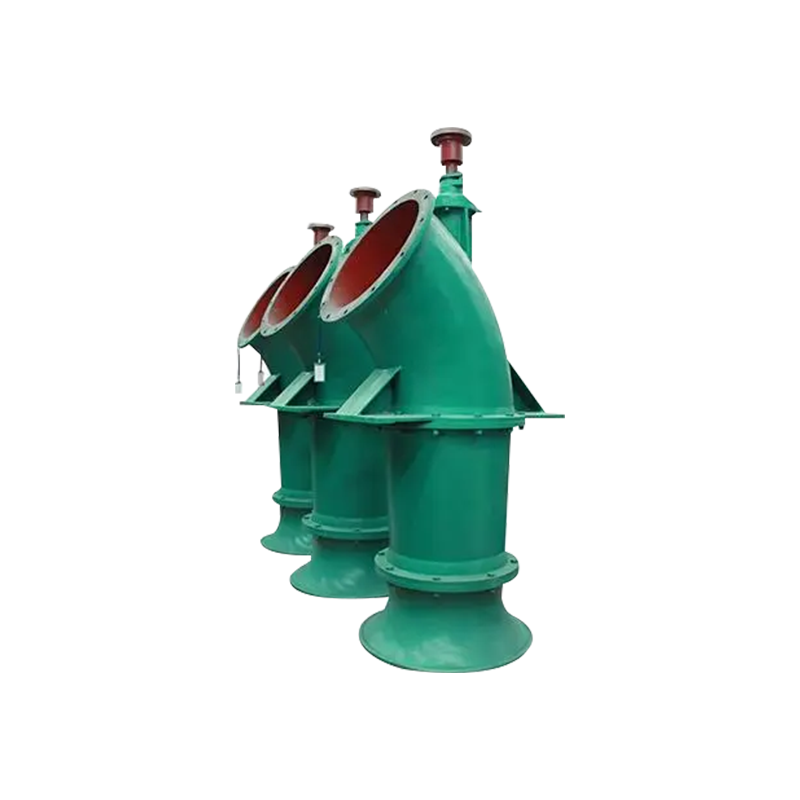
The working principle of a vertical axial flow pump begins with the rotation of the propeller impeller, which is submerged in the pumped liquid and driven by a motor mounted above the waterline via a long vertical shaft. As the impeller blades rotate, they generate a pressure differential across their leading and trailing faces — the same lift mechanism that generates thrust in marine propellers. This pressure difference accelerates the liquid axially through the impeller swept area, from the inlet bell at the bottom of the pump column upward through the discharge elbow and into the outlet piping.
Above the impeller, a set of fixed guide vanes — also called diffuser vanes or stay vanes — is typically installed in the pump bowl assembly. These stationary vanes recover the rotational (swirl) component of velocity imparted to the liquid by the impeller, converting it into additional pressure head and straightening the flow before it enters the discharge column. Without guide vanes, the rotational energy in the discharge flow would be largely wasted as turbulence and hydraulic losses in the downstream pipework. The hydraulic efficiency of the guide vane assembly is a critical factor in overall pump efficiency, particularly at flow rates deviating from the best efficiency point (BEP).
The relationship between flow rate, developed head, and shaft power in an axial flow pump follows a characteristic curve that differs markedly from centrifugal pump curves. Axial flow pumps exhibit a steeply rising power curve as flow decreases — meaning that operating at reduced flow or against shut-off head requires more power than operating near the design point, with the risk of motor overload and impeller cavitation if the pump is throttled excessively. This behavior makes proper system design and operating point selection especially important for axial flow installations.
A thorough understanding of the major components in a vertical axial flow pump assembly is essential for specification, installation, maintenance planning, and troubleshooting. Each element contributes to the pump's hydraulic performance, mechanical reliability, and service life.
Selecting the correct vertical axial flow pump for a given application requires careful evaluation of hydraulic, mechanical, and site-specific parameters. The following table summarizes the key performance specifications that define pump selection and system compatibility.
| Parameter | Typical Range | Design Significance |
| Flow Rate (Q) | 500 – 150,000 m³/h | Primary sizing parameter; determines impeller diameter and speed |
| Developed Head (H) | 2 – 15 m | Low head; drives impeller blade angle and specific speed selection |
| Specific Speed (Ns) | 100 – 300 (SI units) | Classifies pump type; high Ns confirms axial flow design suitability |
| Pump Efficiency (η) | 75% – 92% | Higher efficiency reduces energy cost over pump life |
| NPSH Required (NPSHr) | 1 – 6 m | Determines minimum submergence to prevent cavitation |
| Rotational Speed | 300 – 1500 RPM | Lower speed reduces wear; matches standard motor pole counts |
| Impeller Diameter | 200 – 3000 mm | Determines sump dimensions and column size requirements |
Specific speed is a dimensionless index that classifies pumps by their hydraulic design type. Axial flow pumps have high specific speeds, reflecting their fundamental characteristic of high flow at low head. When the system's required flow rate and head combination yields a high specific speed value, axial flow design is the hydraulically correct choice and will deliver superior efficiency compared to using a centrifugal pump operating far from its optimal specific speed range. Attempting to use a radial flow centrifugal pump for a high-specific-speed application results in poor efficiency, excessive energy consumption, and often an unstable operating point on the pump curve.
Vertical axial flow pumps are deployed across a wide range of sectors wherever the fundamental requirement is moving very large volumes of water or low-viscosity liquids with minimal elevation change. Their scale, efficiency, and reliability in continuous-duty service make them indispensable in several critical infrastructure applications.
Flood control pump stations in low-lying coastal regions, river basins, and urban stormwater systems rely almost exclusively on vertical axial flow pumps to discharge accumulated water over levees, tide gates, or into drainage channels during storm events. These installations demand the highest flow rates of any pump application — a single large axial flow pump in a major flood control station may discharge 50,000 m³/h or more — and must be capable of starting and reaching full capacity within minutes of receiving a command signal. The low static head involved (often only 2–5 meters across the levee or tidal gate) perfectly matches the hydraulic characteristics of axial flow design.
Large-scale irrigation schemes that lift water from rivers, lakes, or reservoirs into irrigation canals and distribution networks represent one of the most significant global applications for vertical axial flow pumps. Pumping stations serving tens of thousands of hectares of irrigated farmland may comprise multiple large axial flow units operating in parallel, each capable of delivering flows that would require dozens of conventional centrifugal pumps to match. The relatively flat head-flow curve of axial flow pumps also makes them tolerant of variations in canal water levels without excessive efficiency penalties, which is advantageous in irrigation systems where supply and demand conditions fluctuate seasonally.
Thermal and nuclear power stations require enormous continuous flows of cooling water to condense steam in the turbine condensers and maintain safe reactor temperatures. Vertical axial flow pumps — often called circulating water pumps or condenser cooling water pumps in this context — are the standard solution for these duties, pumping millions of cubic meters of water per day from rivers, lakes, estuaries, or cooling ponds through the condenser water boxes and back to the source. The continuous-duty, high-availability requirements of power station service place strict demands on pump mechanical reliability, vibration levels, bearing design, and access for inspection and maintenance without unit shutdown.
Water intake pump stations drawing raw water from surface sources for municipal water treatment plants, and effluent transfer stations moving large volumes of treated wastewater between process stages or to outfall discharge points, commonly use vertical axial flow pumps for their combination of high capacity and low installed cost per unit of flow capacity. In wastewater applications, the impeller and wetted components must be designed to handle liquids containing suspended solids, rags, and debris without clogging — leading to the use of open or semi-open impeller designs with enlarged blade clearances and robust materials.
One of the most practically significant design choices in specifying a vertical axial flow pump is whether to use a fixed-pitch or adjustable-pitch impeller. This decision affects capital cost, operational flexibility, maintenance complexity, and achievable efficiency across the operating range.
Fixed-pitch impellers are cast or fabricated with blades set at a single angle that is optimized for the design operating point. They are mechanically simple, lower in cost, and require no special hub mechanisms or sealing arrangements for blade adjustment. Their limitation is that efficiency drops off significantly as operating conditions deviate from the design point — particularly in applications with variable head or seasonal flow demand variations. Fixed-pitch pumps are best suited to applications with stable, well-defined operating conditions throughout the year.
Adjustable-pitch impellers incorporate a hub mechanism that allows blade angle to be changed, repositioning the pump's best efficiency point to match varying system conditions. Manual adjustment requires the pump to be stopped and partially disassembled to reposition blades between preset angle settings. Fully automatic variable-pitch systems — where blade angle is continuously adjusted by a hydraulic or mechanical servo mechanism while the pump runs — provide the highest operational flexibility, maintaining near-peak efficiency across a wide range of flows and heads. These systems are standard in large flood control and irrigation pump stations where operating conditions are highly variable and energy efficiency over the annual operating cycle is economically critical.
Successful long-term performance of vertical axial flow pumps depends on careful attention to installation geometry, sump design, operating procedures, and maintenance practices. Errors in any of these areas can result in cavitation damage, vibration, bearing failures, and dramatically shortened service intervals.
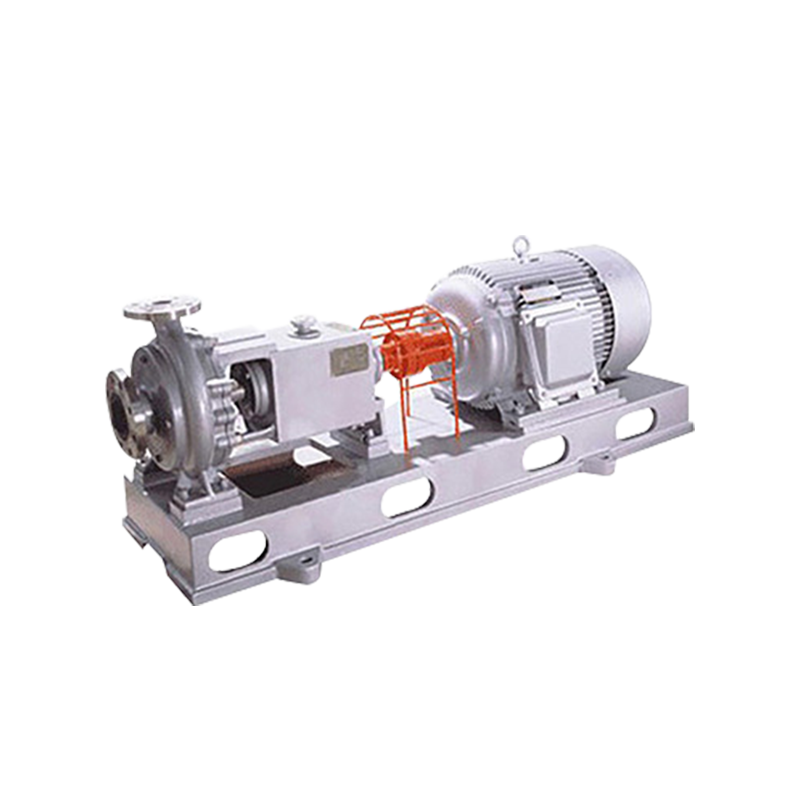
IJ series corrosion-resistant pump is a single-stage, single-suction cantilever centrifugal pump. Its marking, rating characteristics, and dimensions ...
See Details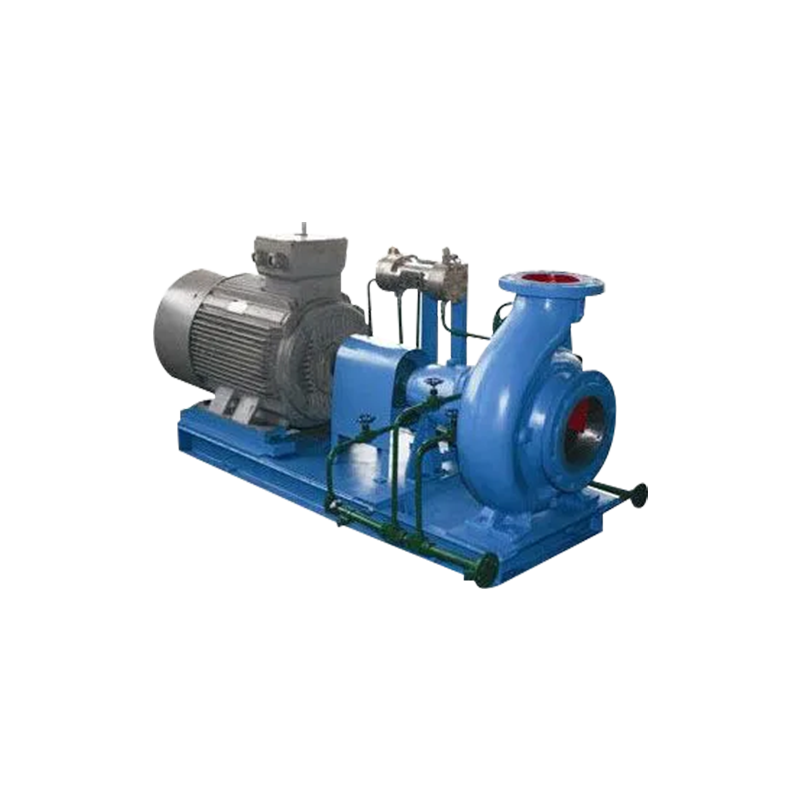
HPk hot water circulation pump adopts the patented technology of a low specific speed centrifugal pump, which is developed on the basis of absorbing a...
See Details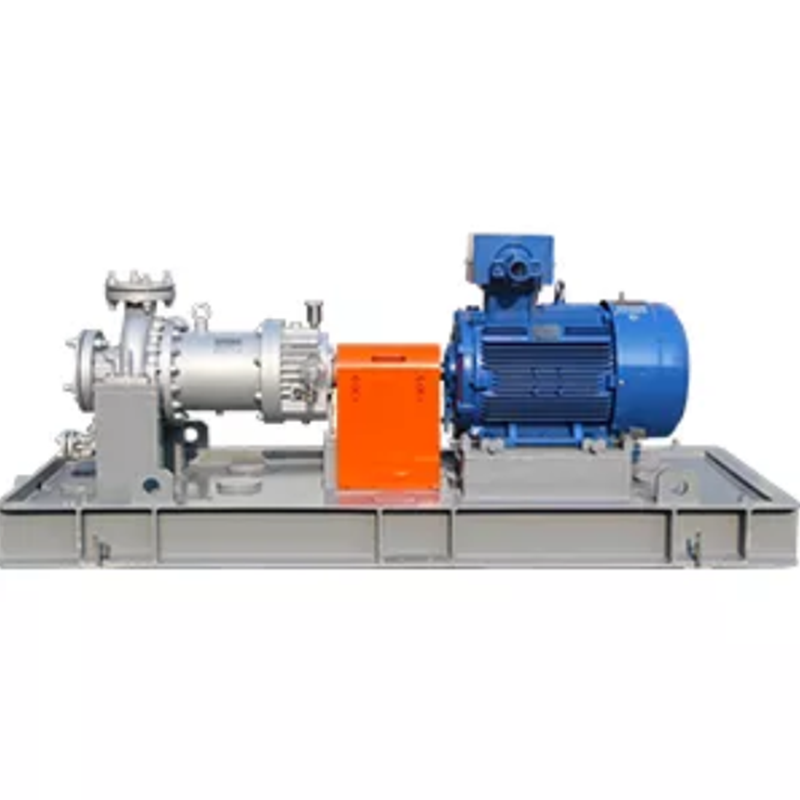
Performance Range: · Diameter: DN25~DN400 · Flow Rate: Up to 2000 m³/h · Head: Up to 250 m · Temperature Limit...
See Details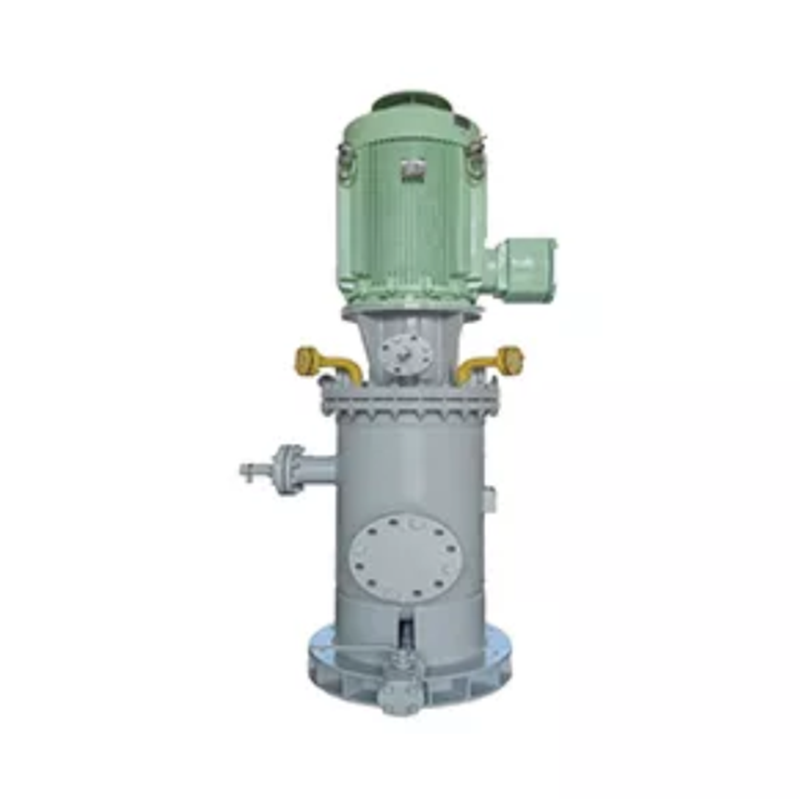
Performance Range: · Diameter: DN25~DN200 · Flow Rate: Up to 700 m³/h · Head: Up to 1000 m · Temperature Range...
See Details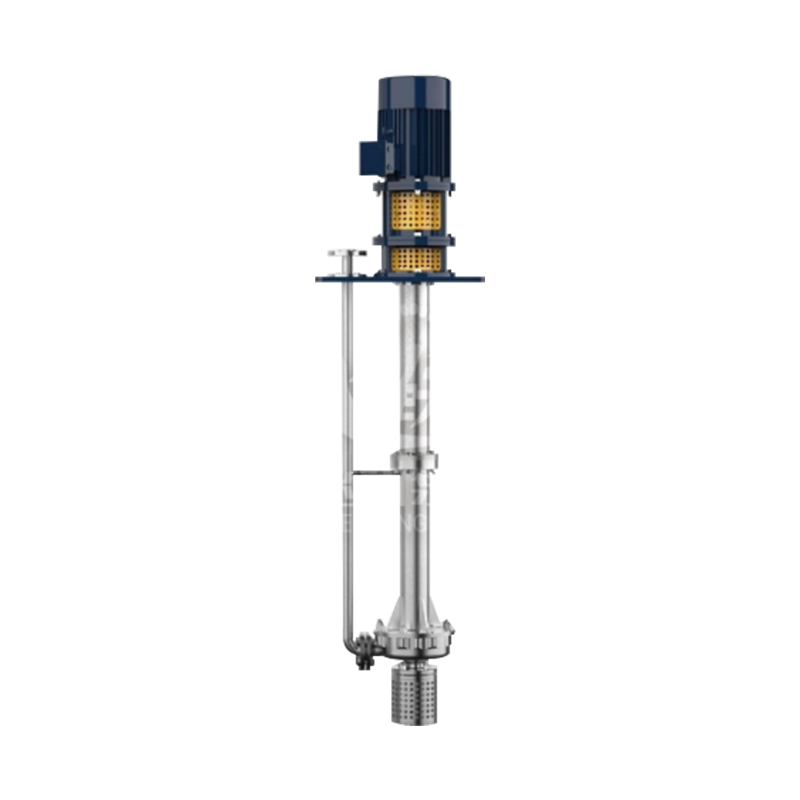
Overview The non-metallic vertical submerged pump is designed for handling corrosive media within a temperature range of 0°C to 120°C, free from solid...
See Details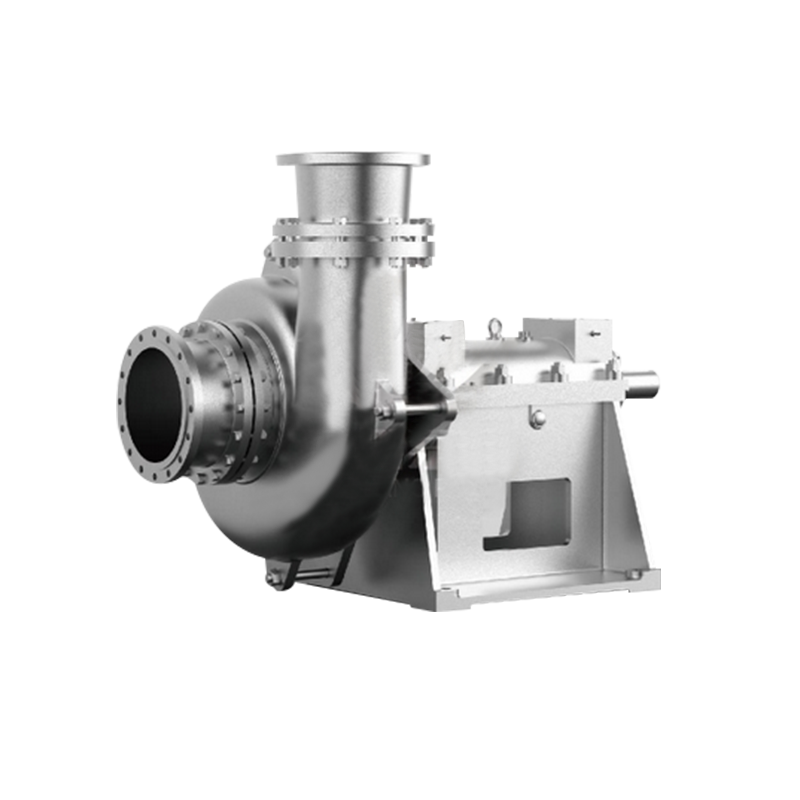
The Double Casing Slurry Pump, a series of solid-liquid two-phase flow slurry pumps, is engineered with an innovative two-phase flow design theory and...
See Details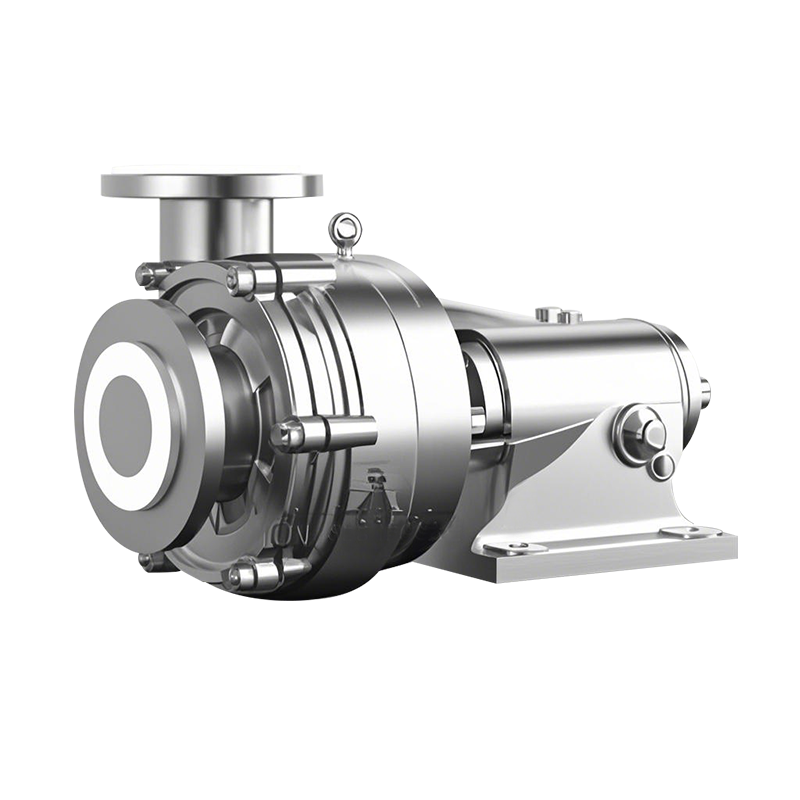
Slurry pumps are specialized equipment designed for transporting mixtures of liquids and solid particles, commonly known as slurries. These pumps are ...
See Details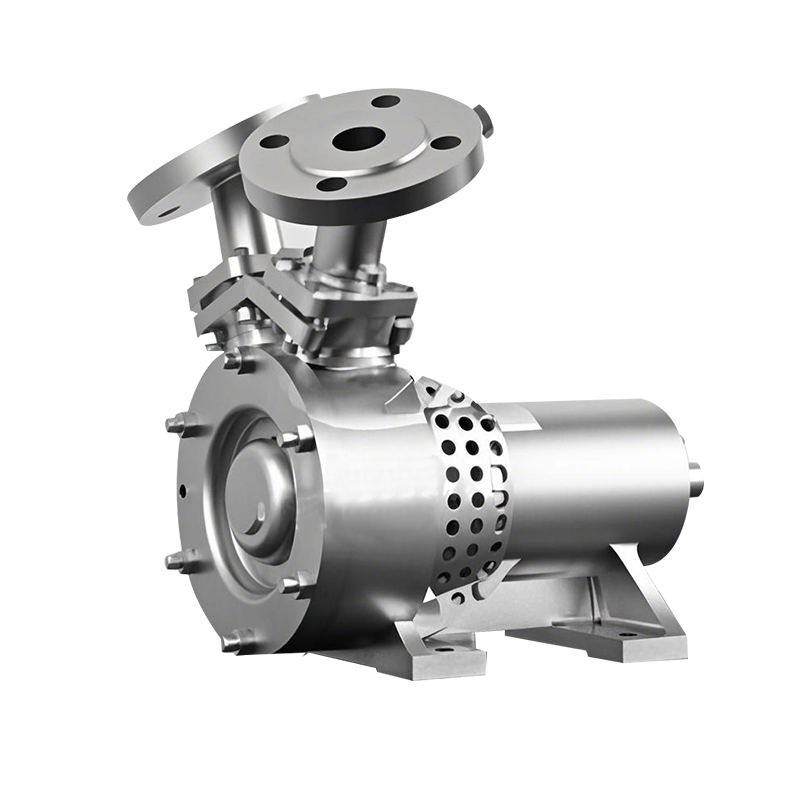
The vortex pump is compact in size yet capable of generating high pressure, making it an ideal choice for achieving miniaturization of equipment. It e...
See Details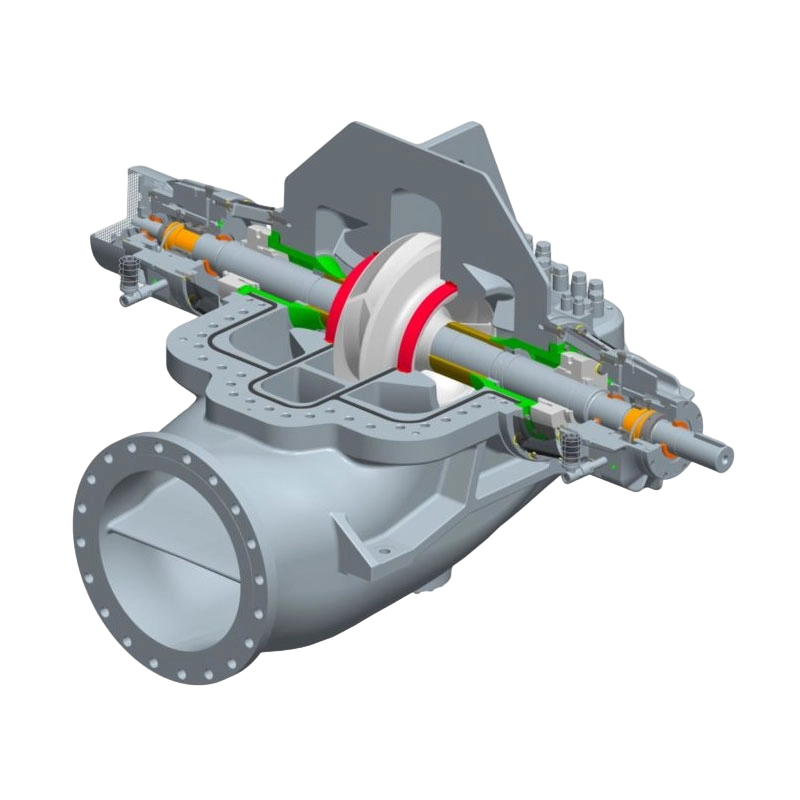
Our standard API 610 BB1 pumps are horizontally mounted, single-stage, double-suction units with an axially split casing between bearings. The pump an...
See DetailsCopyright © Welcome to Chemical Pump Factory - Jiangsu Feixiang Pump Manufacturing All rights reserved. Chemical Pumps Manufacturers

 +86-18052670932
 +86-0523-84326888
 No. 35, Xinqiao Middle Road, Xinqiao Town, Jingjiang City, Jiangsu Province, China