

 en
en  русский
 Español
CZ Standard Chemical Process Pump
Cat:Chemical Process Pump
1. Performance range of CZ type chemical pump (according to design point) Flow: Q 1.6-1500m3/h Lift: H 5-125m Working pressure: P less than or equal t...
See DetailsContent
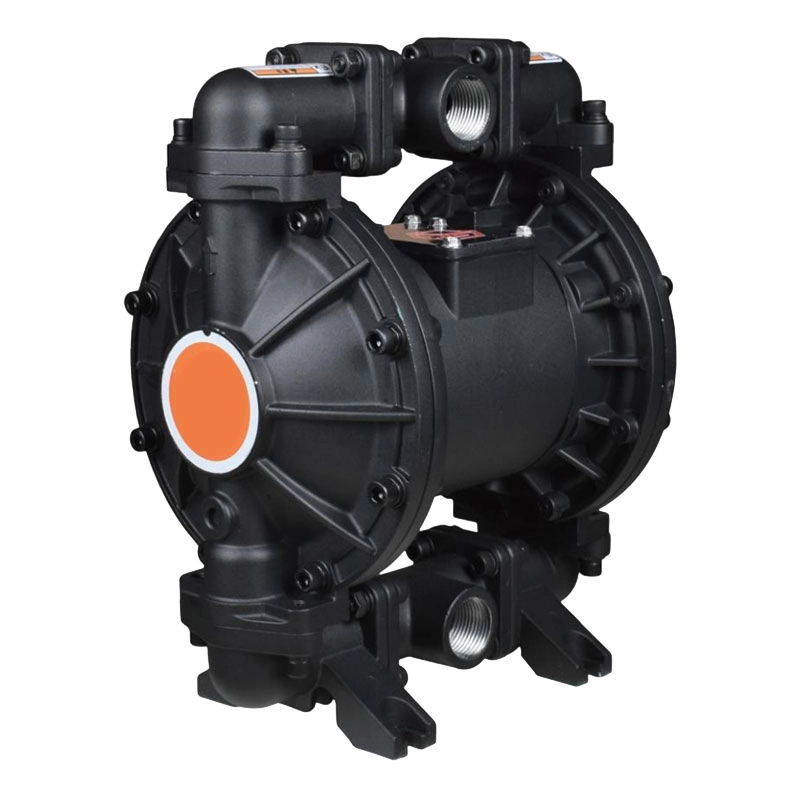
A self-priming pump is a type of centrifugal pump designed to remove air from its suction line and casing without requiring the operator to manually fill the pump with liquid before startup. Unlike standard centrifugal pumps, which must be fully flooded with liquid to begin moving fluid, self-priming pumps retain a small volume of liquid inside the casing after each use. This residual liquid mixes with incoming air during startup, creating a liquid-air emulsion that the impeller can push through the discharge while drawing additional liquid into the suction line. Once enough liquid has been pulled in to fill the suction pipe, the pump operates exactly like a conventional centrifugal pump.
This self-priming action typically takes anywhere from a few seconds to a couple of minutes, depending on suction lift height, pipe diameter, and the volume of trapped air. The process eliminates the need for foot valves, vacuum pumps, or manual priming, which makes these pumps especially valuable in applications where the suction source is below the pump or where the pump must be moved frequently between job sites.
Several design features distinguish self-priming pumps from their standard centrifugal counterparts. Understanding these components helps explain why the pump can re-prime itself repeatedly without operator intervention.
Self-priming pumps are widely used in industries where the liquid source is not always positioned above the pump, where suction lines may contain air pockets, or where rapid setup and teardown are necessary. Some of the most common use cases include construction dewatering, where groundwater or rainwater must be removed from excavation sites; agricultural irrigation, where water is drawn from ponds, rivers, or wells at varying levels; wastewater and sewage handling, where solids and air are frequently present in the suction stream; and industrial chemical transfer, where intermittent operation makes manual priming impractical.
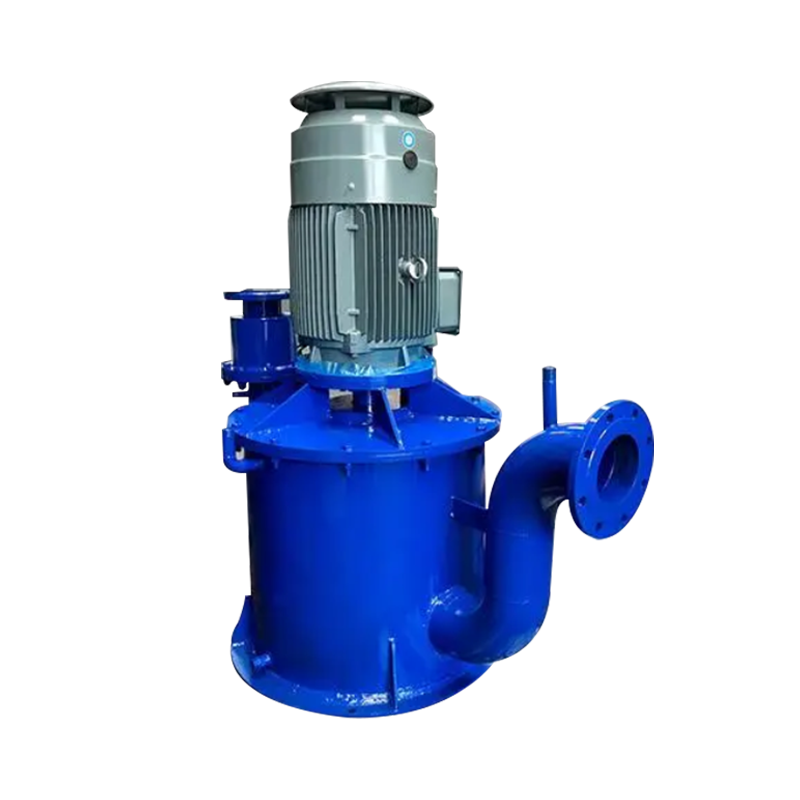
Mobile and trailer-mounted pump units also rely heavily on self-priming designs because they are often relocated between jobs and cannot guarantee a flooded suction line at every new setup. Marine bilge pumps and firefighting pumps are additional examples where rapid, automatic priming is essential for safety and operational readiness.
Choosing between a self-priming pump and a standard centrifugal pump depends largely on suction conditions and how often the system will be started and stopped. The table below summarizes the main differences.
| Feature | Self-Priming Pump | Standard Centrifugal Pump |
| Initial Priming | Automatic using reserve liquid | Requires manual flooding before start |
| Suction Position | Can be below pump level | Usually must be flooded or below liquid source |
| Setup Complexity | Low, ideal for frequent relocation | Higher, needs foot valves or priming pumps |
| Casing Size | Larger to hold reserve liquid | Compact |
Selecting an appropriately sized self-priming pump requires evaluating several operating parameters together rather than focusing on a single specification.
Determine the required flow rate in gallons or liters per minute, along with the total dynamic head, which accounts for elevation change, friction loss in piping, and any additional pressure needed at the discharge point. Undersized pumps will struggle to maintain prime under high suction lift, while oversized pumps waste energy and may cause excessive wear.
Confirm that the pump's wetted materials, seal type, and impeller design are compatible with the liquid being handled. Pumps moving clean water have different material requirements than those handling abrasive slurries, corrosive chemicals, or liquids containing solids. Many self-priming models are available with trash-handling impellers specifically for wastewater or debris-laden fluids.
Routine maintenance keeps a self-priming pump operating efficiently and extends its service life. The following practices are recommended for most installations.
Even well-maintained self-priming pumps can encounter operational problems. Identifying the cause quickly minimizes downtime and prevents damage to internal components.
| Symptom | Likely Cause |
| Pump fails to prime | Air leak in suction line or insufficient reserve liquid |
| Loss of prime during operation | Worn seal, loose fitting, or excessive air entrainment |
| Reduced flow output | Clogged strainer, worn impeller, or pipe restriction |
| Excessive noise or vibration | Cavitation from excessive suction lift or trapped debris |
By matching pump selection to the application, following routine maintenance practices, and addressing minor issues before they escalate, operators can rely on self-priming pumps for consistent, low-maintenance performance across a wide range of liquid transfer tasks.
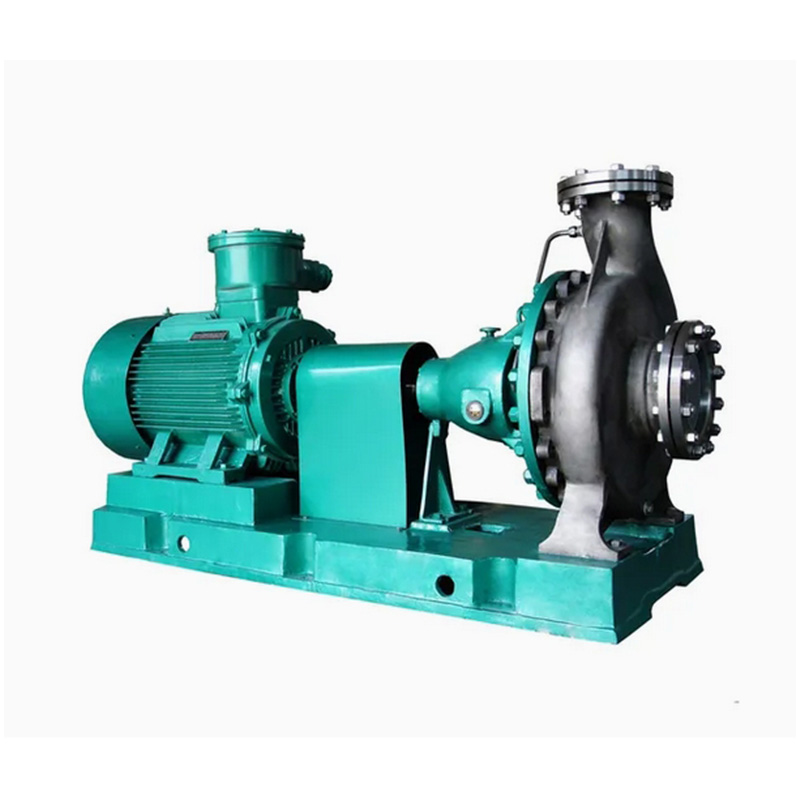
1. Performance range of CZ type chemical pump (according to design point) Flow: Q 1.6-1500m3/h Lift: H 5-125m Working pressure: P less than or equal t...
See Details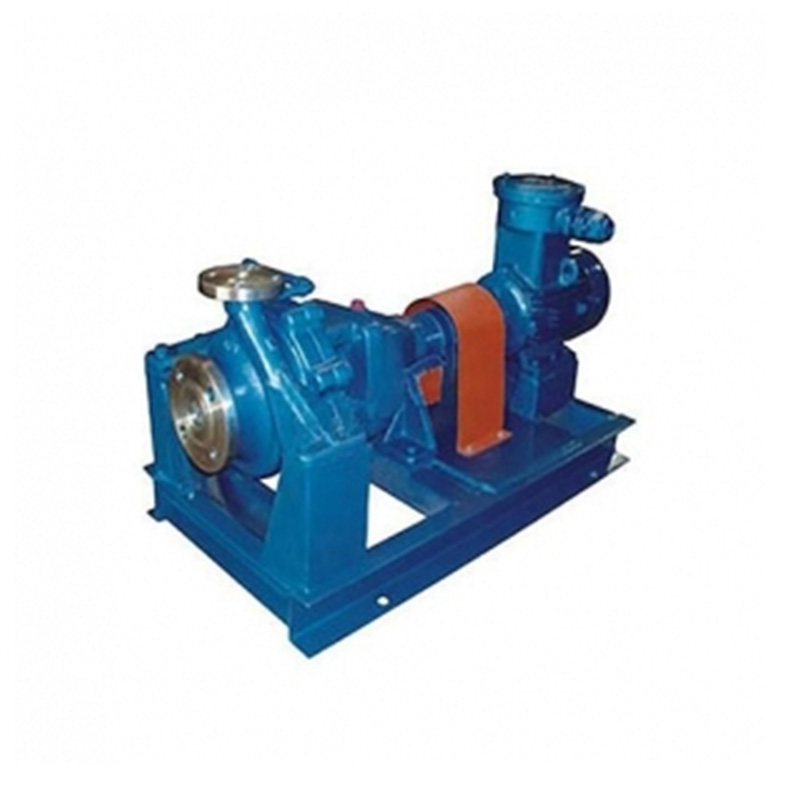
1. Overview of ZE petrochemical process pump ZA and ZE petrochemical pumps are single-stage horizontal centrifugal pumps. The pump body of the ZA-type...
See Details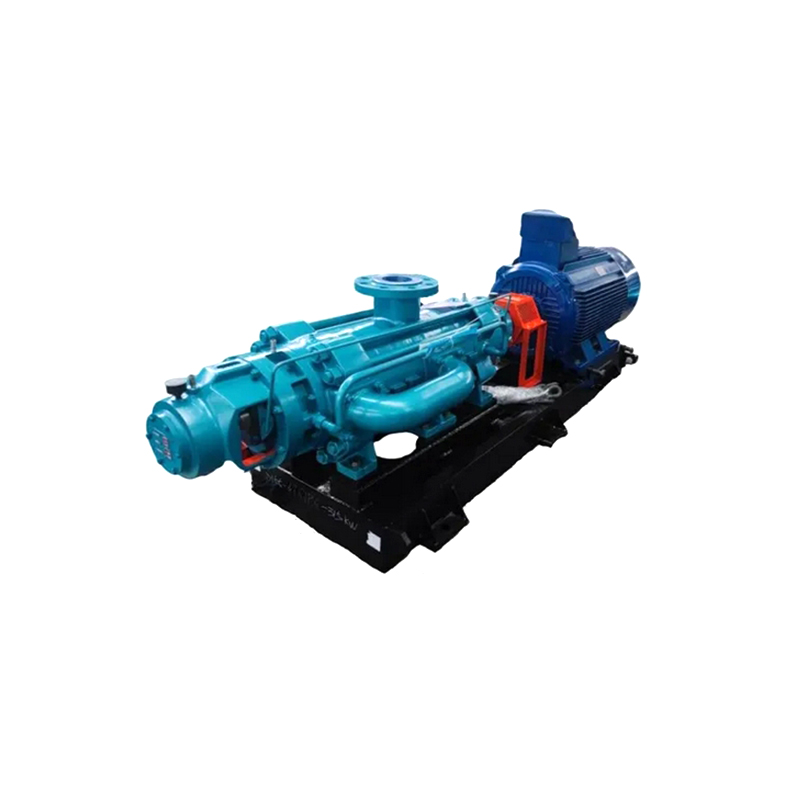
Self-balancing multi-stage centrifugal pump:Using advanced hydraulic models, we independently develop high-efficiency and energy-saving products; sinc...
See Details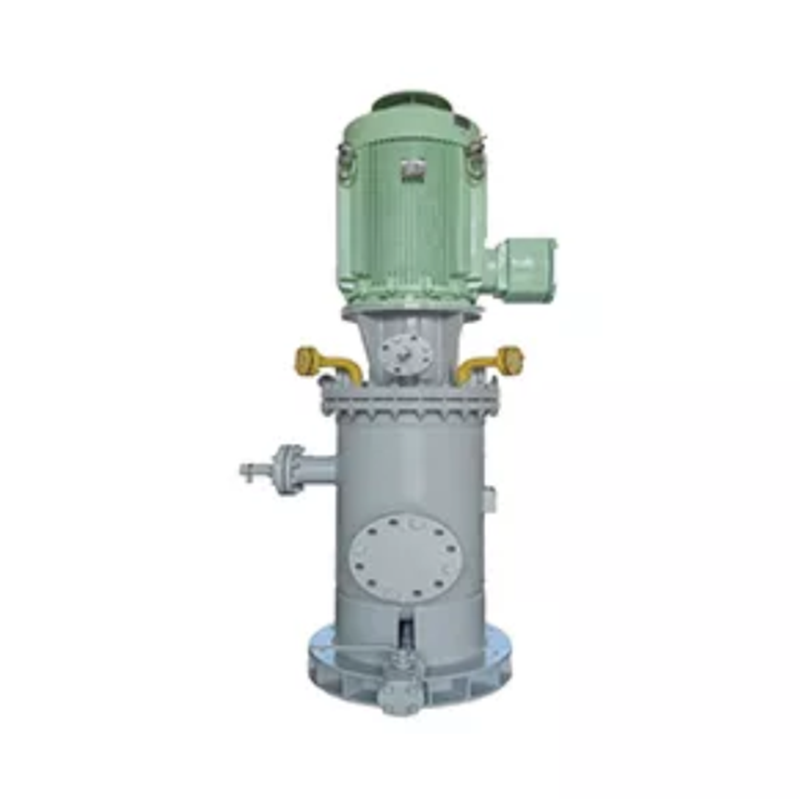
Performance Range: · Diameter: DN25~DN200 · Flow Rate: Up to 700 m³/h · Head: Up to 1000 m · Temperature Range...
See Details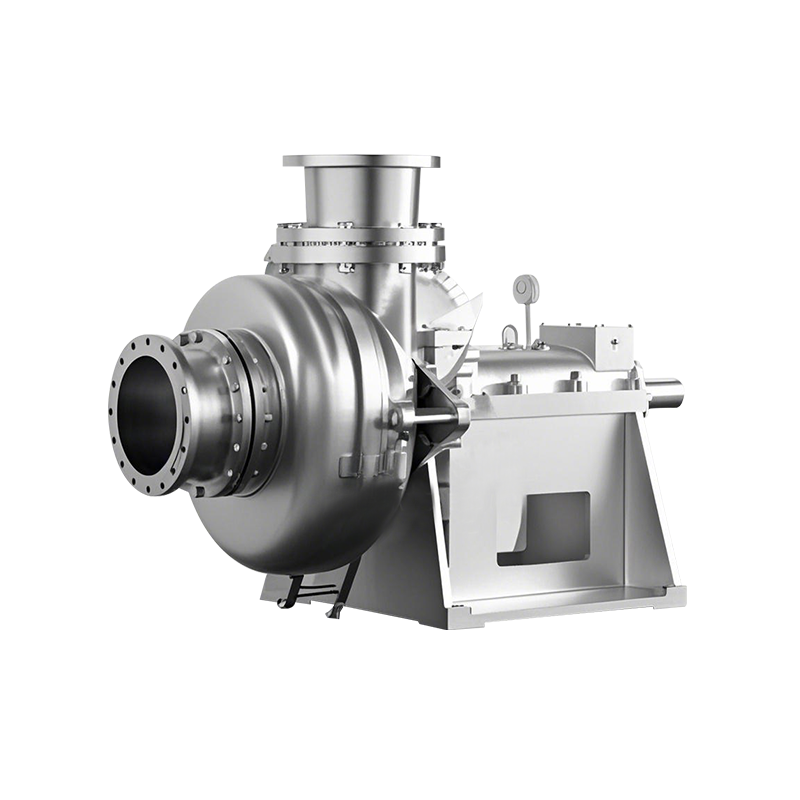
The Single Casing Series Slurry Pump is a new generation of high-efficiency, wear-resistant, and energy-saving slurry pumps developed by our company. ...
See Details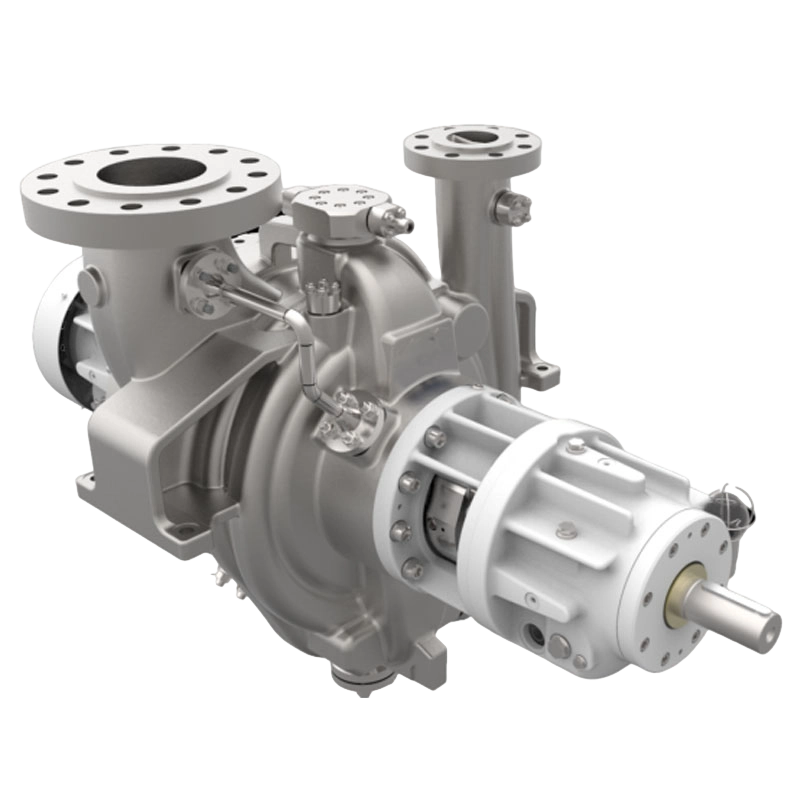
Our standard API 610 BB2 pumps feature a centerline-mounted, radially split casing with double suction and between-bearing construction. The pump and ...
See Details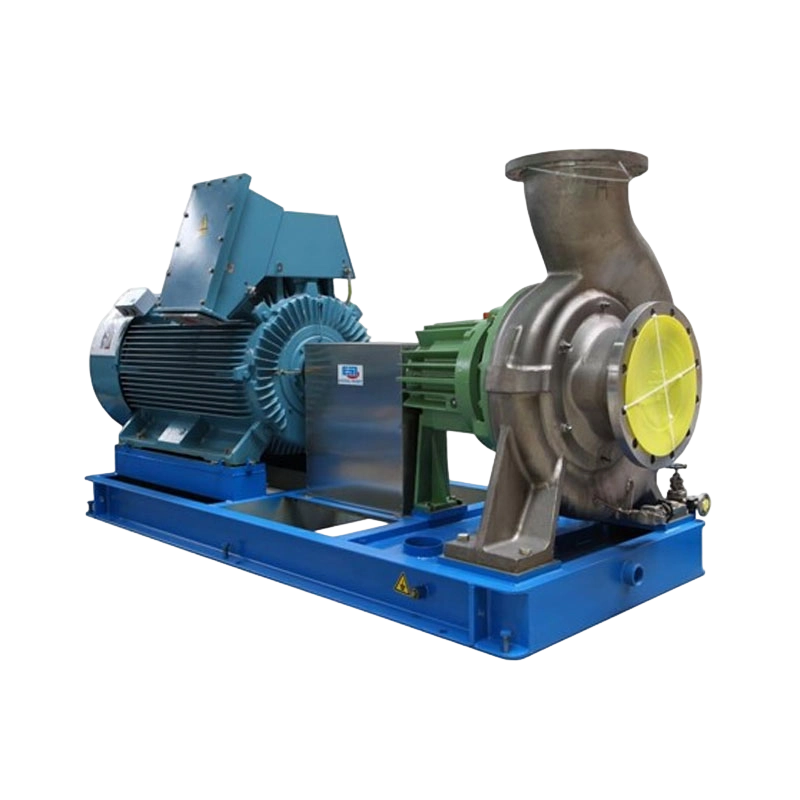
Our standard API 610 OH1 pumps are engineered as foot-mounted, single-stage, overhung units with a dedicated bearing housing. The pump and motor are f...
See Details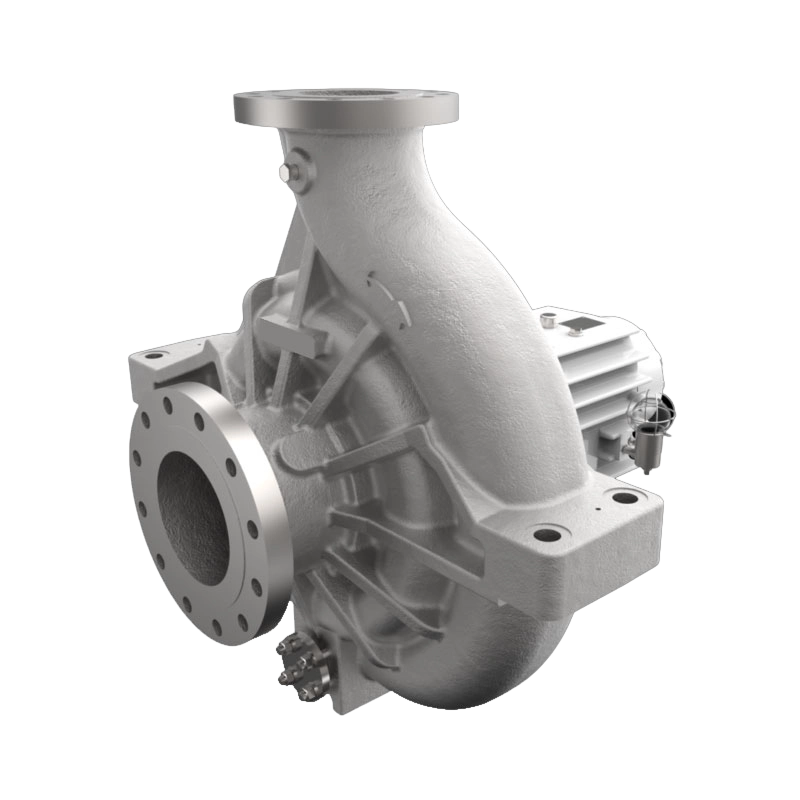
Our standard API 610 OH2 pumps are centerline-supported, single-stage, overhung units with an integrated bearing housing. The pump and motor are flexi...
See Details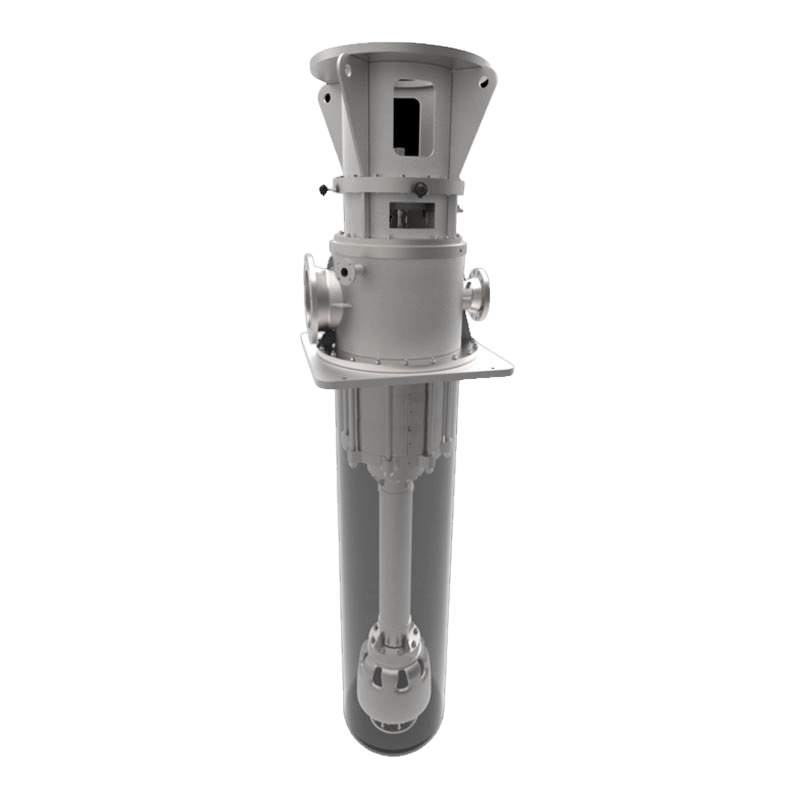
Our API 610 VS6 sump pumps feature a vertically suspended configuration with radially split single casing, designed as single or multi-stage diffuser ...
See DetailsCopyright © Welcome to Chemical Pump Factory - Jiangsu Feixiang Pump Manufacturing All rights reserved. Chemical Pumps Manufacturers

 +86-18052670932
 +86-0523-84326888
 No. 35, Xinqiao Middle Road, Xinqiao Town, Jingjiang City, Jiangsu Province, China