

 en
en  русский
 Español
CZ Standard Chemical Process Pump
Cat:Chemical Process Pump
1. Performance range of CZ type chemical pump (according to design point) Flow: Q 1.6-1500m3/h Lift: H 5-125m Working pressure: P less than or equal t...
See DetailsContent
A screw pump is a positive displacement pump that uses one or more helical screws (rotors) to move fluid along the axis of rotation. Unlike centrifugal pumps, which rely on impeller speed to generate pressure, screw pumps trap a fixed volume of fluid between the screw threads and the pump casing, then push it forward with each revolution. This mechanism delivers smooth, non-pulsating flow that remains consistent regardless of pressure changes — a characteristic that makes screw pumps exceptionally well-suited for viscous fluids, sensitive products, and precision flow applications.
The operating principle is elegantly simple: fluid enters at the suction end, becomes enclosed in the cavities formed by the rotating screw and the casing wall, and is continuously displaced toward the discharge end. Because the fluid is never subjected to high turbulence or velocity changes, shear-sensitive materials remain largely undamaged. This makes screw pumps the preferred choice in industries ranging from oil and gas to food processing.
Screw pumps are categorized primarily by the number of screws in the rotor assembly. Each configuration has distinct mechanical characteristics that determine suitability for specific applications.
The single screw pump, also known as a progressive cavity or eccentric screw pump, uses one helical rotor turning inside a double-helix elastomeric stator. As the rotor turns eccentrically, sealed cavities form and progress from the inlet to the outlet, carrying fluid with them. This design handles highly viscous fluids, abrasive slurries, and even solids-laden media without significant degradation. Common applications include wastewater treatment, food processing (particularly for thick pastes and sauces), and oil field production where sand-laden crude must be transported. The pump is self-priming and capable of running dry for short periods in many configurations.
The twin screw pump uses two intermeshing parallel screws that rotate in opposite directions within a tightly toleranced casing. The screws do not contact each other — instead, timing gears synchronize their rotation, meaning the pump can handle fluids with low lubricity, including water-based solutions. Twin screw pumps excel in applications demanding precise flow control, low pulsation, and the ability to handle multiphase fluids (combinations of liquid and gas). They are widely used in the marine industry for cargo transfer, in petrochemical plants for blending operations, and in the food and cosmetics industries for shear-sensitive emulsions and creams.
The triple screw pump consists of a central driving screw flanked by two idler screws. The three screws mesh together, with the central screw driven by the motor while the idlers rotate freely. This arrangement creates a highly balanced mechanical load and extremely smooth flow with minimal vibration. Triple screw pumps are the preferred option for hydraulic power systems, fuel supply and injection in marine diesel engines, and lubrication circuits in industrial machinery. They typically handle clean, lubricating fluids efficiently and are known for their long operational life with minimal maintenance.
Selecting the right screw pump requires a systematic evaluation of the fluid properties and operating conditions. Overlooking even one parameter can result in premature wear, insufficient flow, or catastrophic seal failure.
| Parameter | Why It Matters | Typical Range |
| Viscosity | Determines clearances, speed, and pump type | 1 cP – 1,000,000 cP |
| Flow Rate | Sets rotor geometry and motor sizing | 0.1 – 2,000+ m³/h |
| Differential Pressure | Influences number of screw stages needed | Up to 100+ bar |
| Temperature | Affects material selection and sealing | -40°C – 300°C |
| Solid Content | Determines rotor/stator material hardness | 0 – 40% by volume |
| Gas Volume Fraction | Critical for multiphase or aerated fluid handling | 0 – 95% (twin screw) |
Viscosity deserves particular attention. As viscosity increases, a screw pump's volumetric efficiency tends to improve because the internal slip (leakage back from the high-pressure to the low-pressure side) decreases. However, very high viscosity also demands more torque and slower rotational speeds to avoid excessive shear heating. Always obtain fluid viscosity data at operating temperature, not at ambient conditions, since many process fluids thin dramatically as they warm up.
Different industries place very different demands on pumping equipment. The table below provides a practical starting point for matching screw pump types to common industrial scenarios.
Material compatibility is a non-negotiable part of screw pump selection. The wetted components — rotors, stators, casing, and seals — must resist corrosion, erosion, and chemical attack from the process fluid over the equipment's expected service life.
For metallic components, stainless steel (316L) is the standard choice in food, pharmaceutical, and mild chemical applications. Duplex stainless steel or Hastelloy alloys are required for aggressive acids or chloride-rich environments. In abrasive slurry service, hardened materials such as hardened tool steel or ceramic-coated screws reduce wear significantly. Stator elastomers in single screw pumps must be matched not only to the chemical composition of the fluid but also to the operating temperature and potential swelling behavior — for instance, EPDM is incompatible with hydrocarbon-based fluids while NBR should not be used with steam or ketone-based solvents.
Shaft sealing is another critical design decision. Mechanical seals provide leak-free operation but require clean flushing fluid in abrasive services. Packed gland seals are more tolerant of solids but permit controlled leakage. Magnetic drive couplings eliminate the shaft seal entirely, offering a zero-leakage option for hazardous or toxic fluids, though they add complexity and limit maximum torque transmission.

Even experienced engineers make avoidable errors when specifying screw pumps. Understanding these pitfalls leads to better long-term outcomes.
Once you have gathered the fluid data sheet, process conditions, and installation constraints, the selection process follows a logical sequence. Begin by determining which pump type is appropriate based on the number of fluid phases, viscosity range, and sensitivity to shear. Use the manufacturer's performance curves to identify models that meet your required flow rate and differential pressure within their efficient operating band — typically between 60% and 100% of the pump's rated capacity. Verify the NPSH available at the suction flange exceeds the pump's NPSH required with a margin of at least 0.5 m. Confirm motor sizing against the maximum viscosity scenario, and specify the correct seal type and materials for the process fluid.
Where possible, request a factory acceptance test (FAT) with the actual process fluid or a certified analog. Performance testing at operating temperature and viscosity reveals any deviation from the published curves before equipment reaches the field. A well-selected and properly commissioned screw pump will deliver years of reliable, low-maintenance service — making the investment in careful selection decisions early in the project lifecycle clearly worthwhile.
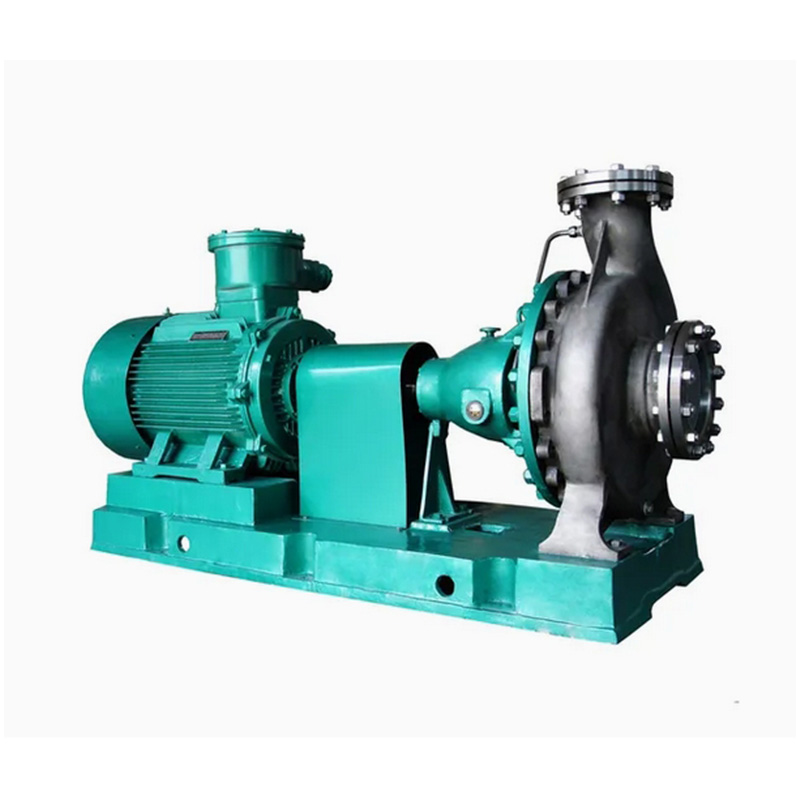
1. Performance range of CZ type chemical pump (according to design point) Flow: Q 1.6-1500m3/h Lift: H 5-125m Working pressure: P less than or equal t...
See Details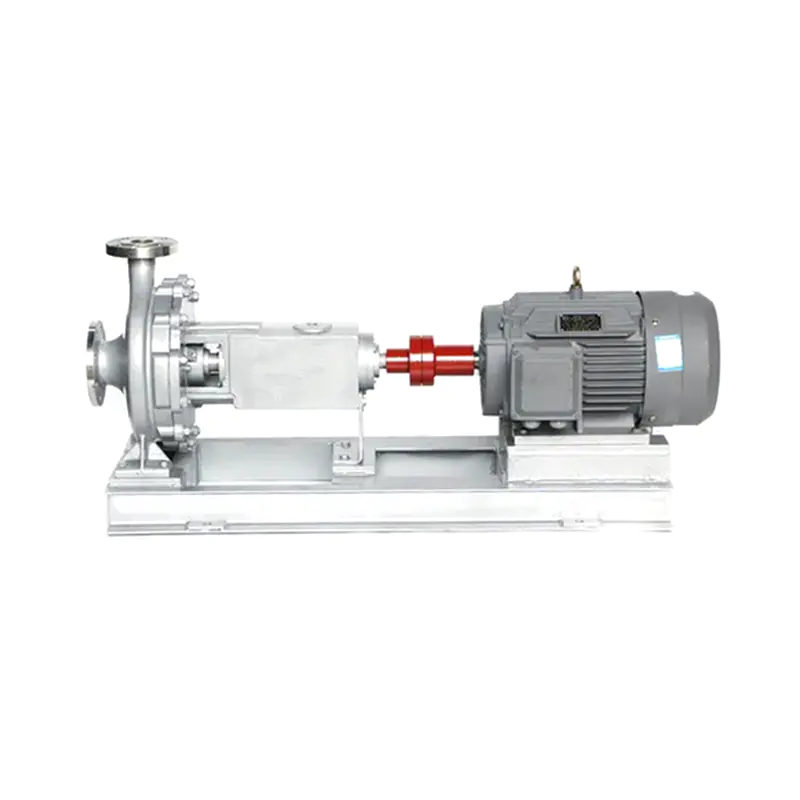
1. Overview of the HJ chemical process pump HJ corrosion-resistant chemical process pump is a single-stage single-suction cantilever centrifugal pump....
See Details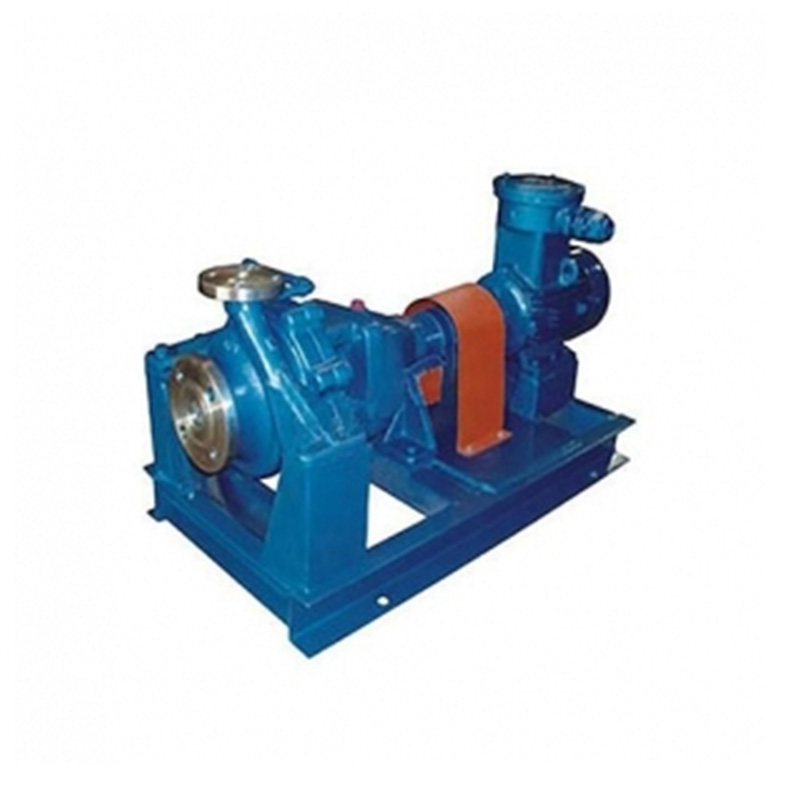
1. Overview of ZE petrochemical process pump ZA and ZE petrochemical pumps are single-stage horizontal centrifugal pumps. The pump body of the ZA-type...
See Details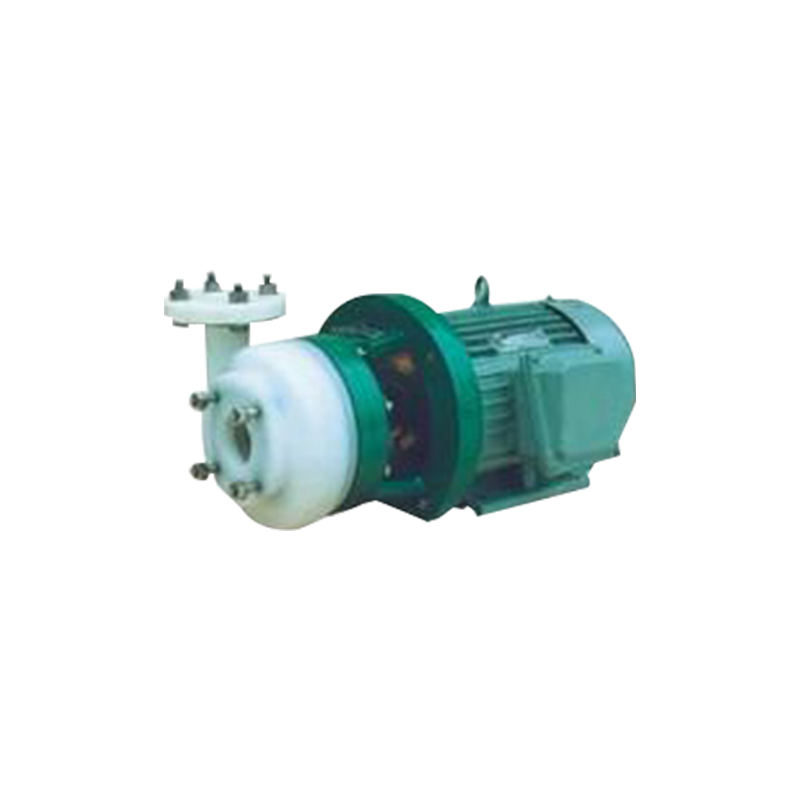
FSB fluoroplastic pump overview The FSB-type fluoroplastic alloy pump is designed according to international standard dimensions. The pump body is org...
See Details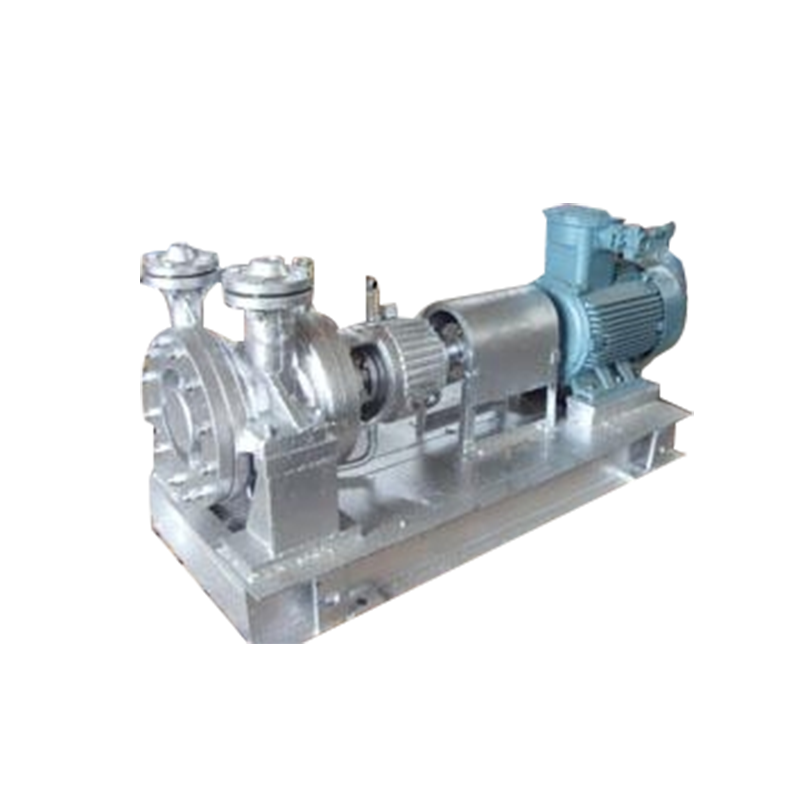
AY type oil pump is divided into two structural forms: single-stage single-suction cantilever type, two-stage single-suction cantilever type, single-s...
See Details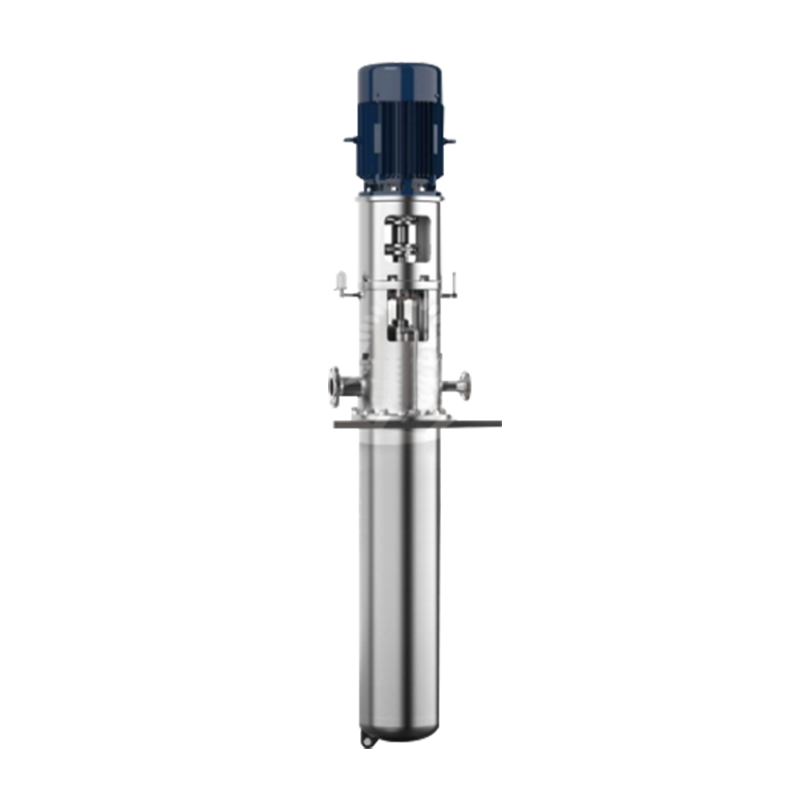
The diversion type barrel pump series offers hydraulic performance, featuring a variety of configuration options including self-cleaning, external cle...
See Details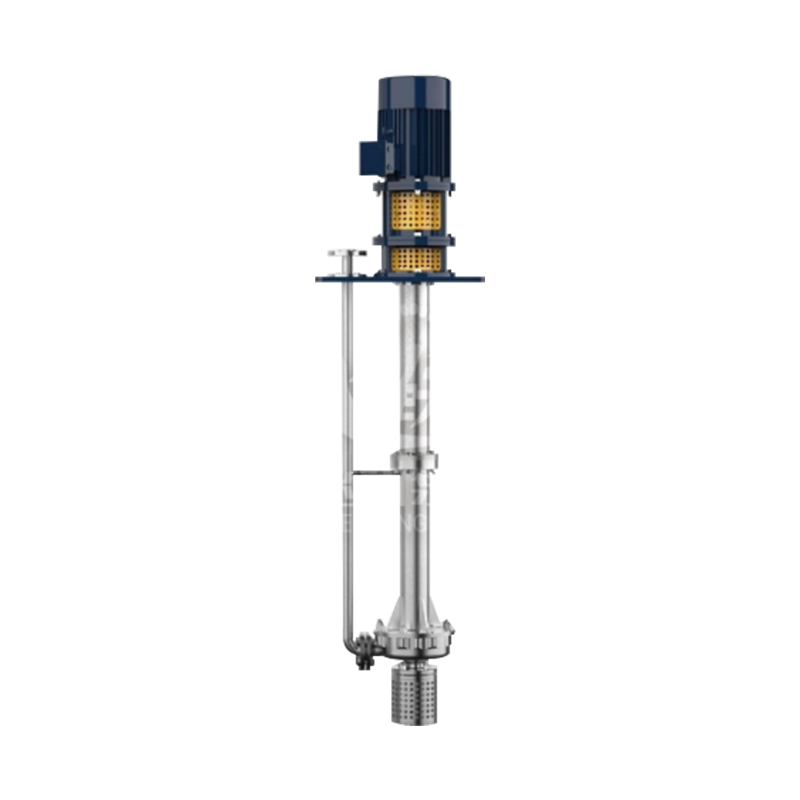
The Diversion-Type Long Shaft Submersible Desulfurization Pump is specifically engineered for underground sump applications in power plant flue gas de...
See Details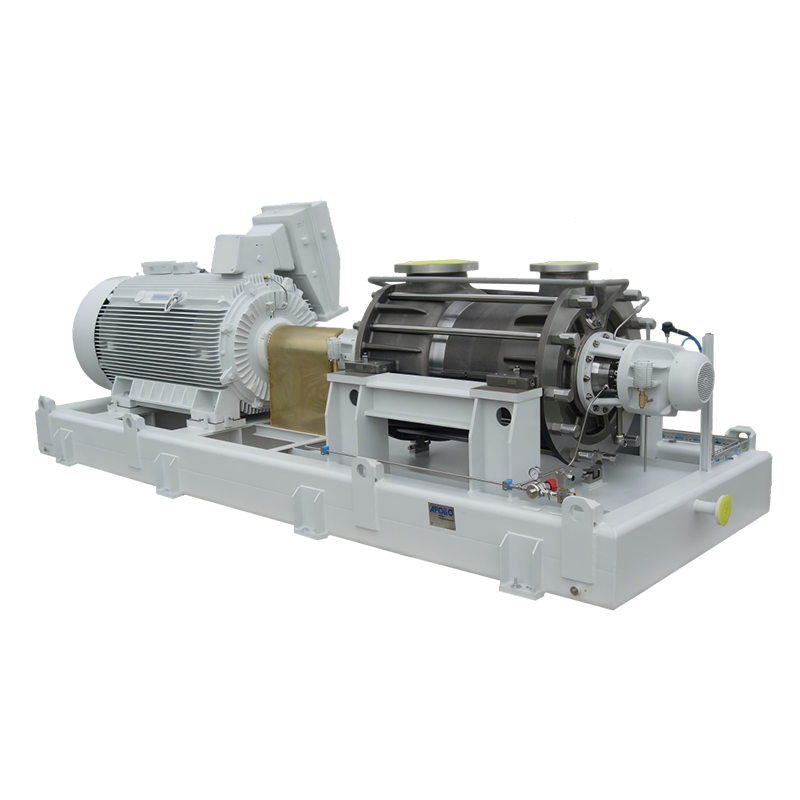
Our API 610 BB4 pumps are centerline-mounted, multistage units with radially split casings, available in both single and double suction configurations...
See Details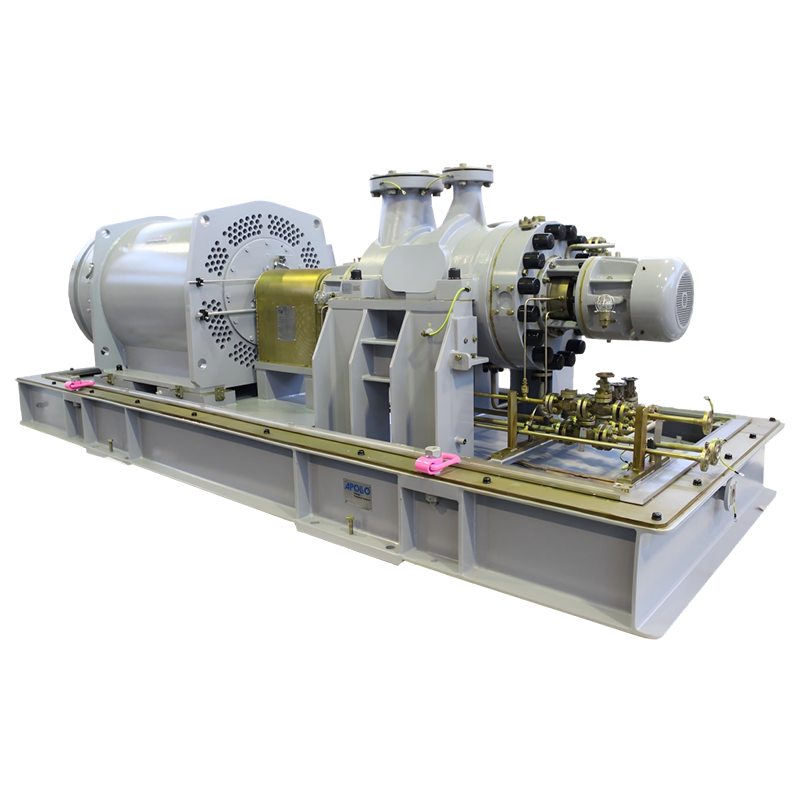
Our API 610 BB5 pumps feature a double-casing, radially split multistage configuration in a between-bearing barrel pump design. The pump and motor are...
See Details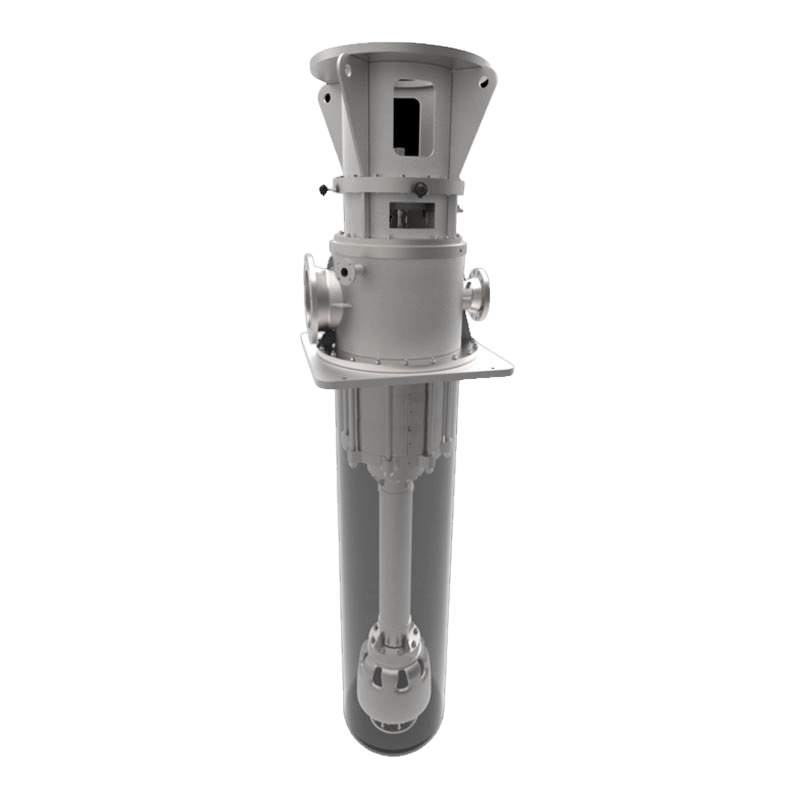
Our API 610 VS6 sump pumps feature a vertically suspended configuration with radially split single casing, designed as single or multi-stage diffuser ...
See DetailsCopyright © Welcome to Chemical Pump Factory - Jiangsu Feixiang Pump Manufacturing All rights reserved. Chemical Pumps Manufacturers

 +86-18052670932
 +86-0523-84326888
 No. 35, Xinqiao Middle Road, Xinqiao Town, Jingjiang City, Jiangsu Province, China