

 en
en  русский
 Español
CZ Standard Chemical Process Pump
Cat:Chemical Process Pump
1. Performance range of CZ type chemical pump (according to design point) Flow: Q 1.6-1500m3/h Lift: H 5-125m Working pressure: P less than or equal t...
See DetailsContent
Screw pumps are a type of positive displacement pump that use one or more rotating screws, or rotors, to move fluid along the axis of the screw as it turns. Unlike centrifugal pumps, which rely on rotational velocity to push fluid outward, screw pumps trap fluid in the cavities formed between the screw threads and the pump housing, then advance it smoothly from the inlet to the outlet as the screws rotate.
This mechanism allows screw pumps to move fluid with minimal turbulence, pulsation, or shear, which makes them particularly well suited to handling viscous, sensitive, or multiphase fluids that could be damaged or degraded by other pump types. The continuous, smooth flow produced by screw pumps also makes them effective for applications requiring precise and consistent fluid delivery.
Single screw pumps, often called progressive cavity pumps, use one helical rotor turning within a stationary elastomeric stator to move fluid. Twin and triple screw pumps, by contrast, use two or three intermeshing screws that do not touch each other, relying instead on precise clearances to move fluid without the wear associated with contact-based designs.
Screw pumps come in several configurations, each suited to different fluid characteristics and operating conditions. Selecting the right type depends on factors like viscosity, pressure requirements, and the presence of solids or entrained gas in the fluid being pumped.
| Pump Type | Configuration | Best Suited For |
| Single Screw (Progressive Cavity) | One rotor, elastomeric stator | Sludge, slurries, viscous fluids with solids |
| Twin Screw | Two intermeshing, non-contacting screws | Multiphase fluids, crude oil transfer |
| Triple Screw | Three intermeshing screws | Lubricating oils, hydraulic fluids |
| Timed Twin Screw | Synchronized gears prevent screw contact | Food-grade and hygienic fluid transfer |
Progressive cavity pumps generally excel at handling thick, solids-laden fluids like sludge, while twin and triple screw pumps are better suited to lighter, cleaner fluids such as lubricating oils and fuel, where the tight clearances between screws provide efficient, low-shear pumping without the wear associated with contact-based designs.

Screw pumps are used extensively across industries that require gentle, consistent handling of viscous or sensitive fluids. Their ability to manage a wide viscosity range while maintaining steady flow makes them valuable in both industrial processing and fluid transfer operations.
One of the primary advantages of screw pumps is their ability to handle a wide range of viscosities without a significant drop in efficiency, unlike centrifugal pumps, which lose performance rapidly as fluid viscosity increases. Screw pumps also produce a smooth, low-pulsation flow, making them ideal for applications where consistent, non-turbulent fluid delivery is important.
Additionally, many screw pump designs can handle fluids containing entrained gas or a mix of liquid and gas phases without losing suction, a capability that sets them apart from many other positive displacement pump types. This makes twin screw pumps particularly valuable in oil extraction applications where the fluid composition can vary unpredictably during operation.
Progressive cavity pumps require periodic replacement of the elastomeric stator, as this component wears from continuous contact with the rotor, particularly when pumping abrasive fluids. Twin and triple screw pumps, which operate without contact between screws, generally require less frequent internal component replacement but still need regular monitoring of seal and bearing condition to prevent leakage or performance loss.
When selecting a screw pump, accurately characterizing the fluid's viscosity, temperature, and solids content is essential, since these factors directly influence which pump configuration will perform reliably over time. Pumps rated for clean, low-viscosity fluids may struggle or wear prematurely if used on abrasive slurries, while progressive cavity pumps designed for solids-laden fluids may be unnecessarily complex for simple, clean fluid transfer tasks.
Buyers should also consider flow rate and pressure requirements carefully, ensuring the selected pump's capacity aligns with system demands without excessive oversizing, which can lead to inefficient operation and higher energy costs. Consulting with a pump manufacturer or supplier who can review specific fluid data and application conditions helps ensure the chosen screw pump delivers reliable, long-term performance.
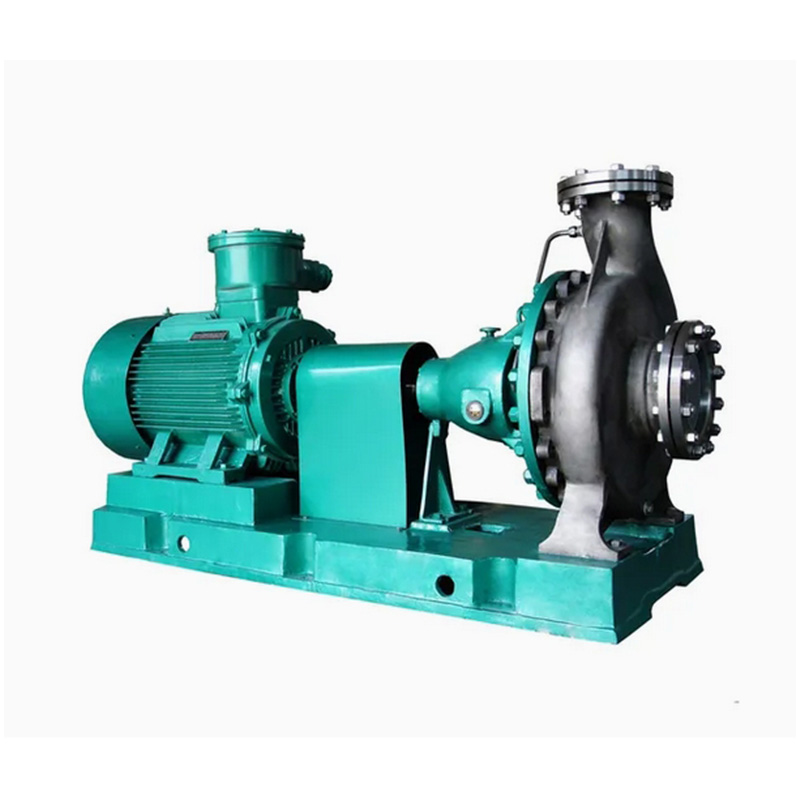
1. Performance range of CZ type chemical pump (according to design point) Flow: Q 1.6-1500m3/h Lift: H 5-125m Working pressure: P less than or equal t...
See Details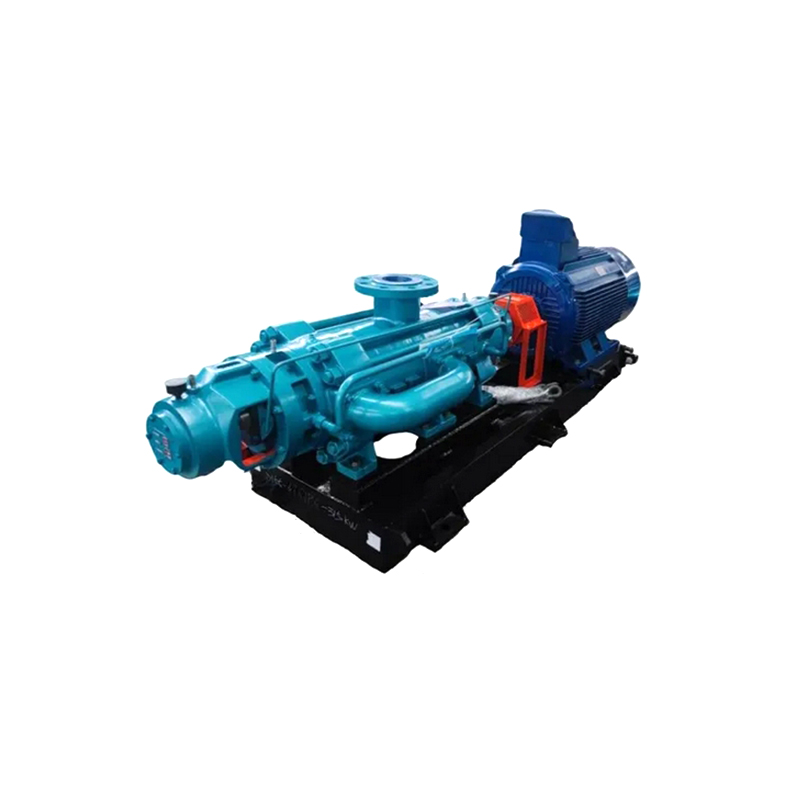
Self-balancing multi-stage centrifugal pump:Using advanced hydraulic models, we independently develop high-efficiency and energy-saving products; sinc...
See Details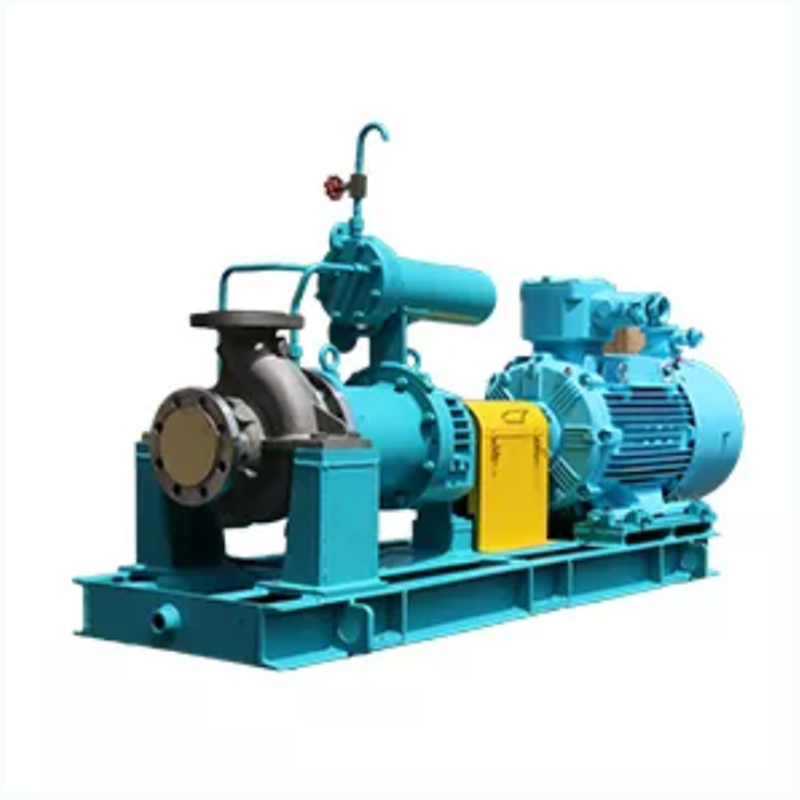
Performance Range: · Diameter: DN25~DN400 · Flow Rate: Up to 2000 m³/h · Head: Up to 200 m · Temperature Limit...
See Details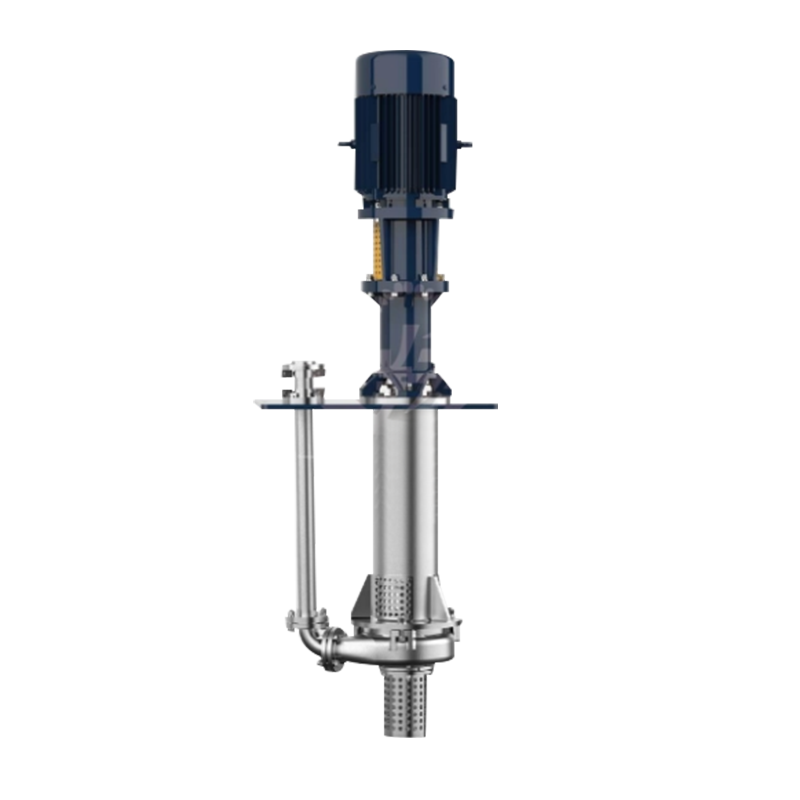
The slurry submerged pump is a cantilevered vertical design developed by our company, combining advanced features from both domestic and international...
See Details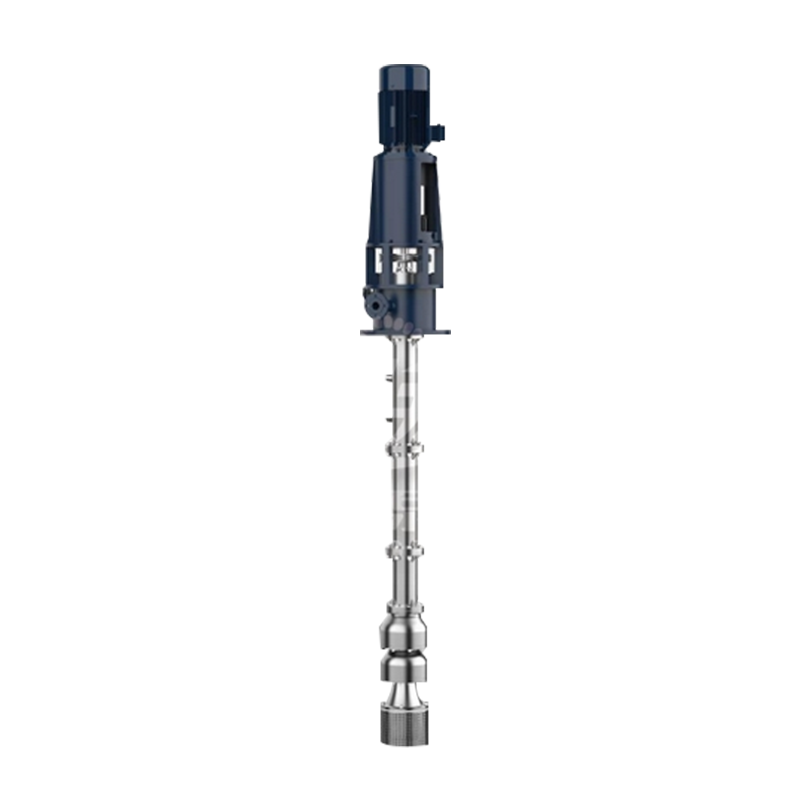
The molten salt submerged pump is a specialized high-temperature pump developed by Jiangsu Feixiang Pump Industry Co., Ltd. This product series was cr...
See Details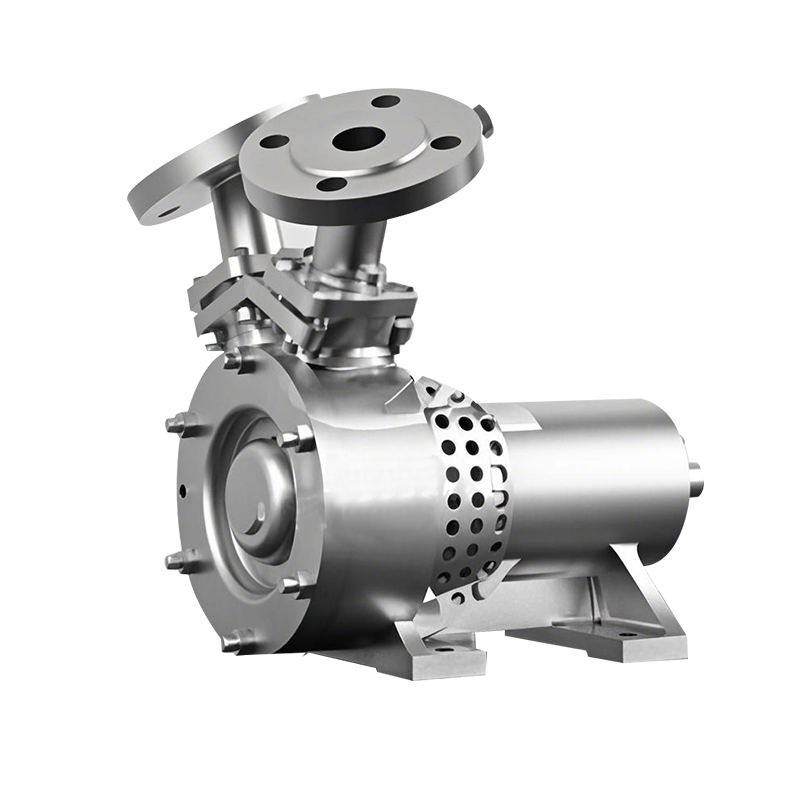
The vortex pump is compact in size yet capable of generating high pressure, making it an ideal choice for achieving miniaturization of equipment. It e...
See Details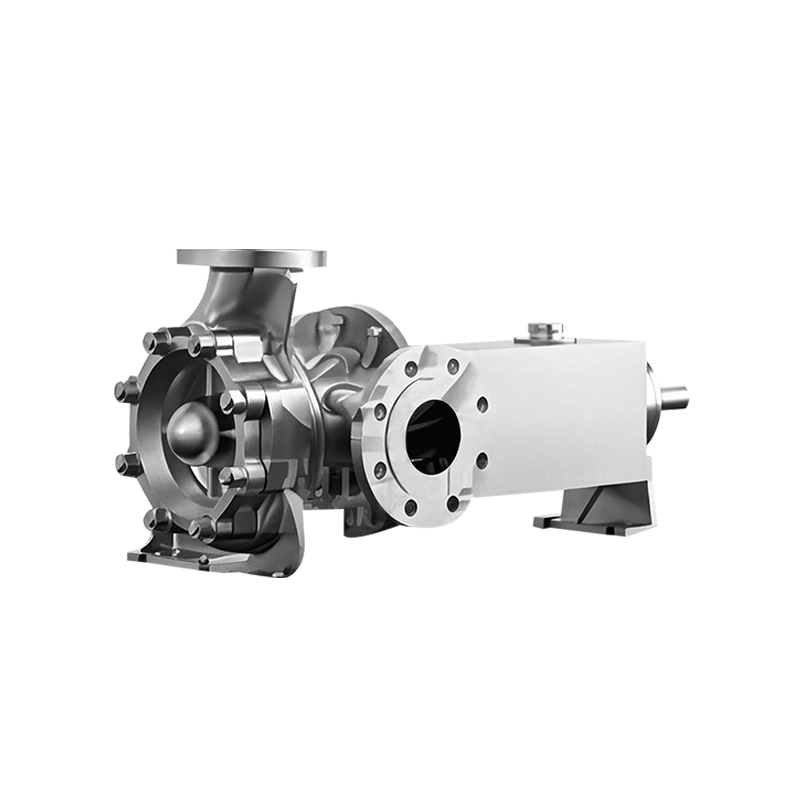
The filter press pump is a vertical, single-stage, single-suction, cantilever-type centrifugal pump, ingeniously crafted based on multiphase flow theo...
See Details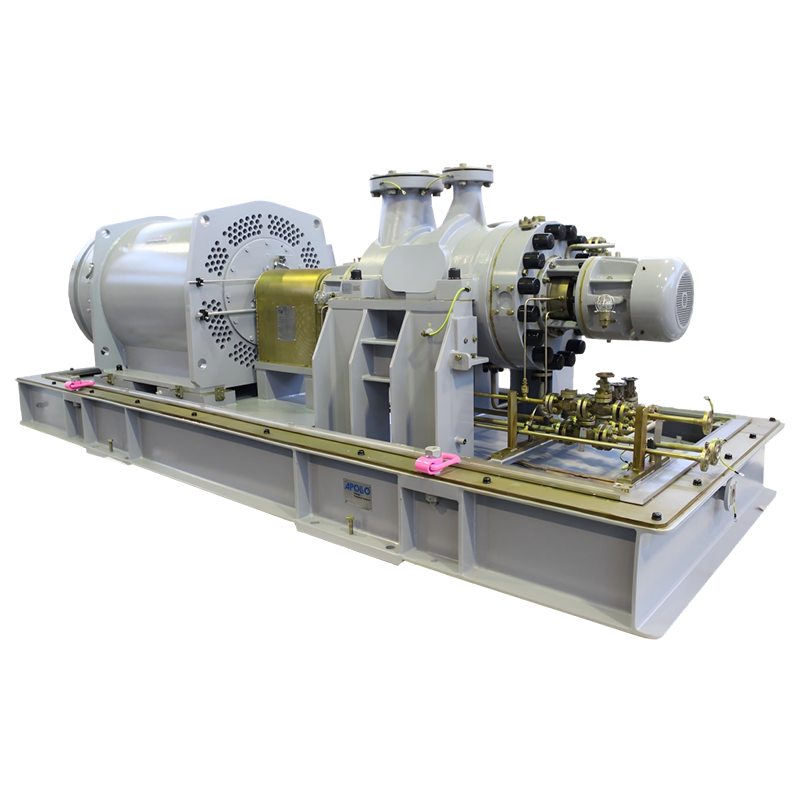
Our API 610 BB5 pumps feature a double-casing, radially split multistage configuration in a between-bearing barrel pump design. The pump and motor are...
See Details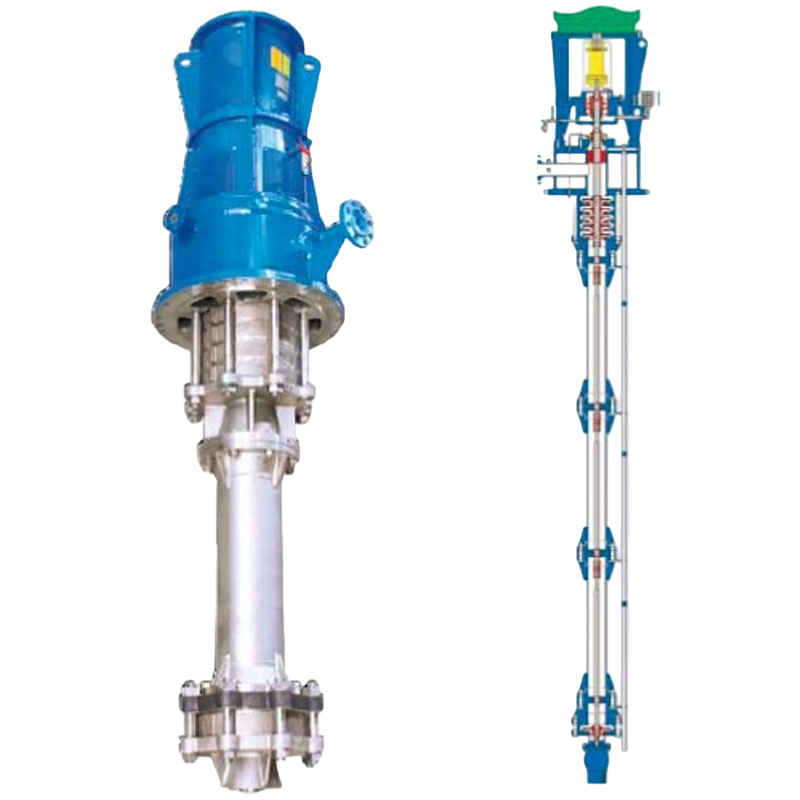
Our API 610 VS2 sump pumps feature a vertically suspended design with radially split single casing, available in single or multi-stage volute configur...
See DetailsCopyright © Welcome to Chemical Pump Factory - Jiangsu Feixiang Pump Manufacturing All rights reserved. Chemical Pumps Manufacturers

 +86-18052670932
 +86-0523-84326888
 No. 35, Xinqiao Middle Road, Xinqiao Town, Jingjiang City, Jiangsu Province, China