

 en
en  русский
 Español
FSB Fluoroalloy Centrifugal Pump
Cat:Corrosion-Resistant Chemical Pump
FSB fluoroplastic pump overview FSB-type fluoroplastic alloy pump is designed according to international standard dimensions. The pump body is organic...
See DetailsContent
When engineers and procurement professionals face the decision between an axial flow pump and a triplex pump, the choice is rarely straightforward. Both pump types are workhorses in their respective domains, yet they operate on fundamentally different principles and excel in entirely different scenarios. Understanding those differences in depth—covering flow characteristics, pressure capability, mechanical construction, maintenance demands, and real-world application fit—is essential to making a decision that will serve your system reliably for years. This article provides a detailed, practical comparison of axial flow pumps and triplex pumps to guide that decision.
An axial flow pump moves fluid by imparting kinetic energy through a rotating impeller whose blades are oriented parallel to the pump shaft. As the impeller spins, the blades generate lift in the same way an aircraft propeller generates thrust, pushing the fluid axially—meaning along the same direction as the shaft—rather than radially outward. The fluid enters along the axis of rotation, passes through the impeller, and exits in the same axial direction through a set of stationary guide vanes that recover kinetic energy and convert it into pressure.
This operating principle makes axial flow pumps exceptionally well-suited to high-volume, low-head applications. They can move enormous quantities of liquid with relatively modest pressure increases per stage. The impeller is typically a propeller-shaped rotor, and many designs allow the blade pitch angle to be adjusted—either manually or automatically while the pump is running—giving operators significant flexibility in controlling flow rate without changing pump speed. Axial flow pumps are dynamic machines, meaning their performance is inherently sensitive to changes in system resistance; as backpressure increases, their flow rate drops sharply.
A triplex pump is a positive displacement reciprocating pump with three plungers or pistons arranged in parallel, each offset by 120 degrees in their crank cycle. As each plunger reciprocates within its cylinder, it draws fluid in through an inlet check valve on the backstroke and expels it through a discharge check valve on the forward stroke. With three cylinders firing in sequence, the triplex configuration produces a significantly smoother, more consistent flow than a simplex or duplex pump, with less pulsation in the discharge line.
Because it is a positive displacement machine, a triplex pump delivers a fixed volume of fluid per revolution of its crankshaft, regardless of the system pressure it is working against. This means the pump will continue to build pressure until either the system demand is met or a pressure relief valve opens to protect the equipment. This characteristic makes triplex pumps capable of generating extremely high pressures—commonly ranging from 100 bar to over 1,000 bar in specialized configurations—making them indispensable in high-pressure industrial and oilfield applications.
The table below summarizes the fundamental technical differences between axial flow pumps and triplex pumps across the most critical performance and operational parameters:
| Parameter | Axial Flow Pump | Triplex Pump |
| Operating Principle | Dynamic (kinetic energy) | Positive displacement |
| Typical Flow Rate | Very high (thousands of m³/h) | Low to moderate (up to ~500 m³/h) |
| Maximum Discharge Pressure | Low (typically 1–10 bar) | Very high (100–1,500+ bar) |
| Fluid Viscosity Tolerance | Low-viscosity fluids only | Low to moderate viscosity |
| Flow Consistency | Continuous, smooth | Near-continuous with minor pulsation |
| Solids Handling | Limited (clean or lightly loaded fluid) | Poor (clean fluid only) |
| Efficiency at Design Point | High (85–92%) | Moderate to high (80–92%) |
| Maintenance Complexity | Low to moderate | Moderate to high |
| Capital Cost | Moderate | Moderate to high |
The single most defining difference between these two pump types is the inverse relationship between their pressure capability and flow capacity. Axial flow pumps are engineered for high-flow, low-pressure duty. A large axial flow pump installed in a flood control station or cooling water system may move 50,000 m³/h or more, but the differential pressure it generates across a single stage rarely exceeds 5–8 meters of head. Multistage axial designs can push this higher, but they remain fundamentally unsuited for high-pressure service.
Triplex pumps occupy the opposite end of the spectrum. A typical oilfield triplex pump operating in drilling mud service may move only 20–60 liters per minute, but it does so against standpipe pressures of 200 to 500 bar. In waterjet cutting and hydrotesting applications, triplex pumps routinely operate at 1,000 bar and above. The positive displacement mechanism ensures that as long as the mechanical components and seals hold, the pump will continue generating pressure regardless of system resistance—a capability no dynamic pump can match.
Axial flow pumps dominate applications where moving very large volumes of fluid quickly and efficiently is the primary objective and pressure requirements are modest. Their streamlined flow path, low NPSH requirements, and high specific speed make them the preferred choice in the following scenarios:
Triplex pumps are the go-to choice whenever high pressure is the defining system requirement, and flow volumes are relatively modest. Their ability to deliver consistent, metered flow at extreme pressures has made them essential across multiple industries:
Maintenance burden is a practical factor that significantly influences total cost of ownership and operational availability for both pump types.
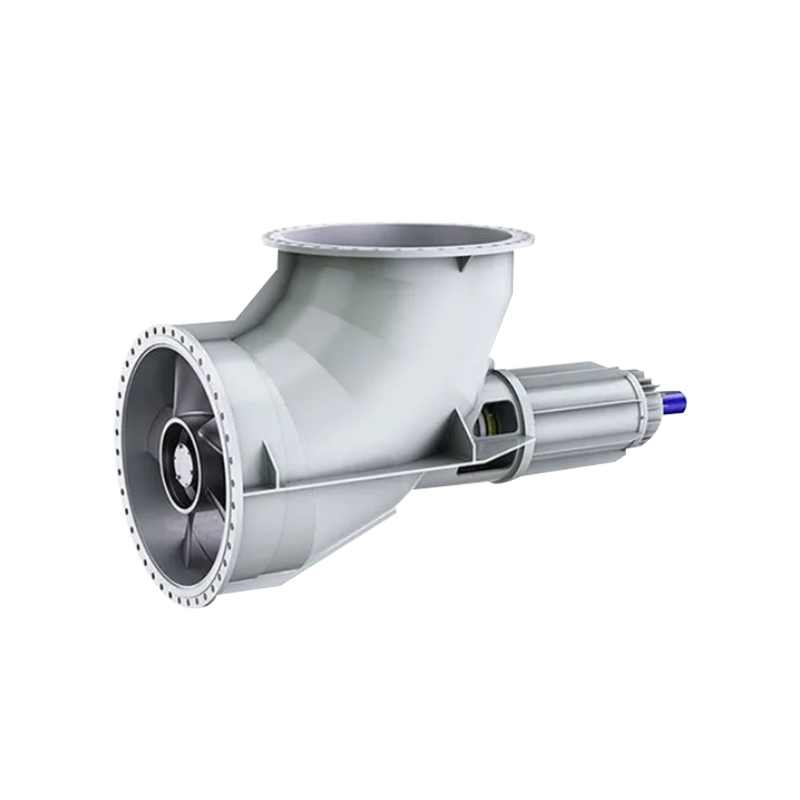
Axial flow pumps are mechanically simpler than triplex pumps. With no reciprocating components, check valves, or high-pressure seals, the primary maintenance tasks center on bearing lubrication and replacement, impeller blade inspection for cavitation damage or erosion, and shaft seal maintenance. Adjustable-pitch impellers require periodic inspection of the blade pitch mechanism, which can accumulate wear if not lubricated according to schedule. Overall, a well-maintained axial flow pump in clean water service can operate for 15,000–25,000 hours between major overhauls.
Triplex pumps involve considerably more wear components due to their reciprocating nature. Plunger packing or lip seals, inlet and discharge valve assemblies, and plungers themselves all experience significant cyclic stress and require routine inspection and replacement. In oilfield drilling service, valve seats and packing may need replacement every 500–1,000 operating hours depending on fluid abrasivity. The crankshaft, connecting rods, and crossheads in the power end require oil lubrication system maintenance. Maintaining a well-stocked inventory of wear parts—valves, seats, packing, and plungers—is essential for minimizing downtime in triplex pump operations.
The decision framework for selecting between these two pump technologies is ultimately straightforward when you anchor it to your system's core requirements. Ask these key questions:
Axial flow pumps and triplex pumps are not competing alternatives in any meaningful sense—they occupy completely different performance envelopes and serve fundamentally different system requirements. The axial flow pump is unmatched when massive volumes of fluid must be moved efficiently at low pressure, making it the backbone of water management infrastructure, power generation cooling, and large-scale irrigation. The triplex pump is the definitive solution when high pressure is non-negotiable, delivering reliable, metered flow against pressures that no dynamic pump can approach. By clearly defining your application's pressure requirement, flow demand, fluid characteristics, and maintenance tolerance before selecting a pump type, you eliminate ambiguity and ensure that your chosen pump will deliver the performance, reliability, and service life your operation demands.
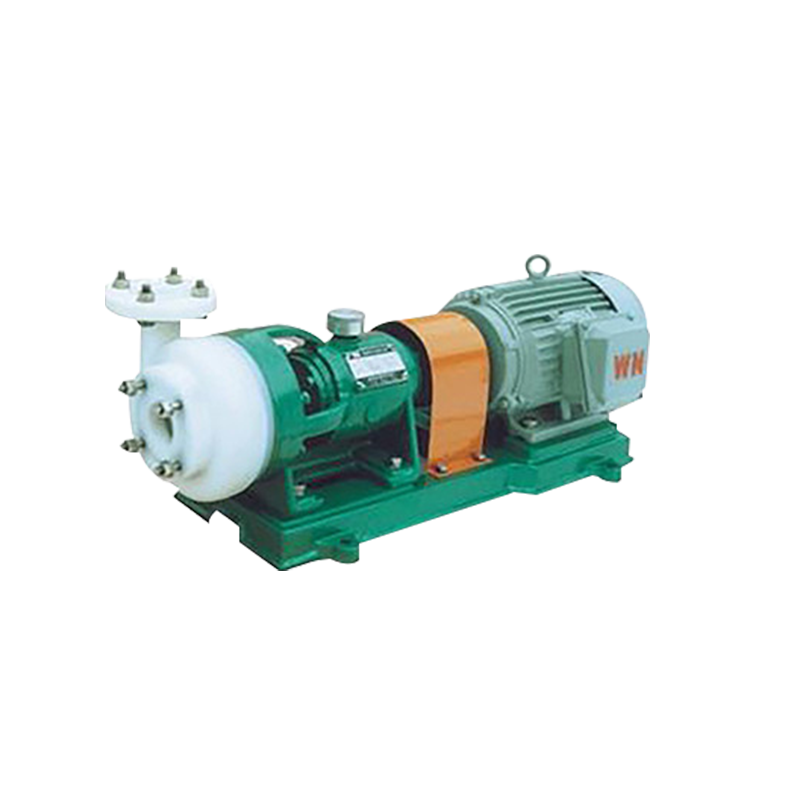
FSB fluoroplastic pump overview FSB-type fluoroplastic alloy pump is designed according to international standard dimensions. The pump body is organic...
See Details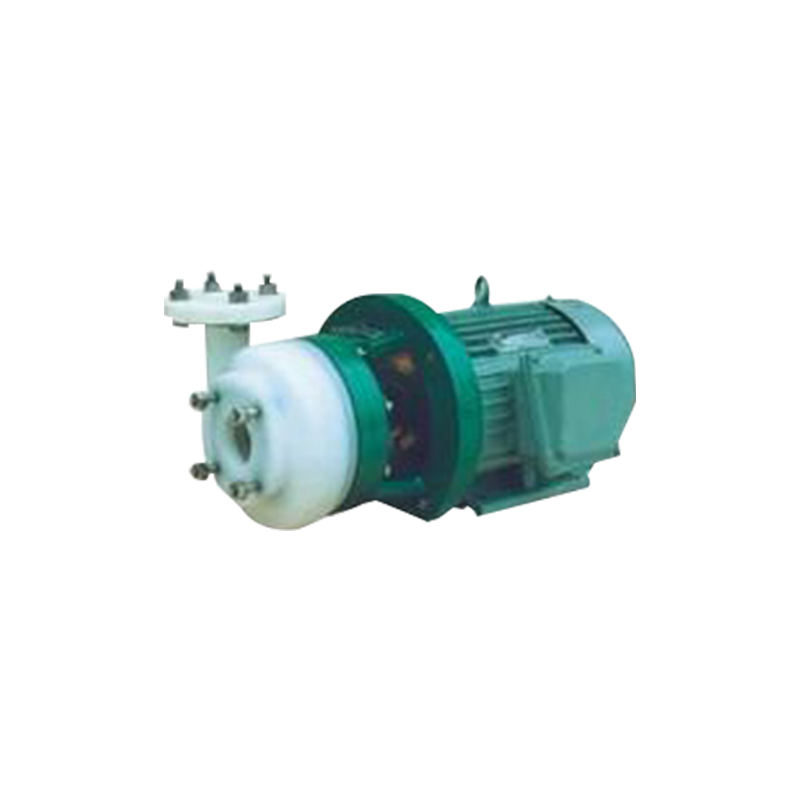
FSB fluoroplastic pump overview The FSB-type fluoroplastic alloy pump is designed according to international standard dimensions. The pump body is org...
See Details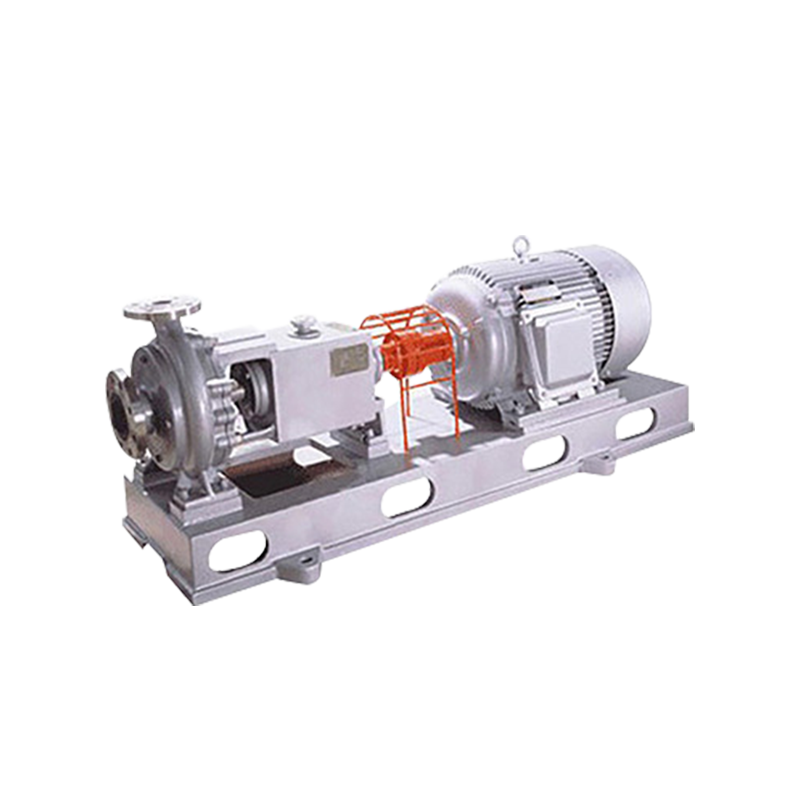
IJ series corrosion-resistant pump is a single-stage, single-suction cantilever centrifugal pump. Its marking, rating characteristics, and dimensions ...
See Details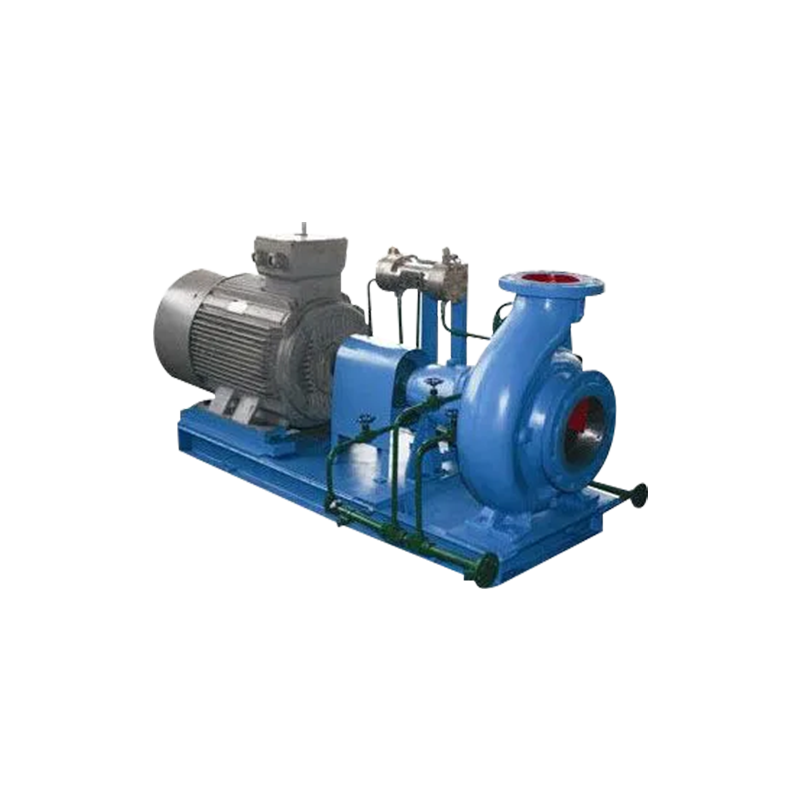
HPk hot water circulation pump adopts the patented technology of a low specific speed centrifugal pump, which is developed on the basis of absorbing a...
See Details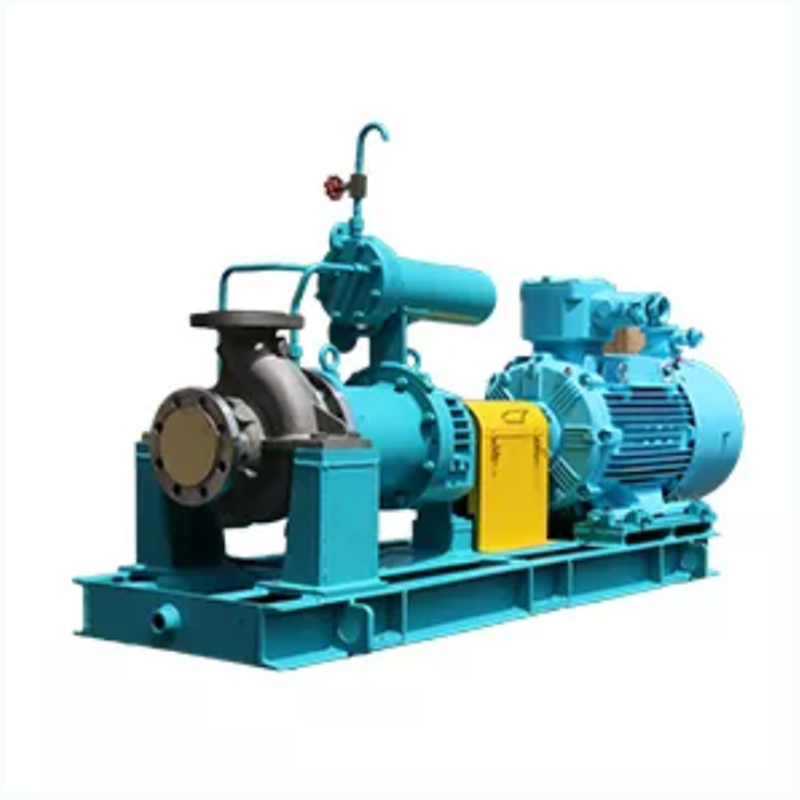
Performance Range: · Diameter: DN25~DN400 · Flow Rate: Up to 2000 m³/h · Head: Up to 200 m · Temperature Limit...
See Details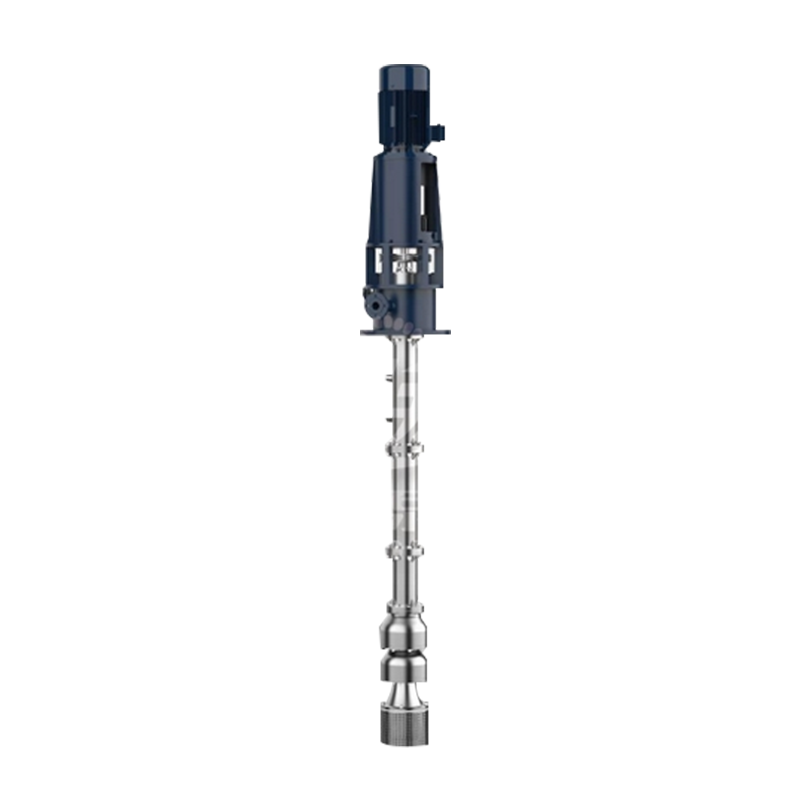
The molten salt submerged pump is a specialized high-temperature pump developed by Jiangsu Feixiang Pump Industry Co., Ltd. This product series was cr...
See Details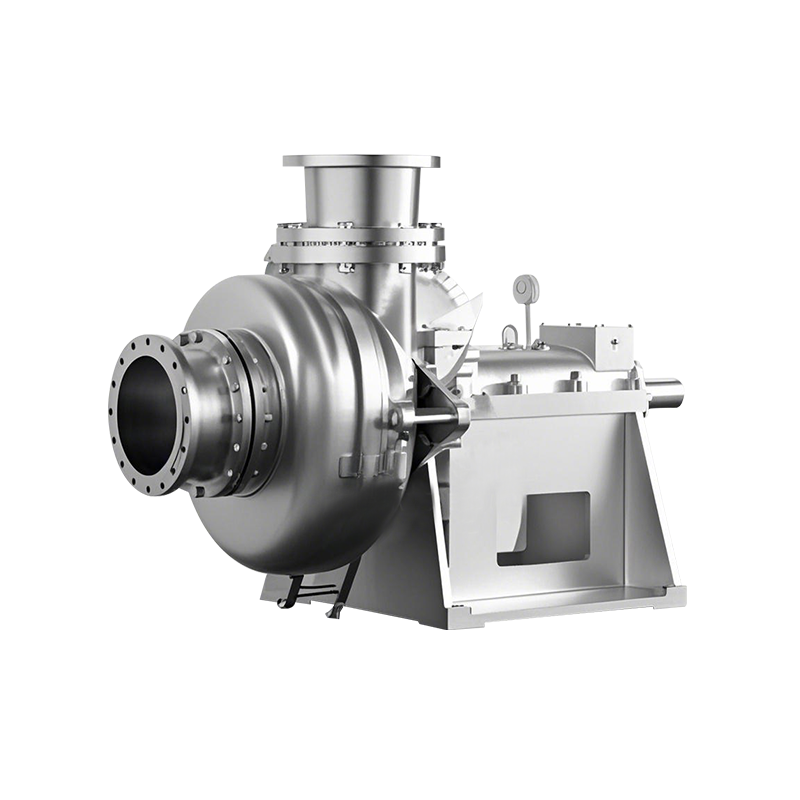
The mixed-flow pump, also known as the diagonal flow pump, is a type of pump that falls between the centrifugal pump and the axial-flow pump. It is su...
See Details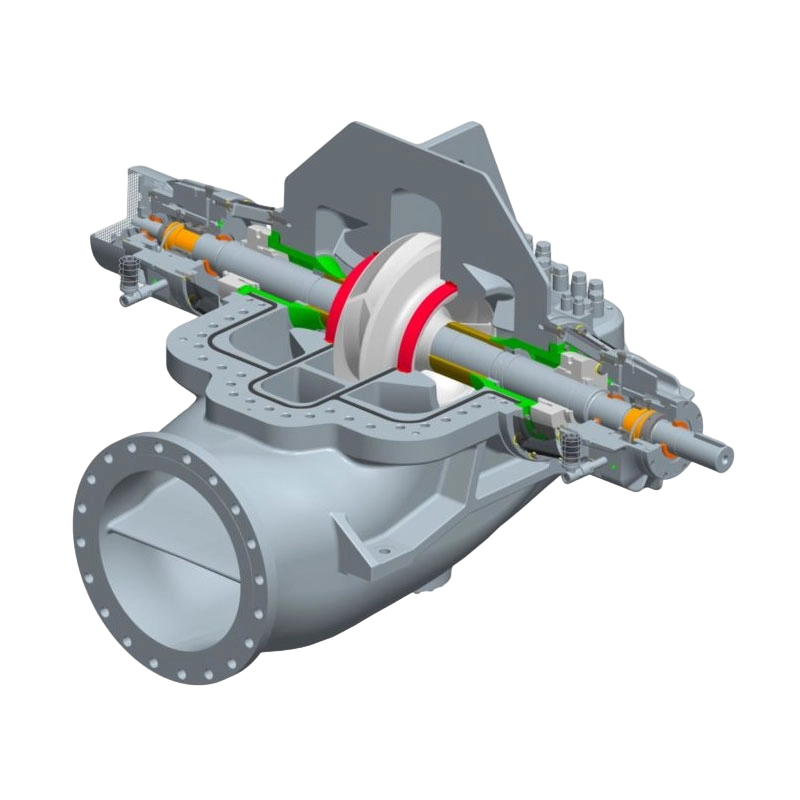
Our standard API 610 BB1 pumps are horizontally mounted, single-stage, double-suction units with an axially split casing between bearings. The pump an...
See Details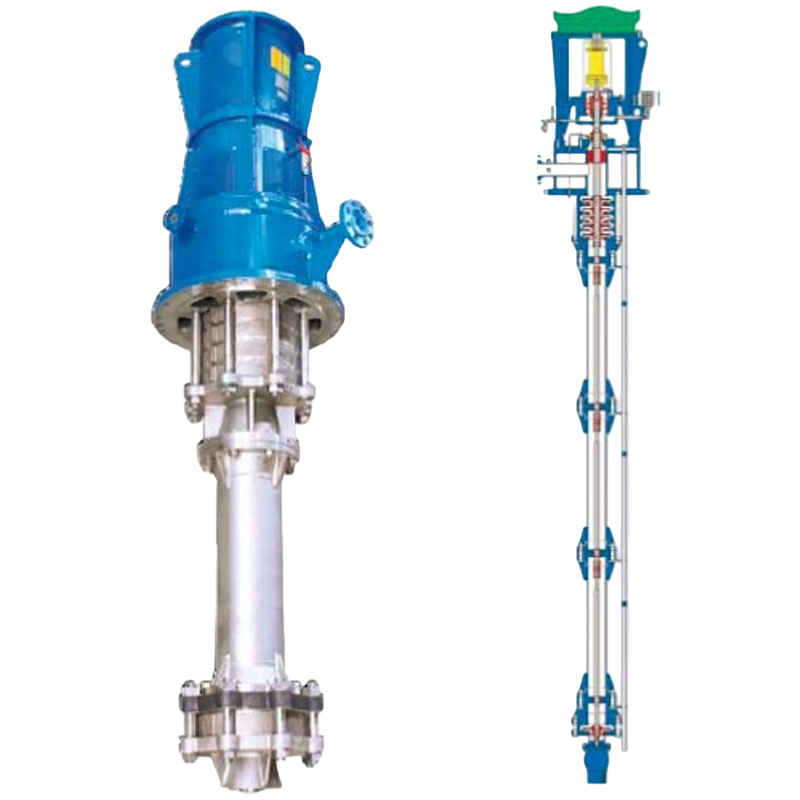
Our API 610 VS2 sump pumps feature a vertically suspended design with radially split single casing, available in single or multi-stage volute configur...
See DetailsCopyright © Welcome to Chemical Pump Factory - Jiangsu Feixiang Pump Manufacturing All rights reserved. Chemical Pumps Manufacturers

 +86-18052670932
 +86-0523-84326888
 No. 35, Xinqiao Middle Road, Xinqiao Town, Jingjiang City, Jiangsu Province, China