

 en
en  русский
 Español
FSB Fluoroalloy Centrifugal Pump
Cat:Corrosion-Resistant Chemical Pump
FSB fluoroplastic pump overview FSB-type fluoroplastic alloy pump is designed according to international standard dimensions. The pump body is organic...
See DetailsContent
Selecting the appropriate pump for chemical processing applications requires a comprehensive understanding of both the process requirements and the unique challenges posed by handling corrosive, toxic, or reactive fluids. Unlike general industrial pumping where water or benign liquids dominate, chemical processing demands equipment capable of withstanding aggressive chemical environments while maintaining safe, reliable operation over extended service periods. The selection process must balance multiple competing factors including chemical compatibility, hydraulic performance, safety considerations, maintenance requirements, and lifecycle costs to identify the optimal solution for each specific application.
Chemical process pumps serve critical functions in pharmaceutical manufacturing, petrochemical refineries, specialty chemical production, water treatment facilities, pulp and paper mills, and countless other industries where corrosive or hazardous fluids must be transferred, circulated, or pressurized. Failure of a chemical pump can result in environmental releases, personnel exposure to dangerous substances, production shutdowns, and significant financial losses. This high-stakes environment necessitates rigorous selection methodologies that systematically evaluate all relevant parameters to ensure that chosen equipment will perform reliably throughout its intended service life while meeting safety, environmental, and operational requirements.
The chemical nature of the pumped fluid fundamentally determines material selection for all wetted components including the pump casing, impeller, shaft, seals, and gaskets. Acids, alkalis, oxidizers, and organic solvents each present distinct corrosion mechanisms requiring specific material strategies. Strong mineral acids such as sulfuric, hydrochloric, and nitric acid demand materials like Hastelloy, titanium, or fluoropolymer linings depending on concentration and temperature. Caustic solutions may require nickel alloys, stainless steels, or specialized elastomers for seal applications. Organic solvents and chlorinated compounds often necessitate materials resistant to swelling and chemical attack including PTFE, PVDF, or specific grades of stainless steel.
Concentration and temperature dramatically influence corrosion rates and material suitability, with many materials exhibiting acceptable resistance at ambient temperature and dilute concentrations but failing rapidly under elevated temperature or concentrated conditions. Chemical mixtures introduce additional complexity, as synergistic effects between components can produce corrosion behavior that differs significantly from individual constituents. Comprehensive materials compatibility testing using actual process fluids at operating conditions provides the most reliable basis for material selection, supplementing published compatibility charts that may not reflect specific formulations or operating parameters.
Fluid viscosity profoundly affects pump selection, performance prediction, and energy consumption. Low-viscosity fluids behaving like water allow use of standard centrifugal pumps operating at typical speeds with predictable performance curves. As viscosity increases beyond approximately one hundred centipoise, centrifugal pump efficiency decreases significantly, head production diminishes, and power consumption increases relative to water performance. Fluids with viscosities exceeding several hundred centipoise generally require positive displacement pumps such as gear, lobe, progressing cavity, or diaphragm designs that can generate high pressures while maintaining reasonable efficiency with viscous media.
Non-Newtonian fluids exhibiting shear-thinning, shear-thickening, or time-dependent behavior introduce additional selection challenges. Polymers, slurries, and emulsions often demonstrate viscosity variations with shear rate that affect pump performance and may cause unexpected operational issues. Shear-sensitive fluids requiring gentle handling to prevent degradation favor low-shear pump types such as lobe pumps or eccentric disc designs. Understanding rheological behavior across the full range of process conditions including temperature variations enables appropriate pump selection and accurate performance prediction.
Net Positive Suction Head Available (NPSHA) must exceed the pump's Net Positive Suction Head Required (NPSHR) to prevent cavitation that causes noise, vibration, erosion damage, and performance degradation. Volatile chemicals with high vapor pressures at operating temperatures present particular challenges, as they readily vaporize if suction pressure drops below vapor pressure. Calculating NPSHA requires accurate knowledge of fluid properties including vapor pressure at pumping temperature, suction tank pressure or elevation, suction line friction losses, and fluid specific gravity. Conservative NPSHA margins exceeding NPSHR by at least one meter are prudent for chemical applications to accommodate fluid property variations and system transients.
| Pump Type | Best Applications | Key Advantages | Limitations |
| Magnetic Drive Centrifugal | Hazardous, toxic, volatile fluids | Zero leakage, low maintenance | Higher cost, limited temperature |
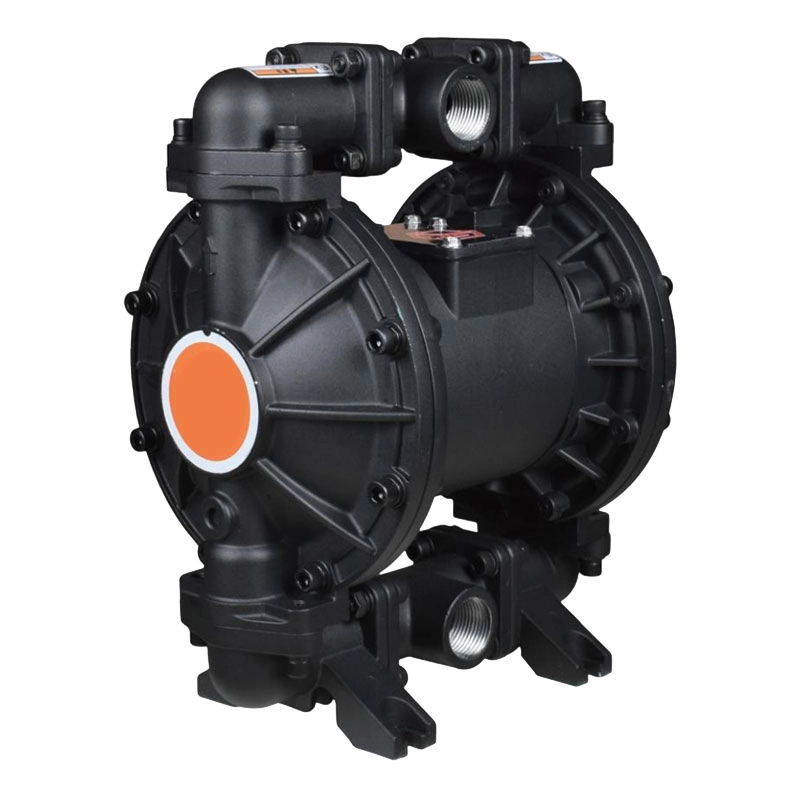
| Air-Operated Diaphragm | Abrasive slurries, variable flow | Self-priming, handles solids | Pulsating flow, air requirement |
| Gear Pump | High viscosity, precise metering | Constant flow, compact size | Cannot handle solids, limited materials |
| Progressing Cavity | Shear-sensitive, high viscosity | Low shear, handles suspended solids | Stator wear, abrasive limitations |
| Peristaltic | Sterile transfer, dosing | No contamination, easy cleaning | Tube replacement, low pressure |
| Vertical Sump | Tank emptying, limited floor space | Space efficient, handles low NPSH | Limited materials, alignment critical |
Stainless steel grades represent the most common metallic materials for chemical pumps, with 316 stainless steel providing good general corrosion resistance for many applications involving mild acids, alkalis, and organic chemicals. Higher-alloy stainless steels such as 904L, AL-6XN, and duplex grades offer superior resistance to chloride-induced pitting and crevice corrosion in seawater, brine, and chlorinated process streams. Nickel-based alloys including Hastelloy C-276, Alloy 20, and Inconel provide exceptional resistance to strongly oxidizing acids, mixed acid environments, and high-temperature corrosive conditions where stainless steels fail. Titanium excels in oxidizing acid service including nitric acid, wet chlorine, and hot concentrated sulfuric acid, though it is vulnerable to reducing acid attack and hydrogen embrittlement under certain conditions.
Material selection must consider not only chemical resistance but also mechanical properties including strength, ductility, and fatigue resistance that affect pump reliability and service life. Cast materials commonly used for pump casings may exhibit different corrosion behavior than wrought forms used for shafts and impellers due to microstructural differences and potential porosity. Welded joints and heat-affected zones represent potential corrosion sites requiring attention during design and fabrication. Galvanic compatibility between dissimilar materials in contact must be evaluated to prevent accelerated corrosion of less noble materials.
Fluoropolymers including PTFE, PFA, and PVDF offer broad chemical resistance spanning strong acids, caustics, solvents, and oxidizers across wide temperature ranges. These materials are available as solid construction for smaller pumps or as linings bonded to metal substrates for larger equipment combining chemical resistance with structural strength. Fluoropolymer-lined pumps provide cost-effective solutions for highly corrosive service where exotic metal construction would be prohibitively expensive. However, permeation of small molecules through fluoropolymer linings, potential for lining damage from thermal cycling or mechanical impact, and limitations on operating pressure require careful consideration.
Engineering thermoplastics including polypropylene, PVDF, and filled compounds provide corrosion resistance for less demanding applications at lower cost than fluoropolymers or exotic metals. These materials suit dilute acids and alkalis, salt solutions, and many industrial chemicals within moderate temperature ranges. Reinforced composites incorporating glass or carbon fibers offer improved strength and dimensional stability compared to unfilled polymers. Elastomers for diaphragms, seals, and gaskets must be selected for chemical compatibility, with options including EPDM, Viton, Kalrez, and PTFE-based compounds depending on specific chemical exposure and temperature requirements.
Mechanical seals represent critical components in chemical process pumps, preventing process fluid leakage while accommodating shaft rotation, pressure differentials, and thermal expansion. Single mechanical seals provide cost-effective sealing for non-hazardous, non-toxic fluids where minor leakage is acceptable and process compatibility allows use of standard seal materials. The seal faces, typically comprising a rotating carbon element against a stationary ceramic or silicon carbide counterface, operate with a thin lubricating film that minimizes wear while preventing gross leakage. Secondary seals using elastomeric O-rings provide static sealing between stationary components and rotating shaft seal elements.
Dual mechanical seals with pressurized barrier fluid systems provide enhanced containment for hazardous, toxic, or environmentally sensitive fluids where zero emissions are required. The barrier fluid, circulated through an external reservoir and heat exchanger, provides cooling and lubrication for the outboard seal faces while preventing process fluid from reaching the atmosphere even if the inboard seal fails. Barrier fluid selection requires compatibility with potential process fluid contamination, appropriate viscosity for seal lubrication, and adequate thermal properties for heat removal. Alternative containment systems include tandem seals with atmospheric buffer fluid for less critical applications and containment bushings or magnetic drives eliminating dynamic seals entirely for extremely hazardous services.
Accurate determination of required flow rate and discharge head forms the foundation of proper pump selection. Flow requirements must account not only for normal operating conditions but also for startup, cleaning, and potential future capacity increases that may exceed initial design basis. Total dynamic head calculations must include static elevation changes, friction losses in piping and equipment, pressure requirements at the discharge point, and adequate margin for system variations and uncertainties. Oversizing pumps to provide excessive safety factors wastes energy, increases capital cost, and may cause operational problems including minimum flow recirculation requirements, control valve throttling losses, or running far from best efficiency point where reliability suffers.
Selecting pumps to operate near their best efficiency point (BEP) maximizes energy efficiency, minimizes operating costs, and generally provides optimal hydraulic conditions promoting long service life. Operating significantly to the left of BEP toward shutoff conditions causes recirculation, cavitation, and radial thrust that damage bearings and seals. Running far to the right of BEP toward runout increases hydraulic losses, power consumption, and risk of motor overload. Chemical process applications often require variable flow rates necessitating evaluation of pump performance across the full operating range rather than just at a single design point. Variable frequency drives enable efficient flow control while maintaining operation near BEP across varying demand conditions.
Chemical process pumps handling flammable, toxic, or reactive materials must comply with numerous safety regulations and industry standards designed to protect personnel, the environment, and property. ATEX directives in Europe and NEC classifications in North America define requirements for electrical equipment in potentially explosive atmospheres, mandating explosion-proof motors, intrinsically safe controls, and proper grounding for pumps handling flammable liquids or operating in areas where flammable vapors may be present. API 610 standard specifies design requirements for centrifugal pumps in petroleum, chemical, and gas industry services, covering materials, mechanical design, testing, and documentation intended to ensure reliable operation in demanding applications.
Ease of maintenance significantly impacts lifecycle costs and reliability of chemical process pumps through reduced downtime, lower spare parts inventory, and decreased maintenance labor requirements. Back pullout designs allowing removal of the rotating element without disturbing suction and discharge piping minimize maintenance time and eliminate potential for piping misalignment upon reassembly. Cartridge-style mechanical seals that can be replaced as complete assemblies without specialized tools or precise measurements reduce seal change time and improve reliability compared to component seals requiring careful assembly and measurement. Standardization of seal sizes, bearing types, and coupling designs across multiple pumps in a facility reduces spare parts inventory and allows maintenance personnel to develop expertise with fewer component variations.
Provision of adequate clearances for maintenance including overhead space for lifting rotors, side access for seal and bearing service, and foundation bolt accessibility facilitates efficient maintenance and should be considered during installation layout design. Instrumentation including vibration monitors, bearing temperature sensors, and seal chamber pressure or temperature measurement enables condition-based maintenance and early detection of developing problems before catastrophic failure occurs. Quick-opening closures on seal flush systems and seal chamber inspection ports allow visual verification of seal condition and facilitate troubleshooting without complete pump disassembly.
Proper pump selection requires evaluation of total lifecycle costs rather than simply minimizing initial capital expenditure. While purchase price represents a visible, easily quantified cost component, energy consumption over a twenty to thirty year service life typically exceeds initial cost by factors of three to ten for continuously operating pumps. Selecting more efficient pumps or right-sizing equipment to operate near best efficiency point provides rapid payback through reduced energy costs. Premium efficiency motors meeting IE3 or IE4 standards reduce electrical consumption while improving power factor and reducing thermal loading on electrical distribution systems.
Maintenance costs including routine service, seal and bearing replacements, and unplanned repairs contribute significantly to lifecycle expenses and vary substantially between pump types and quality levels. Magnetic drive pumps eliminate seal maintenance but command higher purchase prices and may incur bearing replacement costs if operated outside design envelopes. Simple, robust designs using proven technology generally provide lower maintenance costs than complex specialized equipment requiring expert service. Spare parts availability and cost merit consideration, as obsolete or proprietary designs may face escalating parts costs or extended outages awaiting custom fabrication of replacement components. Mean time between failures and average repair costs provide metrics for comparing maintenance-related lifecycle costs between competing pump alternatives, though actual values depend heavily on specific operating conditions and maintenance practices.
Comprehensive factory testing before shipment verifies pump performance, identifies manufacturing defects, and confirms compliance with specifications while corrections can be implemented economically. Hydrostatic testing proves pressure containment integrity of casings and pressure boundary components, typically at one point five times maximum allowable working pressure for specified duration. Performance testing on water or suitable test fluid documents actual flow, head, power, and efficiency curves allowing comparison with published performance and verification of contractual guarantees. Mechanical running tests evaluate vibration levels, bearing temperatures, seal performance, and general mechanical operation under no-load and loaded conditions to ensure smooth, reliable operation.
Field commissioning procedures verify correct installation, proper auxiliary system operation, and satisfactory performance with actual process fluids under real operating conditions. Pre-startup inspections confirm proper alignment, adequate pipe support, correct rotation direction, and proper functioning of instrumentation and controls before introducing process fluid. Initial startup under supervision allows detection and correction of installation errors, control system tuning, and verification that all safety systems function properly. Performance verification with process fluid confirms that the pump meets required flow and pressure specifications under actual service conditions that may differ from test conditions due to fluid properties, system resistance, or other factors not fully captured in design calculations.
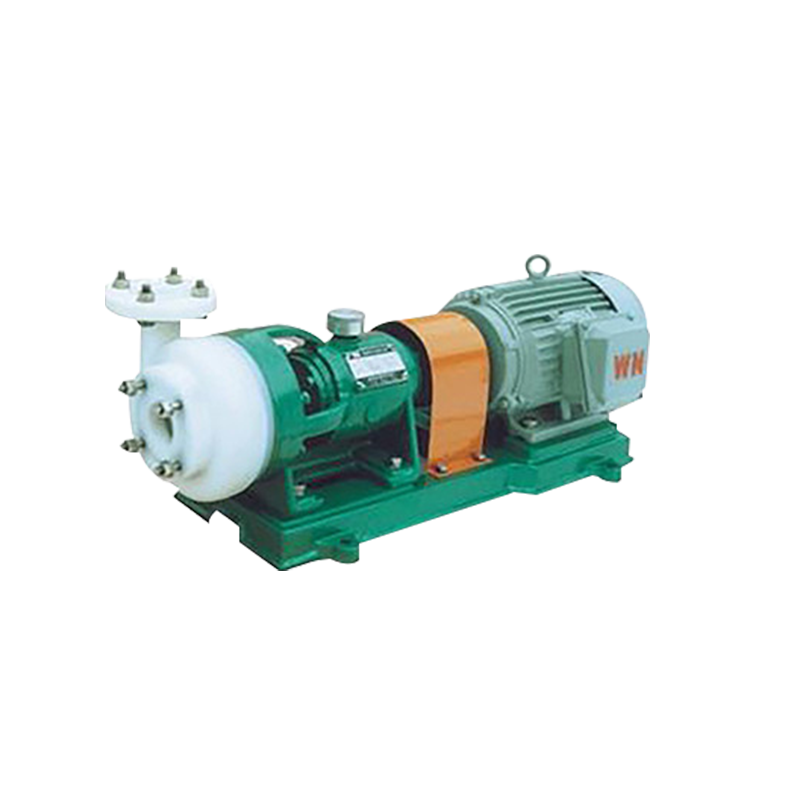
FSB fluoroplastic pump overview FSB-type fluoroplastic alloy pump is designed according to international standard dimensions. The pump body is organic...
See Details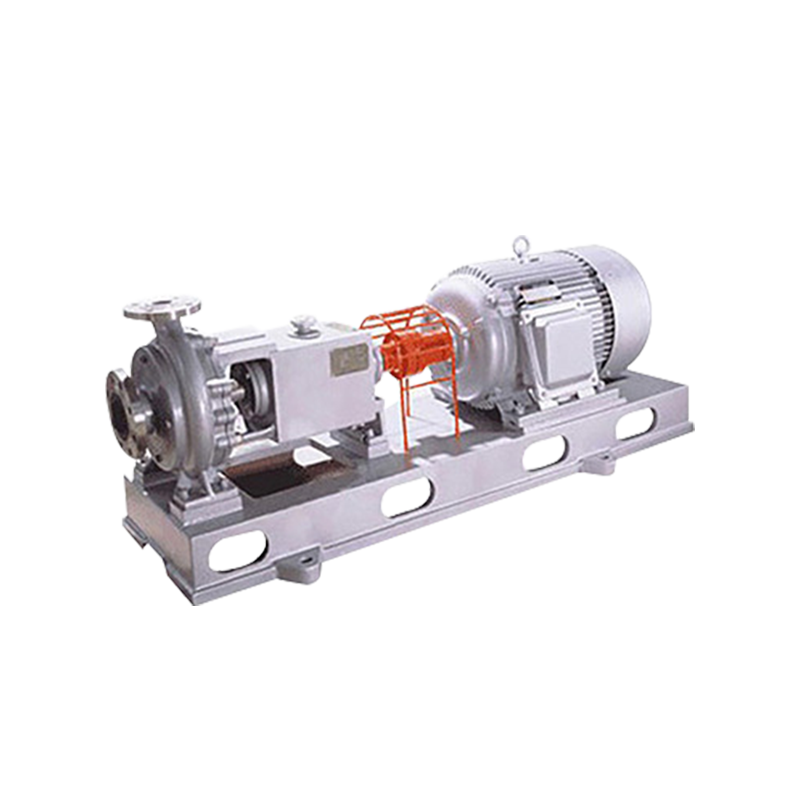
IJ series corrosion-resistant pump is a single-stage, single-suction cantilever centrifugal pump. Its marking, rating characteristics, and dimensions ...
See Details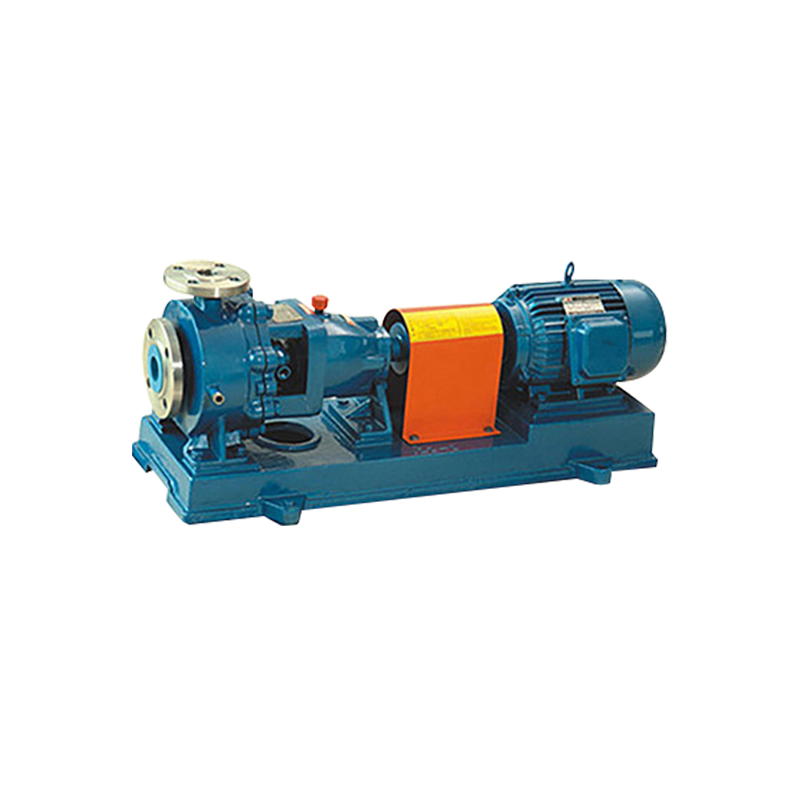
Detailed description of IN series jacketed stainless steel thermal insulation pump, steam thermal insulation, corrosion resistance, crystallization re...
See Details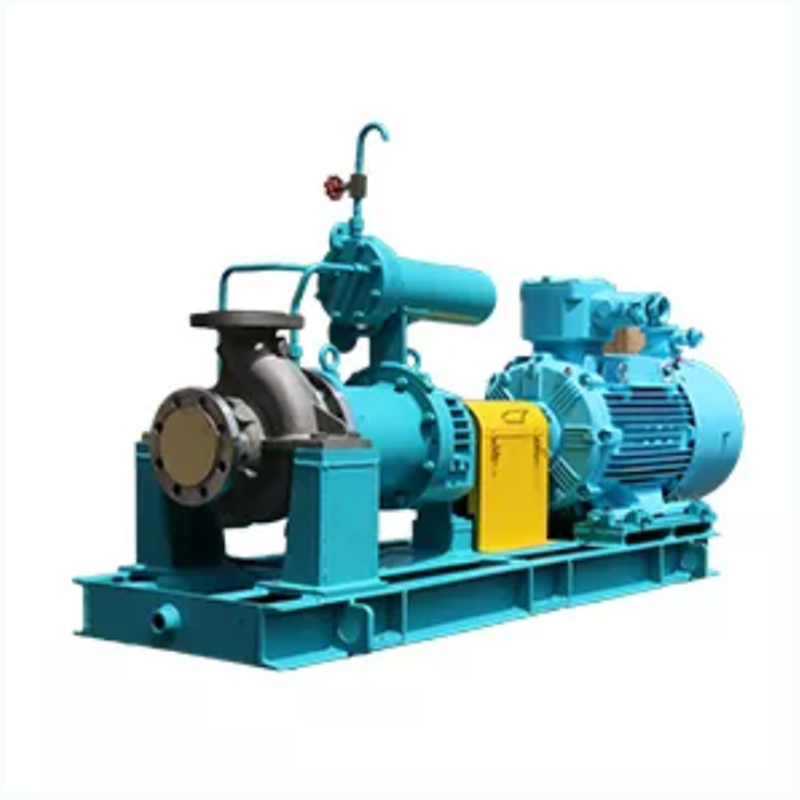
Performance Range: · Diameter: DN25~DN400 · Flow Rate: Up to 2000 m³/h · Head: Up to 200 m · Temperature Limit...
See Details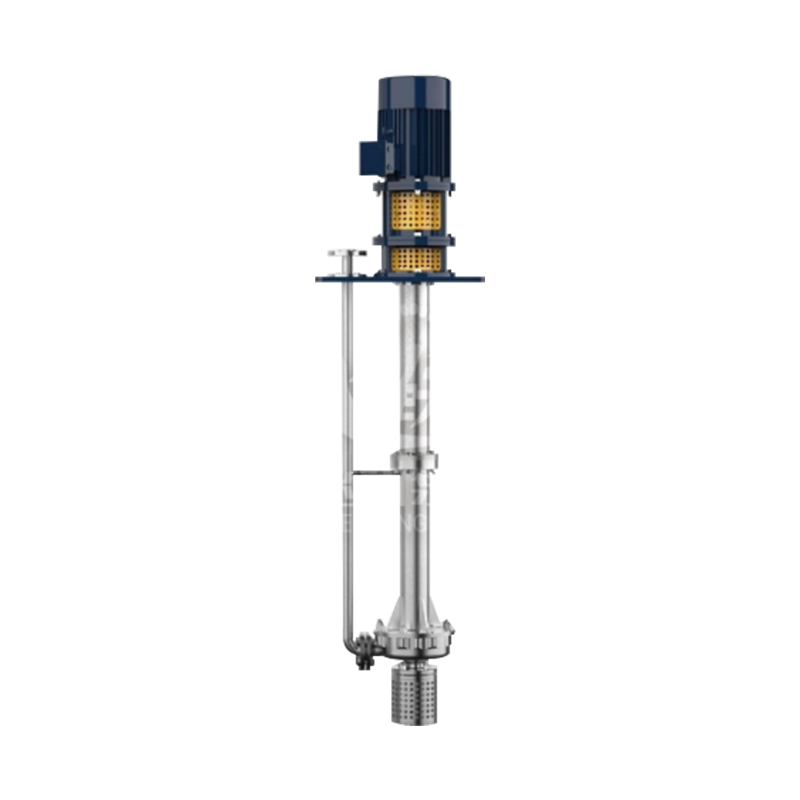
Overview The non-metallic vertical submerged pump is designed for handling corrosive media within a temperature range of 0°C to 120°C, free from solid...
See Details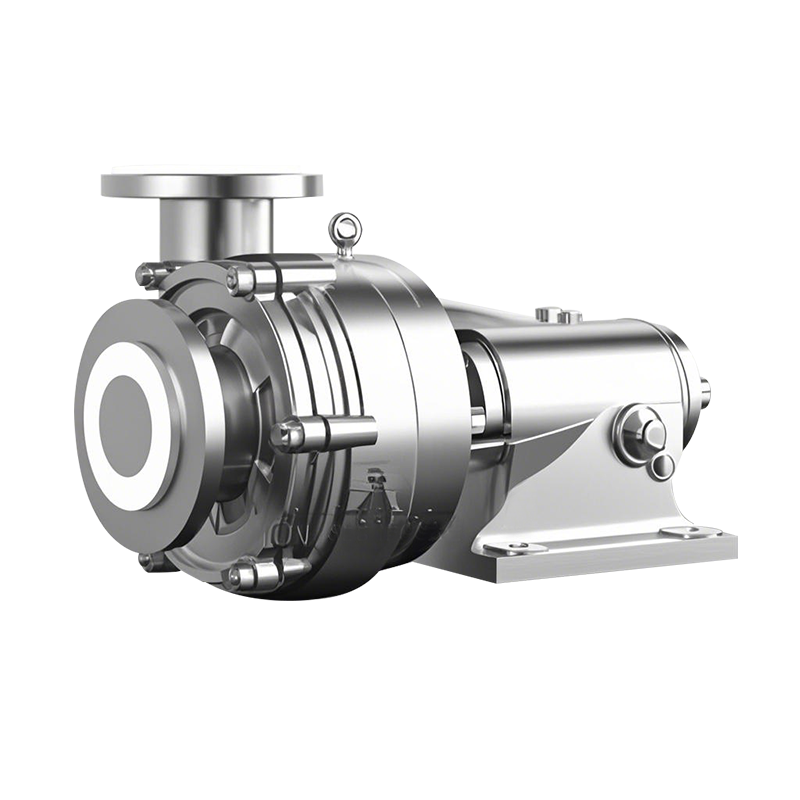
Slurry pumps are specialized equipment designed for transporting mixtures of liquids and solid particles, commonly known as slurries. These pumps are ...
See Details
The Diversion-Type Long Shaft Submersible Desulfurization Pump is specifically engineered for underground sump applications in power plant flue gas de...
See Details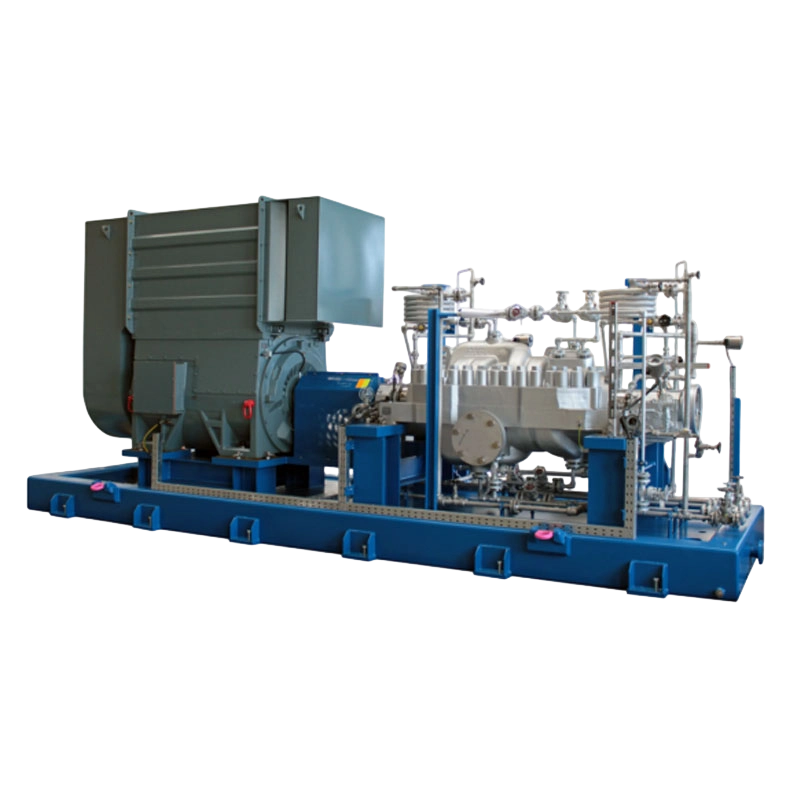
Our API 610 BB3 pumps are centerline-mounted, multistage units featuring an axially split casing with single suction and between-bearing construction....
See Details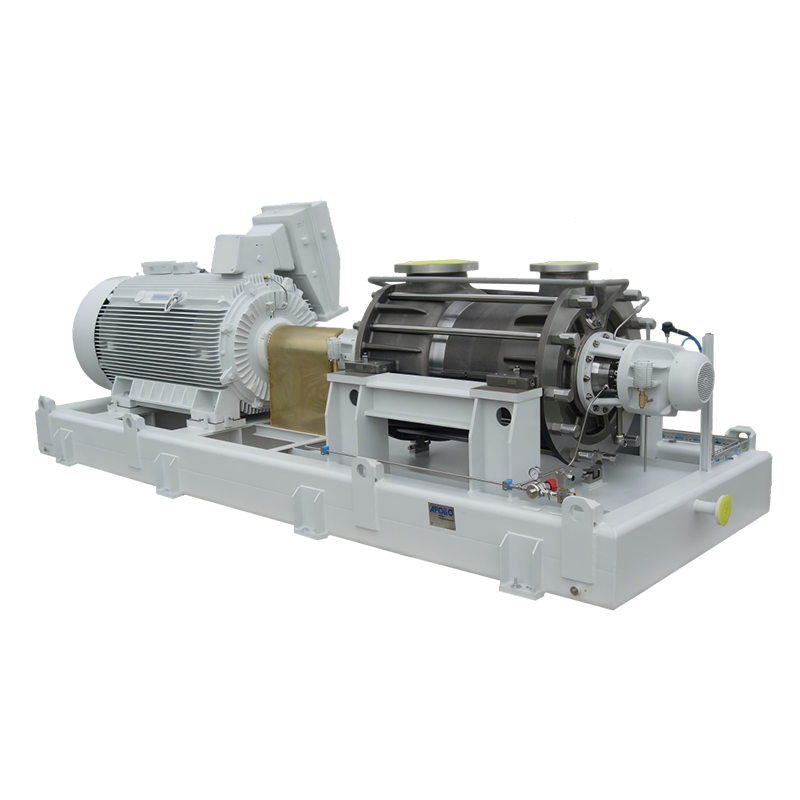
Our API 610 BB4 pumps are centerline-mounted, multistage units with radially split casings, available in both single and double suction configurations...
See DetailsCopyright © Welcome to Chemical Pump Factory - Jiangsu Feixiang Pump Manufacturing All rights reserved. Chemical Pumps Manufacturers

 +86-18052670932
 +86-0523-84326888
 No. 35, Xinqiao Middle Road, Xinqiao Town, Jingjiang City, Jiangsu Province, China