

 en
 русский
 Español
FSB Direct-Connected Fluorine Pump
Cat:Corrosion-Resistant Chemical Pump
FSB fluoroplastic pump overview The FSB-type fluoroplastic alloy pump is designed according to international standard dimensions. The pump body is org...
See DetailsContent
Walk through almost any chemical plant, refinery, power station or water works and you will find them: rows of pumps humming away, most of them centrifugal. The industrial centrifugal pump is the workhorse of fluid transfer, and for good reason. It is mechanically simple, compact, comfortable running continuously, and comparatively cheap to maintain. But simple does not mean one size fits all. The difference between a unit that runs quietly for fifteen years and one that is rebuilt every few months usually comes down to a handful of decisions made long before the first start-up.
What follows is a plain-language walkthrough of how these pumps work, where they are used, what limits them, and which details actually decide how long they last.
At its heart, a centrifugal pump does one thing: it takes rotational energy from a motor, hands it to a rotating impeller, and uses that motion to push liquid outward and onward. The impeller spins inside a casing, flinging the fluid toward the outer edge. As the liquid leaves the impeller tip, the casing — usually a volute — slows it down and converts that velocity into pressure at the discharge nozzle.
That sequence is why a centrifugal pump is often described as a constant-head machine rather than a constant-flow one. Its flow follows the system curve: open the valve and the flow rises while the head falls; throttle back and the head climbs. Understanding that relationship is the first step toward selecting a pump that sits near its best efficiency point instead of far out on the curve.
The visible hardware is straightforward, but each component carries part of the reliability story.
None of these parts is difficult to make. The engineering lies in matching them to the fluid, the temperature and the duty cycle.
The same working principle covers an enormous range of duties. Some of the most familiar:
In the petrochemical world the demands rise sharply with pressure and temperature. Heavy-duty process pumps built for those conditions, such as the
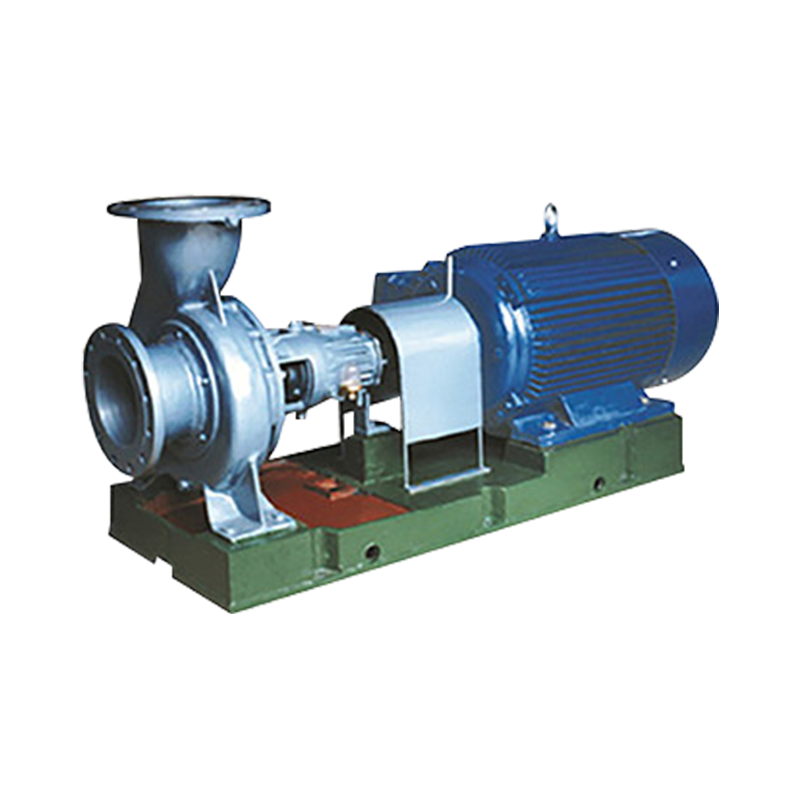 ZA Petrochemical Process Pump for High-Temperature DutyAPI 610 petrochemical process pump available with closed or open impeller for clean, particle-laden, hot, or corrosive liquids in refinery duties.View Product →
, are designed around thicker casings, stiffer shafts and seals selected for hot hydrocarbons rather than ambient water.
Once the flow and head are known, the next question is which family of centrifugal pump fits the fluid. The table below is a rough map rather than a specification — the final choice always depends on the actual medium, its temperature, its solids content and the system's net positive suction head available.
| Pump style | Typical duty | What to watch |
|---|---|---|
| Standard chemical process | General chemical liquids, cooling water, mild corrosives | Material compatibility, seal flush plan |
| Petrochemical heavy duty | Hot hydrocarbons, high pressure process streams | Casing rating, shaft stiffness, seal support |
| Lined or corrosion resistant | Acids, alkalis, chloride-bearing media | Liner integrity, flange sealing, handling care |
| High temperature | Hot oil, thermal fluids, jacket-heated media | Thermal expansion, cooling, bearing temperature |
| Process sewage | Industrial wastewater, sludges, dirty liquids | Solids handling, wear, blockage risk |
For everyday chemical service the standard
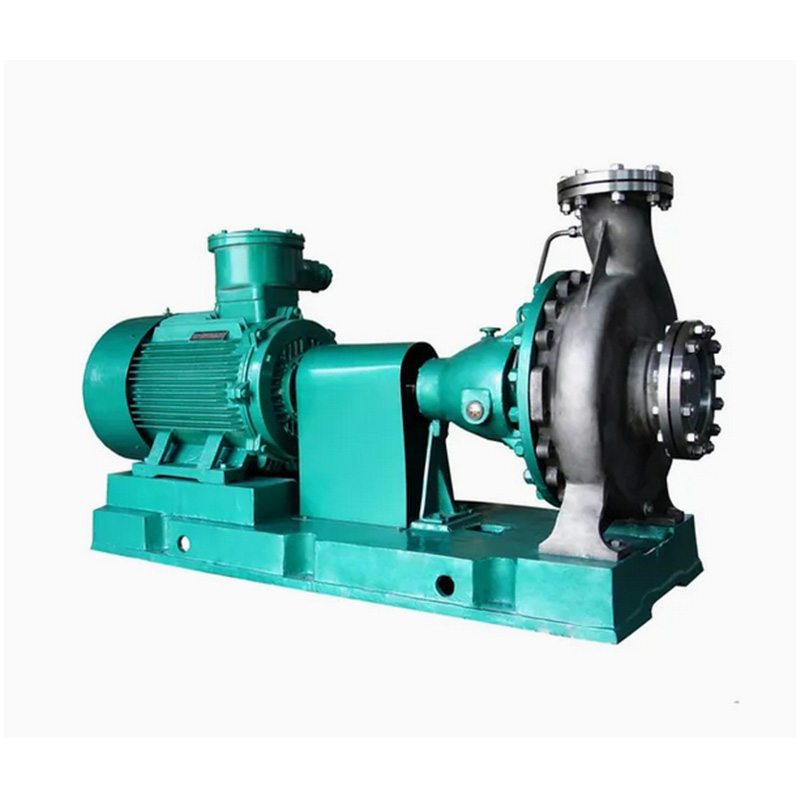 CZ Standard Chemical Process PumpHorizontal rear-opening chemical pump with broad flow and head range, material choices, and maintenance access without disconnecting casing piping.View Product →
is a sensible starting point: it covers a broad hydraulic range and accepts a wide choice of materials, so flow and head can be matched to the line without over-specifying the hardware. Our wider range of chemical process pumps extends that logic to higher flows and heavier casings when the duty calls for it.
Centrifugal pumps are versatile, but they are not universal. Being honest about their limits at the specification stage saves a great deal of trouble later.
Where the application pushes pressure and temperature at the same time, the behaviour of clearances, gaskets and seal faces changes noticeably; our note on high-pressure, high-temperature performance covers the practical side of that shift.
Most premature failures we see come from three places: the wrong material, the wrong seal, or the pump running outside its intended operating window.
Material selection begins with the medium. Dilute inorganic acids, alkalis, chlorinated solvents, brines and hot oils each behave differently toward cast iron, stainless steel, duplex alloys and fluoropolymers. Temperature pushes the choice further, because strength and corrosion resistance both change as the metal heats up. Where aggressive chemistry meets a need for a conventional hydraulic layout, a lined design such as the
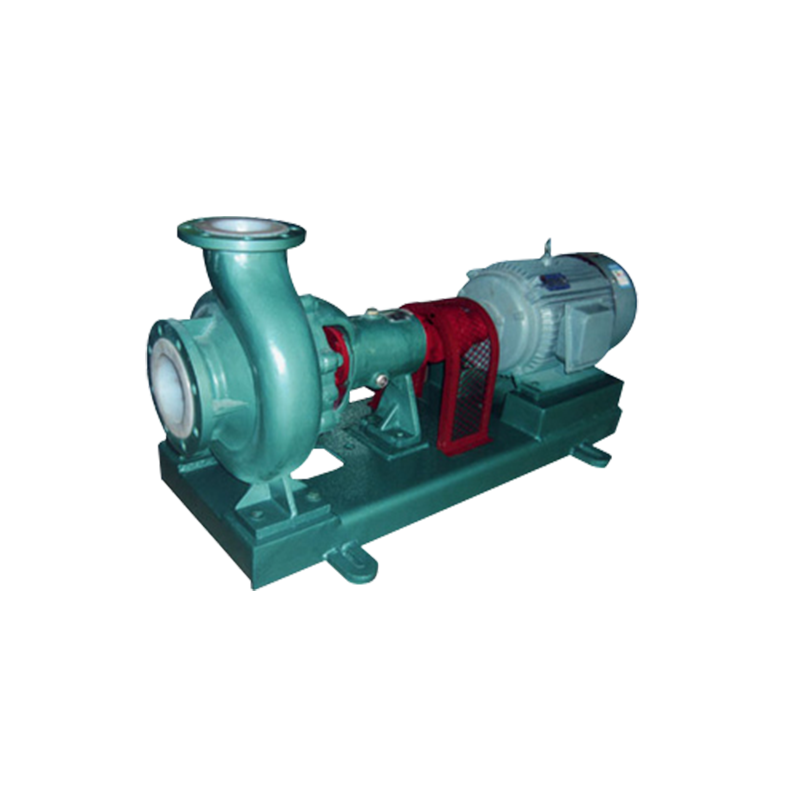 IHF Lined Fluorine Centrifugal Pump for Corrosive LiquidsSingle-stage lined pump with F46 wetted surfaces and metal casing for acids, alkalis, and solvents across a wide temperature range.View Product →
keeps the wetted surfaces in fluoropolymer while the casing carries the pressure.
Sealing deserves the same attention. A single mechanical seal with a proper flush plan is often the cheapest reliable answer; a double seal adds a barrier fluid where leakage is unacceptable; and a sealless magnetic drive removes the seal altogether for toxic or expensive media. The right answer depends on how much leakage the process can tolerate, not on which option looks most advanced on paper.
Once installed, the routine is unglamorous but effective:
Spare parts discipline matters too. Keeping wear rings, gaskets and a spare seal cartridge on the shelf turns a two-day outage into a two-hour one.
Selection is not really about picking the most advanced model. It is about matching a hydraulic duty, a fluid and a maintenance culture. Write down the fluid, its temperature, density and solids content, the required flow and head, the available NPSH and the hours of operation. Bring that list to any supplier conversation and the answers become far more useful.
Our own experience, built up since the 1980s in chemical and petrochemical pump manufacturing, points the same way: the pumps that stay in service are the ones specified with a little patience at the beginning.
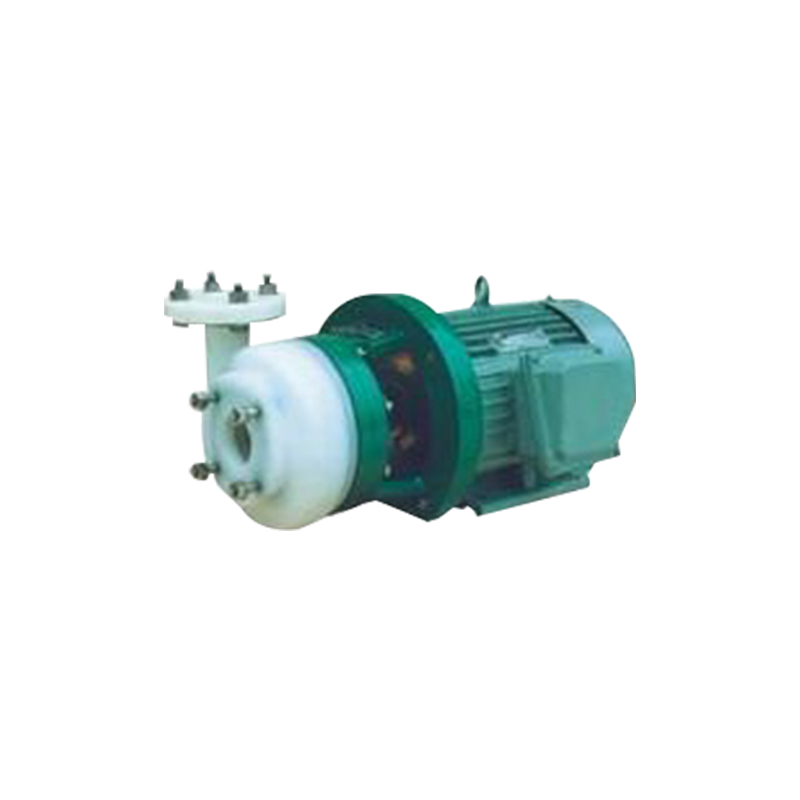
FSB fluoroplastic pump overview The FSB-type fluoroplastic alloy pump is designed according to international standard dimensions. The pump body is org...
See Details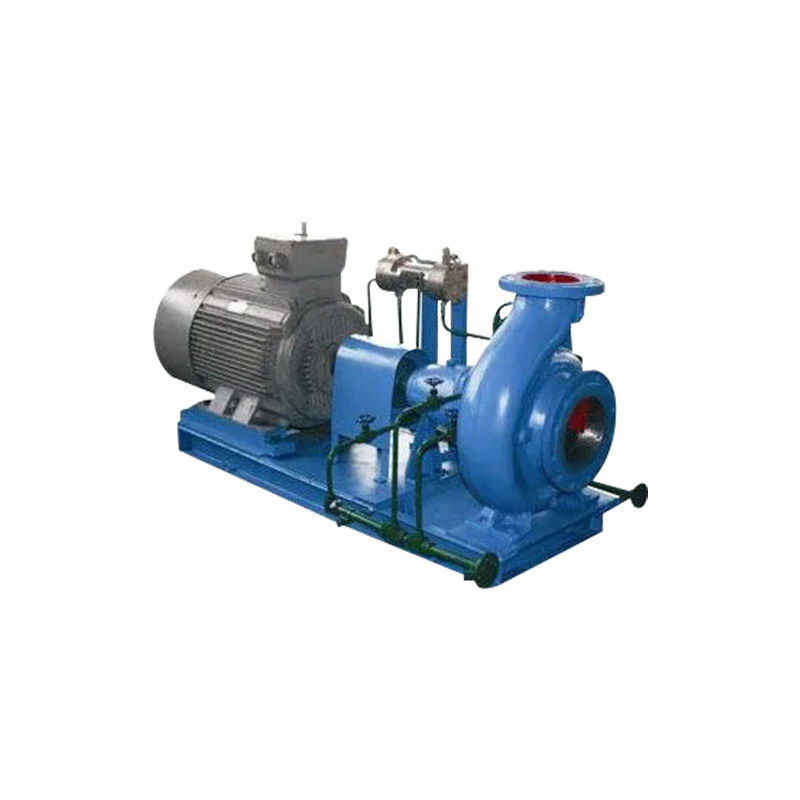
HPk hot water circulation pump adopts the patented technology of a low specific speed centrifugal pump, which is developed on the basis of absorbing a...
See Details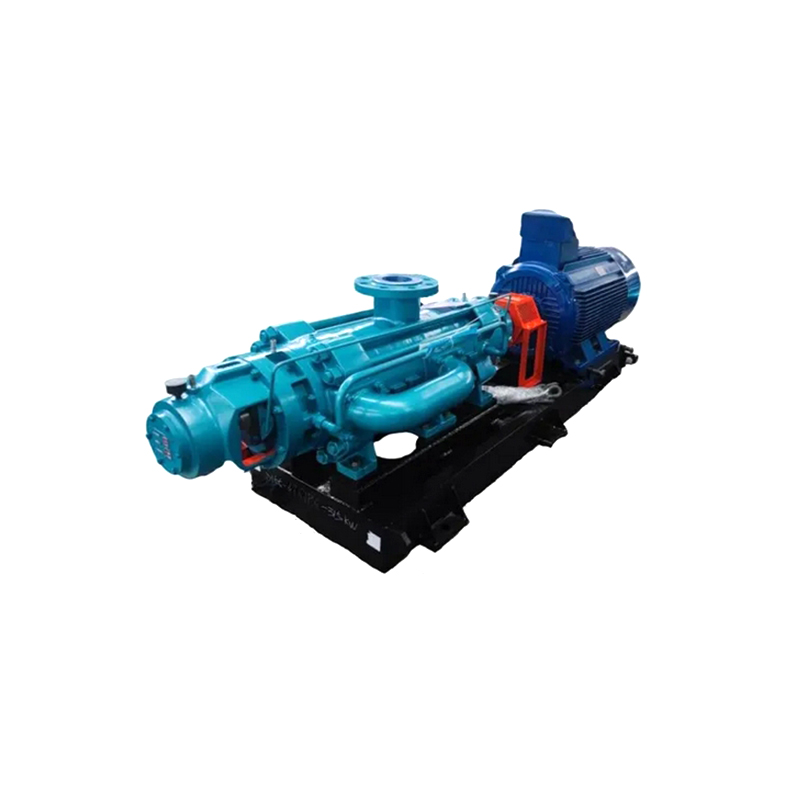
Self-balancing multi-stage centrifugal pump:Using advanced hydraulic models, we independently develop high-efficiency and energy-saving products; sinc...
See Details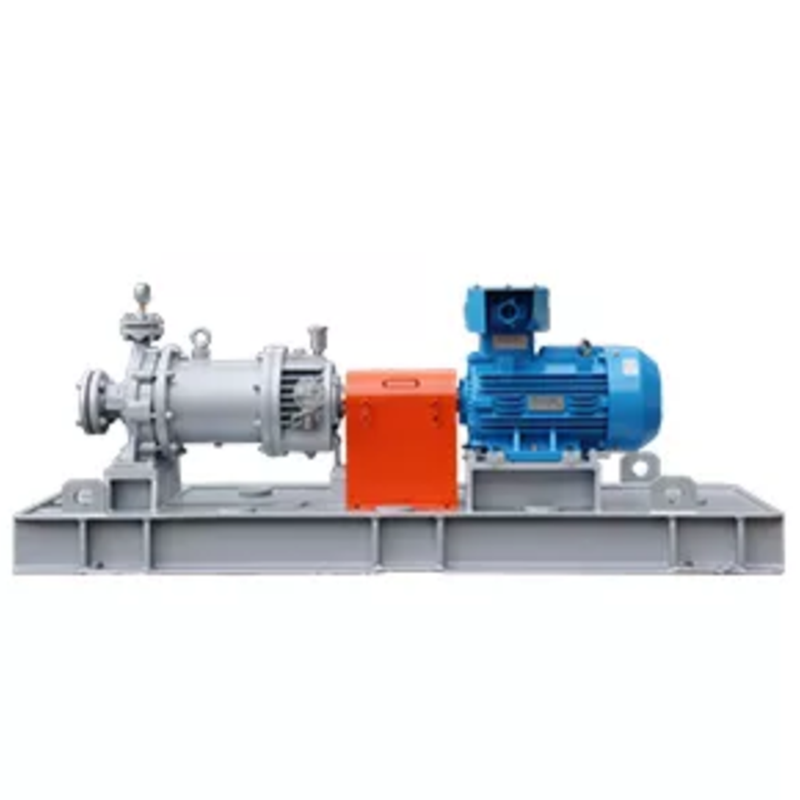
Performance Range: · Diameter: DN25~DN400 · Flow Rate: Up to 2000 m³/h · Head: Up to 250 m · Power: Up to 560 ...
See Details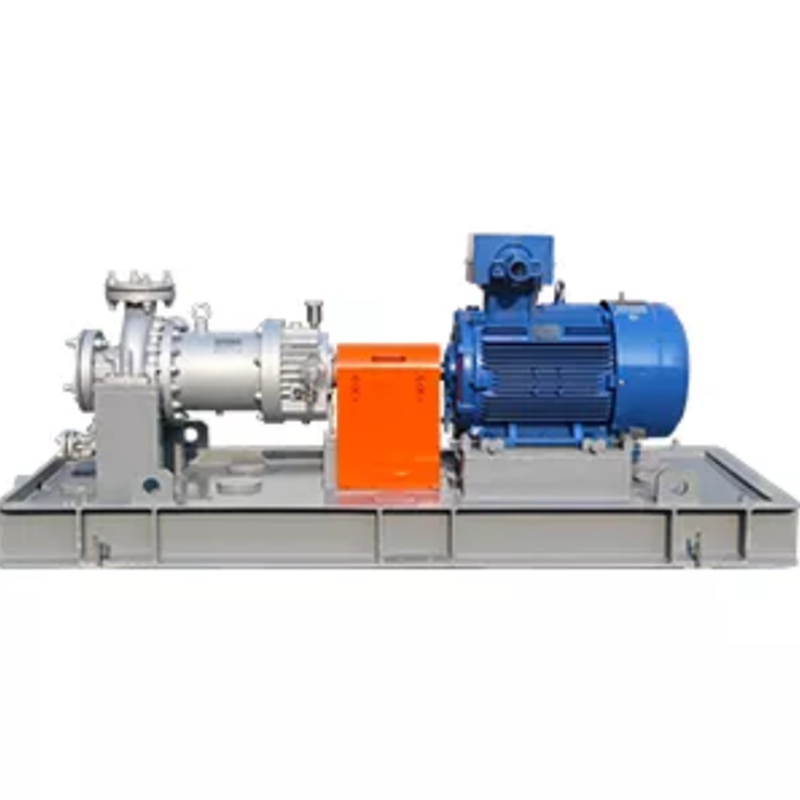
Performance Range: · Diameter: DN25~DN400 · Flow Rate: Up to 2000 m³/h · Head: Up to 250 m · Temperature Limit...
See Details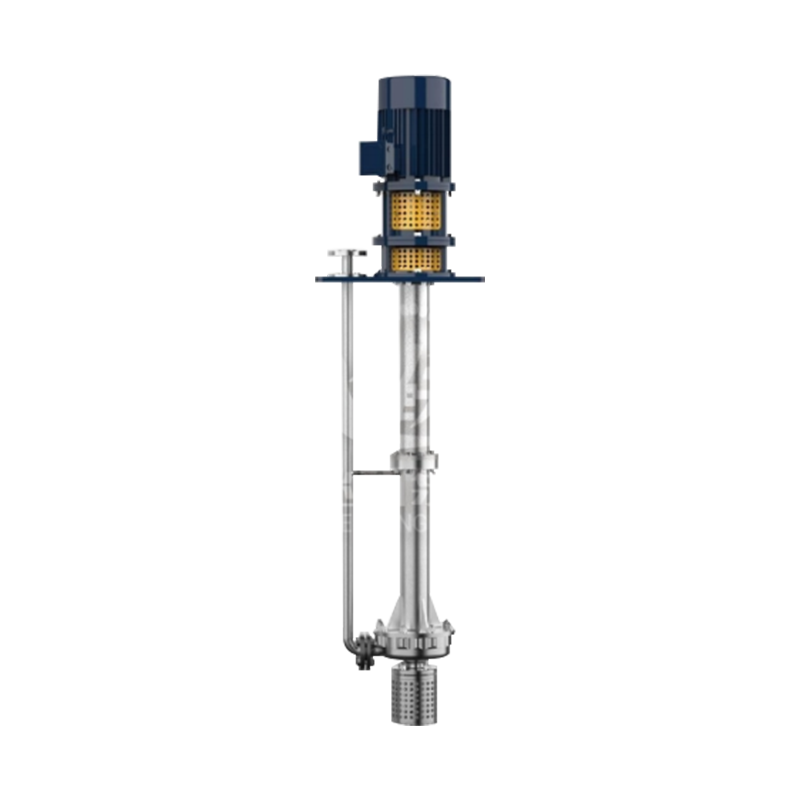
Overview The non-metallic vertical submerged pump is designed for handling corrosive media within a temperature range of 0°C to 120°C, free from solid...
See Details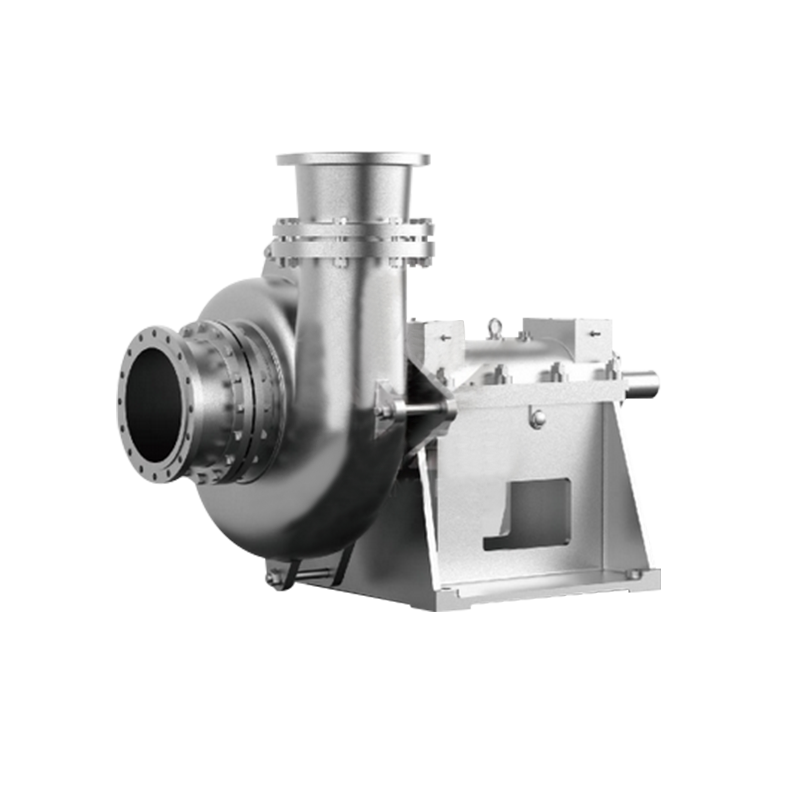
The Double Casing Slurry Pump, a series of solid-liquid two-phase flow slurry pumps, is engineered with an innovative two-phase flow design theory and...
See Details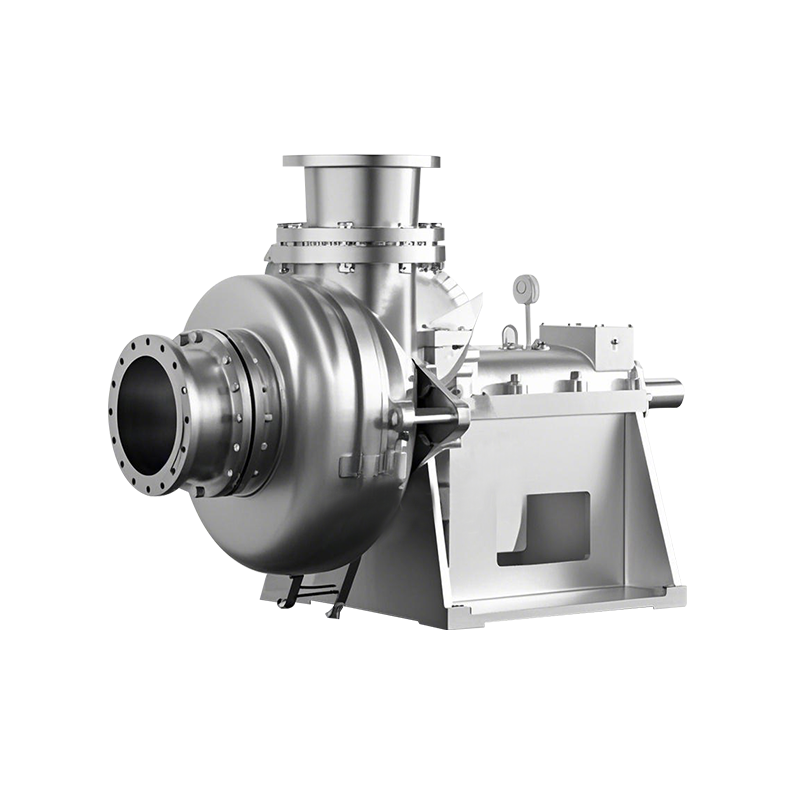
The Single Casing Series Slurry Pump is a new generation of high-efficiency, wear-resistant, and energy-saving slurry pumps developed by our company. ...
See Details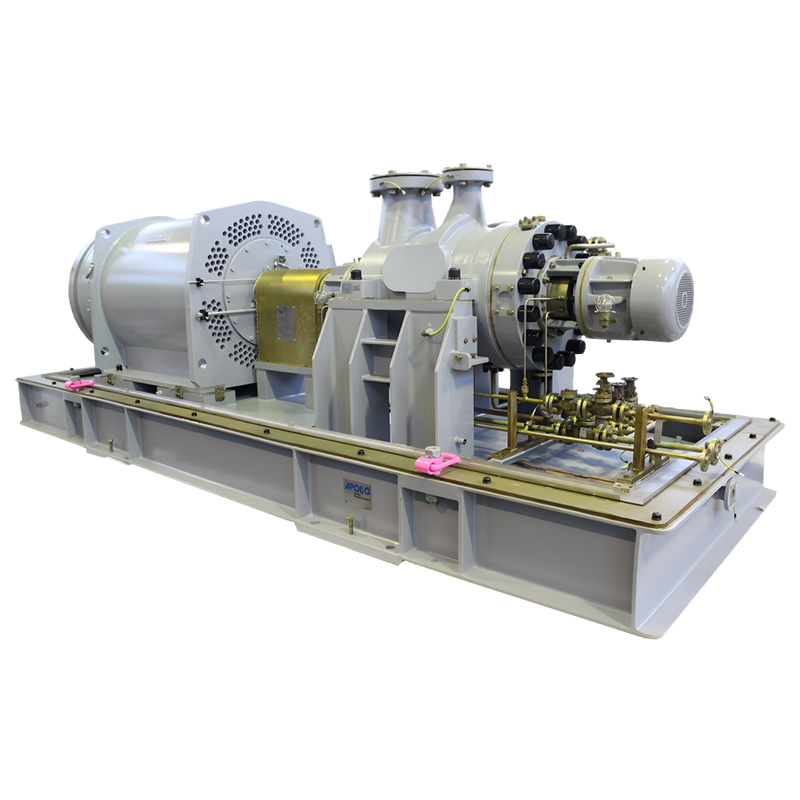
Our API 610 BB5 pumps feature a double-casing, radially split multistage configuration in a between-bearing barrel pump design. The pump and motor are...
See Details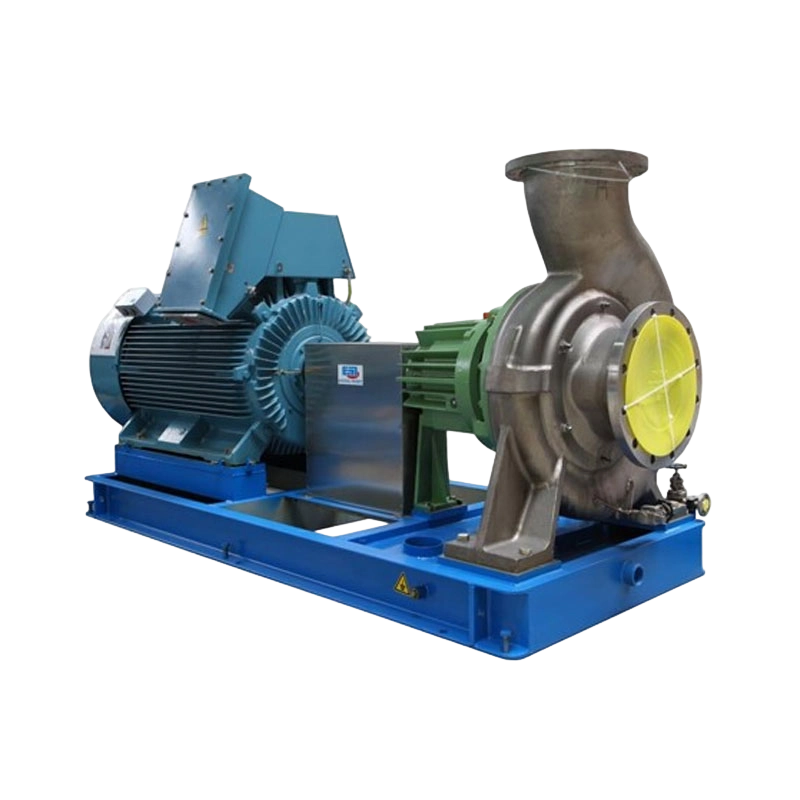
Our standard API 610 OH1 pumps are engineered as foot-mounted, single-stage, overhung units with a dedicated bearing housing. The pump and motor are f...
See DetailsCopyright © Welcome to Chemical Pump Factory - Jiangsu Feixiang Pump Manufacturing All rights reserved. Chemical Pumps Manufacturers

 +86-18052670932
 +86-0523-84326888

 No. 35, Xinqiao Middle Road, Xinqiao Town, Jingjiang City, Jiangsu Province, China