

 en
 русский
 Español
CZ Standard Chemical Process Pump
Cat:Chemical Process Pump
1. Performance range of CZ type chemical pump (according to design point) Flow: Q 1.6-1500m3/h Lift: H 5-125m Working pressure: P less than or equal t...
See DetailsContent
An industrial centrifugal pump is one of those pieces of equipment that rarely gets noticed until it stops. In chemical plants, refineries, water treatment lines, and heat-transfer systems, it quietly turns motor power into flow, shift after shift. The basics are simple, but the details—impeller geometry, casing design, materials, seals, and operating point—decide whether a pump runs for years or becomes a maintenance headache.
At its core, a centrifugal pump uses a rotating impeller to add kinetic energy to a liquid. The casing then converts much of that kinetic energy into pressure, pushing the fluid through the discharge line. Because flow depends on the resistance of the system, an industrial centrifugal pump is usually selected as part of a system, not as a standalone item. The same pump can deliver very different flow rates against different heads.
Unlike positive displacement pumps, most standard centrifugal pumps are not self-priming. They rely on the liquid reaching the impeller eye without excessive air or vapor. That makes suction conditions, net positive suction head available, and proper priming part of the selection conversation, not an afterthought.
The main components are straightforward, but each one affects reliability:
When a pump is operating near its best efficiency point, hydraulic loads are relatively balanced. Running far left or right of the curve increases vibration, shaft deflection, and seal stress. That is why a pump curve should be read together with the actual operating range, not just a single duty point.
There is no single best centrifugal pump for every service. The right choice depends on fluid, temperature, flow, head, and the maintenance culture of the site. The table below gives a practical starting point.
| Pump style | Typical strength | Watch-outs |
|---|---|---|
| Horizontal end-suction chemical process pump | General chemical transfer, clean or mildly aggressive fluids, familiar maintenance | Check seal flush, alignment, and suction piping |
| Corrosion-resistant or lined pump | Acids, alkalis, salts, and other aggressive media | Confirm liner temperature limits and permeation resistance |
| Magnetic drive pump | Leak-free duty for hazardous or valuable fluids | Keep solids out of the magnetic coupling and avoid dry running |
| Multistage centrifugal pump | Higher head in a compact frame | More stages mean more clearances and maintenance points |
| Self-priming centrifugal pump | Suction-lift applications where priming is difficult | The priming chamber must be filled and maintained |
| Vertical or long-shaft pump | Sumps, pits, and limited floor space | Shaft alignment and bearing protection deserve attention |
For standard chemical process lines, a horizontal end-suction arrangement is often the first layout we review with customers. The IH-type horizontal chemical centrifugal pump is a familiar example of that approach: accessible, easy to adapt to different seal plans, and well understood by many maintenance teams.
 IH-Type Horizontal Chemical Centrifugal PumpA single-stage ISO2858 chemical pump suited to standard process lines, with broad flow and head coverage and familiar maintenance access.View Product →
Material choice is rarely just about corrosion. Temperature, concentration, abrasion, and trace contaminants all matter. A stainless steel that performs well in one acid may fail quickly in another. Lined pumps can be a practical answer when the fluid is aggressive but the flow and head are moderate. The lining isolates the wetted metal from the process, while the casing provides the mechanical strength.
Where chemical resistance is the governing factor, a lined construction can offer a sensible balance between cost and service life. The IHF lined fluorine centrifugal pump is built around that idea, using a fluoropolymer lining to protect the wetted surfaces in demanding chemical service.
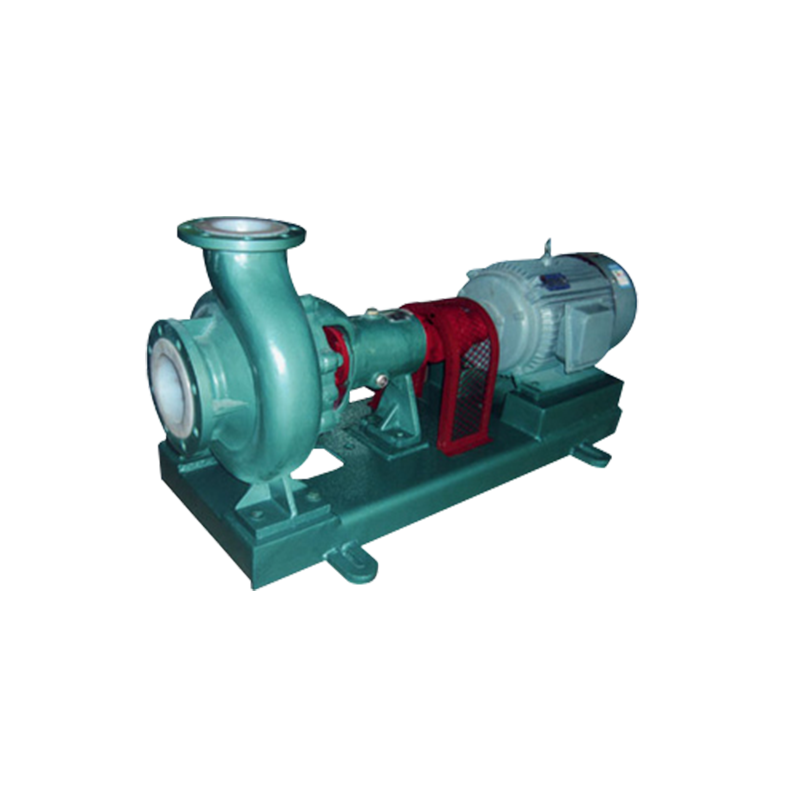 IHF Lined Fluorine Centrifugal PumpA fluoroplastic-lined pump for highly corrosive acids and alkalis, offering wetted-surface protection where chemical resistance governs service life.View Product →
It is still worth checking the actual fluid composition and operating temperature against the lining data. Small changes in concentration or temperature can move a material from acceptable to unsuitable.
High-temperature service adds another layer of complexity: thermal expansion, vapor pressure, seal flush temperature, and material strength at operating temperature. A pump that handles ambient water perfectly may lose clearance or seal life at elevated temperature. For hot oil, heat-transfer fluids, and jacketed systems, the casing, seal, and bearing arrangement must match the heat load.
Our note on high-pressure and high-temperature pump performance covers some of these considerations in more detail. In practice, the pump selection should start with the maximum operating temperature and the allowable seal environment, not with a generic catalog curve.
An AY high-temperature hot oil centrifugal pump, for example, is intended for hot-oil circuits rather than general water transfer. The design details matter because the fluid is often close to its thermal limit and the consequences of a seal failure can be serious.
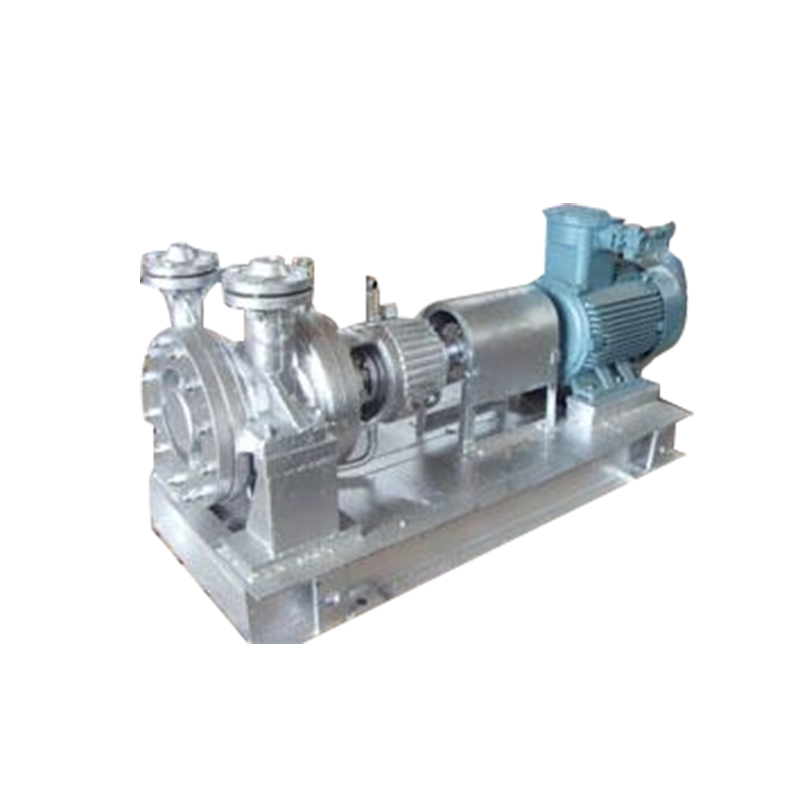 AY High Temperature Hot Oil Centrifugal PumpA hot-oil circuit pump with high-temperature range, centerline support and maintainable seals, suited to refining and petrochemical duties.View Product →
When reviewing an industrial centrifugal pump for a new duty, we usually work through the following questions:
Answering these points early avoids the common situation where a pump is technically capable but poorly matched to the actual installation.
Centrifugal pumps reward attention to a few basics: alignment, lubrication, seal environment, and operating near the intended point on the curve. Vibration and temperature trends often reveal a problem before a seal fails. Keep spare wear rings, gaskets, and seals for critical units, and record as-found clearances after each overhaul so the next maintenance interval is based on evidence rather than guesswork.
It also helps to review the suction side regularly. A partly closed valve, a clogged strainer, or a change in tank level can move the pump away from its design condition. Small system changes can create large hydraulic effects.
At Jiangsu Feixiang Pump Manufacturing Co., Ltd., we have been involved in pump design and manufacturing since the 1980s, and our product range covers chemical process pumps, corrosion-resistant pumps, high-temperature pumps, magnetic drive pumps, and related styles. We work with engineers and maintenance teams to match the pump to the duty, not just the datasheet. If you are reviewing an existing installation or specifying a new industrial centrifugal pump, the most useful starting point is a clear description of the fluid, the duty point, and the constraints of the site.
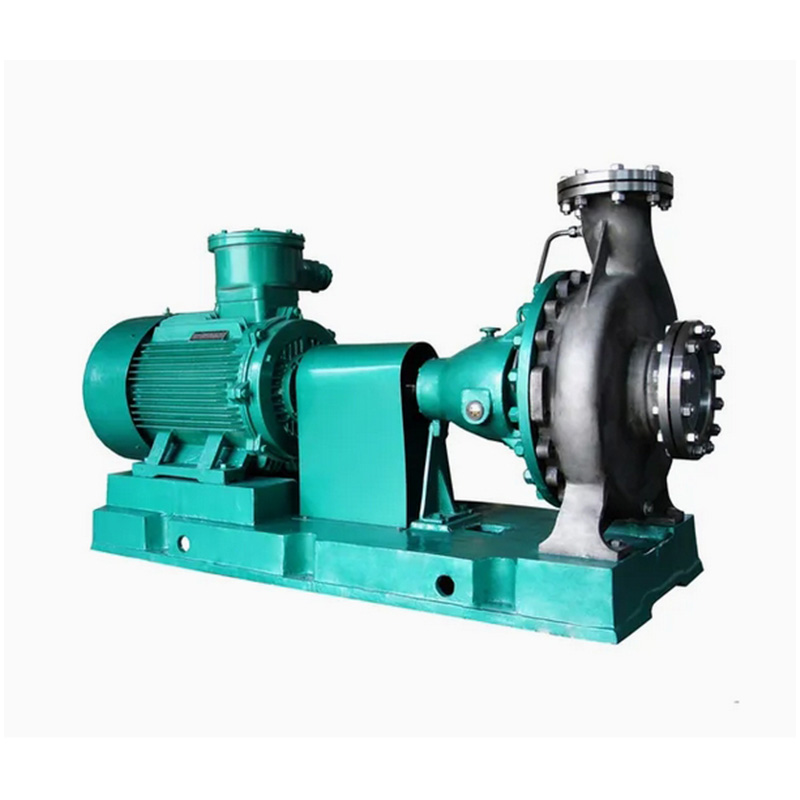
1. Performance range of CZ type chemical pump (according to design point) Flow: Q 1.6-1500m3/h Lift: H 5-125m Working pressure: P less than or equal t...
See Details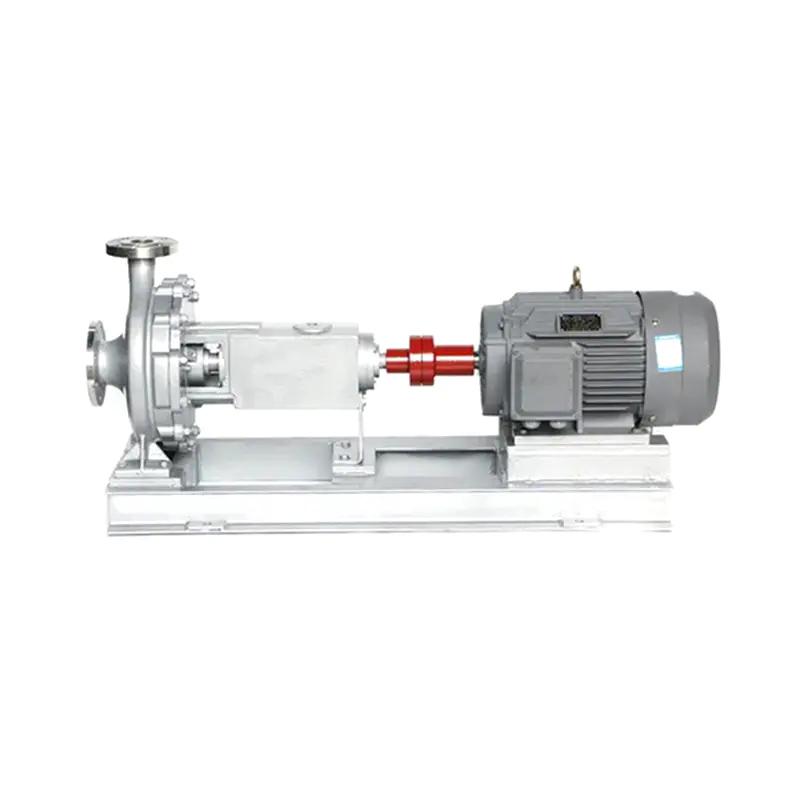
1. Overview of the HJ chemical process pump HJ corrosion-resistant chemical process pump is a single-stage single-suction cantilever centrifugal pump....
See Details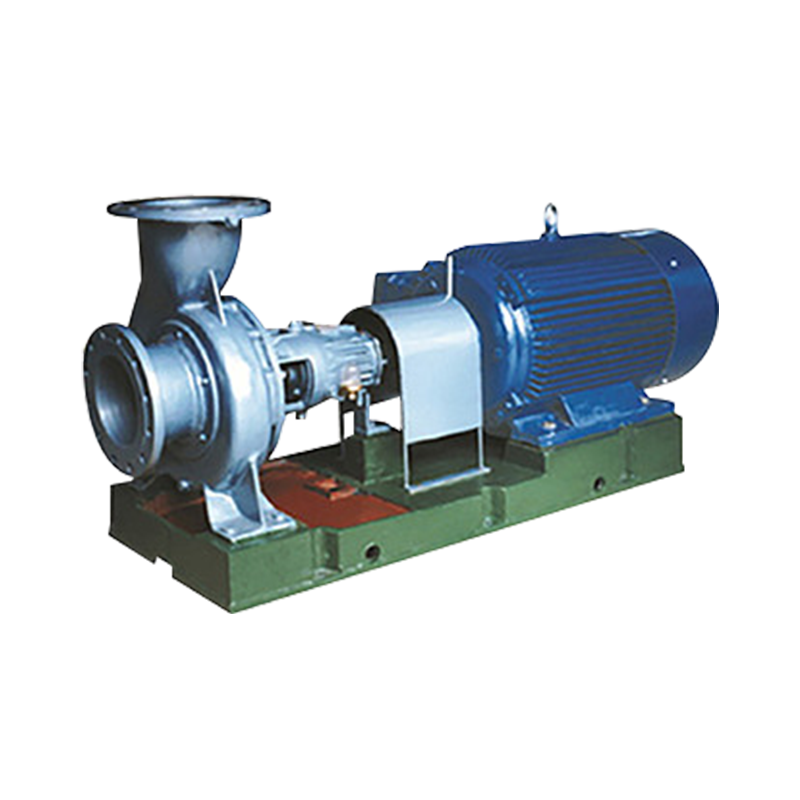
1. OverviewZA and ZAO petrochemical process pumps are designed according to AP1610 and VDMA24297 (light/medium duty) specifications. 2. Application sc...
See Details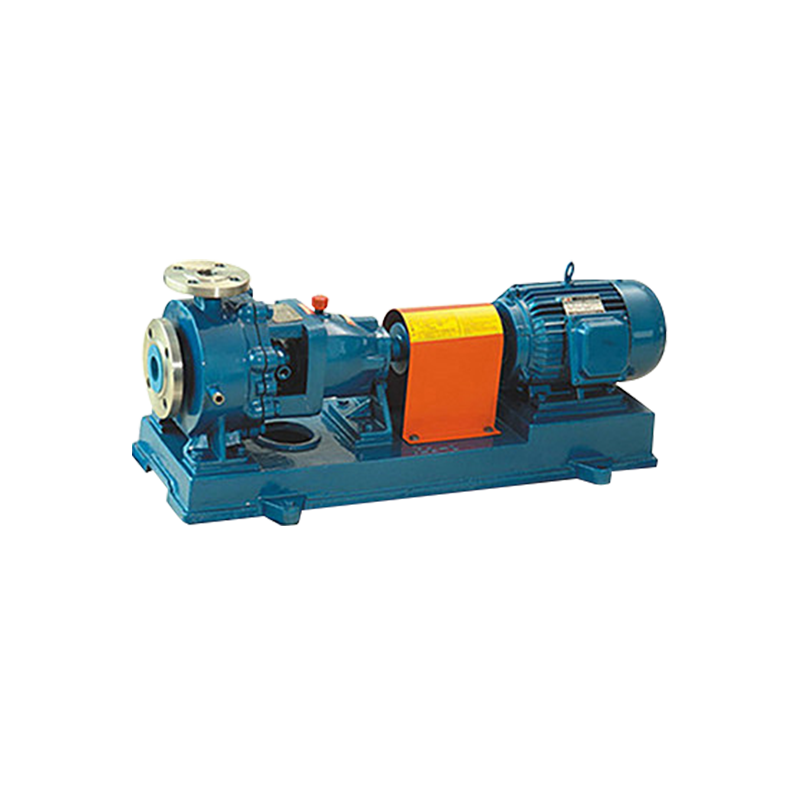
Detailed description of IN series jacketed stainless steel thermal insulation pump, steam thermal insulation, corrosion resistance, crystallization re...
See Details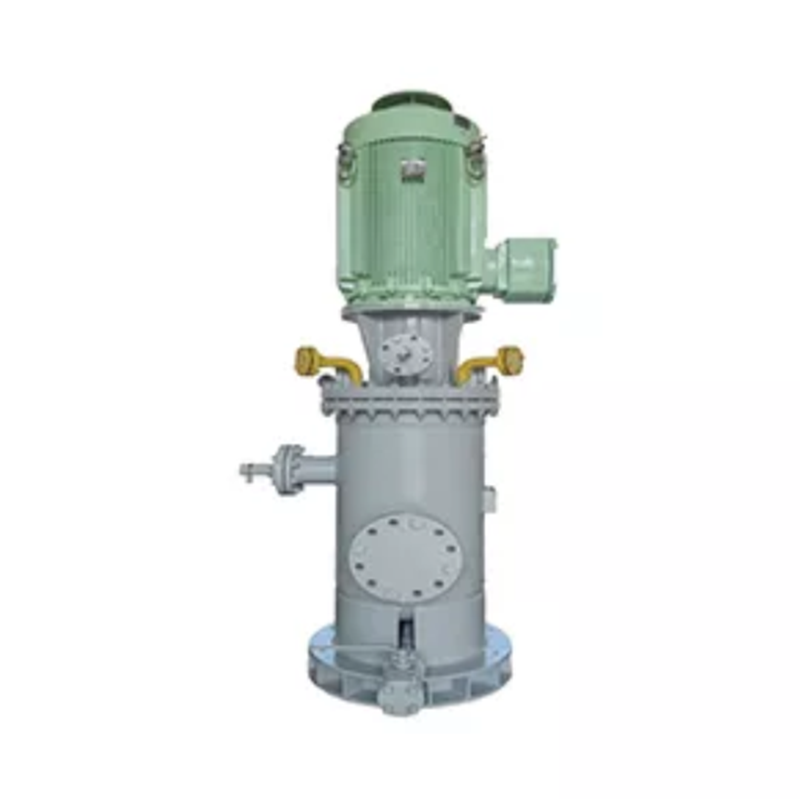
Performance Range: · Diameter: DN25~DN200 · Flow Rate: Up to 700 m³/h · Head: Up to 1000 m · Temperature Range...
See Details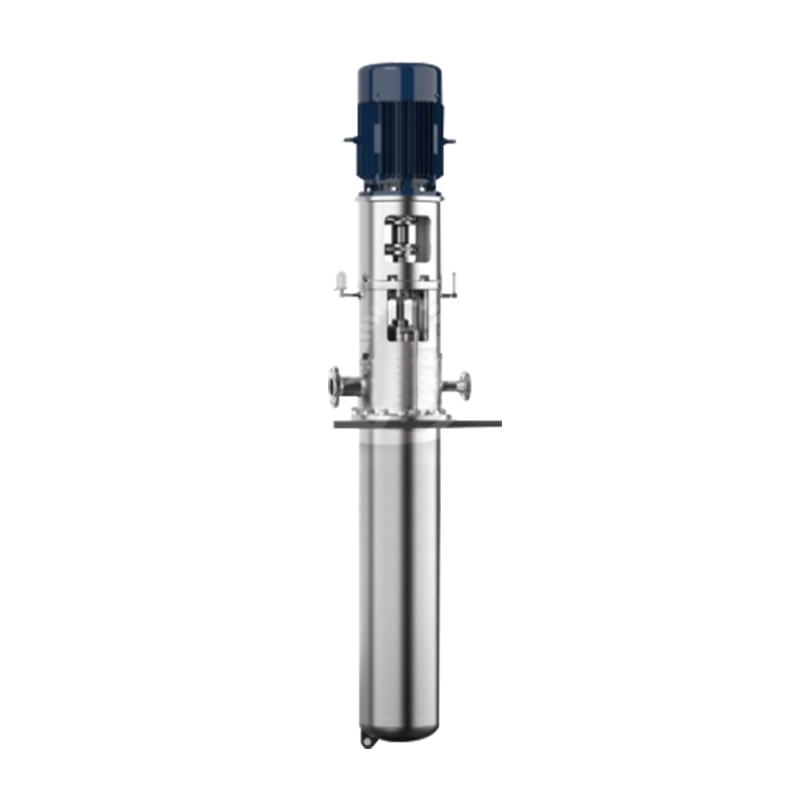
The diversion type barrel pump series offers hydraulic performance, featuring a variety of configuration options including self-cleaning, external cle...
See Details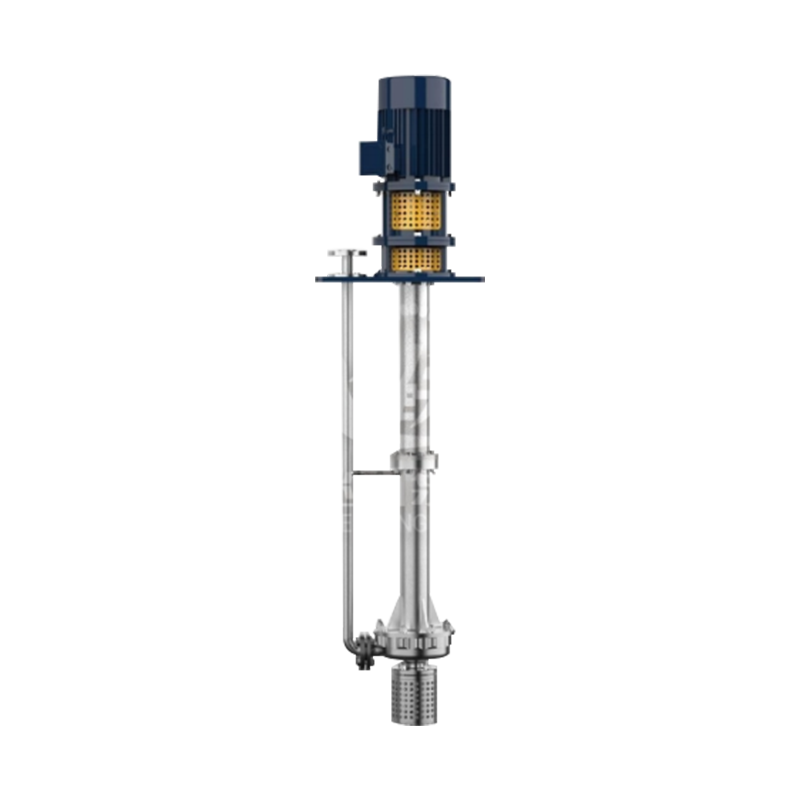
The Diversion-Type Long Shaft Submersible Desulfurization Pump is specifically engineered for underground sump applications in power plant flue gas de...
See Details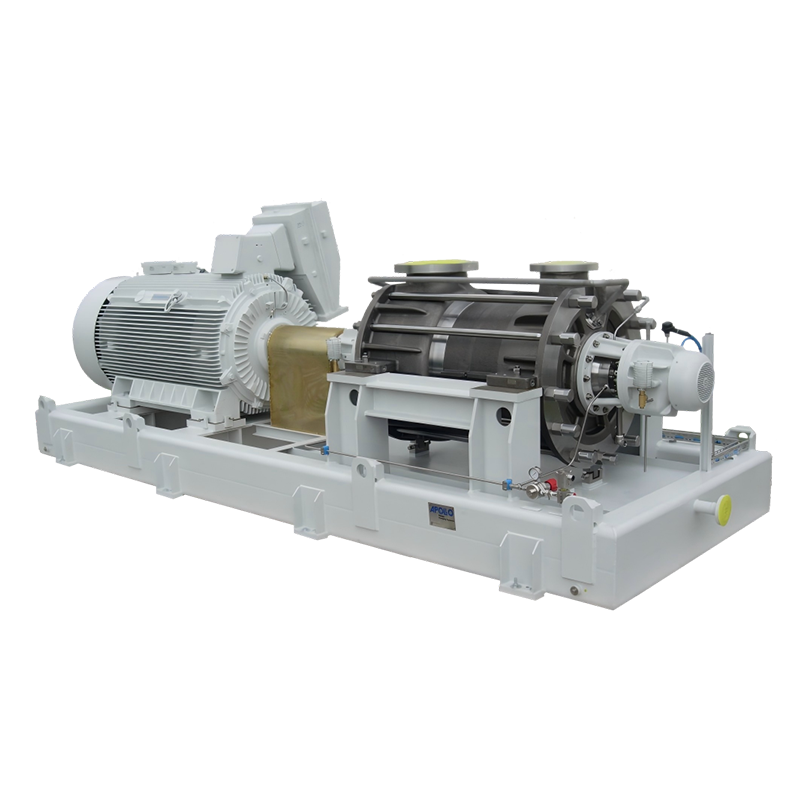
Our API 610 BB4 pumps are centerline-mounted, multistage units with radially split casings, available in both single and double suction configurations...
See DetailsCopyright © Welcome to Chemical Pump Factory - Jiangsu Feixiang Pump Manufacturing All rights reserved. Chemical Pumps Manufacturers

 +86-18052670932
 +86-0523-84326888

 No. 35, Xinqiao Middle Road, Xinqiao Town, Jingjiang City, Jiangsu Province, China