

 en
 русский
 Español
IH Type Horizontal Chemical Centrifugal Pump
Cat:Chemical Process Pump
The IH type chemical centrifugal pump is a single-stage single-suction (axial suction) cantilever centrifugal pump, which is used to transport liquids...
See DetailsContent
Anyone who has spent a night shift beside a pump skid knows a simple truth: the pumps that fail early are usually the ones running outside the window they were designed for. When a plant has to move a genuinely large volume of liquid — a cooling water loop, a crystallizer circulation line, a transfer duty between tank farm and process — the job usually lands on a high flow centrifugal pump, and the details of that selection decide whether the machine quietly does its work for a decade or turns into a monthly maintenance headache.
We have been manufacturing chemical and industrial pumps in Jiangsu since the 1980s, and a good share of the units we ship are sized for high-volume duty. What follows is a practical look at how these pumps behave, where their limits sit, and how to choose one you will still be happy with years after commissioning.
A centrifugal pump turns shaft rotation into fluid movement, and flow rate and head always trade against each other on the same curve. Push a pump toward higher flow and the head it can develop falls away; ask it for more head and the flow drops. There is no single number where "high flow" begins — 50 m³/h in a fine chemical plant can be a serious flow for that process, while a cooling water circuit may treat 3,000 m³/h as routine.
That said, certain design signatures appear whenever the duty is genuinely high-volume:
Specific speed is the concept that ties all of this together. Low specific speed means a narrow impeller, high head and modest flow. As specific speed rises, the impeller becomes mixed flow and eventually axial flow — a propeller shape that delivers enormous volume at low head. That is why the biggest flows in a plant almost always come from propeller or mixed flow hydraulics rather than from a standard end-suction pump.
Liquid enters the suction nozzle, travels to the eye of the impeller, and is caught between the vanes. As the impeller spins, centrifugal action throws the liquid outward at high velocity. The casing — a volute or a ring of diffuser vanes — then slows that liquid down, and the energy lost in slowing is converted into pressure at the discharge. Nothing mysterious, but every part of the path has to be generous enough for the volume you are asking the pump to carry.
The suction side deserves the most attention on high flow duty, because the same pump that runs perfectly at half flow can cavitate at full flow. Required NPSH climbs quickly as flow increases, while available NPSH in the system falls because friction losses grow with the square of velocity. A few practical habits keep that margin healthy: keep suction piping short and generously sized, avoid elbows immediately at the inlet nozzle, never throttle the suction side, and make sure the suction strainer is clean before commissioning.
High flow rarely arrives in a single shape. Which family suits you depends on how much head the system needs and what the liquid is doing to the wetted parts.
| Pump family | Flow character | Head character | Typical duty |
|---|---|---|---|
| Axial flow (propeller) | Very high | Low | Circulating water, evaporation and crystallization loops, molten salt, bulk transfer |
| Mixed flow | High | Low to medium | Cooling water, circulation, large wastewater streams |
| Single-stage horizontal process | High | Medium | Chemical and petrochemical process streams, transfer and loading |
| Multistage | Moderate | High | Boiler feed, high-pressure wash, long pipeline transfer |
| Sealless magnetic drive | Low to moderate | Medium | Leak-free duty with corrosive or toxic media |
| Vertical long-shaft | Moderate to high | Medium | Sump, pit and tank duties where floor space is limited |
When the head requirement is low but the volume is enormous, axial flow is usually the answer. Our chemical axial flow pump is built exactly for that combination, with a propeller-style impeller, a straight-through flow path and a casing designed to keep velocity losses low. If you want to understand how much flexibility this family offers across changing system resistance, it is worth reading our notes on the flow capacity and performance flexibility of axial flow pumps.
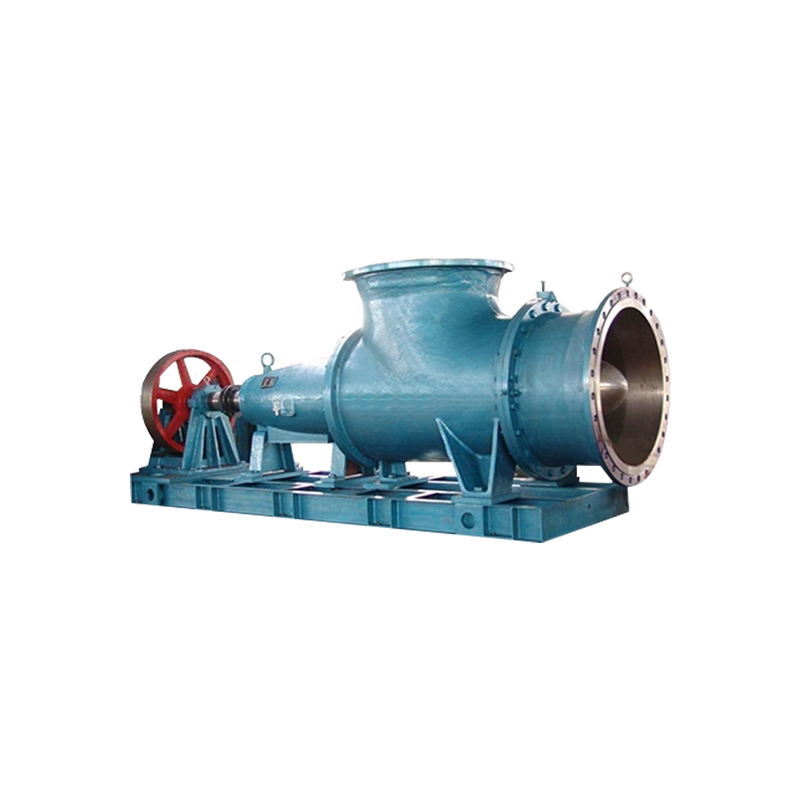 Chemical Axial Flow Pump for High-Volume Low-Head ServiceFor low-head, high-volume duties, this pump uses a propeller-style impeller and straight-through flow, with material options for corrosive or abrasive chemicals.View Product →
Most disappointing pump installations are not bad pumps; they are pumps selected at the wrong point on the curve. A pump chosen at its maximum efficiency point but installed in a system with a different resistance curve will simply slide up or down its performance line until the two intersect. If that intersection lands far to the right of the design point, the motor overloads, NPSH margin disappears and vibration rises.
A sound selection process usually works through the following steps:
For general chemical and petrochemical service, horizontal single-stage process pumps remain the workhorse, and our chemical process pump range covers everything from standard CZ and IH duty through to heavier ZA and ZE configurations for high-temperature, high-pressure streams.
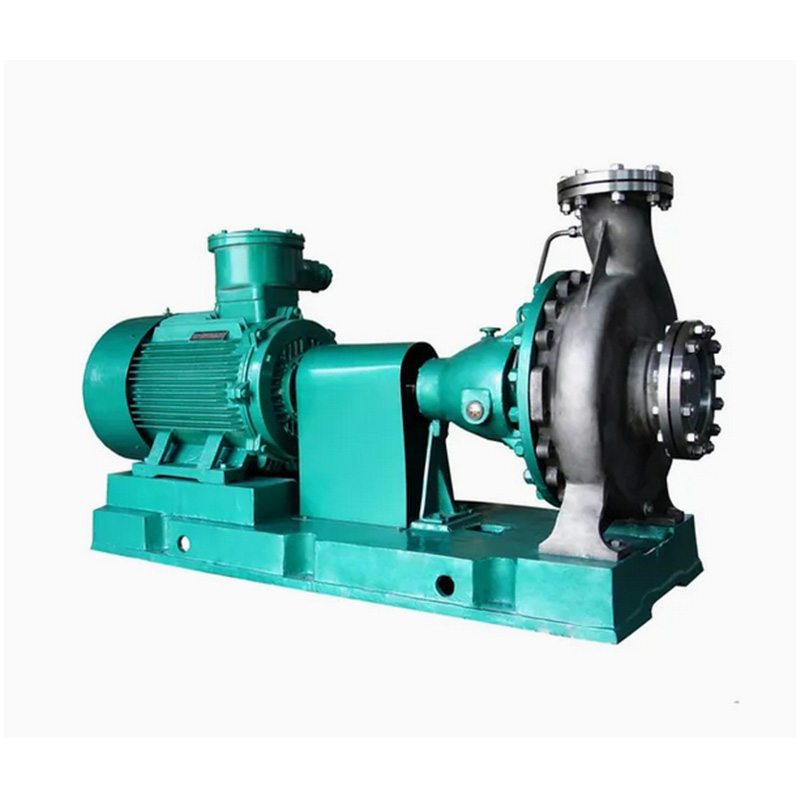 CZ Standard Chemical Process Pump for General Chemical ServiceHorizontal rear-opening pump covers general chemical and petrochemical duty, with corrosion-resistant materials, mechanical seals and maintenance access without removing connected piping.View Product →
Flow rate is only half the story. A high flow pump handling hydrochloric acid at 90 °C has very different construction needs from one moving cooling water. In our experience, three questions settle most material decisions: what is the chloride content, what is the operating temperature, and is there any solid content that will abrade the casing or wear rings?
For aggressive media, fluoropolymer-lined casings and fluoroalloy impellers — such as our IHF and FSB ranges — give good service across acids, alkalis and mixed chemical streams. For hot oil and hot water duties, cast steel or alloy construction with appropriate thermal expansion allowances is the usual route. Sealing deserves equal care: a mechanical seal with a proper flush plan handles most process duty, while a magnetic drive arrangement removes the seal entirely and is often the better answer where leakage is simply not acceptable.
Temperature also changes viscosity and vapour pressure, both of which shift the pump's performance. If you are working near the boiling point of the liquid, treat NPSH margin as a design constraint rather than a formality.
Once the pump is on its baseplate, a few straightforward practices keep high flow performance where it belongs:
The largest flows in a typical chemical site are usually circulation duties. Evaporation and crystallization plants, for example, keep a dense slurry moving through heat exchangers for years on end, and the circulation pump has to tolerate solids, temperature and continuous operation without losing head.
Our evaporation crystallization circulation pump was developed around that duty, with a hydraulic design that favours steady volume over peak pressure. Beyond crystallization, we regularly see high flow centrifugal pumps in cooling water circuits, reactor jacket supply, scrubber circulation, tank farm transfer, industrial wastewater movement and molten salt loops.
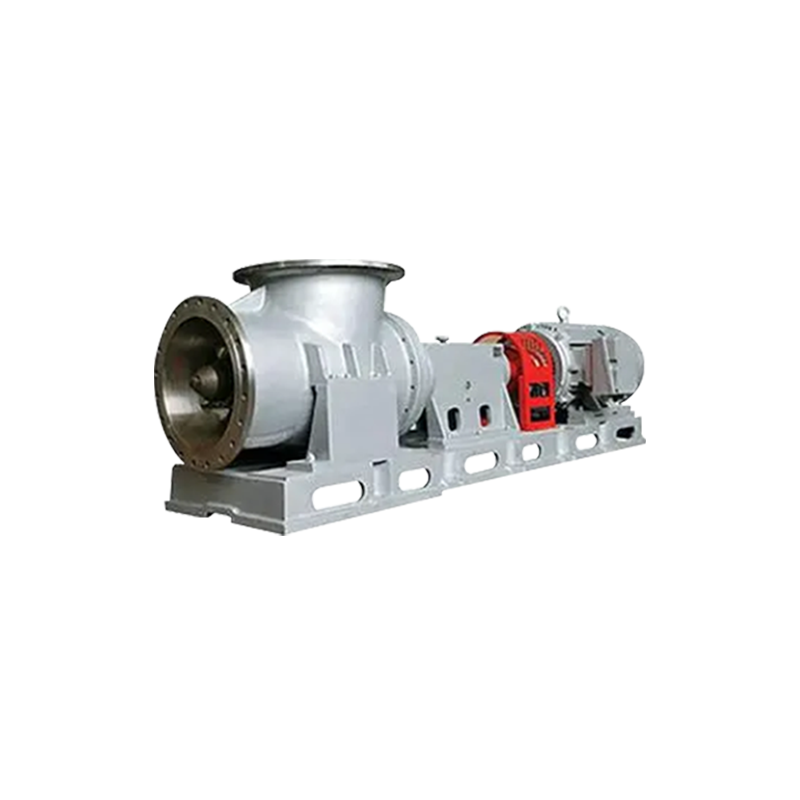 Evaporation Crystallization Circulation Pump for Forced-Circulation DutyAxial-flow circulation pump supports evaporation and crystallization with high cavitation resistance, adjustable flow, slow-speed operation and reduced crystal breakage in chemical, pharmaceutical and food processes.View Product →
Selecting a high flow centrifugal pump is easier when someone who has built them for decades looks at your process data with you. Share the flow, head, temperature, medium and any solids or corrosion concerns, and we can suggest a hydraulic size, materials and seal arrangement that fit the duty rather than the catalogue headline.
Jiangsu Feixiang Pump Manufacturing Co., Ltd. brings research, design, production and service together under one roof, and our team supports customers in Chinese, English, Russian and Spanish. Whether you are replacing a pump that never quite performed or specifying equipment for a new line, we are glad to work through the numbers with you and help you land on a machine that simply keeps running.
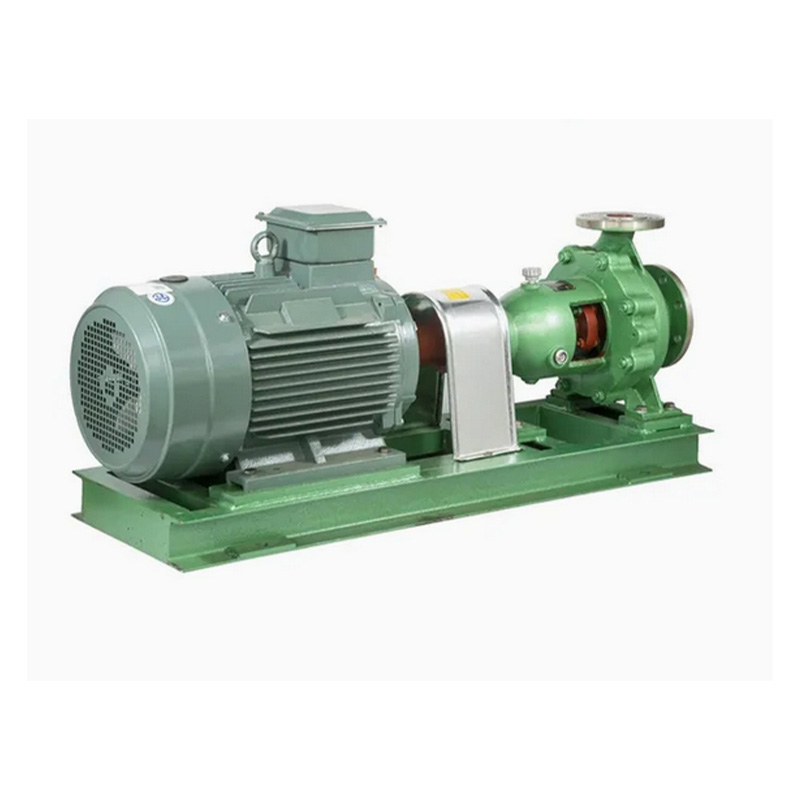
The IH type chemical centrifugal pump is a single-stage single-suction (axial suction) cantilever centrifugal pump, which is used to transport liquids...
See Details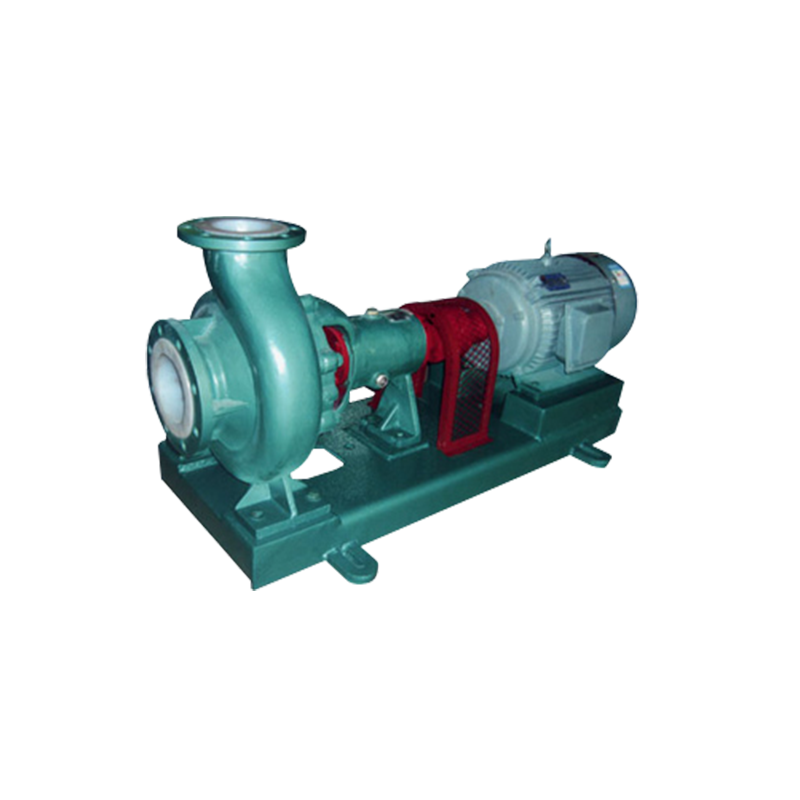
IHF fluorine-lined chemical pump is characterized by a reasonable and advanced structure, strong corrosion resistance, tight and reliable mechanical s...
See Details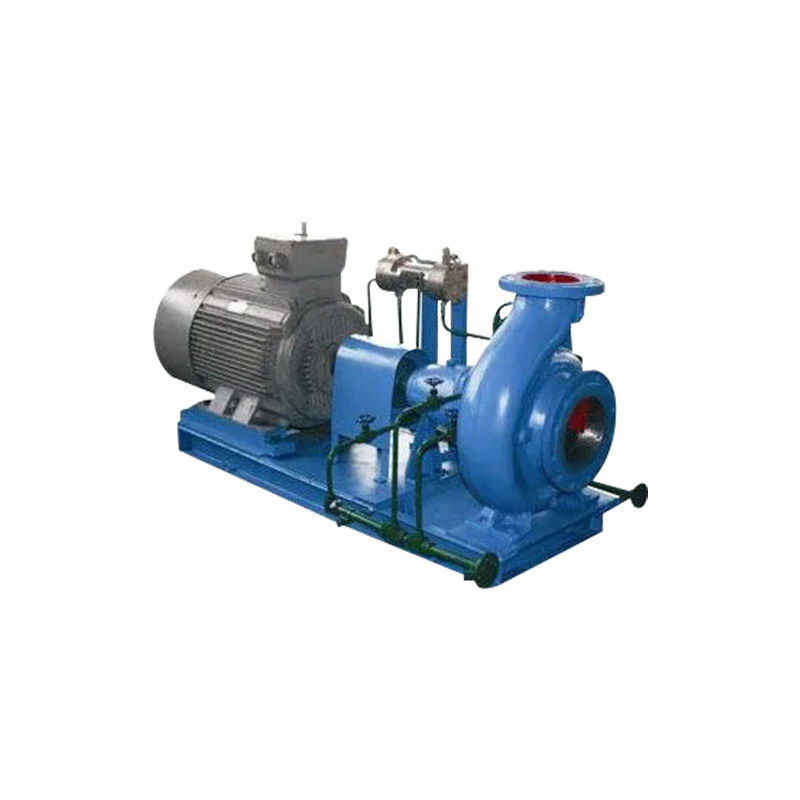
HPk hot water circulation pump adopts the patented technology of a low specific speed centrifugal pump, which is developed on the basis of absorbing a...
See Details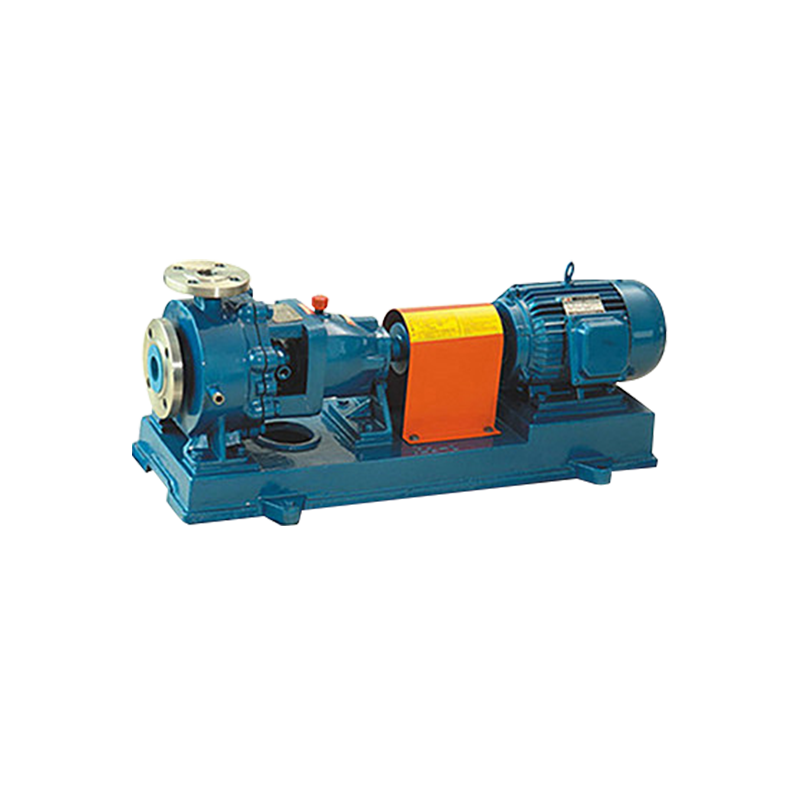
Detailed description of IN series jacketed stainless steel thermal insulation pump, steam thermal insulation, corrosion resistance, crystallization re...
See Details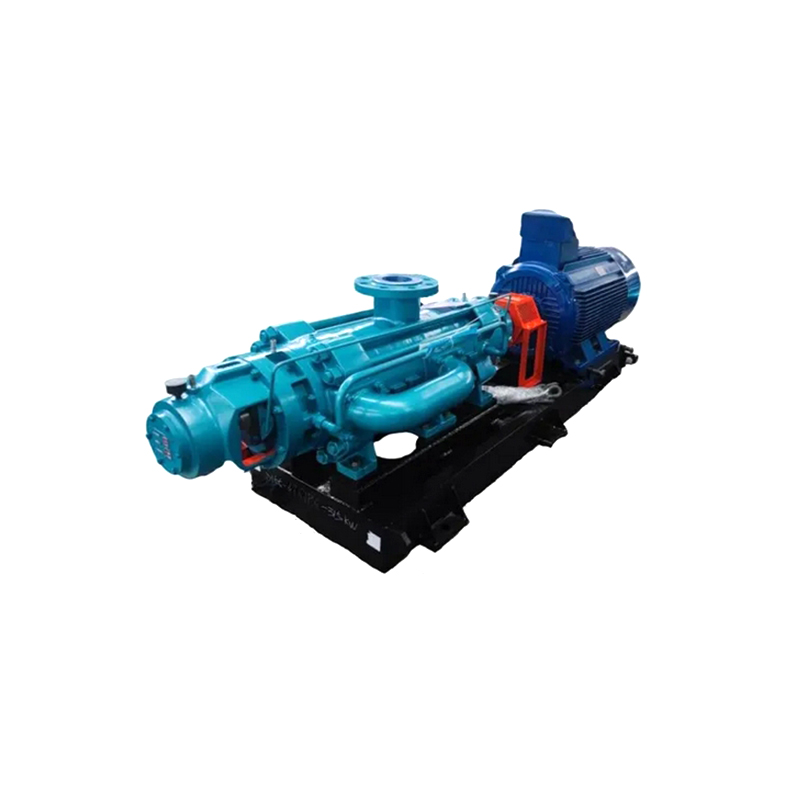
Self-balancing multi-stage centrifugal pump:Using advanced hydraulic models, we independently develop high-efficiency and energy-saving products; sinc...
See Details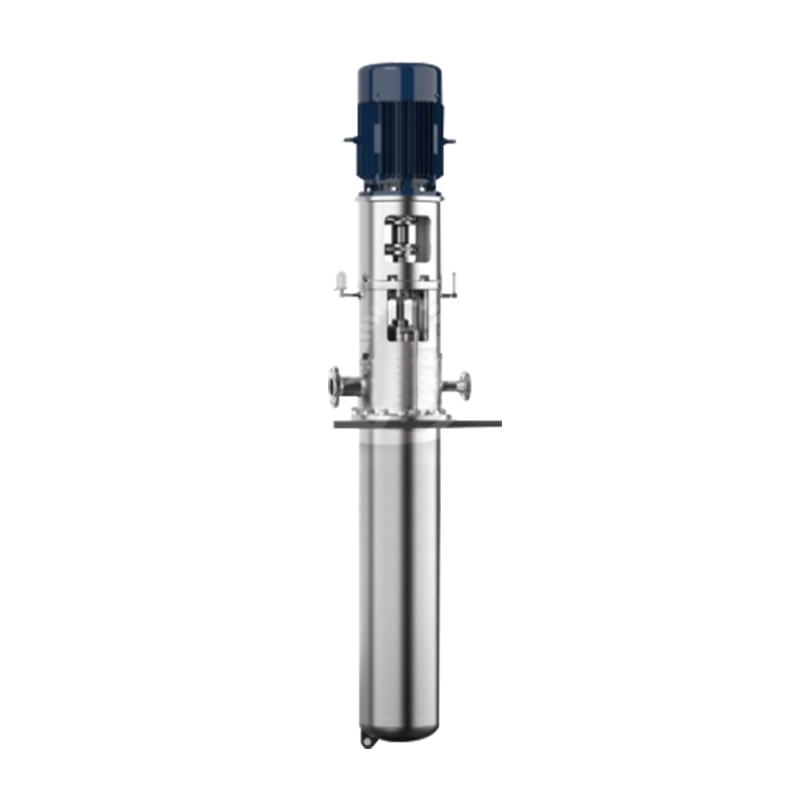
The diversion type barrel pump series offers hydraulic performance, featuring a variety of configuration options including self-cleaning, external cle...
See Details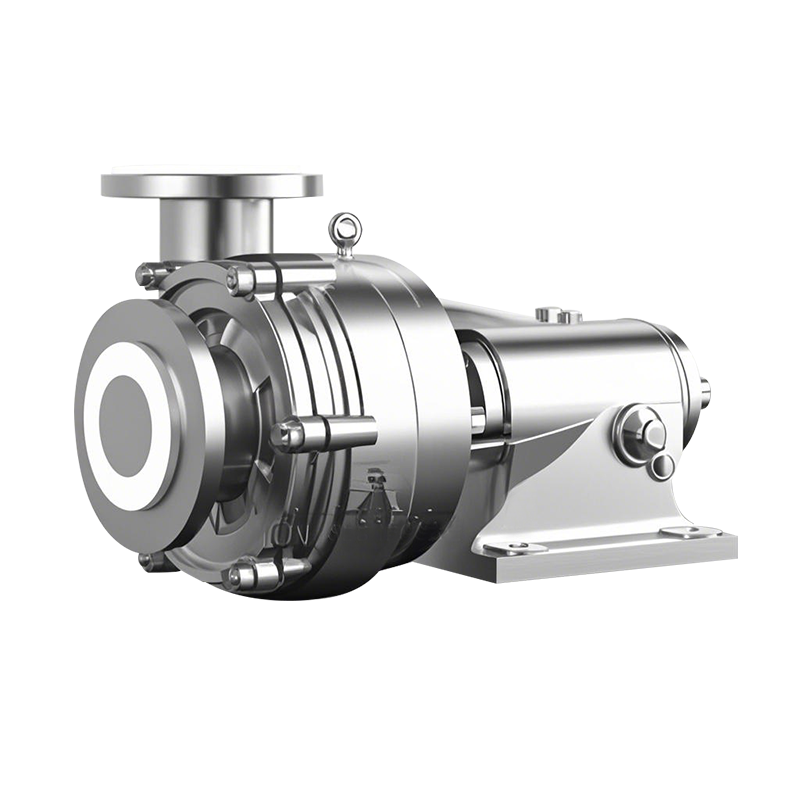
Slurry pumps are specialized equipment designed for transporting mixtures of liquids and solid particles, commonly known as slurries. These pumps are ...
See Details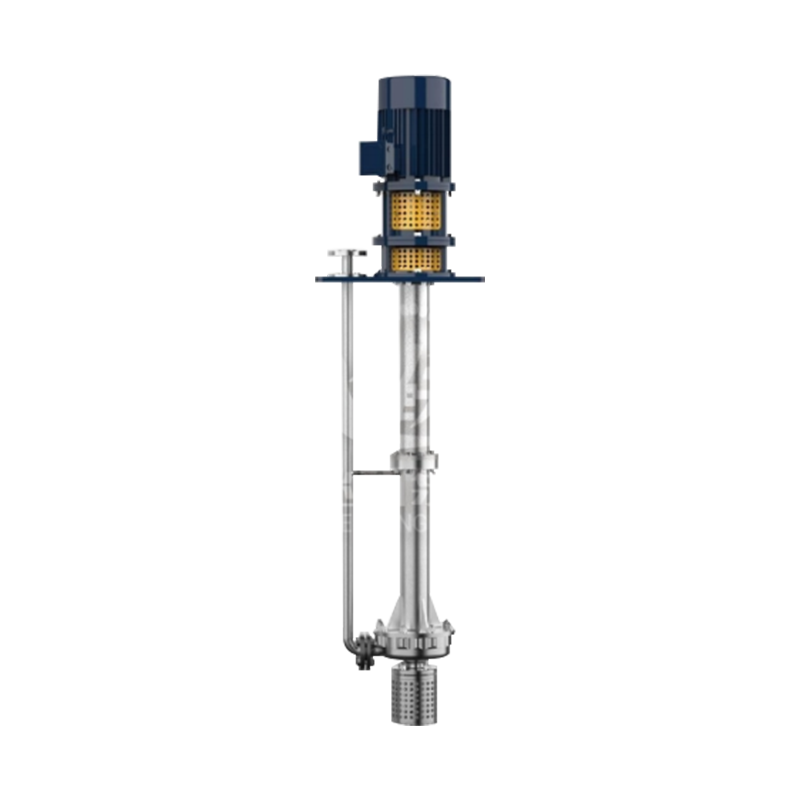
The Diversion-Type Long Shaft Submersible Desulfurization Pump is specifically engineered for underground sump applications in power plant flue gas de...
See Details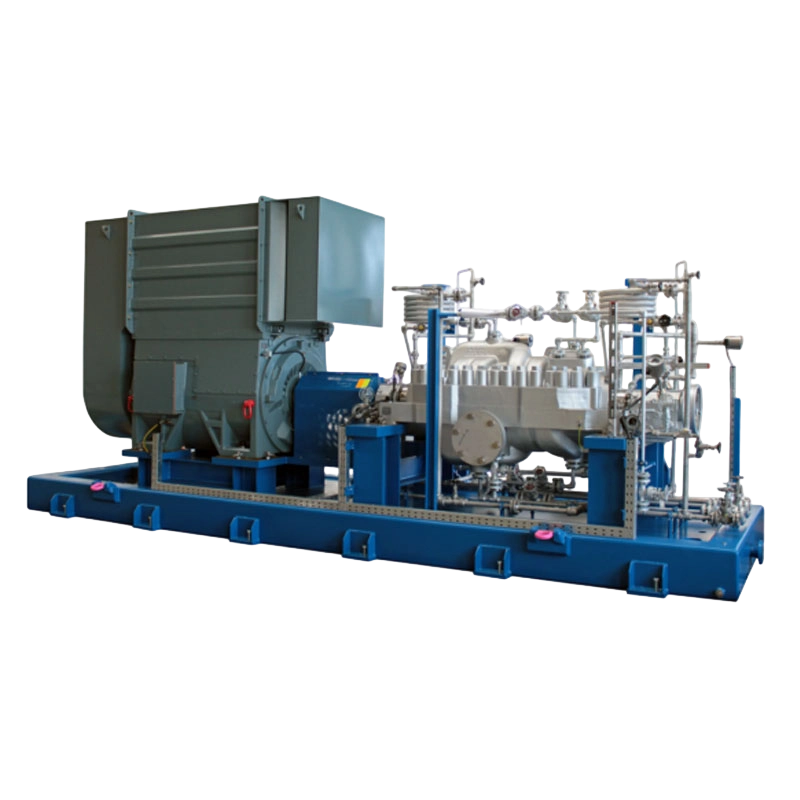
Our API 610 BB3 pumps are centerline-mounted, multistage units featuring an axially split casing with single suction and between-bearing construction....
See Details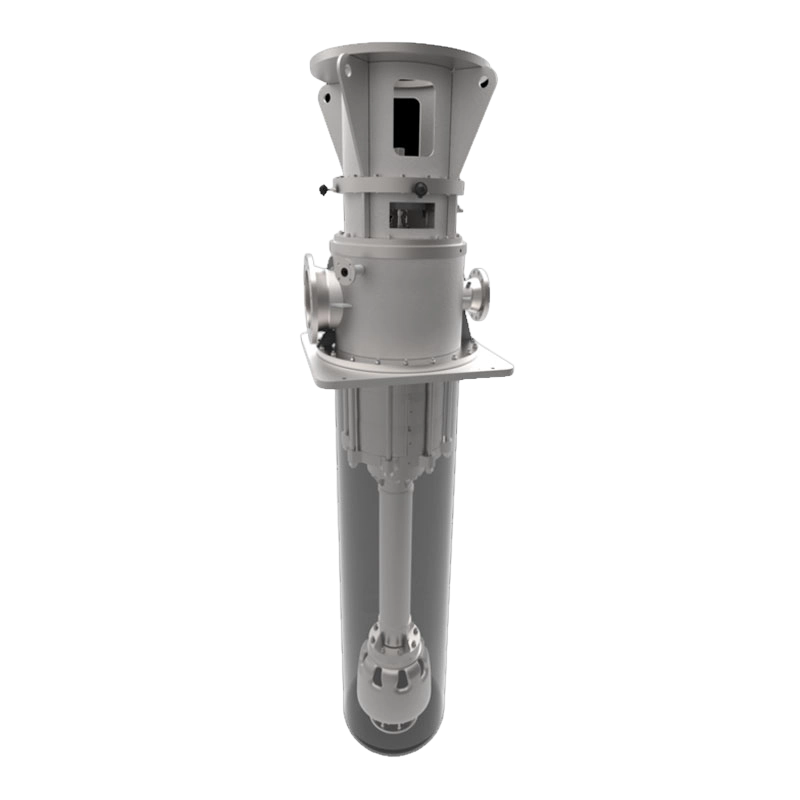
Our API 610 VS6 sump pumps feature a vertically suspended configuration with radially split single casing, designed as single or multi-stage diffuser ...
See DetailsCopyright © Welcome to Chemical Pump Factory - Jiangsu Feixiang Pump Manufacturing All rights reserved. Chemical Pumps Manufacturers

 +86-18052670932
 +86-0523-84326888

 No. 35, Xinqiao Middle Road, Xinqiao Town, Jingjiang City, Jiangsu Province, China