

 en
en  русский
 Español
CZ Standard Chemical Process Pump
Cat:Chemical Process Pump
1. Performance range of CZ type chemical pump (according to design point) Flow: Q 1.6-1500m3/h Lift: H 5-125m Working pressure: P less than or equal t...
See DetailsContent
The most important thing to understand about pumping cement slurry is this: a pump that moves water reliably will often fail within weeks when moving cement slurry. The combination of high viscosity, abrasive particles, and rapid settling means that pump selection is about matching the pump's hydraulic profile to the slurry's physical behavior. The right pump is chosen by evaluating solids content, particle size, viscosity, and discharge pressure together, rather than by looking at a single specification in isolation.
Cement slurry is not a homogeneous liquid. It contains suspended cement grains, aggregate particles, and sometimes chemical additives. Each application places different demands on the pump's impeller, casing, and sealing system. This guide explains the pump types that handle cement slurry well, the specification parameters that matter most, and the failure modes that shorten pump life if you ignore them.
Three properties of cement slurry create most of the engineering difficulty. Recognizing them early helps avoid a mis-specified pump and the associated downtime.
These factors determine the optimal pump type. A centrifugal pump with the wrong impeller profile will separate solids at low flow rates. A positive displacement pump with too much internal clearance will lose its pressure capability. The selection process must be driven by the slurry's actual behavior.
Centrifugal pumps are the most widely applied pump type for slurry services. They are simple, robust, and suitable for moving large volumes with low maintenance. For cement slurry, the pump must use an open or semi-open impeller that resists particle entanglement, and the casing should be constructed from abrasion-resistant material such as high-chrome alloy or lined steel.
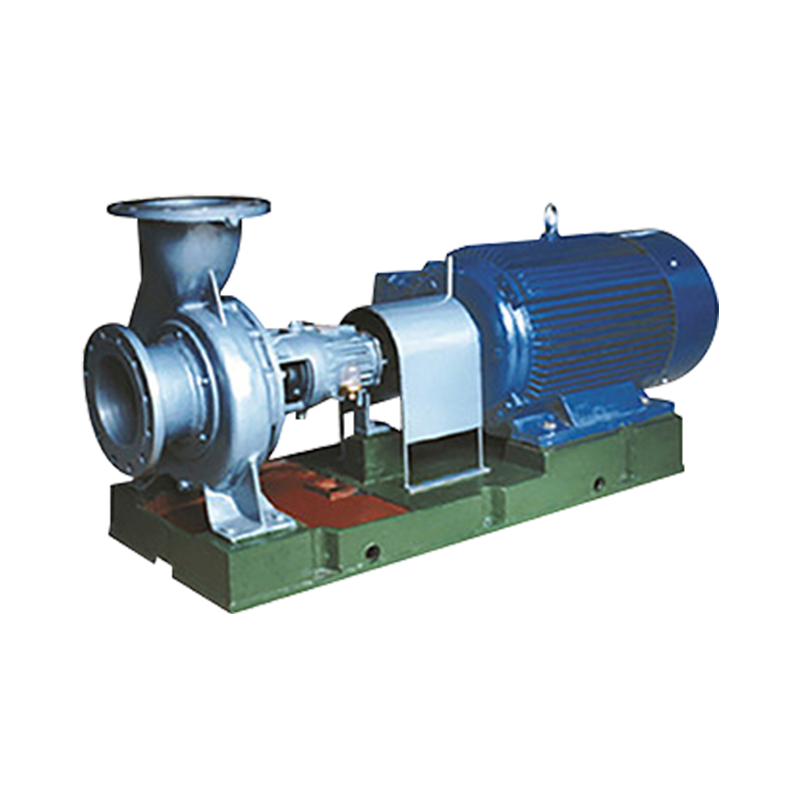 ZA Petrochemical Process Pump for Abrasive Cement SlurryThe ZA pump handles high-density mixtures with its oversized shaft and heavy-duty bearings. Its wetted parts can be selected from different materials to match the slurry's composition, making it reliable for cement slurry transport over long distances.View Product →
The ZA petrochemical process pump provides a useful example. Its oversized shaft and heavy-duty bearing arrangement support the radial loads generated when pumping a high-density mixture. Different wetted-part material options allow the user to match the pump to the slurry's composition and temperature. Centrifugal pumps are most suitable when the cement slurry is relatively thin and must be moved over moderate to long pipeline distances.
The principal operating constraint is maintaining flow velocity above the settling threshold. In a typical 100 mm pipeline, a minimum velocity of approximately 1.2 m/s is required to keep cement particles in suspension. If the pump runs below this point, particles drop out in the discharge pipe, causing progressive blockage and increasing the pressure required to maintain flow.
The progressive cavity pump, also known as a screw pump, solves the settling problem in a different way. A helical rotor turns inside a matching elastomer stator, forming sealed cavities that travel from the suction side to the discharge side. The positive displacement action allows the pump to push thick, high-solids slurries at a steady rate, and the gentle movement preserves the slurry's consistency without breaking down the cement paste.
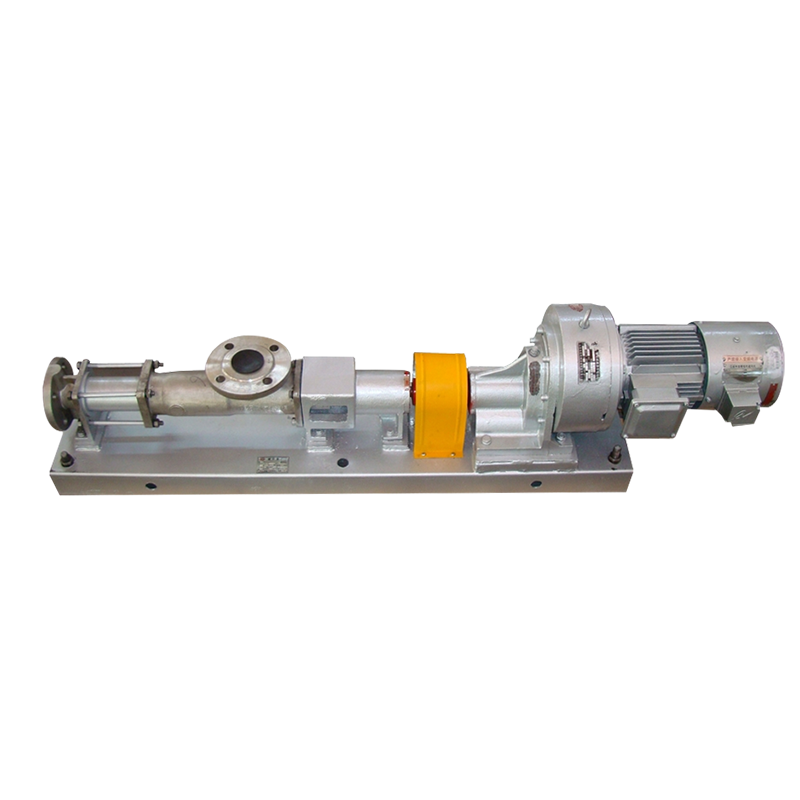 G-Type Screw Pump for Viscous and Solid-Laden Cement SlurryThe G-type screw pump uses a helical rotor and elastomer stator to move cement slurry gently. Its low-speed operation reduces wear and extends stator life, making it ideal for thick, high-solids slurries.View Product →
The G-type screw pump is designed specifically for viscous, solid-laden media. The choice of stator elastomer is critical, because cement slurry at certain temperatures and with certain additives can swell or degrade the rubber. The rotor can be hardened to extend wear life. A key advantage of this pump type is lower speed operation: lower rotor speed reduces the abrasive wear rate per revolution, which translates into longer intervals between stator replacement.
Progressive cavity pumps are the preferred option when slurry viscosity is high or when the solids concentration is significant. Their major limitation is sensitivity to dry running, because the stator depends entirely on the slurry for lubrication, and even a few seconds of dry operation can permanently damage the elastomer.
On many construction sites, the pump sits above the slurry source. A self-priming pump automatically evacuates air from the suction line and can re-prime if the liquid level drops. This capability makes it a practical choice for trailer-mounted units or skids that are moved between jobs.
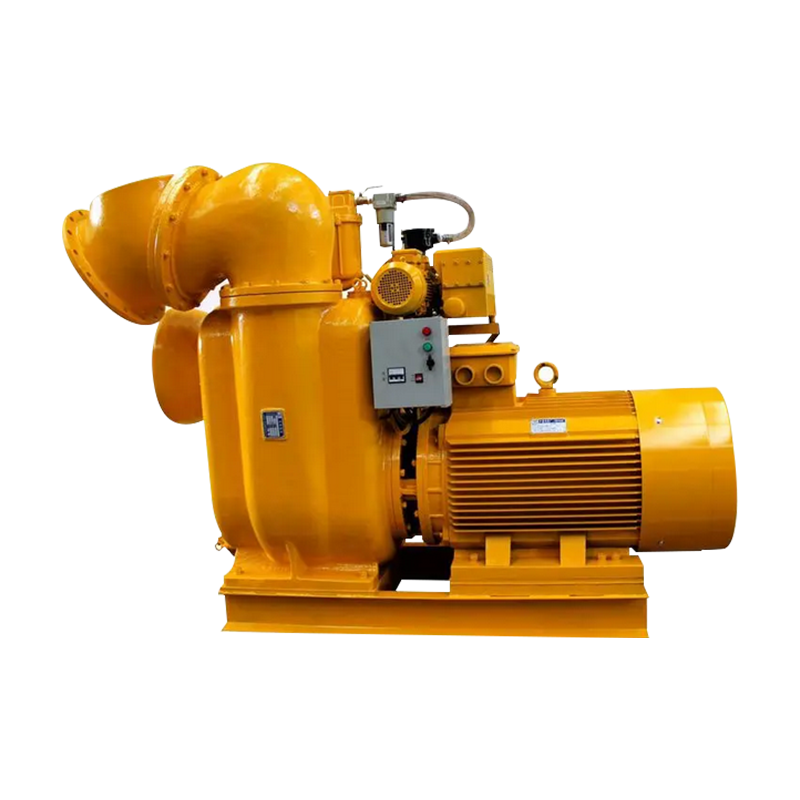 Strong Self-Priming Pump for Reliable Site Slurry TransferThis self-priming pump automatically evacuates air and re-primes, making it suitable for trailer-mounted or skid units. It handles solid-laden slurries, though attention to suction line clearing is needed to prevent blockage during startup.View Product →
The strong self-priming pump handles both the startup and the solid-laden media requirements. It is well suited for trench dewatering, grout transfer, and mixing operations where a reliable restart after interruption is important. The user should still pay attention to the suction line, which can fill with settled slurry before startup and block the re-priming cycle.
In summary, centrifugal pumps win on cost and flow rate, progressive cavity pumps win on viscosity and solids handling, and self-priming units win on operational flexibility. The process engineer's task is to rank these priorities for the specific job.
The table below summarizes the essential parameters that should be communicated to the pump supplier before a cement slurry pump is selected. Each parameter directly influences hydraulic performance, component loading, and service life.
| Parameter | Impact on Performance | Practical Guideline |
|---|---|---|
| Flow rate | Determines the pump size and the pipeline velocity. | Maintain a discharge velocity above 1.2 m/s to keep solids suspended. |
| Total head | Sets the pressure the pump must develop to overcome friction and elevation losses. | Add a 10 to 15 percent margin when slurry density exceeds 1.4 kg/L. |
| Slurry density | Directly affects the power requirement and the load on the pump shaft. | Calculate motor power using the slurry density, not water density. |
| Solids content | Governs the wear rate and the risk of clogging. | For solids above 40 percent by weight, consider a positive displacement pump or an open-impeller design. |
| Particle size | Determines the maximum passage requirement of the pump. | The pump must allow passage of at least three times the largest particle diameter. |
| Temperature | Affects seal selection and elastomer compatibility. | Above 80 C, use a mechanical seal with a flush and a heat-resistant elastomer. |
One critical general rule is to confirm the slurry properties with a representative sample before procurement. Viscosity and settling behavior change dramatically with different cement-to-water ratios. A slurry that looks like milk can become a thick paste when the water content drops by a few percentage points, and that difference shifts the optimal pump type. For a deeper look at how viscosity and solid limits affect progressive cavity pump choice, see this article on maximum viscosity and solid limits of screw pumps.
The following problems occur frequently in cement slurry pump installations. Each can be prevented with good selection and maintenance practices.
These failure modes are not random events. They are consequences of operating the pump outside the envelope it was designed for. By defining the slurry properties accurately and applying the pump at its best efficiency point, most of these issues can be avoided.
Cement slurry pumps appear in a variety of industrial settings, each with its own requirements.
For reliable long-term operation, adopt a few practical habits. Flush the pump with fresh water after each run. Monitor the discharge pressure trend, because a gradual rise often indicates scale or clogging in the pipe. Inspect the impeller and casing liner for wear at scheduled maintenance intervals and replace parts before they fail. Verify shaft alignment at installation and never allow the pump to run dry, especially for progressive cavity units.
When cement slurry must be moved at high pressure and elevated temperature, the pump's construction details matter. A review of pump performance in high-pressure and high-temperature conditions provides a useful reference for specifying a unit that will hold up under these demanding circumstances. The casing material, seal type, and bearing assembly design all contribute to the pump's ability to operate safely at the intended duty point.
The right cement slurry pump is determined by the slurry's viscosity, solids content, particle size, and the required flow rate and discharge pressure. Centrifugal pumps handle large flow rates of thinner slurries economically. Progressive cavity pumps move thick pastes steadily without clogging. Self-priming pumps provide operational flexibility at temporary or mobile installations. The selection process must be based on the slurry's actual properties, and the pump must be operated within the design flow and speed range that those properties dictate.
Provide the pump manufacturer with the full picture of your slurry: density, solids concentration, temperature, and particle size distribution. Combined with the manufacturer's experience in chemical and process pump design, this information is the foundation that produces a cement slurry pump with a long, trouble-free service life.
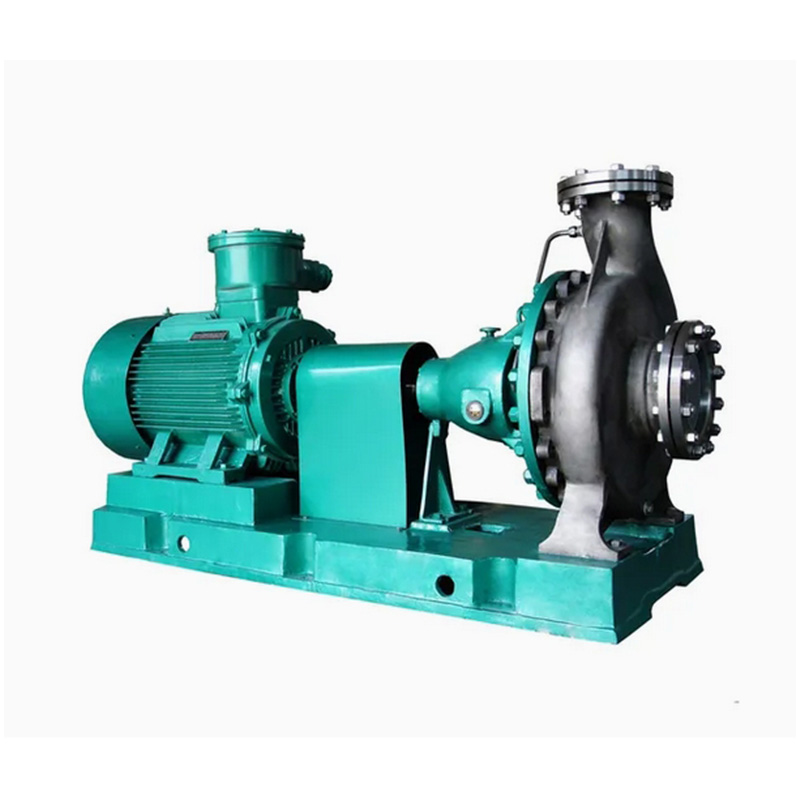
1. Performance range of CZ type chemical pump (according to design point) Flow: Q 1.6-1500m3/h Lift: H 5-125m Working pressure: P less than or equal t...
See Details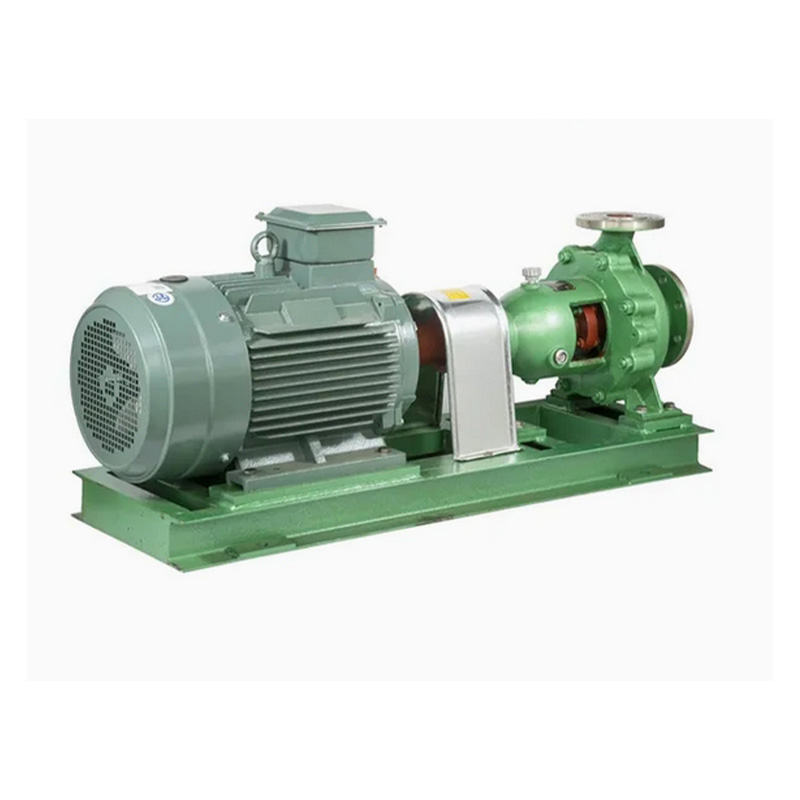
The IH type chemical centrifugal pump is a single-stage single-suction (axial suction) cantilever centrifugal pump, which is used to transport liquids...
See Details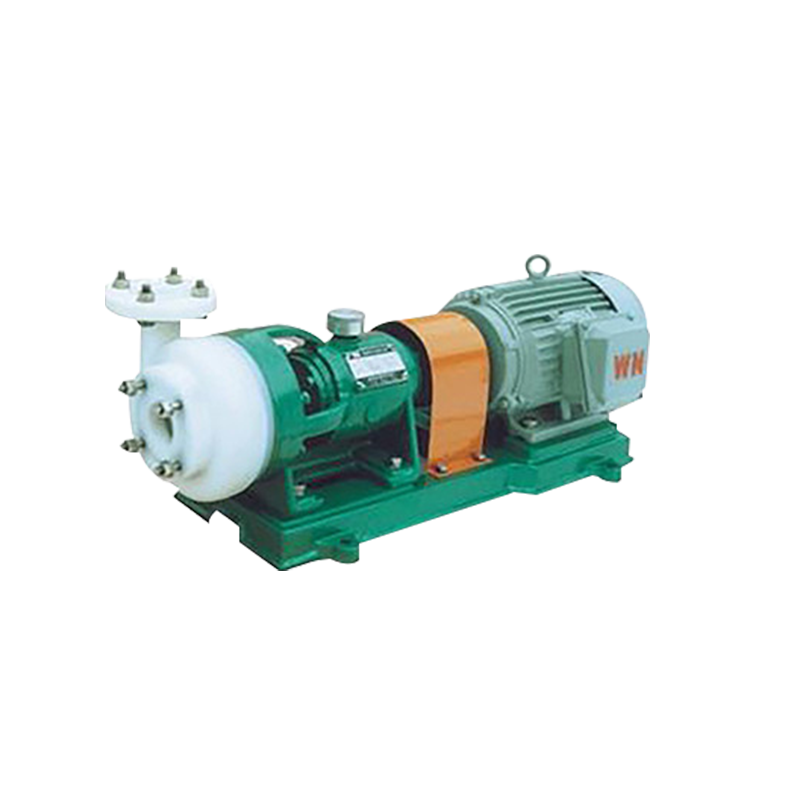
FSB fluoroplastic pump overview FSB-type fluoroplastic alloy pump is designed according to international standard dimensions. The pump body is organic...
See Details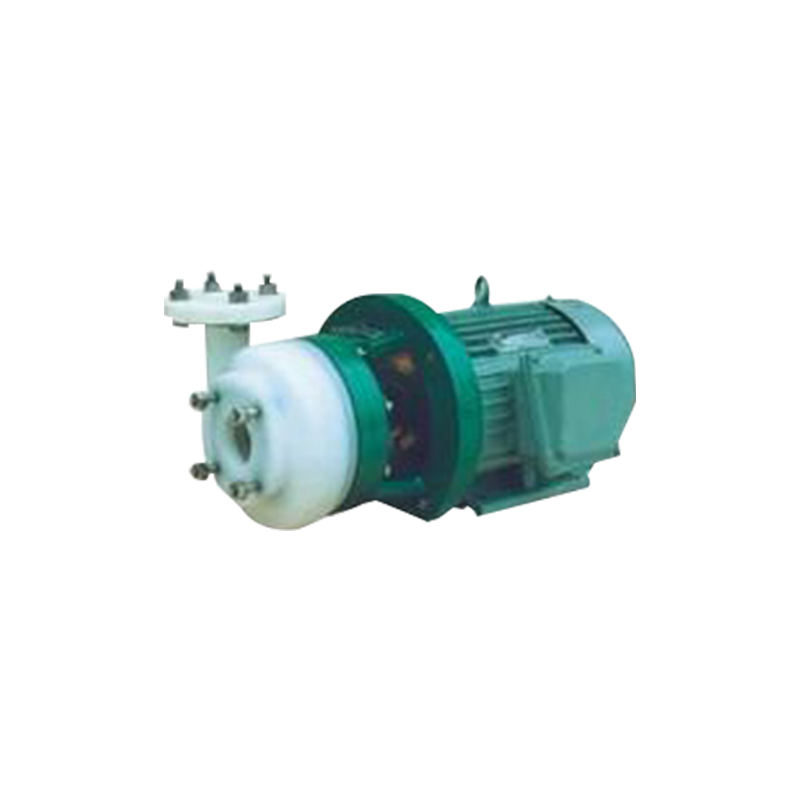
FSB fluoroplastic pump overview The FSB-type fluoroplastic alloy pump is designed according to international standard dimensions. The pump body is org...
See Details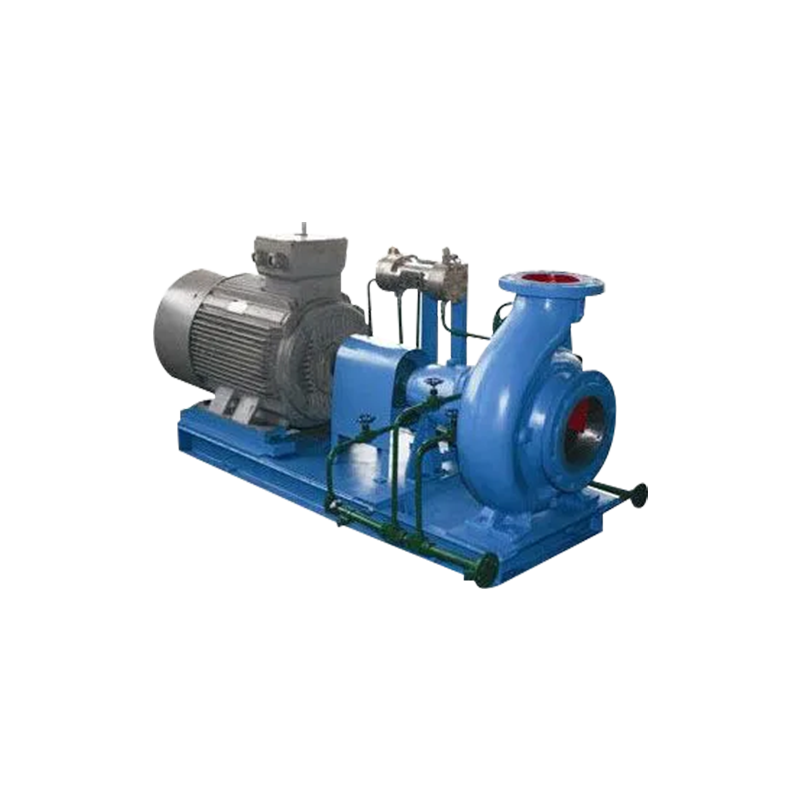
HPk hot water circulation pump adopts the patented technology of a low specific speed centrifugal pump, which is developed on the basis of absorbing a...
See Details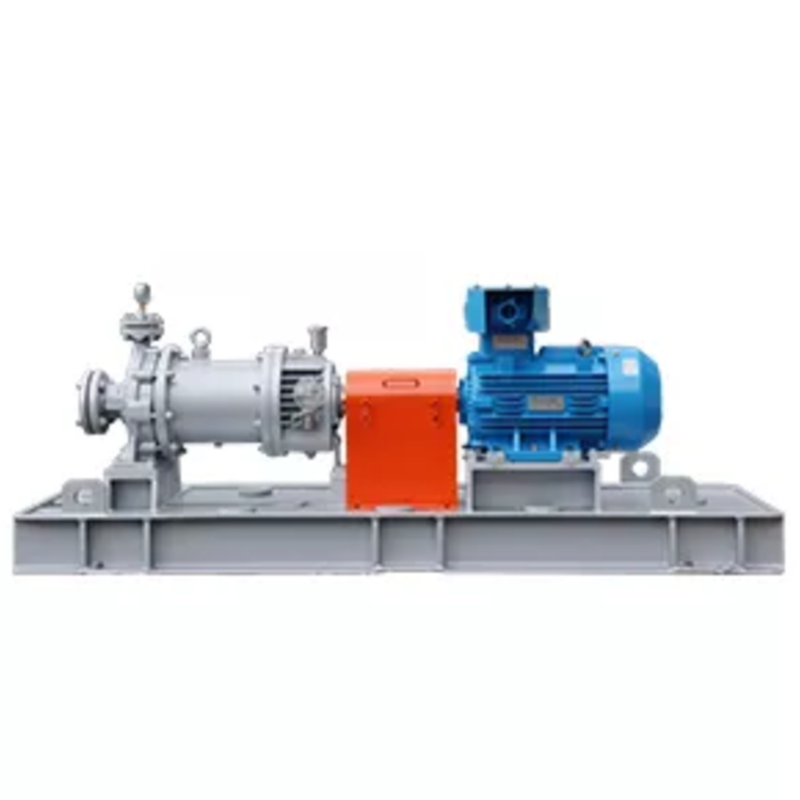
Performance Range: · Diameter: DN25~DN400 · Flow Rate: Up to 2000 m³/h · Head: Up to 250 m · Power: Up to 560 ...
See Details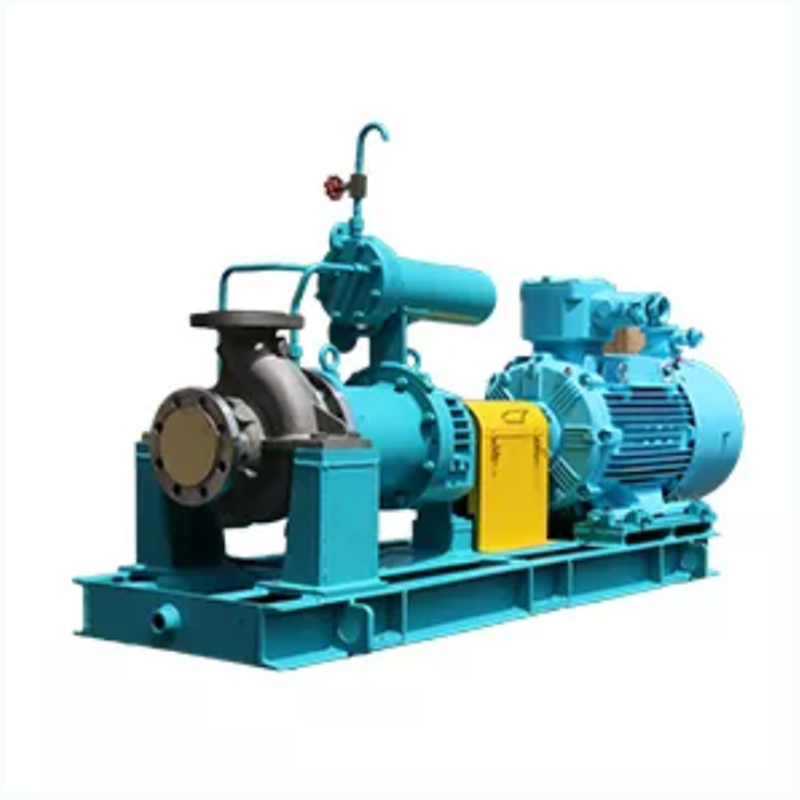
Performance Range: · Diameter: DN25~DN400 · Flow Rate: Up to 2000 m³/h · Head: Up to 200 m · Temperature Limit...
See Details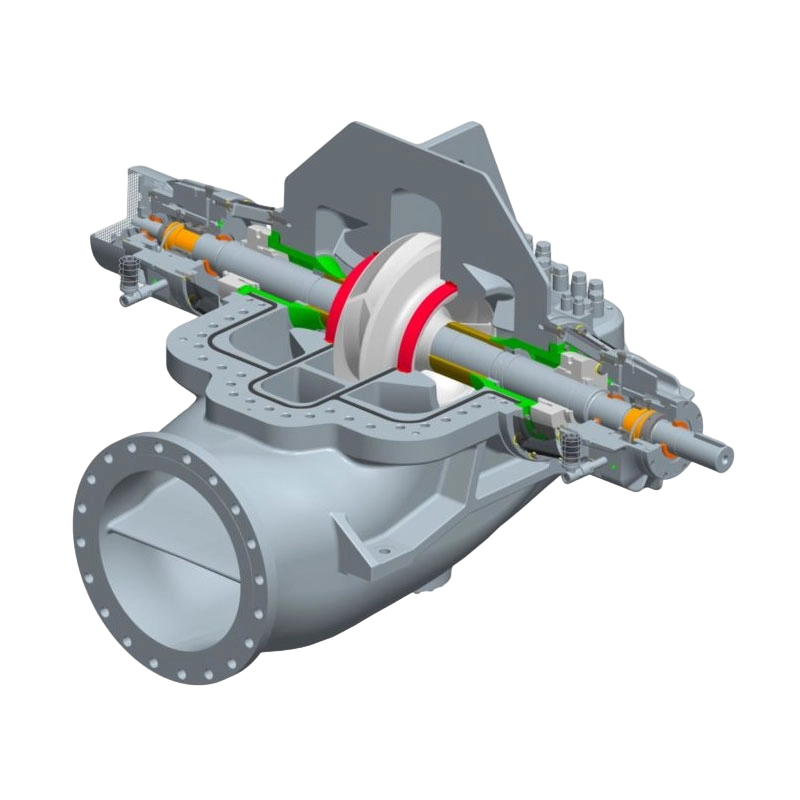
Our standard API 610 BB1 pumps are horizontally mounted, single-stage, double-suction units with an axially split casing between bearings. The pump an...
See Details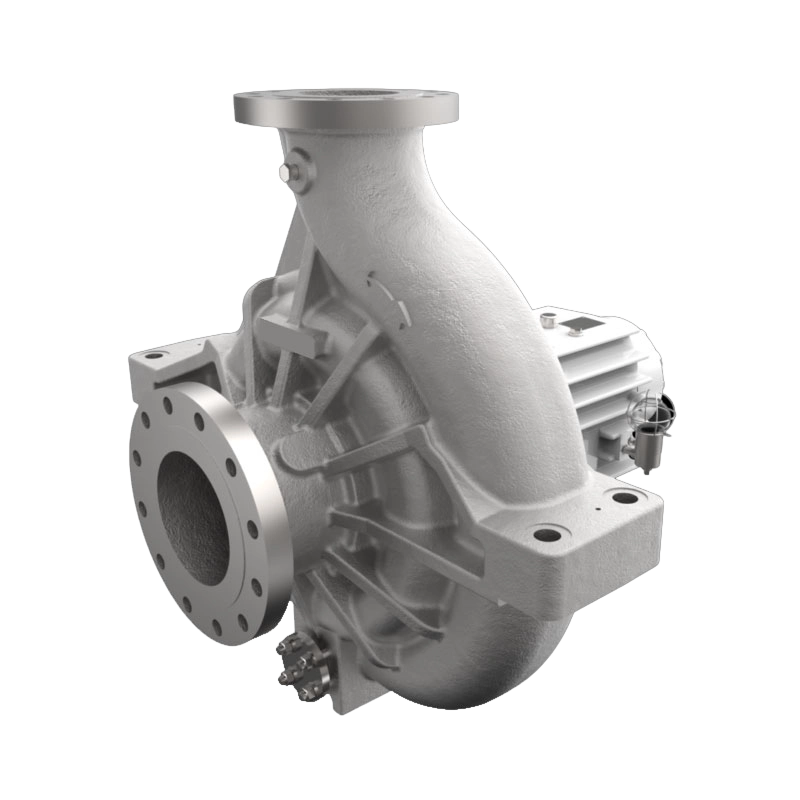
Our standard API 610 OH2 pumps are centerline-supported, single-stage, overhung units with an integrated bearing housing. The pump and motor are flexi...
See Details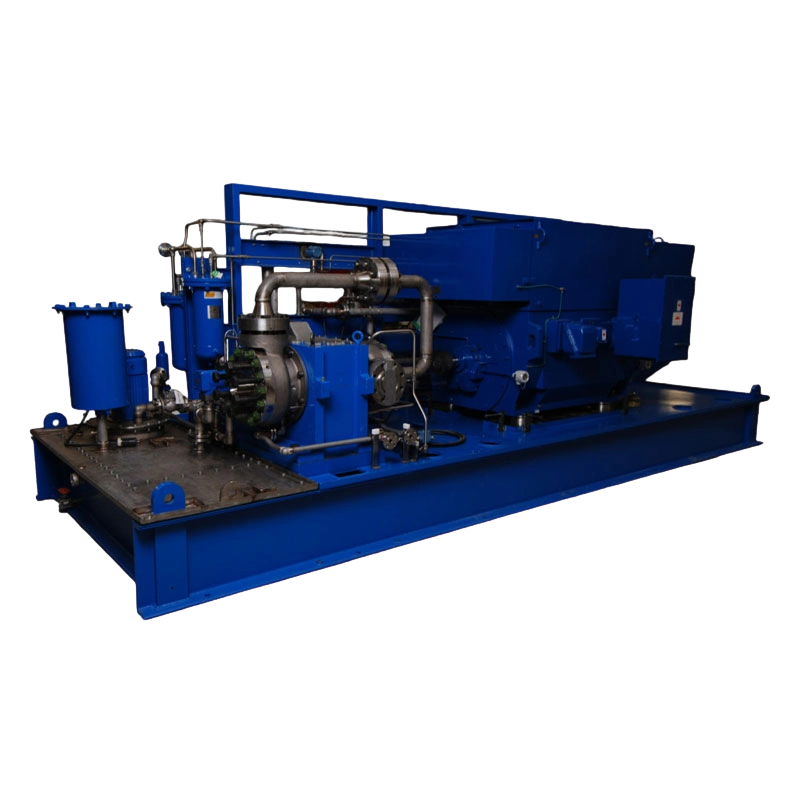
Our API 610 OH6 pumps represent a heavy-duty, multi-stage solution with an integrally geared design. Engineered for exceptional reliability, these pum...
See DetailsCopyright © Welcome to Chemical Pump Factory - Jiangsu Feixiang Pump Manufacturing All rights reserved. Chemical Pumps Manufacturers

 +86-18052670932
 +86-0523-84326888
 No. 35, Xinqiao Middle Road, Xinqiao Town, Jingjiang City, Jiangsu Province, China