

 en
en  русский
 Español
ZA Petrochemical Process Pump
Cat:Chemical Process Pump
1. OverviewZA and ZAO petrochemical process pumps are designed according to AP1610 and VDMA24297 (light/medium duty) specifications. 2. Application sc...
See DetailsContent
Every chemical plant has a pump that is running hot, seeping at the seal, or losing capacity months after installation. The root cause is rarely the pump itself; it is a specification built on incomplete process data. Acid concentration is a few points higher than assumed, catalyst fines enter the feed, or a steam-out cycle pushes the seal beyond its rated temperature.
The working rule for chemical industry pumps is simple. Match the pump type to the fluid, match the wetted materials to the corrosion mechanism, and match the design to the full operating envelope. When those three align, a pump runs for years between overhauls. When one is neglected, no spare-parts budget will save it.
Most chemical pumps are single-stage centrifugal machines. They are generally not self-priming, so they operate with a flooded suction or a small priming system, and they deliver steady flow at a stable discharge pressure. That simplicity is why they dominate transfer, circulation, and process-feed duties in chemical and petrochemical plants.
What separates a chemical pump from a general-purpose water pump is not hydraulics. It is the way the machine handles three threats at once: corrosion of wetted parts, leakage of the pumped fluid, and operation outside the intended pressure-temperature envelope. The identity of a chemical pump is therefore defined by its material specification, its sealing arrangement, and the margin between the rated duty point and the limits of the process.
Dimensional and hydraulic standards also matter. Many chemical process pumps follow ISO 2858 or the earlier DIN 24256, which simplifies maintenance and spare-part stocking. For heavy refinery and petrochemical service, API 610 pumps provide thicker casings, more robust bearing frames, and stricter rotor dynamics.
Four pump families cover most chemical plant duties: centrifugal process pumps, magnetic drive pumps for leak-free service, axial flow pumps for high-flow low-head circulation, and screw pumps for viscous or shear-sensitive fluids. Diaphragm pumps appear in dosing and small-volume transfer applications.
| Pump type | Operating principle | Best-suited duties | Key limitations |
|---|---|---|---|
| Centrifugal process pump | Impeller accelerates the fluid; casing converts velocity into pressure | Chemical transfer, process feed, circulation, loading and unloading | Needs flooded suction; viscosity limited to roughly 150-200 cSt |
| Axial flow pump | Propeller moves the fluid parallel to the shaft | Evaporation and crystallization circulation, cooling water, molten salt loops | Low differential head; high-flow piping required |
| Magnetic drive pump | Impeller driven through a magnetic coupling; no shaft seal | Toxic, volatile, or expensive fluids requiring zero leakage | Must not run dry; solids load must be minimized |
| Screw pump | Rotor turns inside an elastomer stator, displacing fluid positively | Viscous media, slurries, shear-sensitive products | Stator temperature limit; dry running damages the elastomer |
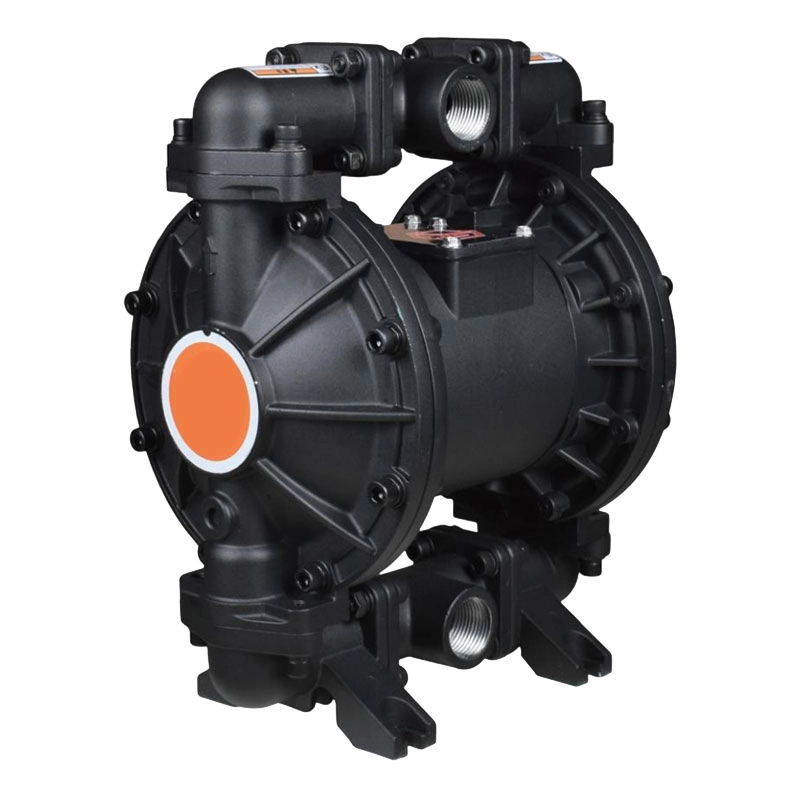
| Diaphragm pump | Flexible diaphragm displaces fluid with reciprocating motion | Dosing, small-volume transfer, aggressive chemicals | Pulsating flow; limited capacity and pressure |
Centrifugal pumps remain the workhorses. For a clean or mildly aggressive process fluid, a standardized model such as the CZ standard chemical process pump offers a practical balance of hydraulic performance, parts availability, and maintenance cost. It covers the flow and head ranges required by most transfer, circulation, and feed duties, and it can be built with the wetted materials and sealing arrangements needed for moderately corrosive service.
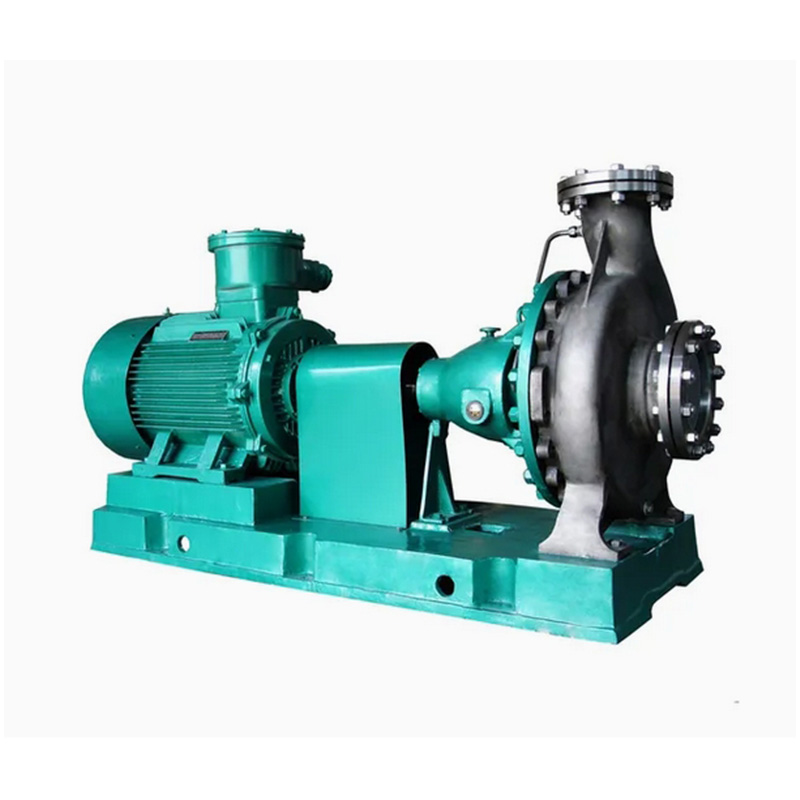 CZ Standard Chemical Process Pump Manufacturers, Factory - Jiangsu Feixiang PumpJiangsu Feixiang Pump is china CZ Standard Chemical Process Pump Manufacturers and Wholesale CZ Standard Chemical Process Pump Factory, 1...View Product →
Axial flow pumps earn their place wherever very large volumes circulate at low head. Evaporator and crystallizer loops are the classic example: the pump moves the liquor continuously through the heating surface, and the differential pressure is modest even at very high flow. In that duty, they are far more efficient than a centrifugal pump forced to run near the low-head end of its curve.
Corrosion is the most common reason a chemical pump is removed from service early. Wetted materials must be matched to the actual fluid, concentration, and temperature, not to the vendor's default option. Cast iron suits only benign fluids such as cooling water. Stainless steel grades like 316L handle neutral and mildly corrosive chemicals; duplex and super-duplex alloys add resistance to chlorides and stress corrosion cracking. For strong mineral acids, hot alkalis, and halogens, high-nickel alloys, alloy 20, or titanium are the usual answer, at two to five times the cost of stainless steel.
Fluoropolymer-lined pumps offer a different route to the same goal. A PTFE, PFA, or ETFE liner covers the metal casing and impeller, so the pressure boundary keeps its mechanical strength while the liner takes the chemical attack. That is why the IHF lined fluorine centrifugal pump is a standard choice for hydrochloric acid, chlorine-based oxidizers, plating solutions, and other media that would quickly corrode stainless steel. The trade-off is temperature: most fluoropolymer liners are rated to roughly 120-150°C, and they tolerate rapid thermal cycling less well than all-metal construction.
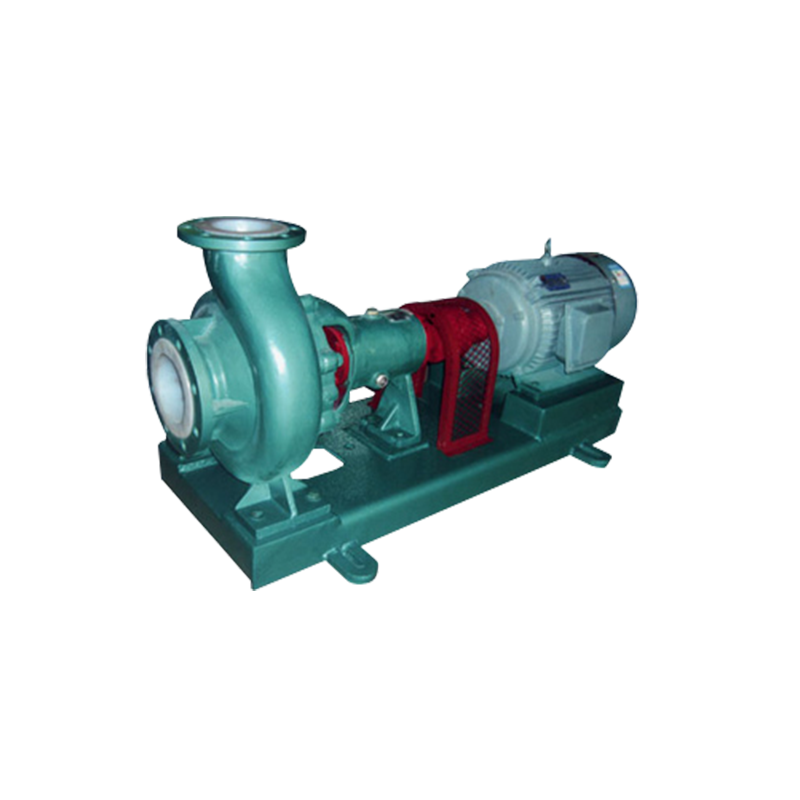 IHF Lined Fluorine Centrifugal Pump Manufacturers, Factory - Jiangsu Feixiang PuJiangsu Feixiang Pump is china IHF Lined Fluorine Centrifugal Pump Manufacturers and Wholesale IHF Lined Fluorine Centrifugal Pump Factor...View Product →
Solids add another dimension. Catalyst fines, precipitated crystals, and scale particles act like lapping compound on the impeller and casing. Hard-facing, thicker casing sections, and lower impeller tip speeds extend life, but the more robust answer is often a different pump type, such as a slurry pump or a screw pump with a wear-resistant stator.
Temperature affects pump selection in three ways at once. It reduces the strength of wetted materials and accelerates corrosion; it raises the vapor pressure of the fluid, shrinking the NPSH margin and increasing cavitation risk; and it stresses seals, gaskets, and elastomers. A seal that works well at 20°C can fail within weeks at 150°C.
Heat transfer fluids are a typical case. Thermal oil systems usually run at 200-350°C, so the pump must absorb thermal expansion, keep the seal housing cool, and maintain bearing lubrication. A dedicated AY high-temperature hot oil centrifugal pump is built for these conditions, with a vented or cooled seal chamber and a bearing frame designed for thermal growth. For hot water circulation, an HPK hot water circulation pump is a simpler alternative.
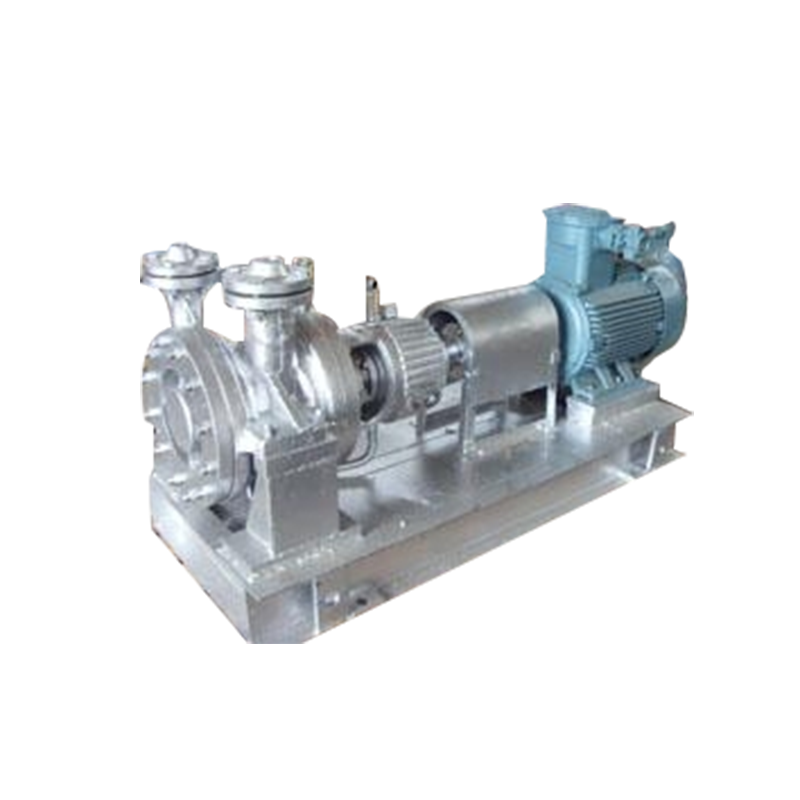 AY High Temperature Hot Oil Centrifugal Pump Manufacturers, Factory - Jiangsu FeJiangsu Feixiang Pump is china AY High Temperature Hot Oil Centrifugal Pump Manufacturers and Wholesale AY High Temperature Hot Oil Centr...View Product →
At the heavy end, refinery and petrochemical processes require pumps that hold high pressure and high temperature at the same time. Heavy-duty process pumps in this class use reinforced casings, larger flanges, and more robust bearing supports, usually built to API standards. The most common operational problem in hot service remains cavitation: if the available NPSH is marginal at operating temperature, the pump loses head and the impeller erodes quickly. Suction-side piping deserves as much design attention as the pump itself.
Leakage is a safety and compliance matter, not just a maintenance nuisance. The shaft seal is the weakest point of any rotating pump. The options range from gland packing, which is simple but leaks intentionally, to single mechanical seals, double seals with a barrier fluid, and sealless designs.
For toxic, volatile, or expensive fluids such as chlorine, hydrogen fluoride, or organic solvents, a magnetic drive pump removes the shaft seal entirely. The impeller is driven through a magnetic coupling and a containment shell, so no leak path exists along the shaft. Magnetic pumps must not run dry, and the fluid should be relatively clean, because internal clearances are tight. The containment shell, magnets, and internal bearings matter as much as the hydraulics; choosing the right materials for magnetic pumps in corrosive and abrasive environments covers the main pitfalls and how to avoid them.
Collect the following process data before finalizing any pump specification, because each item changes the design:
Then compare lifetime cost rather than purchase price. Impeller and lining life, seal replacement intervals, energy consumption, and parts availability usually outweigh the initial quote. Oversizing to cover an undefined worst case costs energy for the entire service life.
Finally, discuss the duty data with the manufacturer. A pump maker that builds both fluoropolymer-lined and heavy-duty metallic pumps can narrow the options quickly when it receives complete process conditions, and that is far cheaper than replacing a pump selected on an incomplete picture.
Chemical industry pumps are not exotic equipment; they are engineered responses to corrosion, temperature, pressure, and leakage. When the process conditions are documented honestly and the pump is selected against the real envelope, maintenance intervals become predictable and production stays on schedule.
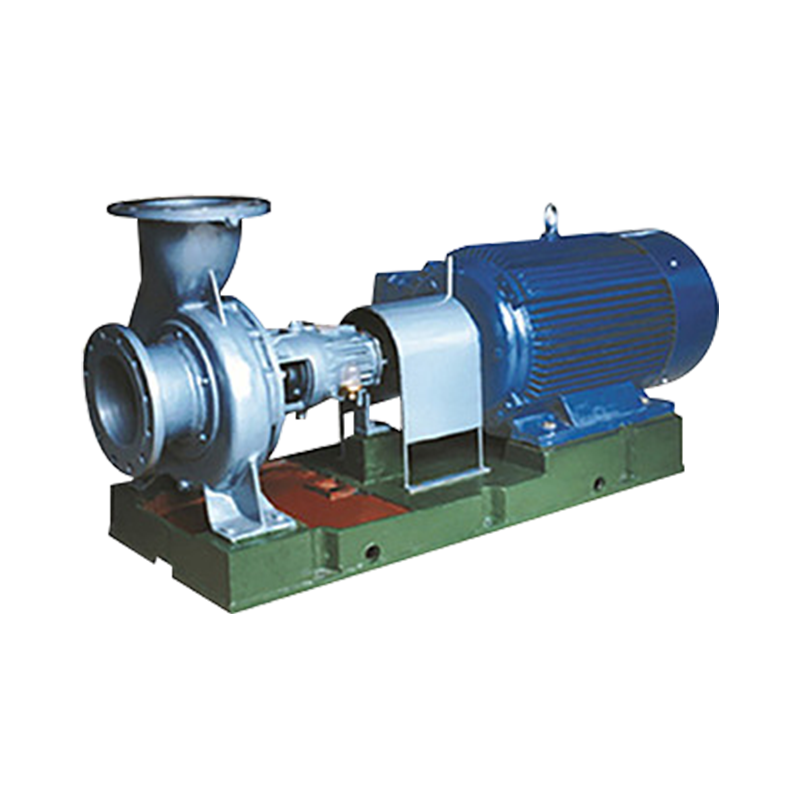
1. OverviewZA and ZAO petrochemical process pumps are designed according to AP1610 and VDMA24297 (light/medium duty) specifications. 2. Application sc...
See Details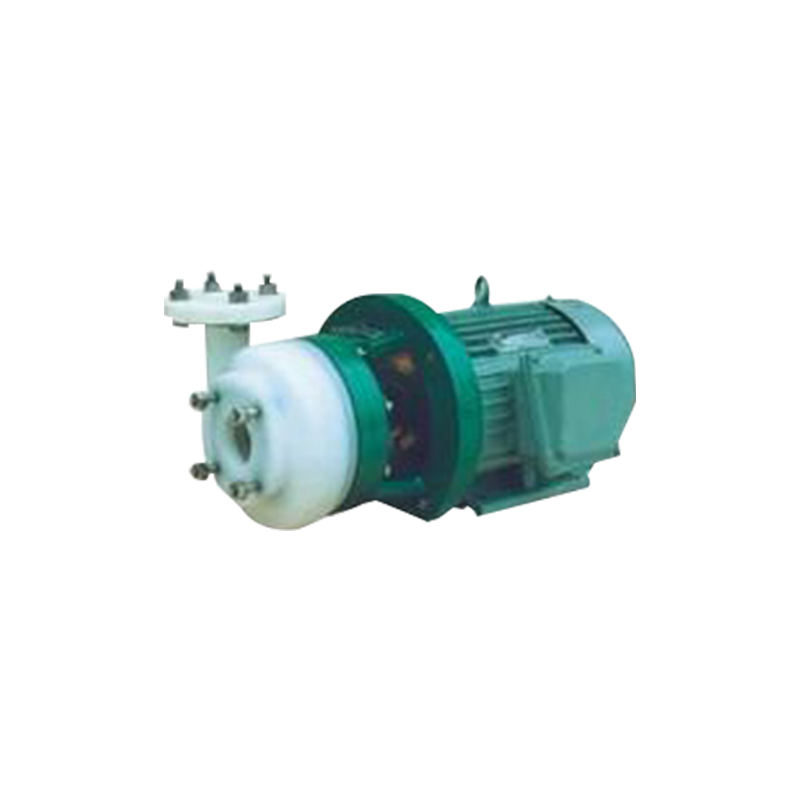
FSB fluoroplastic pump overview The FSB-type fluoroplastic alloy pump is designed according to international standard dimensions. The pump body is org...
See Details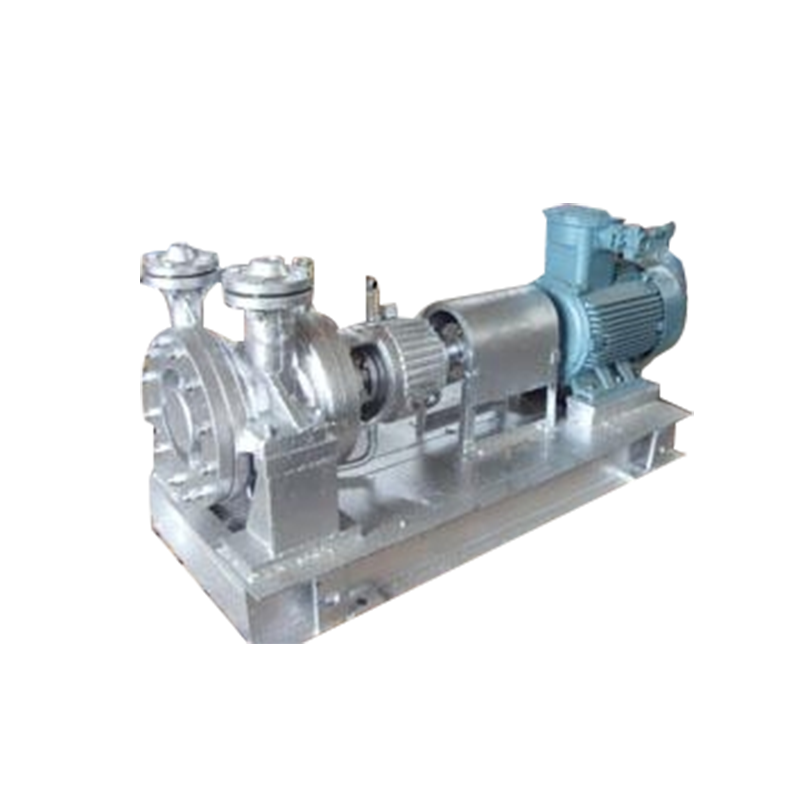
AY type oil pump is divided into two structural forms: single-stage single-suction cantilever type, two-stage single-suction cantilever type, single-s...
See Details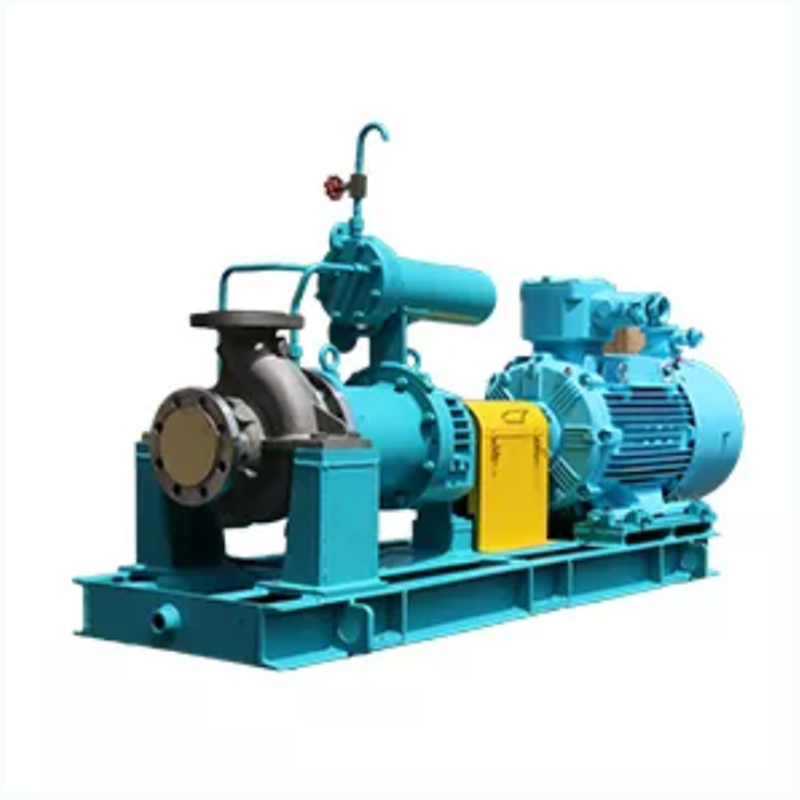
Performance Range: · Diameter: DN25~DN400 · Flow Rate: Up to 2000 m³/h · Head: Up to 200 m · Temperature Limit...
See Details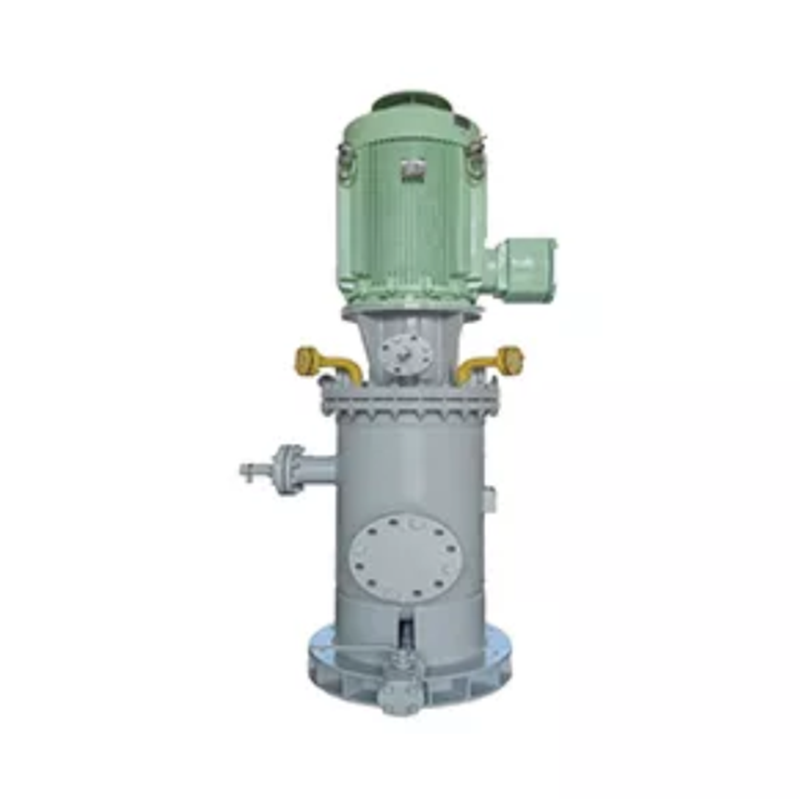
Performance Range: · Diameter: DN25~DN200 · Flow Rate: Up to 700 m³/h · Head: Up to 1000 m · Temperature Range...
See Details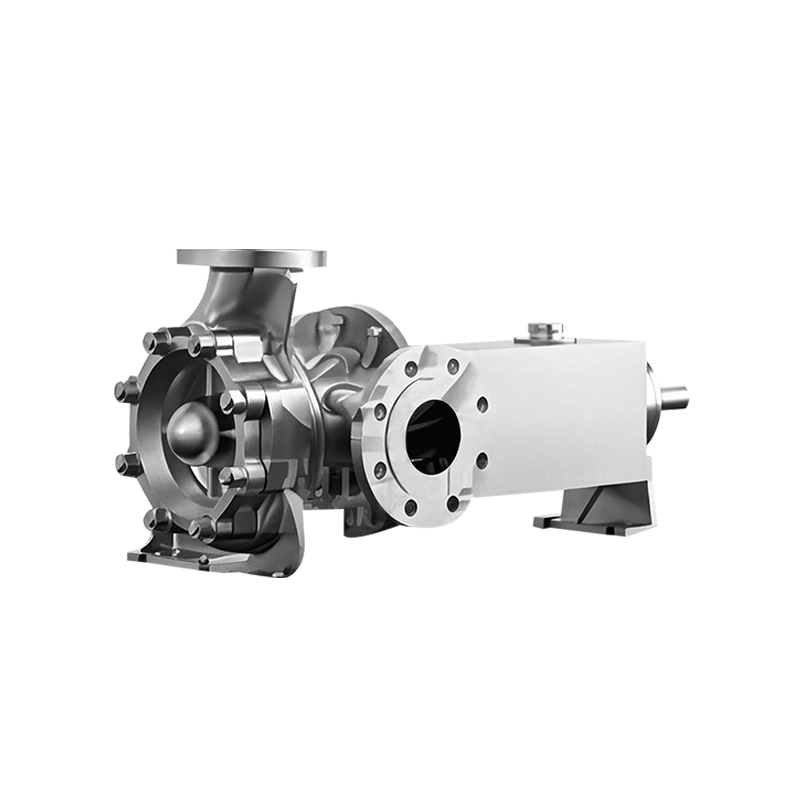
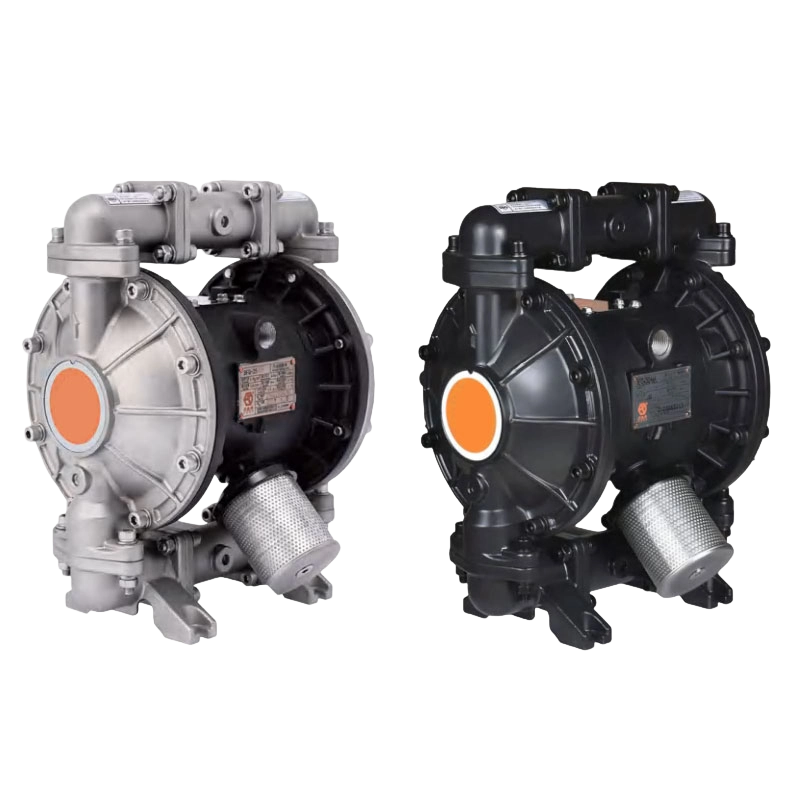
The filter press pump is a vertical, single-stage, single-suction, cantilever-type centrifugal pump, ingeniously crafted based on multiphase flow theo...
See Details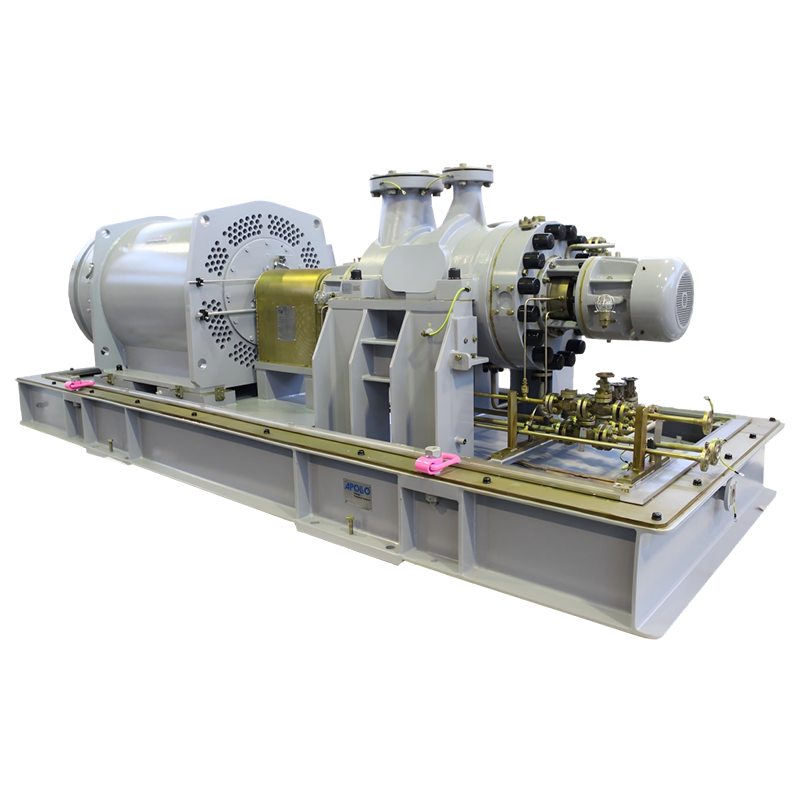
Our API 610 BB5 pumps feature a double-casing, radially split multistage configuration in a between-bearing barrel pump design. The pump and motor are...
See Details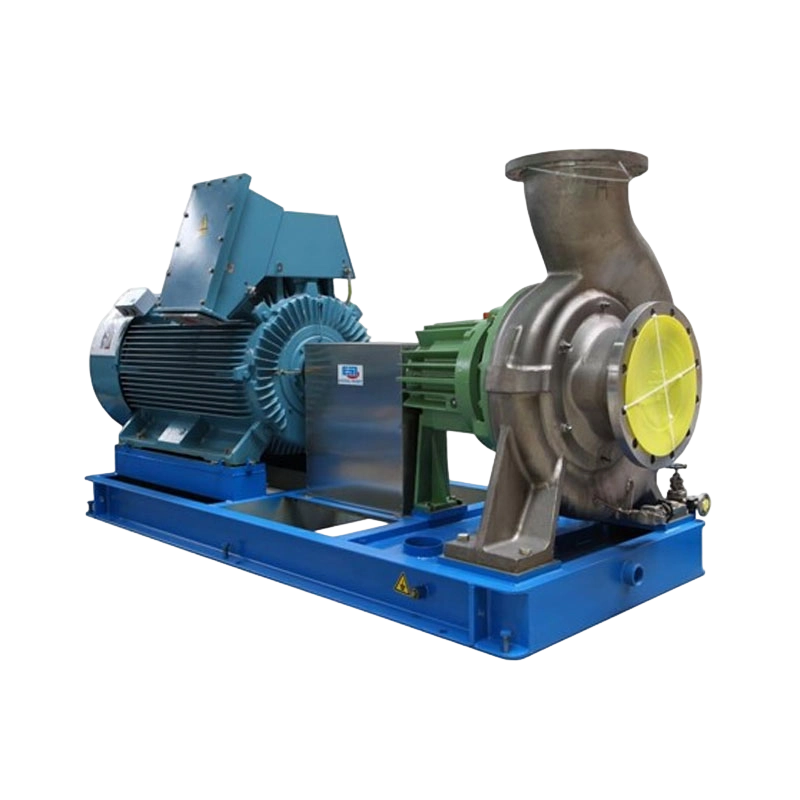
Our standard API 610 OH1 pumps are engineered as foot-mounted, single-stage, overhung units with a dedicated bearing housing. The pump and motor are f...
See DetailsCopyright © Welcome to Chemical Pump Factory - Jiangsu Feixiang Pump Manufacturing All rights reserved. Chemical Pumps Manufacturers

 +86-18052670932
 +86-0523-84326888
 No. 35, Xinqiao Middle Road, Xinqiao Town, Jingjiang City, Jiangsu Province, China