

 en
en  русский
 Español
OH1 Horizontal Magnetic Drive Pump
Cat:Magnetic Pump
Performance Range: · Diameter: DN25~DN400 · Flow Rate: Up to 2000 m³/h · Head: Up to 250 m · Power: Up to 560 ...
See DetailsContent
A self-priming pump is a type of centrifugal pump designed to evacuate air from its suction line and casing without requiring manual priming before each startup. Traditional centrifugal pumps cannot handle air — if air enters the casing, the impeller loses its ability to generate flow, a condition known as air-binding. Self-priming pumps solve this problem by incorporating a design that allows them to mix air with residual liquid, expel the air, and establish a vacuum that draws fluid up from the source automatically.
These pumps are widely used in applications where the pump is installed above the fluid source, where suction lines may be exposed to air, or where reliable automatic restart is essential. Industries such as wastewater management, agriculture, construction dewatering, marine bilge systems, and chemical processing depend on them daily.
Understanding how a self-priming pump works starts with knowing what makes it structurally different from a standard centrifugal pump. Several components work together to allow it to handle air and re-prime itself:
The self-priming cycle is an elegant process that unfolds in distinct stages. Here is exactly what happens from startup to full pumping operation:
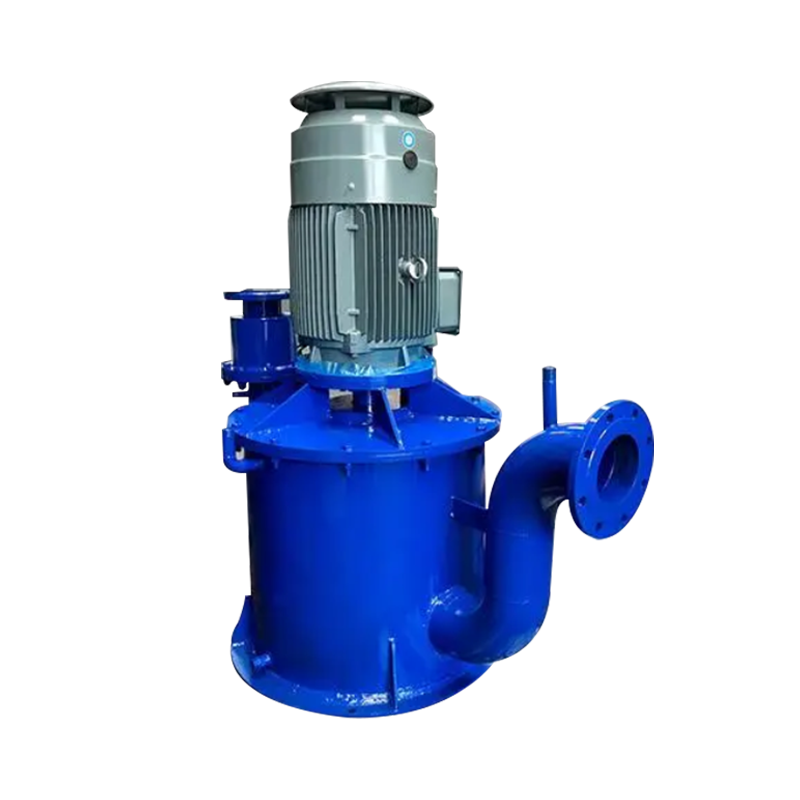
When the pump is first started, the priming chamber already contains a volume of liquid from the previous operation or from an initial manual fill. The impeller begins spinning and immediately acts on this liquid, creating a high-velocity flow within the casing.
As the impeller rotates, it draws air up from the suction pipe and mixes it with the liquid in the priming chamber. The kinetic energy of the impeller creates a turbulent mixture of air bubbles and liquid. This mixture is then flung outward by centrifugal force toward the discharge port.
At the discharge side, the air-liquid mixture enters a separation chamber or the volute, where the velocity drops and air naturally separates from the denser liquid. The air is expelled out through the discharge line, while the liquid falls back into the priming chamber via the recirculation port, ready to be used in the next mixing cycle.
As air is continuously removed from the suction pipe and casing, a partial vacuum develops on the suction side of the impeller. Atmospheric pressure acting on the surface of the liquid in the source pushes fluid up the suction pipe and toward the pump. This is the fundamental principle — the pump does not "suck" in a mechanical sense; atmospheric pressure does the work of pushing liquid up.
Once the suction line is fully flooded with liquid and all air has been expelled, the pump transitions into normal centrifugal pumping operation. Flow becomes steady, pressure builds to operating levels, and the priming chamber remains full, ready for the next startup cycle.
It is useful to understand the practical differences between these two pump types before choosing one for a specific application:
| Feature | Self-Priming Pump | Standard Centrifugal Pump |
| Air Handling | Can purge air automatically | Air causes immediate failure |
| Installation Position | Can be installed above fluid source | Usually must be below or at fluid level |
| Startup Requirement | Automatic after initial fill | Manual priming each time |
| Efficiency | Slightly lower overall efficiency | Higher hydraulic efficiency |
| Cost | Higher upfront cost | Lower upfront cost |
Even a well-designed self-priming pump can underperform or fail to prime if certain conditions are not met. The following variables significantly influence how quickly and reliably a pump achieves prime:
Self-priming pumps are chosen specifically when reliability and automatic operation are more important than maximizing hydraulic efficiency. Their most common use cases include:
The self-priming mechanism depends on the integrity of several components. Neglecting maintenance is the most common reason a pump loses its ability to prime. Key maintenance practices include:
A self-priming pump is a robust and versatile solution for any system where air ingestion, above-fluid installation, or unattended automatic operation is a requirement. By understanding the mechanics behind its priming cycle — from air-liquid mixing to vacuum formation — operators and engineers can make better installation decisions, troubleshoot failures faster, and extend the working life of the equipment considerably.
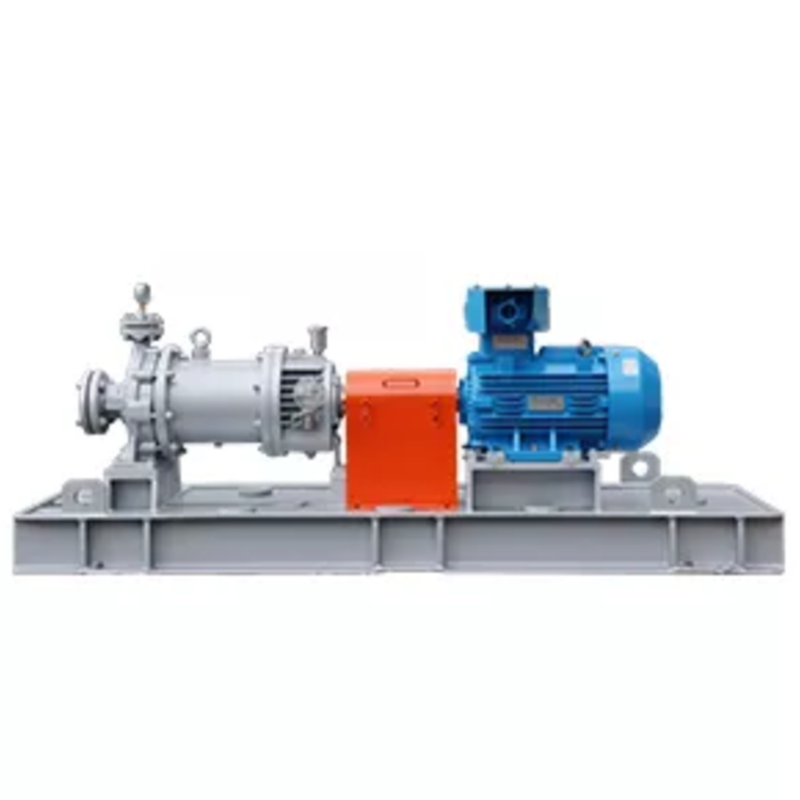
Performance Range: · Diameter: DN25~DN400 · Flow Rate: Up to 2000 m³/h · Head: Up to 250 m · Power: Up to 560 ...
See Details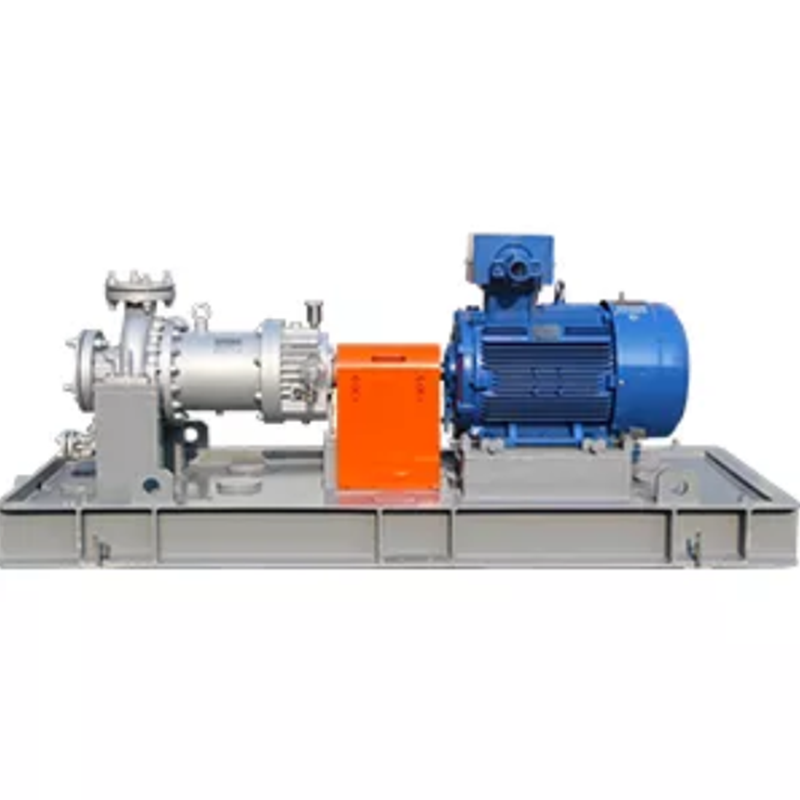
Performance Range: · Diameter: DN25~DN400 · Flow Rate: Up to 2000 m³/h · Head: Up to 250 m · Temperature Limit...
See Details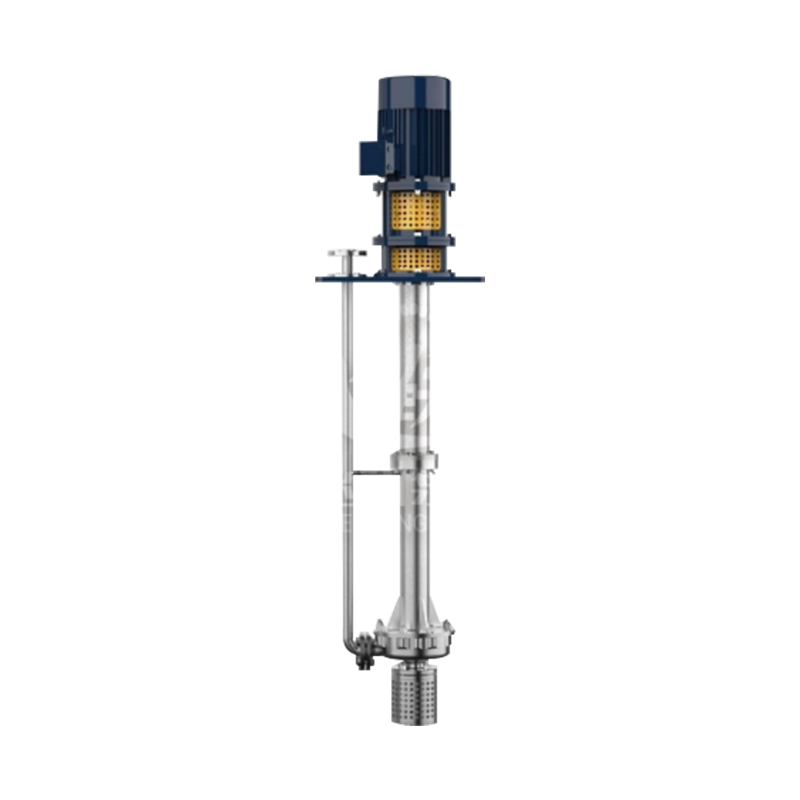
Overview The non-metallic vertical submerged pump is designed for handling corrosive media within a temperature range of 0°C to 120°C, free from solid...
See Details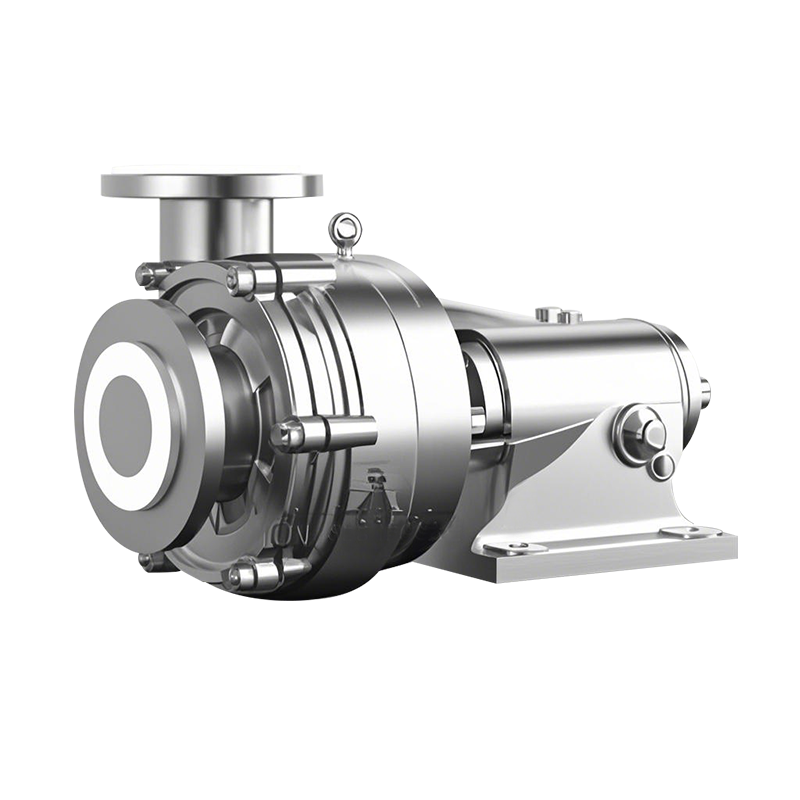
Slurry pumps are specialized equipment designed for transporting mixtures of liquids and solid particles, commonly known as slurries. These pumps are ...
See Details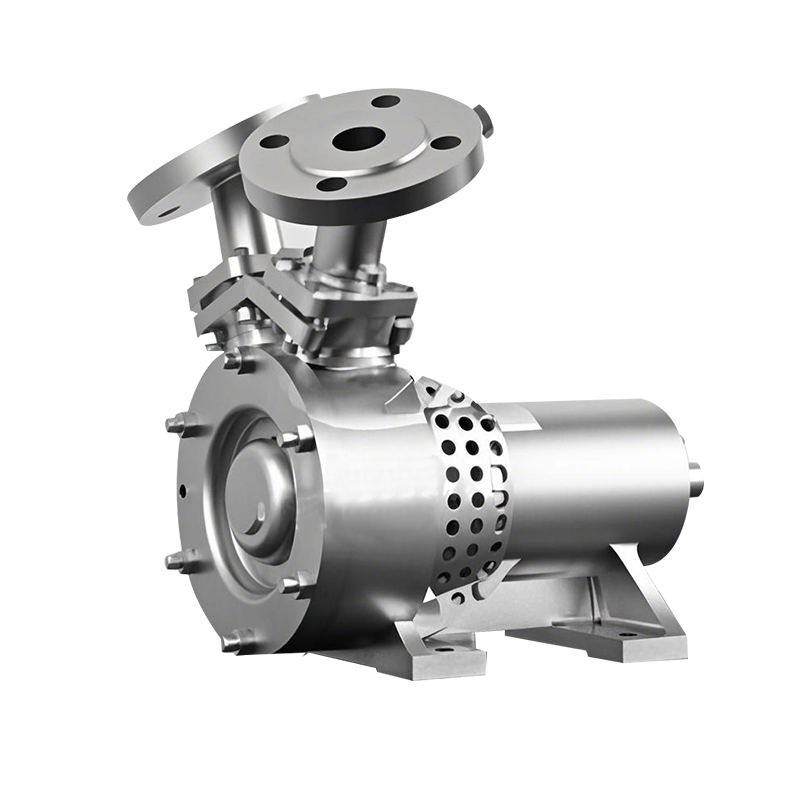
The vortex pump is compact in size yet capable of generating high pressure, making it an ideal choice for achieving miniaturization of equipment. It e...
See Details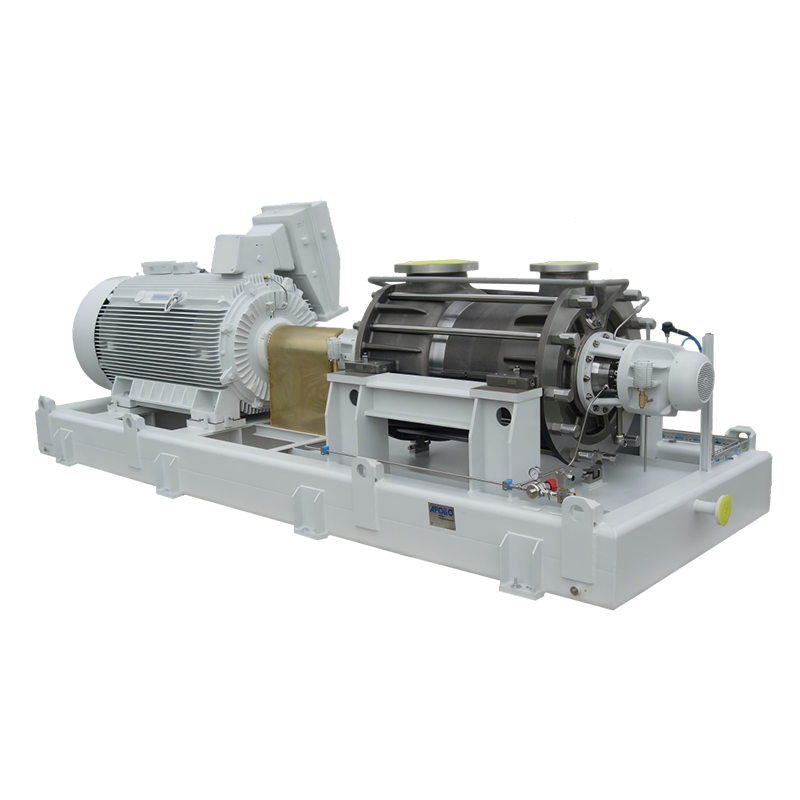
Our API 610 BB4 pumps are centerline-mounted, multistage units with radially split casings, available in both single and double suction configurations...
See Details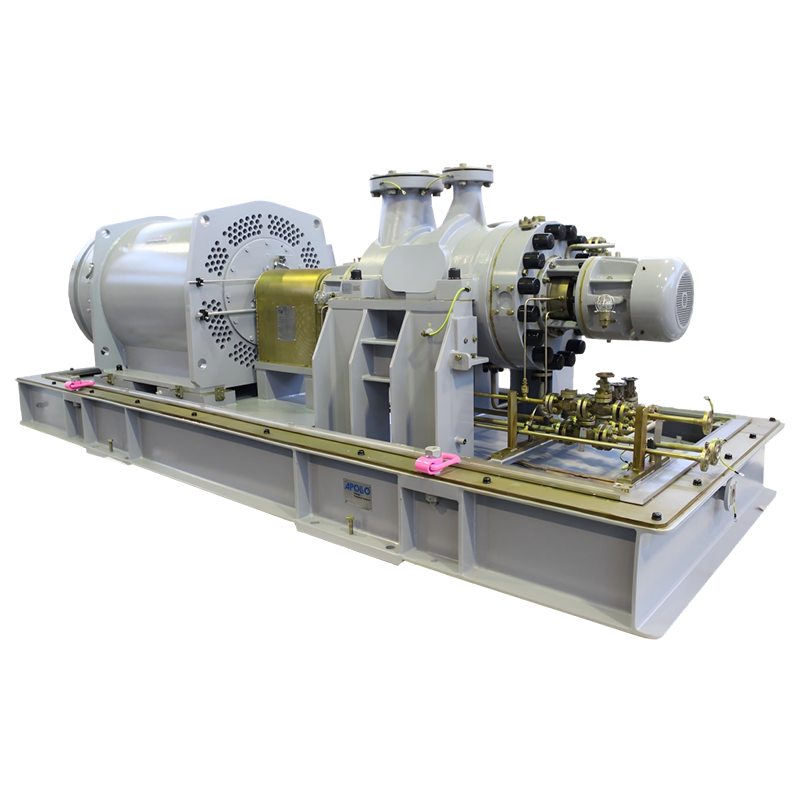
Our API 610 BB5 pumps feature a double-casing, radially split multistage configuration in a between-bearing barrel pump design. The pump and motor are...
See Details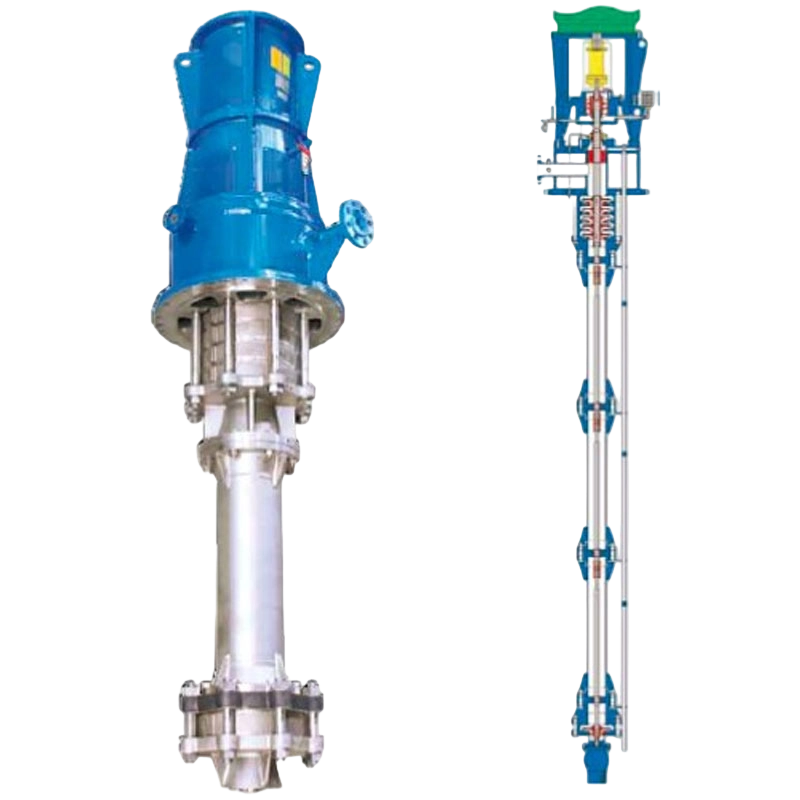
Our API 610 VS1 sump pumps feature a vertically suspended configuration with radial-split single casing, available in both single and multi-stage diff...
See DetailsCopyright © Welcome to Chemical Pump Factory - Jiangsu Feixiang Pump Manufacturing All rights reserved. Chemical Pumps Manufacturers

 +86-18052670932
 +86-0523-84326888
 No. 35, Xinqiao Middle Road, Xinqiao Town, Jingjiang City, Jiangsu Province, China