

 en
 русский
 Español
CZ Standard Chemical Process Pump
Cat:Chemical Process Pump
1. Performance range of CZ type chemical pump (according to design point) Flow: Q 1.6-1500m3/h Lift: H 5-125m Working pressure: P less than or equal t...
See DetailsContent
If you have ever sized a transfer line for a large tank farm or watched a circulation loop struggle because the pump was chosen on head alone, you already know that “high flow” is a relative term. In centrifugal pump work, it usually means a duty point where volume matters more than pressure. The pump may be moving cooling water, chemical process fluid, brine, or a low-viscosity product through a wide pipe network, and the impeller and casing are arranged to pass that volume efficiently. At Jiangsu Feixiang Pump Manufacturing Co., Ltd., our day-to-day work with chemical plants and process users has taught us that the best high flow centrifugal pump is rarely the biggest one on the data sheet; it is the one that matches the system curve, the fluid, and the maintenance reality.
Flow rate is the volume a pump delivers per unit of time, while head is the energy it adds per unit weight of liquid. A high flow centrifugal pump sits toward the right side of its performance curve: large volume, often modest head. That is why these pumps commonly use a single-stage overhung impeller, a wide volute, and generous suction and discharge passages. Specific speed rises as flow increases relative to head, moving designs toward mixed-flow and axial-flow impellers when the head requirement is very low and the volume requirement is very high.
It is important not to confuse high flow with high pressure. A pump can be large in frame size but still deliver only a few bars of head. Conversely, a multistage pump can produce high pressure with a comparatively modest flow. The practical question is where the system curve intersects the pump curve, and whether the selected pump operates near its best efficiency point. For low-viscosity liquids such as water, solvents, and many chemical streams, centrifugal pumps are a natural fit because they can pass high volumes with relatively simple construction.
High flow duties are met by several pump arrangements, and the right choice depends on head, layout, fluid, and how often the unit will run. A horizontal single-stage process pump is often the first option for general transfer because it is accessible and easy to maintain. Vertical pumps save floor space and keep a short suction path in sumps or circulation pits. Axial-flow pumps take the high-flow idea further, using propeller-style impellers for very large volumes at low head. Multistage units enter the picture when the same flow must be delivered at higher pressure, although the casing becomes longer and more complex.
In chemical service, the pump also has to respect materials and sealing. A standard chemical process pump may be supplied in cast iron, stainless steel, or other alloys, with mechanical seals suited to the fluid. A lined or corrosion-resistant pump may be needed for acids, alkalis, and salt solutions. For very large circulation duties, such as evaporation and crystallization loops, an axial-flow design can be more efficient than forcing a high-flow centrifugal pump to operate far from its best point. Our axial-flow pump performance discussion covers that trade-off in more detail.
 IH Type Horizontal Chemical Centrifugal PumpFor corrosive, water-like liquids without solids, this single-stage ISO2858 pump offers a wide flow and head range for chemical process duty.View Product →
| Pump style | Flow character | Head capability | Typical fit |
|---|---|---|---|
| Single-stage horizontal centrifugal | High | Low to medium | General transfer, cooling water, chemical process lines |
| Vertical or axial-flow centrifugal | Very high | Low | Circulation, evaporation and crystallization, large water movement |
| Multistage centrifugal | Medium to high | High | Boiler feed, high-pressure process duty |
| Self-priming centrifugal | Medium to high | Low to medium | Suction lift, tank unloading, intermittent transfer |
High flow centrifugal pumps appear in more places than many people expect. They handle cooling water and service water, transfer product between tanks, feed scrubbers, circulate brine or thermal fluid, and support reactor jacket systems. In chemical plants, the same pump family may be used for dilute solutions, solvents, and other low-viscosity liquids, provided the wetted materials and seals are compatible. When the stream contains solids or gas, the picture changes, and a different design or a modified installation may be needed.
One useful distinction is between transfer and circulation. A transfer pump usually has a defined start and stop cycle and may need self-priming or suction lift capability. A circulation pump runs for long periods, so efficiency and stable operation near the best efficiency point matter more. Evaporation and crystallization circuits are a good example: the pump must move a large volume of liquor with a low available head, and the wrong selection can cause cavitation, vibration, or unnecessary power draw. This is one reason our pump range includes both process centrifugals and chemical axial-flow pumps for high-volume circulation.
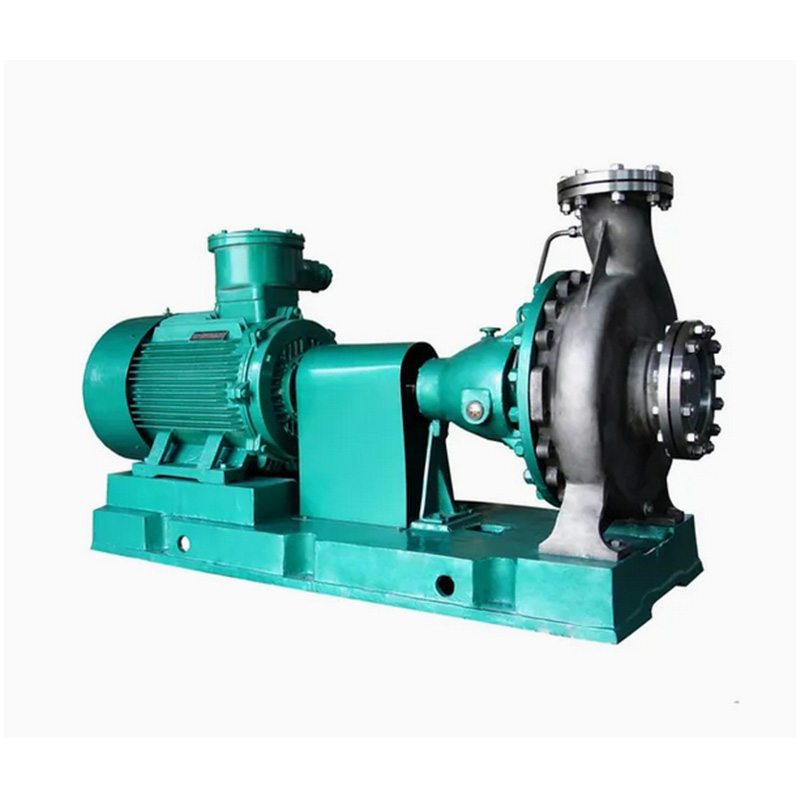 CZ Standard Chemical Process PumpRear-opening chemical process pump for corrosive or high-temperature fluids, with flows to 1500 m³/h and maintenance without opening pipeline.View Product →
A reliable selection starts with data, not with a frame size. Write down the normal and maximum flow, the required head, the fluid properties, and the operating temperature before looking at curves. Then check the suction side carefully. Many high flow pumps are blamed for cavitation when the real problem is insufficient net positive suction head available, a long suction line, or a poorly placed elbow. The following checks are a practical starting point.
It also helps to ask how the pump will be operated. A unit that runs at full speed for years has different priorities from one that is throttled or switched frequently. If the system needs a wide flow range, variable-speed control may be more useful than a larger impeller trim. If the fluid is corrosive, a lined or stainless construction may cost more upfront but reduce downtime. The goal is not to find the highest flow number; it is to find a pump that stays inside a healthy operating window.
High flow centrifugal pumps reward good installation. Baseplate grouting, shaft alignment, and piping support matter because large flow volumes can produce noticeable reaction forces. Suction piping should be free of high points where air can collect, and the pump should never be run dry unless it is specifically designed for that duty. During commissioning, check rotation, seal leakage, vibration, and motor current at the actual operating point. A pump that is noisy or vibrating at start-up may be cavitating, misaligned, or running far from its design flow.
In day-to-day operation, watch the suction pressure, discharge pressure, flow indication, and bearing temperature. A gradual loss of flow may point to a worn impeller, a partially blocked suction strainer, or a change in the process. Mechanical seal failures often trace back to dry running, poor flush flow, or misalignment rather than the seal itself. Keep spare wear rings and gaskets for critical units, and record the pump curve at commissioning so future performance changes can be judged against a known baseline. For high-temperature or corrosive duties, a preventive maintenance schedule based on seal condition and vibration trend is usually more useful than a fixed overhaul interval.
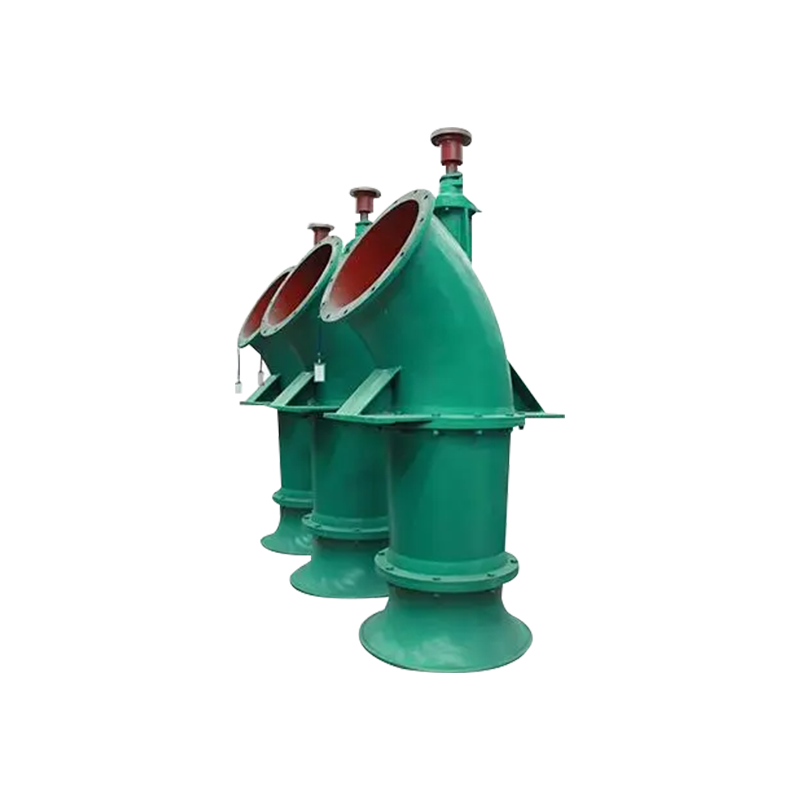 Vertical Axial Flow Pump for High-Volume DutiesVertical axial-flow pump for high-volume, low-head duties; space-saving orientation suits irrigation, flood control, wastewater treatment, and constrained installations.View Product →
Jiangsu Feixiang Pump Manufacturing Co., Ltd. has been building chemical pumps since the 1980s, and our product range covers chemical process pumps, corrosion-resistant pumps, high-temperature pumps, axial-flow pumps, self-priming pumps, and related equipment. That breadth is useful when a high flow duty overlaps with chemical compatibility or high temperature, because the conversation can move from “which pump is largest” to “which hydraulic and material combination fits this line.” Our CZ, HJ, IH, and ZA process pump families serve different parts of that map, while axial-flow and vertical circulation pumps cover large-volume, low-head applications.
If you are planning a new installation or replacing a pump that has never quite fit, send us the flow, head, fluid data, temperature, and a simple sketch of the piping layout. We can review the duty with you and recommend a practical configuration. The aim is a high flow centrifugal pump that does its job quietly, efficiently, and with maintenance that your team can actually handle.
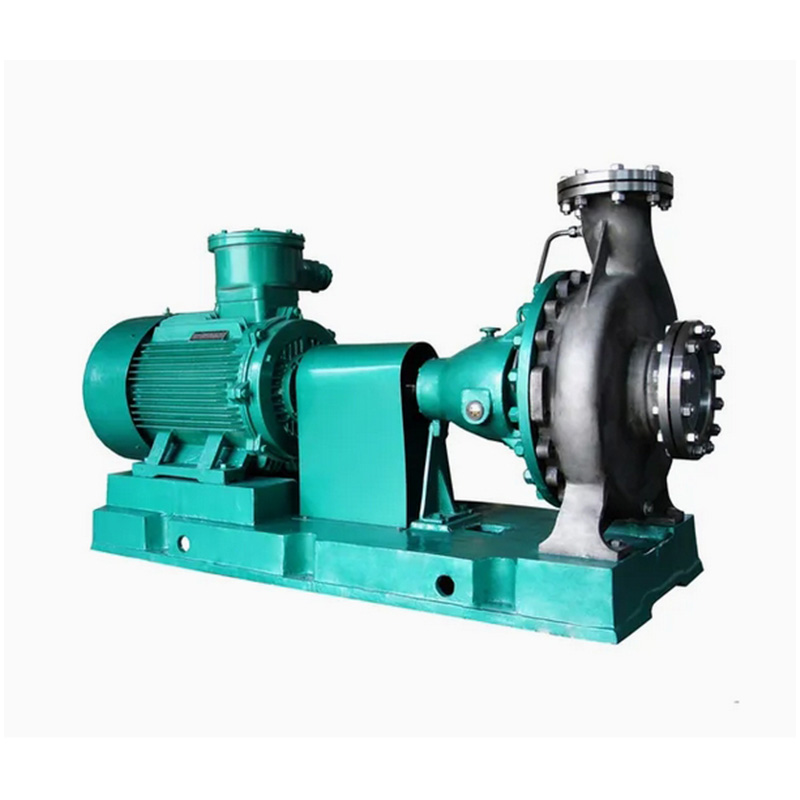
1. Performance range of CZ type chemical pump (according to design point) Flow: Q 1.6-1500m3/h Lift: H 5-125m Working pressure: P less than or equal t...
See Details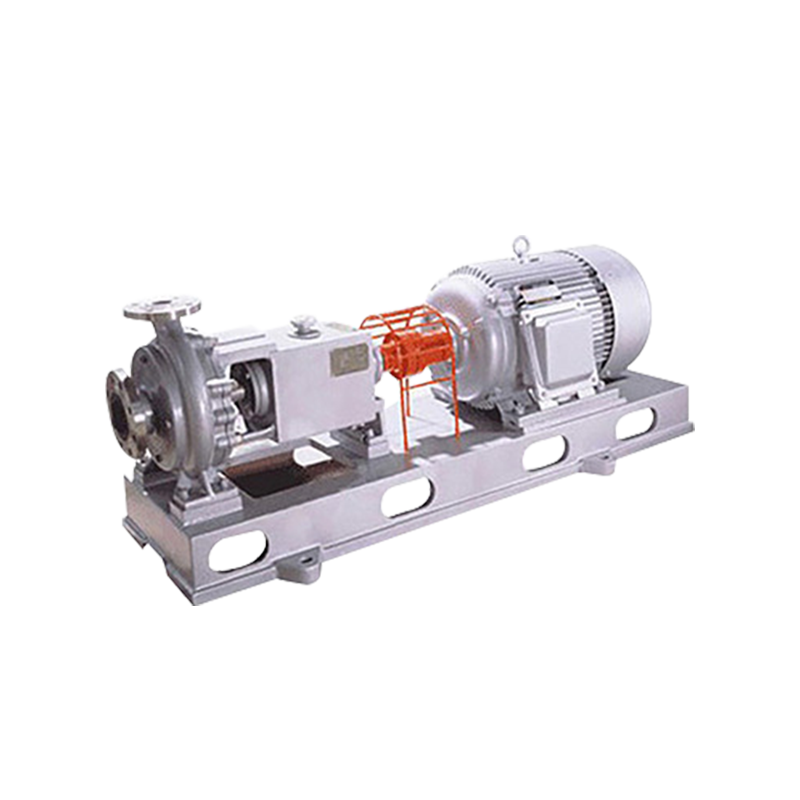
IJ series corrosion-resistant pump is a single-stage, single-suction cantilever centrifugal pump. Its marking, rating characteristics, and dimensions ...
See Details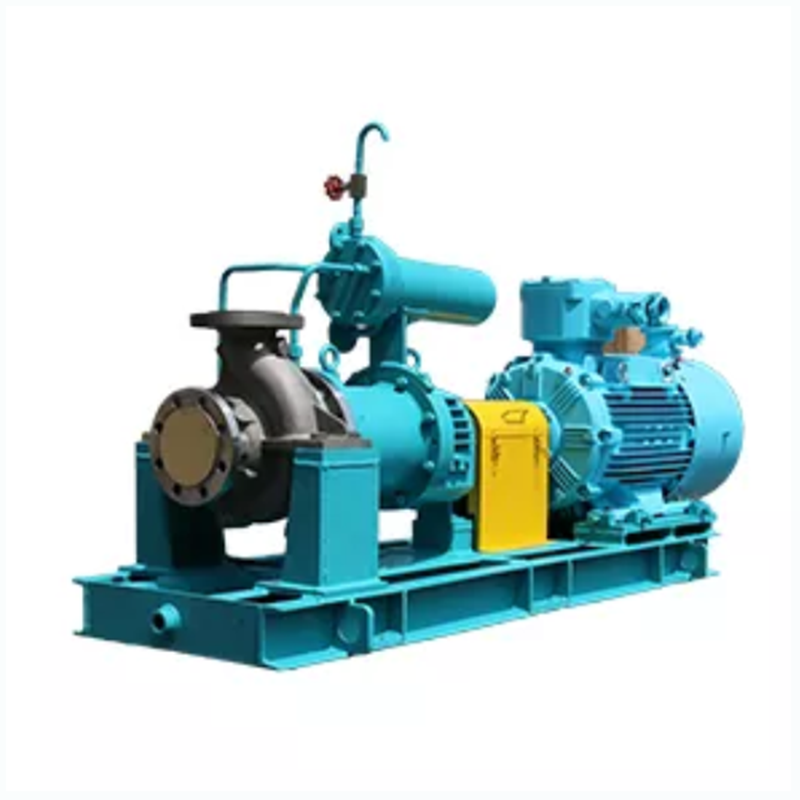
Performance Range: · Diameter: DN25~DN400 · Flow Rate: Up to 2000 m³/h · Head: Up to 200 m · Temperature Limit...
See Details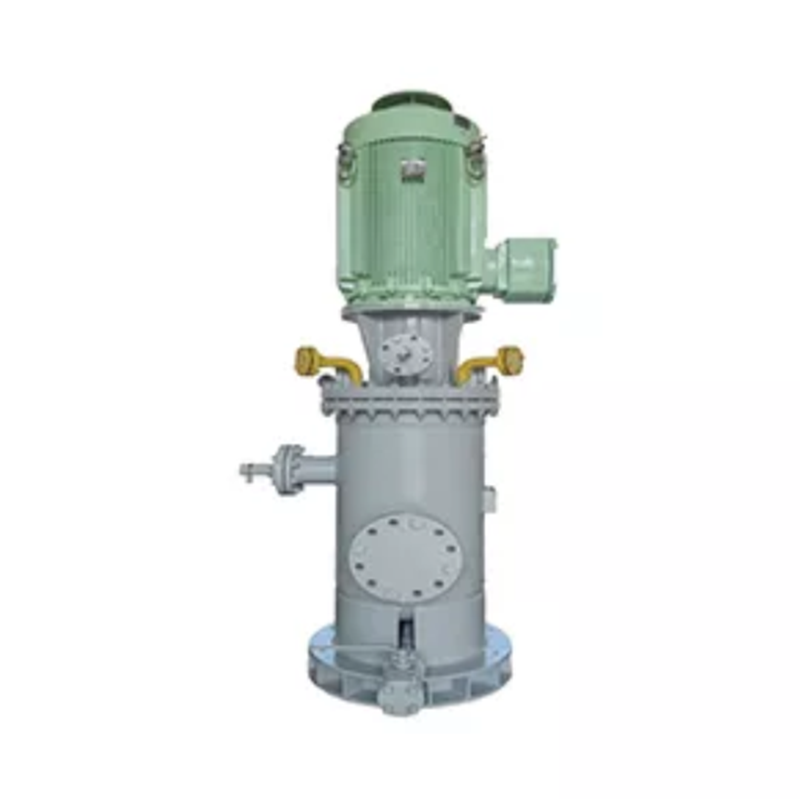
Performance Range: · Diameter: DN25~DN200 · Flow Rate: Up to 700 m³/h · Head: Up to 1000 m · Temperature Range...
See Details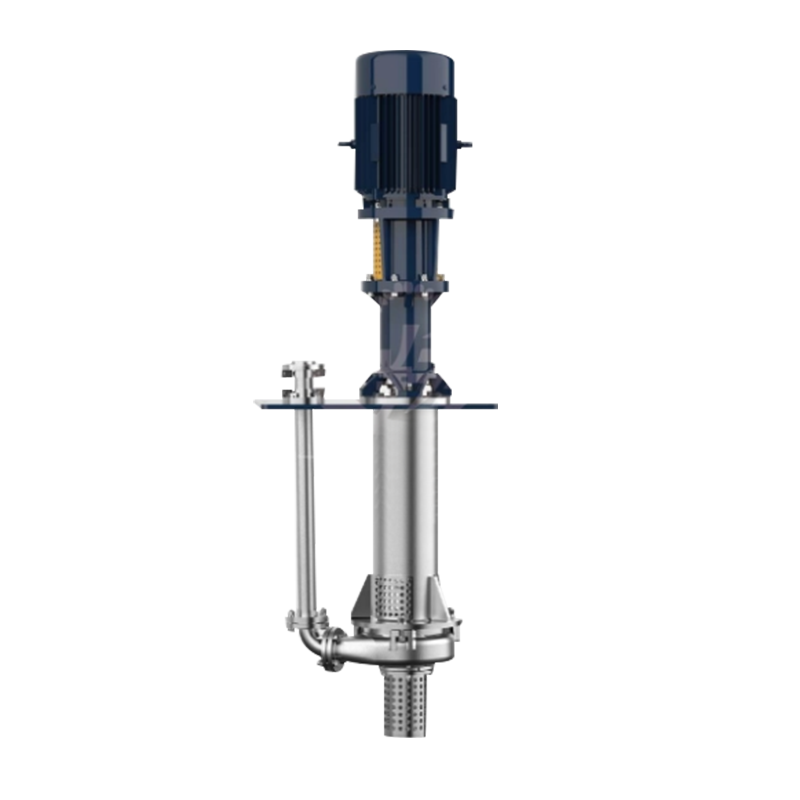
The slurry submerged pump is a cantilevered vertical design developed by our company, combining advanced features from both domestic and international...
See Details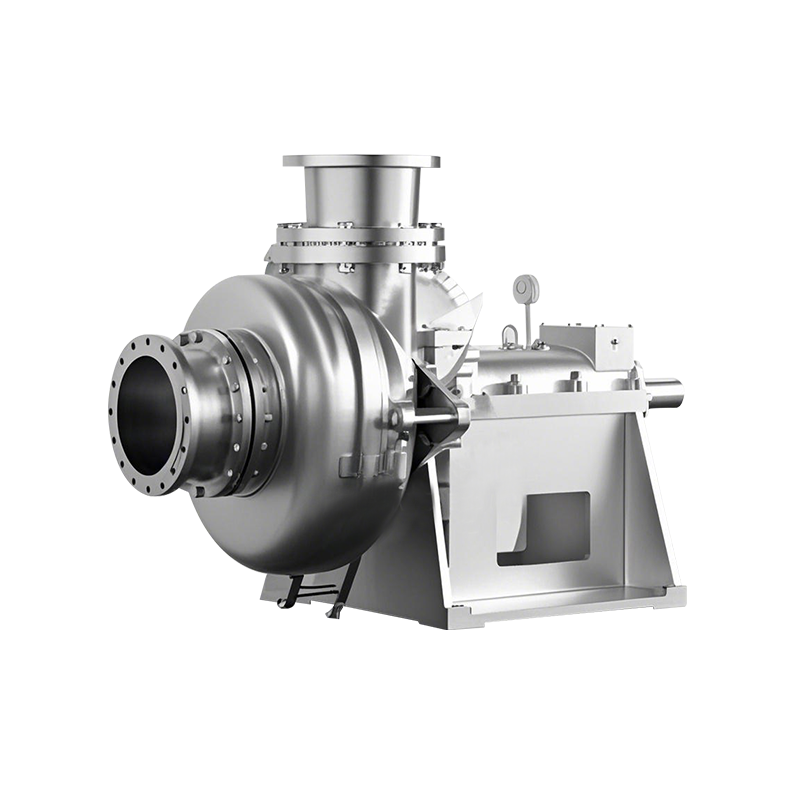
The mixed-flow pump, also known as the diagonal flow pump, is a type of pump that falls between the centrifugal pump and the axial-flow pump. It is su...
See Details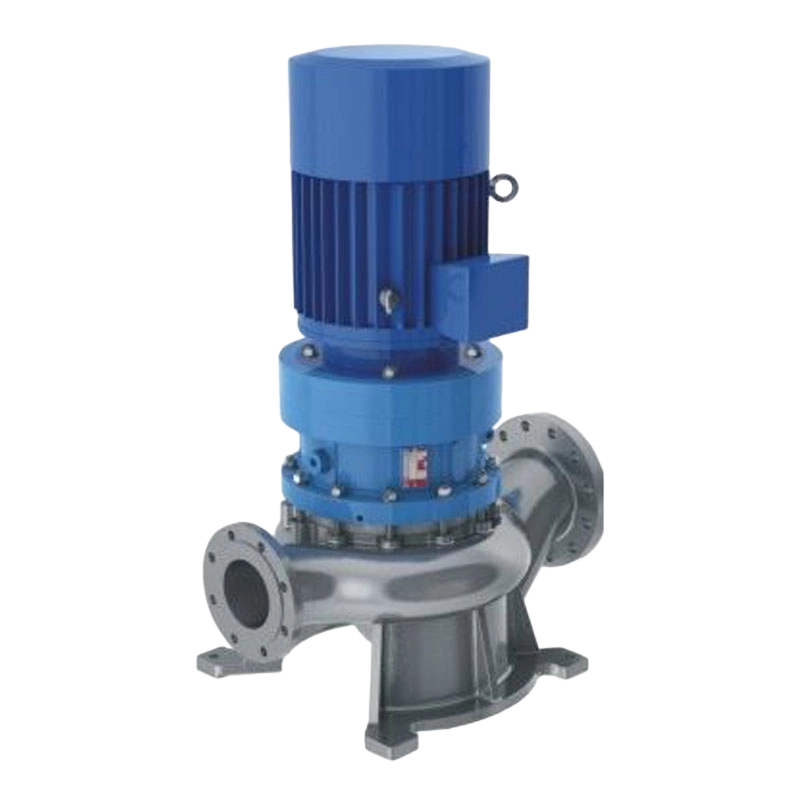
Based on the hydraulic platform of our OH3 pumps, these derivative models are offered in two compact configurations: rigidly coupled versions (OH4) mo...
See Details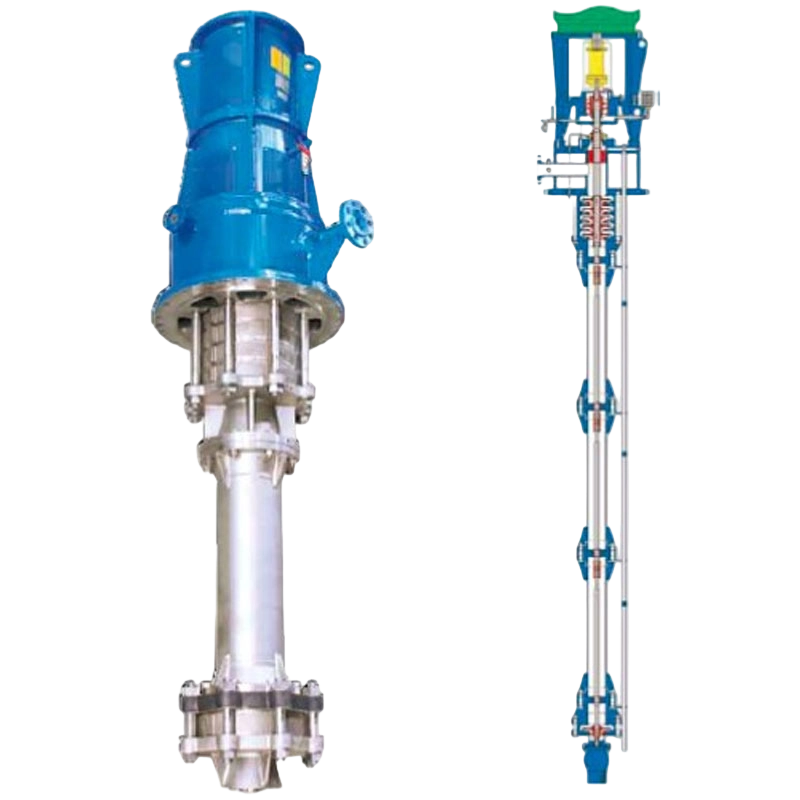
Our API 610 VS1 sump pumps feature a vertically suspended configuration with radial-split single casing, available in both single and multi-stage diff...
See Details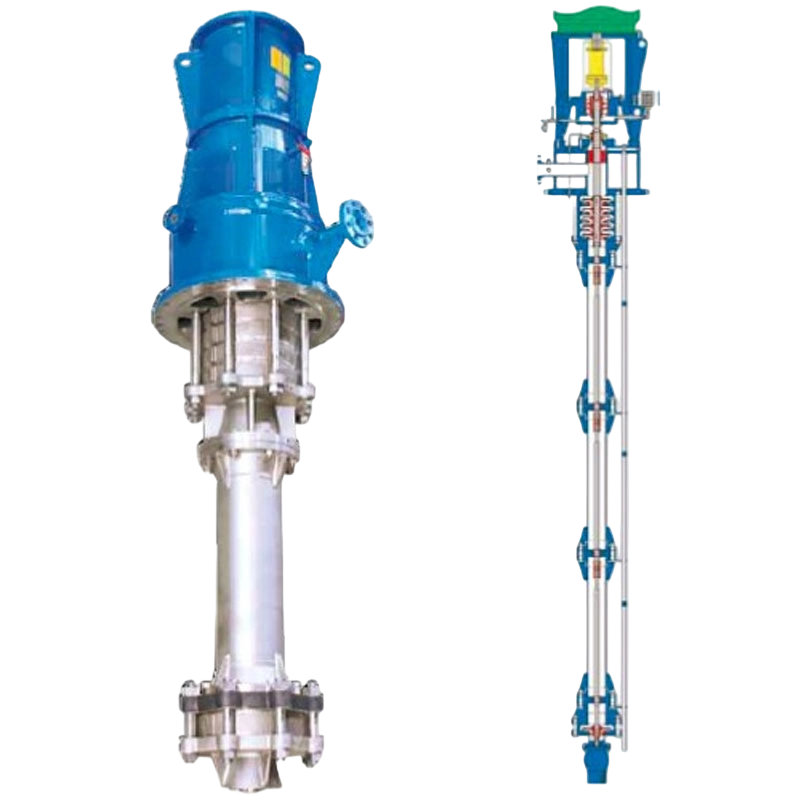
Our API 610 VS2 sump pumps feature a vertically suspended design with radially split single casing, available in single or multi-stage volute configur...
See Details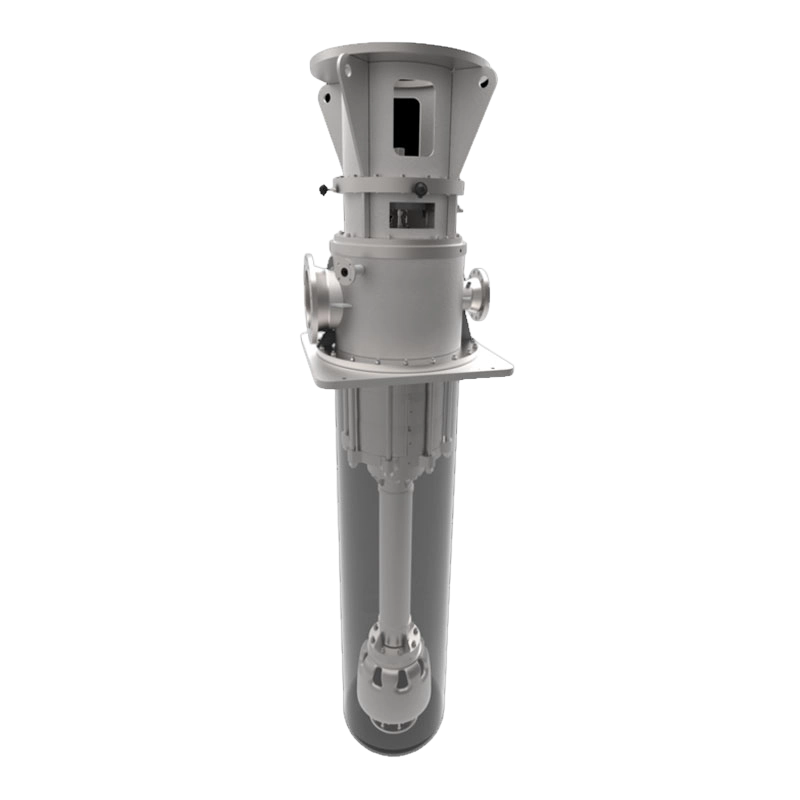
Our API 610 VS6 sump pumps feature a vertically suspended configuration with radially split single casing, designed as single or multi-stage diffuser ...
See DetailsCopyright © Welcome to Chemical Pump Factory - Jiangsu Feixiang Pump Manufacturing All rights reserved. Chemical Pumps Manufacturers

 +86-18052670932
 +86-0523-84326888

 No. 35, Xinqiao Middle Road, Xinqiao Town, Jingjiang City, Jiangsu Province, China