

 en
en  русский
 Español
PWF Corrosion-Resistant Sewage Pump
Cat:Chemical Sewage Pump
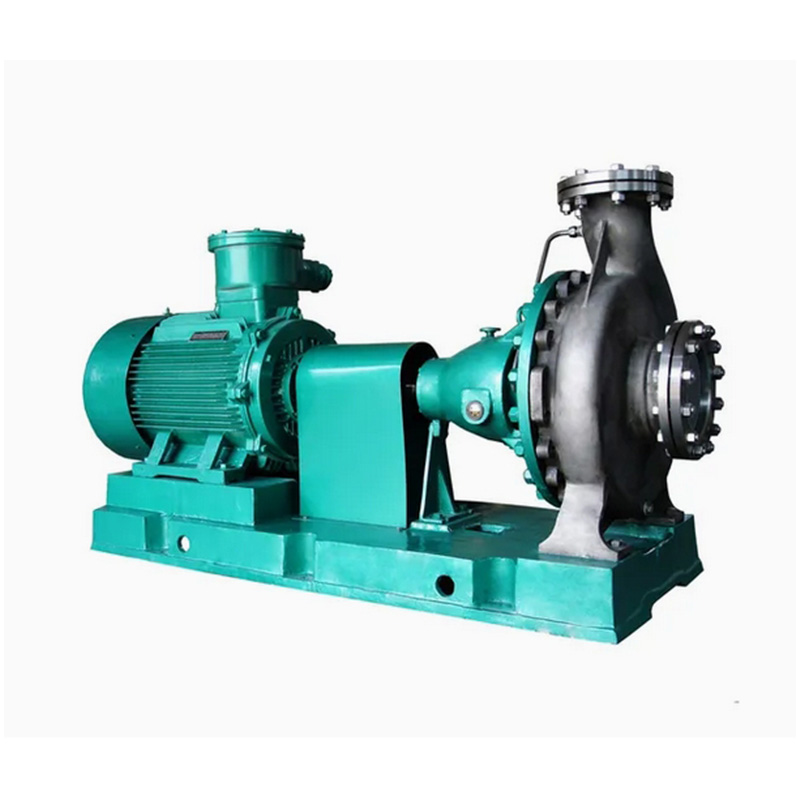
PWF corrosion-resistant sewage pump is a single-stage, single-suction, cantilever-type corrosion-resistant centrifugal sewage pump. Its functional ran...
See DetailsContent
Chemical process pumps are essential components in industries where the precise handling of liquids and chemicals is critical. They are engineered to transport aggressive, corrosive, viscous, and high-temperature fluids safely and efficiently. These pumps play a vital role in chemical manufacturing, water treatment, pharmaceutical production, and petrochemical industries, ensuring smooth operations and minimizing risks of leakage or contamination.
Chemical process pumps are available in various designs to accommodate different fluid properties and industrial requirements. Choosing the right type is crucial for efficiency, durability, and safety.
Centrifugal pumps are widely used due to their simple design and ability to handle a variety of chemicals. They rely on a rotating impeller to increase fluid velocity and direct it through the pump casing. These pumps are suitable for low-viscosity liquids and continuous operations.
Magnetic drive pumps eliminate the need for mechanical seals, which reduces leakage risks. They are ideal for handling hazardous or toxic chemicals and can operate safely in corrosive environments. These pumps use magnetic coupling to transfer torque from the motor to the impeller.
Gear pumps are positive displacement pumps designed to move viscous chemicals consistently. They use meshing gears to transfer fluid, providing precise flow rates. They are commonly used in chemical dosing, lubrication, and resin transfer applications.
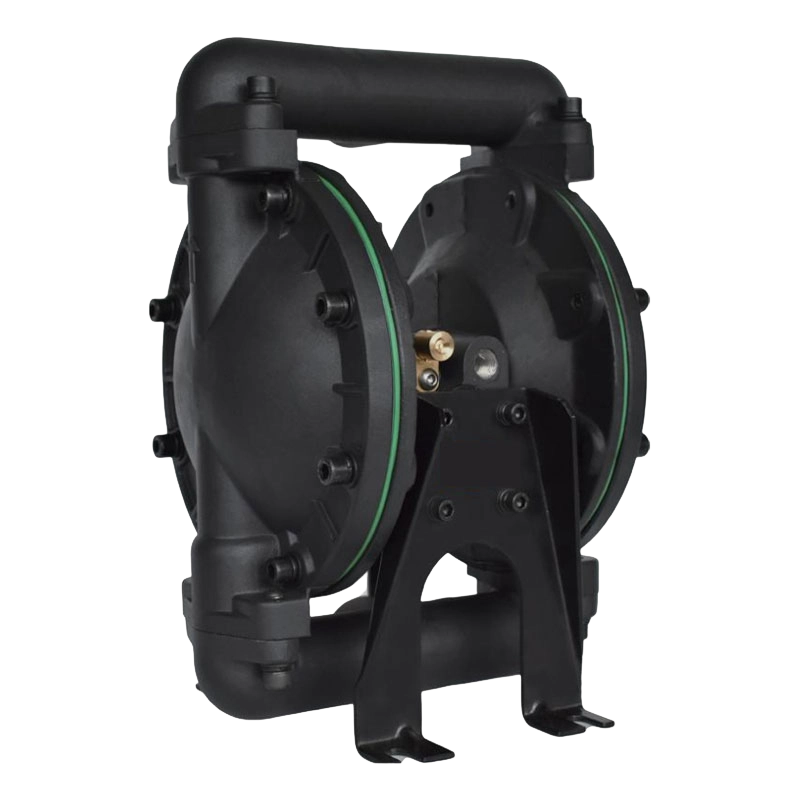
Diaphragm pumps use a flexible diaphragm to move liquids. They are ideal for abrasive, corrosive, or shear-sensitive fluids. Their leak-free design makes them perfect for chemical handling where contamination prevention is critical.
Chemical process pumps are integral to numerous industries where accurate chemical handling is required. Here are some major applications:
The material of a chemical process pump determines its resistance to corrosion, temperature, and chemical attack. Common materials include stainless steel, Hastelloy, titanium, polypropylene, and PTFE-lined components. Selection depends on fluid properties, operating temperatures, and the level of chemical aggressiveness.
Proper sealing is critical to prevent leakage and protect operators. Options include mechanical seals, packing seals, and magnetic couplings. Seal material should be compatible with the pumped fluid to avoid degradation.
Chemical process pumps are designed to operate under specific temperature and pressure ranges. High-temperature pumps require materials resistant to thermal expansion, while high-pressure pumps require robust casings and impellers to maintain integrity.
Proper maintenance of chemical process pumps ensures longevity, safety, and efficiency. Key practices include:
Even with proper care, chemical process pumps can face issues. Common problems include:
Selecting the right pump involves analyzing the chemical properties, viscosity, temperature, and required flow rate. Consulting with manufacturers and using pump curves ensures optimal performance and safety.
Pump performance curves indicate flow rate versus head, efficiency, and NPSH requirements. These specifications help engineers choose pumps suitable for specific chemical processes and operational conditions.
Chemical process pumps are indispensable in industries requiring precise, safe, and reliable liquid handling. Understanding their types, materials, applications, and maintenance ensures efficiency, longevity, and operational safety. Selecting the correct pump and adhering to best practices reduces downtime, enhances performance, and safeguards personnel and equipment.
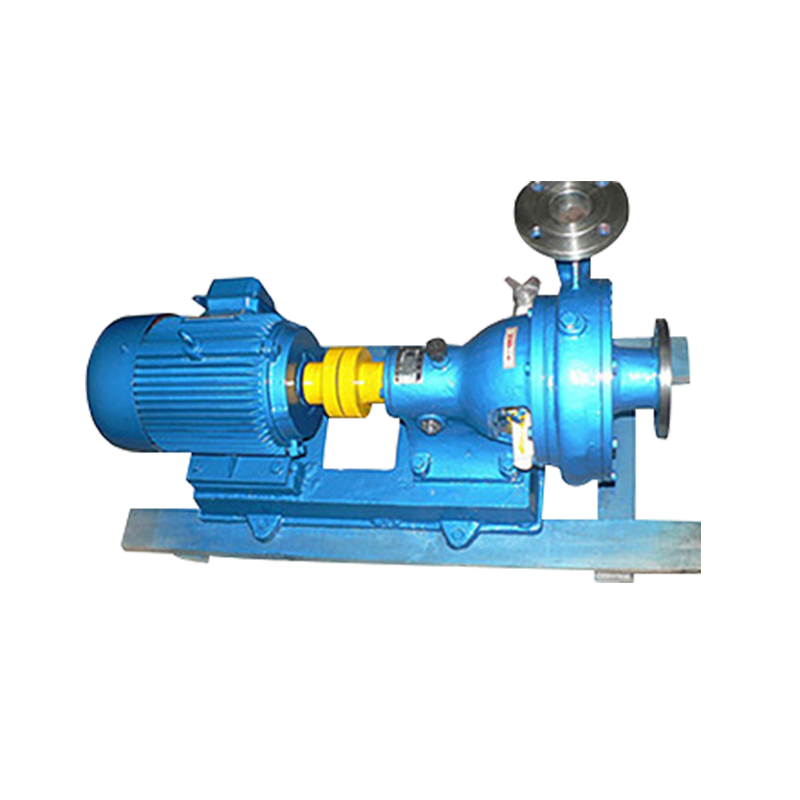
PWF corrosion-resistant sewage pump is a single-stage, single-suction, cantilever-type corrosion-resistant centrifugal sewage pump. Its functional ran...
See Details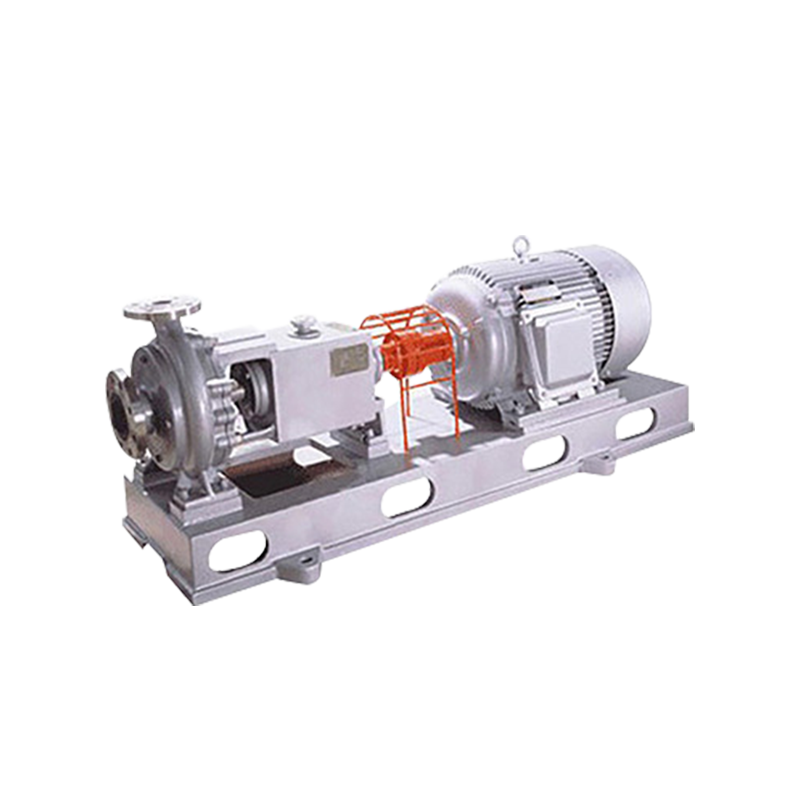
IJ series corrosion-resistant pump is a single-stage, single-suction cantilever centrifugal pump. Its marking, rating characteristics, and dimensions ...
See Details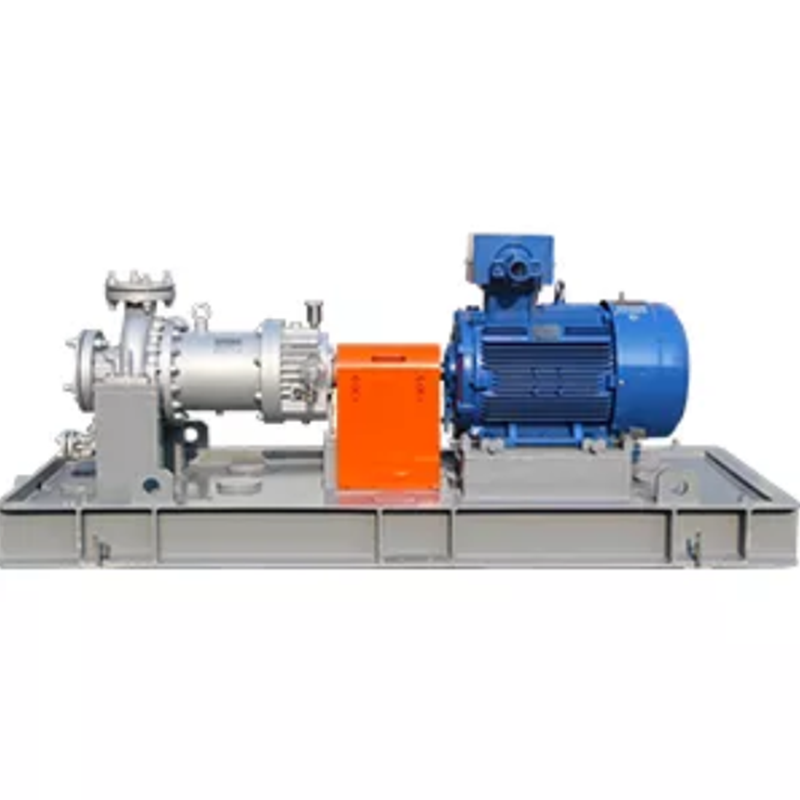
Performance Range: · Diameter: DN25~DN400 · Flow Rate: Up to 2000 m³/h · Head: Up to 250 m · Temperature Limit...
See Details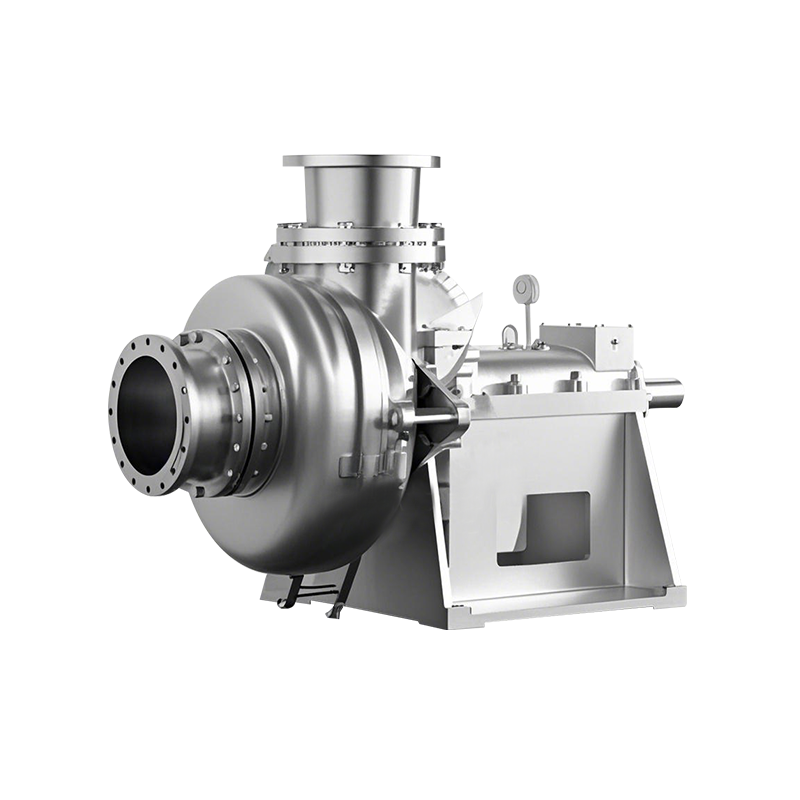
The Single Casing Series Slurry Pump is a new generation of high-efficiency, wear-resistant, and energy-saving slurry pumps developed by our company. ...
See Details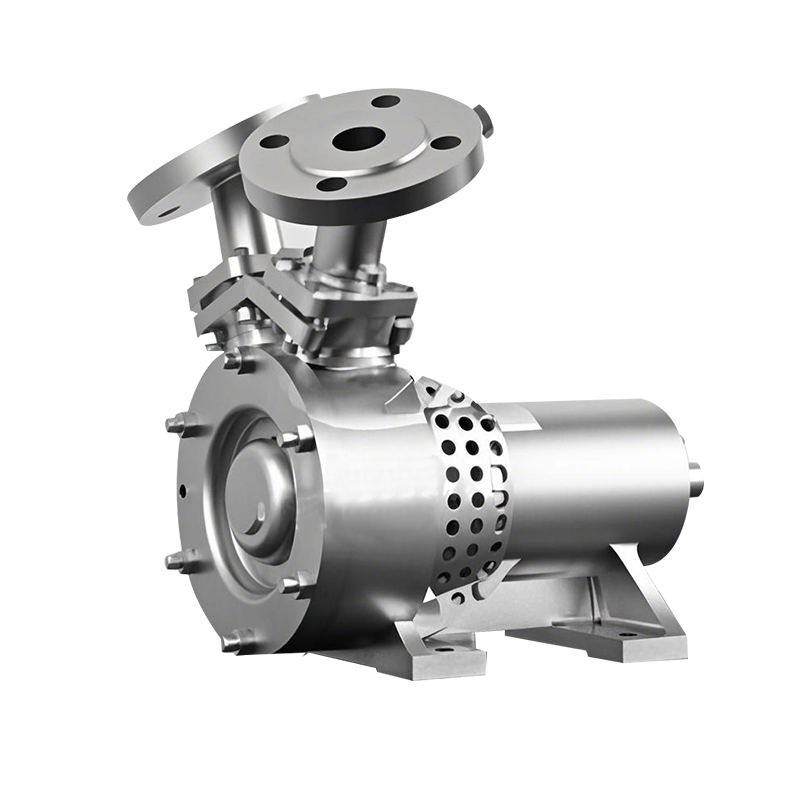
The vortex pump is compact in size yet capable of generating high pressure, making it an ideal choice for achieving miniaturization of equipment. It e...
See Details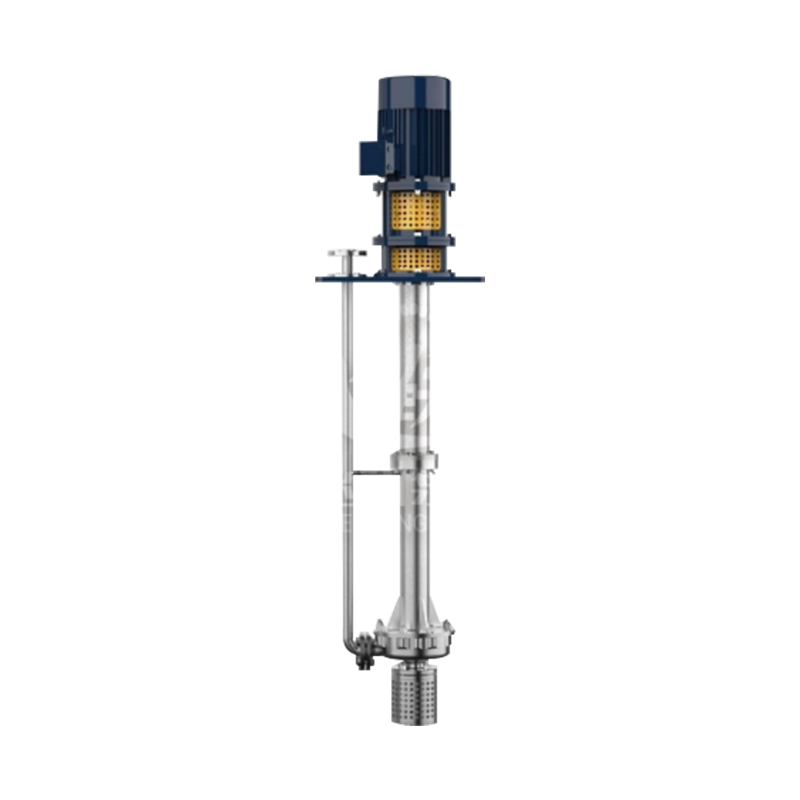
The Diversion-Type Long Shaft Submersible Desulfurization Pump is specifically engineered for underground sump applications in power plant flue gas de...
See Details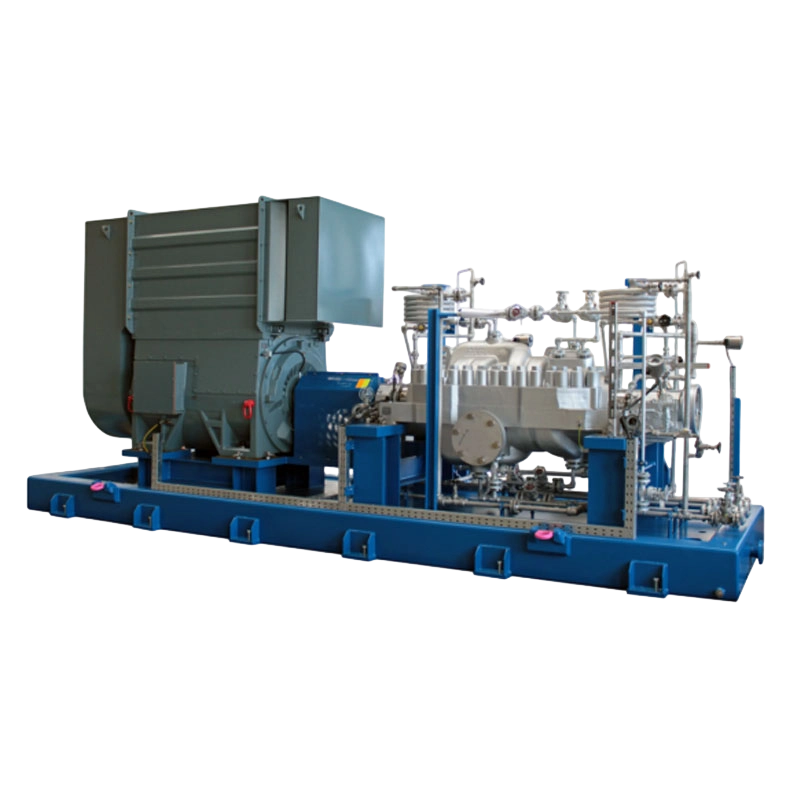
Our API 610 BB3 pumps are centerline-mounted, multistage units featuring an axially split casing with single suction and between-bearing construction....
See Details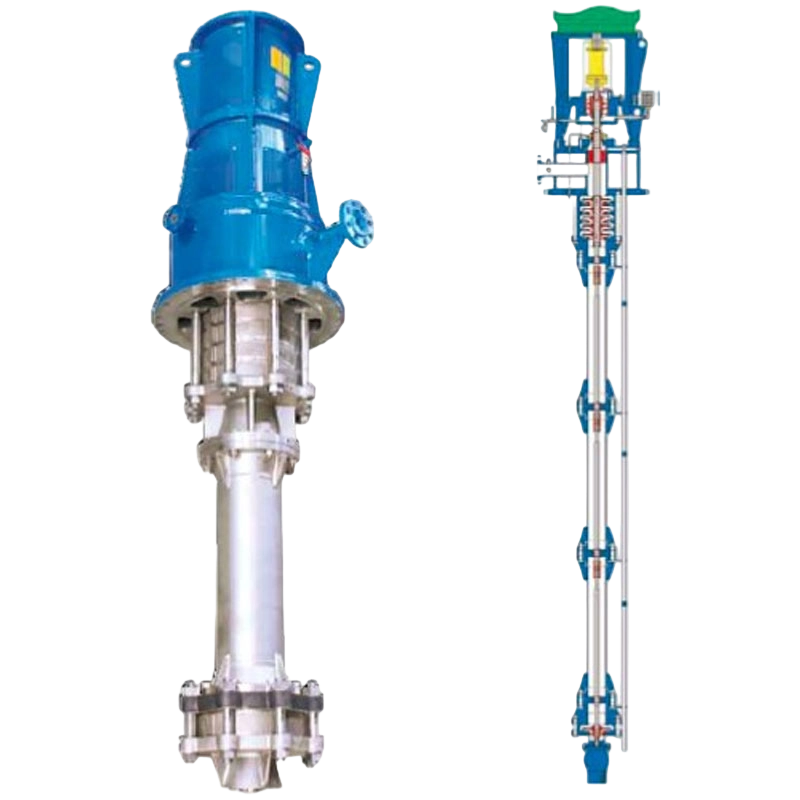
Our API 610 VS1 sump pumps feature a vertically suspended configuration with radial-split single casing, available in both single and multi-stage diff...
See Details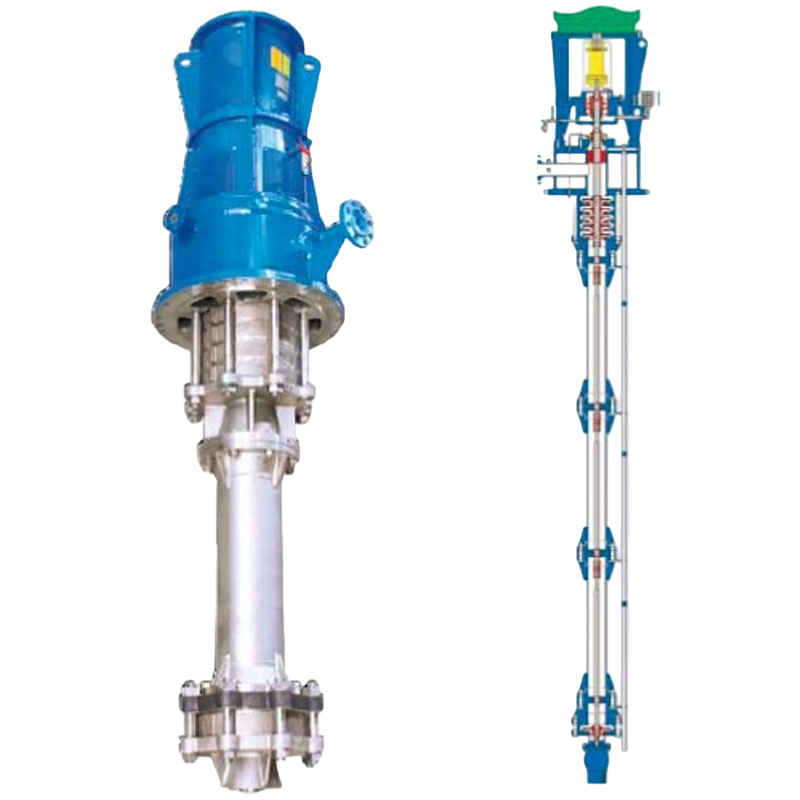
Our API 610 VS2 sump pumps feature a vertically suspended design with radially split single casing, available in single or multi-stage volute configur...
See DetailsCopyright © Welcome to Chemical Pump Factory - Jiangsu Feixiang Pump Manufacturing All rights reserved. Chemical Pumps Manufacturers

 +86-18052670932
 +86-0523-84326888
 No. 35, Xinqiao Middle Road, Xinqiao Town, Jingjiang City, Jiangsu Province, China