

 en
en  русский
 Español
IHF Lined Fluorine Centrifugal Pump
Cat:Corrosion-Resistant Chemical Pump
IHF fluorine-lined chemical pump is characterized by a reasonable and advanced structure, strong corrosion resistance, tight and reliable mechanical s...
See DetailsContent
One evening, a chemical plant operator heard a scraping sound from the centrifugal pump feeding the cooling circuit. Within an hour, handheld vibration readings climbed from 2.8 mm/s to 7.1 mm/s. By morning, the mechanical seal was leaking steadily and the pump had to be pulled from service. Most centrifugal pump failures follow a similar pattern: not a sudden event, but a chain of small warning signs ignored for too long.
The centrifugal pump maintenance checklist below covers daily checks, monthly and quarterly tasks, annual inspection, and the thinking behind each interval. It turns a surprise breakdown into a planned repair and keeps pumps running closer to their original efficiency.
The most common maintenance mistake is to use a generic calendar for every pump. A pump moving 20% sulfuric acid at 60°C will behave very differently from one circulating clean water at ambient temperature. Acid service attacks the casing, impeller and seals long before a 12-month interval arrives. A hot-oil pump, by contrast, needs constant attention to cooling and thermal expansion.
So the first step is deciding what the pump is actually handling. Start with the fluid, not the date. For aggressive acids and chloride solutions, the casing lining is the primary protection. A fluoropolymer-lined pump such as the IHF lined fluorine centrifugal pump for corrosive liquids avoids many of the corrosion failures that otherwise drive maintenance work. That does not mean it can be ignored; the lining and gaskets still need annual checks for blistering, softening or wear.
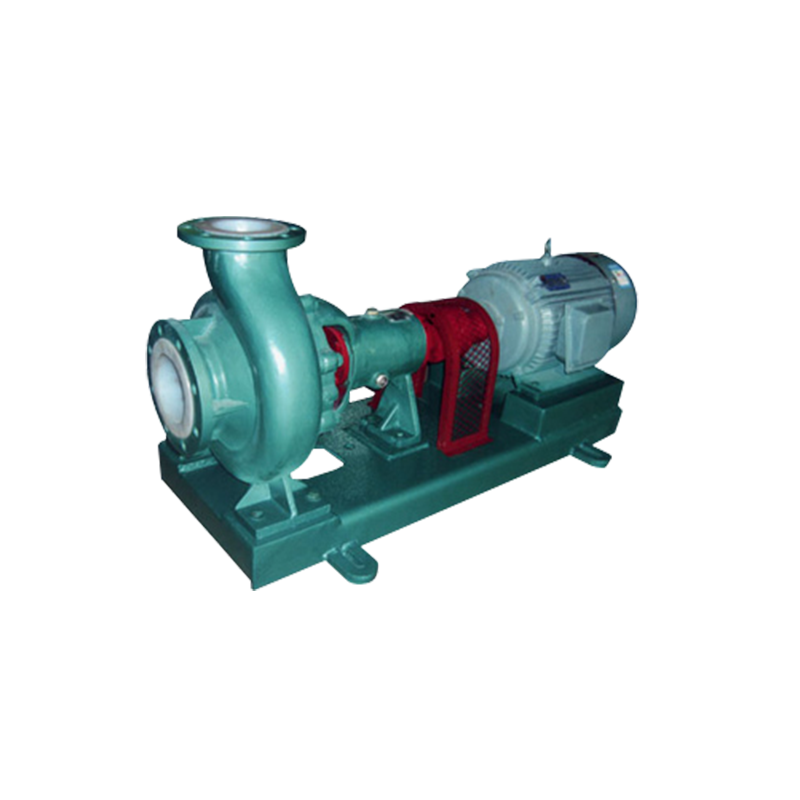 IHF Lined Fluorine Centrifugal Pump Manufacturers, Factory - Jiangsu Feixiang PuJiangsu Feixiang Pump is china IHF Lined Fluorine Centrifugal Pump Manufacturers and Wholesale IHF Lined Fluorine Centrifugal Pump Factor...View Product →
Temperature and solids content change the interval too. Slurry service erodes the impeller faster than clean service, so quarterly thickness checks make sense. High temperature accelerates bearing and seal wear, so lubrication and cooling circuits become critical. This is why maintenance planning often starts with material selection; our guide on material selection for pumps in corrosive and abrasive environments explains how material affects durability and service life.
Daily checks take ten minutes, and they catch most developing problems before they become expensive. For a motor-driven centrifugal pump in continuous service, the routine below is a sensible starting point.
| Check | What to look for | Action |
|---|---|---|
| Noise and vibration | Crackling, rattling or grinding sounds; sharp increase in vibration | Investigate immediately if noise or vibration is new or noticeably louder |
| Bearing temperature | Housing too hot to touch comfortably, or more than 40°C above ambient | Check lubricant level, condition and alignment |
| Leaks | Steady drip, spray or pooling from seal or casing joints | Inspect mechanical seal and pump gaskets; schedule repair if leak is running |
| Lubrication | Oil level at sight glass midrange; grease relief without contamination | Top up or feed grease according to the pump manual |
| Pressure and flow | Discharge pressure and flow close to nameplate values | Compare readings with previous shift; check suction strainer if performance is dropping |
Keep a simple logbook or digital sheet for these values. A change of 10–15% in discharge pressure over a week is more meaningful than a single reading.
Monthly work is still focused on monitoring, but it goes deeper than a quick walk-around. On a monthly service day, complete the following:
Quarterly maintenance should include a more thorough look at things that wear gradually:
Over-greasing is a common problem. If the bearing has a grease relief port, add grease slowly and stop when fresh grease appears at the port. Too much pressure can push grease through the seal and into the motor or pump interior.
Once per year, or after 4,000 to 8,000 hours depending on severity, the pump should be shut down, locked out and opened for inspection. Annual maintenance is when hidden problems finally become visible. The exact list depends on the pump type, but for most standard chemical process pumps the following checks apply:
The mechanical seal is often the reason a pump is taken out of service. If the seal has been leaking or running dry, also check the flush connection and the condition of the fluid being sealed. For moderate chemical duties, a pump with a simplified maintenance layout can save hours during this overhaul. The CZ standard chemical process pump is one example of a design that allows the rotating assembly to be withdrawn without disturbing the casing, which reduces downtime during annual seal and bearing work.
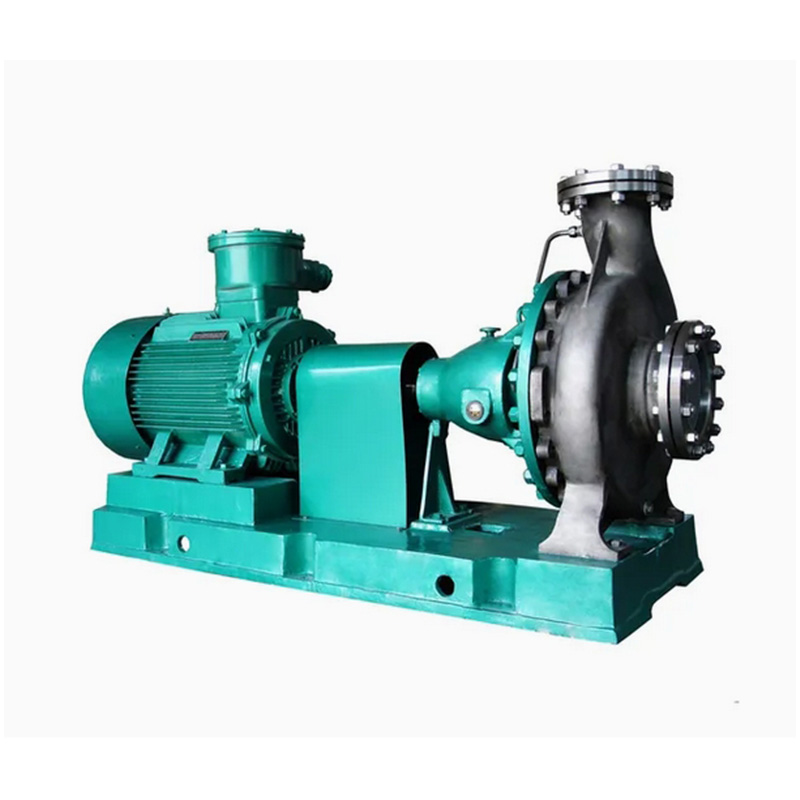 CZ Standard Chemical Process Pump Manufacturers, Factory - Jiangsu Feixiang PumpJiangsu Feixiang Pump is china CZ Standard Chemical Process Pump Manufacturers and Wholesale CZ Standard Chemical Process Pump Factory, 1...View Product →
Cavitation sounds like gravel rattling through the pump. It happens when suction pressure is too low and vapor bubbles collapse against the impeller. Over time it erodes the impeller and can break vanes. Maintenance cannot solve a system hydraulic problem, but a clean strainer, a correct NPSH margin and a properly set suction lift avoid many cavitation cases.
Misalignment, over-tight belts and worn bearings all raise bearing housing temperature. A common rule is that the housing should not be more than 40°C above ambient. If it is higher, check lubrication first, then alignment. Correcting a thermal rise early prevents the bearing from seizing and damaging the shaft sleeve.
A gradual drop in head or flow usually means wear, not a control problem. Worn wear rings increase internal recirculation; a partly blocked casing cover or a deteriorated impeller reduces energy transfer. Annual measurements of clearance are the best early warning.
Mechanical seals fail for many reasons: dry running, blocked flush, vibration, thermal distortion, or simply old age. The best prevention is a stable operating window, a properly adjusted flush system, and attention to vibration and temperature trends before the seal begins to drip.
A single vibration reading is just a number. A series of readings is a story. If a pump runs at 2.0 mm/s for two years and then climbs to 3.2 mm/s over the next two months, that trend is the signal to plan an outage. The same logic applies to discharge pressure, bearing temperature and flow rate.
Maintenance records should include the date, the person who performed the check, the values measured, and any parts replaced. Oil analysis, when the pump is large enough to justify it, adds another layer: it can detect metal particles from bearing wear and water from a leaking seal before the part fails. Keep those records near the pump or in the plant CMMS, and review the pattern monthly rather than once a year.
The best time to reduce maintenance cost is when the pump is selected. A pump that is difficult to open, has no replaceable wear parts, or lacks a proper seal chamber will create work for its whole life. Low first cost is not a saving if every repair becomes a major disassembly.
For clean chemical fluids, a simple process pump with an open impeller or a back-pull-out casing shortens planned maintenance. For hot oil systems, the list of priorities changes: thermal expansion, cooling and high-temperature sealing become the main concerns. The AY high-temperature hot oil centrifugal pump is designed for this type of service, with a structure that handles thermal growth and keeps the bearing housing cooler. That design directly reduces the seal and bearing problems that appear in hot-oil maintenance logs.
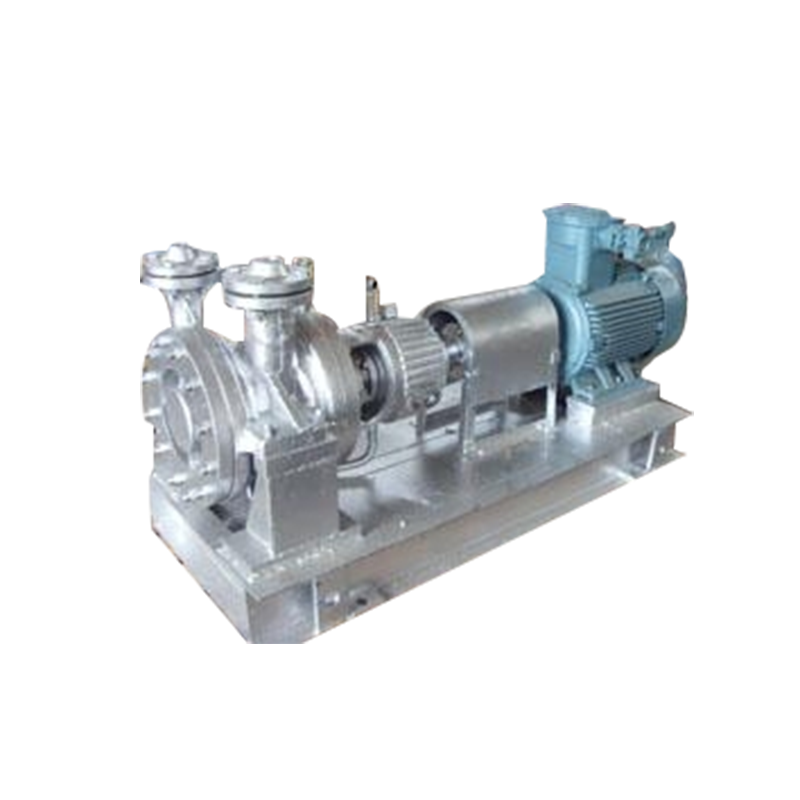 AY High Temperature Hot Oil Centrifugal Pump Manufacturers, Factory - Jiangsu FeJiangsu Feixiang Pump is china AY High Temperature Hot Oil Centrifugal Pump Manufacturers and Wholesale AY High Temperature Hot Oil Centr...View Product →
When ordering a new pump or replacing a badly worn one, also ask whether wearing parts are stocked and whether the seal chamber follows a standard dimension. Interchangeability inside the pump family makes future overhauls faster and keeps spare-part quantities small.
Centrifugal pump maintenance does not have to be complicated, but it has to be consistent. Understand what your pump is moving, check it daily with the senses and simple readings, do the monthly and quarterly work on time, and plan a real annual inspection. Combine that with honest record keeping, and the scraping sound, the vibration spike and the steady drip become expected warnings instead of expensive surprises.
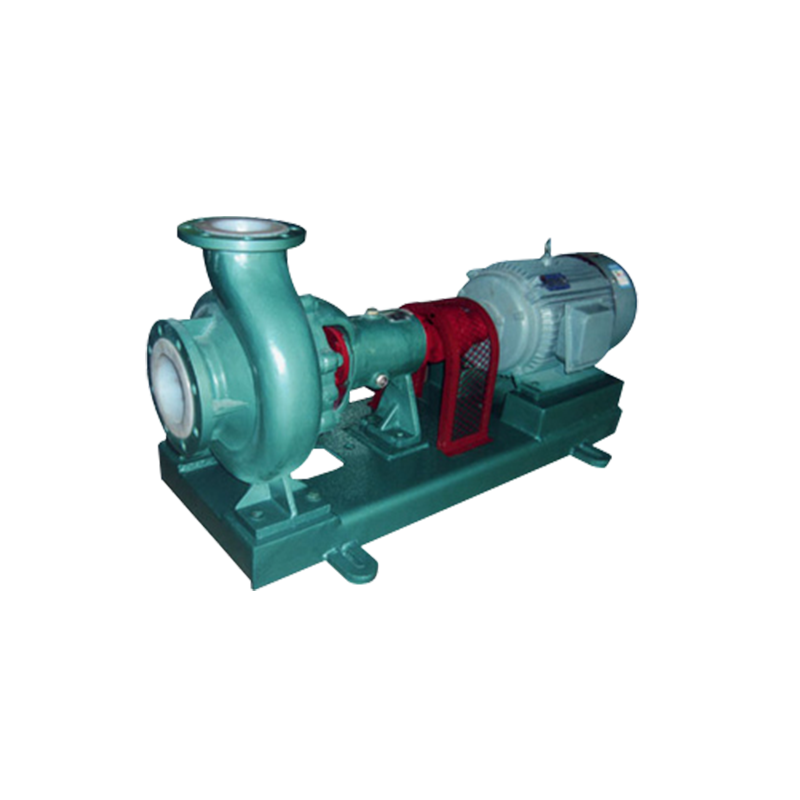
IHF fluorine-lined chemical pump is characterized by a reasonable and advanced structure, strong corrosion resistance, tight and reliable mechanical s...
See Details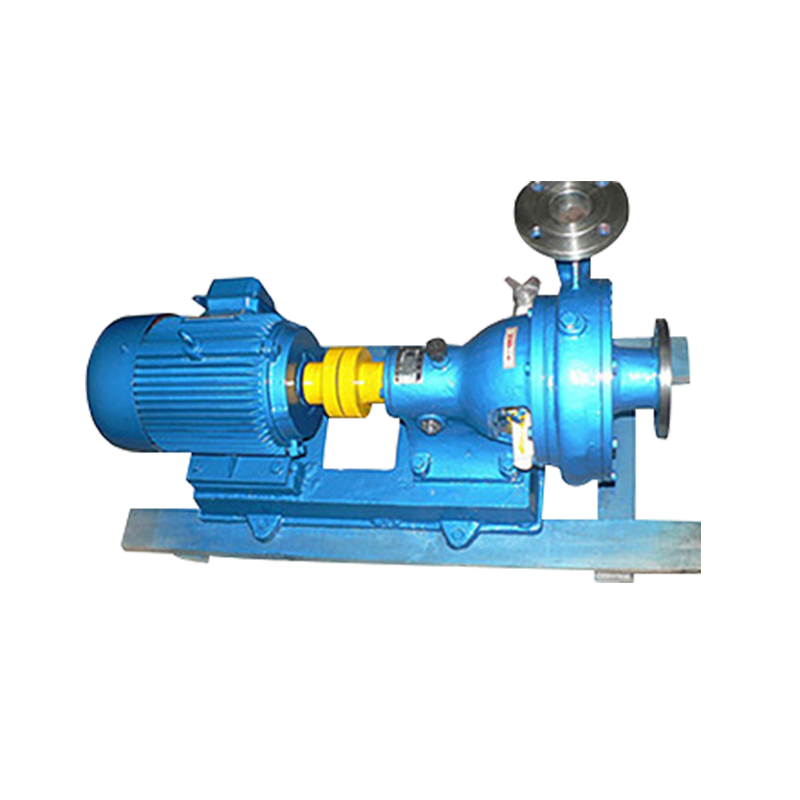
PWF corrosion-resistant sewage pump is a single-stage, single-suction, cantilever-type corrosion-resistant centrifugal sewage pump. Its functional ran...
See Details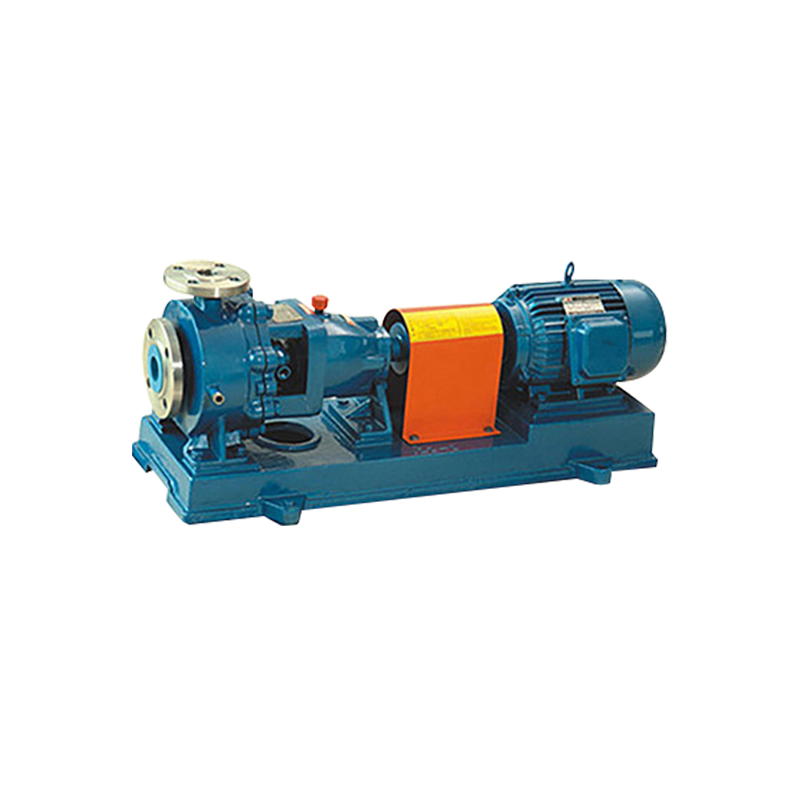
Detailed description of IN series jacketed stainless steel thermal insulation pump, steam thermal insulation, corrosion resistance, crystallization re...
See Details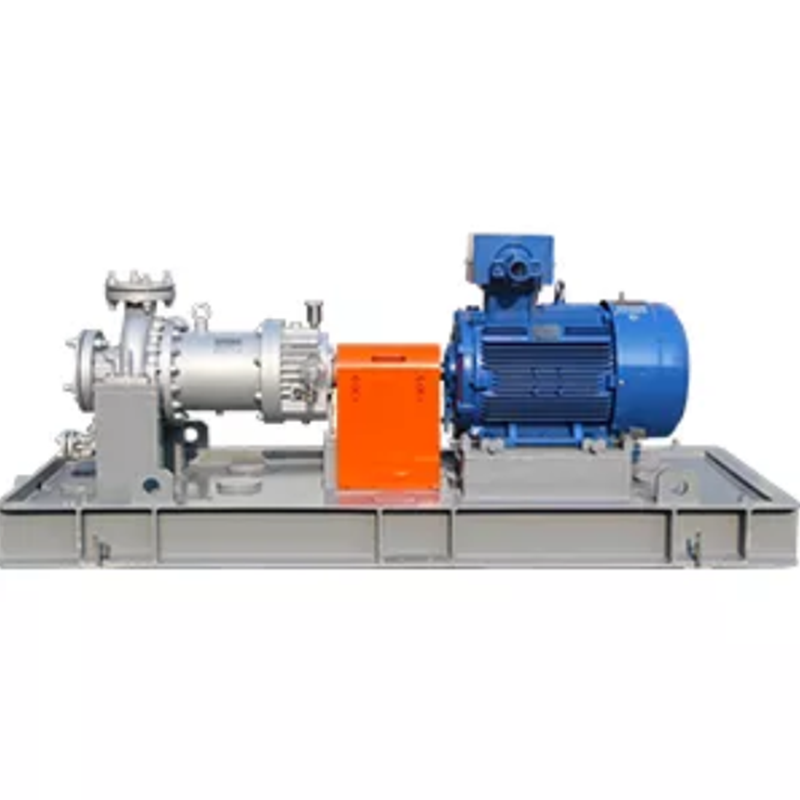
Performance Range: · Diameter: DN25~DN400 · Flow Rate: Up to 2000 m³/h · Head: Up to 250 m · Temperature Limit...
See Details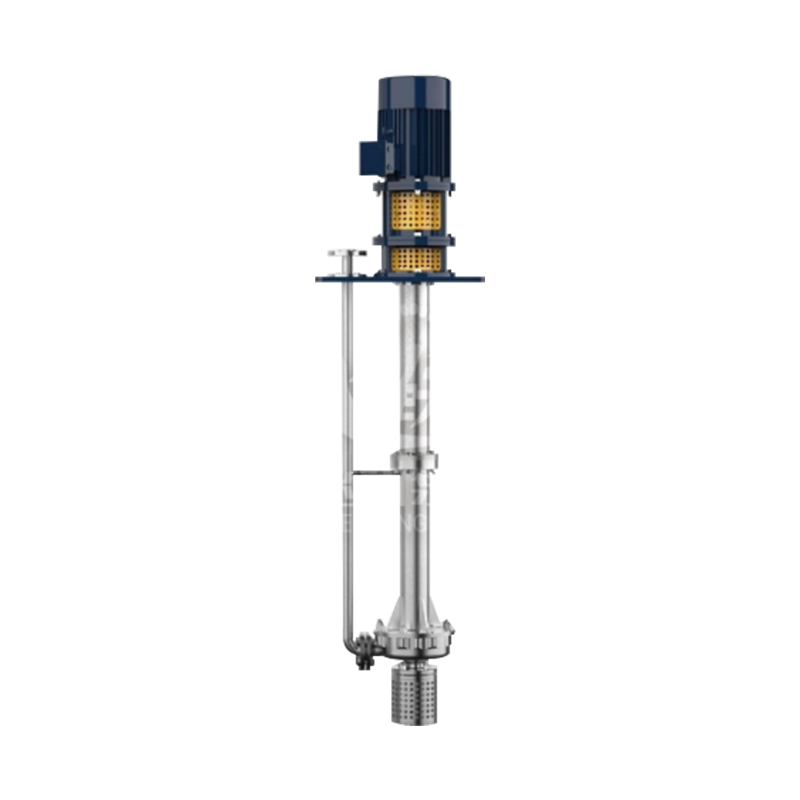
Overview The non-metallic vertical submerged pump is designed for handling corrosive media within a temperature range of 0°C to 120°C, free from solid...
See Details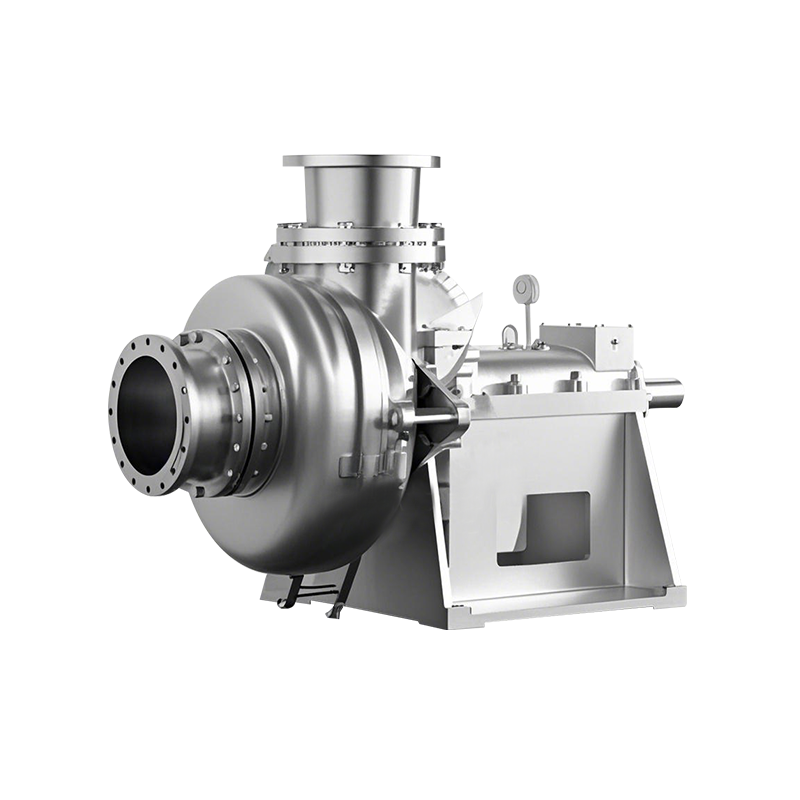
The Single Casing Series Slurry Pump is a new generation of high-efficiency, wear-resistant, and energy-saving slurry pumps developed by our company. ...
See Details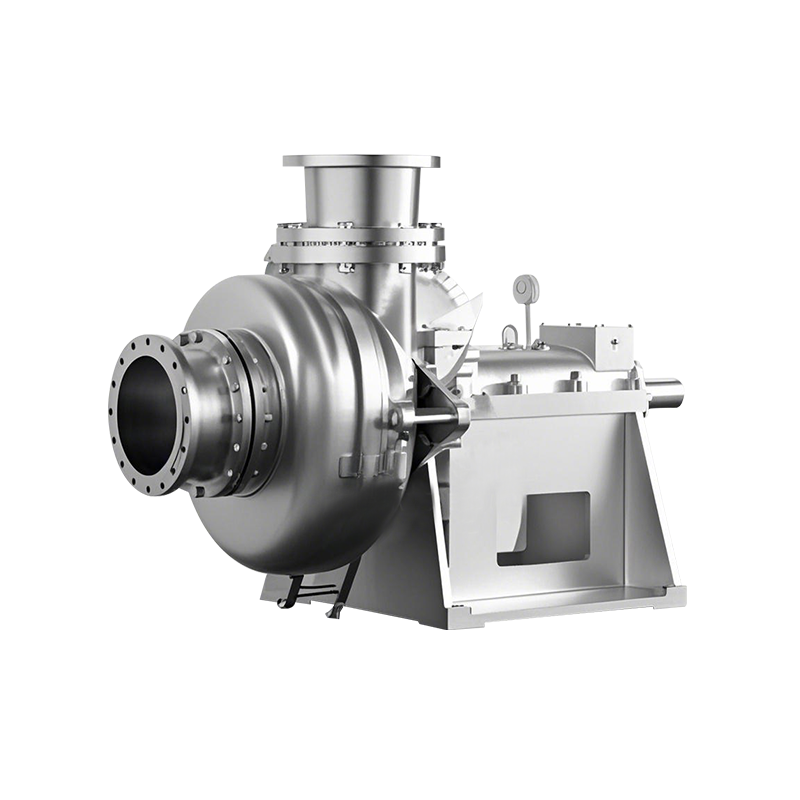
The mixed-flow pump, also known as the diagonal flow pump, is a type of pump that falls between the centrifugal pump and the axial-flow pump. It is su...
See Details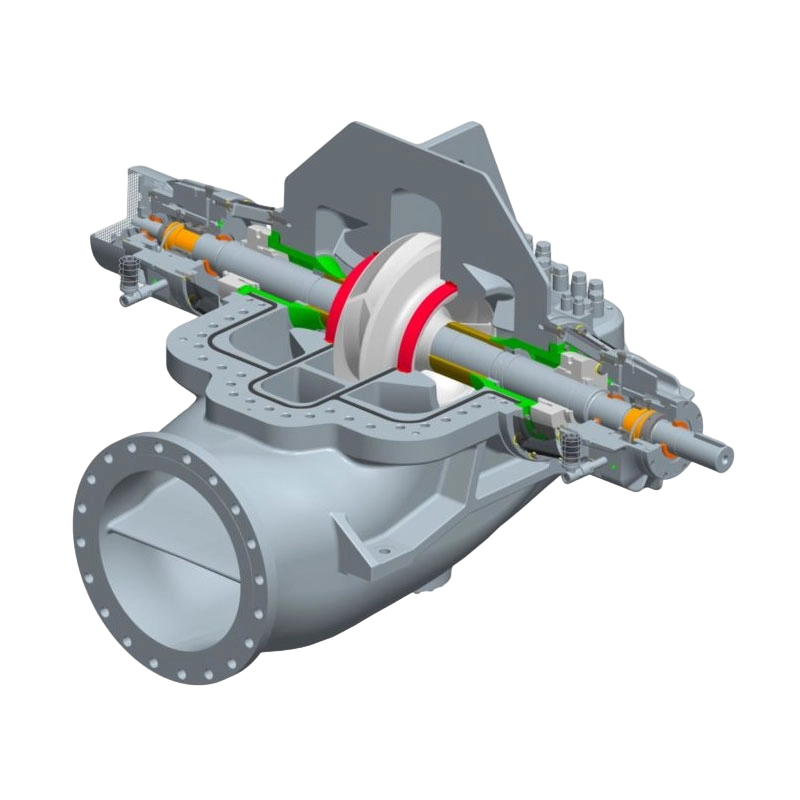
Our standard API 610 BB1 pumps are horizontally mounted, single-stage, double-suction units with an axially split casing between bearings. The pump an...
See Details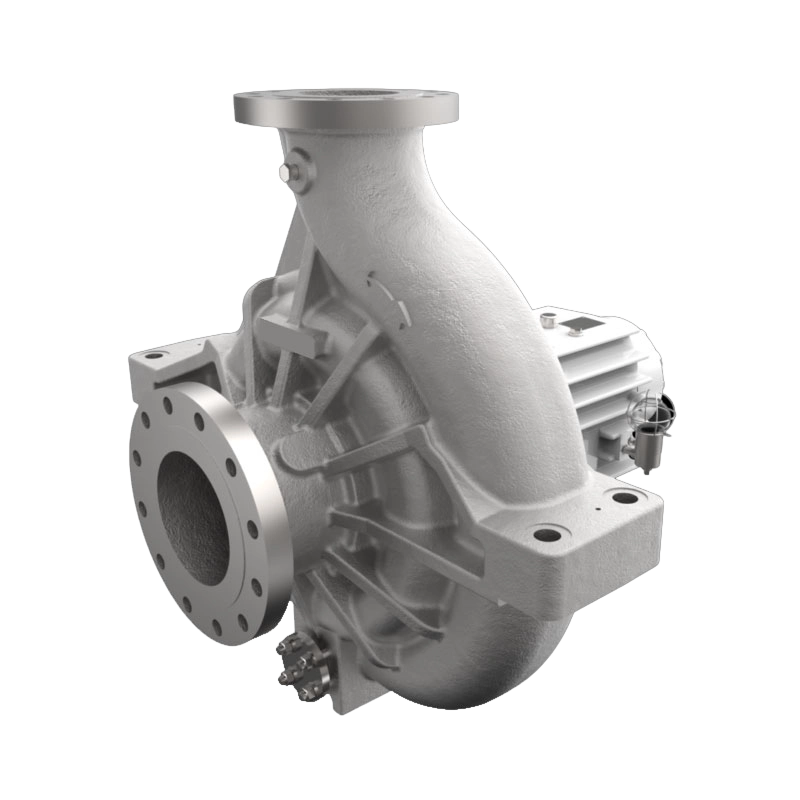
Our standard API 610 OH2 pumps are centerline-supported, single-stage, overhung units with an integrated bearing housing. The pump and motor are flexi...
See DetailsCopyright © Welcome to Chemical Pump Factory - Jiangsu Feixiang Pump Manufacturing All rights reserved. Chemical Pumps Manufacturers

 +86-18052670932
 +86-0523-84326888
 No. 35, Xinqiao Middle Road, Xinqiao Town, Jingjiang City, Jiangsu Province, China