

 en
en  русский
 Español
IHF Lined Fluorine Centrifugal Pump
Cat:Corrosion-Resistant Chemical Pump
IHF fluorine-lined chemical pump is characterized by a reasonable and advanced structure, strong corrosion resistance, tight and reliable mechanical s...
See DetailsContent
Screw pumps are widely used in industries for transferring viscous fluids, slurries, and delicate liquids. The stator is a critical component that works with the rotor to create the pumping action. Understanding common wear and failure modes of screw pump stators is essential for maximizing pump efficiency, preventing downtime, and reducing maintenance costs.
Abrasion is one of the most frequent causes of stator wear, especially when pumping fluids containing solid particles or slurry. The constant friction between the rotor and stator, combined with entrained particles, gradually erodes the elastomer material, reducing pump efficiency and causing leakage.
Screw pump stators are often made from elastomers that can swell or degrade when exposed to incompatible fluids. Chemical attack can soften the material, change its dimensions, and alter the pumping characteristics, leading to decreased performance and potential mechanical failure.
Repeated cyclic stresses during pump operation can cause elastomer fatigue. This leads to cracks, delamination, or chunks of the stator material separating from the housing. Mechanical fatigue is often accelerated by improper installation, excessive pressure, or pump overloading.
High operating temperatures or sudden temperature spikes can damage the stator elastomer. Thermal degradation causes hardening, embrittlement, or softening of the material, which impacts the sealing and volumetric efficiency of the pump.
Even high-quality stators can fail prematurely if installed incorrectly. Misalignment between the rotor and stator increases localized stress, accelerates wear, and may cause stator tearing or permanent deformation.
Foreign objects, such as metal fragments, sand, or debris, can damage the stator surface. These contaminants create gouges or cuts in the elastomer, compromising the sealing action and increasing the likelihood of leakage.
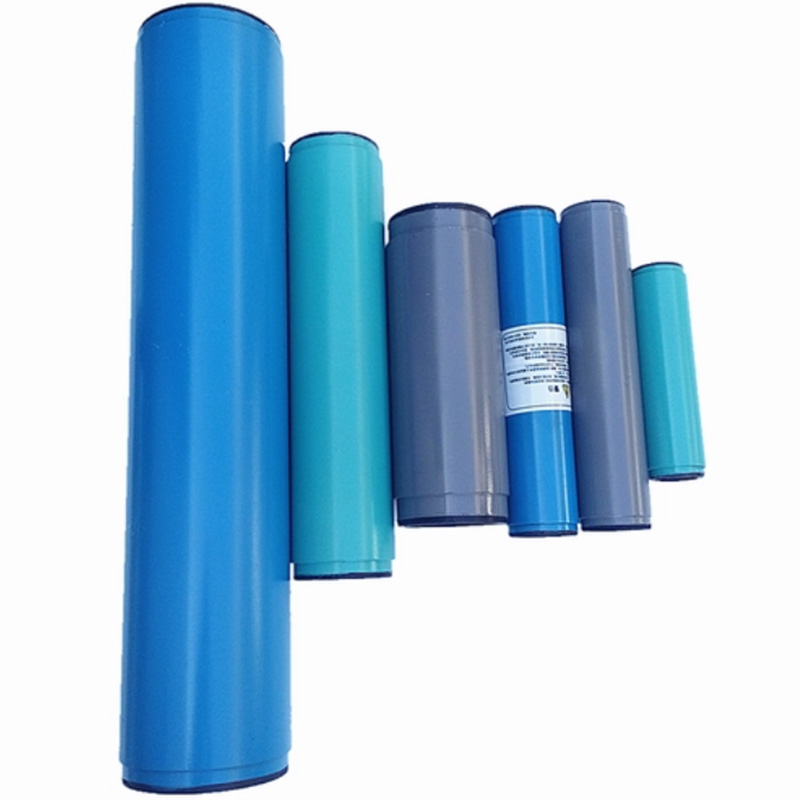
Maintaining adequate lubrication between the rotor and stator can significantly extend stator life. Insufficient lubrication increases friction, heat, and stress, accelerating all forms of wear.
Understanding the common wear and failure modes of screw pump stators—such as abrasion, swelling, fatigue, thermal degradation, misalignment, and contamination—is critical for maintaining pump performance and reliability. By selecting the appropriate elastomer material, ensuring proper installation, monitoring operating conditions, and implementing preventive maintenance, operators can extend stator life, reduce downtime, and optimize pump efficiency.
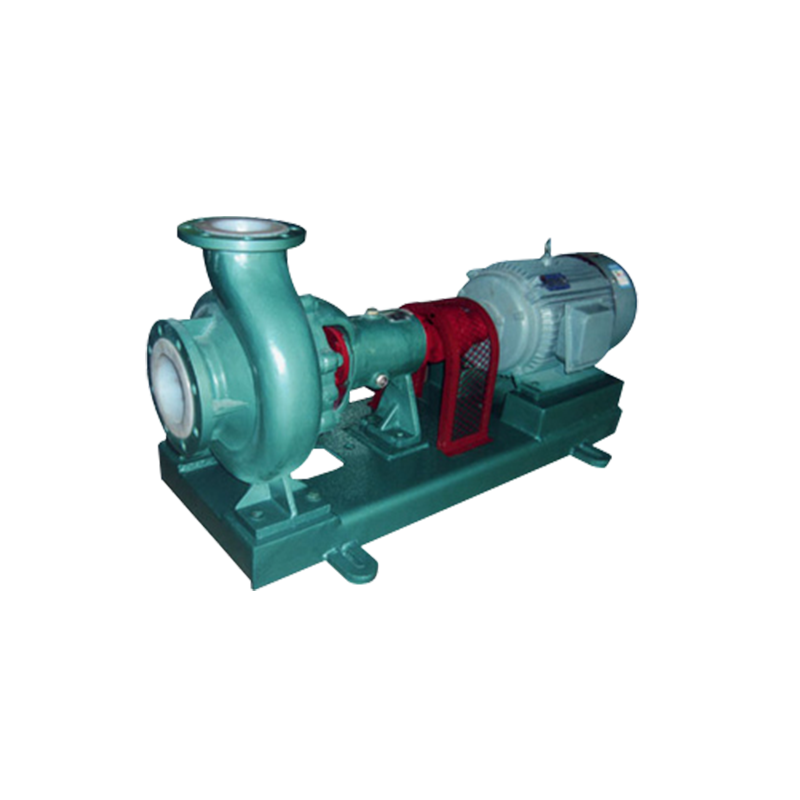
IHF fluorine-lined chemical pump is characterized by a reasonable and advanced structure, strong corrosion resistance, tight and reliable mechanical s...
See Details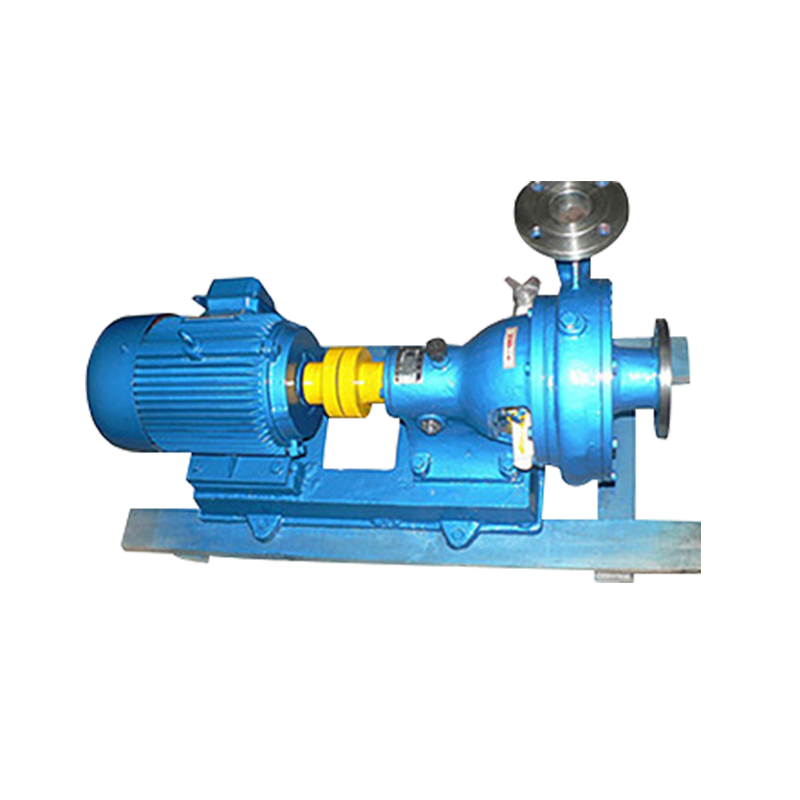
PWF corrosion-resistant sewage pump is a single-stage, single-suction, cantilever-type corrosion-resistant centrifugal sewage pump. Its functional ran...
See Details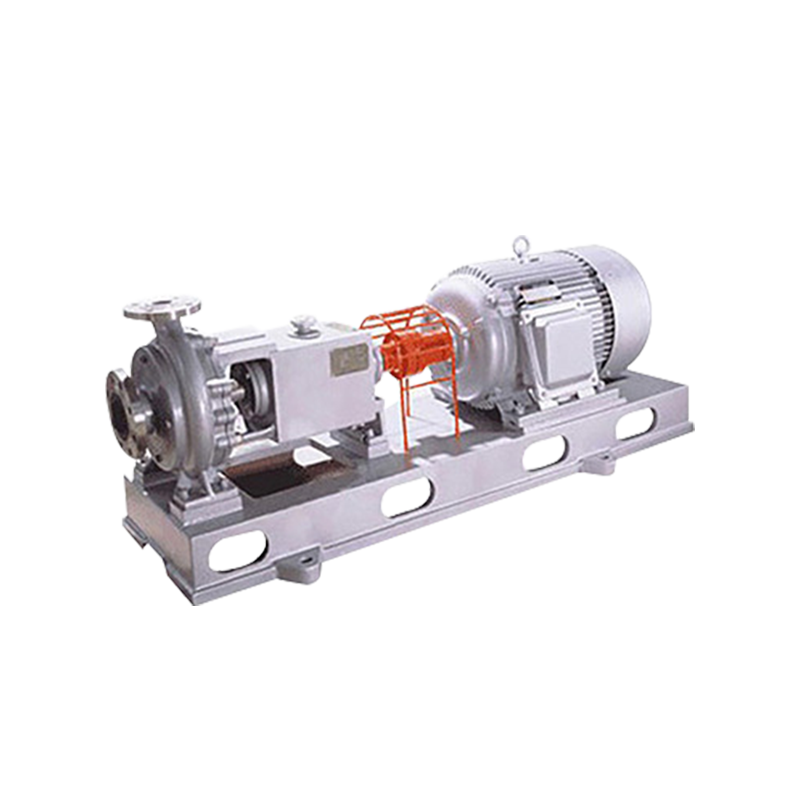
IJ series corrosion-resistant pump is a single-stage, single-suction cantilever centrifugal pump. Its marking, rating characteristics, and dimensions ...
See Details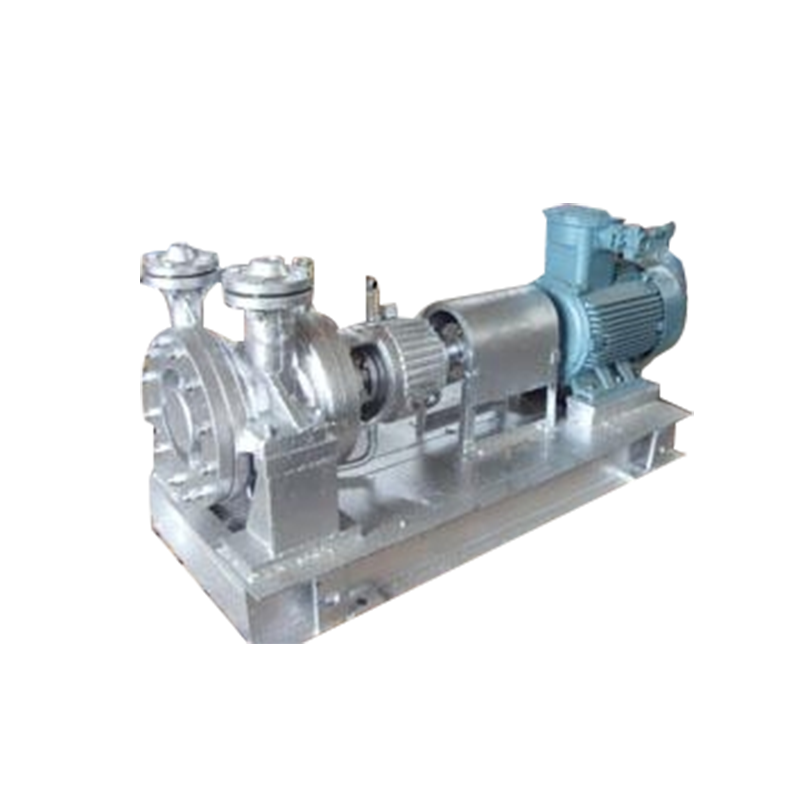
AY type oil pump is divided into two structural forms: single-stage single-suction cantilever type, two-stage single-suction cantilever type, single-s...
See Details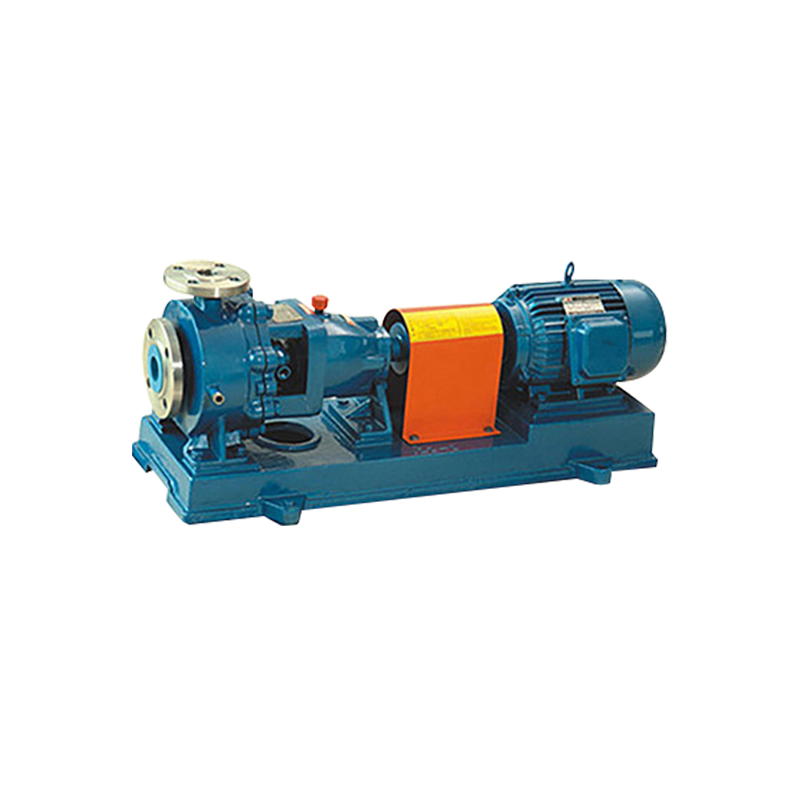
Detailed description of IN series jacketed stainless steel thermal insulation pump, steam thermal insulation, corrosion resistance, crystallization re...
See Details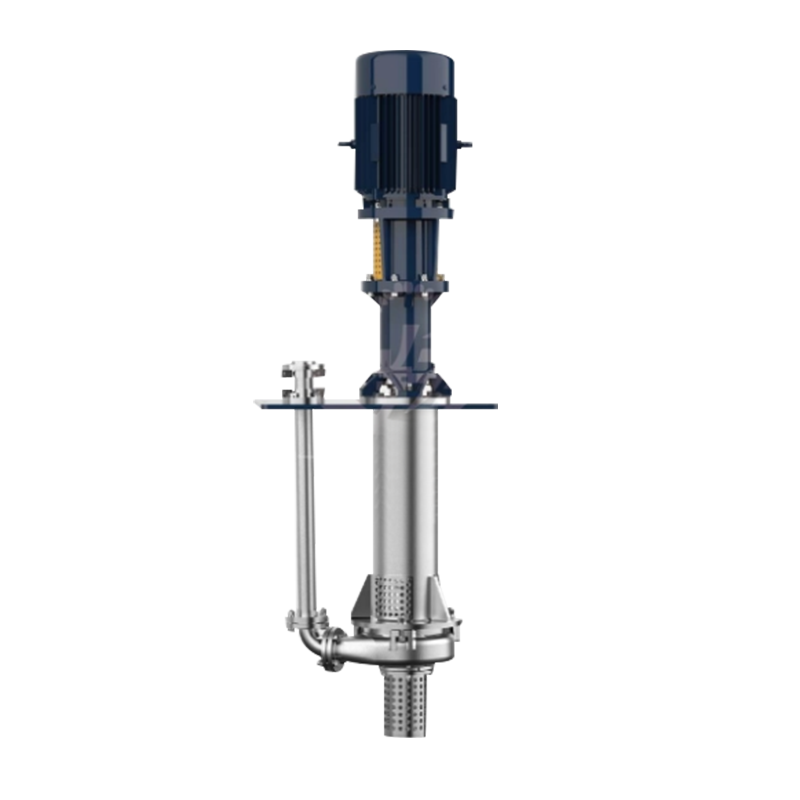
The slurry submerged pump is a cantilevered vertical design developed by our company, combining advanced features from both domestic and international...
See Details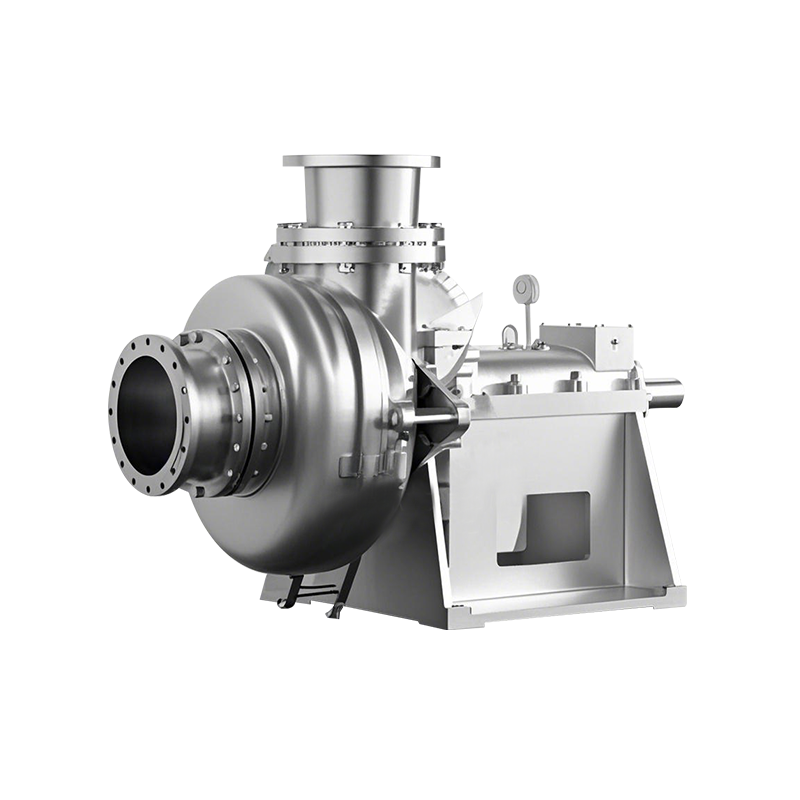
The mixed-flow pump, also known as the diagonal flow pump, is a type of pump that falls between the centrifugal pump and the axial-flow pump. It is su...
See Details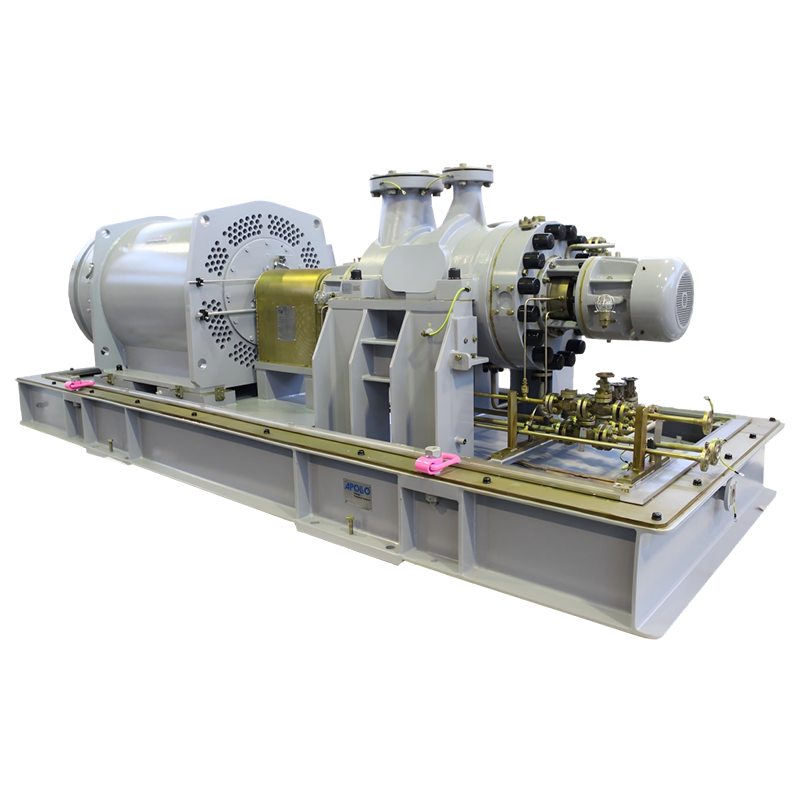
Our API 610 BB5 pumps feature a double-casing, radially split multistage configuration in a between-bearing barrel pump design. The pump and motor are...
See Details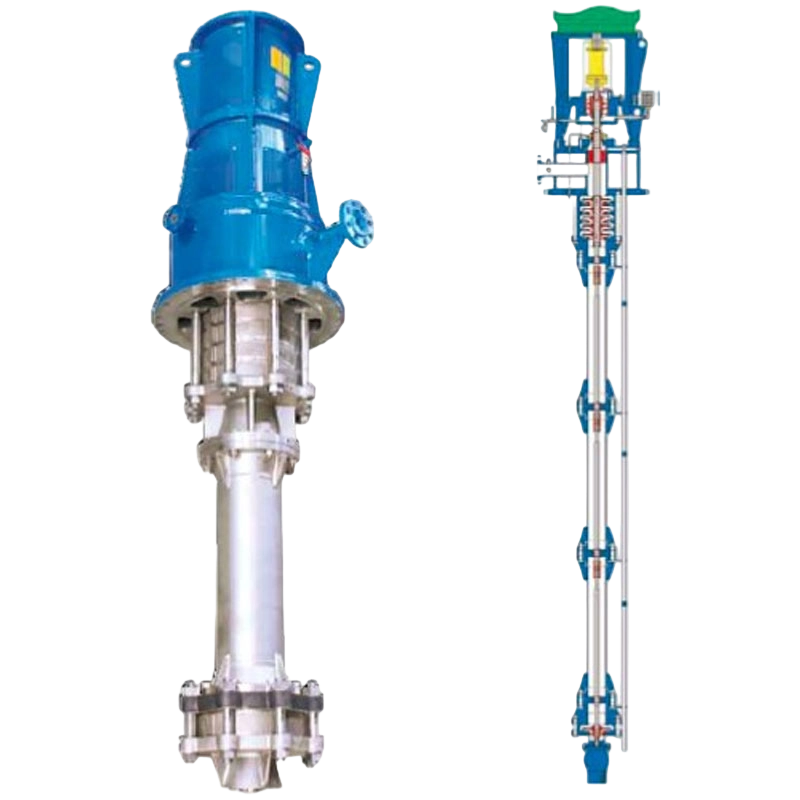
Our API 610 VS1 sump pumps feature a vertically suspended configuration with radial-split single casing, available in both single and multi-stage diff...
See DetailsCopyright © Welcome to Chemical Pump Factory - Jiangsu Feixiang Pump Manufacturing All rights reserved. Chemical Pumps Manufacturers

 +86-18052670932
 +86-0523-84326888
 No. 35, Xinqiao Middle Road, Xinqiao Town, Jingjiang City, Jiangsu Province, China