

 en
en  русский
 Español
CZ Standard Chemical Process Pump
Cat:Chemical Process Pump
1. Performance range of CZ type chemical pump (according to design point) Flow: Q 1.6-1500m3/h Lift: H 5-125m Working pressure: P less than or equal t...
See DetailsContent
Vertical axial flow pumps are specialized equipment designed to move large volumes of fluid at relatively low pressure. Unlike centrifugal pumps, these pumps use an axial impeller to push water or liquid straight along the pump shaft. Their high flow capabilities and efficiency make them suitable for diverse industrial and municipal applications. Understanding where vertical axial flow pumps are commonly applied helps industries optimize performance and reduce operational costs.
Municipal water supply systems often require pumps that can handle large flow rates efficiently. Vertical axial flow pumps are commonly used to maintain water distribution in urban areas, ensuring consistent supply even during peak demand.
These pumps are capable of moving vast quantities of water with minimal energy consumption, making them ideal for large-scale water supply networks. Their vertical design also allows for space-saving installations in urban pumping stations.
Vertical axial flow pumps are extensively used in flood control applications. They can rapidly discharge large amounts of water, reducing the risk of overflow and protecting urban infrastructure from water damage.
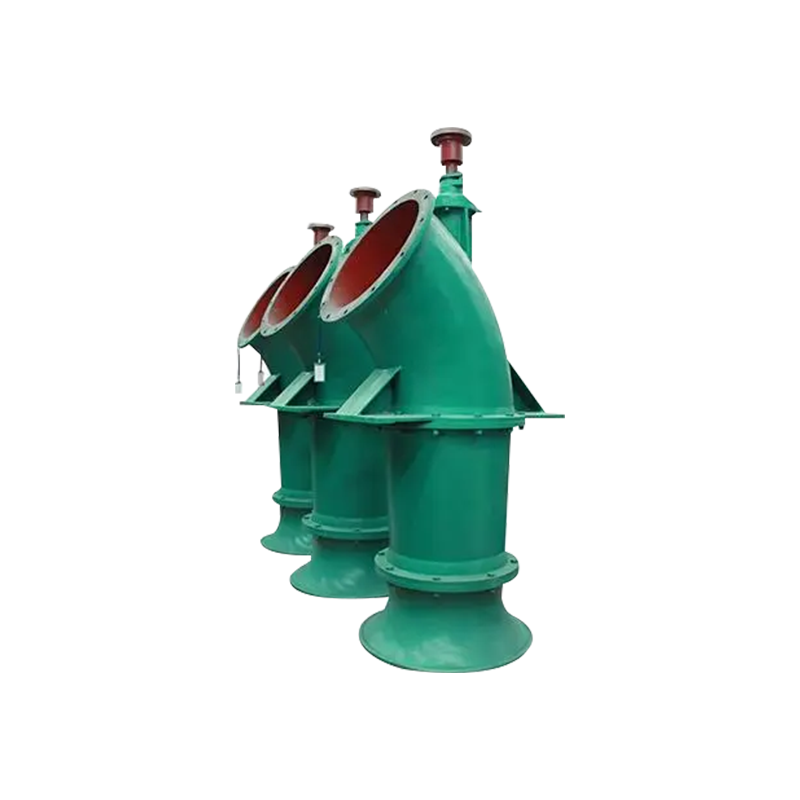
In agriculture, vertical axial flow pumps are essential for irrigation systems, supplying water to fields, orchards, and greenhouses. Their efficiency in moving large water volumes supports sustainable farming practices and crop yield optimization.
By delivering consistent water flow, vertical axial flow pumps ensure crops receive adequate hydration, reducing the need for manual irrigation and increasing productivity.
These pumps can be installed in canals, reservoirs, or pipelines, providing versatile solutions for irrigation of extensive agricultural lands without excessive energy consumption.
Vertical axial flow pumps are used in numerous industrial processes requiring high flow rates, including chemical plants, power generation, and cooling water systems. Their ability to transport large fluid volumes efficiently supports critical industrial operations.
Power plants and industrial facilities often use vertical axial flow pumps to circulate cooling water through heat exchangers, condensers, and cooling towers. This ensures optimal thermal management and prevents equipment overheating.
In chemical industries, these pumps handle liquids that require large throughput at controlled flow rates. Their durable construction can accommodate corrosive or mildly abrasive fluids, ensuring safe and efficient processing.
Flood control projects rely heavily on vertical axial flow pumps for their ability to discharge massive amounts of water quickly. These pumps are deployed in river management, stormwater drainage, and coastal protection systems.
During emergency situations like heavy rainfall or storm surges, vertical axial flow pumps can be activated to prevent flooding in populated areas, safeguarding lives and property.
These pumps are ideal for transferring water between reservoirs, rivers, or canals efficiently, supporting regional water management and flood mitigation strategies.
Vertical axial flow pumps are used in marine settings for ballast water management, dock operations, and port water circulation. Their design supports handling large volumes of seawater while resisting corrosion and wear.
Ships and offshore platforms employ vertical axial flow pumps to move water for ballast adjustments, maintaining vessel stability and safe operation.
These pumps also assist in controlling water levels in docks and harbors, enabling smooth port operations and preventing water-related damages to infrastructure.
Vertical axial flow pumps are versatile and high-capacity machines essential across multiple industries. From municipal water supply, irrigation, and flood control to industrial cooling, chemical processing, and marine applications, these pumps provide reliable performance, high efficiency, and adaptability.
By understanding the specific industry applications and advantages of vertical axial flow pumps, engineers and facility managers can optimize system design, reduce energy consumption, and enhance operational safety, making these pumps indispensable in modern fluid management.
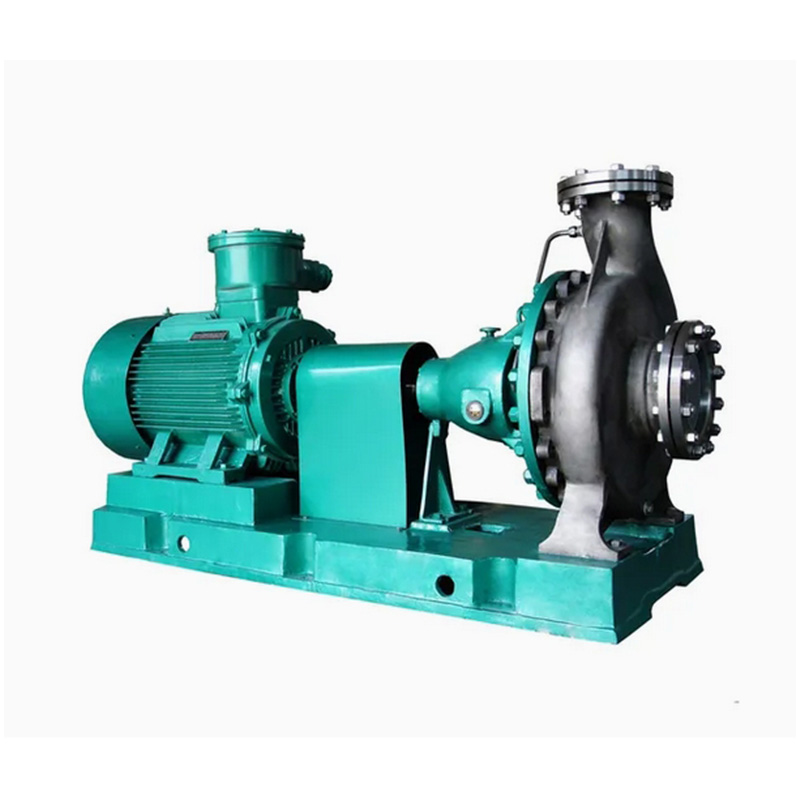
1. Performance range of CZ type chemical pump (according to design point) Flow: Q 1.6-1500m3/h Lift: H 5-125m Working pressure: P less than or equal t...
See Details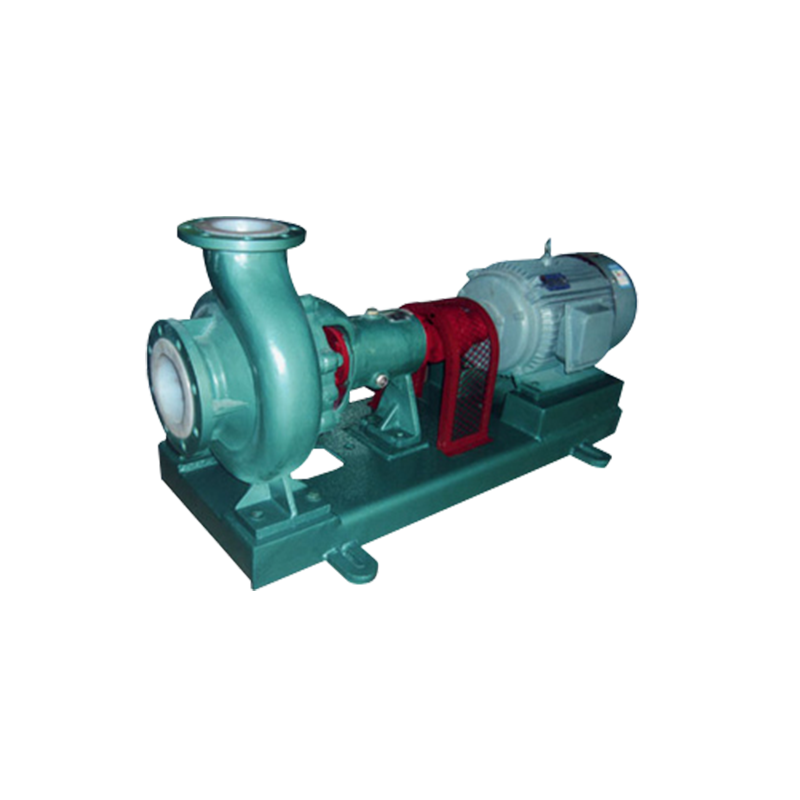
IHF fluorine-lined chemical pump is characterized by a reasonable and advanced structure, strong corrosion resistance, tight and reliable mechanical s...
See Details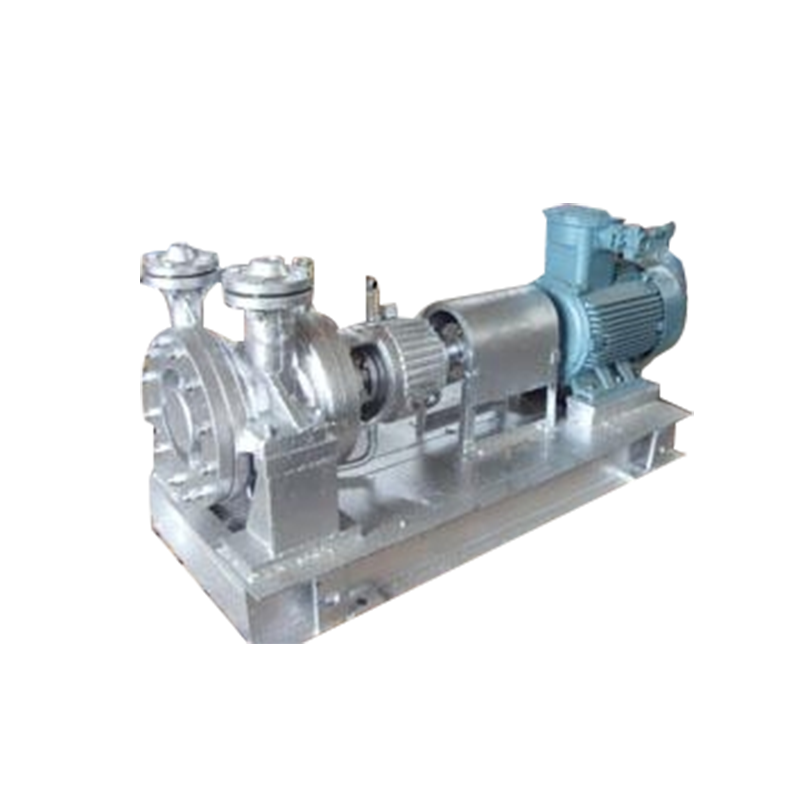
AY type oil pump is divided into two structural forms: single-stage single-suction cantilever type, two-stage single-suction cantilever type, single-s...
See Details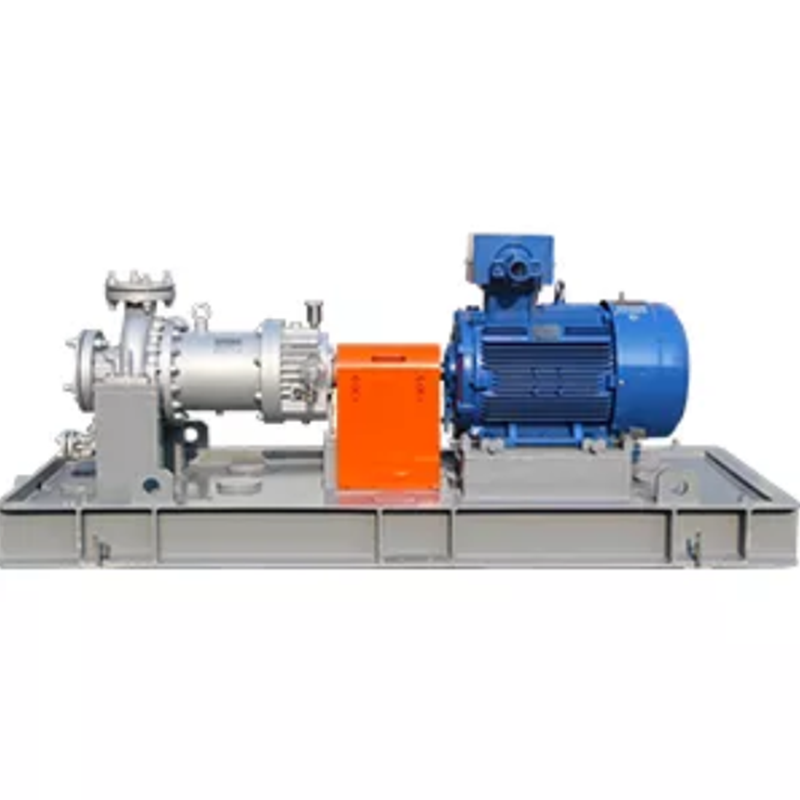
Performance Range: · Diameter: DN25~DN400 · Flow Rate: Up to 2000 m³/h · Head: Up to 250 m · Temperature Limit...
See Details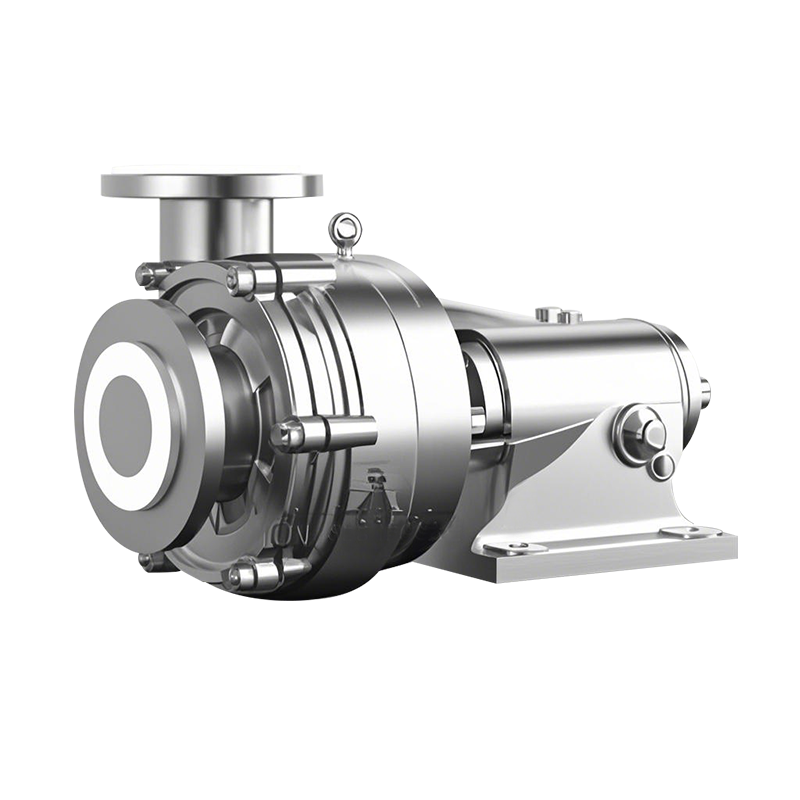
Slurry pumps are specialized equipment designed for transporting mixtures of liquids and solid particles, commonly known as slurries. These pumps are ...
See Details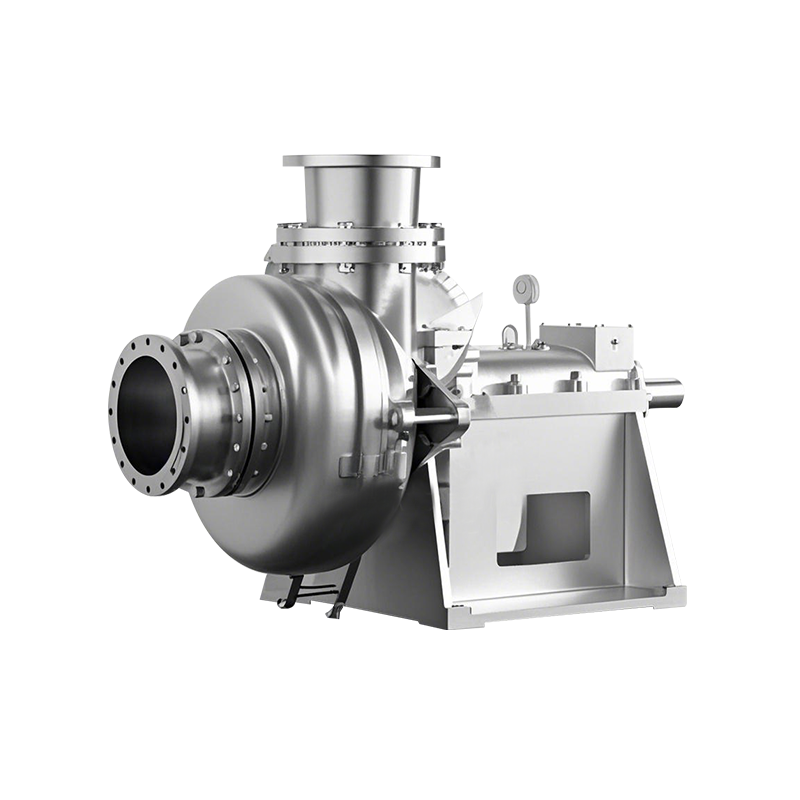
The Single Casing Series Slurry Pump is a new generation of high-efficiency, wear-resistant, and energy-saving slurry pumps developed by our company. ...
See Details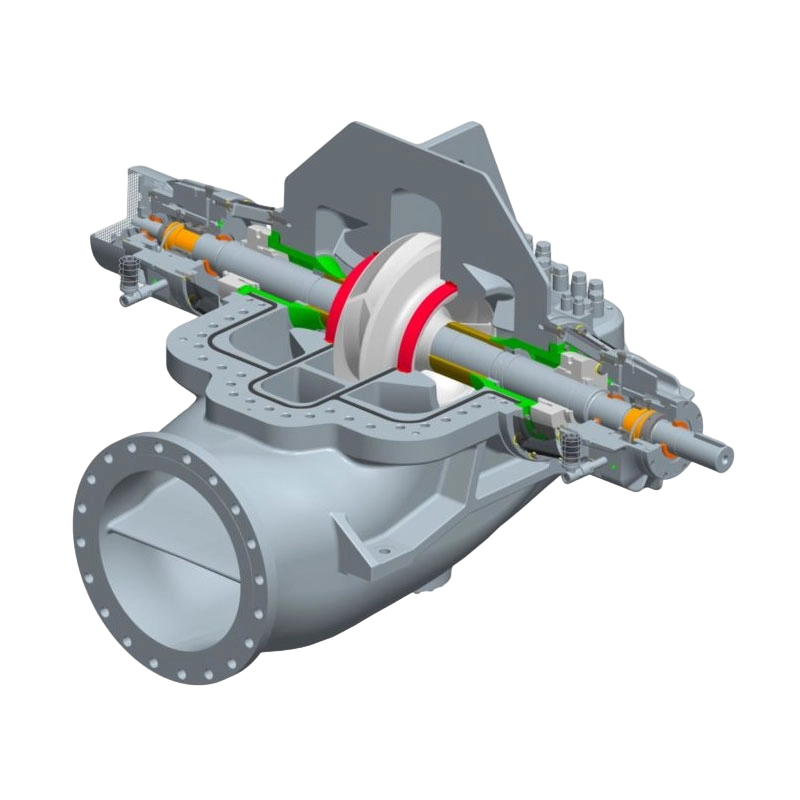
Our standard API 610 BB1 pumps are horizontally mounted, single-stage, double-suction units with an axially split casing between bearings. The pump an...
See Details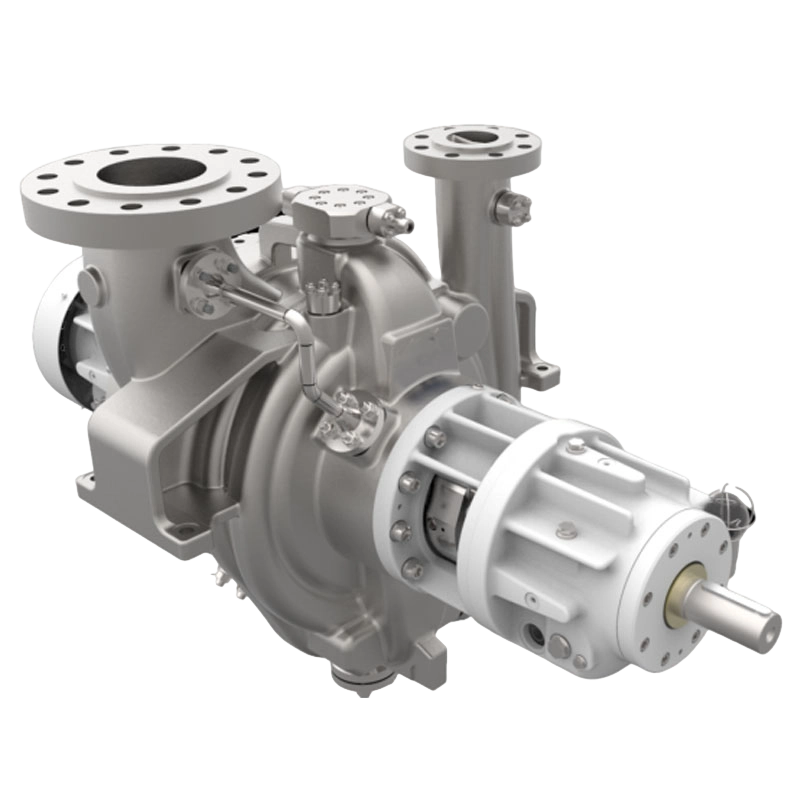
Our standard API 610 BB2 pumps feature a centerline-mounted, radially split casing with double suction and between-bearing construction. The pump and ...
See Details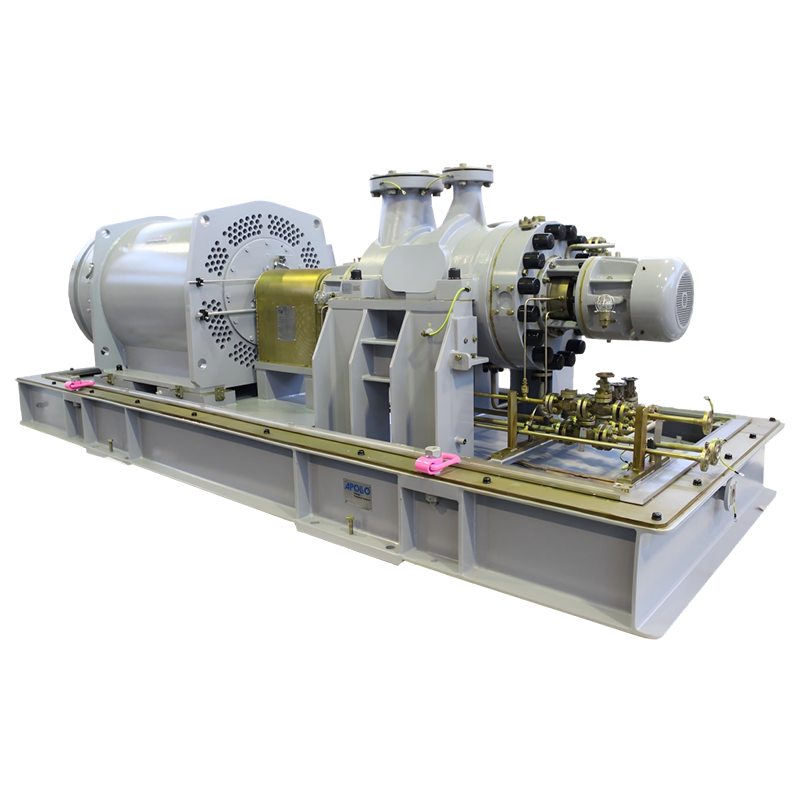
Our API 610 BB5 pumps feature a double-casing, radially split multistage configuration in a between-bearing barrel pump design. The pump and motor are...
See DetailsCopyright © Welcome to Chemical Pump Factory - Jiangsu Feixiang Pump Manufacturing All rights reserved. Chemical Pumps Manufacturers

 +86-18052670932
 +86-0523-84326888
 No. 35, Xinqiao Middle Road, Xinqiao Town, Jingjiang City, Jiangsu Province, China